Connectors & Terminals
Browse connectors & terminals products from verified and trusted suppliers and manufacturers.
Get Sourcing Help for Connectors & Terminals
Tell us your requirements and our experts will connect you with verified manufacturers.
Browse connectors & terminals products from verified and trusted suppliers and manufacturers.
Tell us your requirements and our experts will connect you with verified manufacturers.
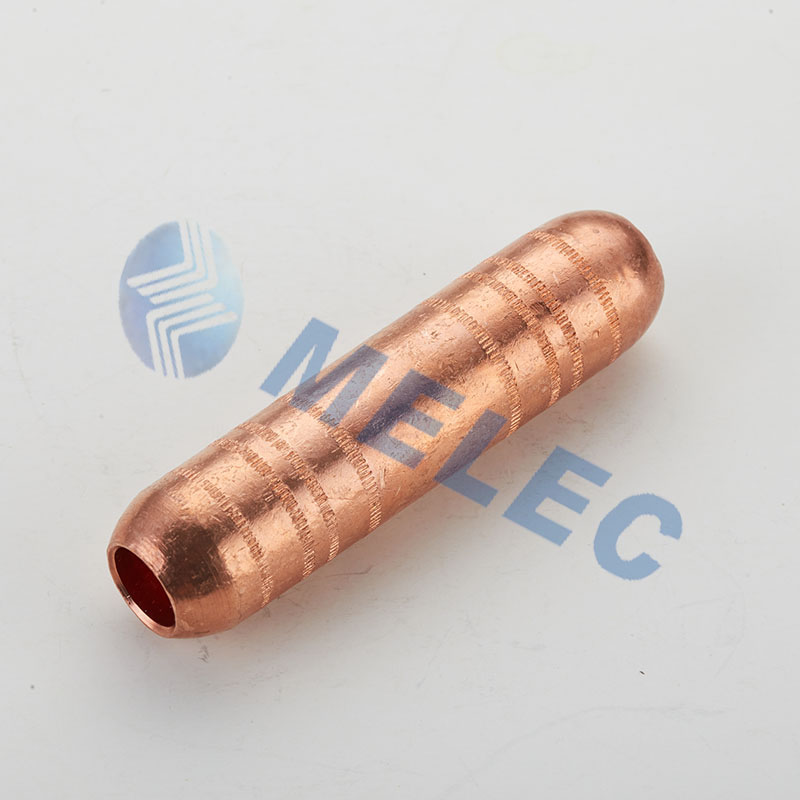
This connector is used for intermediate connection of copper cables in medium voltage applications. It features an oil blocking structure and clear markings to indicate the correct crimping location.
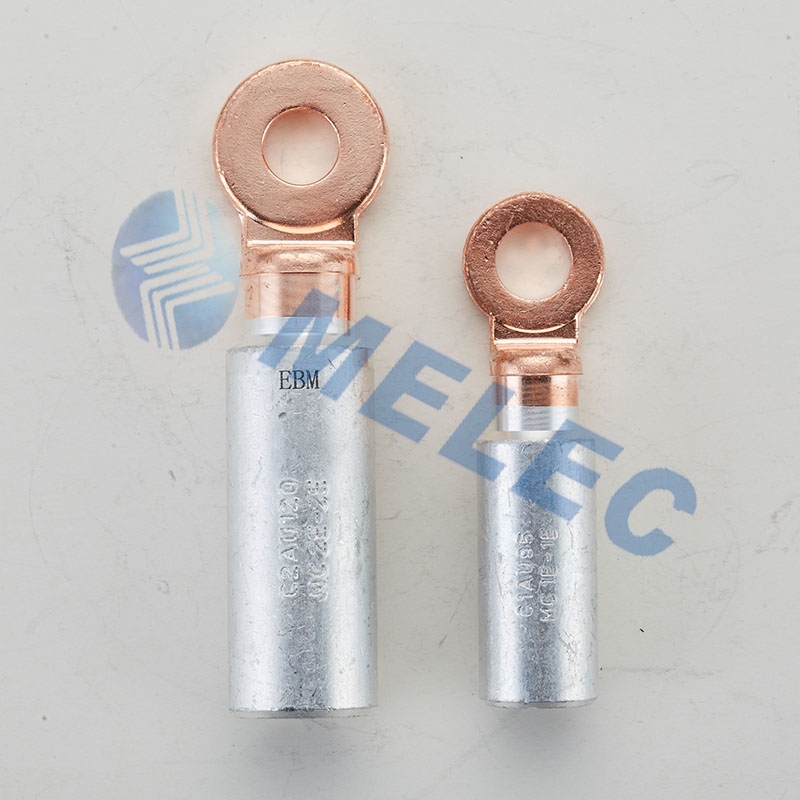
These bimetallic lug connectors are used for transition connections between aluminum or aluminum alloy cables and the copper ends of electrical equipment in medium voltage setups. They feature an oil-blocking structure and are friction welded with a prefilled jointing compound.
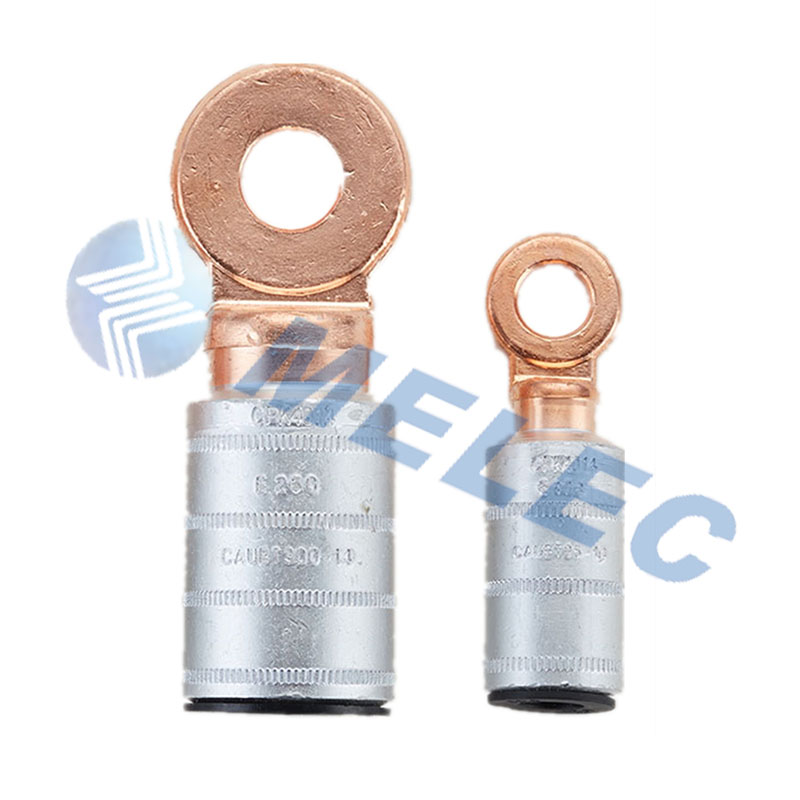
This bimetallic lug facilitates transition connections between aluminum or aluminum alloy cables and copper ends of electrical equipment in low voltage systems. It is designed with an oil blocking structure and clear crimping location markings.
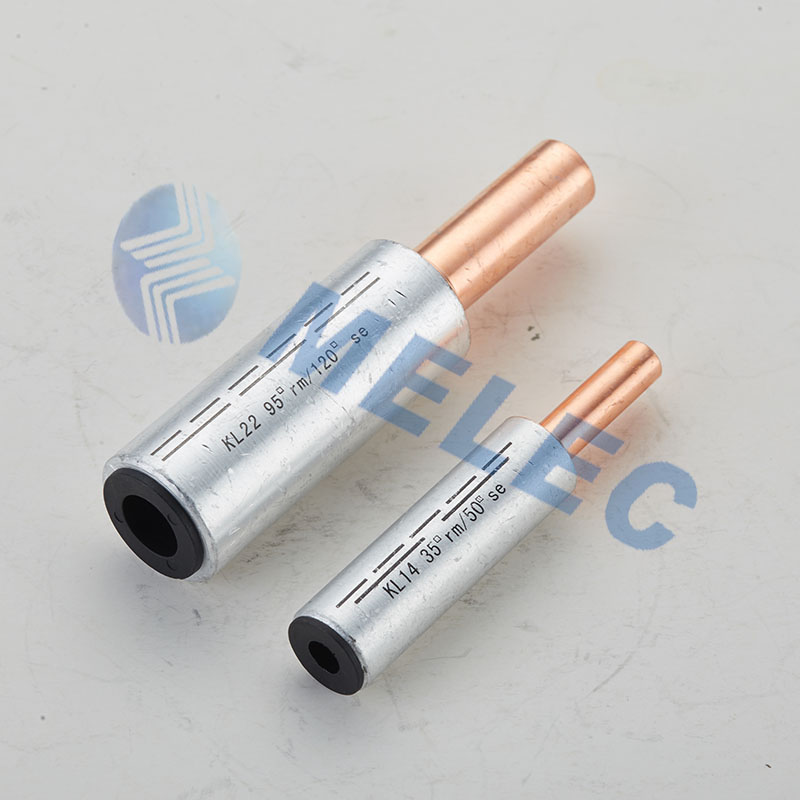
This bimetallic pin lug is used for transition connection of aluminum cable or aluminum alloy cable with copper end of miniature circuit breaker in low voltage. It features an oil blocking structure and clear markings for correct crimping.
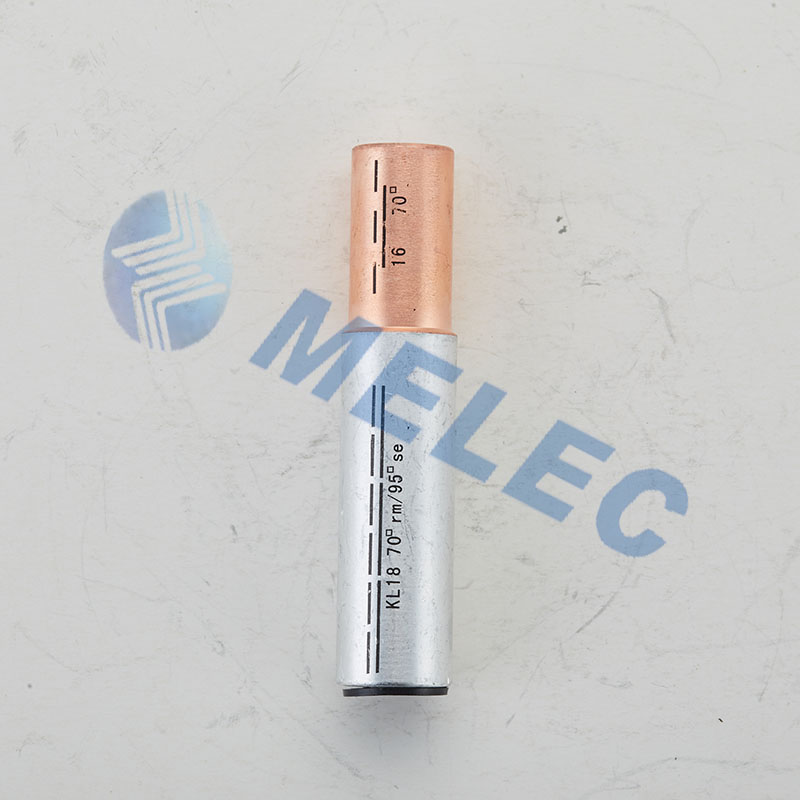
These bimetallic connectors facilitate the transition between aluminum and copper cables in medium voltage applications. They are designed to prevent galvanic corrosion at the connection point.
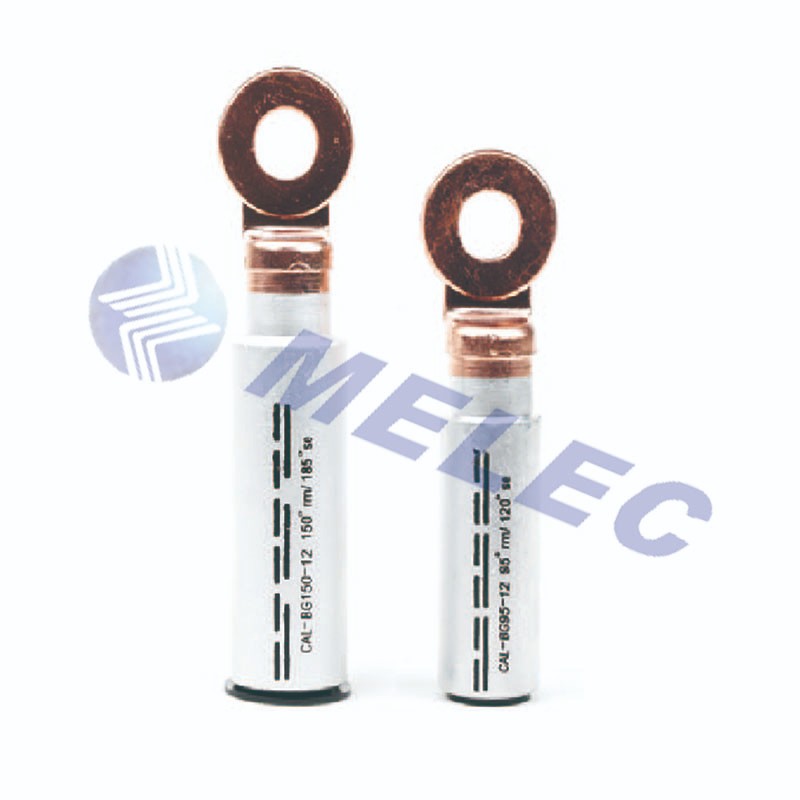
These bimetallic lugs are used for transition connection of aluminum cable or aluminum alloy cable with copper end of electrical equipment in medium voltage. They feature an oil blocking structure and are friction welded.
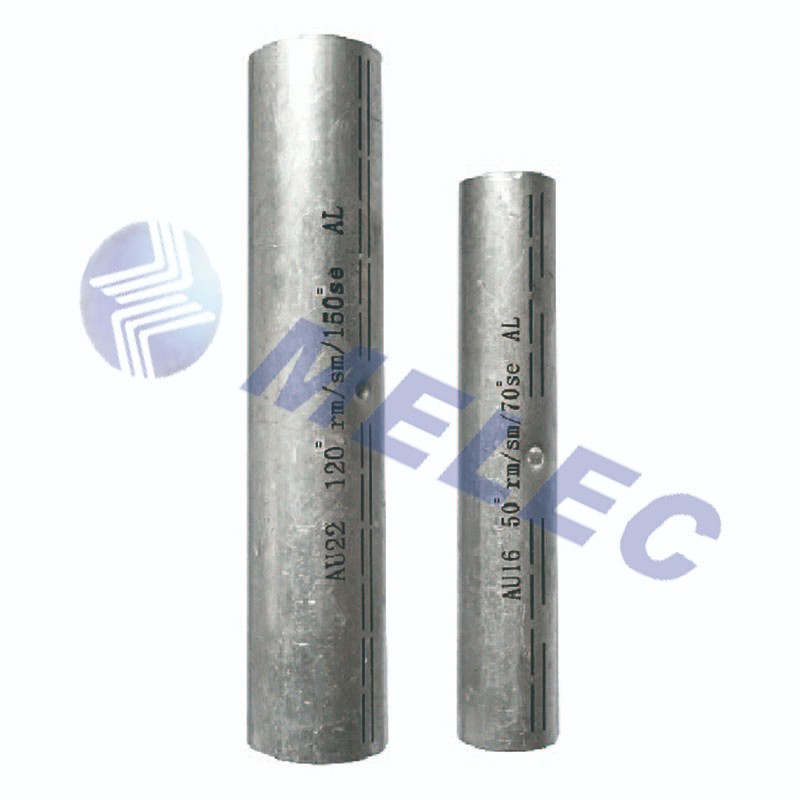
This aluminum connector is used for intermediate connection of aluminum cable and aluminum alloy cable in medium voltage applications. It features clear markings for correct crimping and is prefilled with jointing compound.
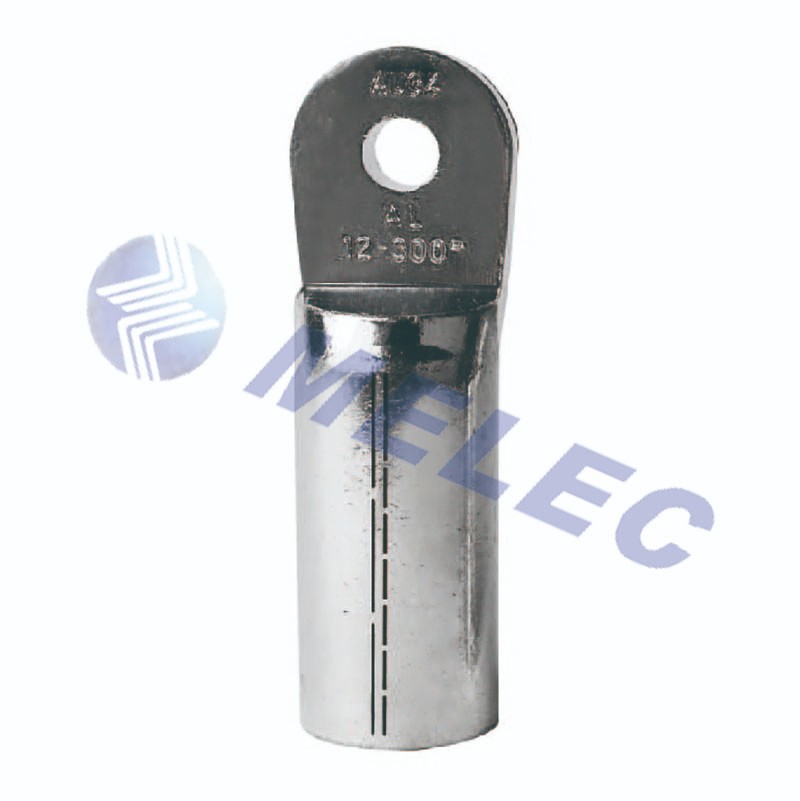
This aluminum cable lug is designed for connecting aluminum or aluminum alloy cables to electrical equipment in medium voltage environments. It features a tin-plated surface and conforms to DIN 46329 standards.
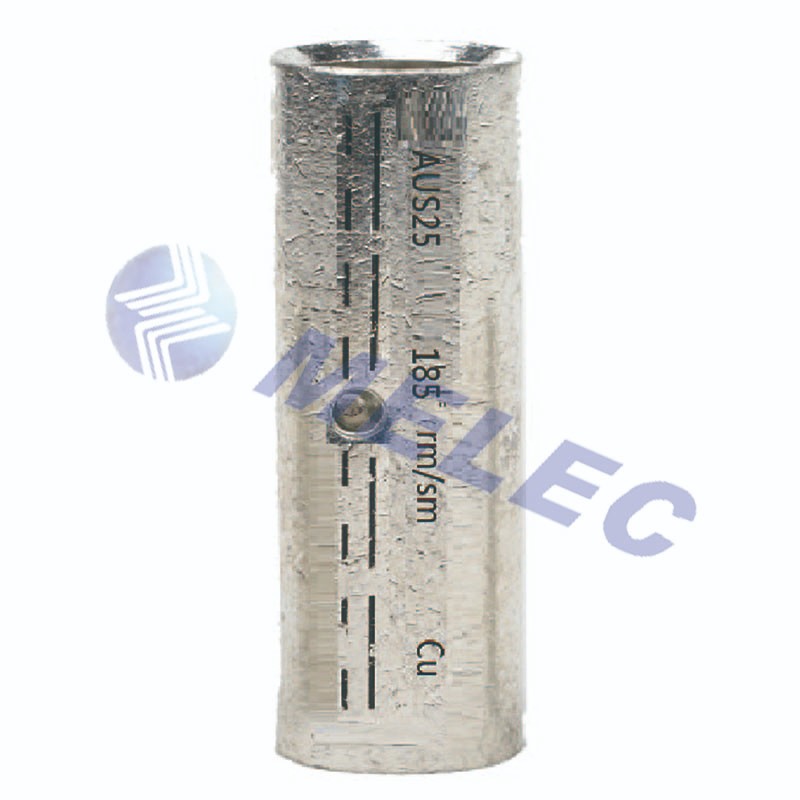
This copper cable link is used for intermediate connections in medium voltage applications. It is designed with clear markings to indicate the correct crimping location, and it conforms to DIN standards.
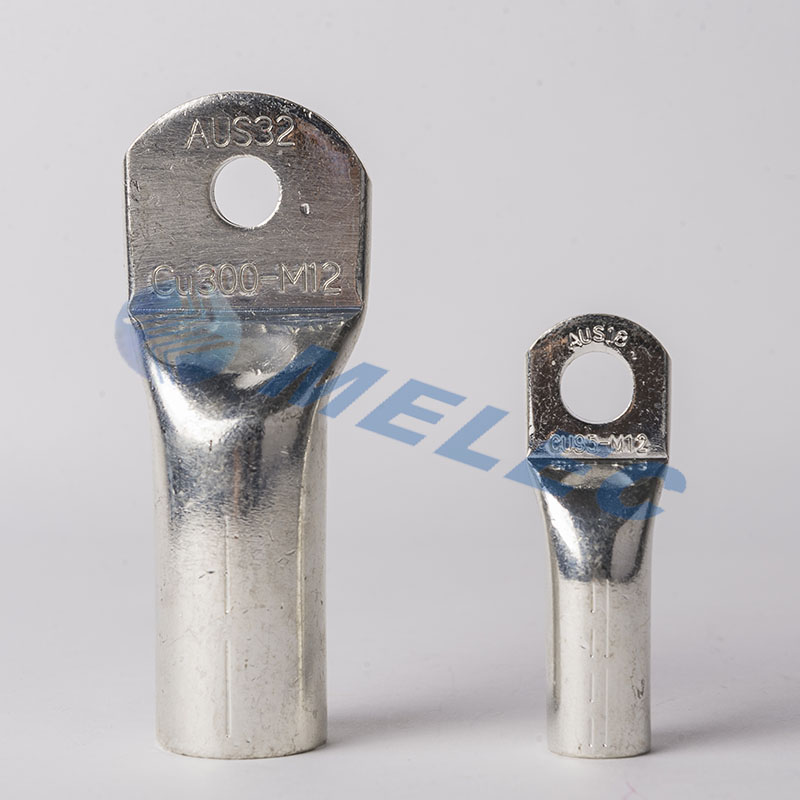
These copper cable lugs facilitate the connection of copper cables to electrical equipment in medium voltage environments. They are manufactured according to DIN standards with clear markings to ensure proper crimping.
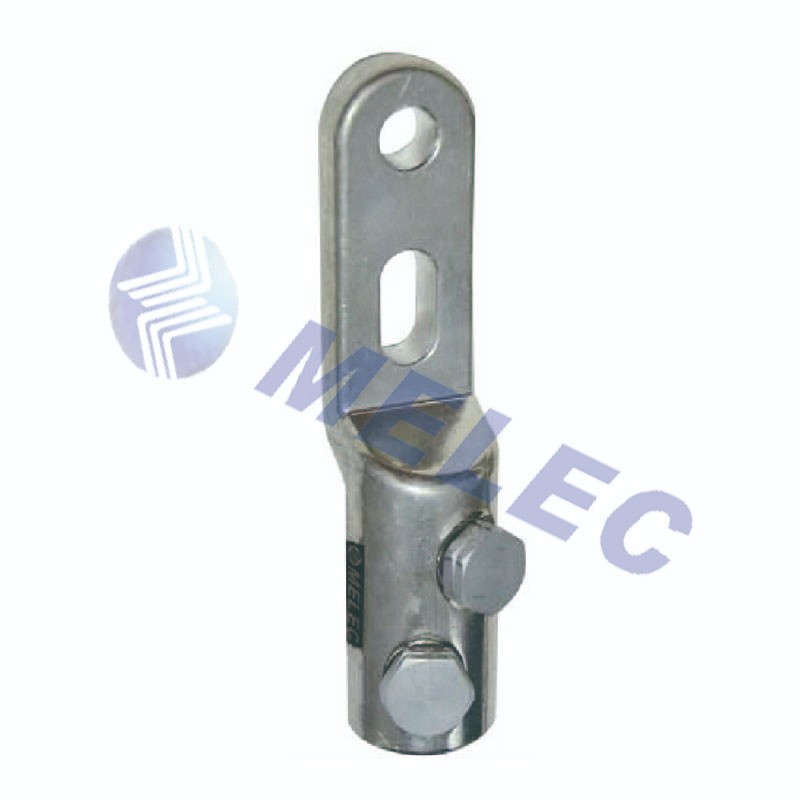
This mechanical lug connects copper, aluminum, or aluminum alloy cables to the aluminum end of electrical equipment in medium voltage setups. It requires only a socket spanner or wrench for installation, eliminating the need for crimping tools.
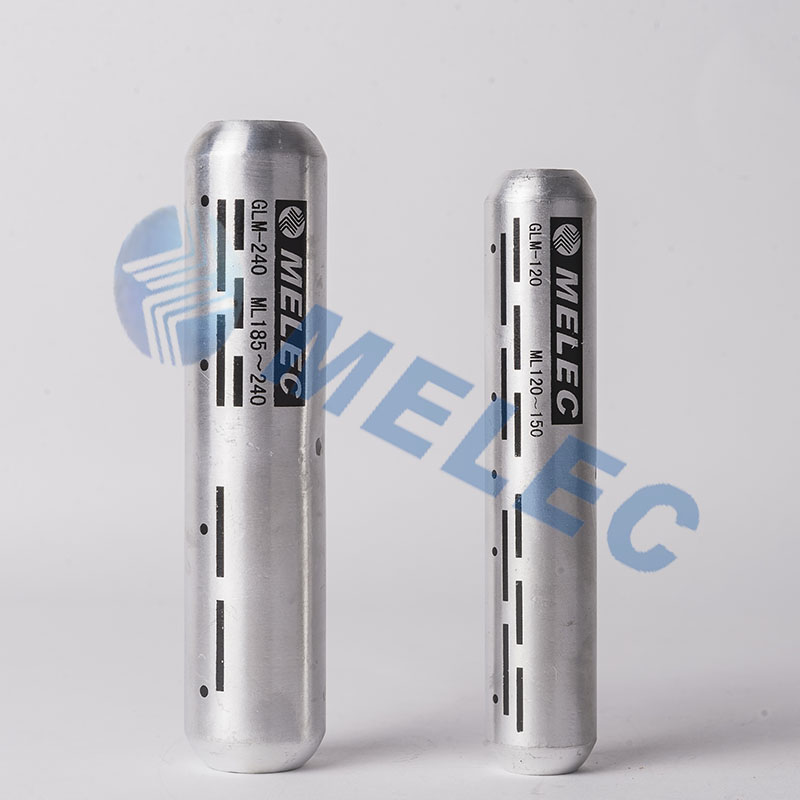
This connector is used for intermediate connections of aluminum and aluminum alloy cables in medium voltage applications. It features clear markings for correct crimping and is prefilled with jointing compound.
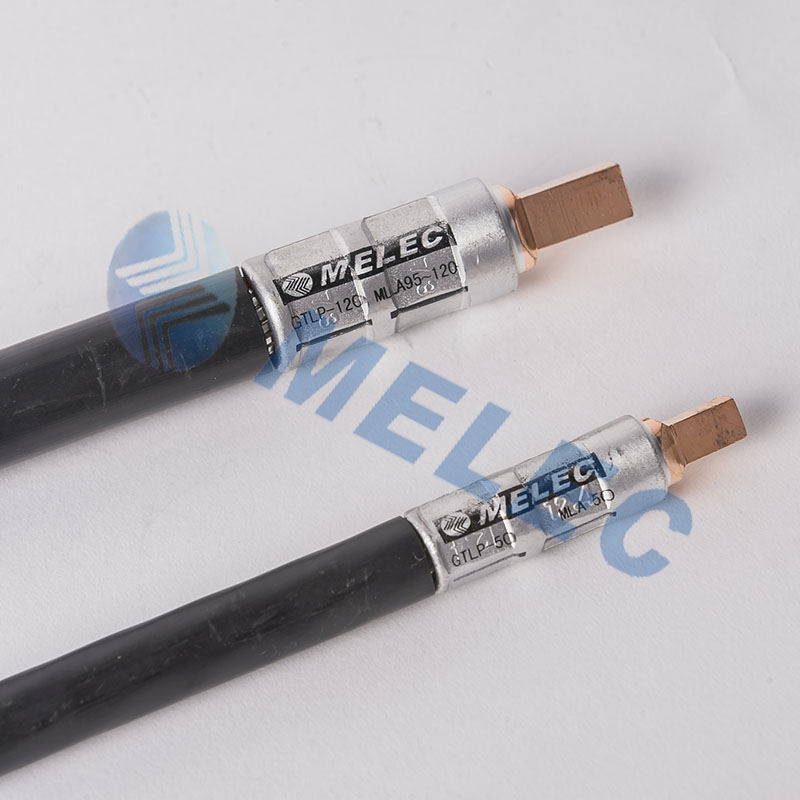
These bimetallic pin lug connectors are used for transition connections between aluminum cables and the copper ends of miniature circuit breakers in low voltage systems. They feature an oil-blocking structure and are prefilled with jointing compound.
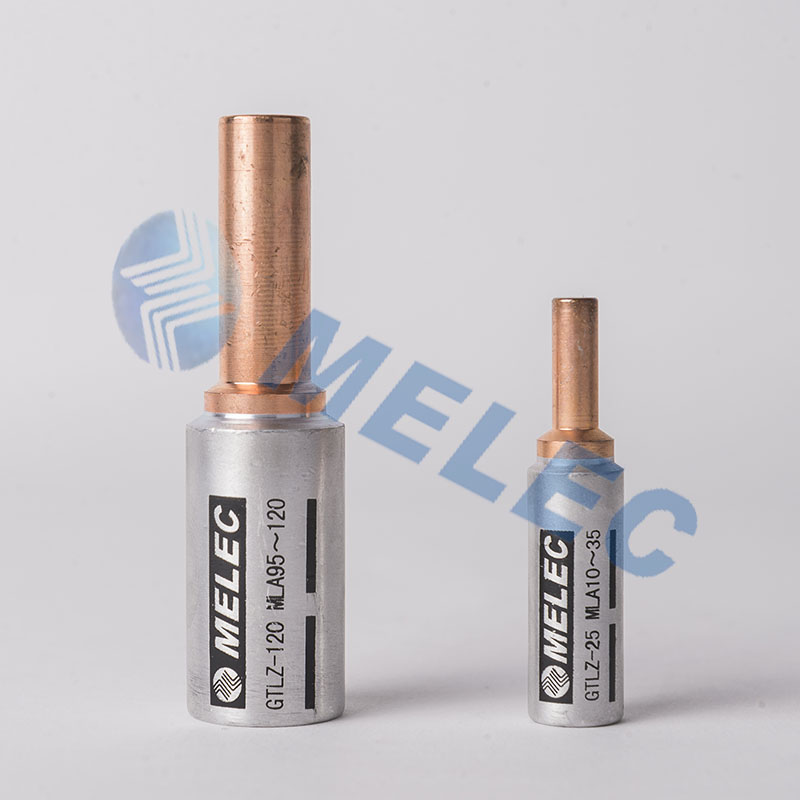
These bimetallic pin lug connectors are used for transition connections between aluminum cables and the copper ends of miniature circuit breakers in low-voltage systems. They feature a friction-welded design and are pre-filled with jointing compound.
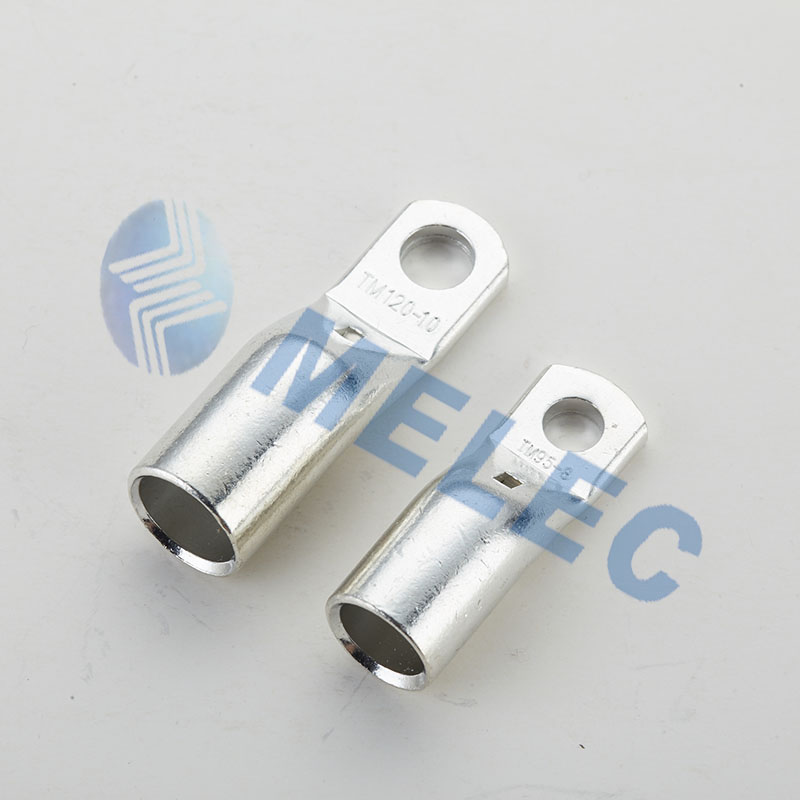
These cable lugs connect copper cables to copper ends of electrical equipment in low voltage environments. The lugs feature a viewing window and narrow palm for use in tight spaces.
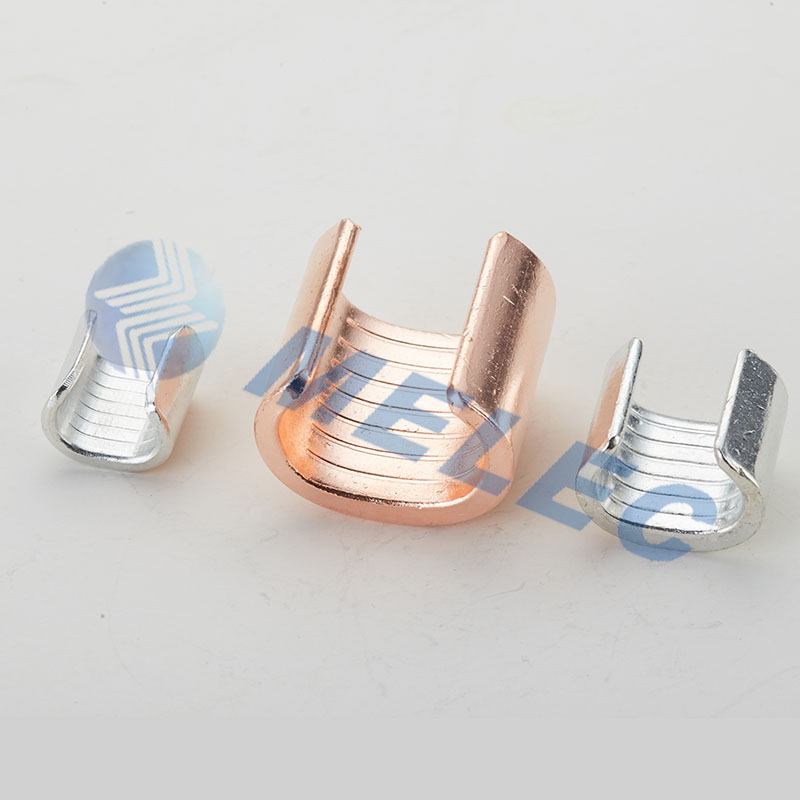
This C-type connector is designed for intermediate connection of copper cables. Its internal surface is indented to improve tensile strength and the mouth is chamfered to protect the conductor from damage.
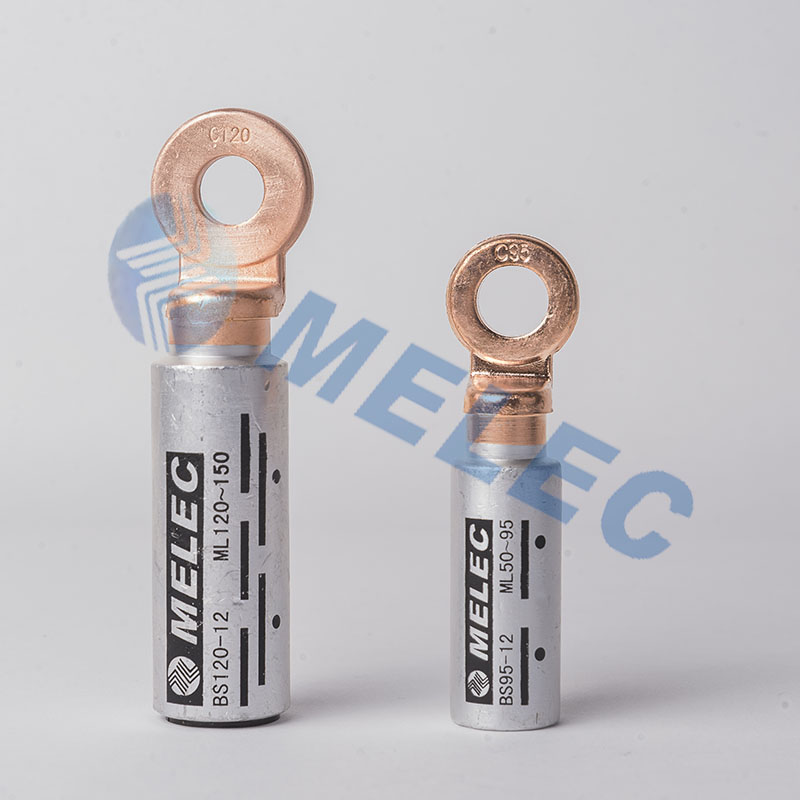
These bimetallic lugs facilitate reliable transition connections between aluminum or aluminum alloy cables and copper terminations. They are suited for medium voltage electrical equipment, ensuring effective conductivity.
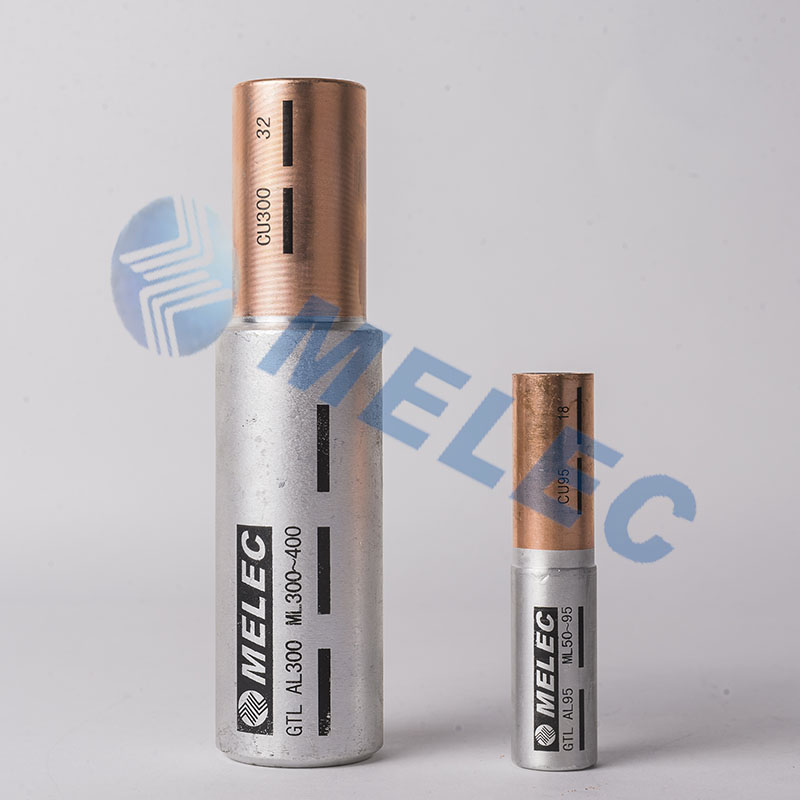
This bimetallic connector facilitates the transition between aluminum and copper cables in medium-voltage applications. It utilizes friction welding and an oil-blocking structure for secure connections.