Knowledge Hub

Navigate Importing With a Step-by-Step Playbook

Master the complete import process from supplier selection through customs clearance with our comprehensive guide covering costs, documentation, and common pitfalls.

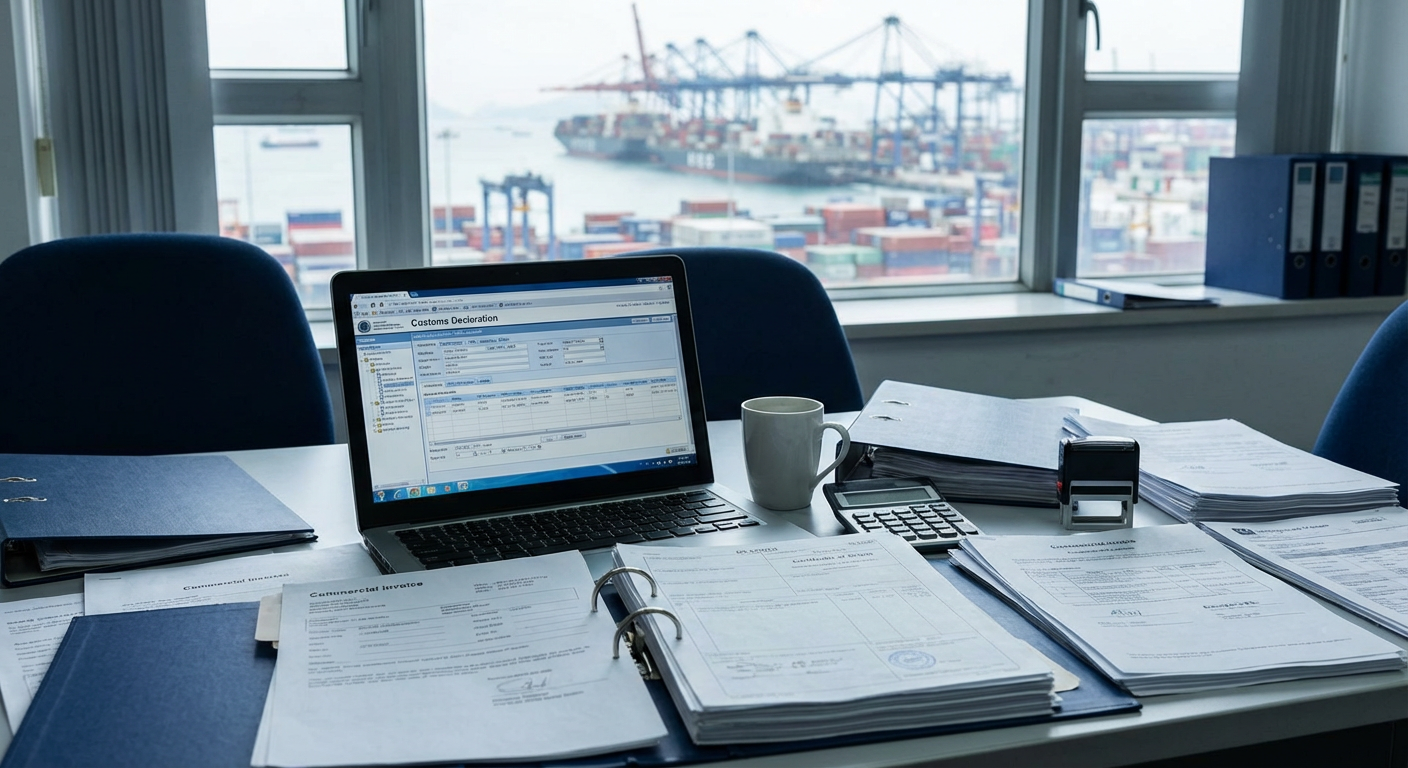
Customs documentation and import paperwork with clearance software
1,000+
Importers Guided
30+
Countries Covered
98%
Success Rate

Why Import Guide – Step-by-Step Importing Playbook Matters

  • !
    Import process seems overwhelming with many unfamiliar terms and requirements
  • !
    Hidden costs emerge that were not accounted for in initial budgets
  • !
    Customs delays occur due to missing or incorrect documentation
  • !
    Duty and tax calculations are confusing and vary by product
  • !
    Choosing between Incoterms and understanding implications is difficult

The Complete Import Timeline

Importing successfully requires coordinating multiple steps across different parties and jurisdictions. Here is the end-to-end process.

Product Research: Identify products, assess market demand, and evaluate competition
Supplier Vetting: Find and verify manufacturers, request samples, negotiate terms
Compliance Check: Verify product meets import regulations and safety standards
Order Placement: Finalize specifications, pricing, and payment terms
Production & QC: Monitor manufacturing and conduct quality inspections
Shipping: Arrange freight, prepare export documentation, track shipment
Customs Clearance: Submit import declaration, pay duties, clear customs
Final Delivery: Receive goods at warehouse or final destination

Understanding Import Costs

Total landed cost includes more than just the product price. Understanding all cost components helps you price products accurately and protect margins.
Product Cost (FOB): Factory price including packaging and delivery to port
International Freight: Sea, air, or rail transport costs
Insurance: Cargo insurance (typically 0.3-0.5% of value)
Import Duty: Tariff based on HS code and country of origin (0-25%)
VAT/GST: Value-added tax on goods + freight + duty (varies by country)
Customs Clearance: Broker fees, processing charges (£50-200)
Final Delivery: Transport from port to warehouse
International import process and customs clearance documentation

Customs & Documentation Essentials

Proper documentation is critical for smooth customs clearance. Missing or incorrect paperwork causes delays and additional costs.

Commercial Invoice: Detailed description, quantities, values, and terms
Packing List: Contents of each carton with dimensions and weights
Bill of Lading: Transport document and proof of shipment
Certificate of Origin: Required for preferential duty rates
Import Licenses: Product-specific permits if required
Test Reports: Safety certifications and compliance documentation

Common Pitfalls & How to Avoid Them

Learn from others' mistakes. These are the most common issues new importers face and how to prevent them.

Incorrect HS Code: Use wrong tariff code leading to overpayment or customs issues
Undervalued Declarations: Attempting to reduce duties by undervaluing goods (illegal and risky)
Missing Certifications: Product requires testing but not completed before import
Poor Incoterm Selection: Choosing terms that expose you to unexpected costs
Inadequate Insurance: Cargo loss or damage without sufficient coverage

Our Process

1

Product & Market Research

Identify products to import, assess demand, and understand regulatory requirements.

Week 1-2
2

Supplier Selection

Find manufacturers, verify capabilities, obtain samples, and negotiate terms.

Week 3-6
3

Compliance & Testing

Ensure products meet import regulations and obtain required certifications.

Week 7-10
4

Order & Production

Place order, monitor production, and conduct quality inspections.

Week 11-16
5

Shipping & Customs

Arrange freight, prepare documentation, clear customs, and pay duties.

Week 17-20
6

Delivery & Sales

Receive inventory, list products, and begin selling.

Week 21+

Results You Can Expect

20 weeks

Typical First Import

From research to receiving goods

15-25%

Typical Duty Rates

Varies by product and origin

98%

Clearance Success

With proper documentation

Frequently Asked Questions

Everything you need to know about our import guide – step-by-step importing playbook services.

HS (Harmonized System) code is a 6-10 digit product classification number that determines import duty rates. You can search your country's customs tariff database or use online HS code lookup tools. Customs brokers can also assist. Getting it right is crucial as it affects duty rates.
Most products do not require import licenses. Exceptions include regulated goods (food, pharmaceuticals, weapons, certain electronics). Check your country's customs website or consult a customs broker. We can help identify if your product requires special permits.
As a rule of thumb, budget 1.5-2x the FOB product cost to cover freight, duties, and fees. For example, if products cost £10,000 FOB, budget £15,000-20,000 total landed cost. Actual costs vary by product, shipping method, and destination.
You can import for personal use, but commercial quantities require business registration and tax identification numbers. Customs authorities distinguish between personal imports (duty-free thresholds apply) and commercial imports (full duties and VAT). Most importers should register as a business.
Customs brokers handle import declarations, duty payments, and customs clearance on your behalf. While not legally required, they simplify the process significantly, especially for first-time importers. Costs are typically £50-200 per shipment. Many freight forwarders include brokerage services.

Ready to Get Started?

Comprehensive guide to importing from China and Asia, covering supplier selection, compliance, logistics, customs clearance, and cost management.

Book 30-Min Import Review