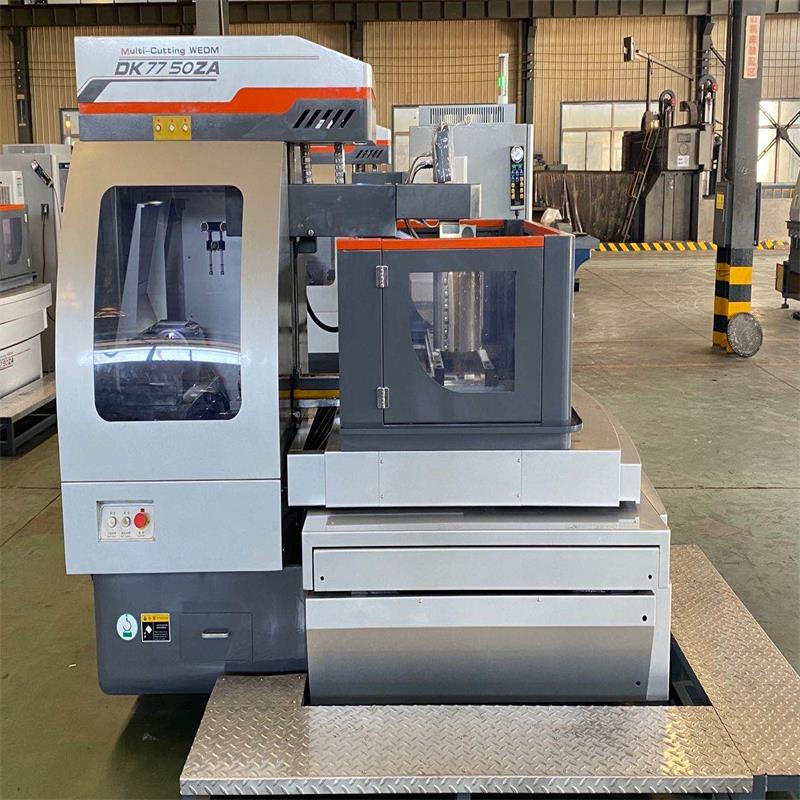
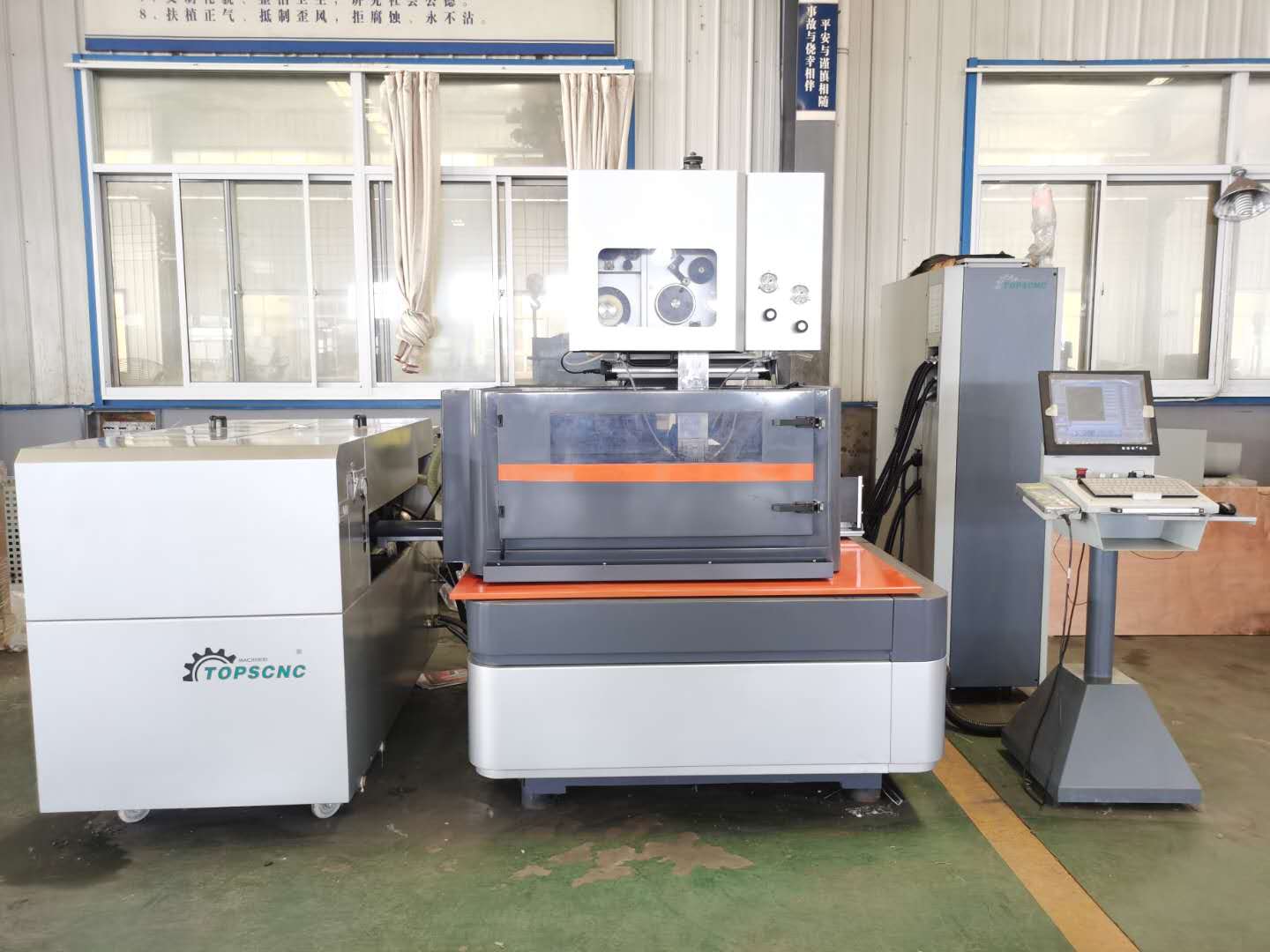
EDM Machines
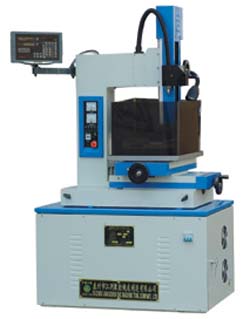
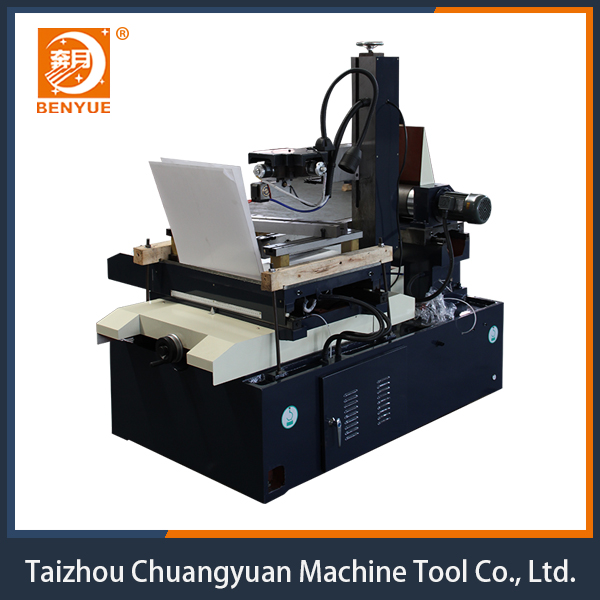
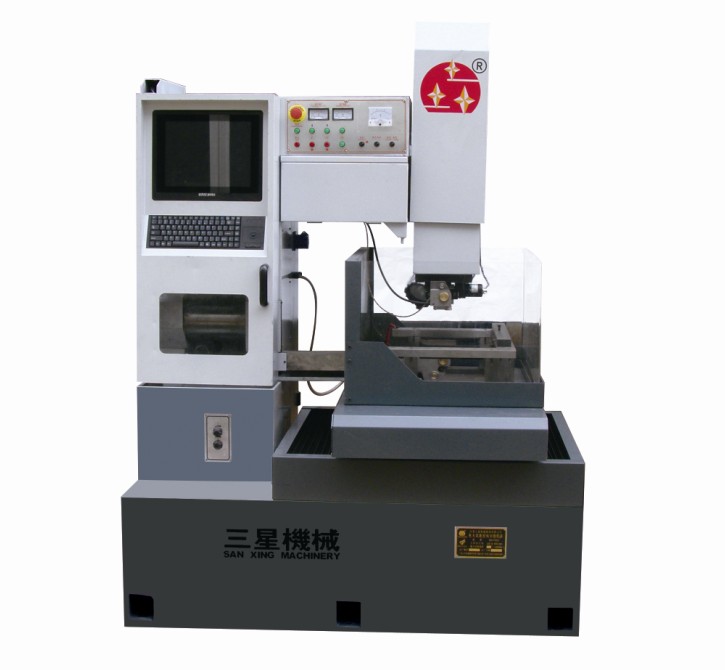
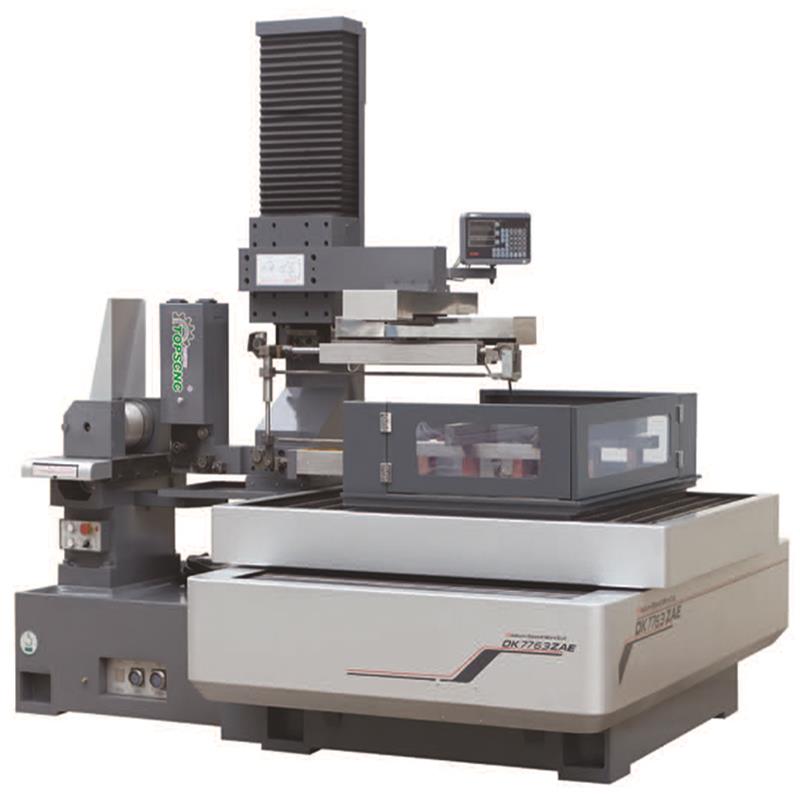
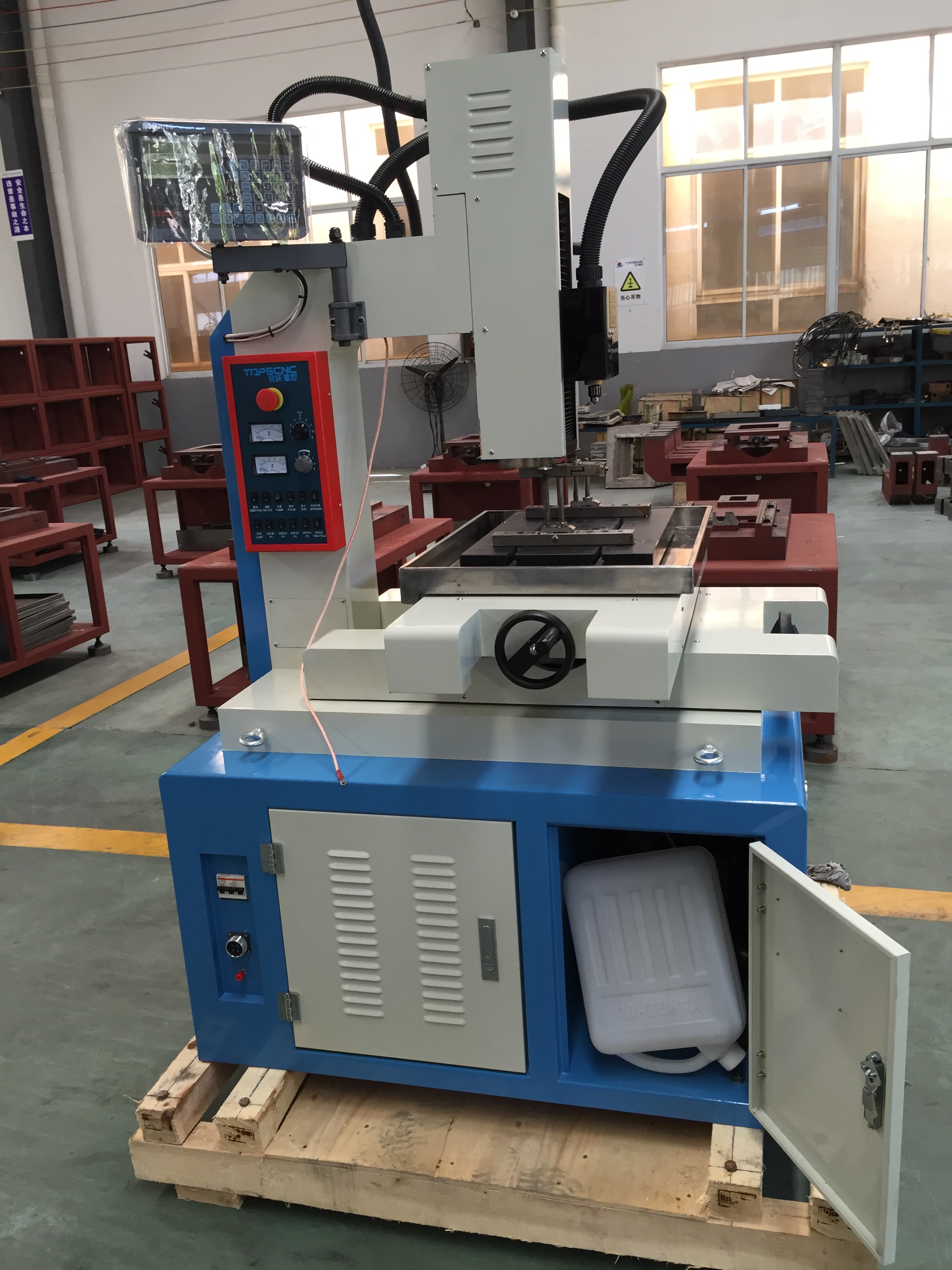
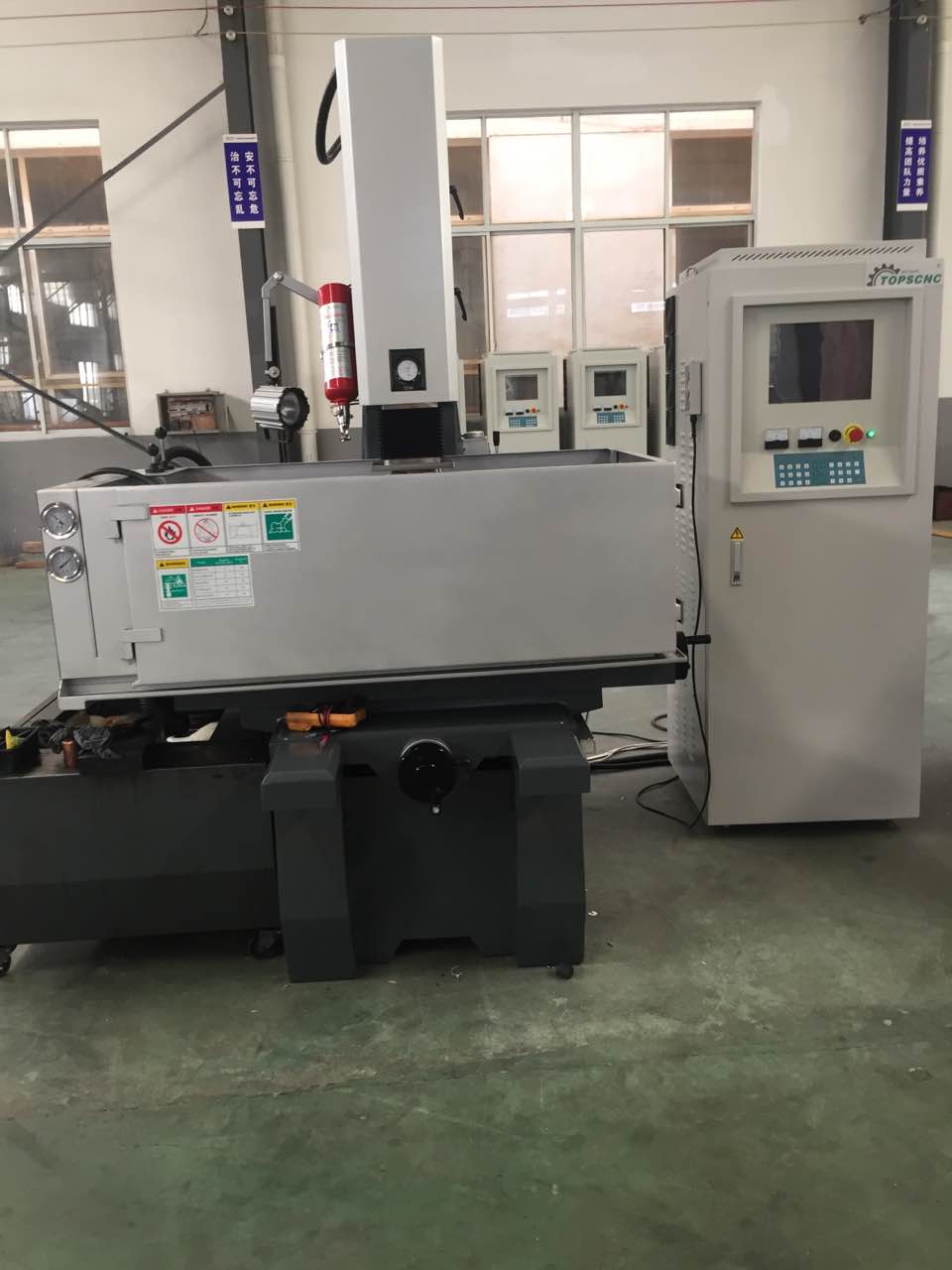
Source industrial-grade EDM Machines from vetted suppliers and manufacturers in China and across Asia. Designed for industrial importers, equipment distributors, and OEM brands, our platform connects you with reliable partners capable of delivering precision electrical discharge machining equipment in volume.
Sourcing electrical discharge machining (EDM) equipment requires balancing upfront capital expenditure with long-term precision and reliability. For industrial distributors and procurement teams, the challenge lies not just in finding a factory that can assemble a machine, but in identifying a manufacturer that uses stress-relieved castings, high-grade ball screws, and stable control systems. When sourcing directly from Asian manufacturers, verifying these component choices and establishing rigorous acceptance criteria is critical to avoiding costly after-sales support issues.
Critical Specifications and Tolerances
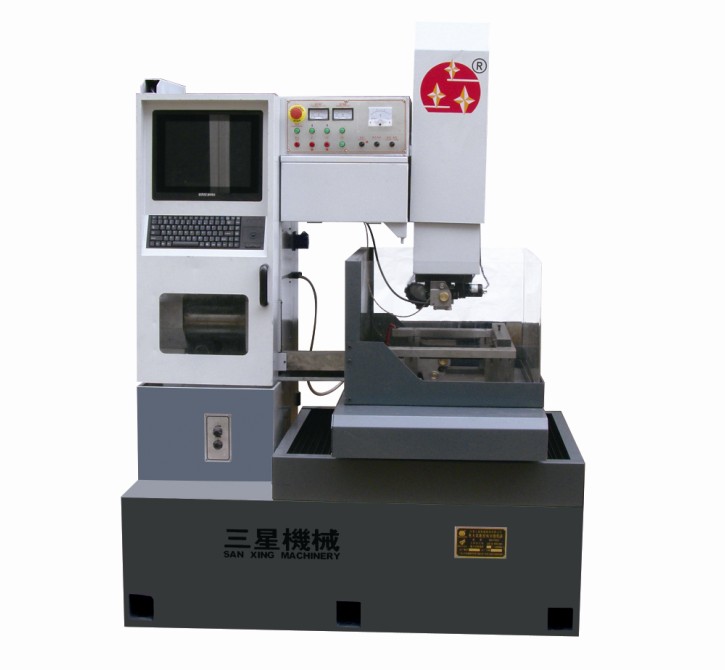
Whether you are procuring wire-cut or die-sinking EDM machines, the core value of the equipment is dictated by its sustained accuracy and surface finish capabilities.
When evaluating supplier datasheets, pay close attention to the following parameters:
- Positioning Accuracy: High-end industrial machines should offer positioning accuracy of under 5 µm (micrometers), while standard models may drift closer to 10 µm or 15 µm.
- Surface Finish (Ra): The generator's capability dictates the surface finish. Look for a minimum capability of Ra 0.8 µm for standard applications, and Ra 0.2 µm or better for high-precision mold making.
- Cutting Speed: Measured in square millimeters per minute. Ensure the supplier specifies the conditions under which the maximum speed is achieved, as real-world speeds often differ from theoretical maximums.
Need help verifying technical specifications with overseas manufacturers?
Talk to our teamComponent Quality: Where Factories Cut Corners
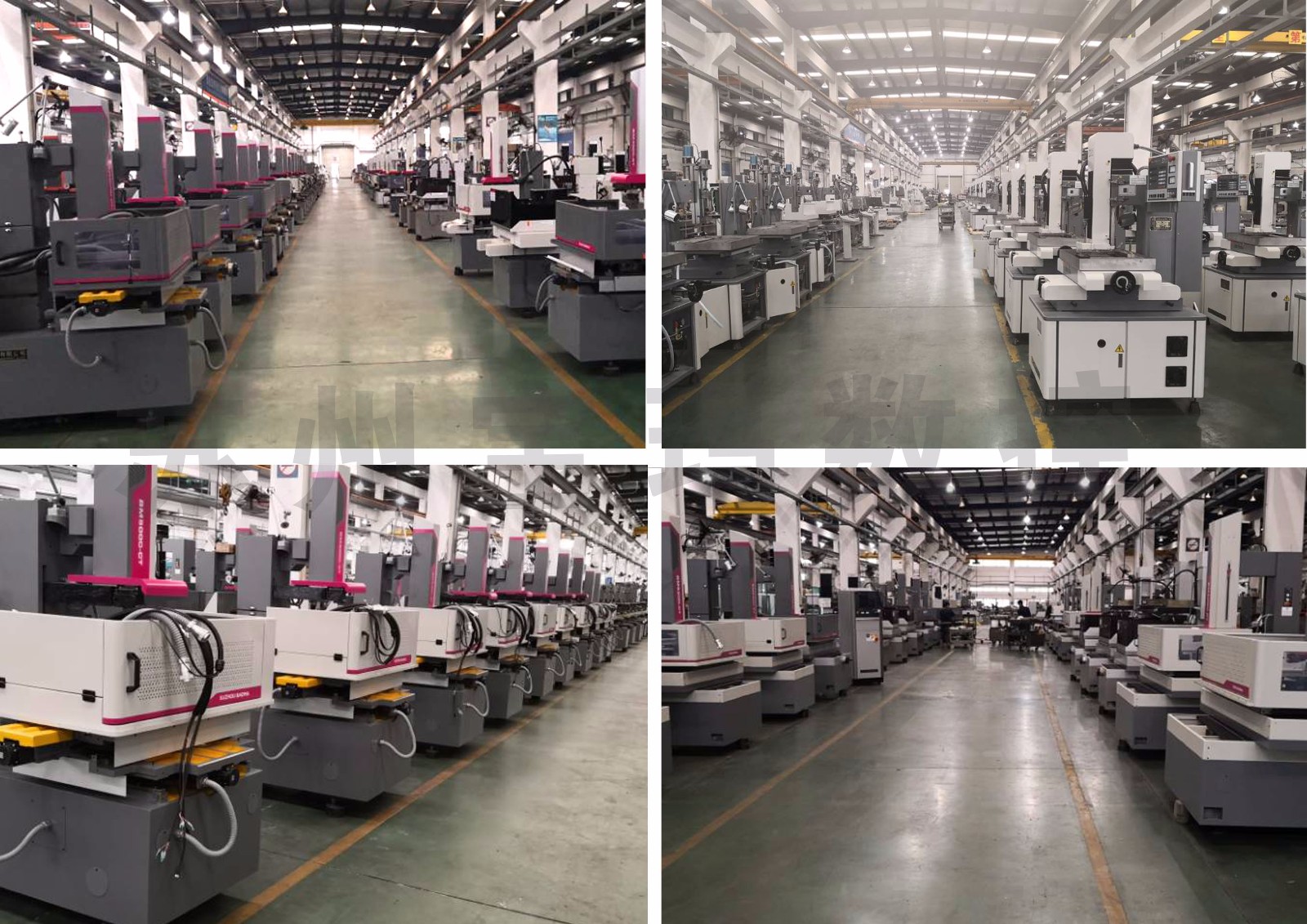
The difference between a machine that holds its tolerance for ten years and one that degrades after twelve months comes down to the bill of materials. Many assembly factories source standard frames and populate them with varying tiers of components. Conducting thorough Factory Audits is essential to verify exactly what is going into your machines.
| Sub-Assembly | Standard Configuration | Precision/Industrial Grade |
|---|---|---|
| Machine Bed | Standard cast iron, minimal aging | Meehanite cast iron, natural or thermal stress-relieved |
| Guideways & Ball Screws | Domestic/unbranded linear guides | Premium brands (e.g., THK, Hiwin, PMI) |
| Control System | Proprietary closed-source controllers | Industrial standard (Fanuc, Mitsubishi, or high-end domestic CNC) |
| Power Supply/Generator | Standard MOSFET-based | Advanced IGBT-based with low-wear circuitry |
Factory Acceptance Testing (FAT)
You should never ship heavy industrial machinery without a comprehensive pre-shipment inspection. Implementing strict Quality Control & Inspection protocols at the factory level ensures the machine performs to your specified tolerances before it is crated.
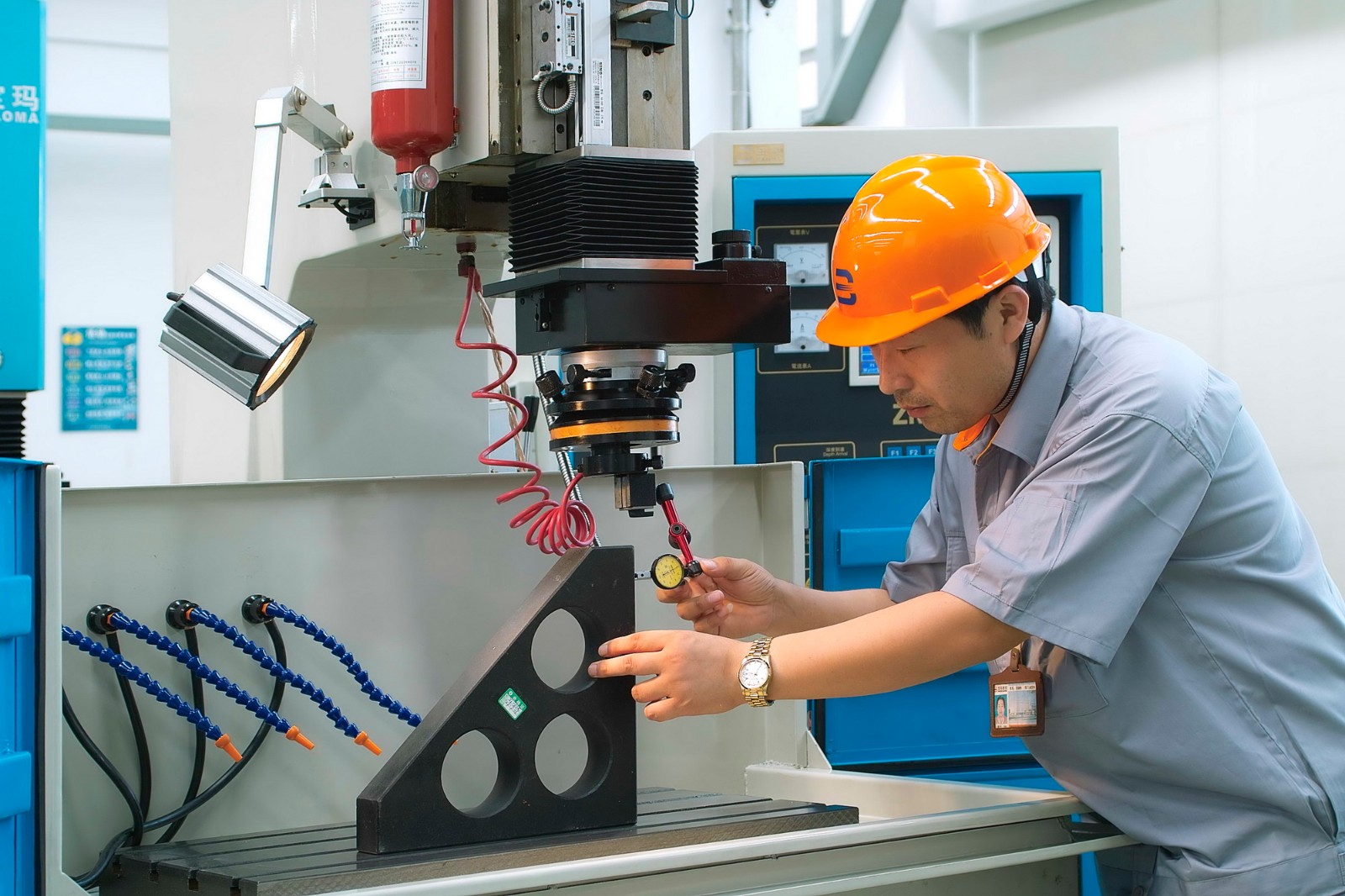
Geometric Accuracy Testing
Using laser interferometers and dial indicators to verify axis straightness, squareness, and positioning accuracy.
Test Machining
Running a standardized test piece (often a stepped or angled block) to verify cutting speed, corner accuracy, and surface finish (Ra).
Dielectric System Check
Testing the fluid pump, filtration system, and chiller unit for leaks, pressure consistency, and temperature stability.
Electrical & Safety Verification
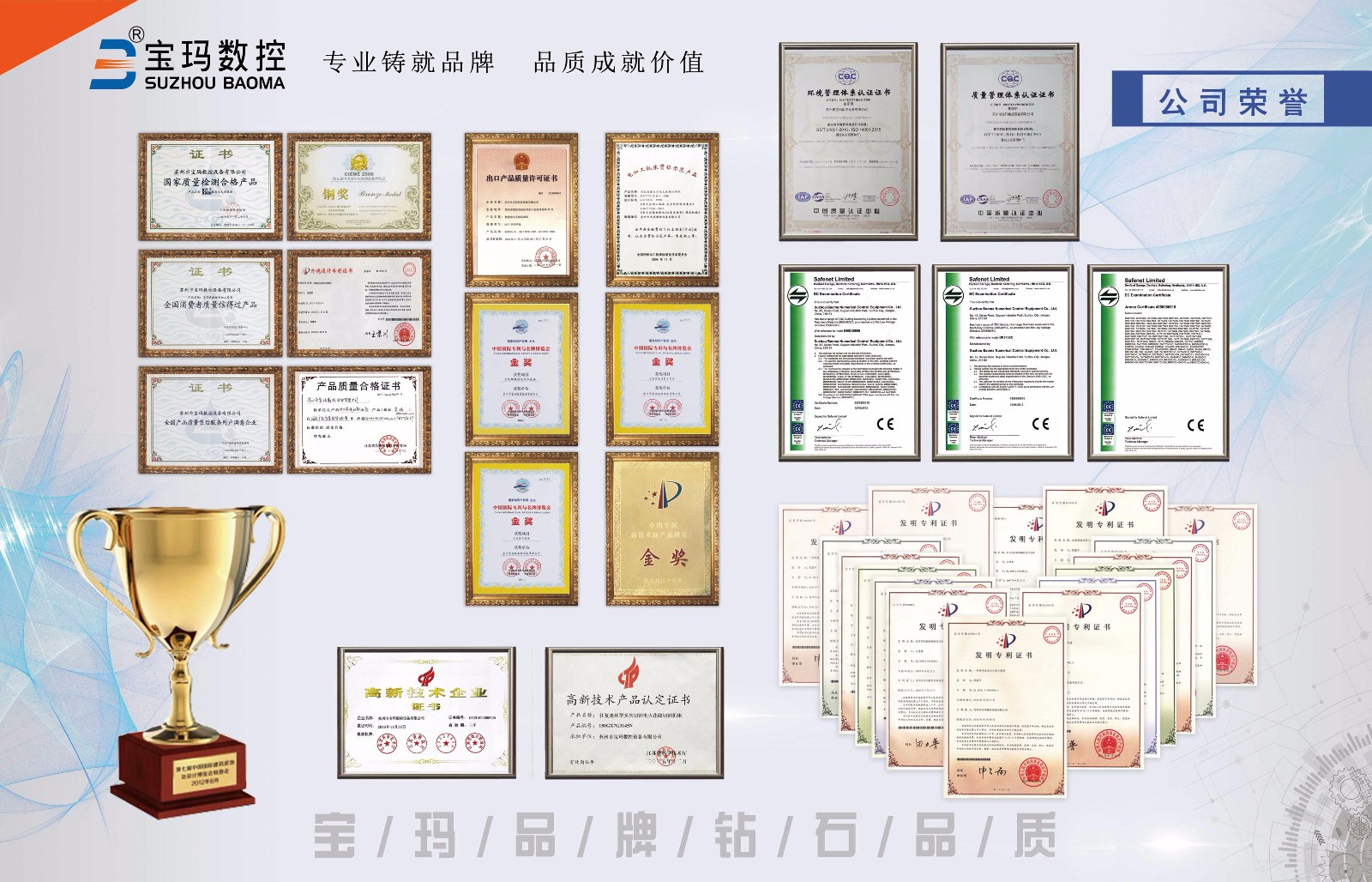
Ensuring CE/UL compliance on the electrical cabinet, grounding checks, and verifying the interface language.
Pricing, MOQs, and Logistics Reality
Unlike consumer goods, industrial machinery sourcing operates on different economies of scale.
Shipping EDM machines requires specialized handling. Because of the weight of the cast iron beds and the sensitivity of the electronics, machines must be vacuum-sealed against moisture and secured in heavy-duty wooden crates. Depending on the size of the equipment, standard containers may suffice, but larger gantry-style sinker EDMs often require flat racks or open-top containers. Coordinating this through experienced Shipping & Freight partners is vital to prevent transit damage.
Optimize your machinery supply chain and logistics today.
Get a free consultationFrequently Asked Questions
Procuring EDM machines directly from overseas manufacturers offers significant margin advantages for distributors and OEMs. The key to capturing that value without absorbing excessive risk is rigorous supplier vetting, uncompromising component specification, and strict quality control before the equipment ever leaves the factory floor.
Get Sourcing Help for EDM Machines
Tell us your requirements and our experts will connect you with verified manufacturers.