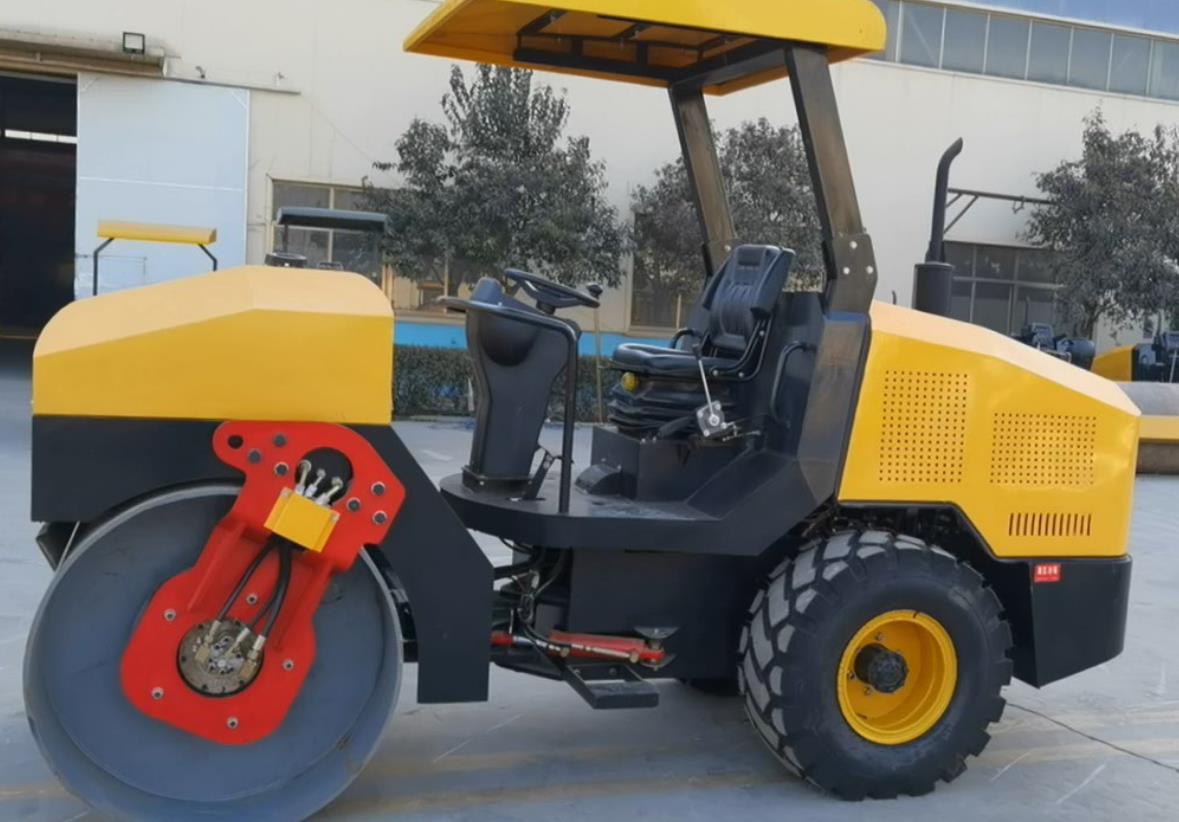
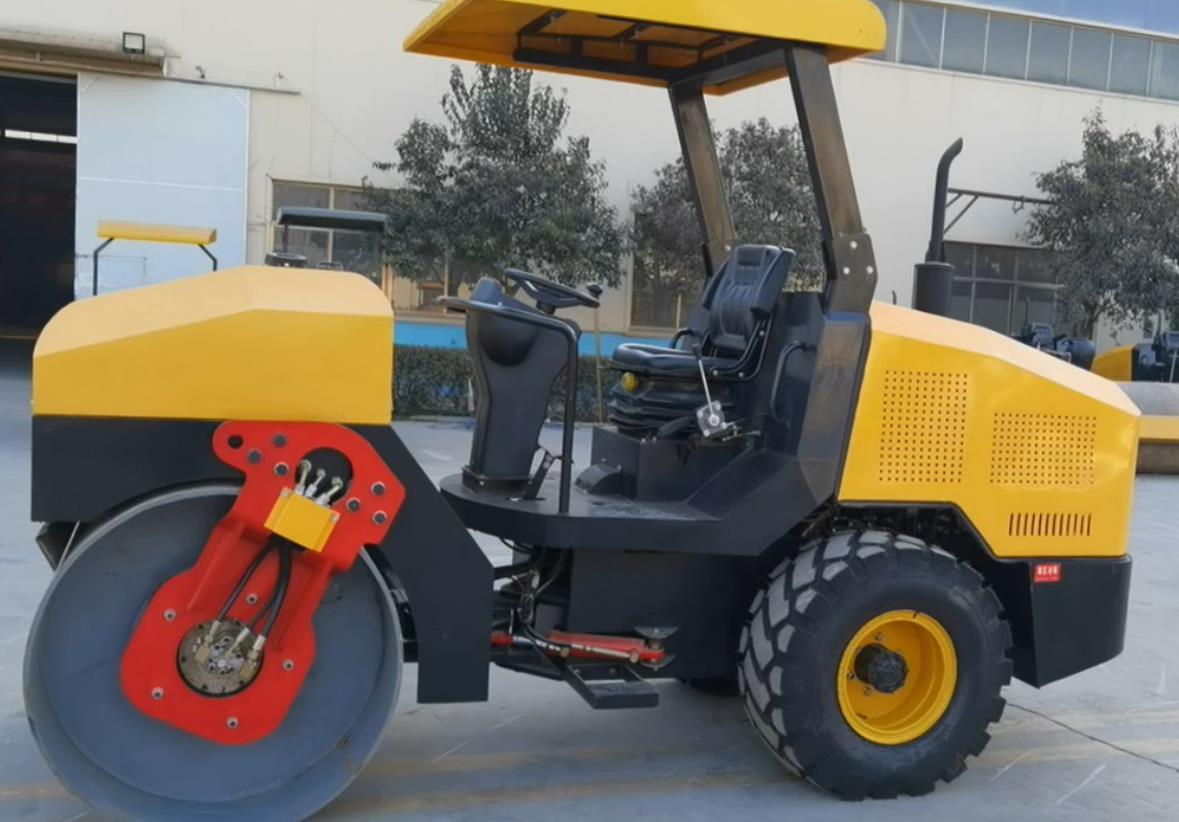
Rollers
Source high-performance rollers from vetted manufacturers and suppliers. Designed for importers, heavy equipment distributors, and construction brands, our wholesale and OEM compacting machinery meets rigorous international standards. Secure reliable bulk pricing on heavy-duty compaction equipment built for demanding job sites.
Sourcing heavy compaction machinery requires balancing unit cost with long-term reliability. A failed hydraulic pump or cracked drum weld on a 10-ton roller does not just cost the price of the replacement part; it halts entire job sites. When importing rollers from overseas manufacturers, success hinges on verifying the core components—engine, hydraulics, and structural steel—before the equipment ever reaches the port.
For professional buyers, the focus must remain on total cost of ownership, regulatory compliance, and the supplier's true engineering capabilities.
Specifying Core Components for Export Markets
The outward appearance of compaction machinery is easily replicated, but the internal componentry determines the machine's lifespan and market legality. When negotiating specifications with a manufacturer, you must dictate the exact origin and model of critical systems.
| System | Standard Domestic Configuration | Premium Export Configuration |
|---|---|---|
| Engine | Local brands (e.g., Weichai, Yuchai) | International brands (Cummins, Kubota, Yanmar) |
| Hydraulics | Domestic gear pumps | Rexroth, Danfoss, or Eaton piston pumps |
| Vibration Bearings | Standard domestic bearings | SKF, FAG, or Timken heavy-duty bearings |
| Emissions Compliance | Tier 2 / Stage II (Non-regulated markets) | EPA Tier 4 Final / EU Stage V |
If you are importing into North America or Europe, engine emissions compliance is non-negotiable. Customs authorities will seize machinery lacking proper EPA, CARB, or CE certifications. Always require photographic proof of the engine's emission data plate during production.
Prevent compliance failures and component swapping by verifying factory capabilities upfront.
Talk to our teamManufacturing Quality and Defect Prevention
Heavy rollers endure extreme vibrational forces by design. If the manufacturing process lacks rigorous quality control, these forces will quickly tear the machine apart.
When evaluating a supplier's facility—or commissioning Factory Audits prior to finalizing a contract—pay close attention to their welding and hydraulic assembly processes.
Critical Factory-Level Quality Checks
- Drum Weldment Integrity: Ensure submerged arc welding is used for the main drum seams to prevent cracking under high-frequency vibration.
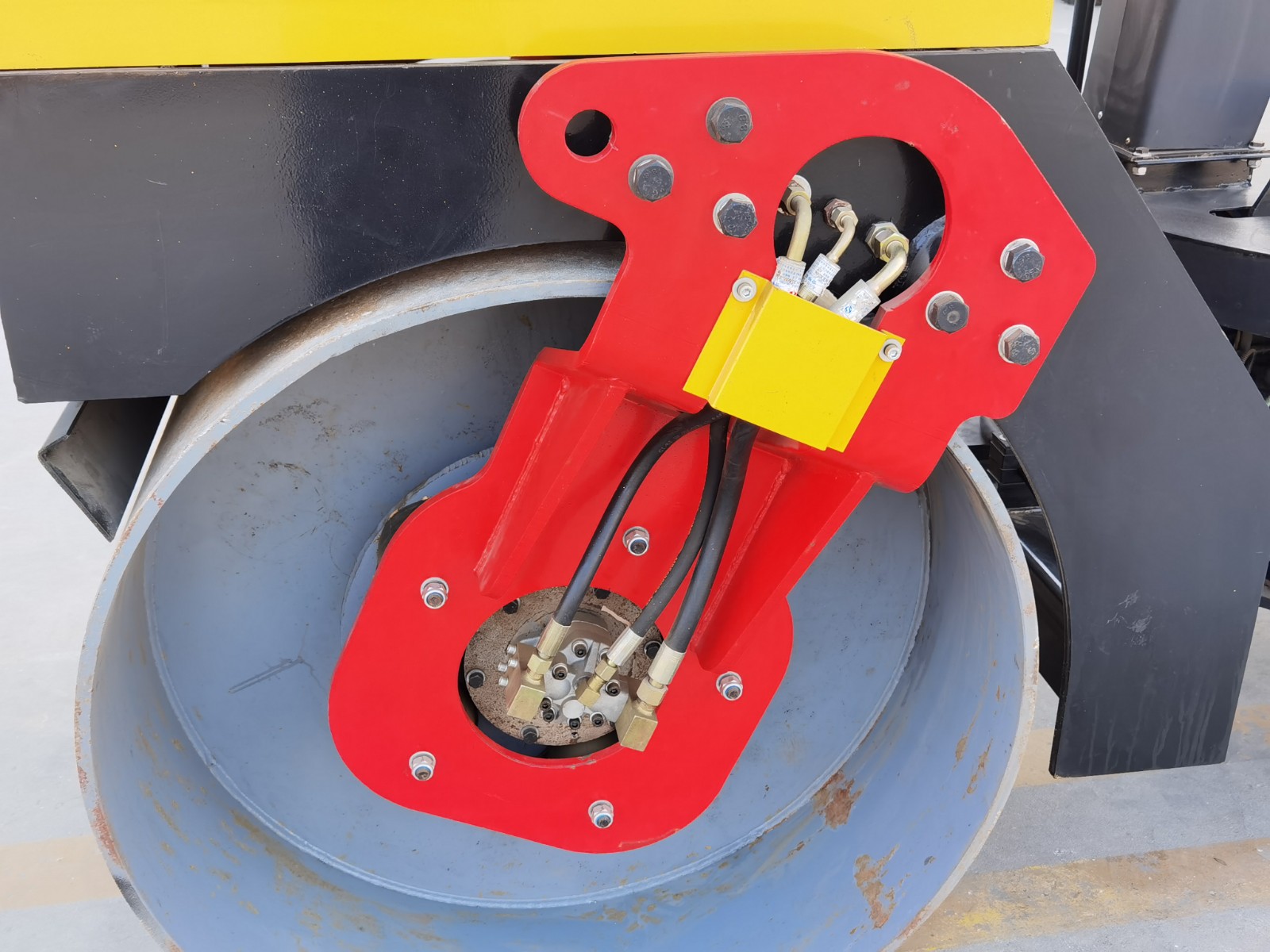
- Hydraulic Cleanliness: Assembly lines must operate in dust-free environments to prevent particulate contamination in sensitive hydrostatic drives.
- Chassis Machining: Articulation joints should be CNC machined after welding to guarantee perfect alignment and prevent premature pin wear.
- Vibration Testing: The factory must conduct continuous run-tests of the vibration exciter system prior to final assembly.
Catching defects after the machine is fully assembled is difficult and costly. Implementing robust Quality Control & Inspection protocols, including in-line inspections during the welding and hydraulic plumbing phases, is essential to ensure long-term reliability.
Hydraulic Fluid ISO Codes
Always specify the required ISO cleanliness code for hydraulic fluids used during factory testing. Contaminated test fluid can ruin a premium Danfoss pump before the roller ever leaves the factory floor.
Pricing, MOQ, and Heavy Logistics
Unlike consumer goods, heavy machinery sourcing involves low Minimum Order Quantities (MOQs) but highly complex shipping logistics. While you can purchase a single unit, the freight costs per unit drop significantly when optimizing for container loads or flat rack shipments.
Shipping Heavy Machinery
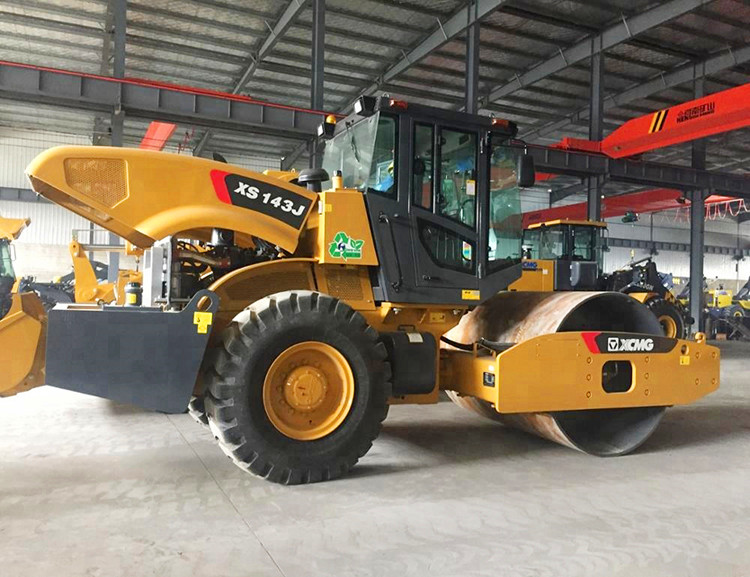
Transporting rollers requires specialized freight strategies. Smaller rollers (under 3 tons) can easily fit into standard 20ft or 40ft containers. However, large single-drum vibratory rollers (10 to 22 tons) require different approaches:
- Roll-on/Roll-off (RoRo): The machine is driven directly onto a specialized vessel. This is secure but often more expensive and limited to specific ports.
- Flat Rack Containers: The roller is secured to an open-sided container. This allows for standard container ship routing but requires heavy lifting equipment at both ports.
- Partial Dismantling (Containerized): To save on freight, some buyers have the factory remove the ROPS/FOPS cabin and wheels to fit a large roller inside a 40HQ container.
Coordinating these variables requires precise Shipping & Freight management to avoid exorbitant port storage fees or damage during transit.
Optimize your heavy machinery logistics and secure reliable bulk pricing.
Get a free consultationFrequently Asked Questions
Sourcing heavy compaction machinery is an exercise in risk management. By dictating precise component specifications, enforcing strict quality control during assembly, and optimizing your freight strategy, you can secure high-performance rollers that deliver exceptional value. Merhein provides the on-the-ground engineering oversight and logistics expertise required to execute these complex procurements flawlessly.
Get Sourcing Help for Rollers
Tell us your requirements and our experts will connect you with verified manufacturers.