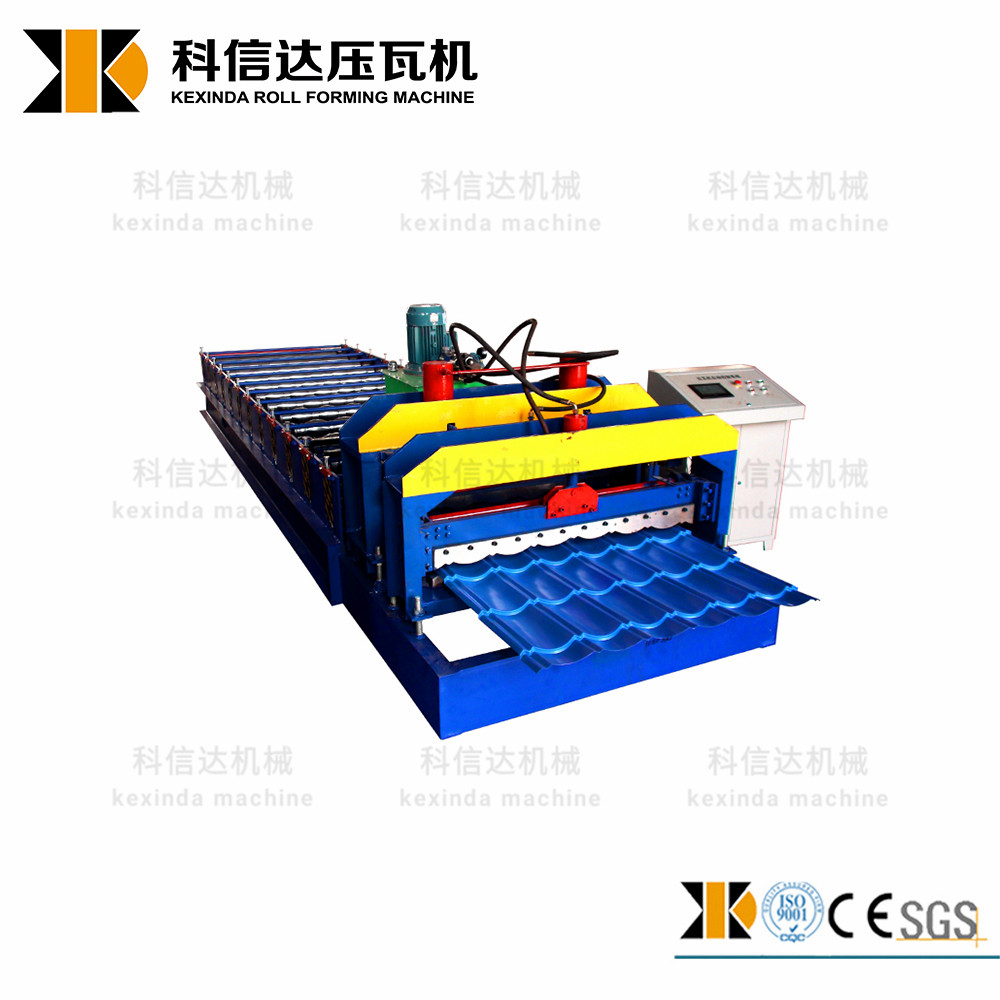
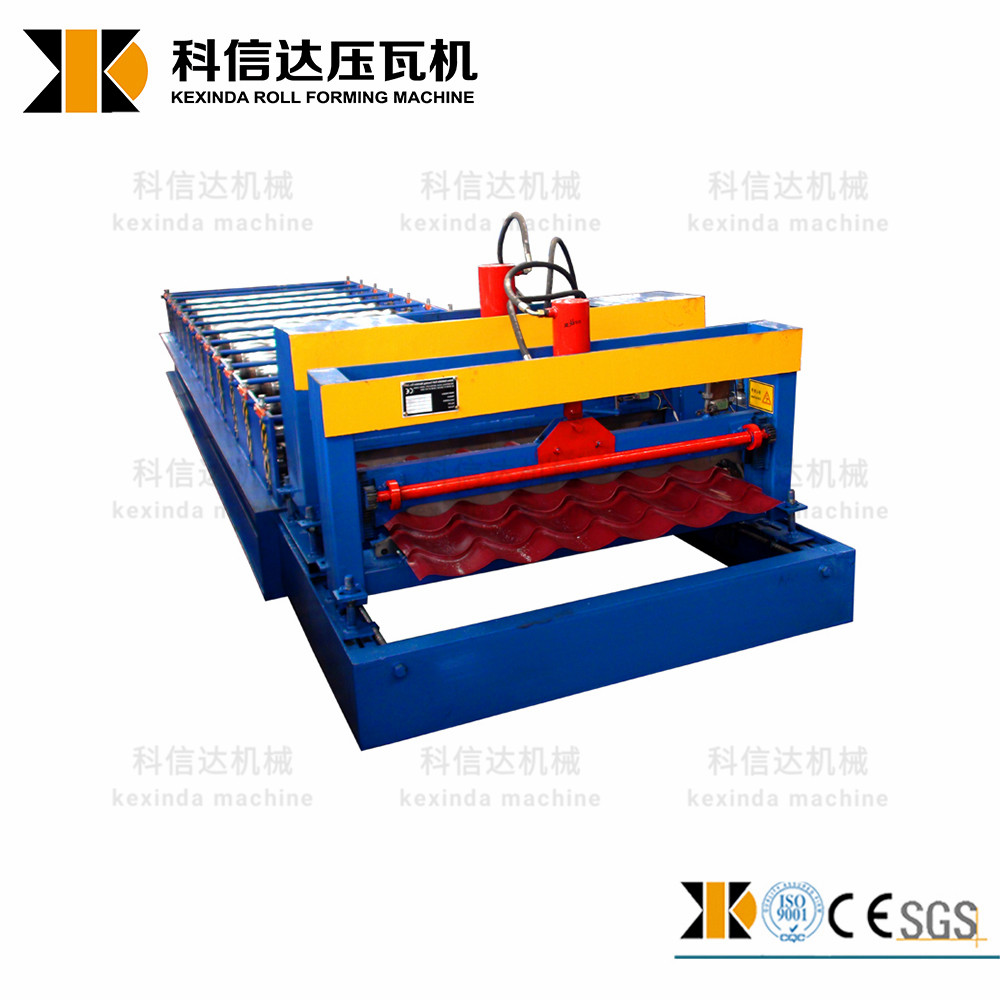
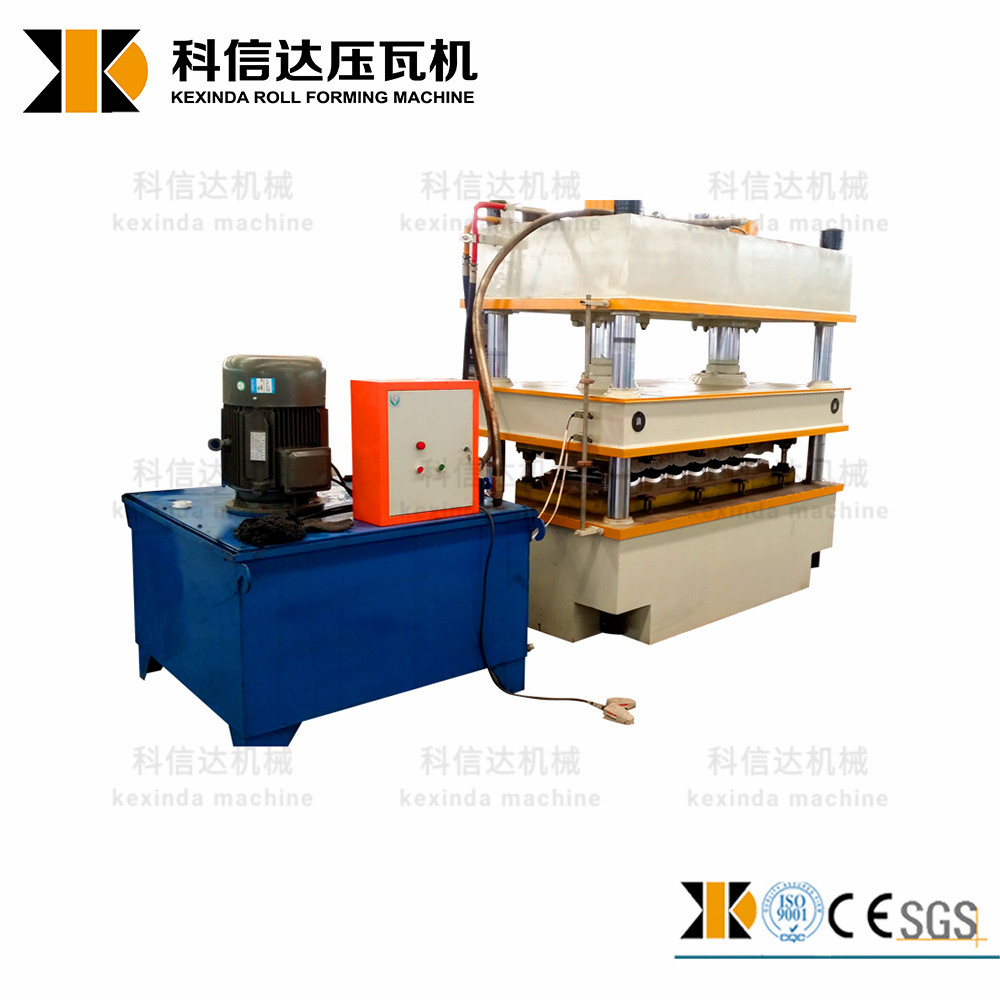
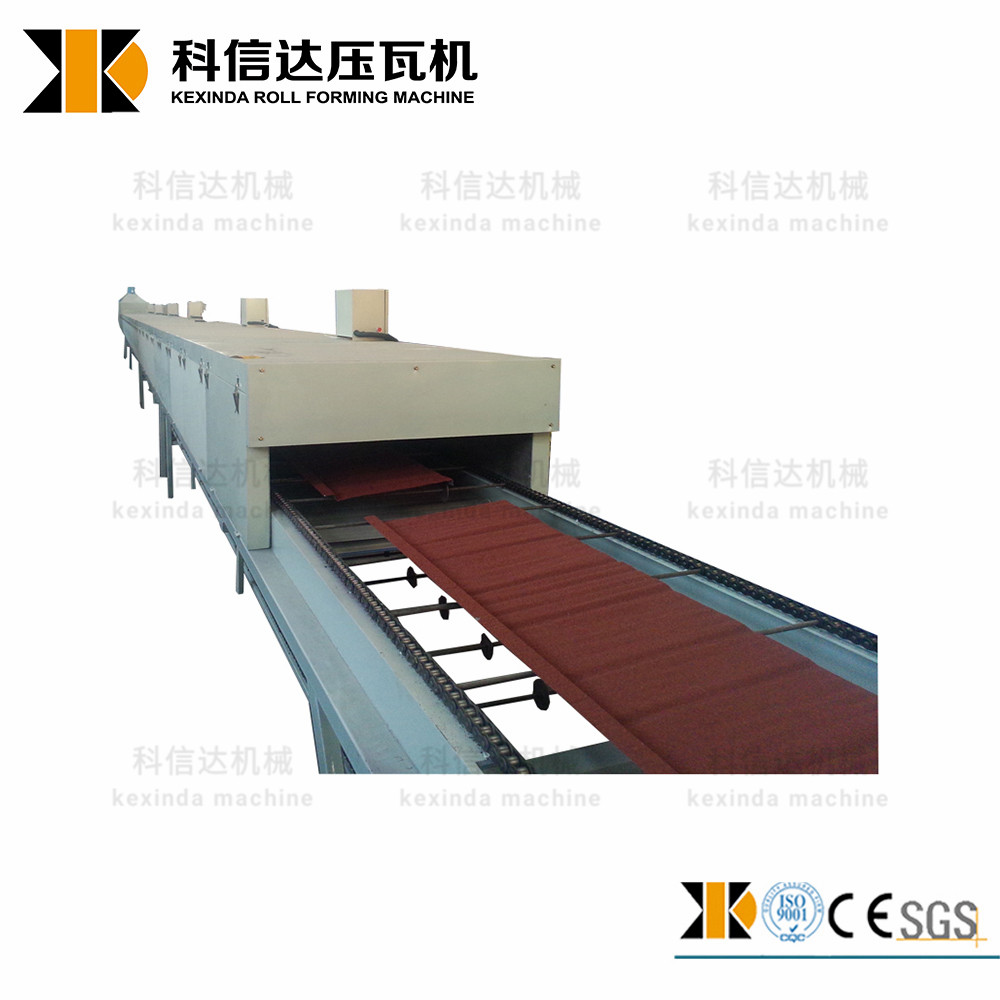
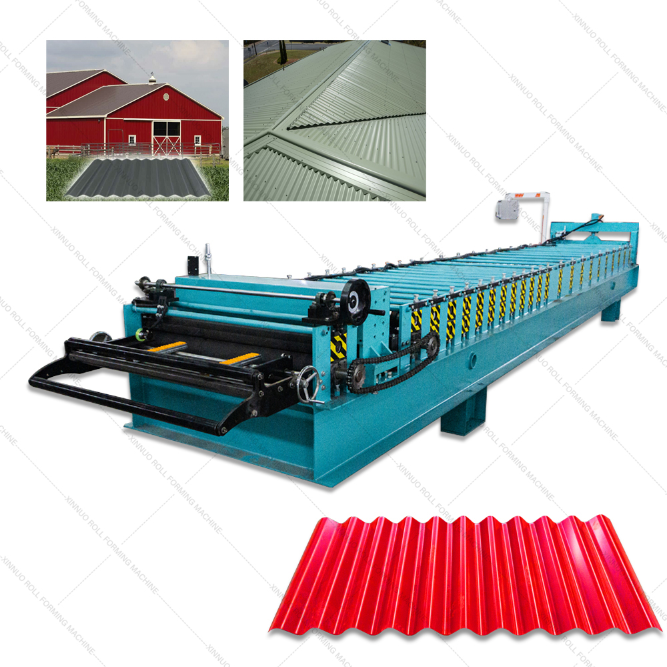
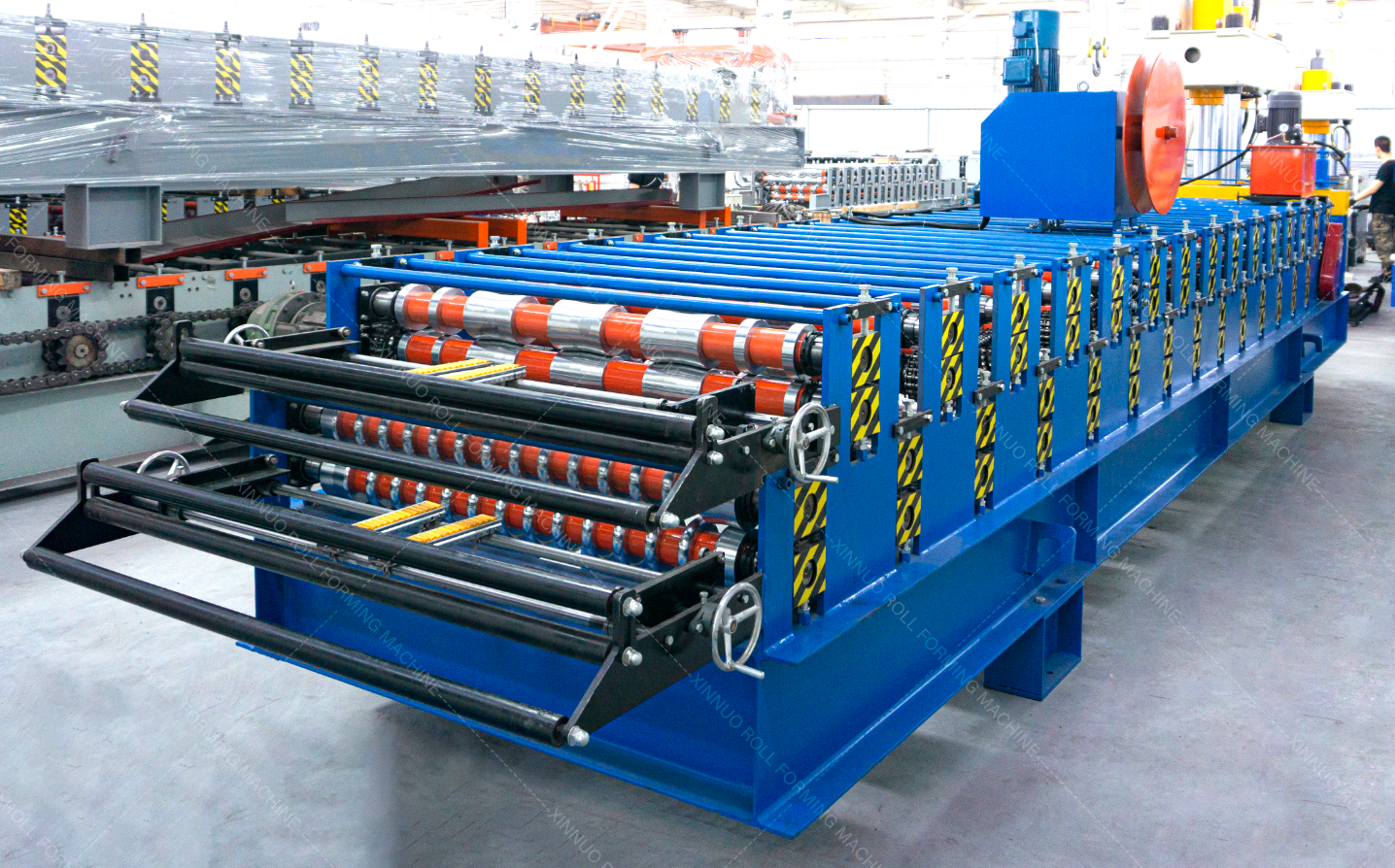
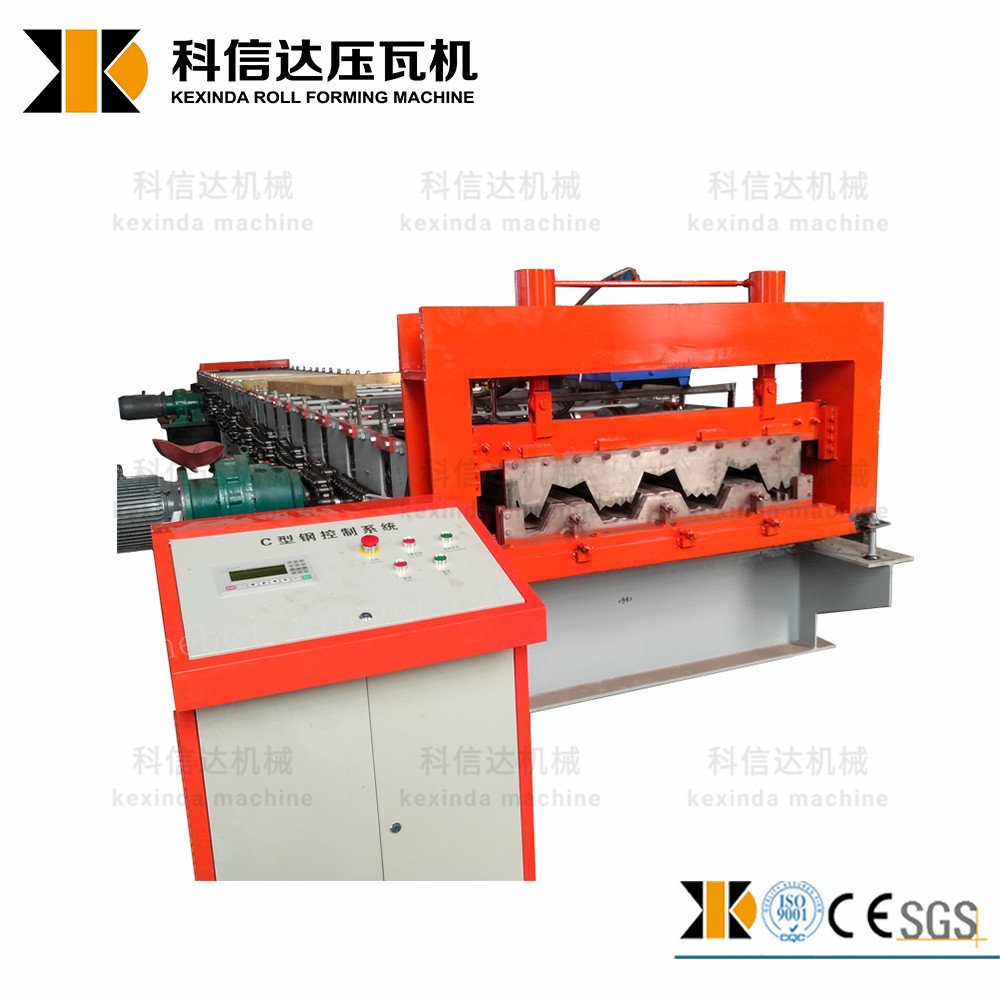
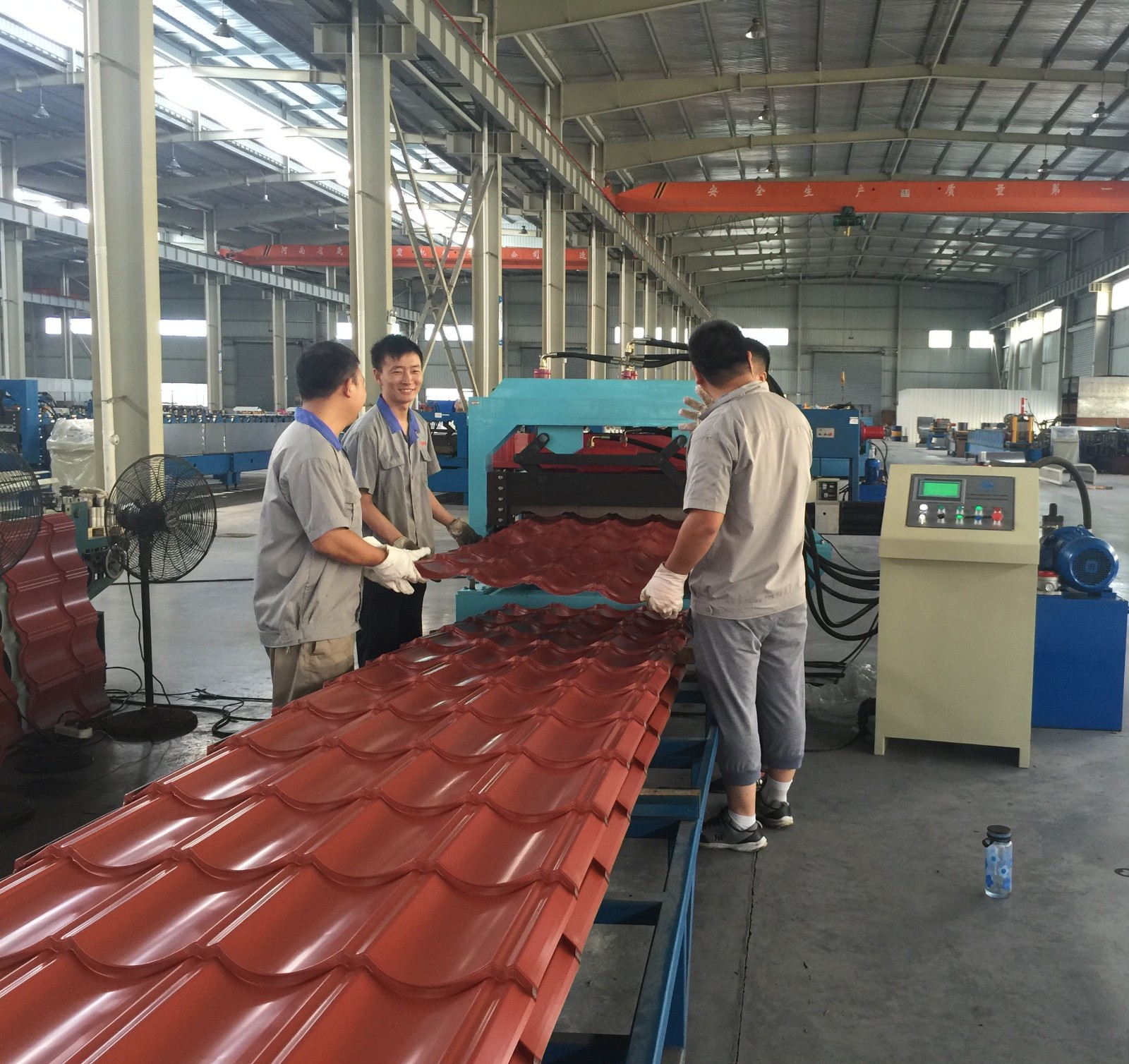
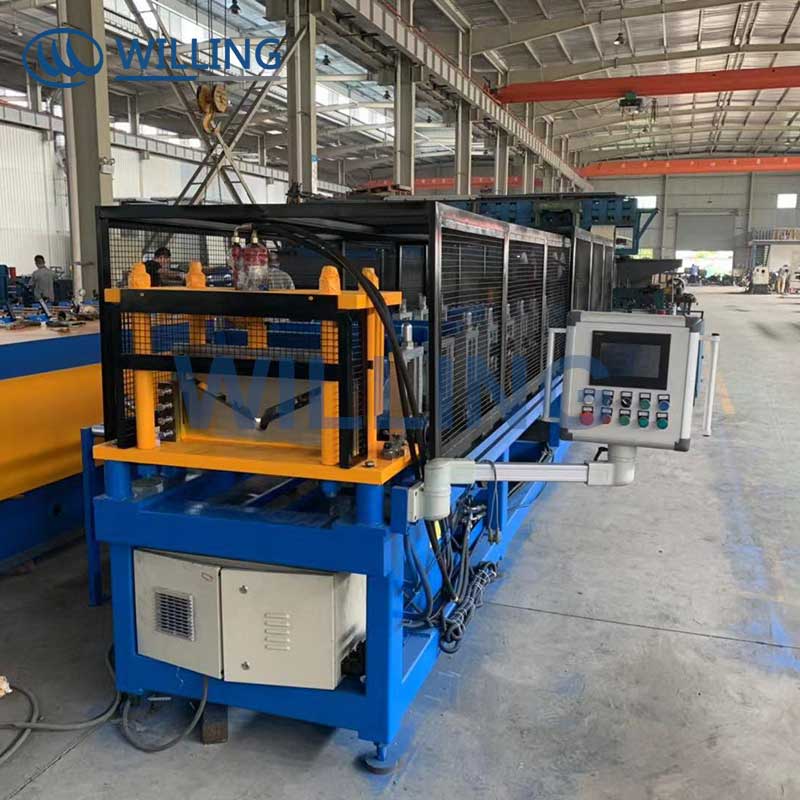
Tile Making Machinery
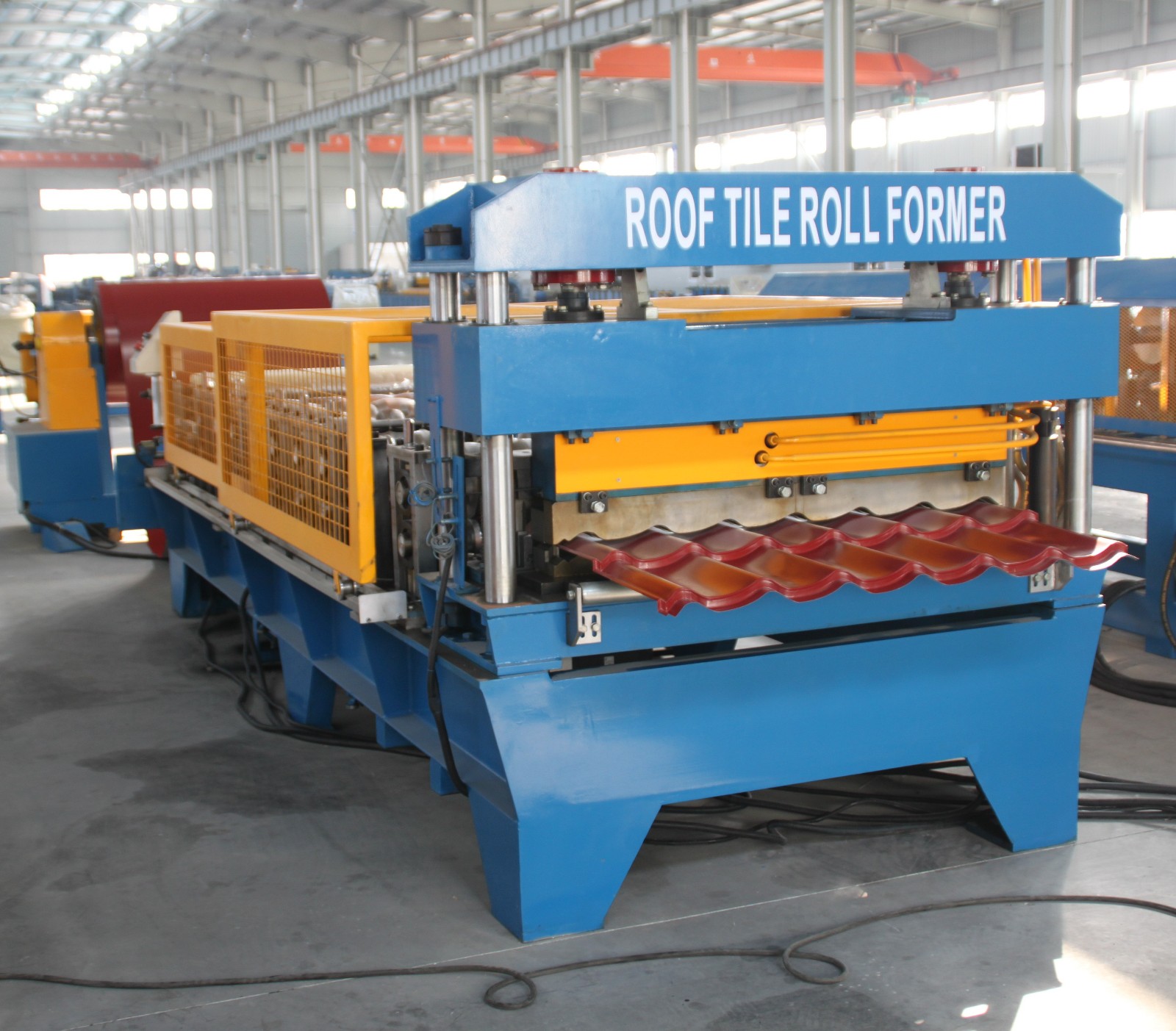
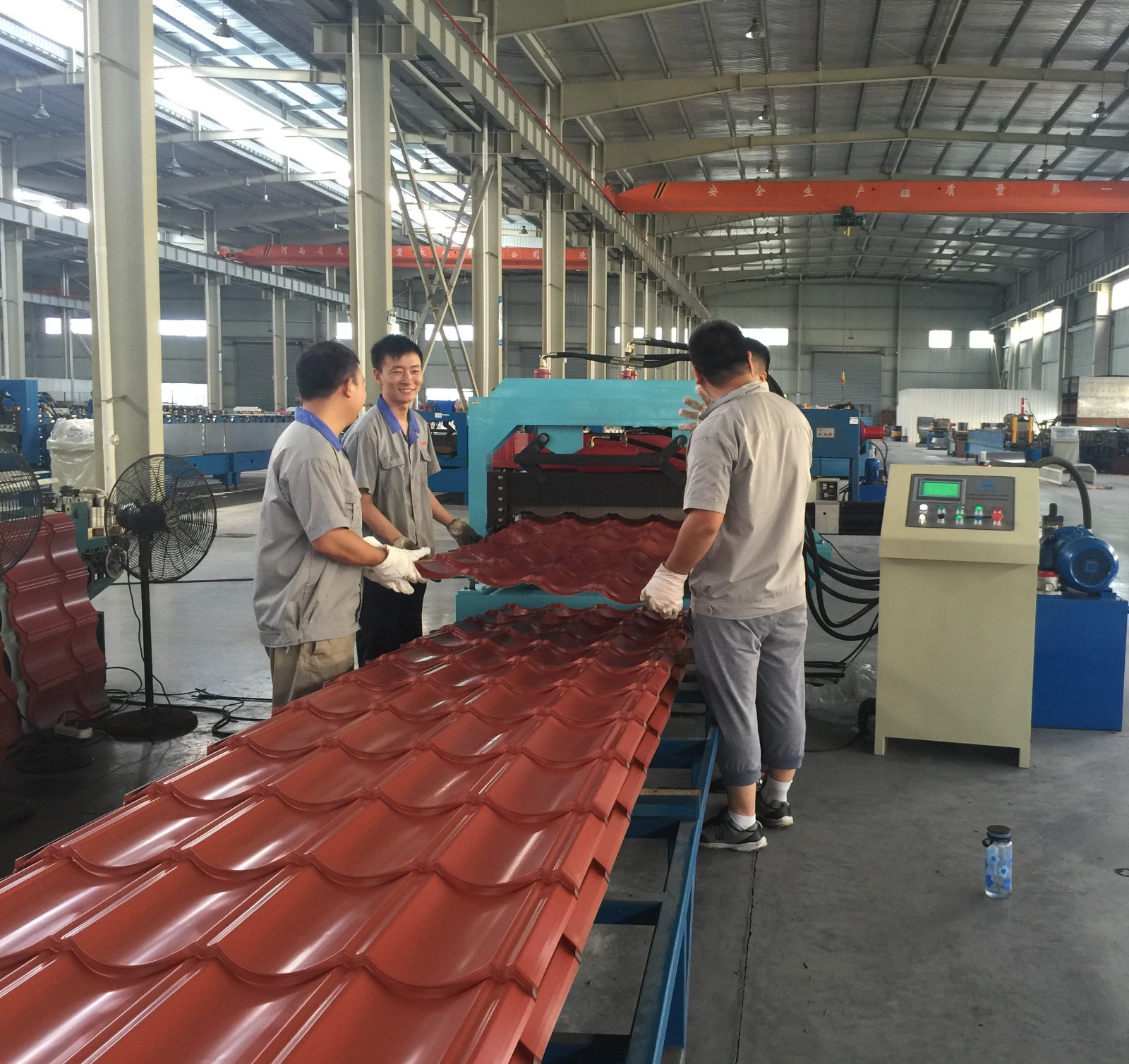
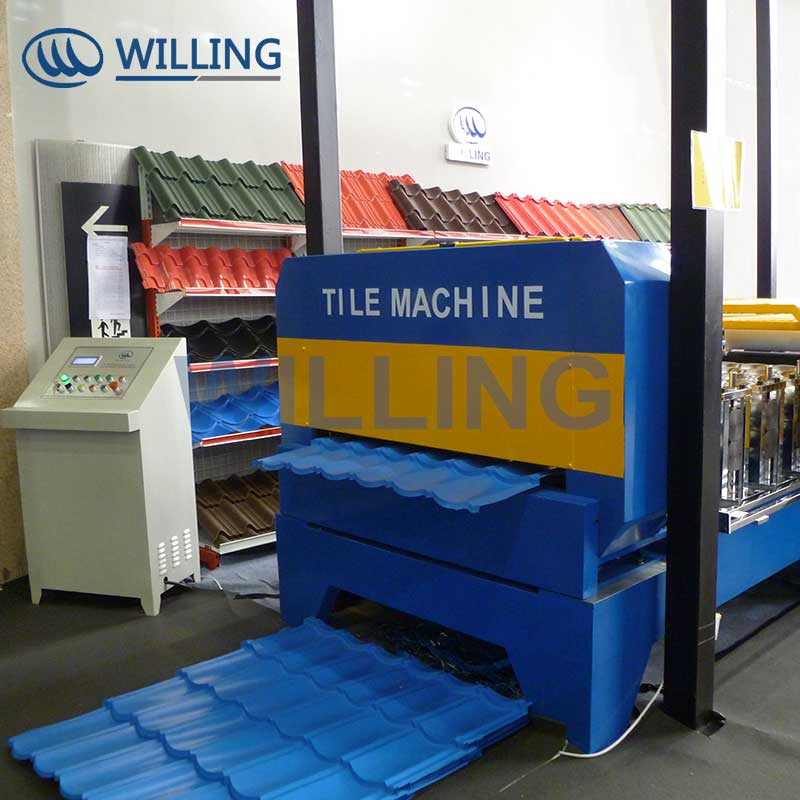
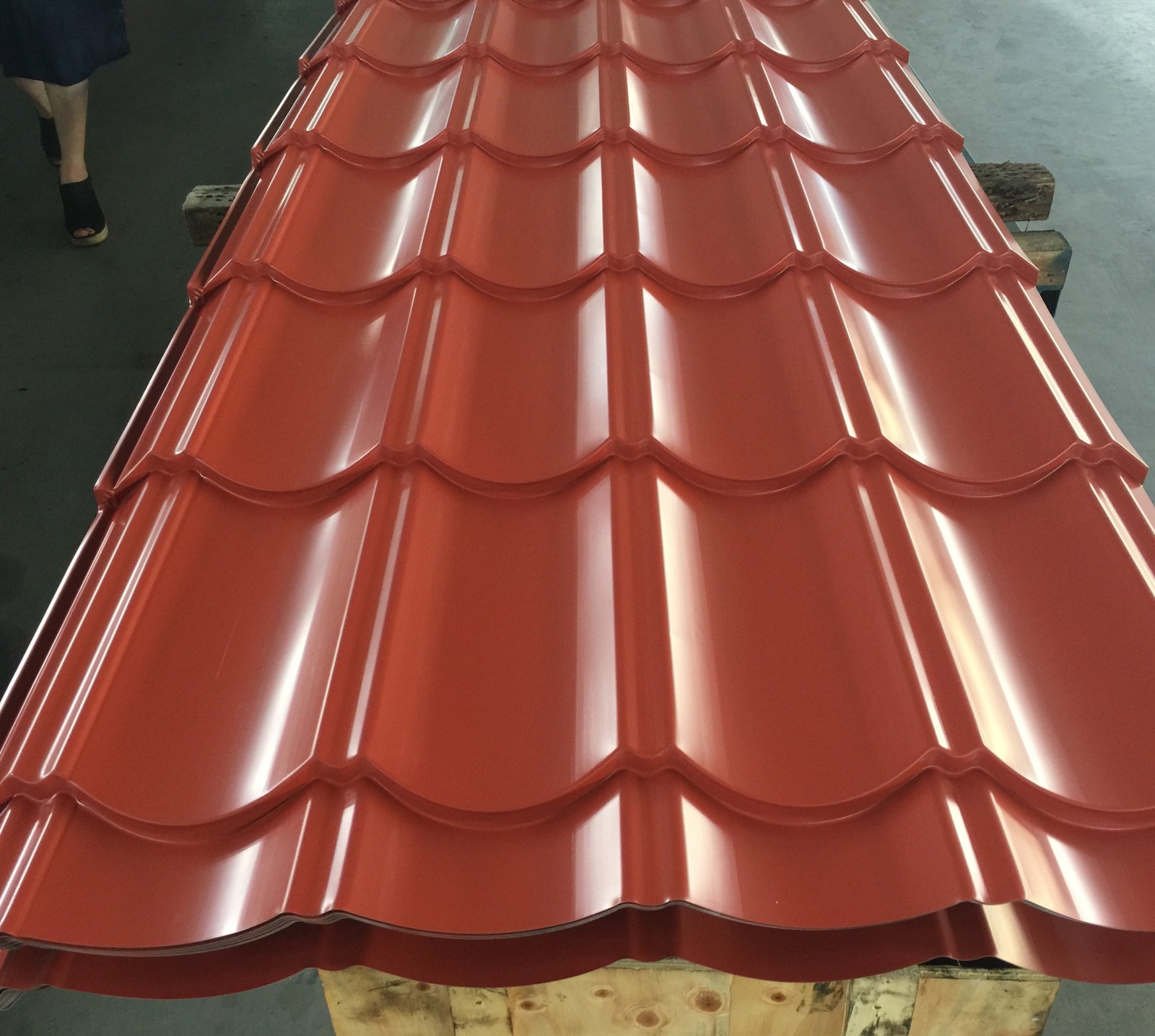
Source industrial-grade Tile Making Machinery from vetted suppliers and manufacturers across China and Asia. Designed for importers, distributors, and procurement managers, this equipment supports high-volume production for construction supply chains. Partner with verified factories for reliable wholesale purchasing and custom OEM configurations.
Sourcing tile making machinery is a major capital expenditure where the margin for error is zero. Whether you are outfitting a new production facility or upgrading existing lines, the machinery must deliver consistent pressing force, precise mold alignment, and minimal downtime. The primary sourcing challenge lies in verifying that a manufacturer's stated specifications match their actual engineering capabilities, especially regarding hydraulic reliability, electrical stability, and frame durability under continuous heavy load.
Critical Specifications to Define
When negotiating with machinery manufacturers, vague requirements lead to substandard builds. To ensure the equipment can handle rigorous daily production, you must explicitly define the technical parameters before a single piece of steel is cut.
Essential Technical Parameters for Tile Presses
- Pressing Force (Tonnage): Must align with the density requirements of your specific tile material (e.g., ceramic, concrete, or terrazzo).
- Cycle Time & Output: Specify pieces per minute or square meters per shift to guarantee production targets.
- Maximum Tile Dimensions: Define the maximum length, width, and thickness the press can accommodate.
- Installed Power (kW): Ensure the total power consumption aligns with your facility's electrical infrastructure.
- Automation Level: Clarify if the line includes automatic material feeding, pressing, and palletizing, or if it requires manual intervention.
Voltage and Frequency Variations
Standard industrial power in China is 380V/50Hz (3-phase). If your destination market uses 220V, 440V, or 480V at 60Hz, you must specify this immediately. Retrofitting motors and electrical cabinets after production is costly and delays shipment.
Component Quality and Factory Floor Realities
The longevity of a tile making machine is entirely dependent on its core components. Many suppliers offer aggressive pricing by utilizing domestic, lower-tier hydraulic and electrical parts. While these may function adequately during a factory test run, they often fail under the stress of 24/7 commercial operation.
| System | Standard/Domestic Configuration | Export-Grade Configuration |
|---|---|---|
| Hydraulic Valves | Local generic brands | Rexroth, Yuken, or Parker |
| PLC & Controls | Basic domestic interfaces | Siemens, Schneider, or Mitsubishi |
| Main Motors | Standard efficiency | High-efficiency (IE3) ABB or Siemens |
| Frame Construction | Standard spot welding | Heavy-duty steel plates, stress-relieved |
Because you cannot verify internal component quality from a spec sheet alone, rigorous Quality Control & Inspection is mandatory. This includes in-line inspections during the assembly phase and a comprehensive dry-run test before the machine is crated for export.
Need help verifying technical specifications and component quality with overseas machinery manufacturers?
Talk to our teamPricing, Lead Times, and Sourcing Logistics
Industrial tile machinery is almost entirely built-to-order. Off-the-shelf purchasing is exceptionally rare for commercial-grade lines, meaning your production schedule must account for significant manufacturing and transit times.
Managing the Supplier Relationship
Before wiring a substantial deposit (typically 30 percent), conducting thorough Factory Audits is non-negotiable. You must confirm the supplier actually manufactures the heavy machinery themselves rather than simply assembling parts or acting as a trading company. Look for in-house CNC machining capabilities, heavy lifting equipment, and a dedicated testing area.
Furthermore, heavy machinery often requires specialized transport. Large hydraulic presses may exceed standard container dimensions, necessitating flat-rack or open-top containers. Proper Shipping & Freight coordination is vital to ensure the machinery is properly lashed, protected from maritime corrosion, and compliant with heavy-lift port regulations.
Ensure your capital equipment is built to spec, rigorously inspected, and shipped securely.
Get a free consultationBuyer FAQ
Procuring heavy industrial machinery from Asia requires technical vigilance and strict oversight at every stage of production. By demanding premium components, enforcing strict quality control protocols, and managing the logistics expertly, you can secure high-performance equipment that delivers decades of reliable output.
Get Sourcing Help for Tile Making Machinery
Tell us your requirements and our experts will connect you with verified manufacturers.