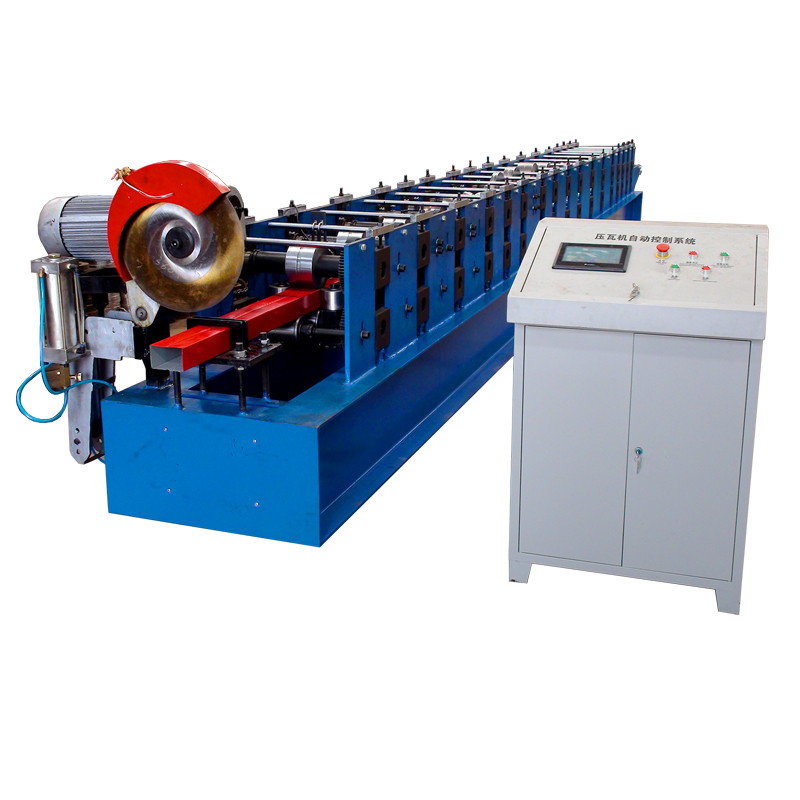
Rolling Mills
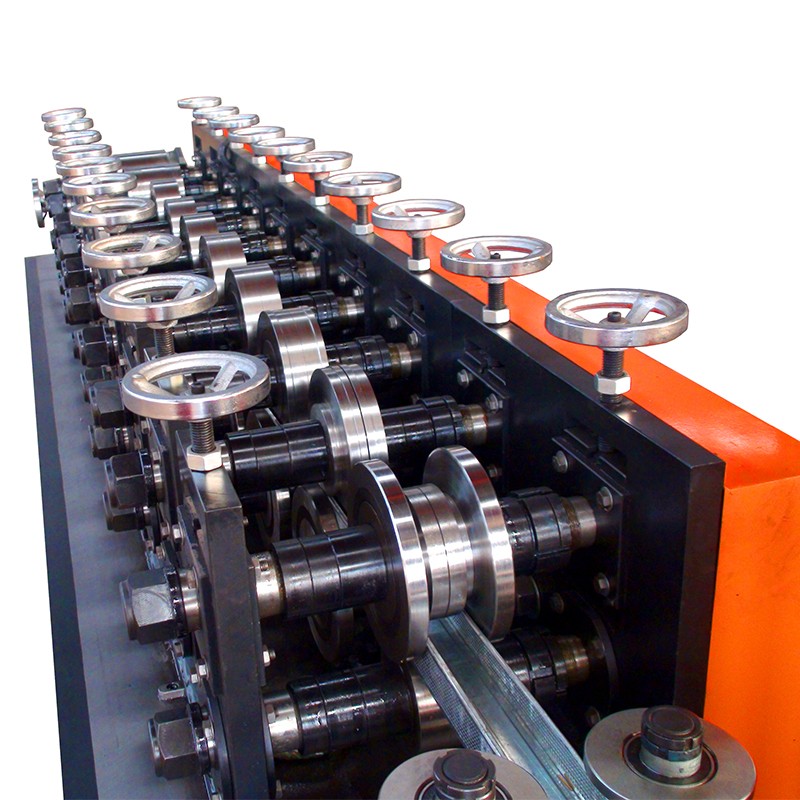
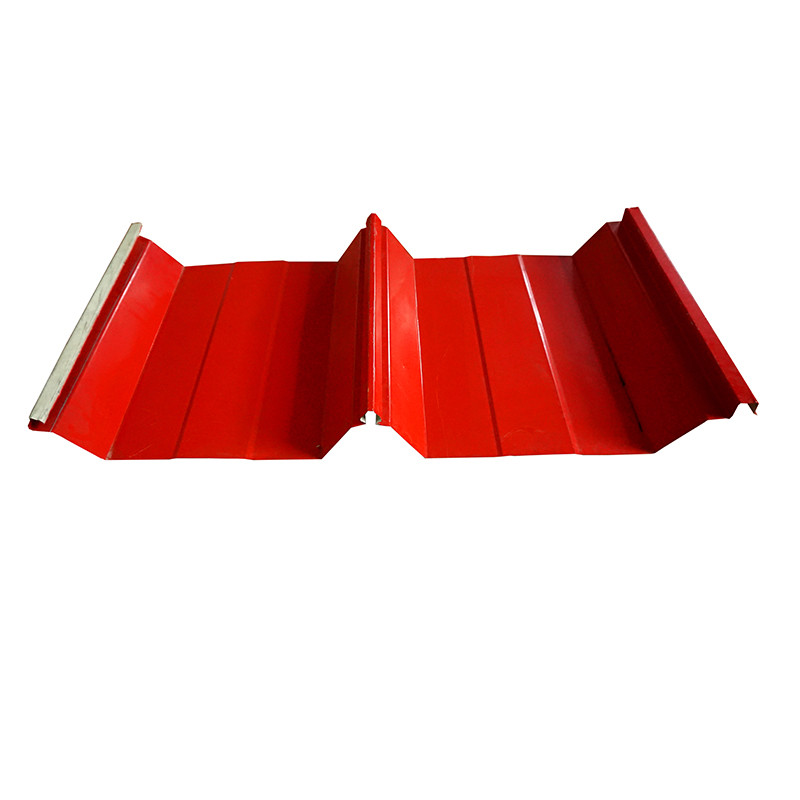
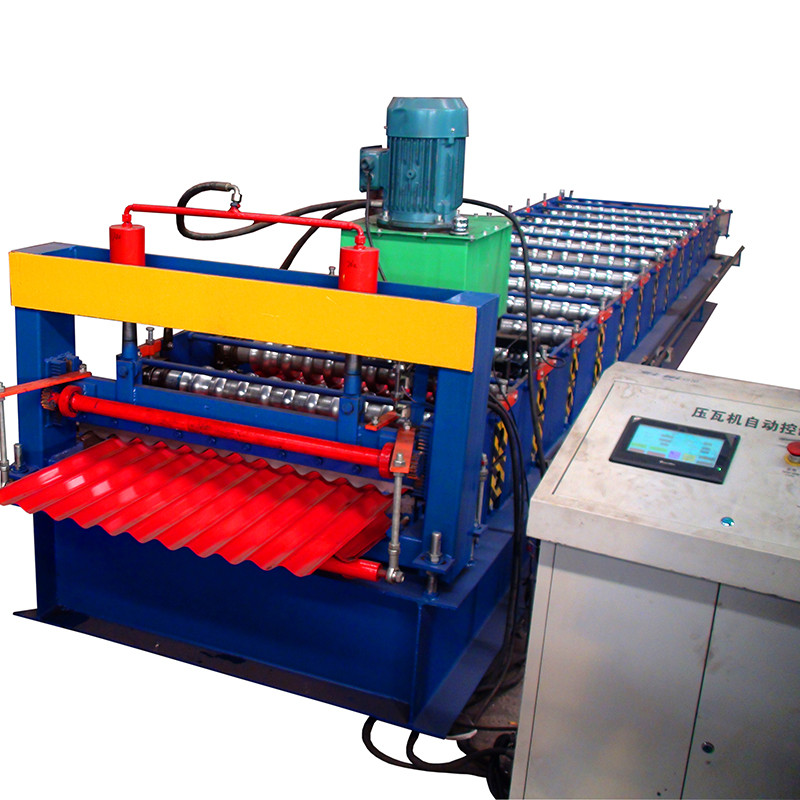
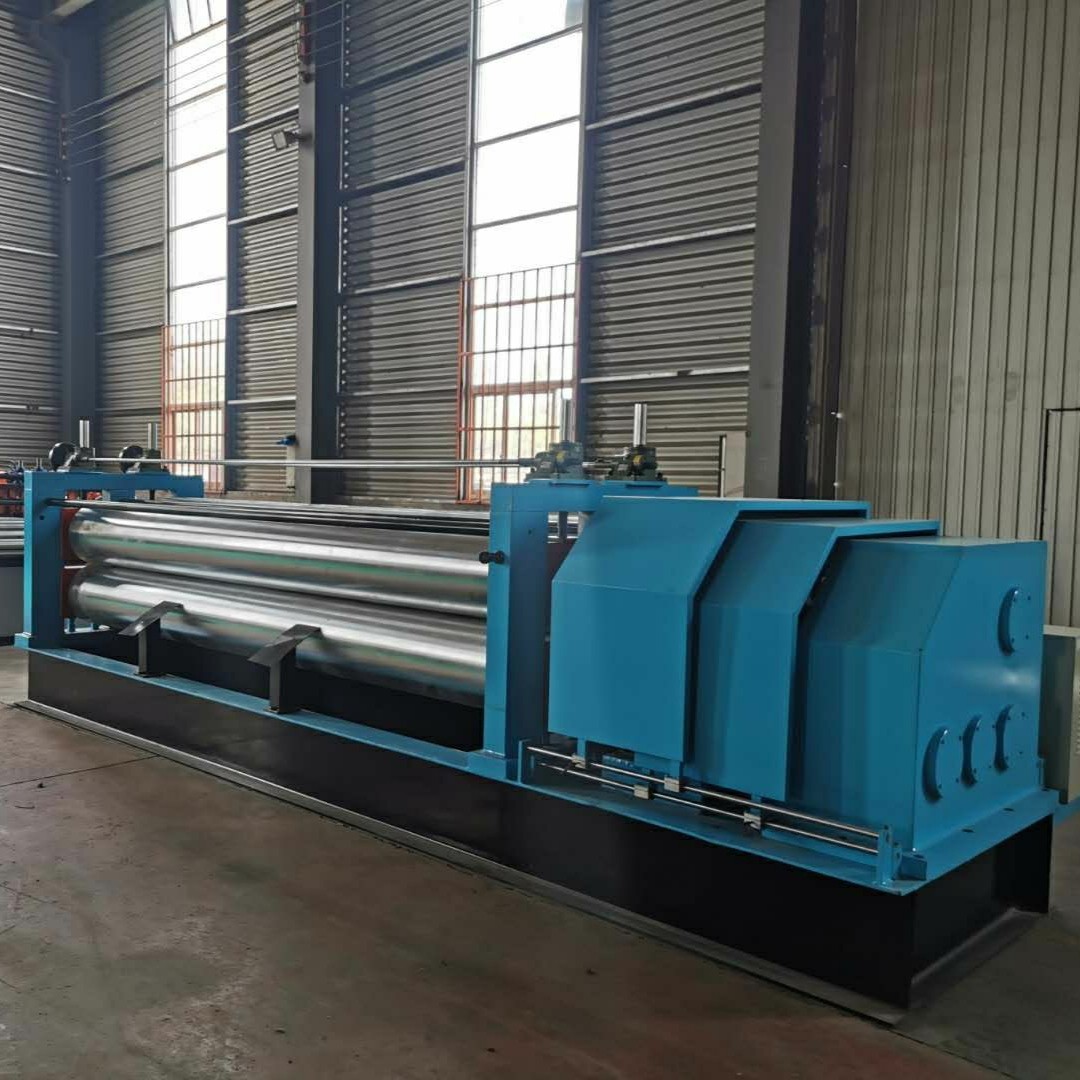
Source industrial rolling mills from vetted manufacturers and suppliers in China and across Asia. Designed for equipment importers, distributors, and industrial brands seeking reliable OEM production, our wholesale network delivers high-performance metal forming machinery built to your exact specifications.
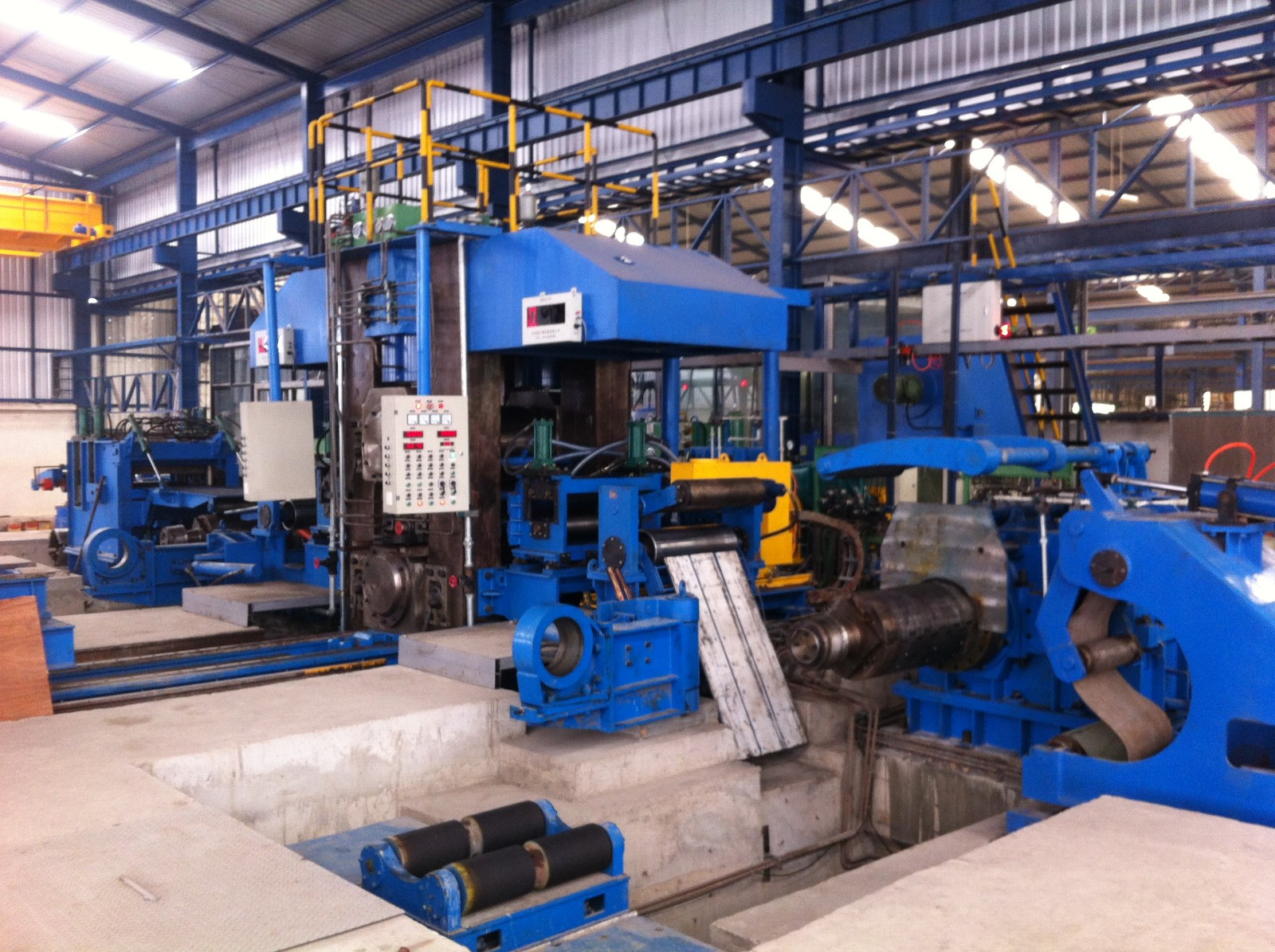
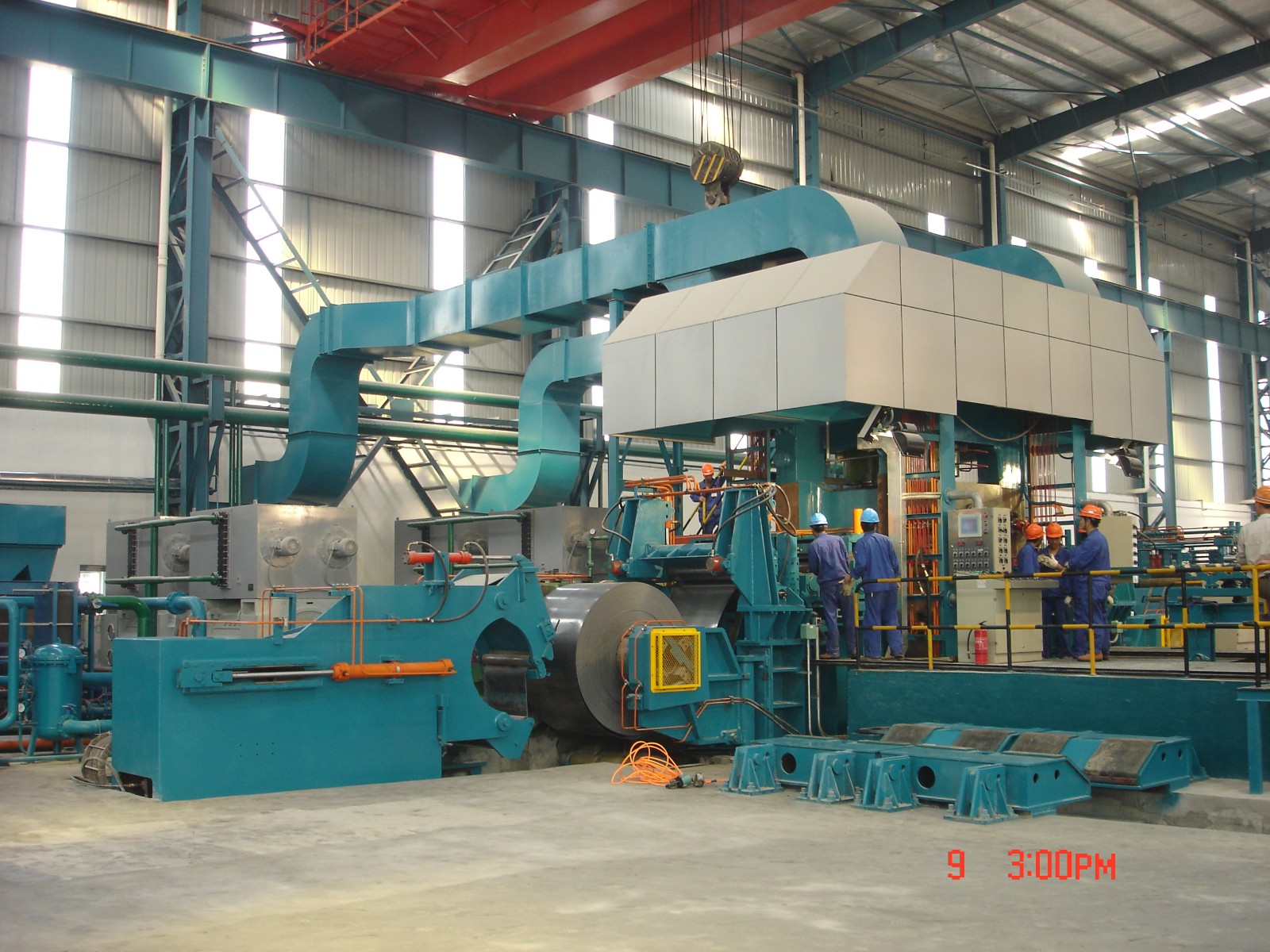
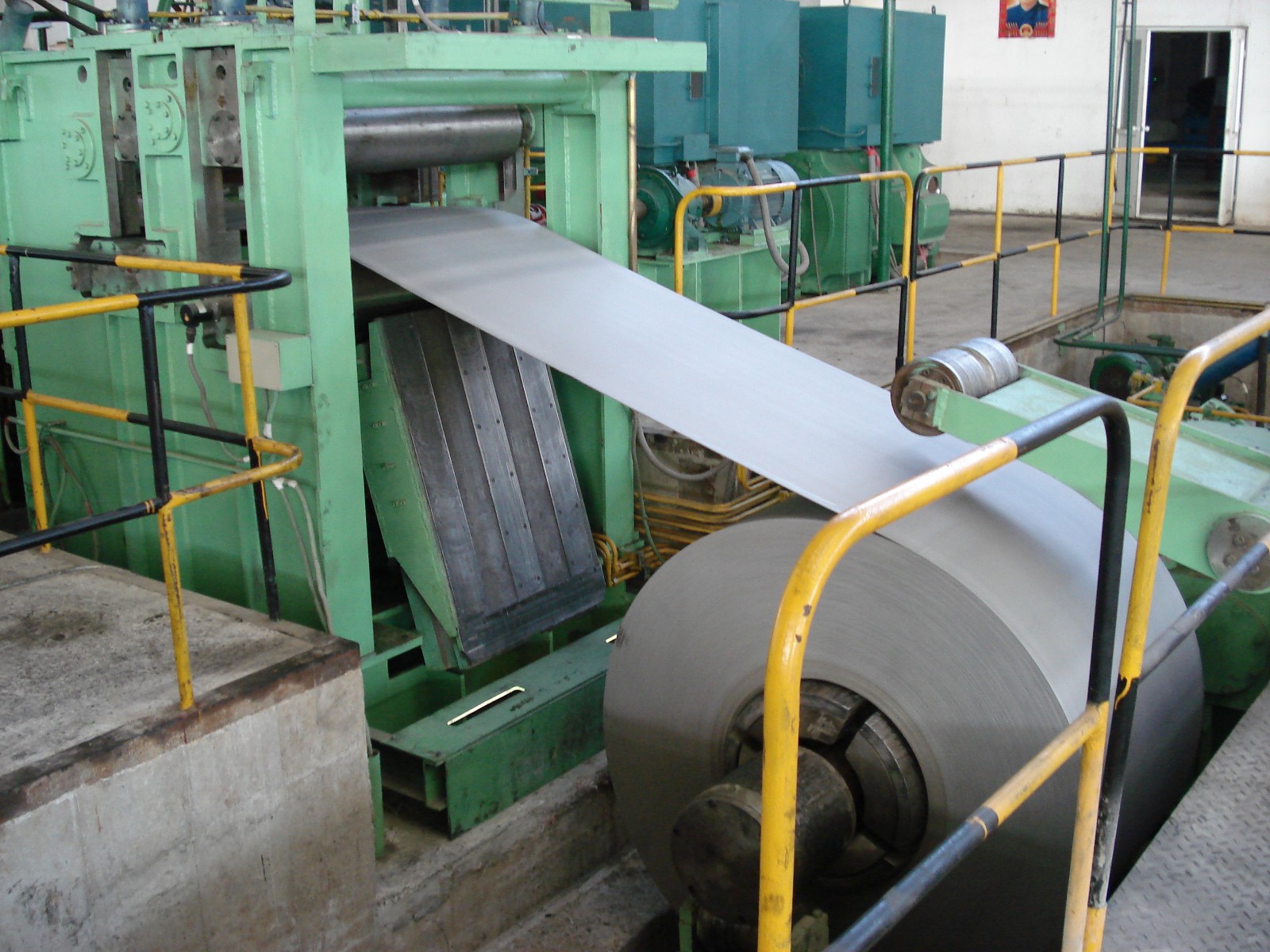
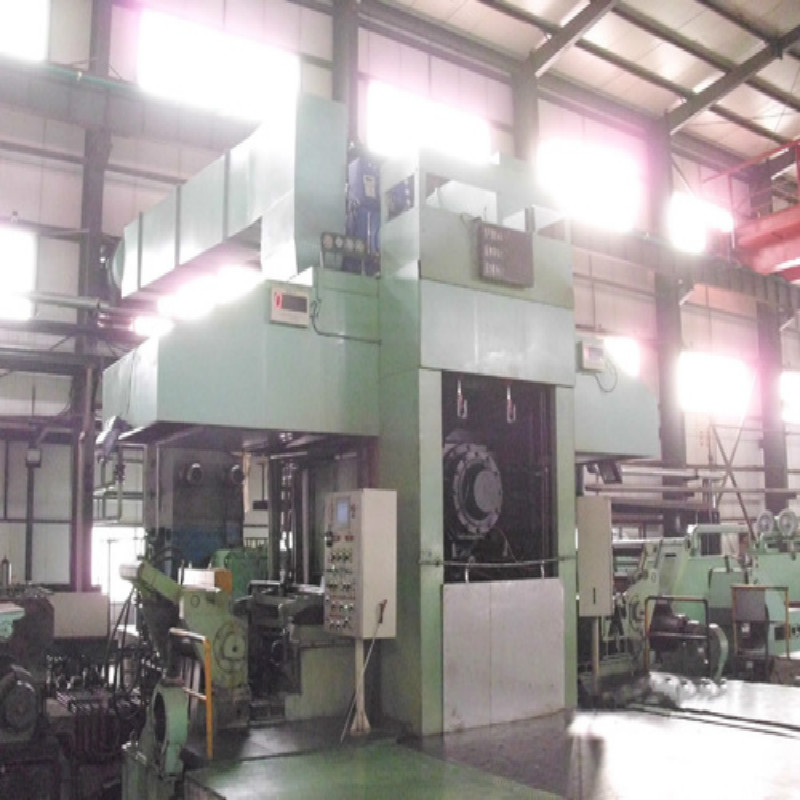
Sourcing industrial rolling mills requires balancing extreme mechanical forces with micro-level precision. Whether you are procuring cold rolling mills for precision non-ferrous foil or heavy-duty hot rolling equipment for structural steel, the primary challenge is ensuring the manufacturer has the engineering capability to deliver rigid housings, flawless roll metallurgy, and synchronized drive systems. A misaligned mill stand or subpar roll material will directly translate to gauge variations and scrapped metal on the production floor.
Core Specifications and Configurations
When specifying a rolling mill for volume import or custom production, the mechanical configuration and control systems must align exactly with the target material's yield strength and the required final gauge.
Buyers must clearly define the following to potential suppliers:
- Roll Configuration: 2-Hi, 4-Hi, 6-Hi, or cluster mills (like 20-Hi Sendzimir mills). Higher numbers of backing rolls are required to prevent work-roll deflection when rolling ultra-thin gauges or high-tensile alloys.
- Roll Dimensions & Metallurgy: Work roll diameter and barrel length. Material specification is critical—typically forged alloy steel (such as 9Cr2Mo or 9Cr3Mo) for cold rolling, or chilled cast iron for specific hot rolling applications. Surface hardness must be specified (e.g., HSD 90 to 95).
- Drive Power and Speed: Main motor kW, gear reducer ratios, and maximum rolling speed (m/min).
- Control Systems: The inclusion of AGC (Automatic Gauge Control) via hydraulic cylinders, rather than traditional mechanical screw-downs, is essential for tight thickness tolerances.
| Configuration | Primary Application | Deflection Control |
|---|---|---|
| 2-Hi Mill | Roughing passes, heavy gauge reduction, skin pass | Low (relies on roll diameter) |
| 4-Hi Mill | Standard cold/hot rolling, medium to thin gauges | Moderate (uses backup rolls) |
| 6-Hi Mill | Precision cold rolling, wide strips | High (intermediate roll shifting) |
| Cluster Mill | Ultra-thin foil, high-hardness alloys (stainless) | Maximum (multi-point support) |
Navigating custom heavy machinery specifications? Let our engineering sourcing team help you vet the right manufacturer for your rolling mill requirements.
Talk to our teamManufacturing Quality and Critical Failure Points
The longevity of a rolling mill is determined long before it leaves the factory floor. Chinese manufacturers offer a wide spectrum of quality, from entry-level domestic machines to export-grade equipment rivaling European standards. The difference lies in the machining precision of the mill stands and the quality of the outsourced components.
It is highly recommended to conduct thorough Factory Audits before placing a deposit. You must verify that the supplier has the heavy CNC boring and milling centers required to machine the mill housings in a single setup, ensuring absolute parallelism between the bearing chocks.
Pre-Shipment Inspection Focus Areas
When executing Quality Control & Inspection, inspectors should look beyond the surface finish.
Critical FAT (Factory Acceptance Test) Checks
- Verify mill housing parallelism and diagonal measurements using laser trackers.
- Check ultrasonic testing (UT) reports for forged work rolls to ensure no internal voids.
- Confirm bearing brands (e.g., SKF, Timken, or specified top-tier domestic equivalents) and multi-row cylindrical roller bearing installation tolerances.
- Test hydraulic AGC system response times under simulated load.
- Run the mill at maximum rated speed to measure vibration (mm/s) and bearing temperature rise.
Lead Times, MOQ, and Logistics Reality
Unlike standard commercial goods, industrial rolling mills are capital equipment. The Minimum Order Quantity (MOQ) is universally one complete line or set.
Pricing Drivers: The cost of a rolling mill fluctuates heavily based on the control automation (Siemens/ABB PLCs vs. domestic alternatives), the hydraulic servo valves (Rexroth/Moog vs. standard), and the total weight of the cast and forged steel.
Lead Times: Custom manufacturing of a complete rolling line typically requires 90 to 180 days, depending on the complexity of the mill and the current backlog at the foundry for the heavy castings.
Freight Challenges: Rolling mills are massive, awkwardly shaped, and exceptionally heavy. A single mill housing can weigh tens of tons. This requires specialized Shipping & Freight solutions, including flat rack containers, open-top containers, or break-bulk shipping for oversized components. Improper lashing or inadequate rust-proofing for sea transit can ruin precision machined surfaces before the equipment even arrives.
Heavy machinery logistics require specialized handling. See how we manage the entire process from factory floor FAT to international delivery.
Get a free consultationBuyer FAQ
Procuring a rolling mill is an exercise in risk management. The lowest upfront quote often hides compromises in housing rigidity, bearing quality, or thermal treatment of the rolls—flaws that will compound into massive operational costs and downtime. Success requires rigorous supplier vetting, strict adherence to engineering specifications, and active oversight throughout the manufacturing cycle.
Get Sourcing Help for Rolling Mills
Tell us your requirements and our experts will connect you with verified manufacturers.