Construction Elevator
Source industrial-grade construction elevators from vetted manufacturers and suppliers in China. Designed for heavy-duty lifting, these hoists meet rigorous safety standards. Ideal for importers, heavy machinery distributors, and procurement managers seeking reliable bulk purchasing, OEM production, and competitive wholesale pricing.
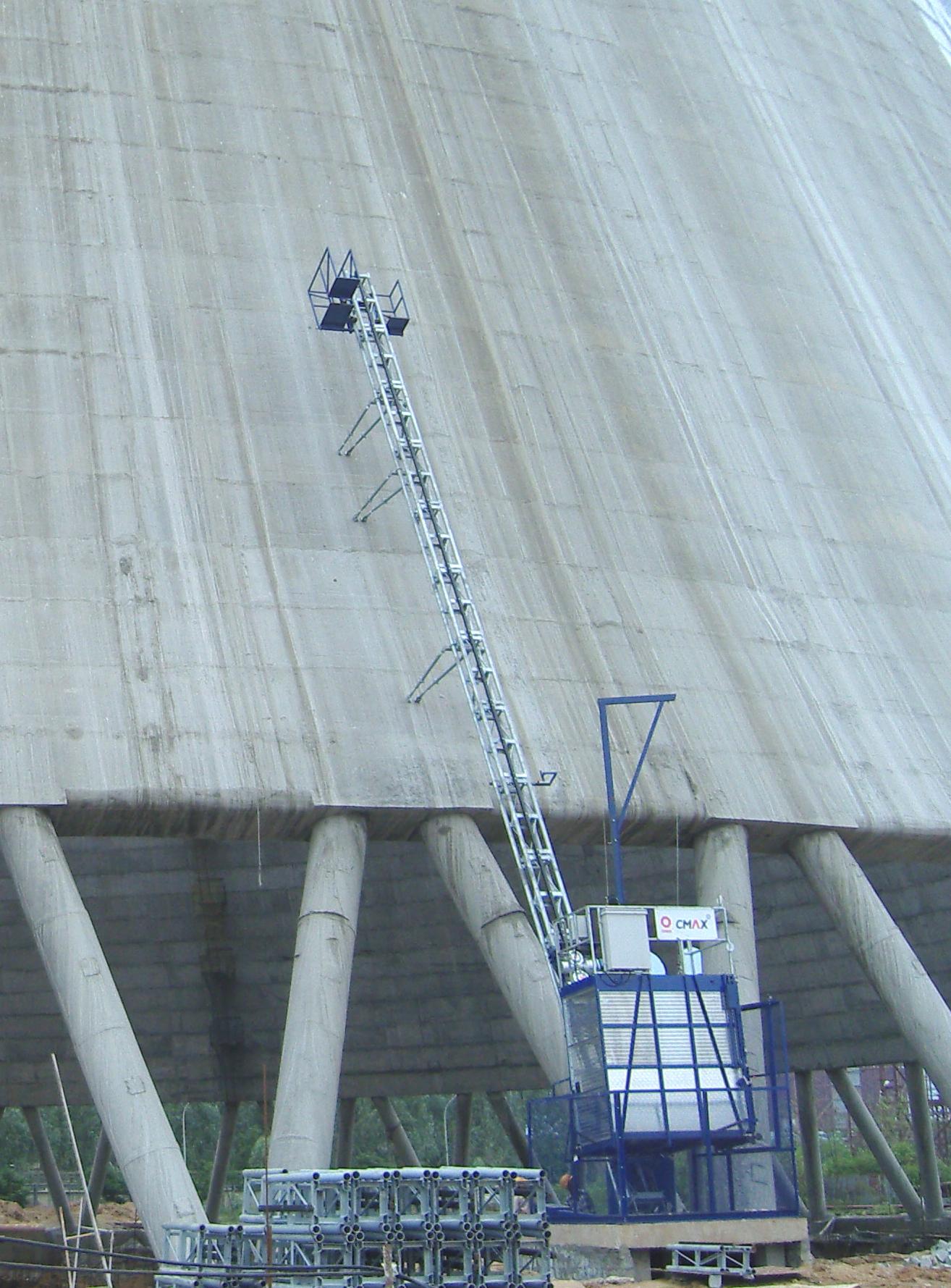
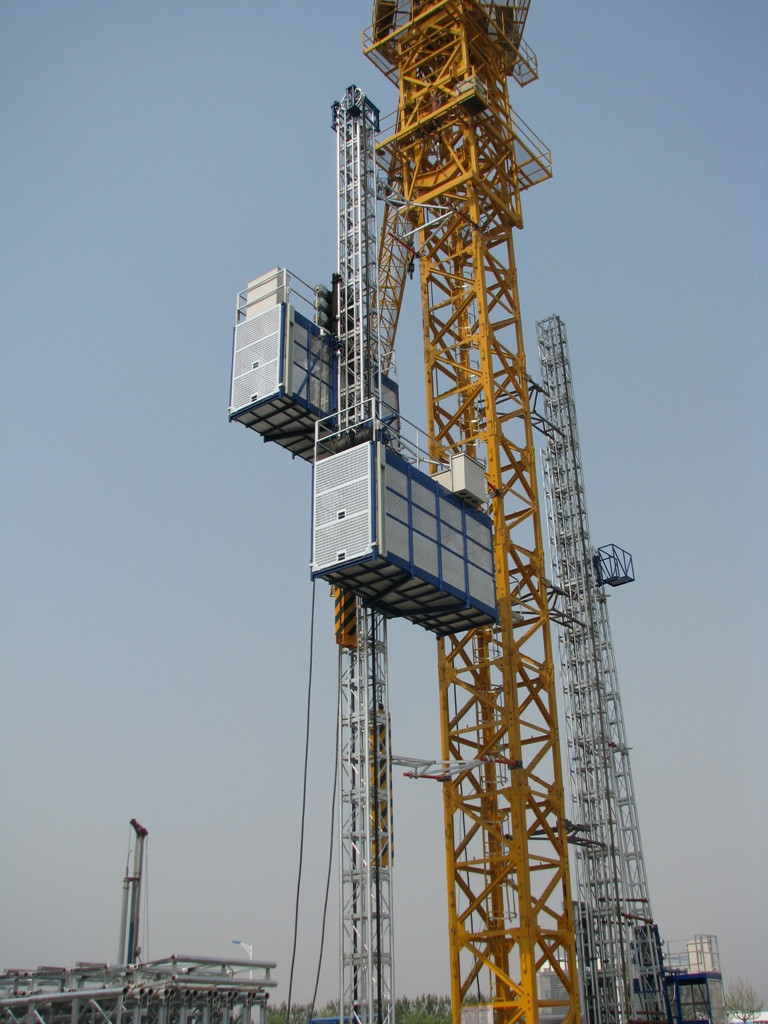
Sourcing construction elevators (rack and pinion passenger and material hoists) requires balancing heavy-duty performance with uncompromising safety standards. For procurement teams and distributors, securing reliable units directly from manufacturers means navigating complex technical specifications, varying component quality, and strict international compliance requirements.
Critical Specifications for Bulk Procurement
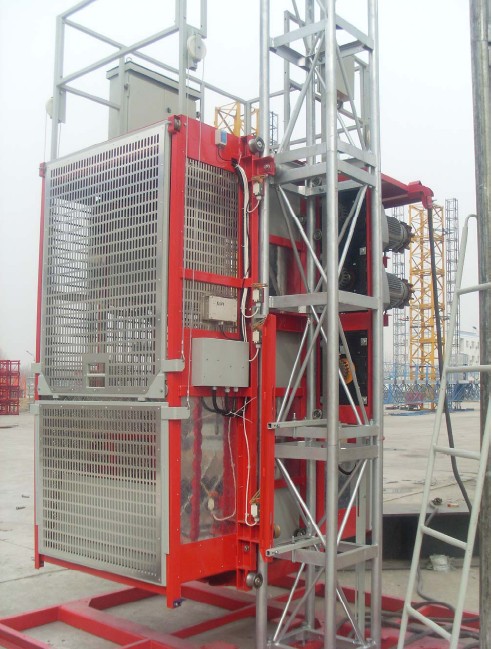
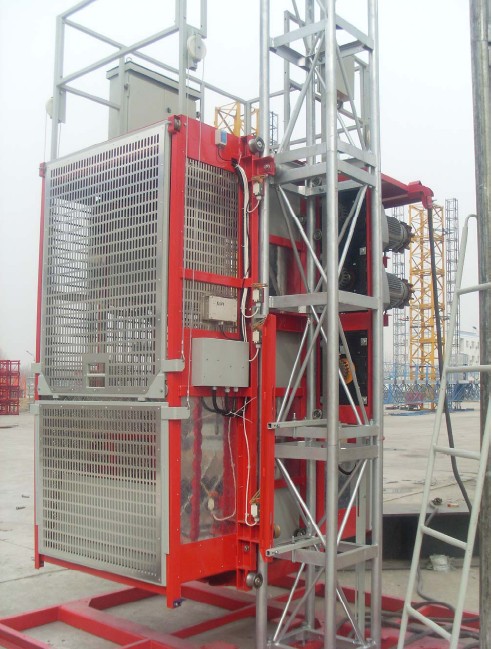
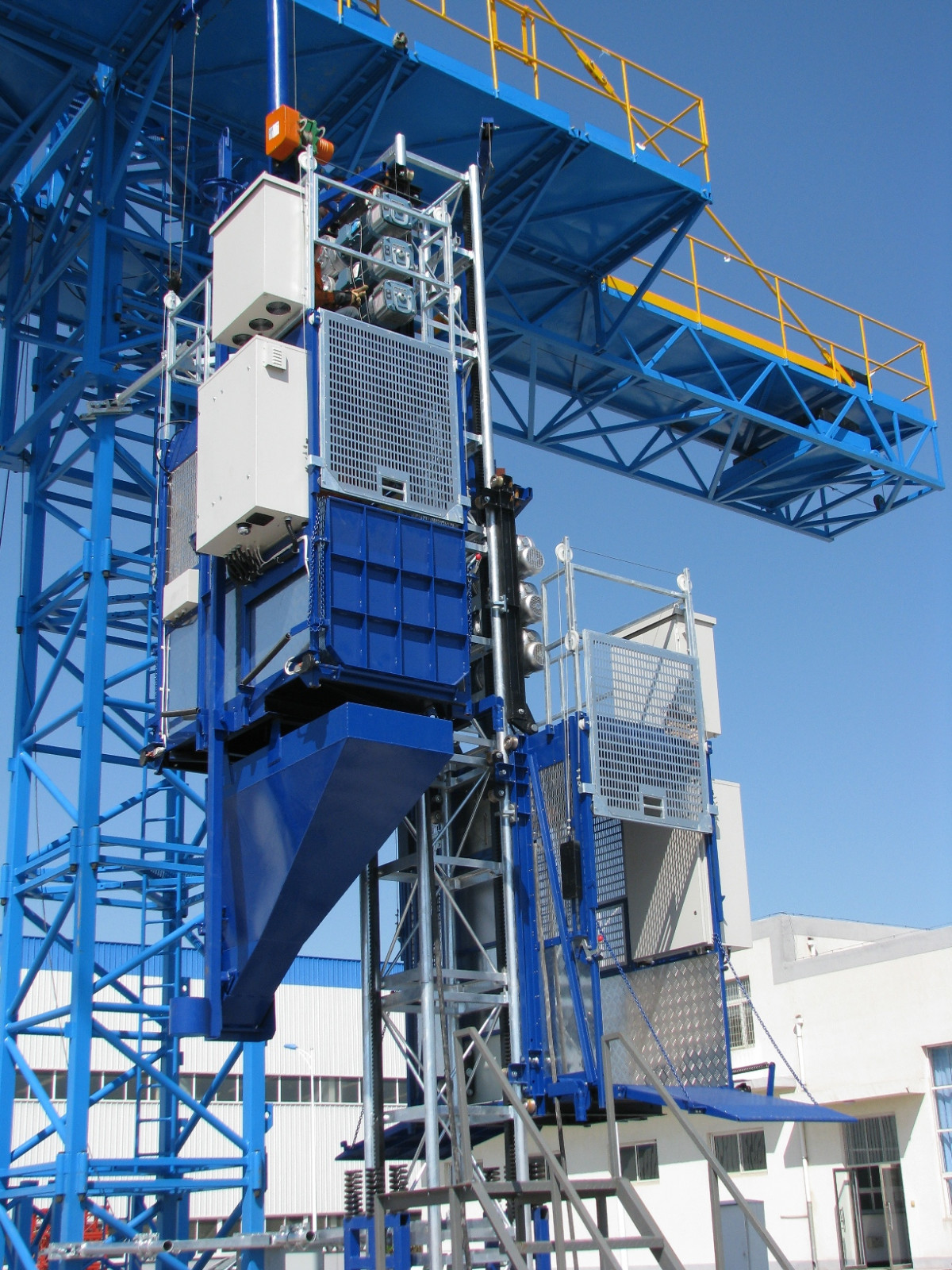
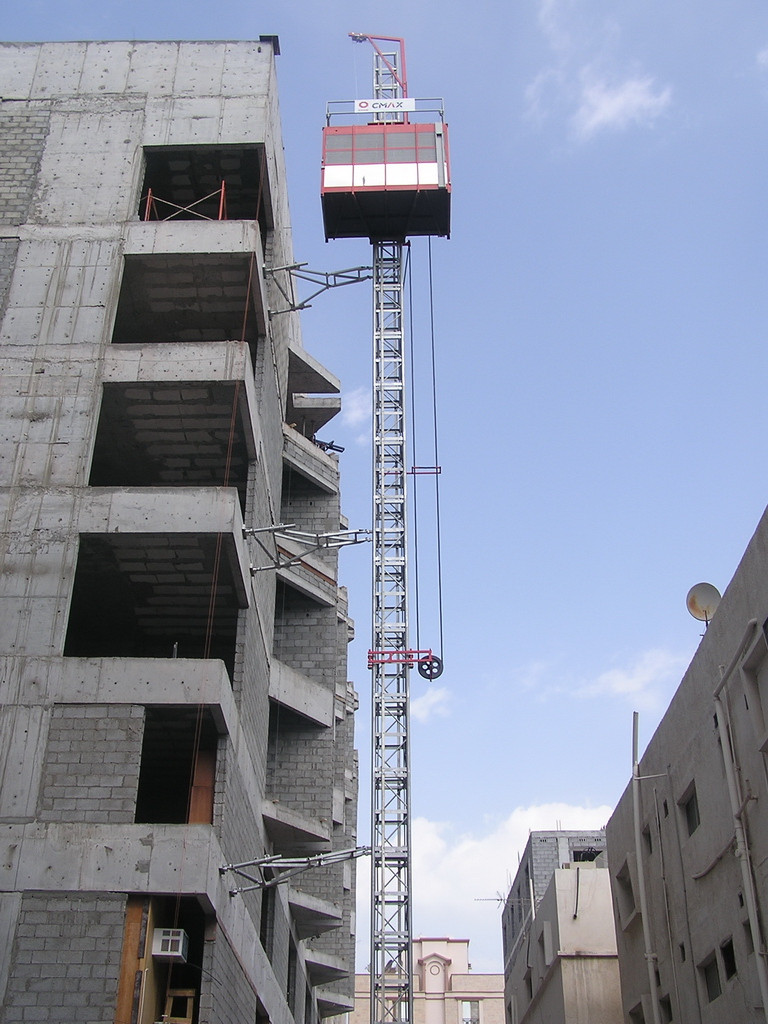
When negotiating with a factory, precise specifications prevent costly misunderstandings. The core of any construction elevator is its rack and pinion mechanism, but the surrounding architecture defines its capability and lifespan.
- Drive Systems: Specify whether you require Direct-On-Line (DOL) or Variable Frequency Drive (VFD / Inverter). VFDs are standard for high-speed units, offering smoother starts and stops, reducing mechanical wear on the gears, and lowering start-up current spikes.
- Mast Sections: Standardized dimensions are crucial for site compatibility. Specify the tube thickness (usually 4.5mm to 6mm) and material grade (e.g., Q345B high-strength steel). Galvanized mast sections offer superior rust resistance compared to painted alternatives, significantly extending the asset's rental lifespan.
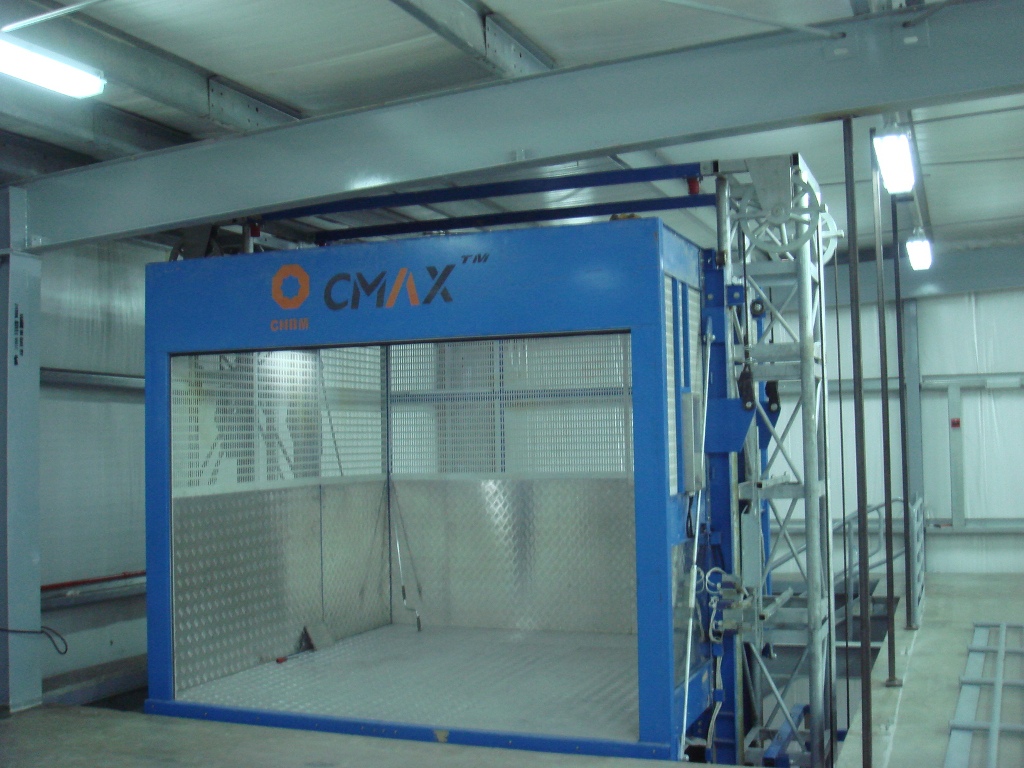
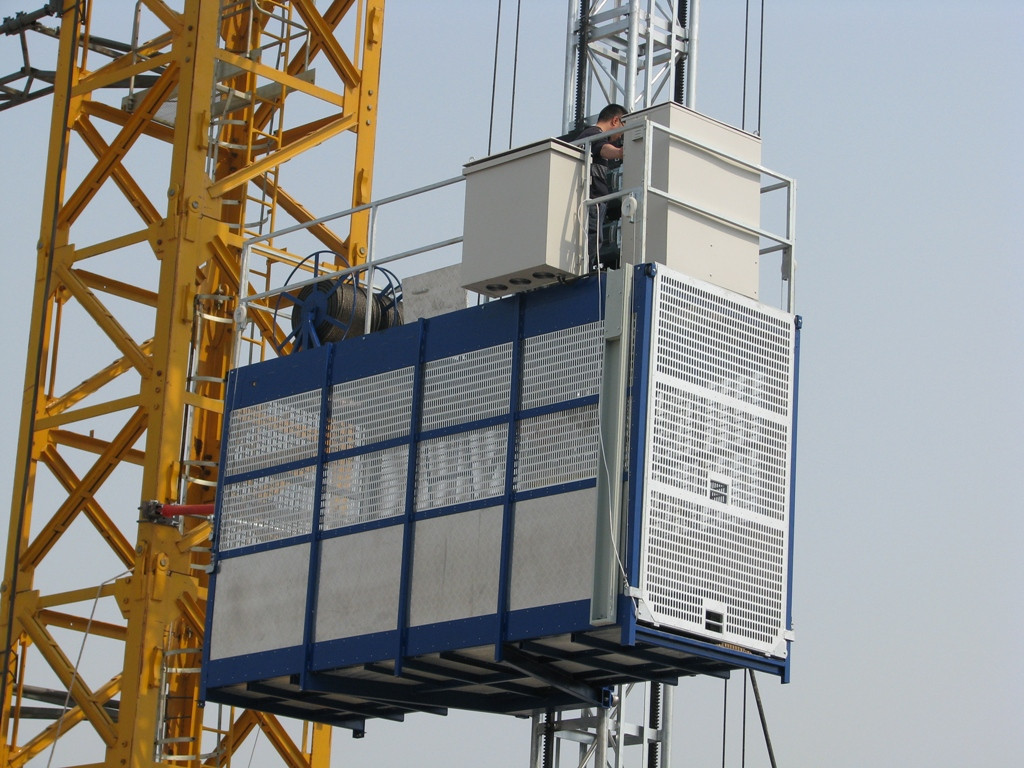
- Cage Materials: While painted steel is standard, aluminum alloy cages are increasingly popular. They reduce the dead weight of the cage, allowing for higher net payload capacity and superior corrosion resistance.
Manufacturing Quality and Safety Compliance
The stakes for construction hoists are absolute. A supplier's capability is judged not just by their assembly line, but by their sourcing of critical sub-components and their welding consistency.
Critical Inspection Points
- Anti-fall safety device (e.g., SAJ series) calibration and certification validity.
- Robot-welded mast sections to ensure uniform penetration and eliminate human error.
- Electrical contactors and relays from recognized brands (Schneider, Siemens) to prevent control failure.
- Overload limiters and mechanical interlocks on all cage doors.
Because these units carry human lives, verifying a factory's certifications (such as CE, EAC, or ANSI/ASME) is non-negotiable. We strongly advise rigorous compliance and testing verification before finalizing any supplier agreement. Furthermore, comprehensive factory audits are essential to confirm that the manufacturer possesses the in-house testing towers and CNC machining centers necessary to maintain tight tolerances on the rack and pinion gears.
Need help vetting construction machinery manufacturers? Our engineers can evaluate factory capabilities and safety records on your behalf.
Get a free consultationPricing, MOQs, and Lead Times
Procuring construction elevators at wholesale volumes involves managing significant capital and logistical complexity.
- Minimum Order Quantities (MOQ): Given the scale of the equipment, MOQs typically start at 1 set. However, wholesale pricing tiers usually trigger at 3 to 5 units, which aligns with optimal container loading strategies.
- Pricing Drivers: A standard 2-ton passenger hoist can vary in price by 20 to 30 percent based on the drive type, cage material, and the inclusion of premium electrical components.
- Lead Times: Standard configurations usually require 25 to 35 days for production. Customized cages or specific voltage requirements (e.g., 440V/60Hz for certain markets) can push lead times to 45 days or more.
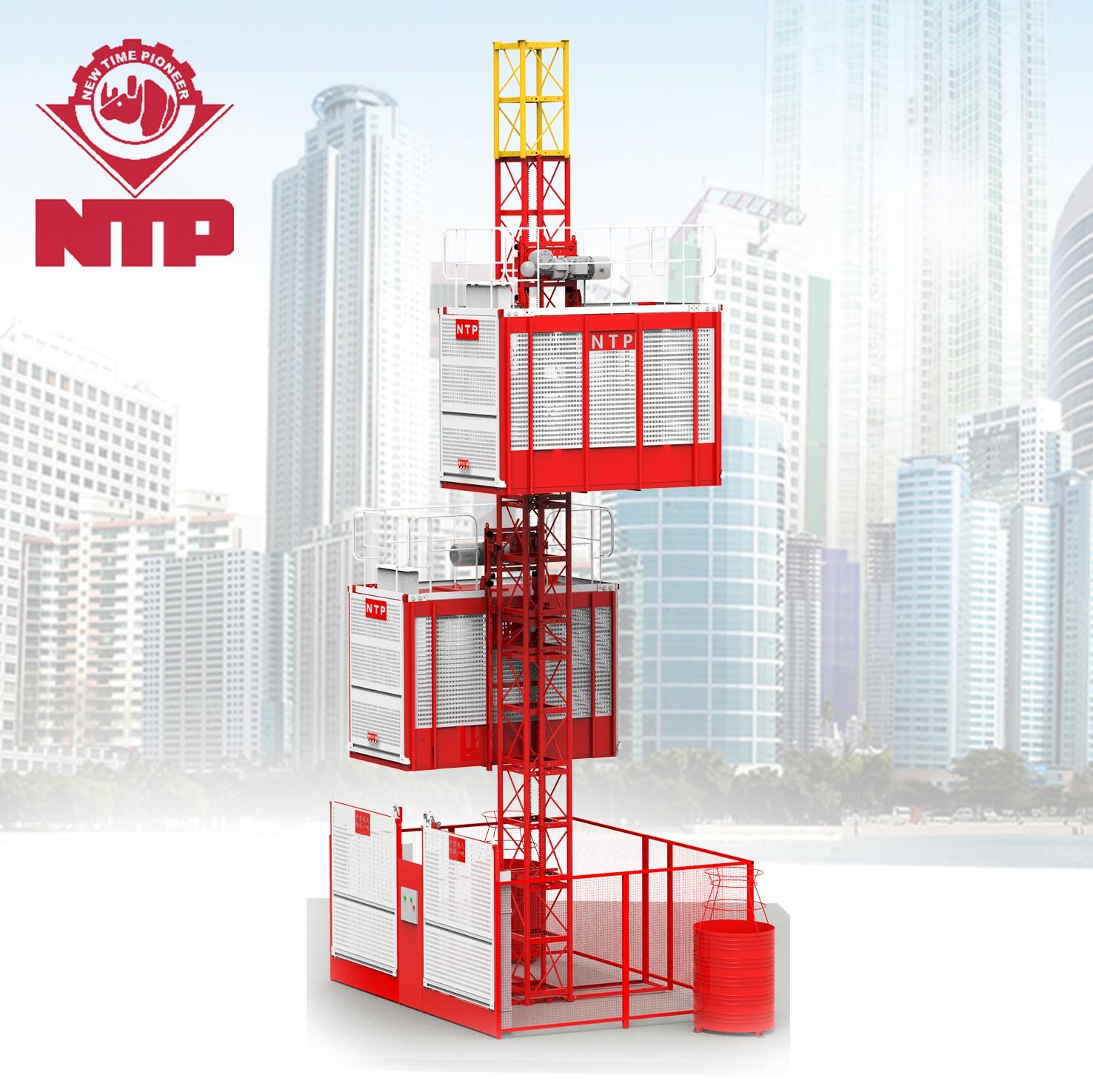
- Logistics: A single twin-cage elevator with 100 meters of mast sections typically requires one 40-foot High Cube (40HC) container. For taller configurations, mast sections quickly consume container volume. Strategic shipping and freight planning is required to optimize packing, balance container weight limits, and handle over-dimensional base frames.
Optimize your heavy machinery supply chain. We manage production schedules, quality inspections, and complex international freight.
Talk to our teamFrequently Asked Questions
Sourcing construction elevators requires rigorous attention to mechanical tolerances, electrical reliability, and uncompromising safety standards. By partnering with factories that invest in robotic welding and top-tier components, you protect both your investment and the end-users. If you need technical oversight to manage production and ensure compliance, our sourcing team is ready to assist.
Get Sourcing Help for Construction Elevator
Tell us your requirements and our experts will connect you with verified manufacturers.