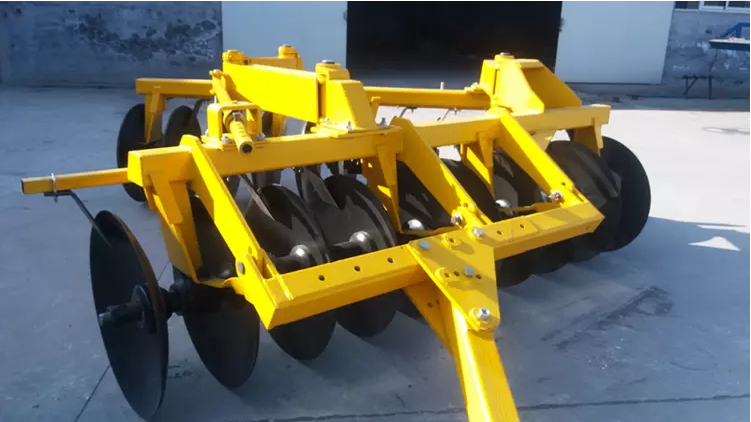
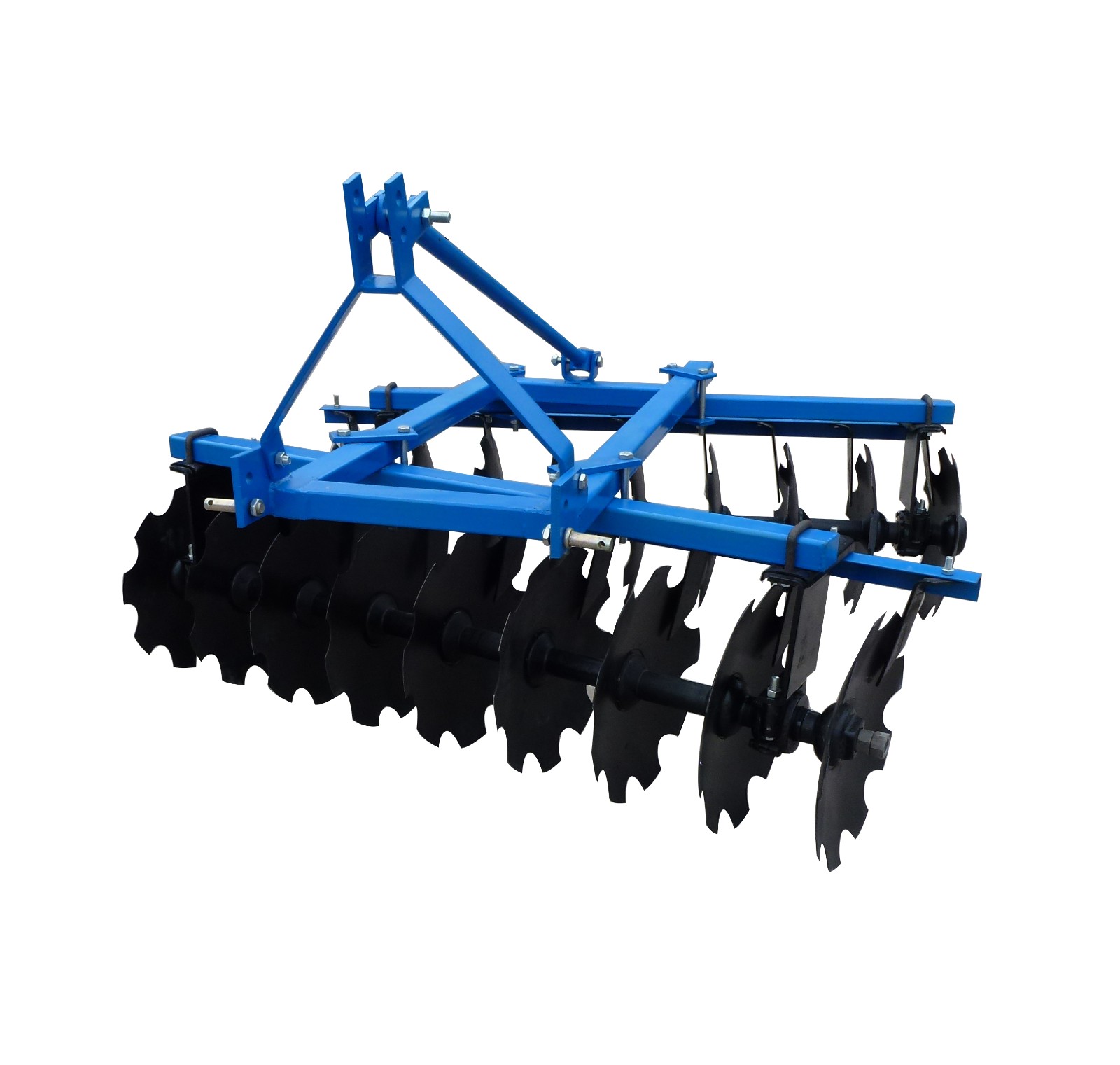
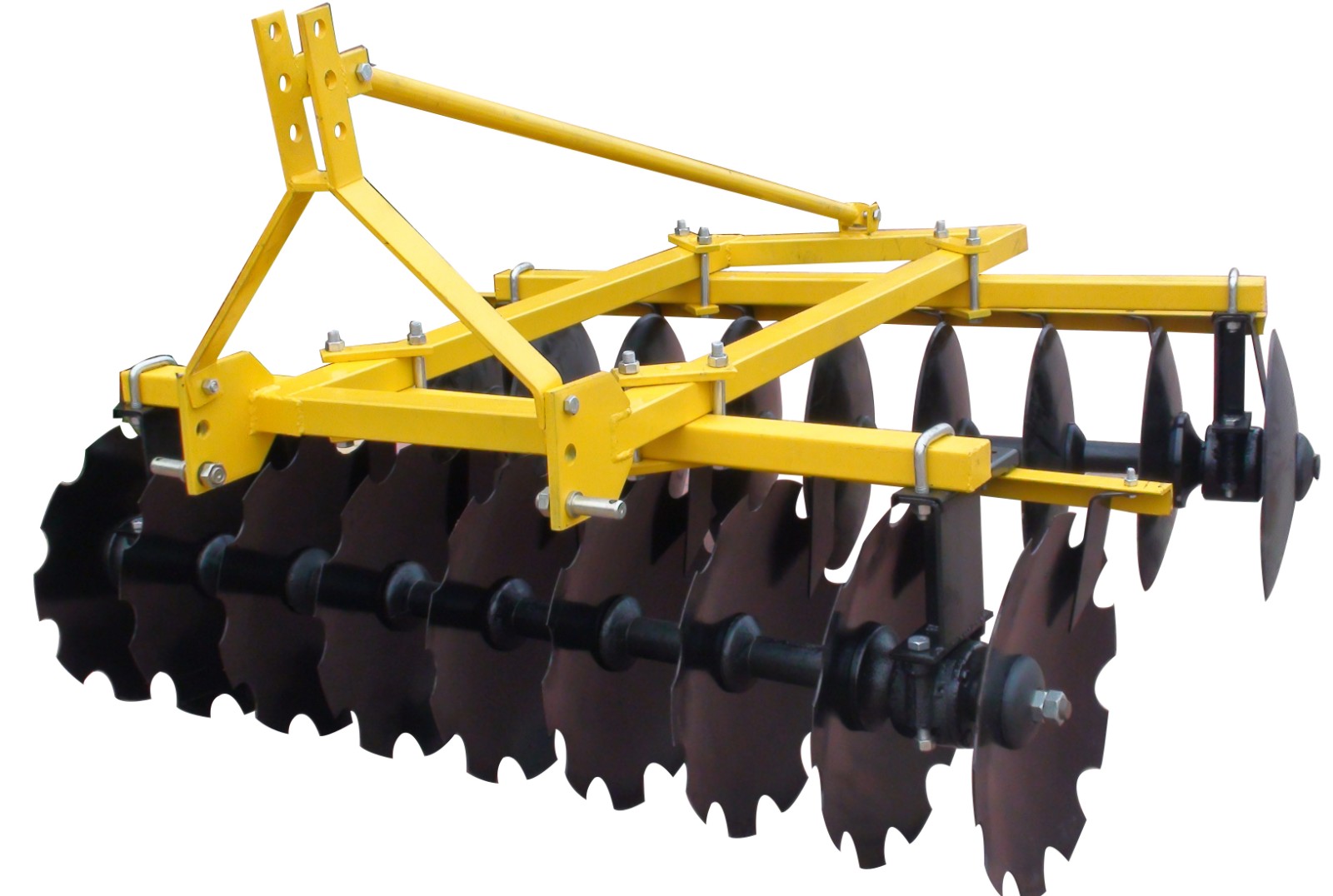
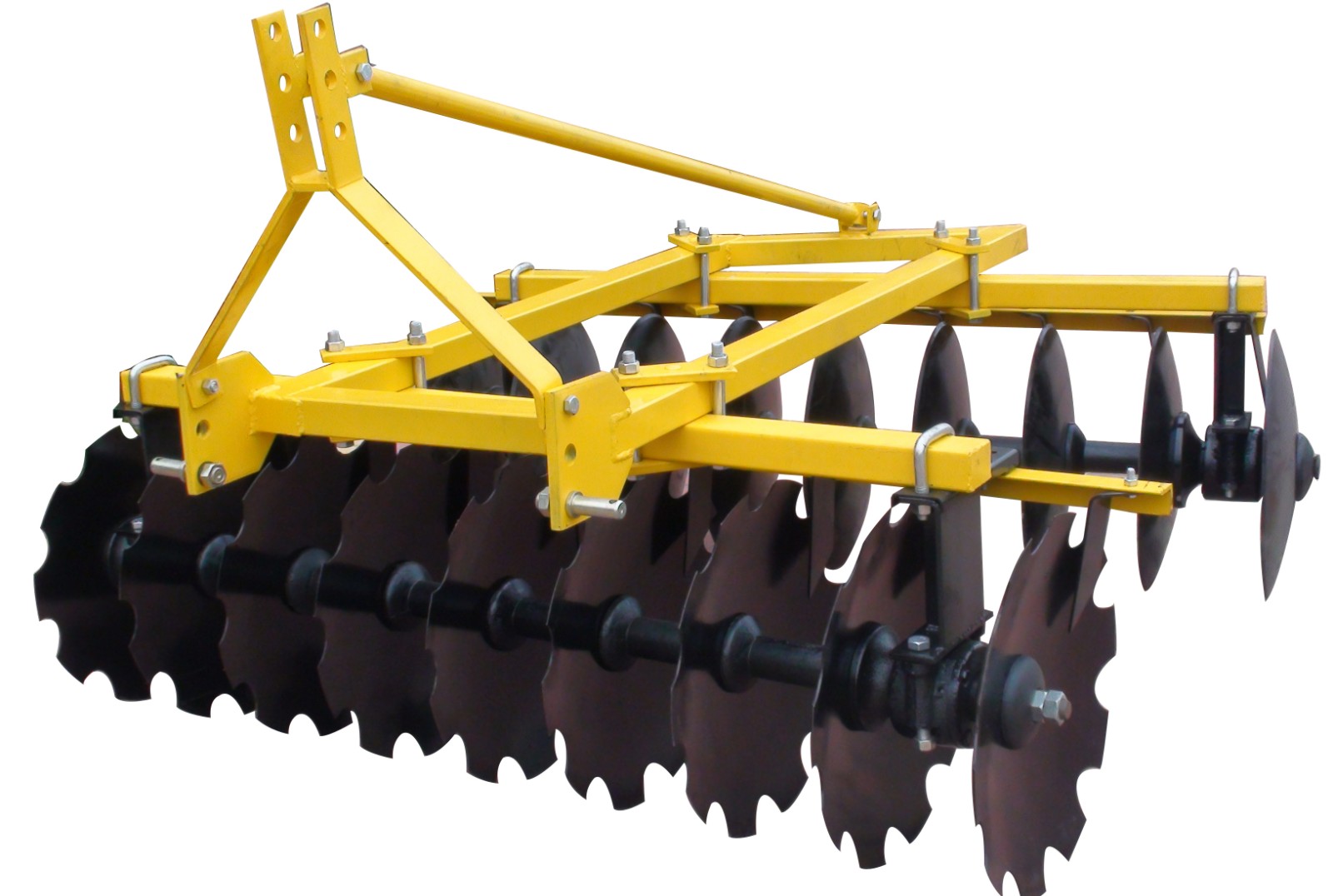
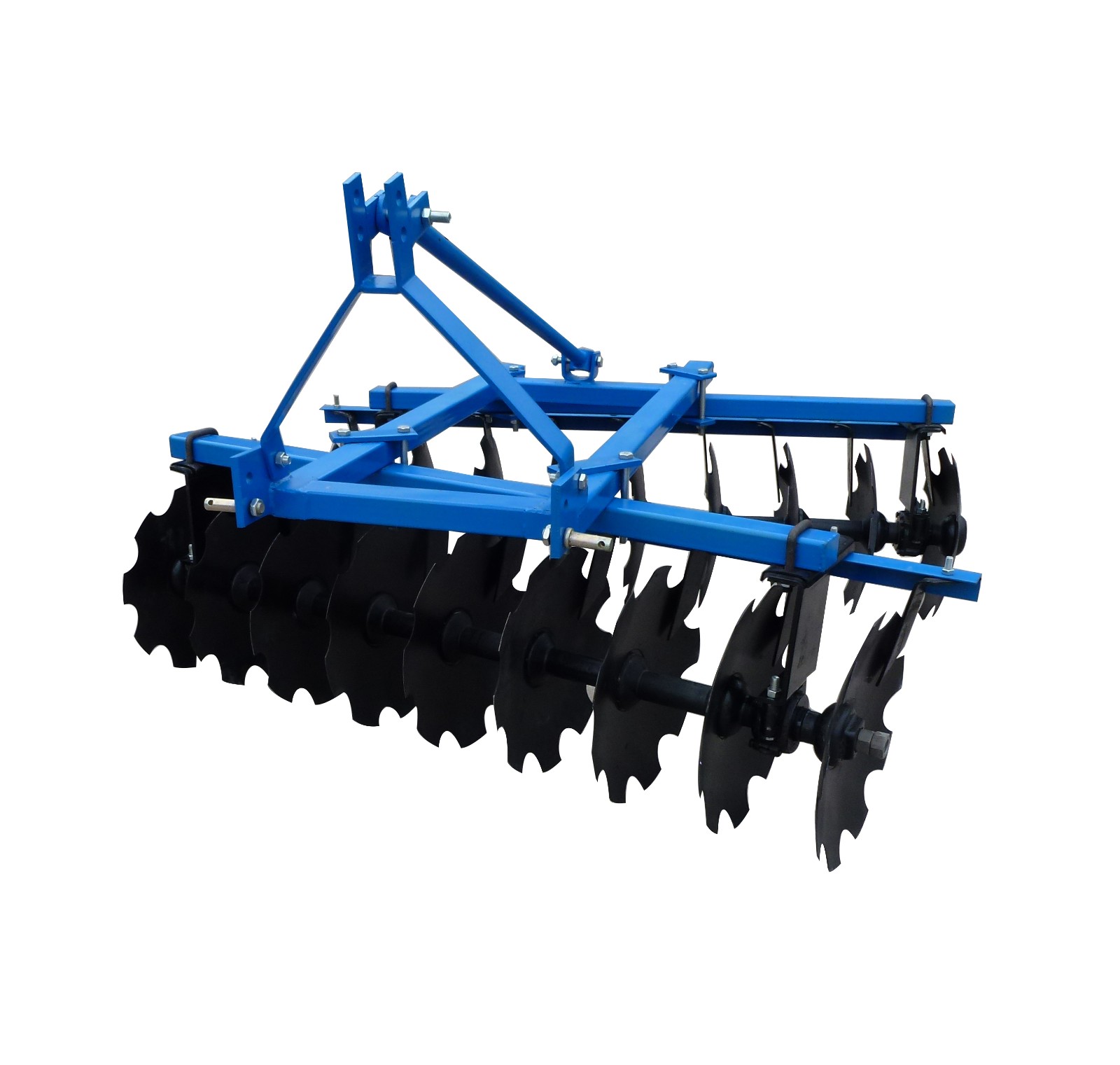
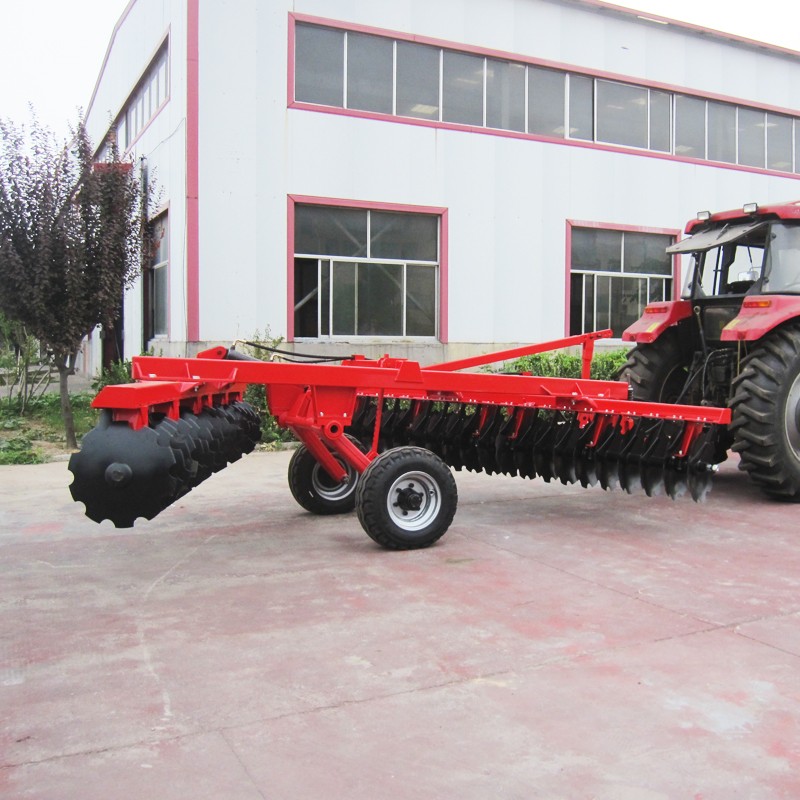
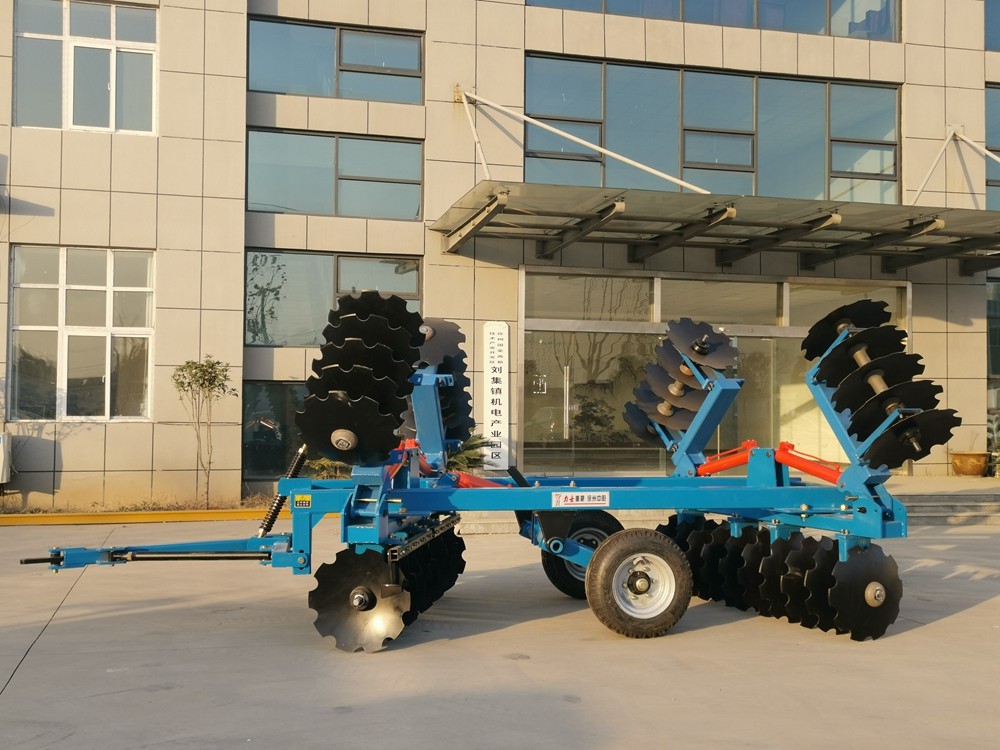
Harrows
Source commercial-grade harrows from vetted manufacturers and suppliers in China and Asia. This catalog is designed for agricultural machinery importers, wholesale distributors, and brands seeking reliable OEM or private-label production. Secure competitive bulk pricing on heavy-duty tillage equipment built to your exact field specifications.
Sourcing agricultural harrows at scale requires a precise balance of material durability, structural integrity, and freight optimization. When procuring heavy tillage equipment in bulk, the difference between a high-performing implement and a costly failure lies in the factory’s metallurgical competence and quality control protocols.
Critical Specifications for Commercial Harrows
When negotiating with manufacturers, vague specifications lead to inconsistent production runs. You must define the exact mechanical requirements based on the target market's soil conditions and typical tractor fleet.
Key parameters to specify include:
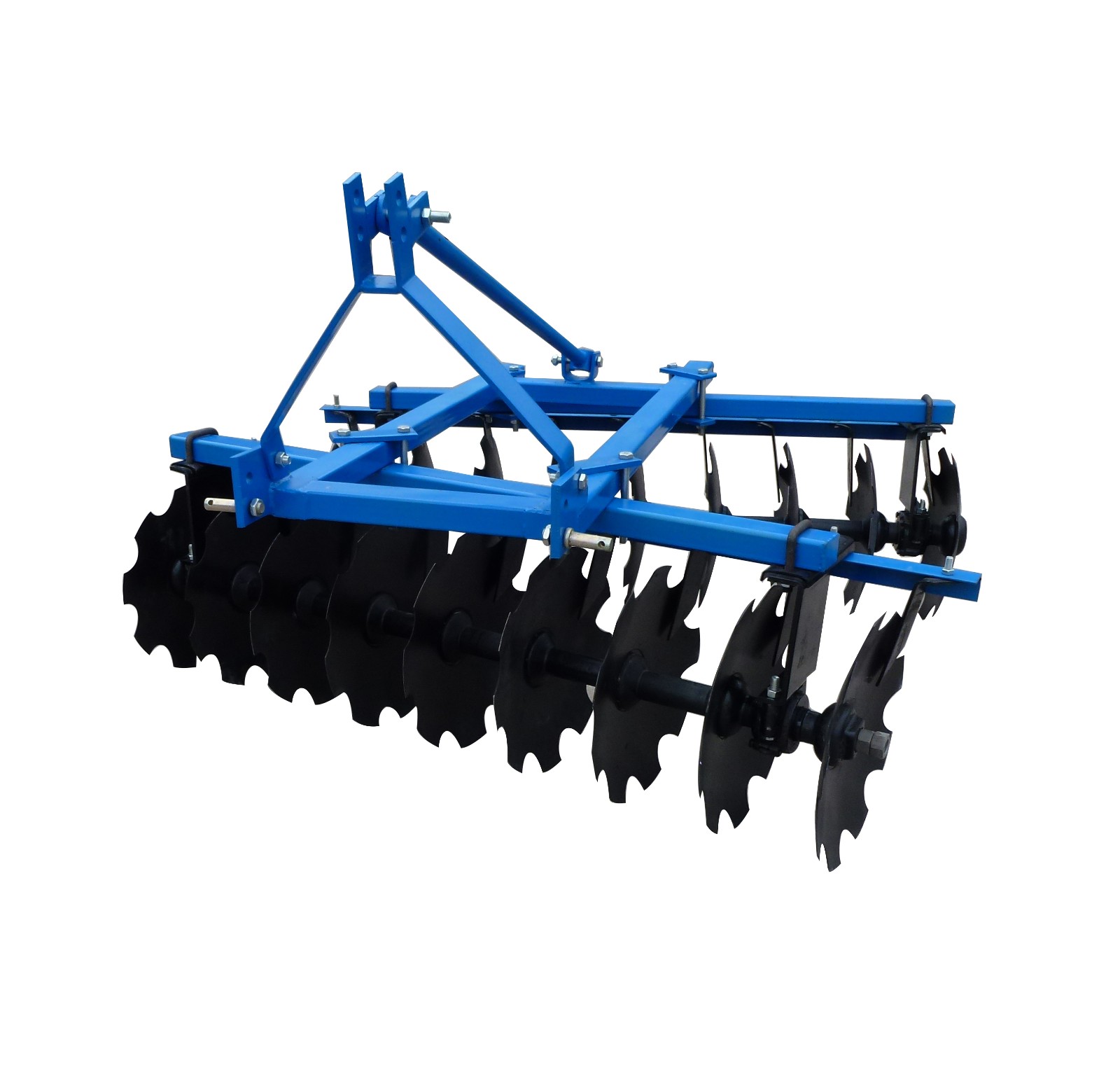
- Working Width and Depth: Dictates the overall frame size and the number of soil-engaging components.
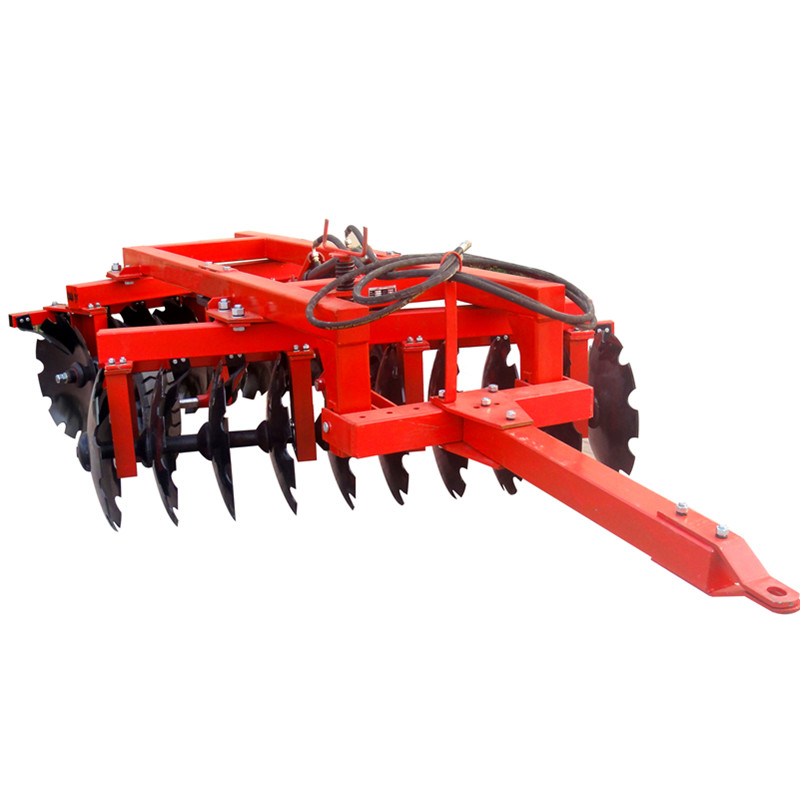
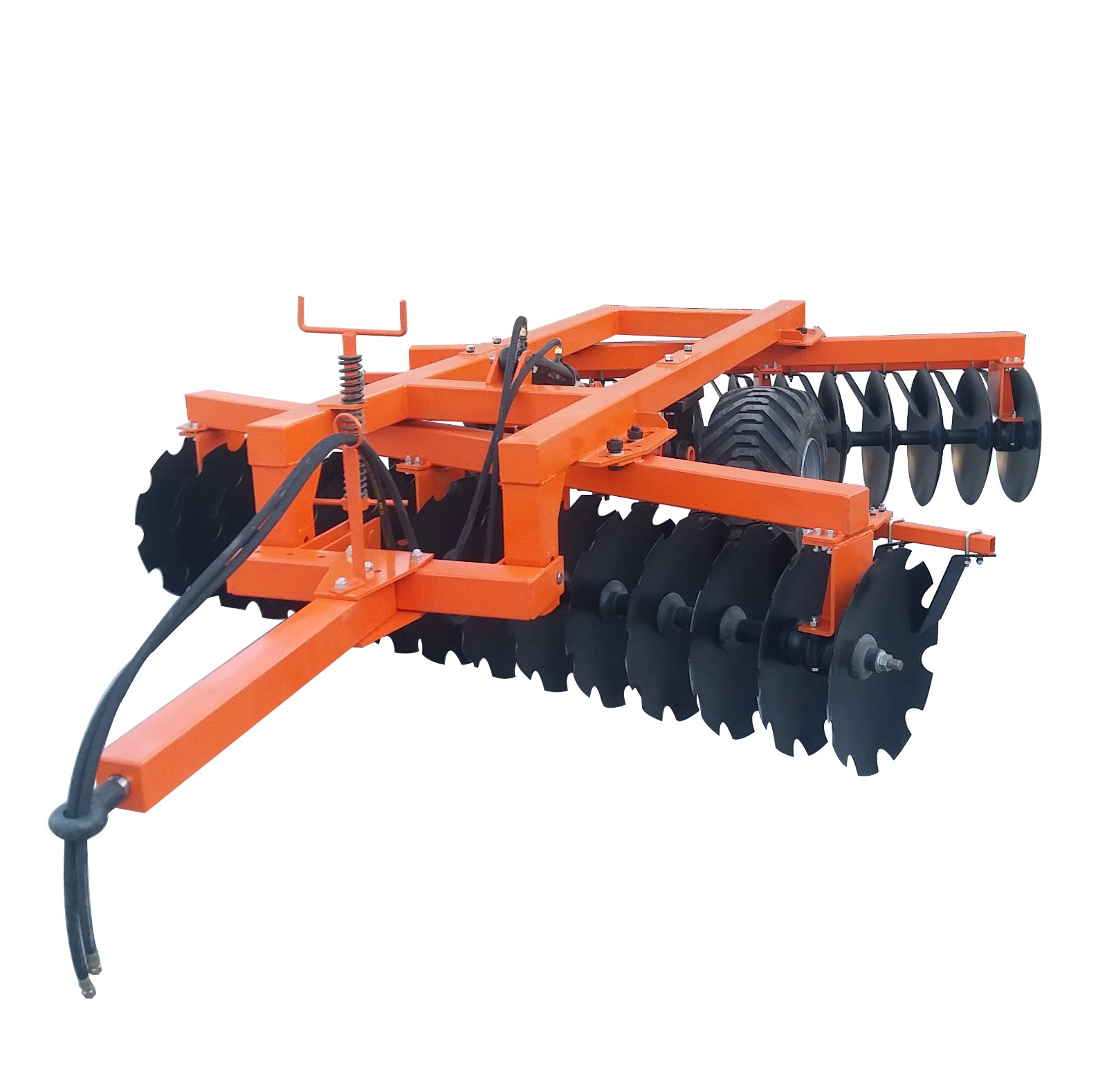
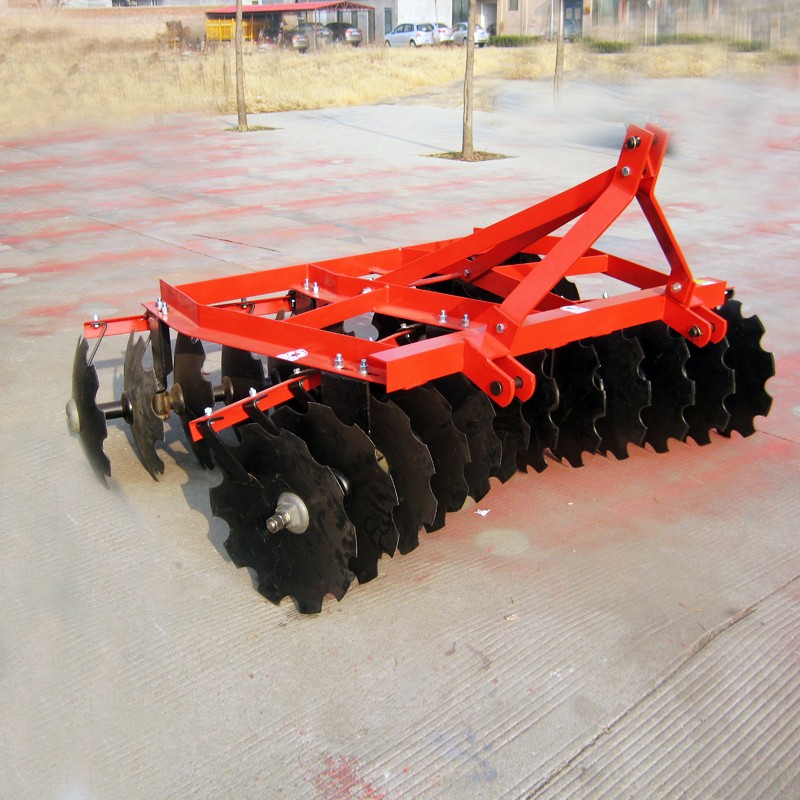
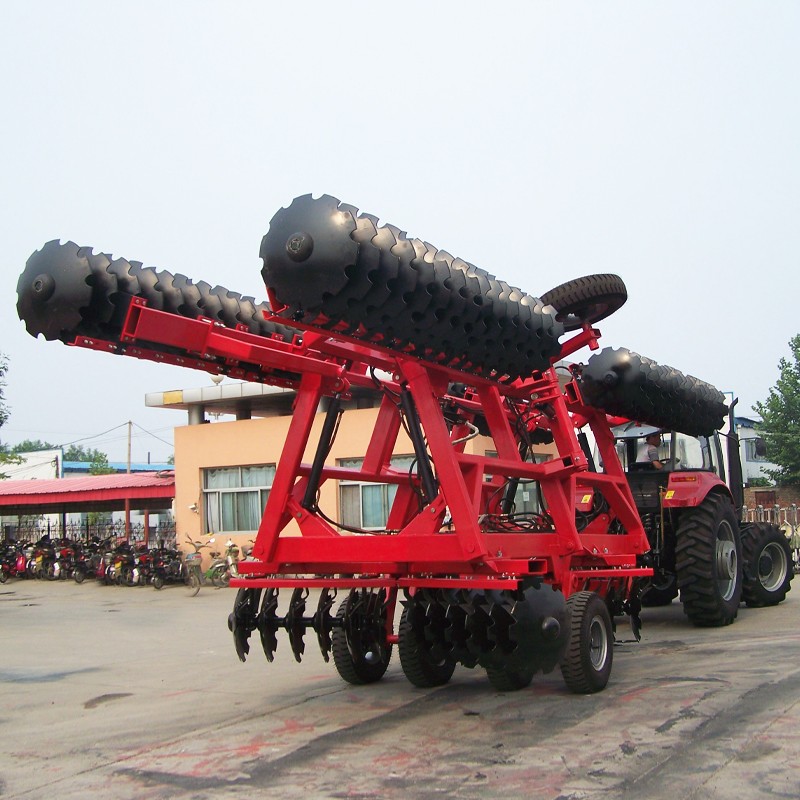
- Linkage Type: Specify Category 1, 2, or 3 three-point hitches, or trailed/pull-type configurations for larger units.
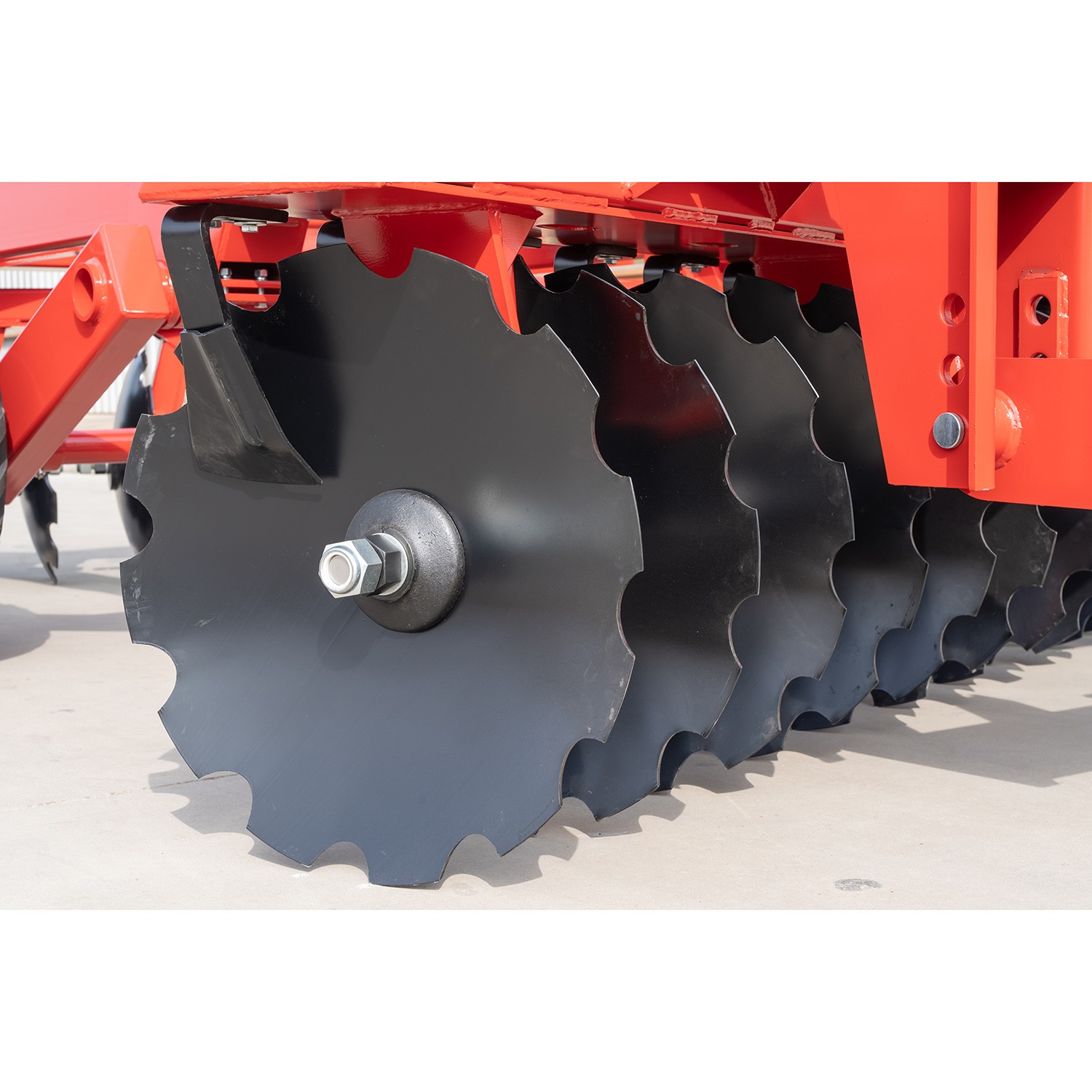
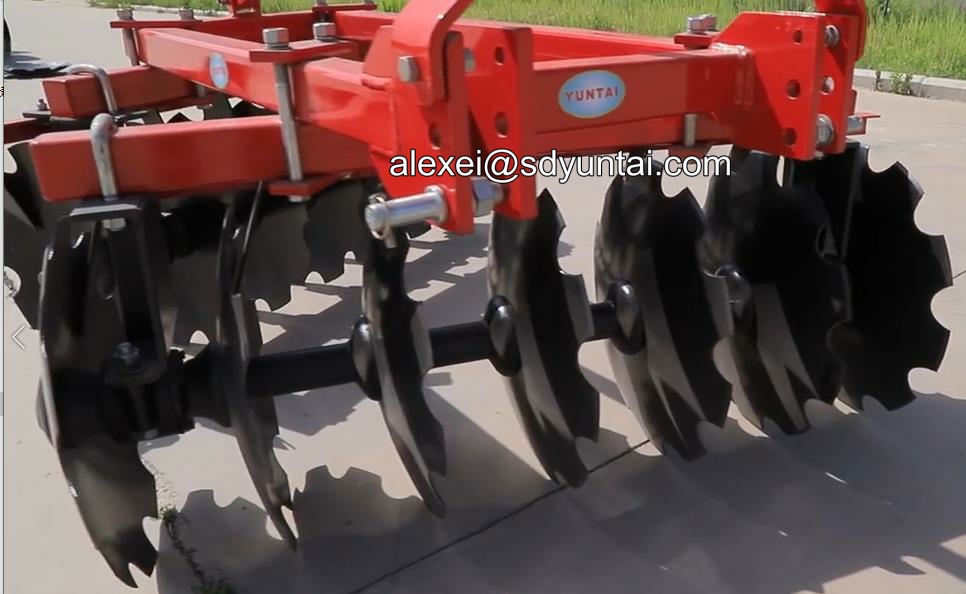
- Bearing Assemblies: Agricultural environments are highly abrasive. Specify sealed, greasable cast-iron bearing hubs with triple-lip seals to prevent dust and moisture ingress.
- Weight per Blade/Tine: A critical metric for penetration in hard soils. Lighter frames will ride over the soil rather than cutting into it.
Need to verify a factory's heavy manufacturing capabilities? We conduct on-site evaluations to ensure suppliers can meet your technical specifications.
Talk to our teamMaterial Selection and Manufacturing Quality
The longevity of a harrow is heavily dependent on the steel used for the ground-engaging parts (discs, tines, or teeth) and the structural frame.
The frame is typically constructed from heavy-wall square or rectangular steel tubing (e.g., Q235 or Q345 structural steel). The critical failure point is often the welding. Ensuring the factory uses automated or highly skilled manual MIG welding with proper gas shielding is essential to prevent frame cracking under heavy torsional loads.
For the cutting components, buyers generally choose between high-carbon steel and boron steel.
| Material | Durability | Flexibility | Cost Profile |
|---|---|---|---|
| High-Carbon Steel (e.g., 65Mn) | Moderate to High | Lower (prone to chipping on rocks) | Economical standard |
| Boron Steel (e.g., 28MnB5) | Exceptional wear resistance | High (absorbs impacts without breaking) | Premium price point |
Proper heat treatment is non-negotiable. If a factory lacks precise temperature control during the quenching and tempering process, the steel may become too brittle (shattering on impact) or too soft (dulling rapidly). Conducting rigorous Factory Audits is the most effective way to verify that a supplier possesses the necessary heavy stamping presses and calibrated heat-treatment furnaces, rather than simply outsourcing these critical steps.
Quality Control Protocols
Defects in agricultural machinery often don't appear until the equipment is under heavy load in the field. Implementing strict Quality Control & Inspection procedures before the units are packed is vital.
Pre-Shipment Inspection Checklist for Harrows
- Verify steel hardness (HRC) of discs/tines using portable hardness testers.
- Inspect weld penetration and continuity on the main frame and gang carriers.
- Check bearing rotation and seal integrity on all rotating assemblies.
- Measure paint thickness and adhesion (cross-cut test) to ensure rust prevention.
- Confirm dimensional accuracy of the 3-point linkage against international ISO standards.
- Verify all fasteners are high-tensile (Grade 8.8 or higher) and properly torqued.
Logistics, Packaging, and Lead Times
Agricultural harrows are bulky, heavy, and inherently difficult to ship efficiently. Shipping them CBU (Completely Built Up) results in shipping mostly empty air, drastically increasing the landed cost per unit.
To optimize freight, most bulk orders are shipped SKD (Semi-Knocked Down) or CKD (Completely Knocked Down). In these configurations, the frames, gang assemblies, and discs are packed separately in heavy-duty steel crates. This requires the end-user or distributor to perform final assembly, but it allows you to fit significantly more units into a 40HQ container.
Struggling with high freight costs for bulky machinery? Let us help you optimize packaging and container loading for your next order.
Get a free consultationTypical production lead times for bulk harrow orders range from 35 to 55 days, depending on the season and whether custom molds or specific OEM branding is required. Minimum Order Quantities (MOQs) usually start around 10 to 20 units for standard models, or a 20-foot container load, though custom-engineered implements will require higher commitments. Expert Shipping & Freight coordination is required to manage the heavy lifting, container loading, and customs clearance for these oversized shipments.
Frequently Asked Questions
Sourcing harrows effectively means looking past the surface paint and focusing on metallurgical integrity, bearing quality, and container optimization. By partnering with vetted manufacturers and enforcing strict quality standards, you can secure robust agricultural equipment that performs reliably in the field while maintaining strong profit margins.
Get Sourcing Help for Harrows
Tell us your requirements and our experts will connect you with verified manufacturers.