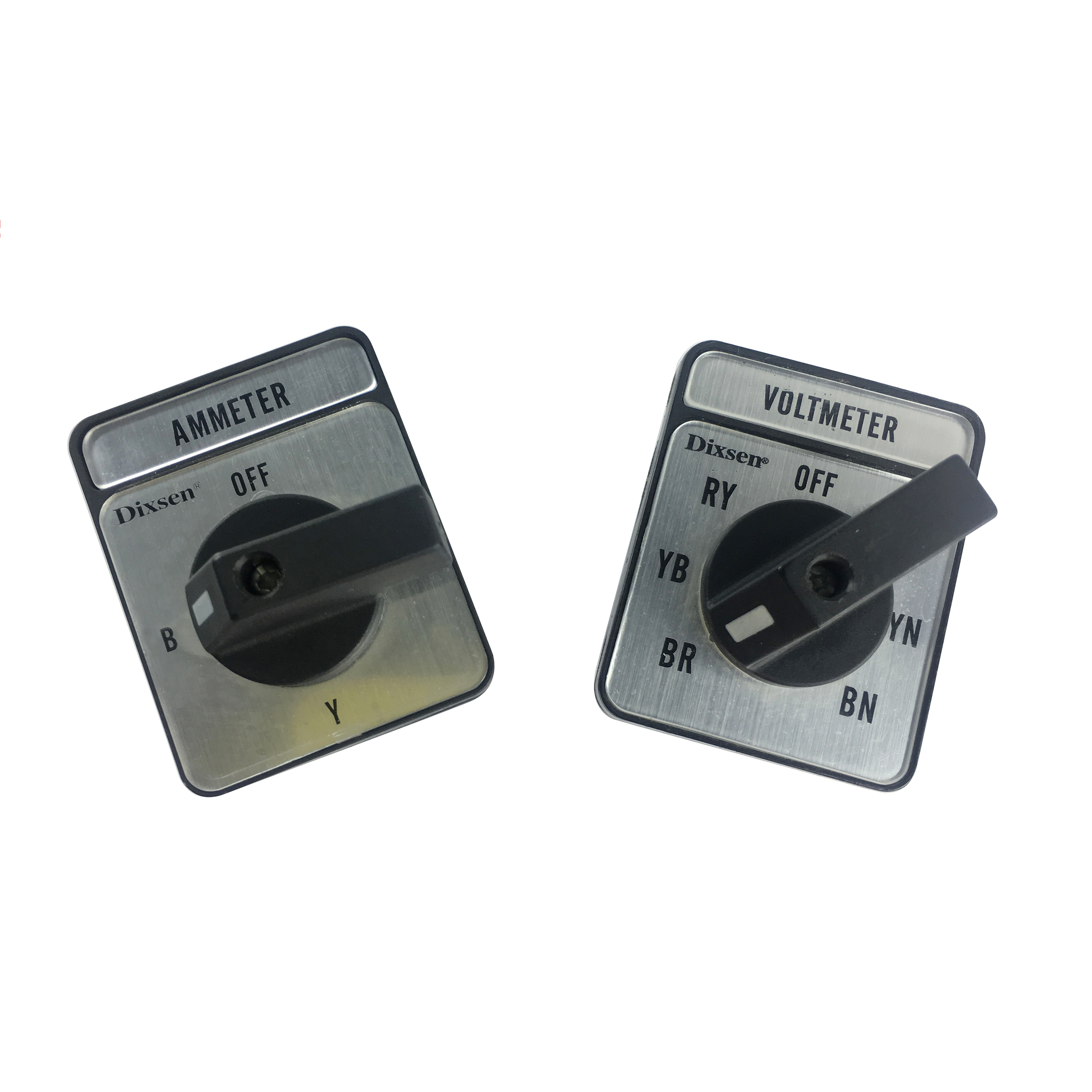
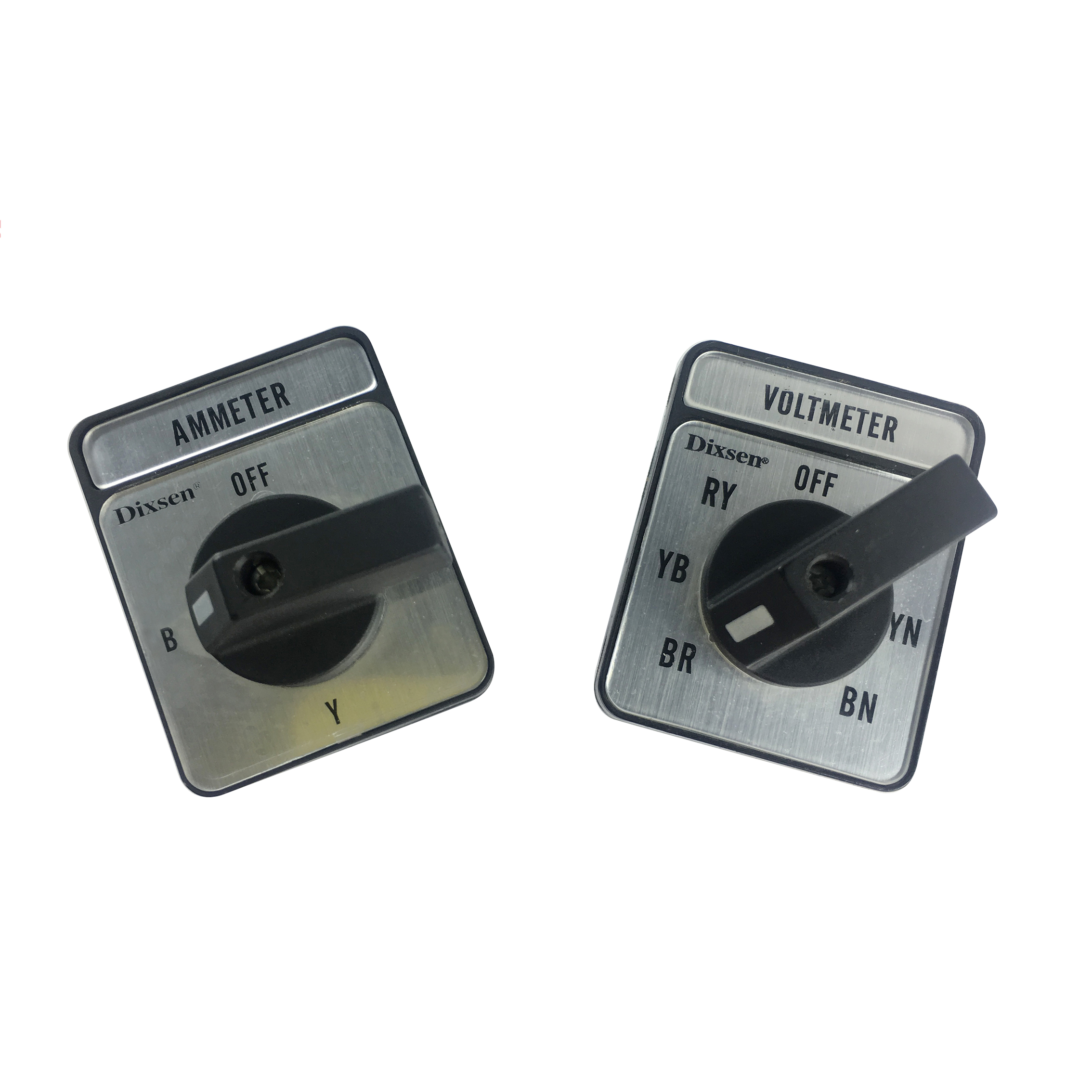
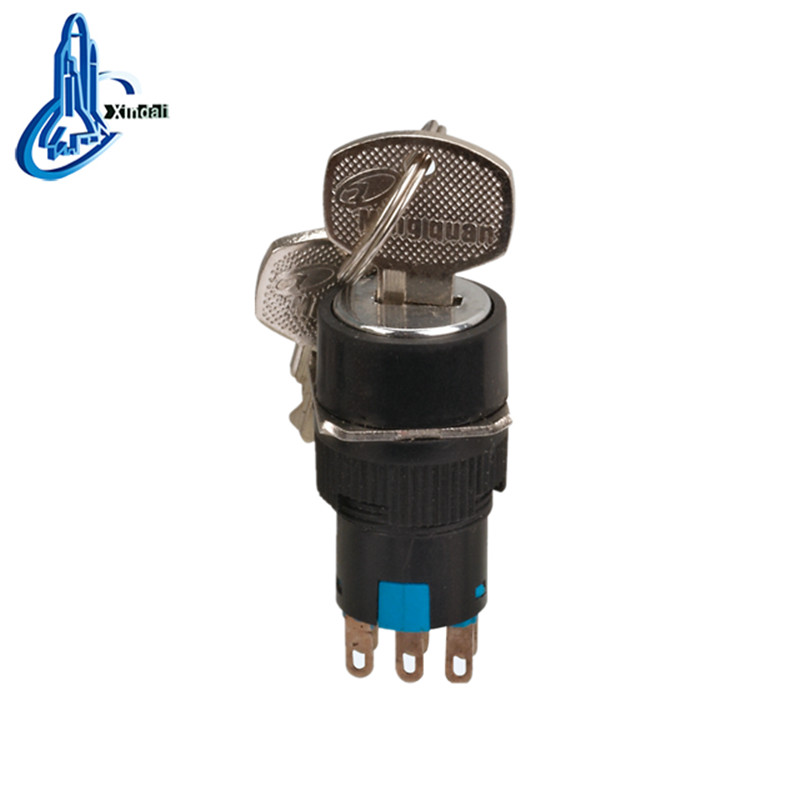
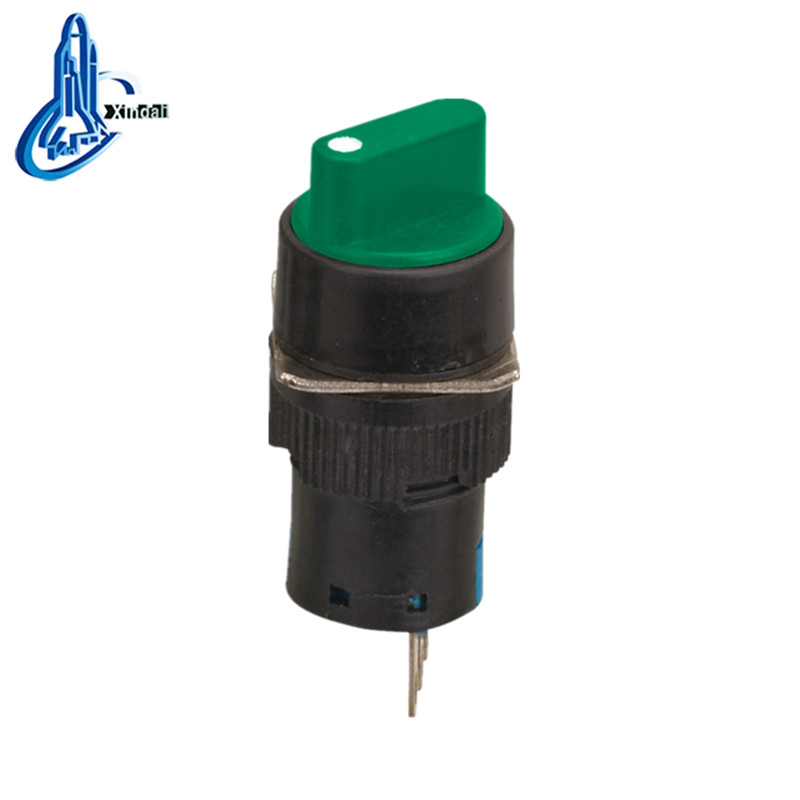
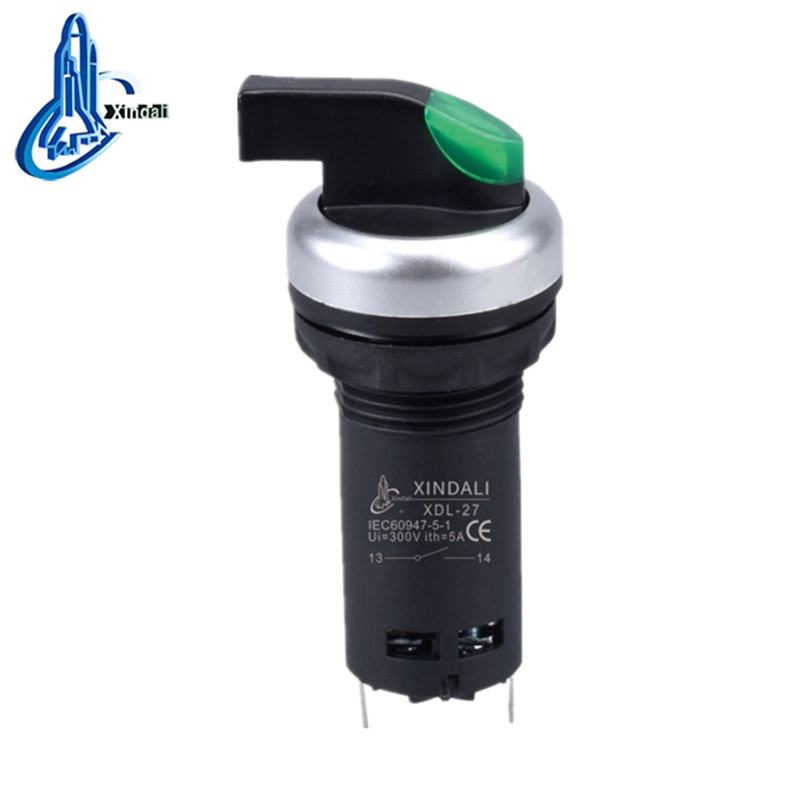
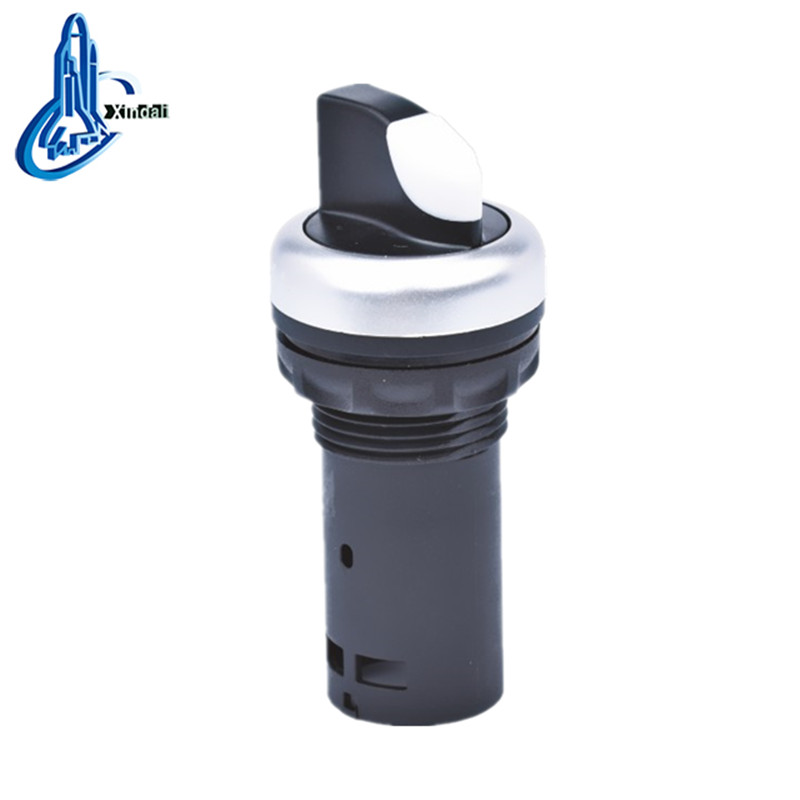
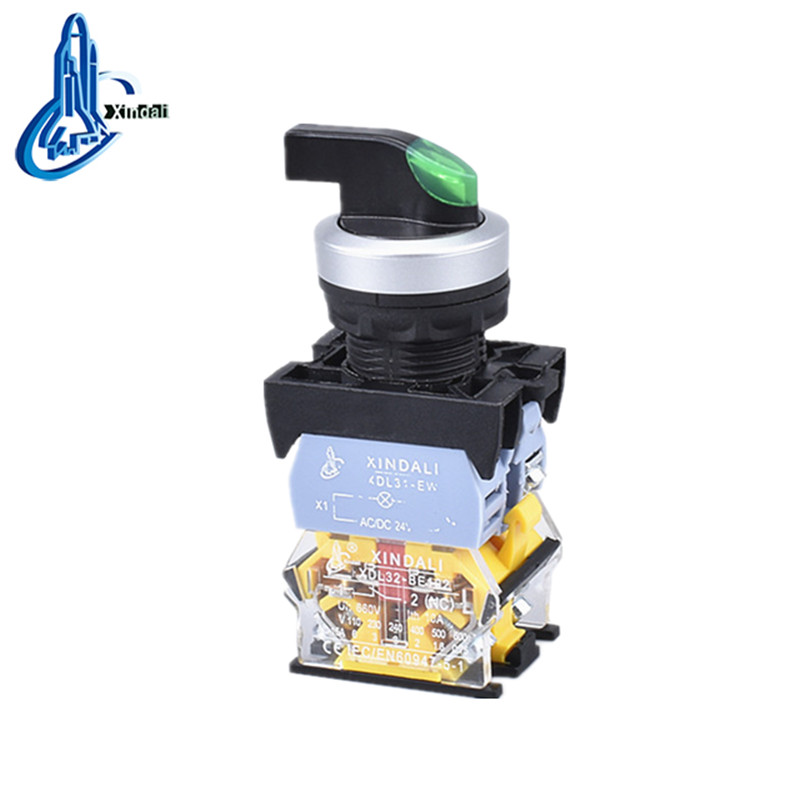
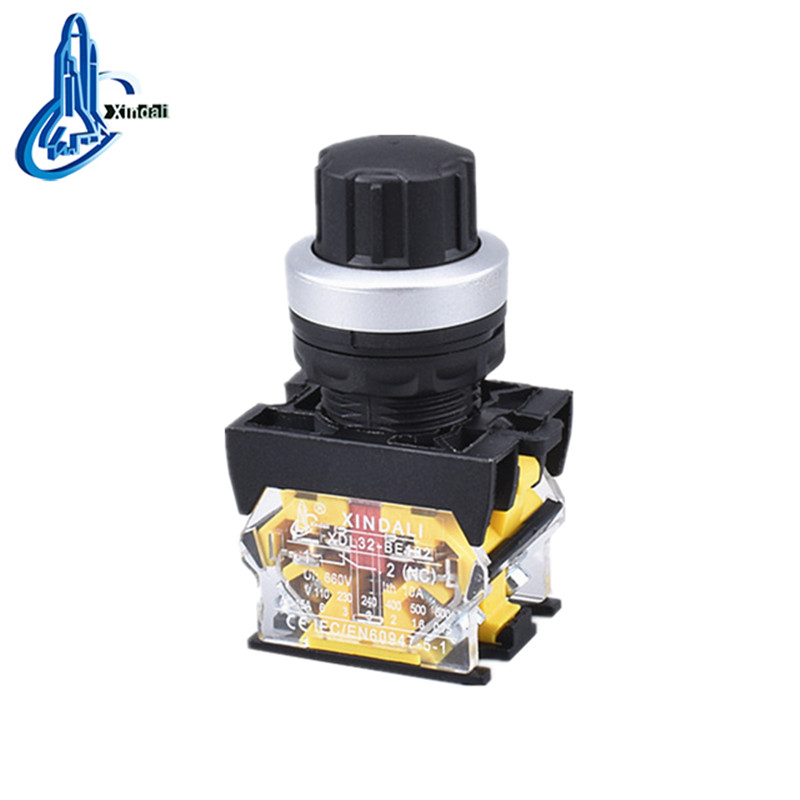
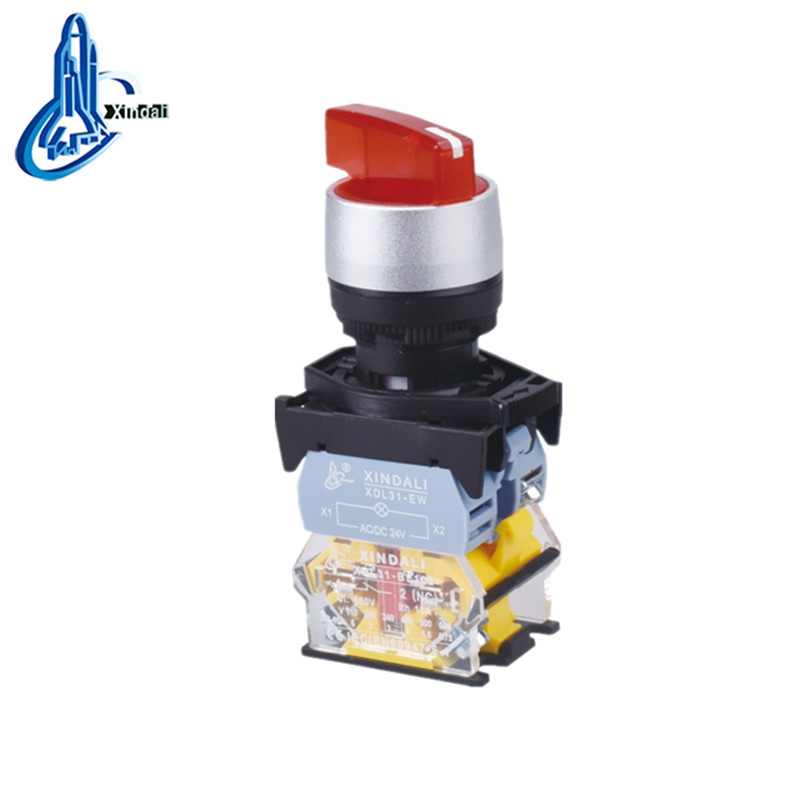
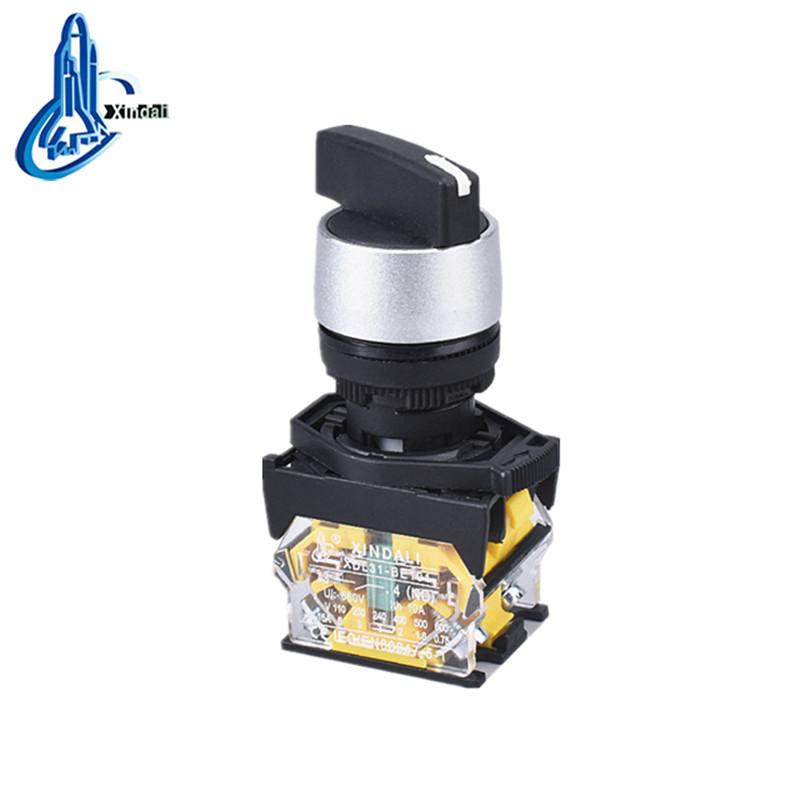
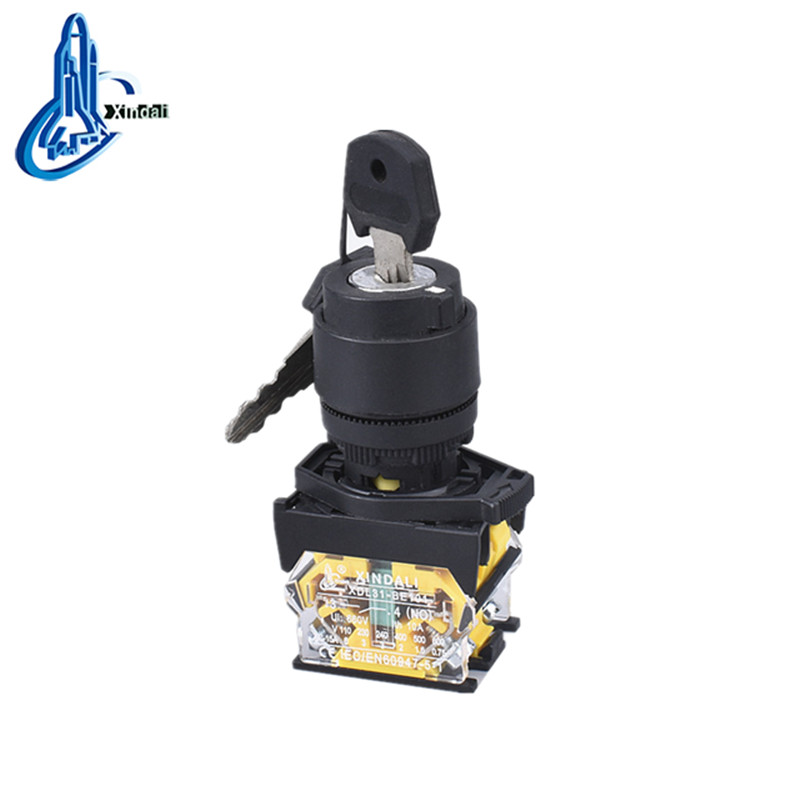
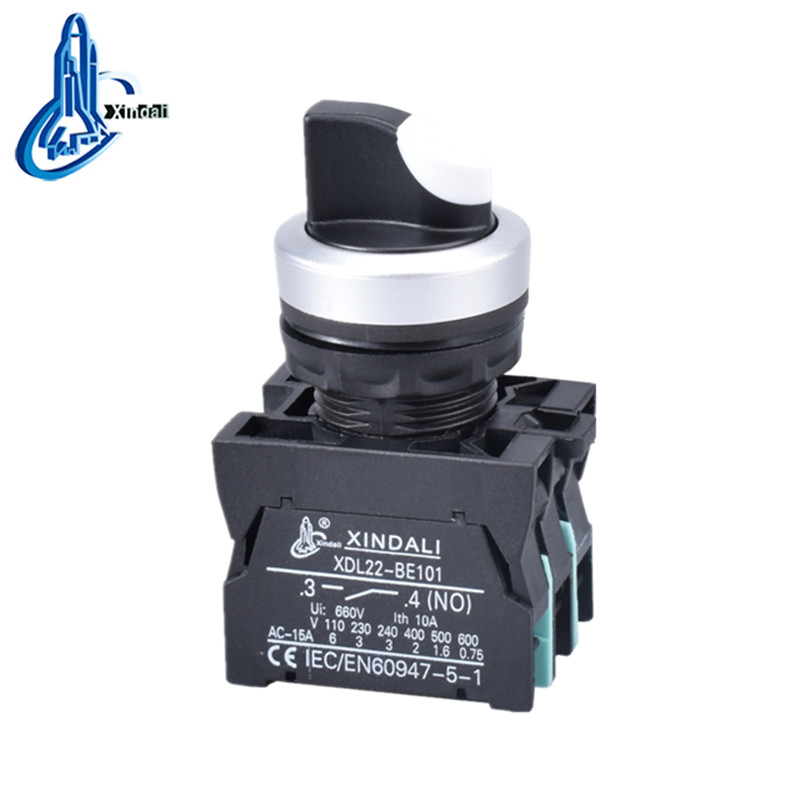
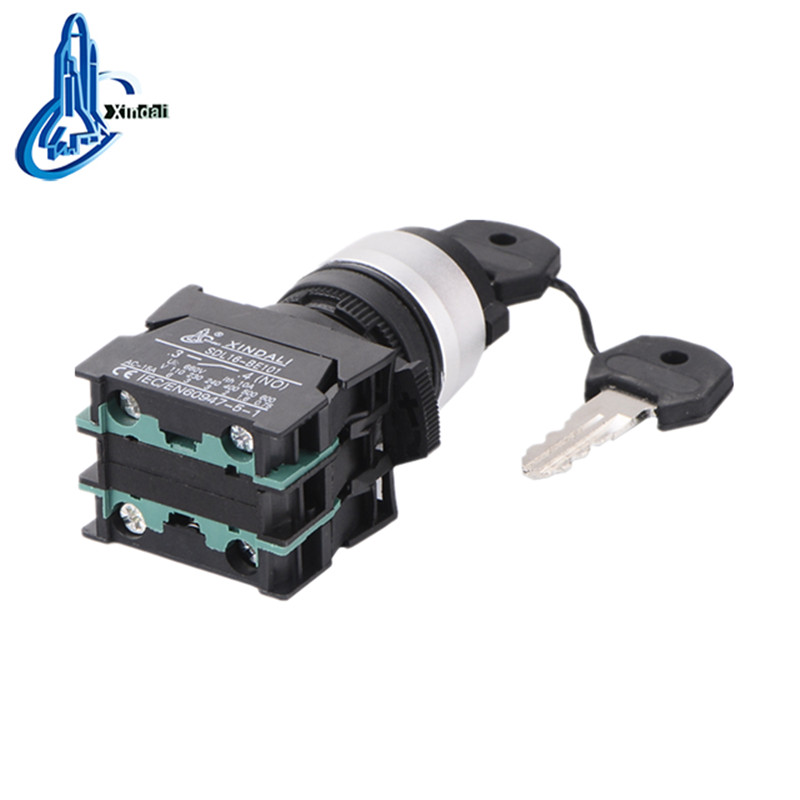
Rotary Switches
Source commercial and industrial-grade rotary switches from vetted suppliers and manufacturers across Asia. Designed for importers, wholesalers, distributors, and brands seeking reliable bulk purchasing or custom OEM production, our network delivers precision components engineered for demanding applications.
Rotary switches are foundational components in everything from industrial control panels and test equipment to consumer appliances and automotive HVAC systems. Sourcing them in volume requires balancing mechanical tactile feedback with long-term electrical reliability. The primary challenge for buyers lies in ensuring consistent contact resistance and mechanical indexing across tens of thousands of actuation cycles, especially when transitioning between different manufacturing batches or scaling up production.
Key Specifications for Bulk Sourcing
Specifying rotary switches goes far beyond simply defining the number of poles and throws. The mechanical feel (indexing) and electrical stability dictate the component's lifespan and the end-user's experience. When evaluating factory capabilities, ensure they can reliably meet your specific tolerances.
| Specification | Standard Commercial | Industrial/Heavy-Duty |
|---|---|---|
| Contact Rating | 0.3A to 2A at 125VAC | Up to 15A at 250VAC |
| Electrical Life | 10,000 cycles | 50,000+ cycles |
| Indexing Angle | 30, 36, 45 degrees | 15, 30, 45, 60 degrees (often adjustable) |
| Contact Material | Silver-plated brass | Gold-plated or solid silver alloy |
| Ingress Protection | IP40 (Unsealed) | IP65 to IP67 (Sealed) |
The Detent Mechanism and Indexing
The detent mechanism provides the tactile "click" between positions. Factories typically use either a spring-and-ball or a leaf-spring design. Spring-and-ball mechanisms offer a crisper feel and longer life but are more complex to assemble. If your application requires a specific torque (turning resistance), this must be strictly defined in your spec sheet, usually measured in gf-cm (gram-force centimeters).
Struggling with inconsistent mechanical feedback or premature switch failure? Let our engineers help you qualify better manufacturing partners.
Talk to our teamManufacturing Tolerances and Quality Control
Quality is won or lost in the stamping of the metal contacts and the precision of the plastic injection molding for the housing and rotor. Poorly stamped contacts lead to micro-arcing, which quickly degrades the switch.
A rigorous approach to Quality Control & Inspection is mandatory. Relying solely on a factory's internal QC often results in batch-to-batch inconsistencies.
Critical Factory QC Checkpoints
- Contact Resistance Testing: Must remain stable (typically under 50 milliohms) after mechanical endurance testing.
- Dielectric Strength: Verifying insulation between adjacent terminals and between terminals and ground.
- Torque Consistency: Ensuring the rotational force remains uniform across all positions and batches.
- Solderability Testing: Checking terminal plating quality to prevent assembly issues on your PCB line.
- Stop-Ring Strength: Testing the mechanical stop to ensure it withstands over-torque from end-users.
Customization and OEM Production
Many buyers require custom configurations. Whether you need a specific shaft style (D-cut, knurled, flatted, or round), custom shaft lengths, or specific terminal layouts (PCB through-hole, SMD, or solder lug), Asian manufacturers are highly capable of adapting existing molds.
If you are integrating these switches into a proprietary product, leveraging OEM/ODM Services allows you to co-develop custom detent profiles or integrated LED illumination without shouldering the entire engineering burden.
Buying Mechanics: MOQs, Pricing, and Lead Times
The supply chain for electromechanical components is well-established in production hubs like Zhejiang and Guangdong provinces in China. However, pricing and lead times fluctuate based on raw material costs (brass, silver, specialized plastics) and factory capacity.
When negotiating, remember that pushing for the absolute lowest price often results in the factory quietly substituting contact plating materials (e.g., using a thinner silver flash instead of a robust plating). Conducting thorough Factory Audits prior to placing large orders ensures your supplier actually possesses the automated assembly and testing equipment necessary to maintain quality at scale.
Need to negotiate better pricing without sacrificing contact reliability? We can manage the sourcing, negotiation, and logistics for you.
Get a free consultationFrequently Asked Questions
Successful procurement of rotary switches relies on matching the component's engineering thresholds to your product's real-world demands. By thoroughly vetting supplier capabilities and enforcing strict quality standards, you can secure reliable components that protect your brand's reputation for durability.
Get Sourcing Help for Rotary Switches
Tell us your requirements and our experts will connect you with verified manufacturers.