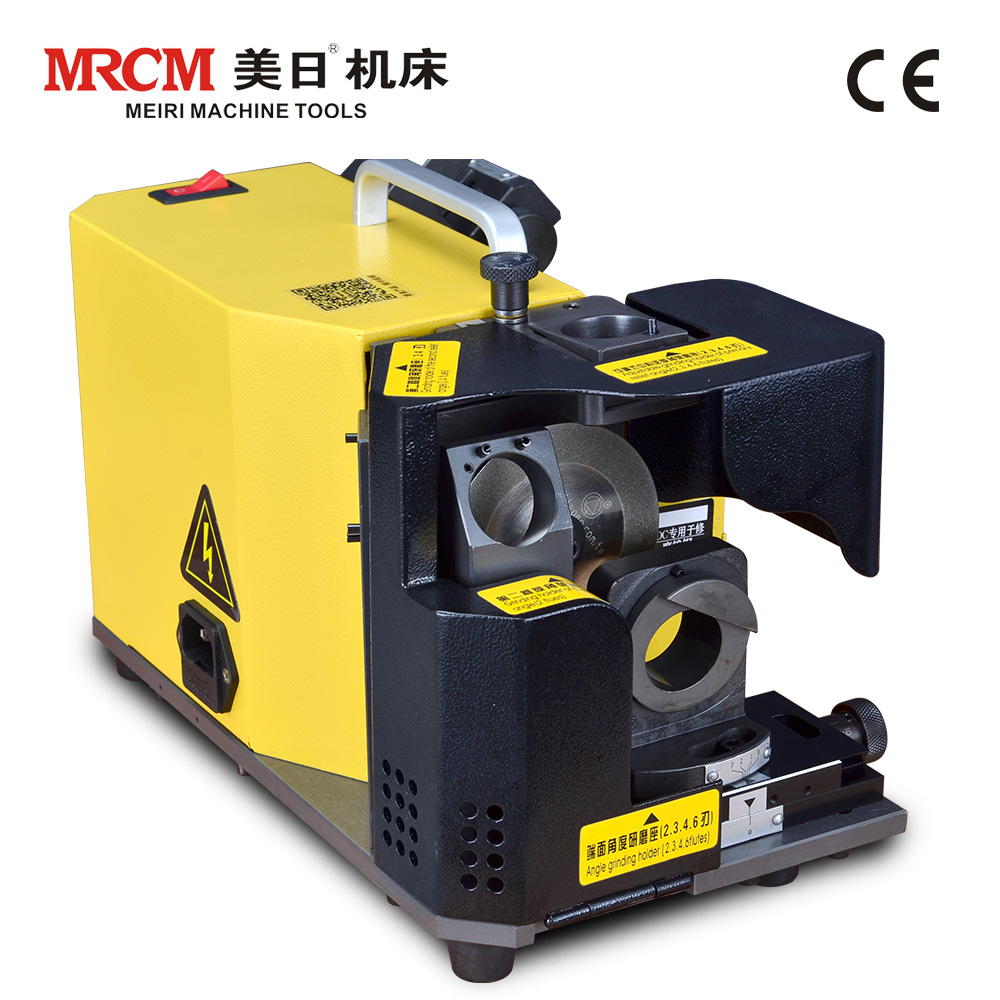
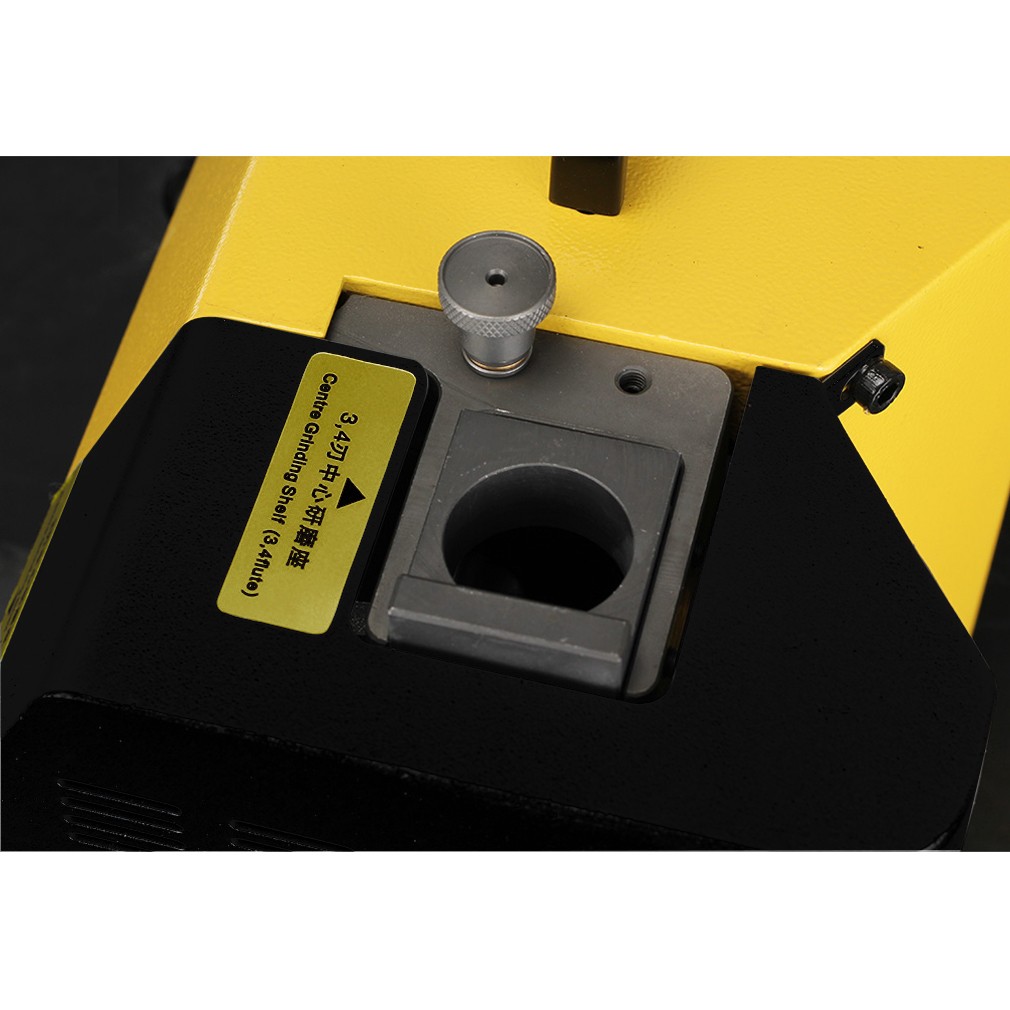
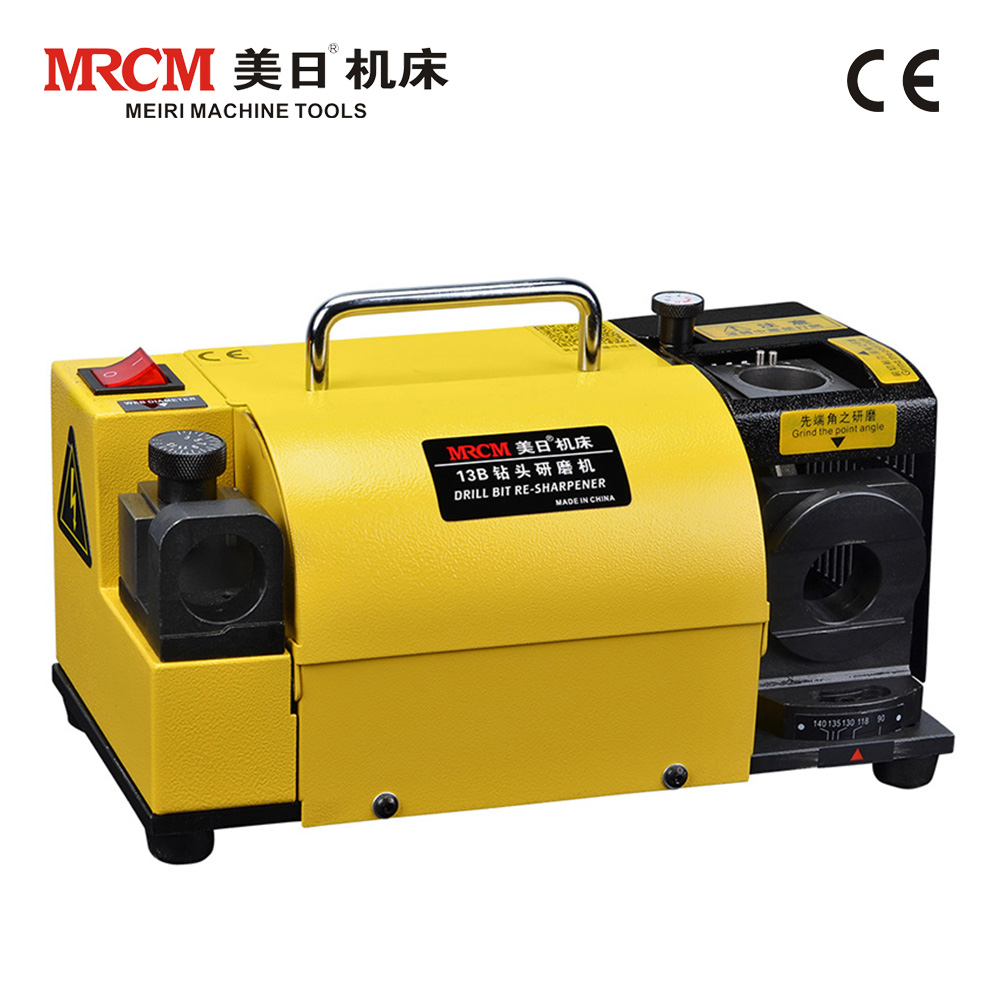
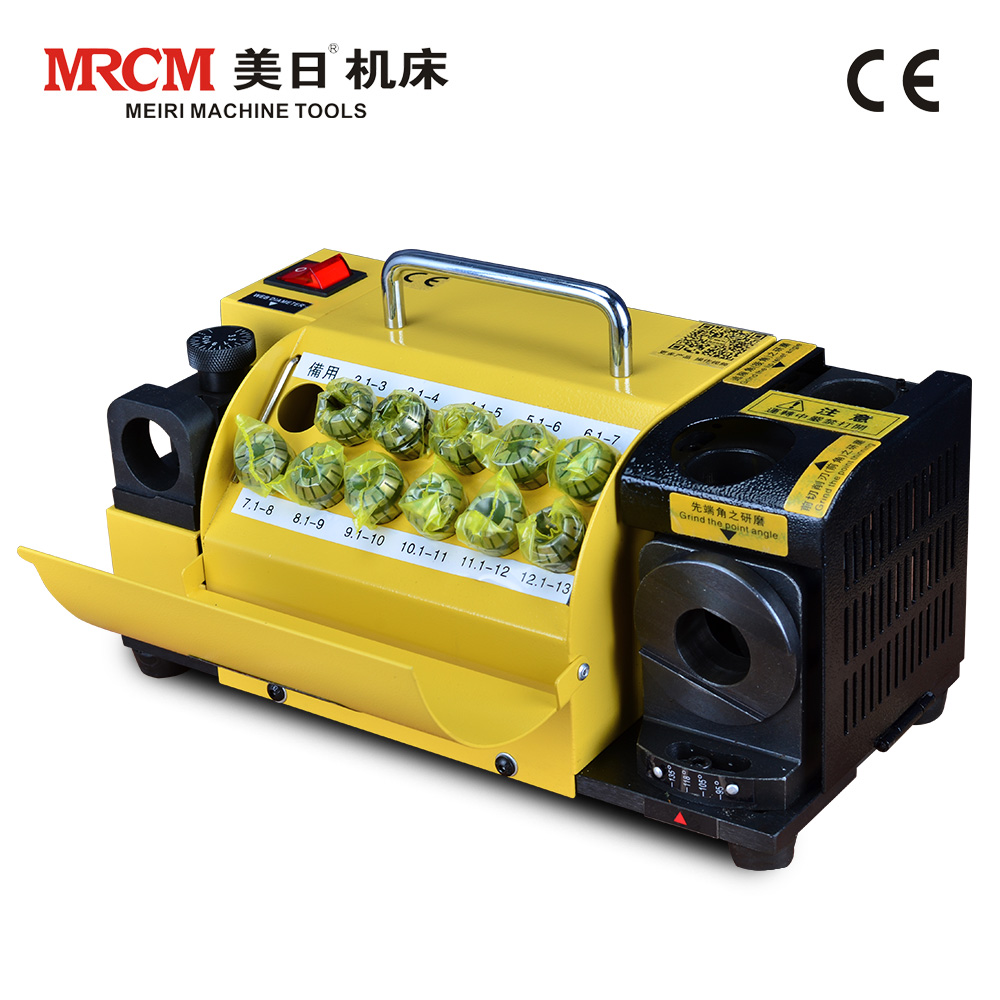
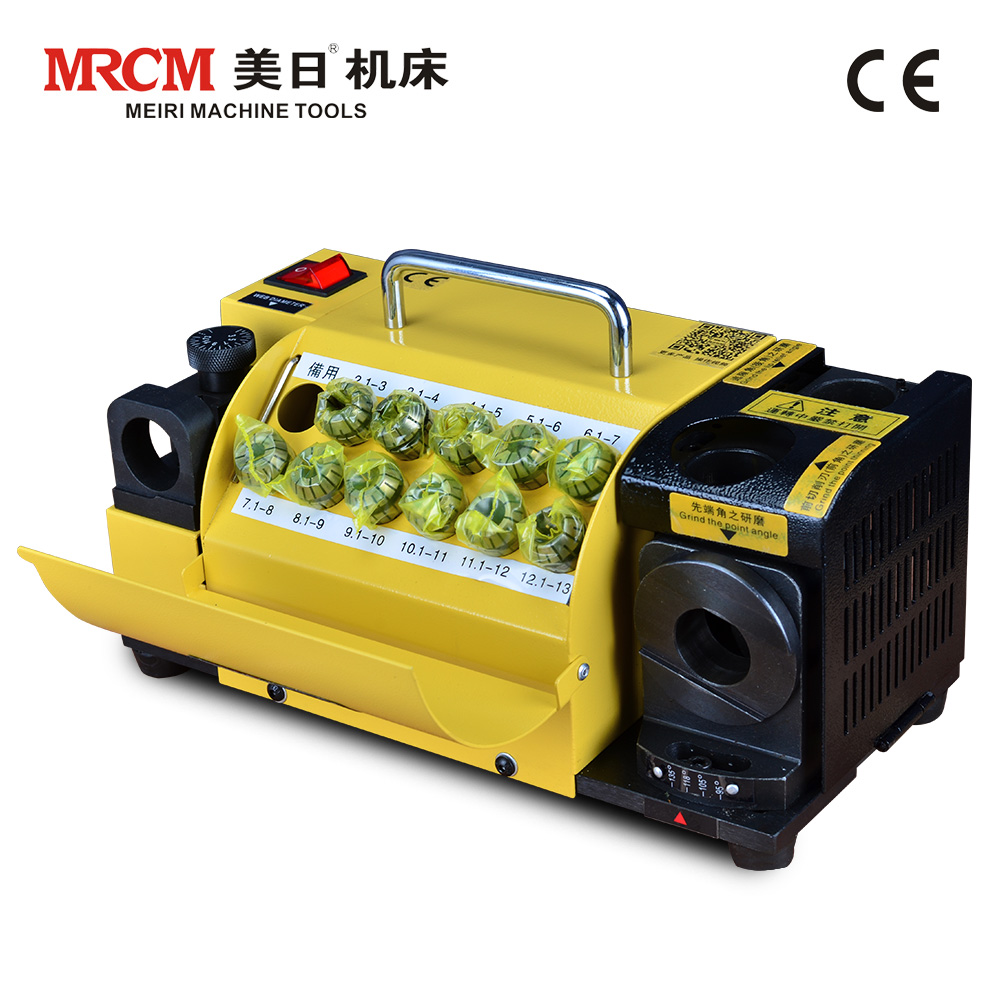
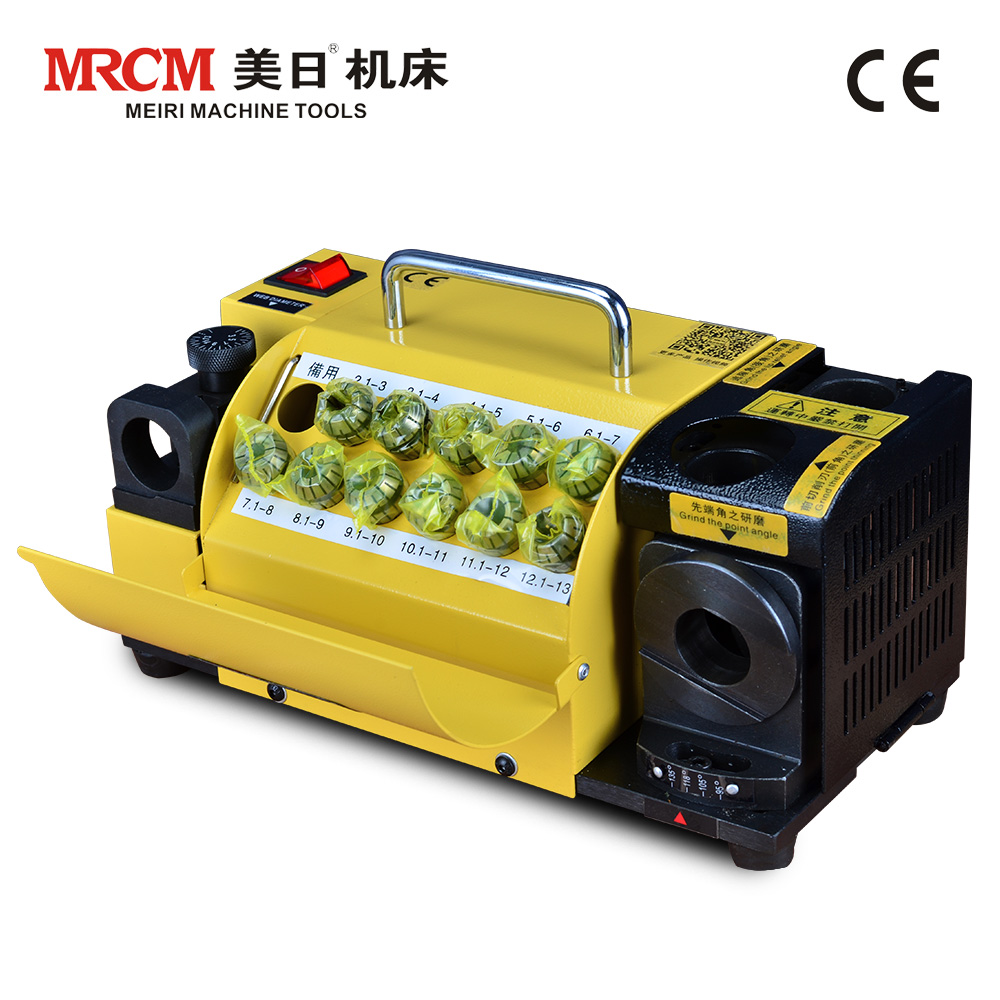
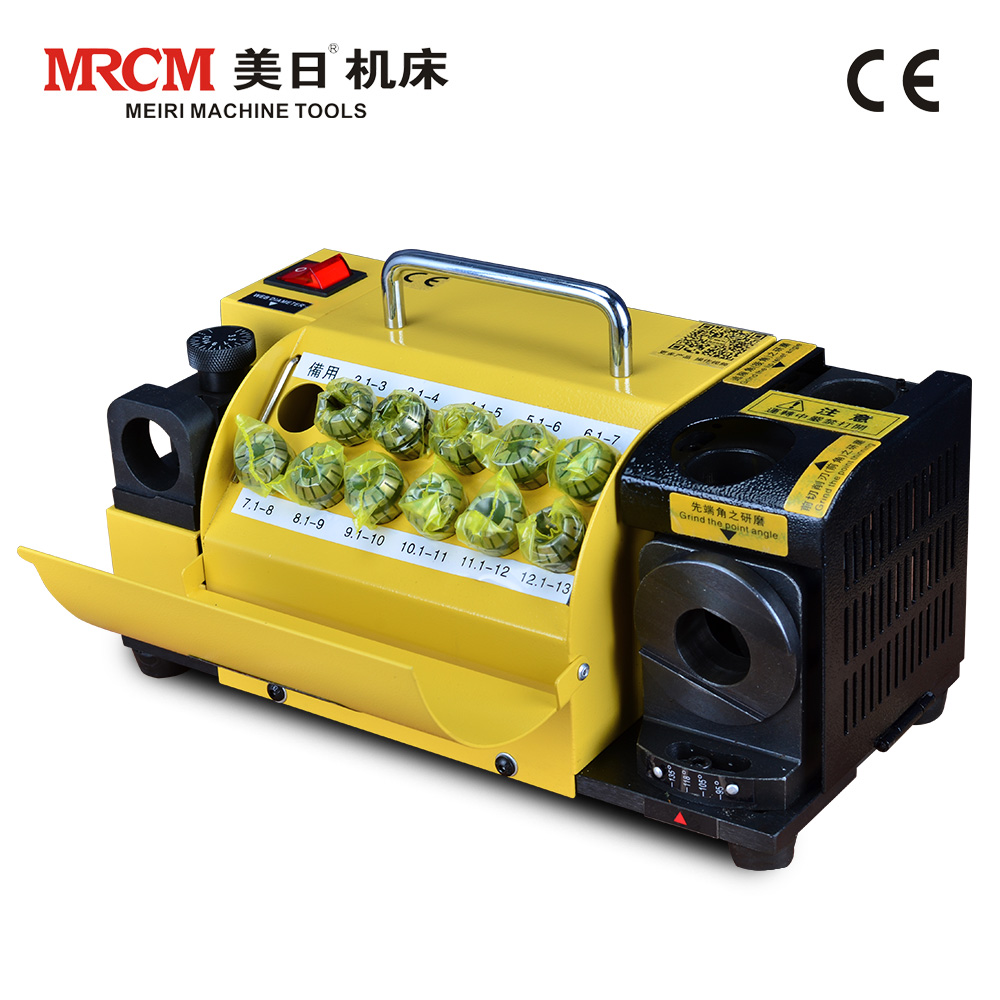
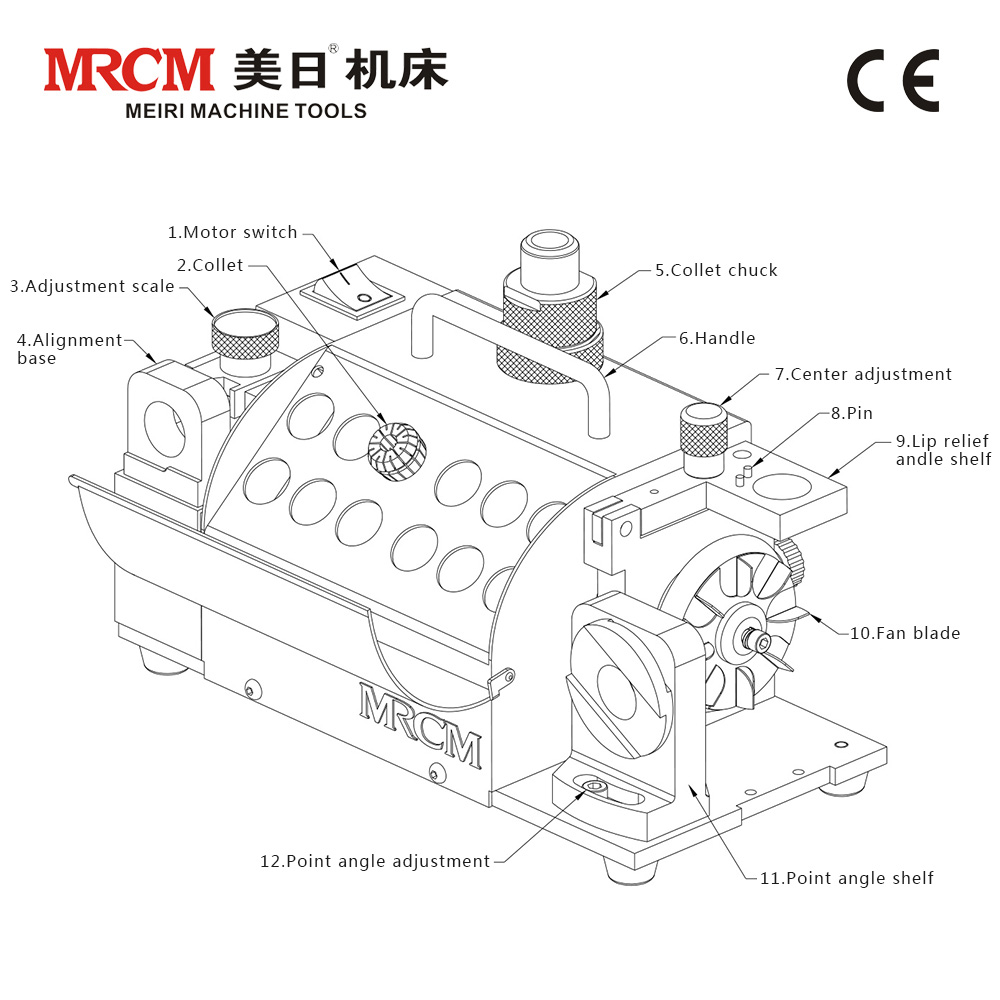
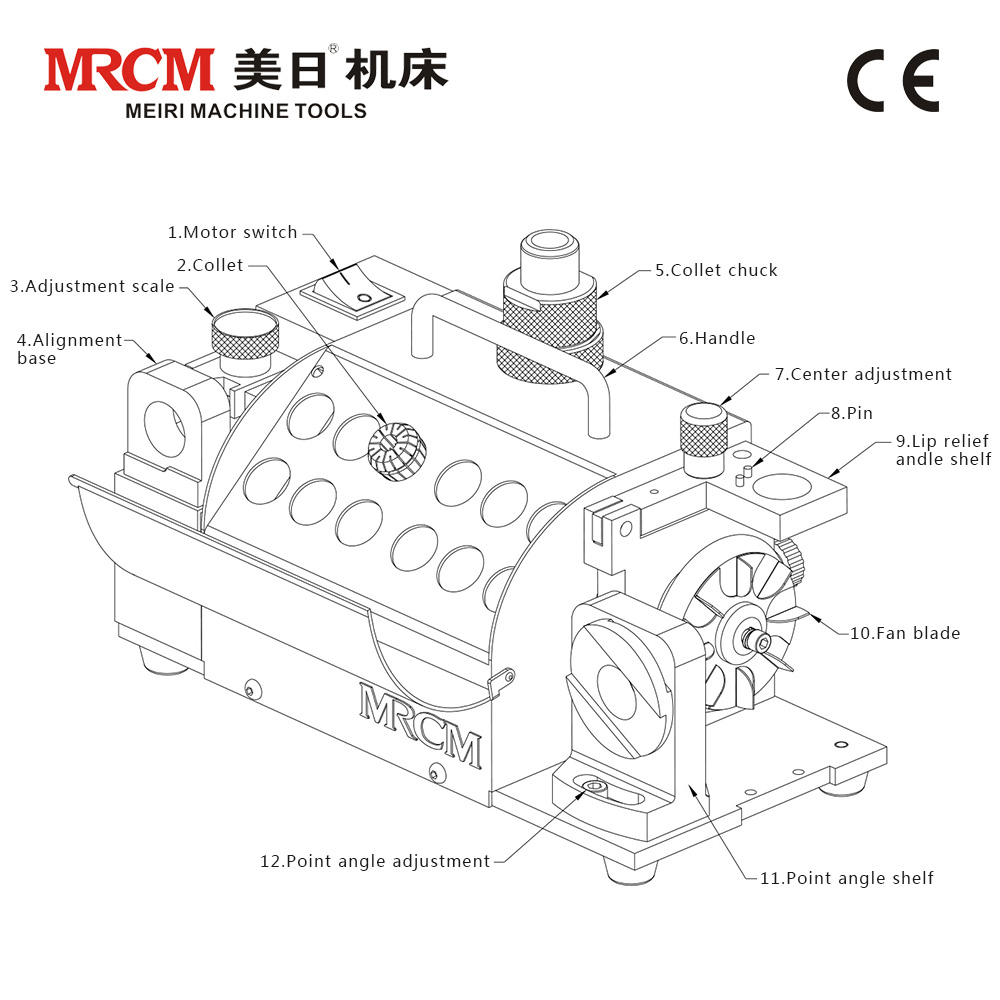
Grinding machines
Source industrial-grade grinding machines from vetted suppliers and manufacturers across Asia. Designed for importers, distributors, and procurement managers, our network offers reliable wholesale and OEM/ODM production. Secure competitive pricing and strict quality control for your bulk metal-cutting equipment orders.
Sourcing industrial grinding machines requires navigating a complex landscape of precision engineering, where the difference between a high-performance asset and a maintenance liability lies in casting rigidity and spindle accuracy. For procurement managers, equipment distributors, and OEM brands, securing reliable manufacturing partners means vetting technical capabilities far beyond what is listed on a standard spec sheet.
Critical Specifications for Grinding Equipment
When importing grinding machinery, the foundational architecture dictates the machine's long-term precision. Buyers must clearly define their tolerance requirements and ensure the factory has the capability to meet them consistently.
Essential Technical Specifications to Define
- Spindle Runout: Specify maximum allowable runout (typically under 0.002mm for precision applications) and require documentation of testing.
- Guideway Architecture: Choose between heavy-duty box ways for maximum vibration dampening or linear guideways for higher speed positioning.
- Casting Material and Aging: Verify the use of high-grade Meehanite cast iron and confirm the aging process (natural or vibration stress relief) to prevent long-term warping.
- Control Systems: Specify the CNC controller brand (e.g., Fanuc, Siemens, Mitsubishi) or accept domestic alternatives (e.g., GSK, Syntec) based on your target market's serviceability requirements.
- Coolant and Filtration: Define the required coolant pressure and magnetic/paper filtration systems to ensure surface finish quality during heavy material removal.
Need to verify a manufacturer's technical capabilities? Our engineers can evaluate factory production lines to ensure they meet your precise tolerance requirements.
Talk to our teamManufacturing Processes and Quality Control
The true test of a grinding machine manufacturer is their internal quality management. Precision cannot be inspected into a machine; it must be built into it. When conducting Factory Audits, pay close attention to the assembly environment and testing protocols.
Spindle Assembly Environment
High-precision spindles must be assembled in temperature-controlled, dust-free clean rooms. Factories assembling spindles on the open shop floor will struggle with bearing contamination and premature failure.
Scraping and Geometry Alignment
Hand-scraping of guideways is critical for oil retention and geometric accuracy. Evaluate the factory's workforce for experienced scraping technicians, as this is a highly specialized skill.
Laser Calibration
Prior to shipment, every CNC grinding machine should undergo laser interferometer calibration to verify positioning accuracy and repeatability across all axes.
Factory Acceptance Testing (FAT)
Require a comprehensive FAT where the machine grinds a test workpiece to your specified tolerances before the final balance is paid.
Implementing rigorous Quality Control & Inspection prior to container loading is non-negotiable for heavy machinery. Catching a geometric misalignment after the machine has crossed the ocean results in catastrophic delays and costs.
Sourcing Realities: Pricing, MOQs, and Lead Times
Unlike consumer goods, industrial machine tools operate on project-based manufacturing schedules.
Pricing is heavily influenced by the origin of key components. A machine equipped with a full Fanuc CNC package, Heidenhain linear scales, and NSK bearings will cost significantly more than the same iron fitted with domestic Chinese equivalents. When negotiating, ensure the Bill of Materials (BOM) explicitly lists the brand and origin of all critical components.
Managing the procurement and logistics of heavy machinery requires specialized expertise. Let us handle the supplier negotiation, quality verification, and international freight.
Get a free consultationMoving heavy, oversized equipment requires specialized rigging, flat-rack containers, or reinforced standard containers. Coordinating Shipping & Freight for machine tools involves strict attention to moisture protection (VCI packaging) and precise weight distribution to prevent transit damage.
Frequently Asked Questions
Successfully sourcing grinding machines requires looking past polished exterior paint to evaluate the core engineering and quality management systems of the factory. By enforcing strict component specifications and mandatory pre-shipment testing, buyers can secure high-precision equipment that delivers long-term reliability.
Get Sourcing Help for Grinding machines
Tell us your requirements and our experts will connect you with verified manufacturers.