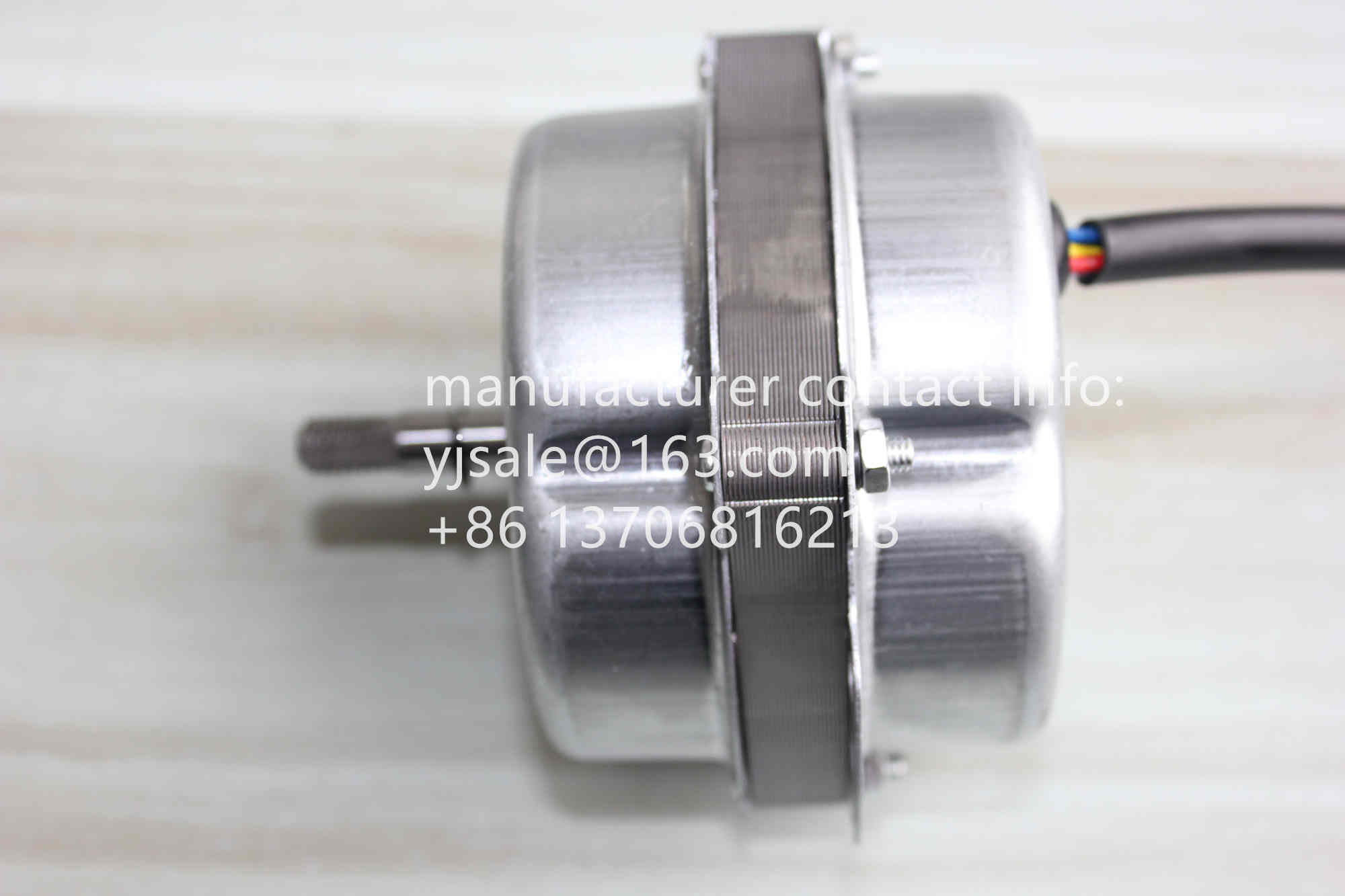
Air Conditioners and Ventilation Equipment Accessories
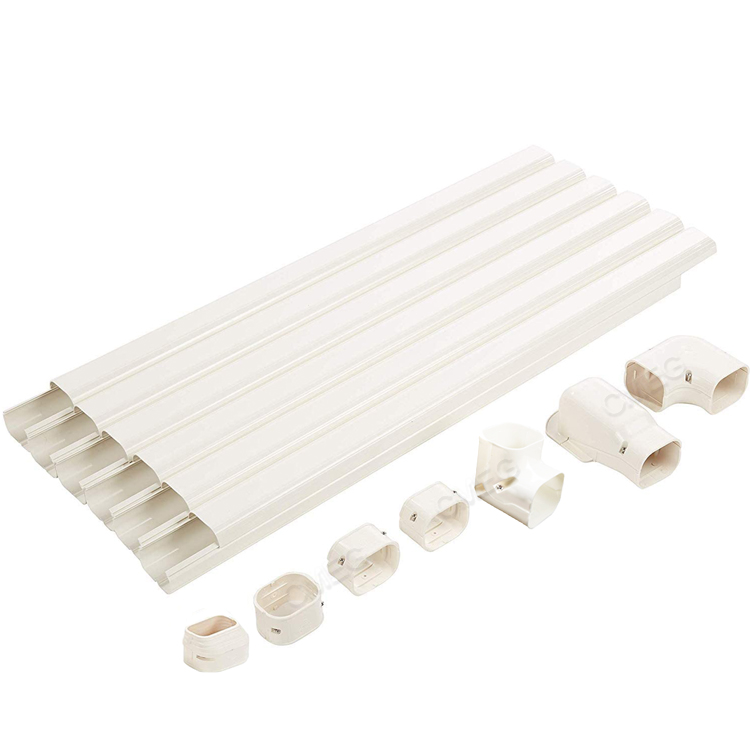
Source Air Conditioners and Ventilation Equipment Accessories from vetted suppliers and manufacturers. Designed for importers, wholesalers, distributors, and brands seeking OEM/private-label production, our network delivers reliable copper piping, brackets, filters, and electrical components built to exact specifications.
Sourcing HVAC accessories in bulk requires strict attention to material tolerances, safety standards, and environmental durability. Whether you are importing copper line sets, heavy-duty mounting brackets, insulation materials, or electrical components, profitability depends on balancing aggressive unit costs with zero-defect reliability. A single failure in a high-pressure line or outdoor bracket can lead to catastrophic system damage, making rigorous supplier qualification essential.
Critical Specifications for HVAC Accessories
The accessory market spans a wide range of materials and manufacturing processes. When negotiating with factories, precision in your specification sheet is your first line of defense against quality fade.
Key Material and Performance Specs to Define
- Copper Line Sets: Specify exact wall thickness (e.g., 0.8mm for standard, thicker for high-pressure refrigerants like R32 or R410A) and purity levels (typically 99.9% pure copper).
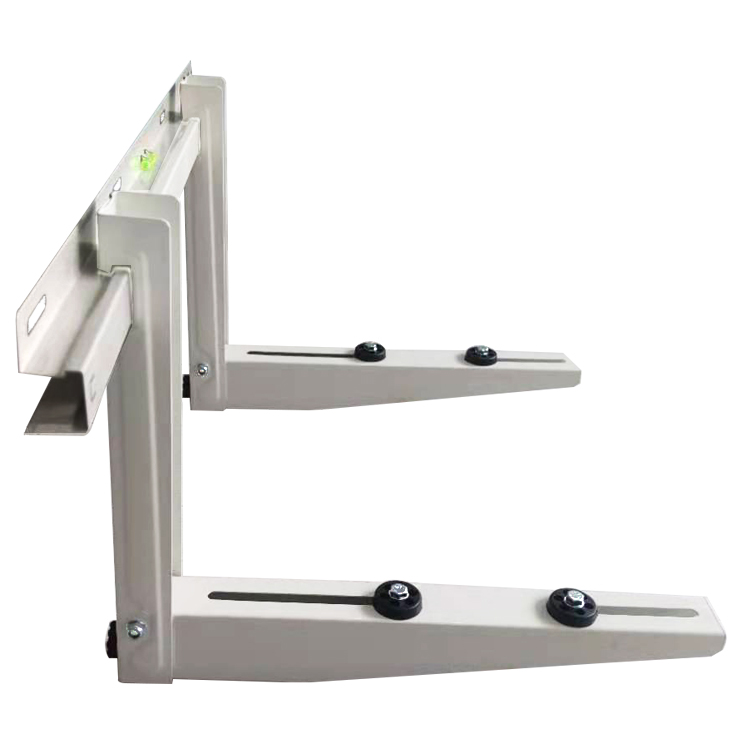
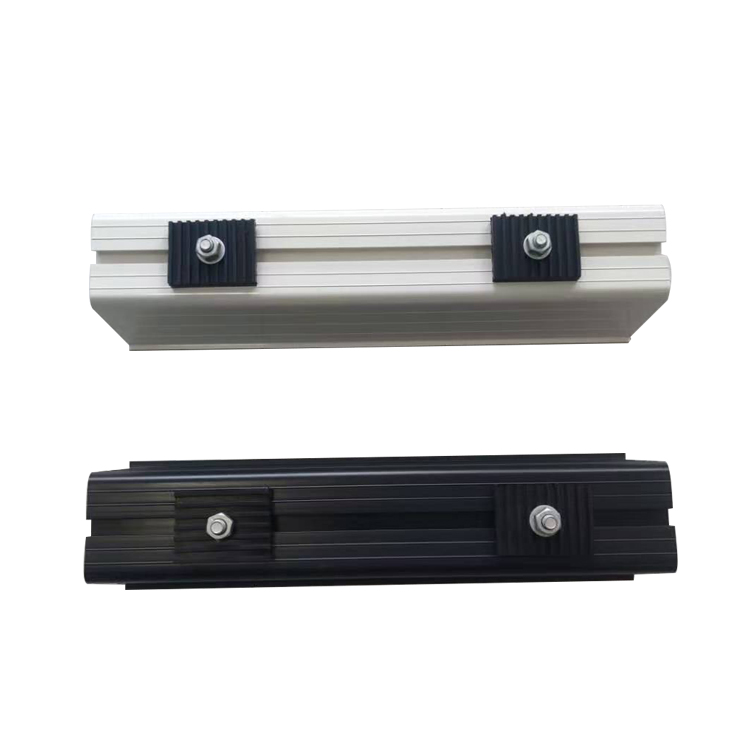
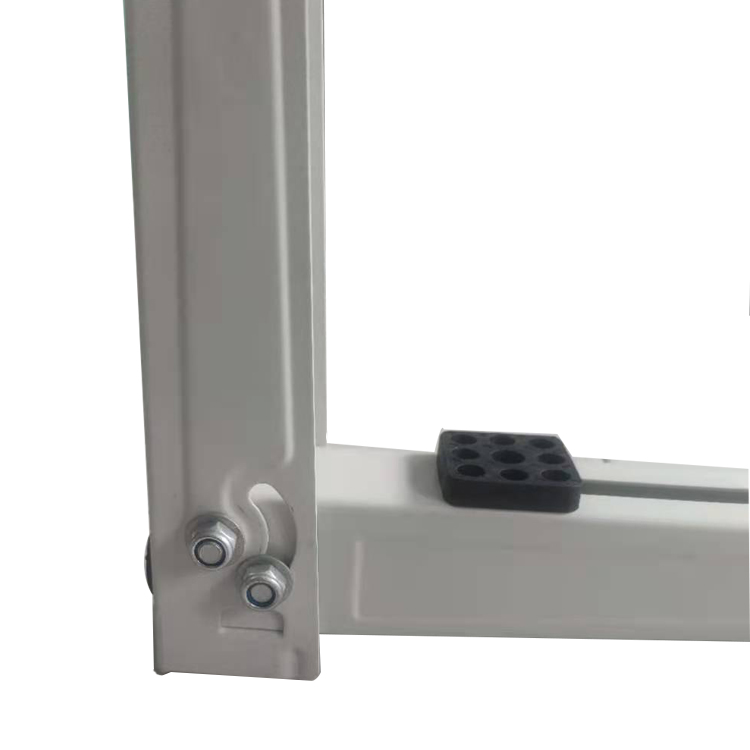
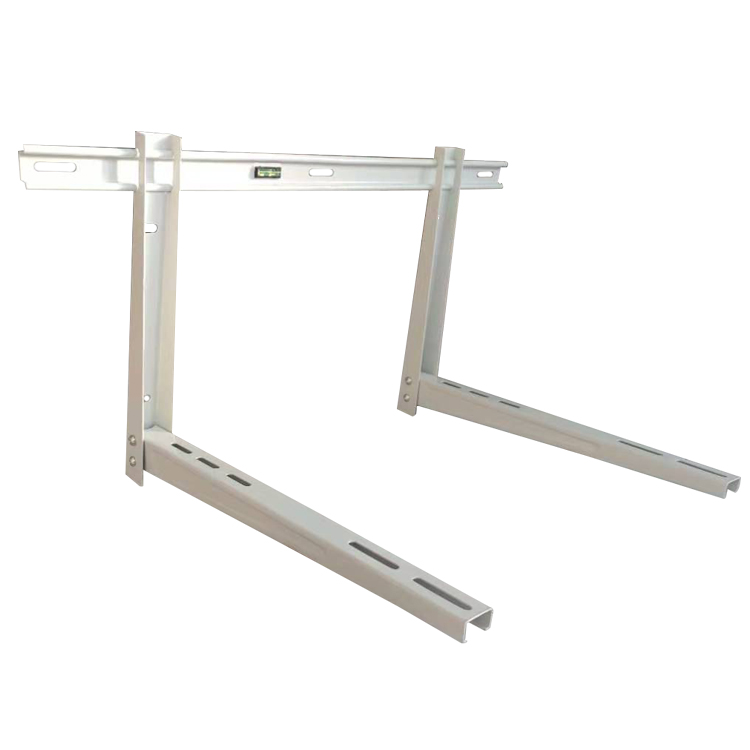
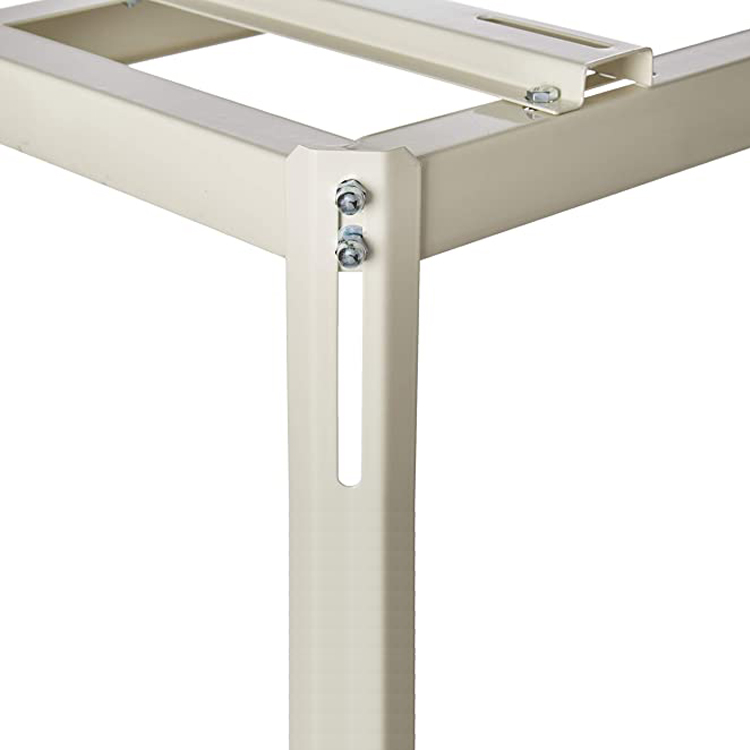
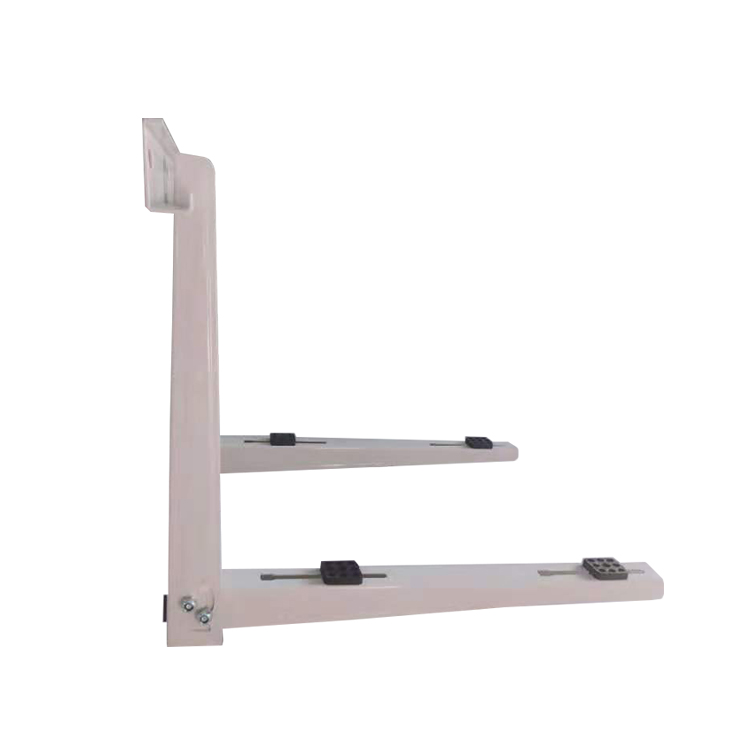
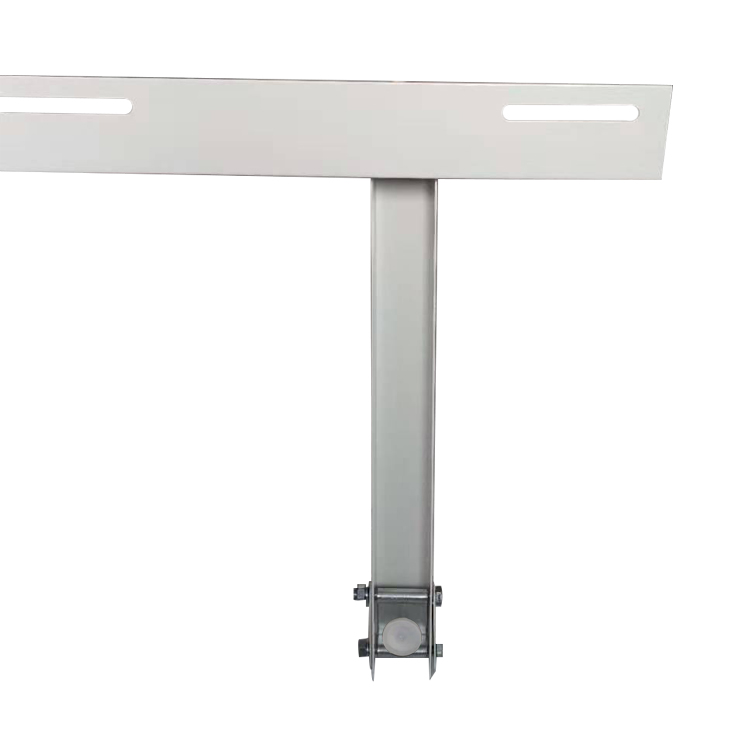
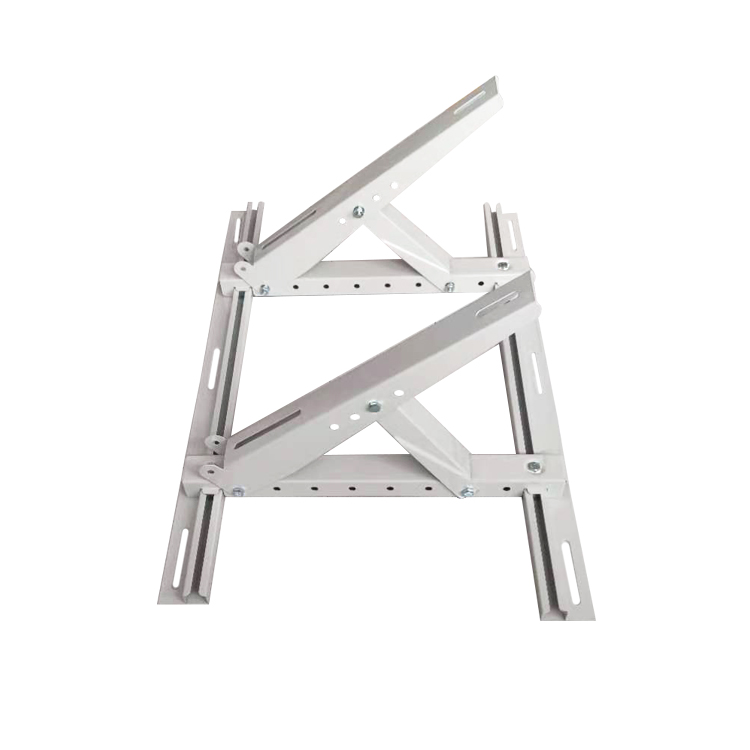
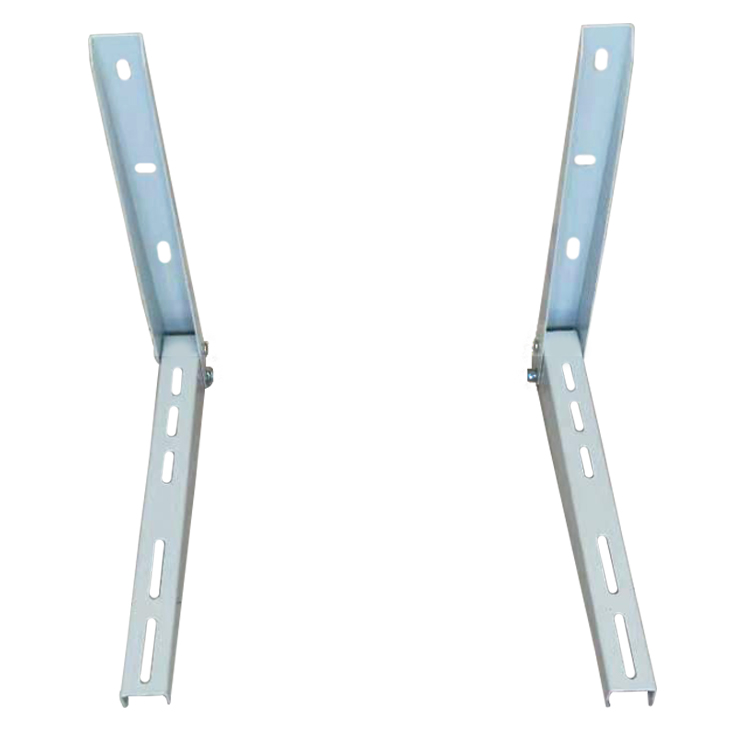
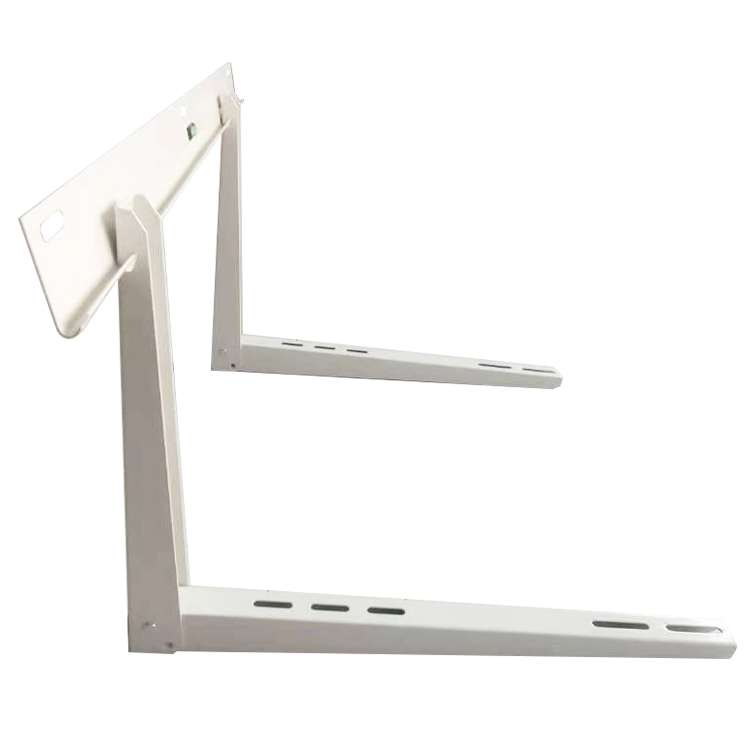
- Mounting Brackets: Define the steel gauge, weight-bearing capacity (kg), and anti-corrosion treatment (hot-dip galvanized vs. standard powder coating).
- Insulation Foam: Mandate thermal conductivity ratings, UV resistance for outdoor exposure, and strict fire-retardant classifications (such as UL94-V0).
- Drainage Hoses: Specify virgin PVC or PE ratios to prevent the brittleness and cracking common in products using excessive recycled plastics.
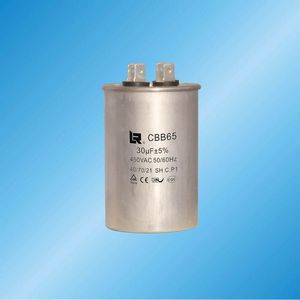
- Electrical Components: Ensure capacitors, contactors, and remotes meet the voltage and frequency requirements of your target market.
Struggling to verify if a factory's materials meet your technical requirements? Let our sourcing experts evaluate their production capabilities.
Talk to our teamWhere Quality is Won or Lost on the Factory Floor
Many manufacturers will quote aggressively low prices by substituting materials in ways that are difficult to detect without destructive testing. Understanding these manufacturing shortcuts allows you to implement robust quality control measures before shipment.
The Copper Thickness Trap
A common cost-cutting tactic in line sets is drawing the copper tubing slightly thinner than specified (e.g., delivering 0.65mm instead of 0.8mm). This severely compromises the tube's ability to handle high-pressure refrigerants, increasing the risk of micro-leaks and system failure. Always mandate caliper checks during pre-shipment inspections.
Common Manufacturing Shortcuts to Monitor
- Inadequate Galvanization: Outdoor brackets require thick, uniform galvanization. Factories may apply a thin powder coat over raw steel, which rusts within months of outdoor exposure.
- Substandard Insulation Density: Low-density foam insulation reduces material costs but fails to prevent condensation, leading to water damage and reduced system efficiency.
- Recycled Plastics in Tooling: For OEM/ODM services, factories might use recycled polymers for custom remotes or plastic housings, resulting in poor finish quality and structural weakness.
If your market requires specific regulatory adherence, such as CE, RoHS, or UL marks, you must ensure the factory maintains valid, verifiable certifications. Utilizing professional compliance testing services guarantees your accessories will clear customs and meet local building codes.
Typical MOQs, Pricing Drivers, and Lead Times
Pricing in this category is heavily dependent on raw material commodity markets—specifically copper, steel, and petroleum-based plastics.
Cost Negotiation Factors
- Commodity Indexing: Because copper and steel prices fluctuate, bulk contracts often tie the final unit price to the raw material index at the time of order confirmation.
- Packaging Requirements: Retail-ready, color-printed boxes for individual accessories increase costs and MOQs compared to bulk industrial packaging.
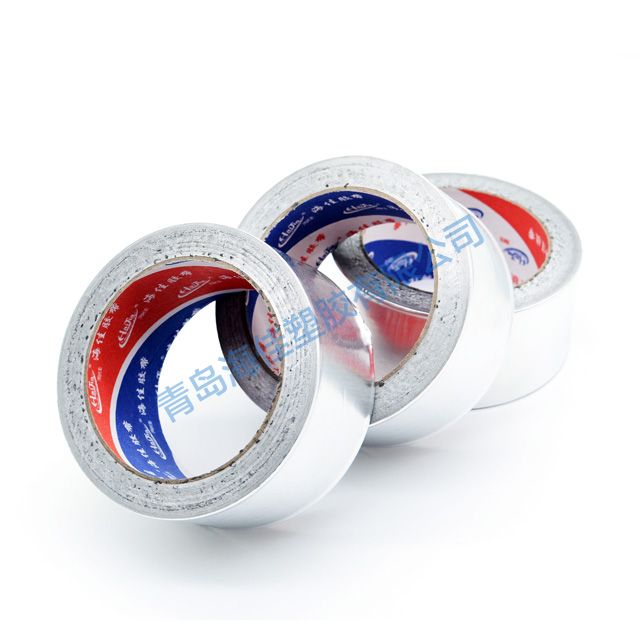
- Consolidation: Buying multiple accessory types (brackets, tapes, hoses) from specialized factories and consolidating them into a single container is often the most cost-effective import strategy.
Need to consolidate multiple accessory types into a single shipment? We manage the entire supply chain and logistics process.
Get a free consultationSuccessfully sourcing air conditioning and ventilation accessories requires looking past the initial quote to verify material integrity and factory reliability. By establishing strict specifications and maintaining rigorous oversight throughout production, importers can secure high-quality components that protect their margins and their brand reputation.
Get Sourcing Help for Air Conditioners and Ventilation Equipment Accessories
Tell us your requirements and our experts will connect you with verified manufacturers.