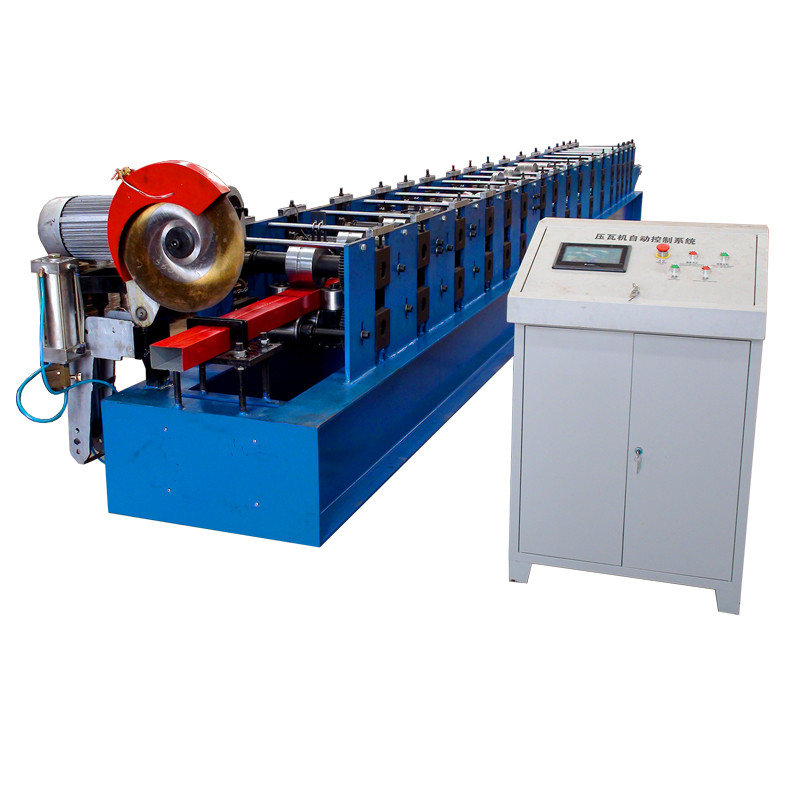
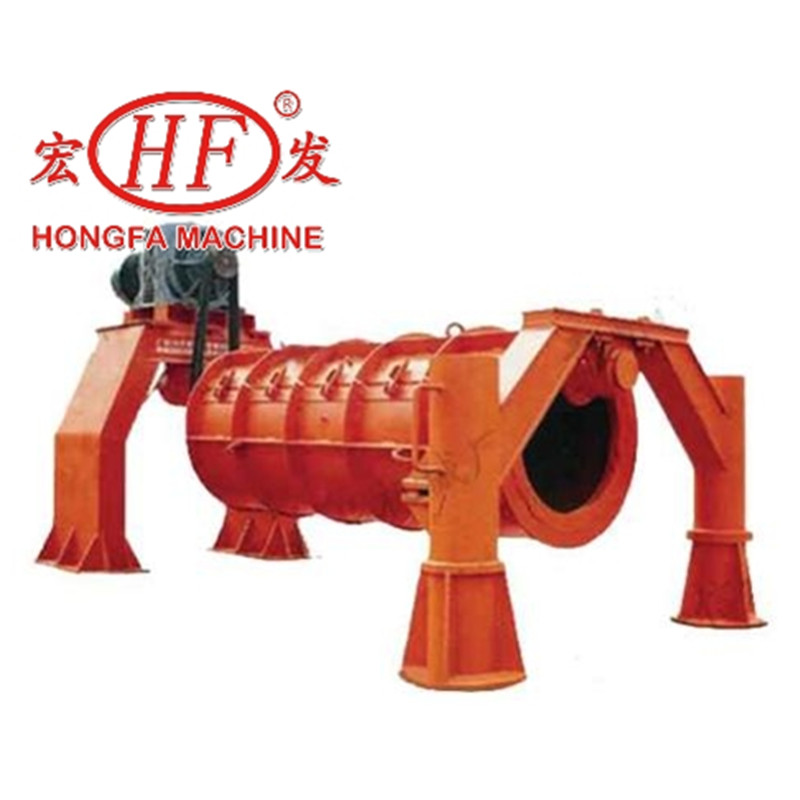
Pipe Making Machinery
Source industrial-grade pipe making machinery from vetted manufacturers and suppliers in China and Asia. Designed for importers, distributors, and industrial buyers, our network provides reliable extrusion and forming lines for bulk procurement, ensuring high-capacity production, precise dimensional stability, and stringent quality control.
Sourcing heavy industrial equipment like pipe making machinery requires navigating complex technical specifications, from extruder torque capacities to die head precision. Whether you are upgrading an existing facility or establishing a new production line, the primary challenge lies in identifying manufacturers capable of delivering equipment that maintains dimensional stability at high line speeds while minimizing energy consumption and material waste.
Critical Specifications to Define
When negotiating with machinery manufacturers, vague requirements lead to underperforming equipment. The core of any plastic or concrete pipe production line is its ability to handle continuous, high-stress operation. You must specify exact parameters for the extruder, cooling systems, and haul-off units to ensure the line meets your production targets.
Before requesting quotations, ensure your technical dossier covers the following requirements:
Essential Machinery Specifications
- Extruder type: Single screw (typically for PE/PP) vs. conical/parallel twin screw (typically for PVC).
- Motor and inverter brands: Specify tier-one brands (e.g., Siemens, ABB) for reliability and global support.
- Die head metallurgy: Demand high-grade forged steel with appropriate anti-corrosion treatments.
- Cooling and sizing: Length of vacuum calibration tanks and cooling flumes based on maximum line speed.
- Electrical standards: Exact voltage, phase, and frequency requirements for the destination country.
Need help verifying a manufacturer's technical capabilities and engineering standards?
Talk to our teamManufacturing Tolerances and Quality Control
The operational lifespan of pipe making machinery is directly tied to the precision of its machined components. Many suppliers assemble lines using outsourced parts, which can lead to integration issues and premature gearbox or screw wear.
Quality is won or lost in the machining of the screw and barrel. Insufficient nitriding depth or poor bimetallic coating application will result in rapid degradation, especially when processing highly filled materials or recycled resins. It is critical to conduct thorough Factory Audits to verify that a supplier possesses in-house CNC machining centers and stringent metallurgical testing capabilities.
Furthermore, a comprehensive Factory Acceptance Test (FAT) is non-negotiable. Implementing rigorous Quality Control & Inspection protocols before the machinery is dismantled for shipping ensures that the line achieves the specified output and dimensional tolerances during a continuous dry and wet run.
The PLC Trap
Avoid proprietary or closed-source PLC systems. Insist on universally recognized control systems with open programming architectures. If a proprietary controller fails, replacing it can cause weeks of downtime while waiting for factory-specific parts and software keys.
Pricing, Lead Times, and Logistics
Procuring heavy machinery is a capital-intensive process with extended timelines. MOQs are universally set at one complete line, though purchasing individual components (like a standalone haul-off machine or a replacement extruder) is common for facility upgrades.
Lead times typically range from 60 to 120 days, heavily dependent on the level of customization and the current backlog of the factory's machining department. Pricing is driven less by the steel structure and more by the origin of the core electrical and mechanical components. A line equipped with European gearboxes, motors, and PLCs will command a premium over one using domestic Chinese equivalents, but often yields a lower total cost of ownership through reduced downtime.
Shipping pipe making machinery presents unique logistical challenges. A complete line often requires multiple 40HQ containers, and oversized components like large vacuum tanks or heavy extruders may necessitate Flat Rack or Open Top containers. Coordinating Shipping & Freight early in the production process is vital to secure specialized vessel space and manage complex customs documentation for heavy industrial equipment.
Streamline your machinery procurement, from technical negotiation to oversized freight logistics.
Get a free consultationFrequently Asked Questions
When sourcing pipe making machinery, the initial capital expenditure is only a fraction of the equation. Prioritizing robust component sourcing, verifying in-house machining capabilities, and ensuring rigorous pre-shipment testing will protect your production metrics and deliver a sustainable return on investment.
Get Sourcing Help for Pipe Making Machinery
Tell us your requirements and our experts will connect you with verified manufacturers.