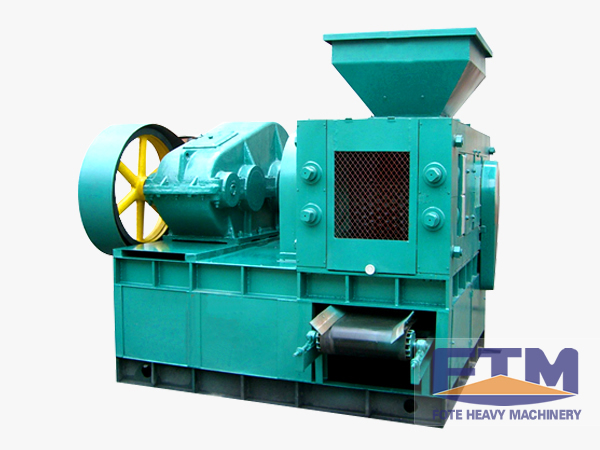
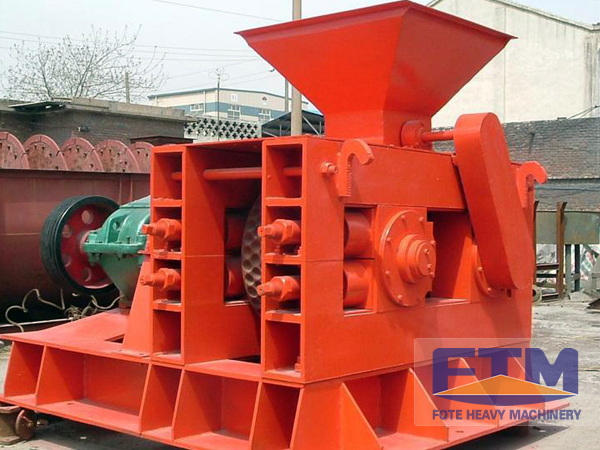
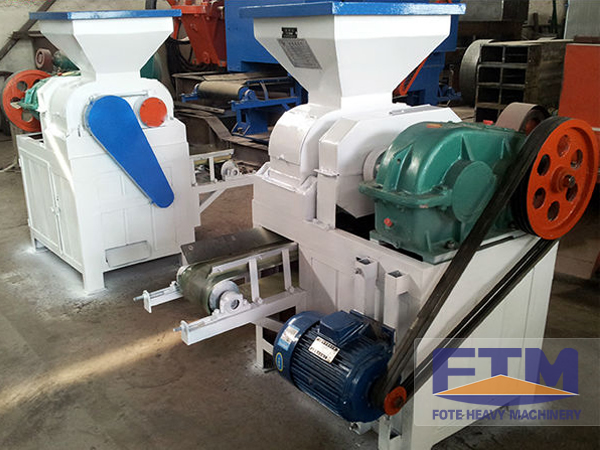
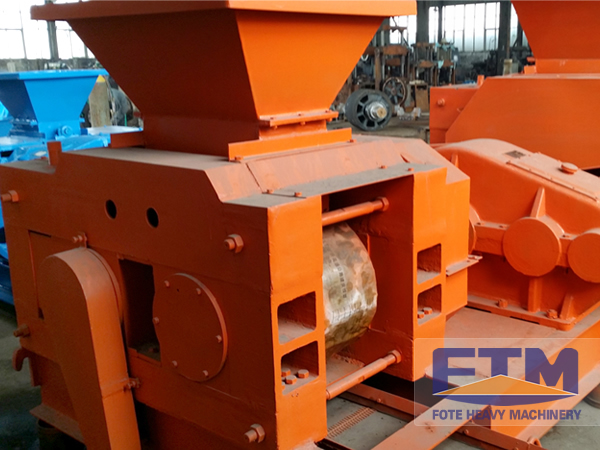
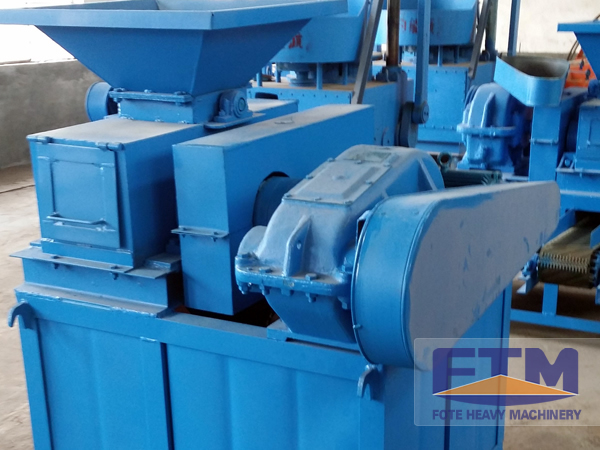
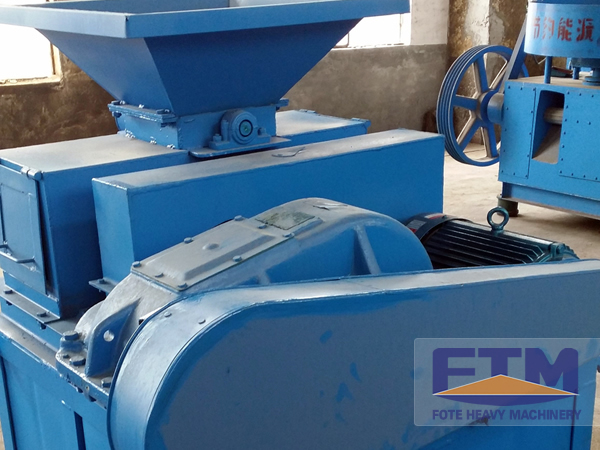
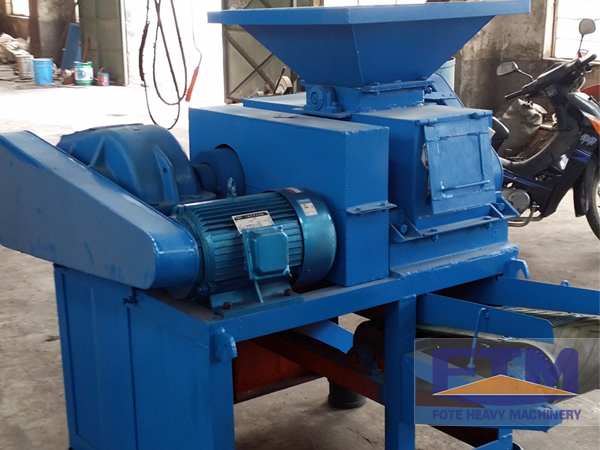
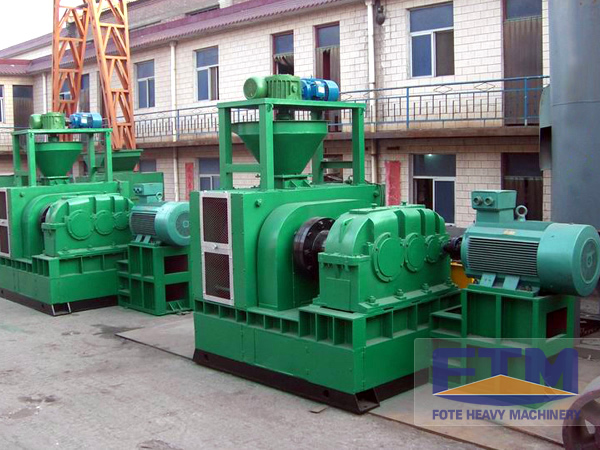
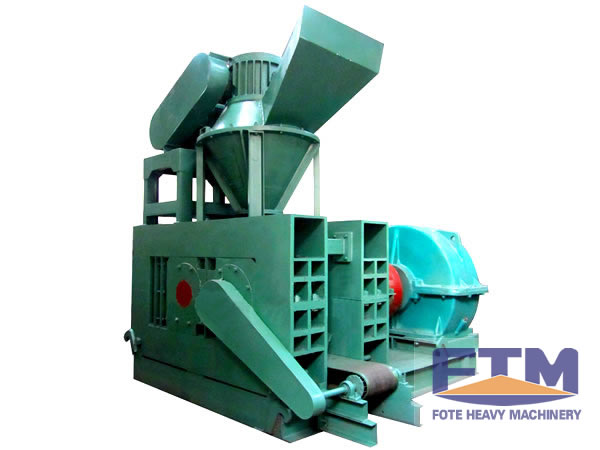
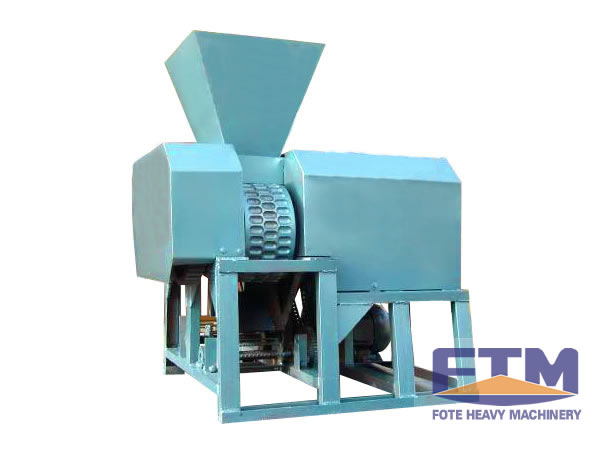
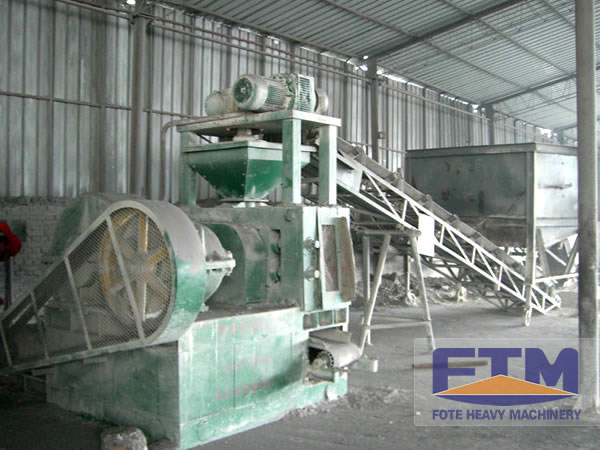
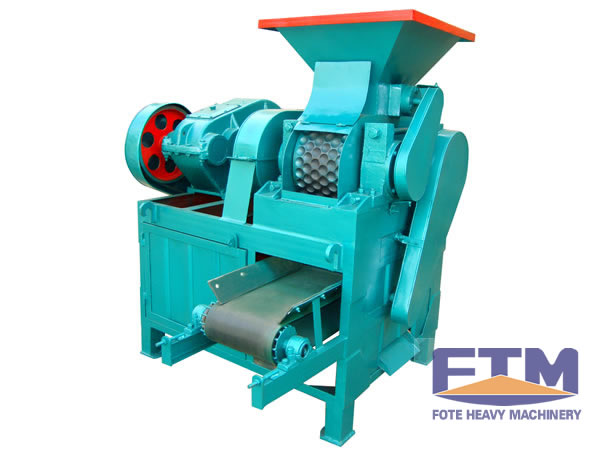
Briquette Machines
Source industrial-grade Briquette Machines from vetted suppliers and manufacturers across Asia's top machinery hubs. Designed for equipment importers, plant builders, and industrial distributors, our network provides reliable, high-capacity briquetting solutions for biomass, mineral powder, and coal processing.
Sourcing briquette machines at scale requires aligning the equipment's mechanical force with the specific bulk density and moisture content of your target raw material. Whether you are outfitting a mineral processing plant or distributing biomass pelletizing equipment, machinery failure due to premature roller wear, hydraulic faults, or inadequate motor torque can severely disrupt production lines. Navigating the heavy machinery manufacturing hubs in China demands rigorous technical vetting to ensure you are buying industrial-grade durability, not just a painted exterior.
Core Drive Systems and Specifications
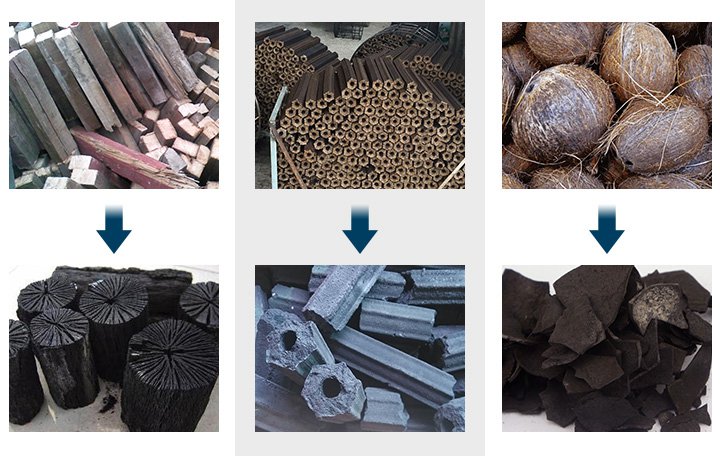
The performance of a briquette machine is dictated by its drive system and the metallurgical properties of its wear parts. Buyers must specify exact requirements based on the material being compressed—what works for sawdust will fail instantly on iron sponge or fluorite powder.
| Machine Type | Primary Application | Forming Pressure | Critical Wear Parts |
|---|---|---|---|
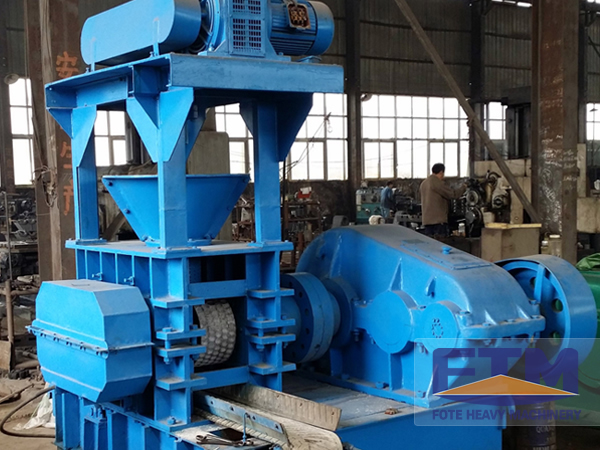
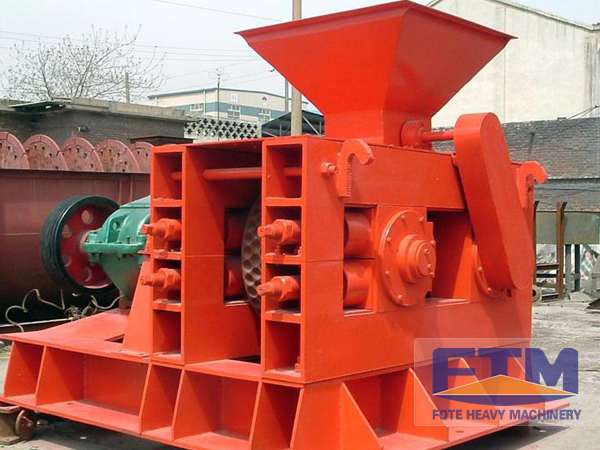
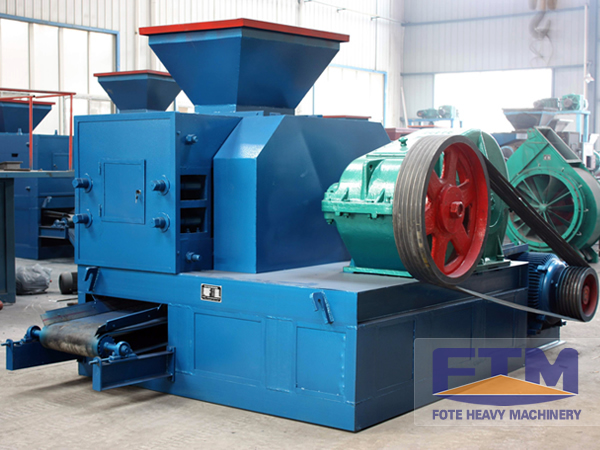
| Hydraulic Roller Press | Mineral powder, coal, lime | High (up to 300 kN) | Forged 9Cr2Mo roller skins |
| Screw Extrusion | Biomass, charcoal, sawdust | Medium | Screw propeller, inner forming sleeve |
| Stamping / Punching | Biomass logs, RDF fuel | High impact | Stamping dies, eccentric wheel |
When evaluating a manufacturer's technical proposal, pay close attention to the motor power-to-capacity ratio. A common tactic among lower-tier suppliers is to overstate tons-per-hour (tph) capacity while pairing the machine with an undersized main motor, leading to overheating and frequent stalling under load.
Need help verifying technical specifications and matching machine types to your material requirements?
Talk to our machinery teamManufacturing Quality and Wear Parts
The true cost of a briquette machine is measured in the lifespan of its wear parts. The roller skins, bearings, and hydraulic seals are where factory quality control matters most.
Critical Component Inspection Points
- Roller Material: Verify the use of high-chromium alloys, 65Mn, or 9Cr2Mo steel with proper heat treatment (quenching) to achieve optimal Rockwell hardness.
- Bearing Quality: Insist on verifiable international brands (e.g., SKF, Timken) or top-tier domestic equivalents (e.g., ZWZ, HRB) for the main shaft.
- Hydraulic Systems: Check the pump station for stable pressure retention and specify high-quality sealing rings to prevent fluid leaks under continuous operation.
- Frame Construction: Ensure the main chassis is welded from heavy-duty steel plate and properly stress-relieved before machining.
Because visual inspection cannot reveal the internal metallurgy of a roller skin or the integrity of a weld, conducting comprehensive factory audits is essential before placing an order. You must confirm the factory possesses the actual CNC machining centers and heat-treatment facilities required for heavy machinery, rather than merely assembling outsourced, sub-standard parts.
Sourcing Regions and Supply Chain Dynamics
China is the dominant global hub for mining and briquetting machinery, with production heavily concentrated in Henan province (particularly around Zhengzhou) and Shandong province. Henan offers a massive supply chain ecosystem for heavy crushing and forming equipment, making it an ideal region for sourcing complete production lines (including crushers, rotary dryers, and double-shaft mixers).
However, the high concentration of trading companies posing as factories in these regions makes vetting critical. Verifying the manufacturer's true production capacity and quality management system is non-negotiable for industrial buyers.
Pricing, Lead Times, and MOQs
Heavy machinery procurement operates on different mechanics than standard consumer goods. MOQs are typically low, but lead times reflect the custom-built nature of industrial equipment.
Transporting heavy, out-of-gauge machinery requires specialized logistics planning. Flat rack containers or break-bulk shipping may be necessary for large-capacity roller presses, making expert shipping and freight coordination vital to avoid port delays and cost overruns.
Planning a heavy machinery import? Let us handle the factory vetting, quality control, and complex freight logistics.
Get a free consultationFrequently Asked Questions
Successfully sourcing briquette machines requires looking past the spec sheet to evaluate the underlying metallurgy, component sourcing, and assembly precision of the factory. Partnering with a team that understands heavy machinery manufacturing ensures your equipment arrives ready for years of continuous, profitable operation.
Get Sourcing Help for Briquette Machines
Tell us your requirements and our experts will connect you with verified manufacturers.