Machinery for the Preparation of Fruits, Nuts or Vegetables
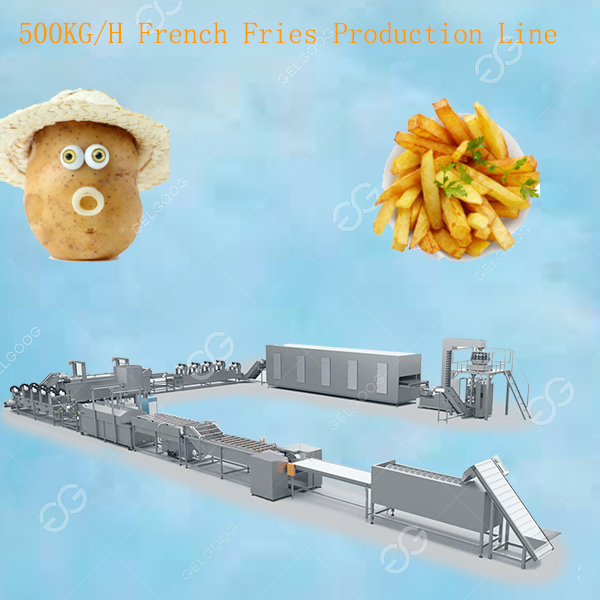
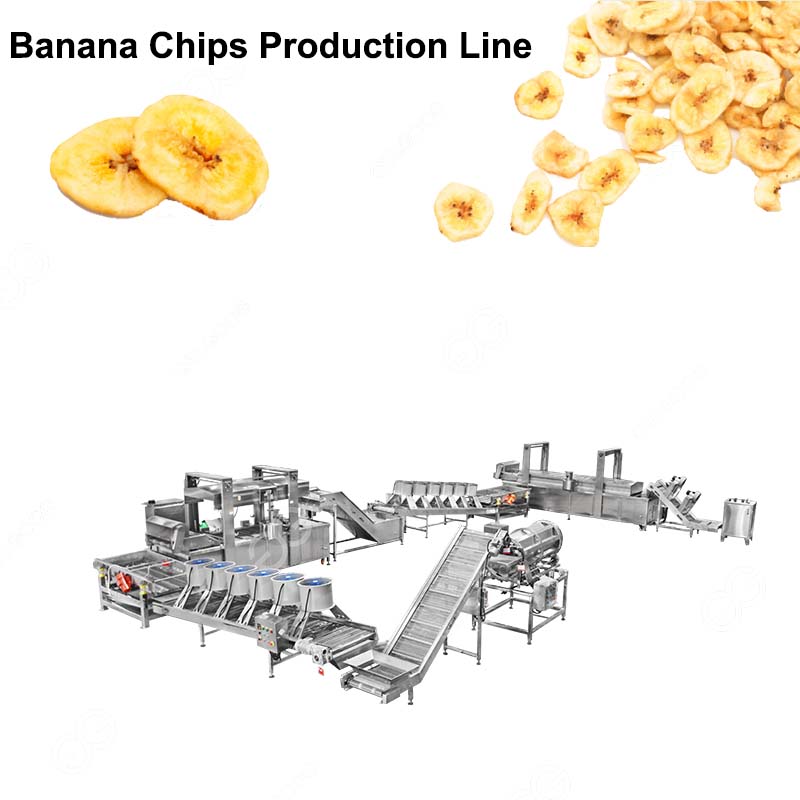
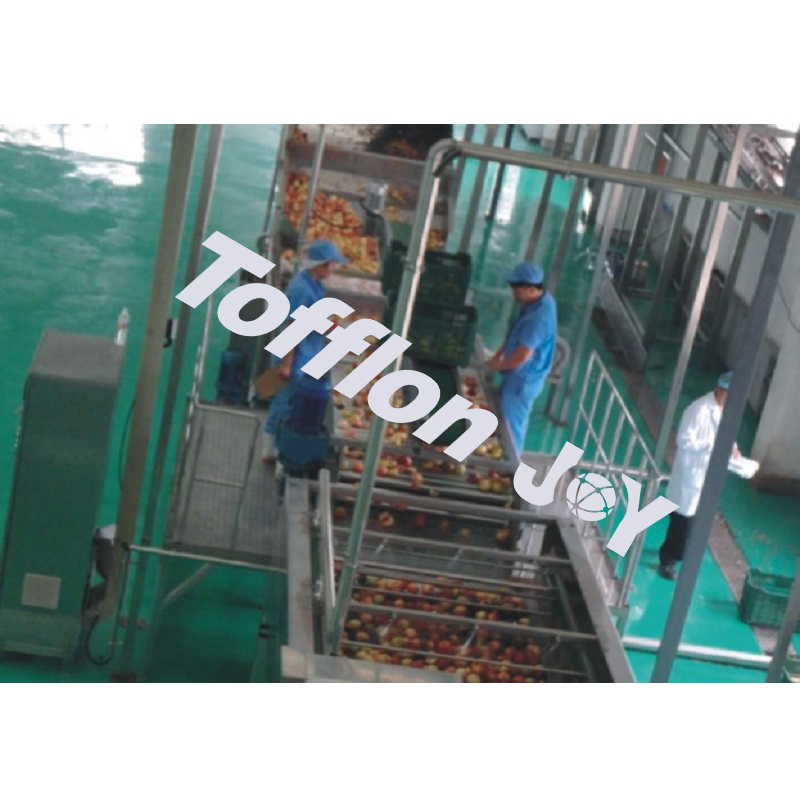
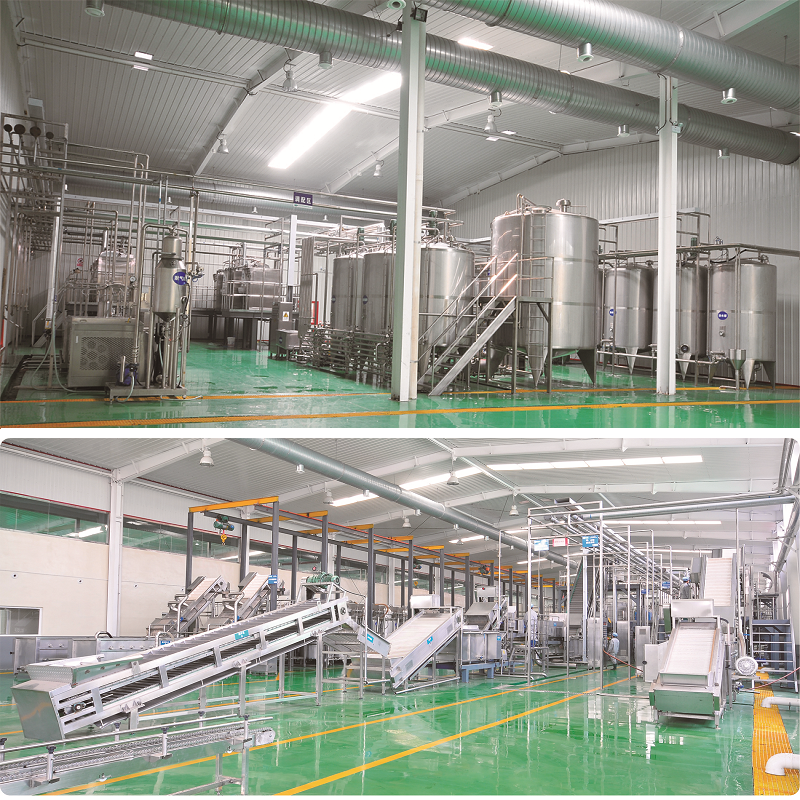
Source commercial-grade Machinery for the Preparation of Fruits, Nuts or Vegetables from vetted suppliers and manufacturers. Designed for industrial importers, wholesale distributors, and brands seeking reliable OEM production. Access high-capacity processing equipment built to international food safety standards.
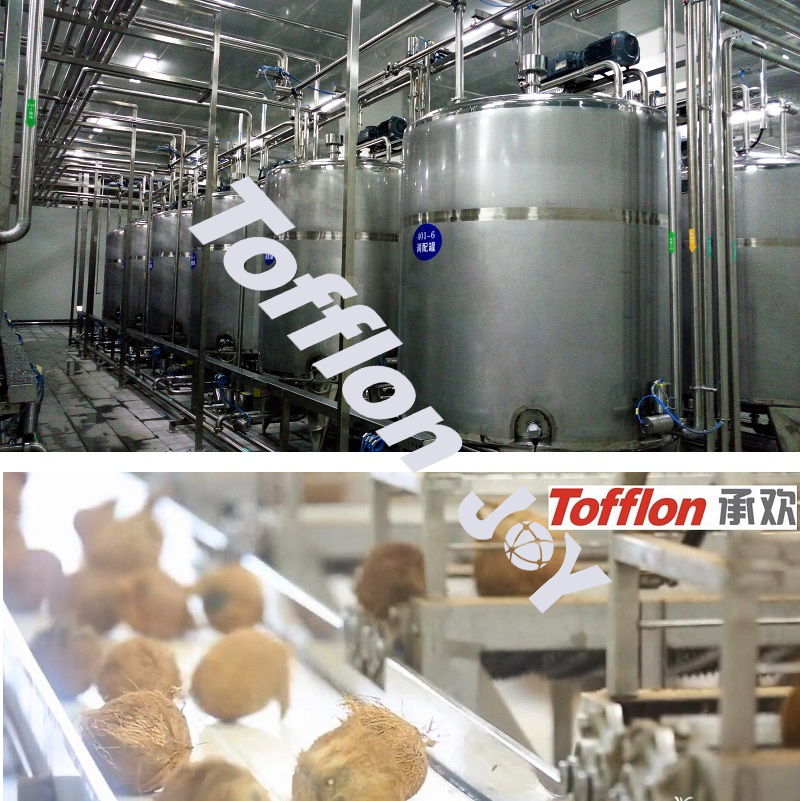
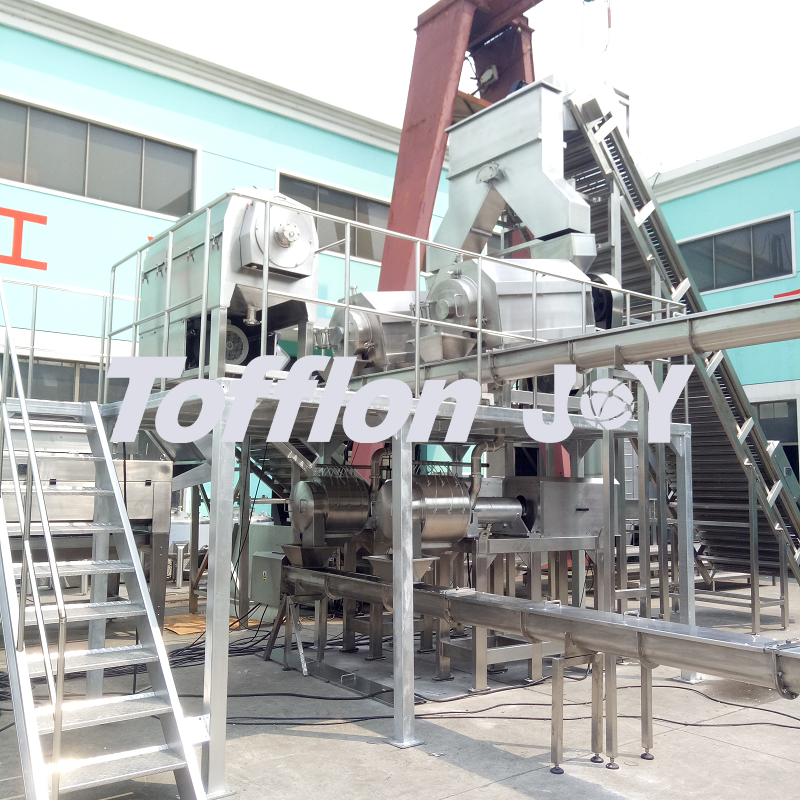
Sourcing industrial machinery for the preparation of fruits, nuts, or vegetables requires balancing high throughput capacity with uncompromising hygiene standards. For commercial food processing, the difference between a profitable line and a maintenance liability lies in the engineering details: sanitary welding, motor protection, and material selection. Procuring this equipment from overseas manufacturers demands strict technical oversight to ensure the machinery integrates seamlessly into your existing production lines and meets local regulatory requirements.
Critical Specifications for Processing Machinery
When evaluating suppliers, precision in your specification sheet is non-negotiable. Industrial food prep equipment must endure continuous operation and harsh washdown cycles.
Key technical parameters to define include:
- Throughput Capacity: Specify your required processing volume in kilograms or tons per hour. Ensure the manufacturer calculates this based on your specific produce, as the density and moisture content of root vegetables differ vastly from leafy greens or tree nuts.
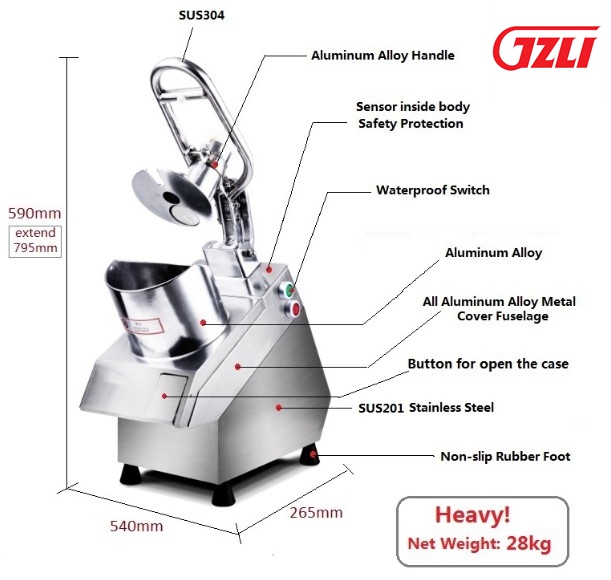
- Material Grades: Food contact zones must be constructed from 304 or 316-grade stainless steel. Beware of suppliers substituting 201 stainless steel in non-contact areas, which will corrode rapidly in high-humidity processing environments.
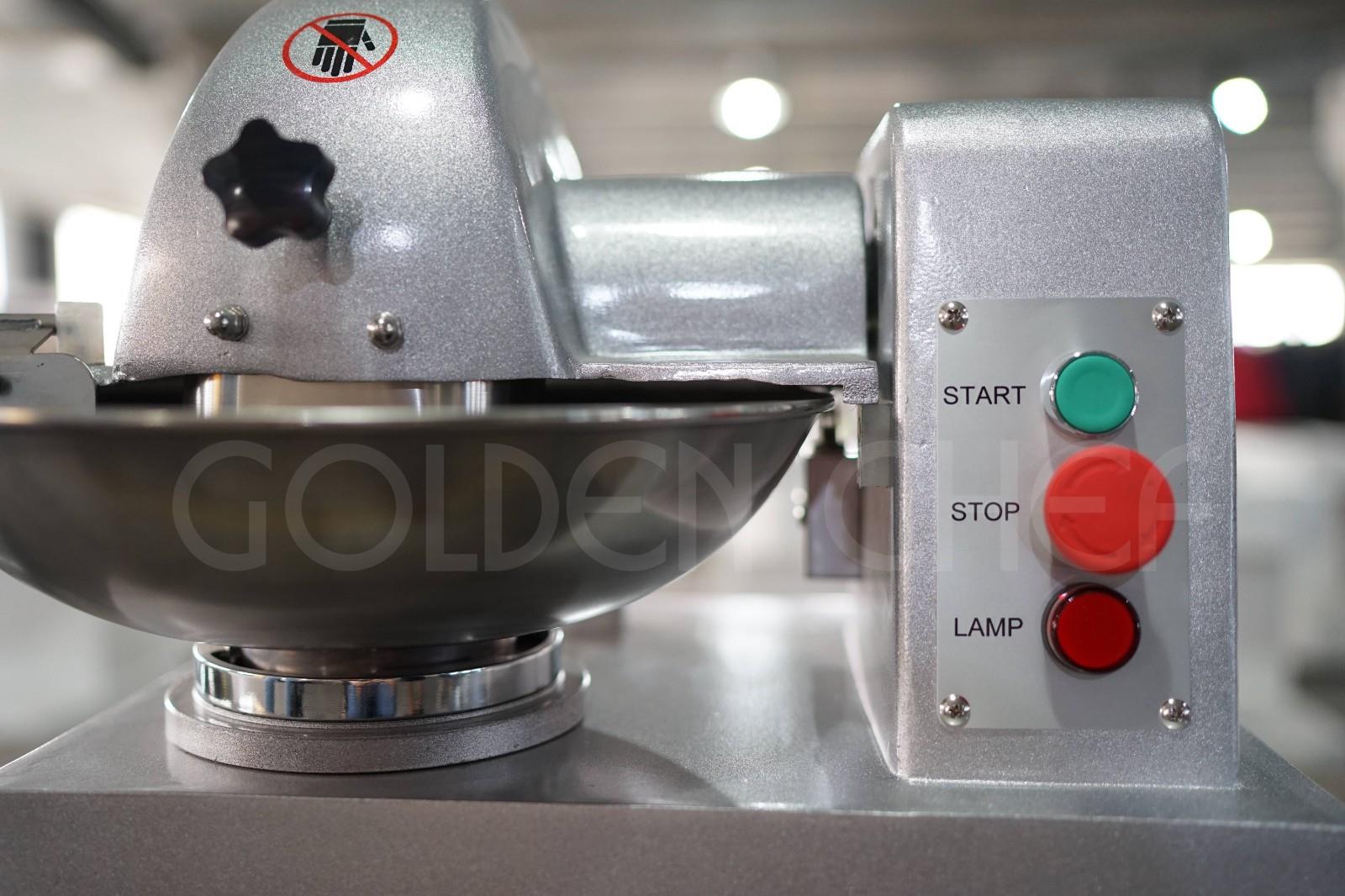
- Drive Systems & Electronics: Specify washdown-rated motors and globally recognized PLC components (e.g., Siemens, Allen-Bradley) to ensure you can source replacement parts locally to minimize downtime.
Need to verify a manufacturer's technical capabilities? Merhein engineers can assess supplier facilities to ensure they meet your exact machinery specifications.
Talk to our teamEvaluating Factory Capabilities and Sanitary Design
Not all machinery fabricators understand the principles of sanitary design. A supplier might build structurally sound equipment that fails food safety audits due to bacterial harborage points. Verifying a supplier's production environment through comprehensive Factory Audits is a critical first step before placing a deposit.
Sanitary Design Verification Checklist
- Continuous, smooth TIG welds (no spot welding or crevices)
- Tool-less disassembly for daily cleaning and maintenance
- Self-draining surfaces angled to prevent water pooling
- Food-grade seals, gaskets, and lubricants
During production, insist on continuous oversight. Catching a poorly finished weld or an incorrect motor specification after the machine has shipped is a costly error. Implementing rigorous Quality Control & Inspection, including Factory Acceptance Testing (FAT) before shipment, ensures the equipment performs to your throughput and safety requirements under load.
Custom Engineering and OEM Production
Many importers require modifications to standard off-the-shelf machinery to accommodate unique facility layouts or specialized produce. Whether you need custom conveyor widths, specific grading screen sizes for regional nut varieties, or private-label branding for distribution, finding a partner capable of true OEM/ODM Services is vital. Ensure the factory has a robust in-house engineering team capable of producing accurate CAD drawings and accommodating iterative design feedback before steel is ever cut.
Pricing Drivers, MOQs, and Lead Times
Industrial food preparation machinery is highly capital-intensive, and pricing fluctuates based on steel indices, component sourcing, and customization levels.
- Minimum Order Quantities (MOQs): Heavy processing machinery typically carries an MOQ of 1 unit. However, if you are sourcing smaller auxiliary equipment or requesting extensive custom tooling, suppliers may require an MOQ of 3 to 5 units to offset engineering costs.
- Production Lead Times: Standard models generally require 30 to 45 days. Custom-engineered processing lines or high-capacity sorting systems often extend lead times to 60 to 90 days.
- Pricing Drivers: Upgrading from 304 to 316 stainless steel for acidic fruit processing will increase material costs significantly. Similarly, specifying premium European or Japanese pneumatics and PLCs over domestic Chinese brands will raise the unit price but drastically reduce long-term maintenance downtime.
Planning a complex machinery purchase? Let Merhein handle the supplier negotiation, custom engineering oversight, and FAT protocols on your behalf.
Get a free consultationBuyer FAQ: Sourcing Food Preparation Machinery
Successfully sourcing machinery for the preparation of fruits, nuts, or vegetables requires looking past the initial purchase price and focusing on total cost of ownership. Equipment that is difficult to clean, prone to breakdowns, or unsupported by accessible spare parts will quickly erode your margins. By thoroughly auditing suppliers, enforcing sanitary design standards, and conducting rigorous pre-shipment testing, you can secure reliable processing lines that drive long-term operational efficiency.
Get Sourcing Help for Machinery for the Preparation of Fruits, Nuts or Vegetables
Tell us your requirements and our experts will connect you with verified manufacturers.