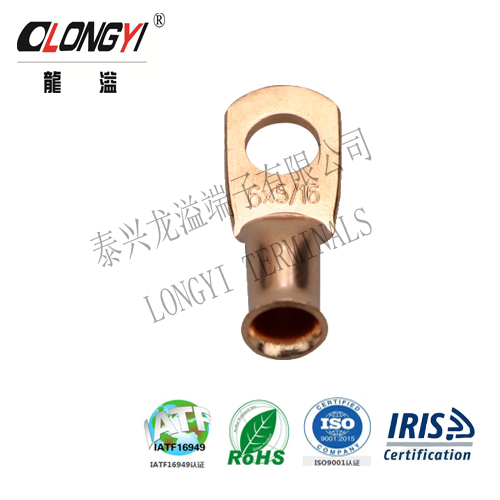
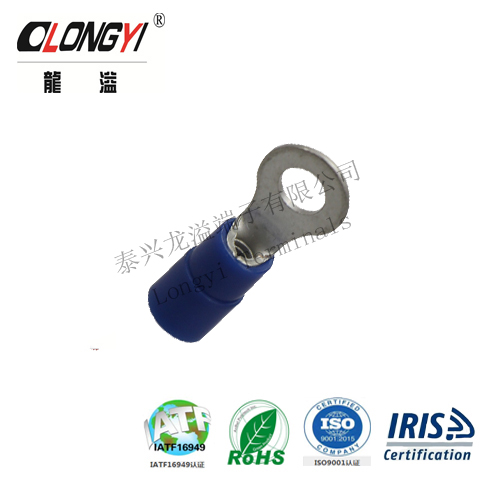
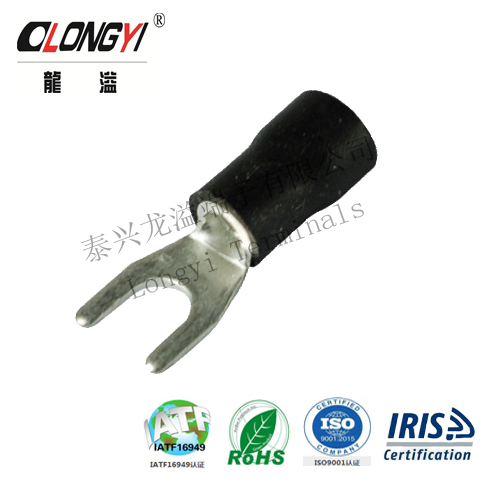
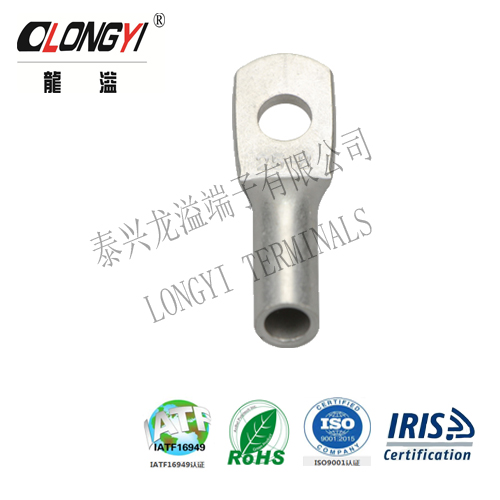
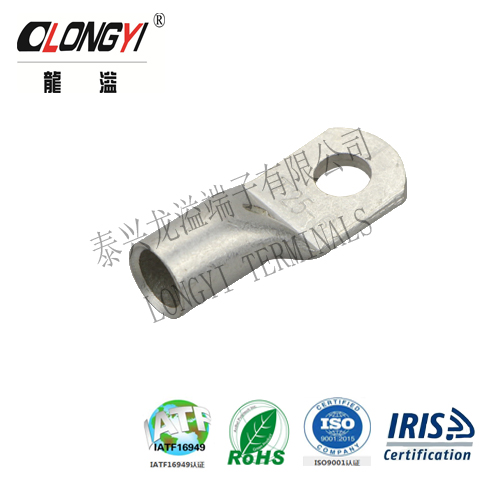
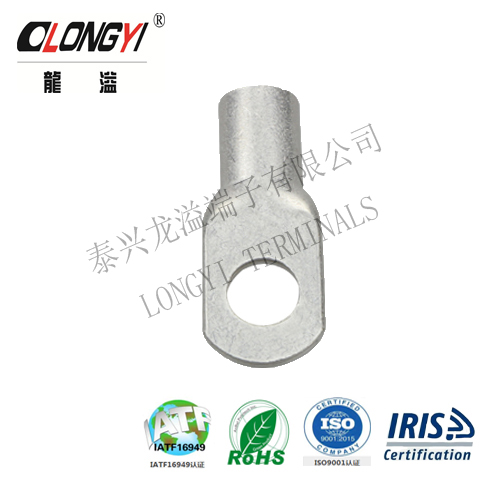
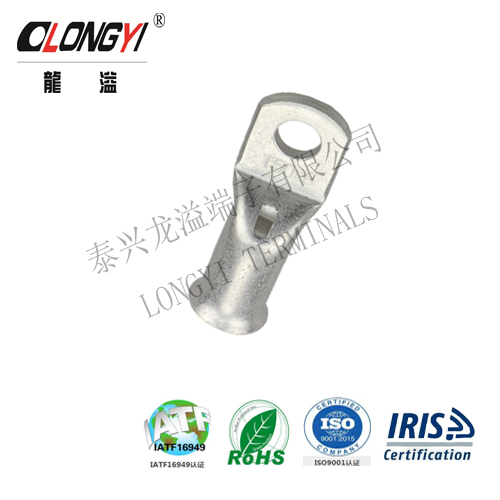
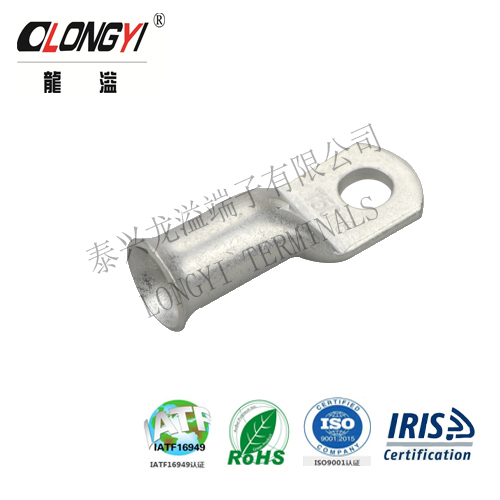
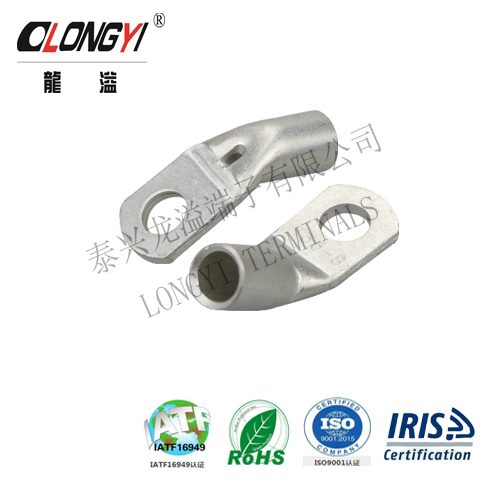
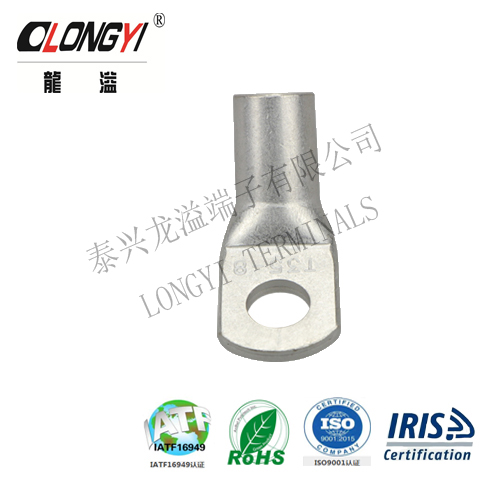
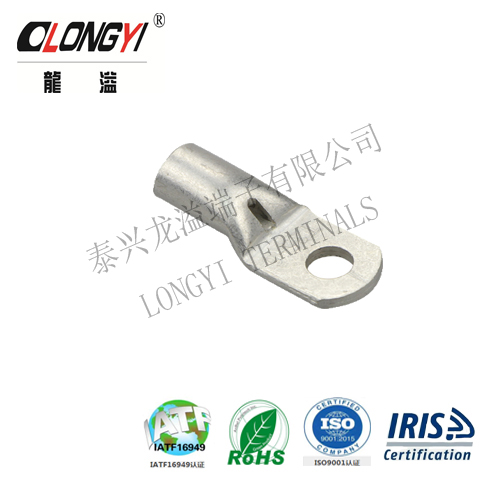
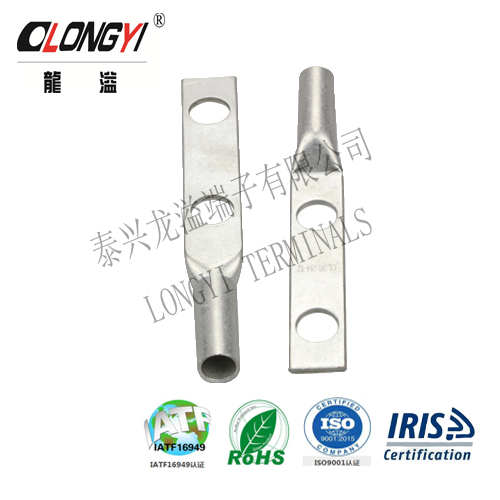
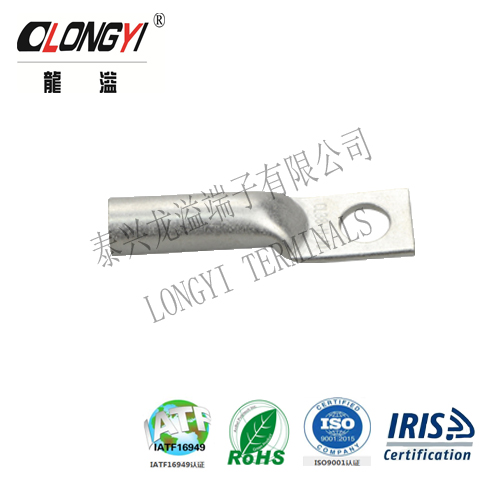
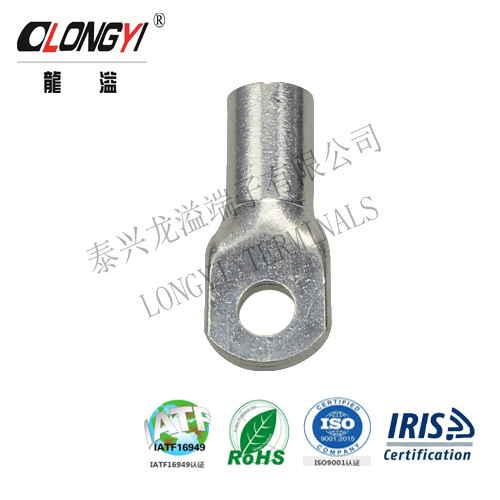
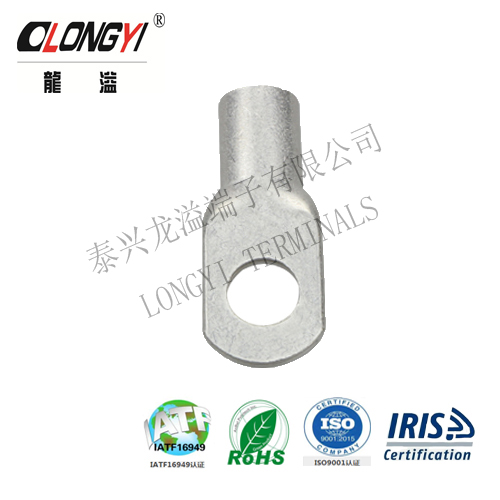
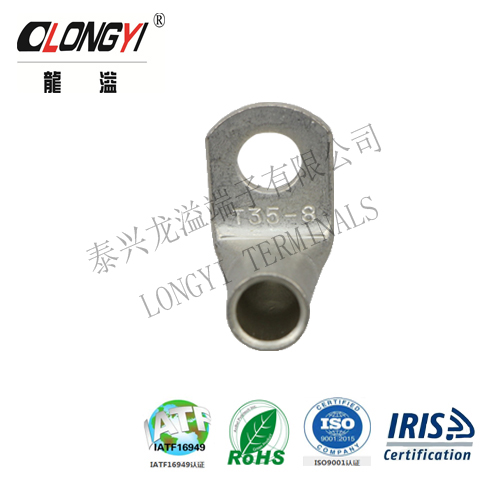
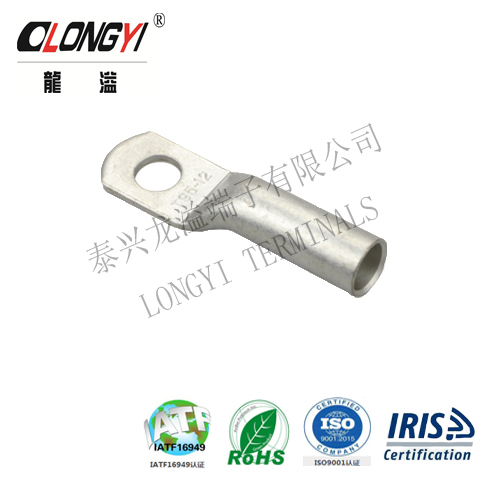
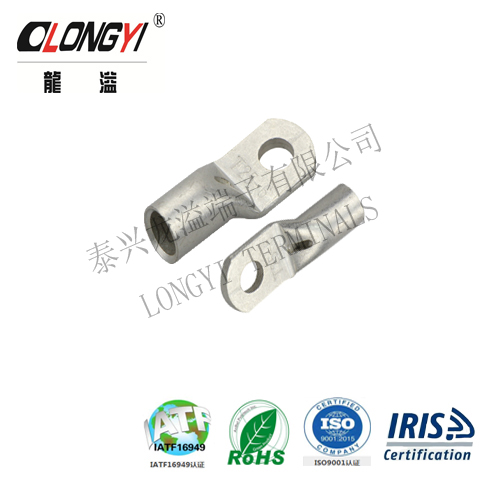
Terminals
Source high-quality electrical terminals from vetted suppliers and manufacturers across Asia. Designed for importers, electrical distributors, and brands requiring reliable OEM production, our network provides bulk access to precision-engineered components. Secure competitive wholesale pricing and consistent quality for your supply chain.
Electrical terminals are foundational components in wiring harnesses, industrial control panels, and consumer electronics. When procuring these components in high volumes, the primary sourcing challenge is managing hidden material substitutions. A factory swapping high-conductivity electrolytic copper for lower-grade brass alloys, or skipping the annealing process, can lead to mechanical failures, voltage drops, and catastrophic electrical fires. Managing this category requires strict attention to metallurgy, plating standards, and factory-level quality controls.
Critical Specifications for Bulk Procurement
To ensure your manufacturer produces exactly what your application demands, your technical specifications must leave no room for interpretation. "Copper" is not a sufficient specification; you must define the exact alloy, the plating thickness, and the insulation parameters.
| Insulation Material | Max Operating Temp | Performance Characteristics |
|---|---|---|
| Vinyl (PVC) | 75°C to 105°C | Cost-effective, standard commercial use, prone to cracking under extreme cold |
| Nylon | 105°C | Translucent, highly resistant to solvents, excellent mechanical durability |
| Heat Shrink | 125°C | Provides a watertight environmental seal and superior strain relief |
| Non-Insulated | Up to 150°C+ | Used in high-temp environments, requires external heat shrink or taping |
When submitting your RFQ, ensure your specification sheet details the following parameters to prevent the factory from quoting based on inferior materials.
Essential Terminal Specifications
- Base material grade (e.g., C11000 pure copper vs. standard commercial brass)
- Tin plating thickness (typically 3 to 5 microns for standard corrosion resistance)
- Wire gauge range compatibility (AWG or metric mm² equivalent)
- Annealing requirements (critical to prevent the terminal barrel from cracking during crimping)
- Seam type (butted seam, brazed seam, or seamless tubular)
Struggling with inconsistent terminal quality or failing crimps? Let us verify your suppliers and establish strict material controls on the factory floor.
Talk to our teamManufacturing Quality and Defect Control
The manufacturing of electrical terminals involves precision stamping, annealing, plating, and injection molding (for insulated variants). The most common point of failure in low-cost terminals is the omission of the annealing process. Annealing softens the metal after stamping; without it, the terminal barrel becomes brittle and is highly likely to split open when the end-user applies a crimping tool.
Furthermore, inadequate tin plating can lead to rapid oxidation, increasing electrical resistance. Implementing rigorous Quality Control & Inspection before shipment is essential. Inspectors should routinely perform pull-out force tests to ensure the crimp holds under tension, as well as salt-spray testing to verify the integrity of the tin plating.
If your market requires specific regulatory adherence, such as UL listing, CSA certification, or RoHS compliance, you must ensure the factory maintains valid and current documentation. Leveraging professional Compliance & Testing services helps verify that the materials used in your production run actually match the certified samples.
Pricing Drivers, MOQs, and Lead Times
Terminal pricing is intrinsically linked to the commodities market, specifically the London Metal Exchange (LME) copper indices. Because material costs make up the vast majority of the unit price, extreme discounts usually indicate compromised material purity or thinner material gauges.
For buyers needing specialized connectors, custom spade angles, or proprietary insulation colors, engaging OEM/ODM Services allows you to develop custom stamping dies. Tooling costs for terminal stamping dies are generally moderate, but require higher MOQs to amortize the setup costs efficiently.
Need to consolidate your electrical component supply chain? We negotiate factory-direct pricing and manage production schedules for volume buyers.
Get a free consultationFrequently Asked Questions
Securing Your Terminal Supply Chain
Procuring electrical terminals in volume requires balancing aggressive cost targets with uncompromising material integrity. Success in this category comes down to defining exact metallurgical specifications and enforcing them through routine, localized factory oversight. By controlling the raw materials and the manufacturing process, you ensure a reliable, safe product that protects your brand's reputation in the field.
Get Sourcing Help for Terminals
Tell us your requirements and our experts will connect you with verified manufacturers.