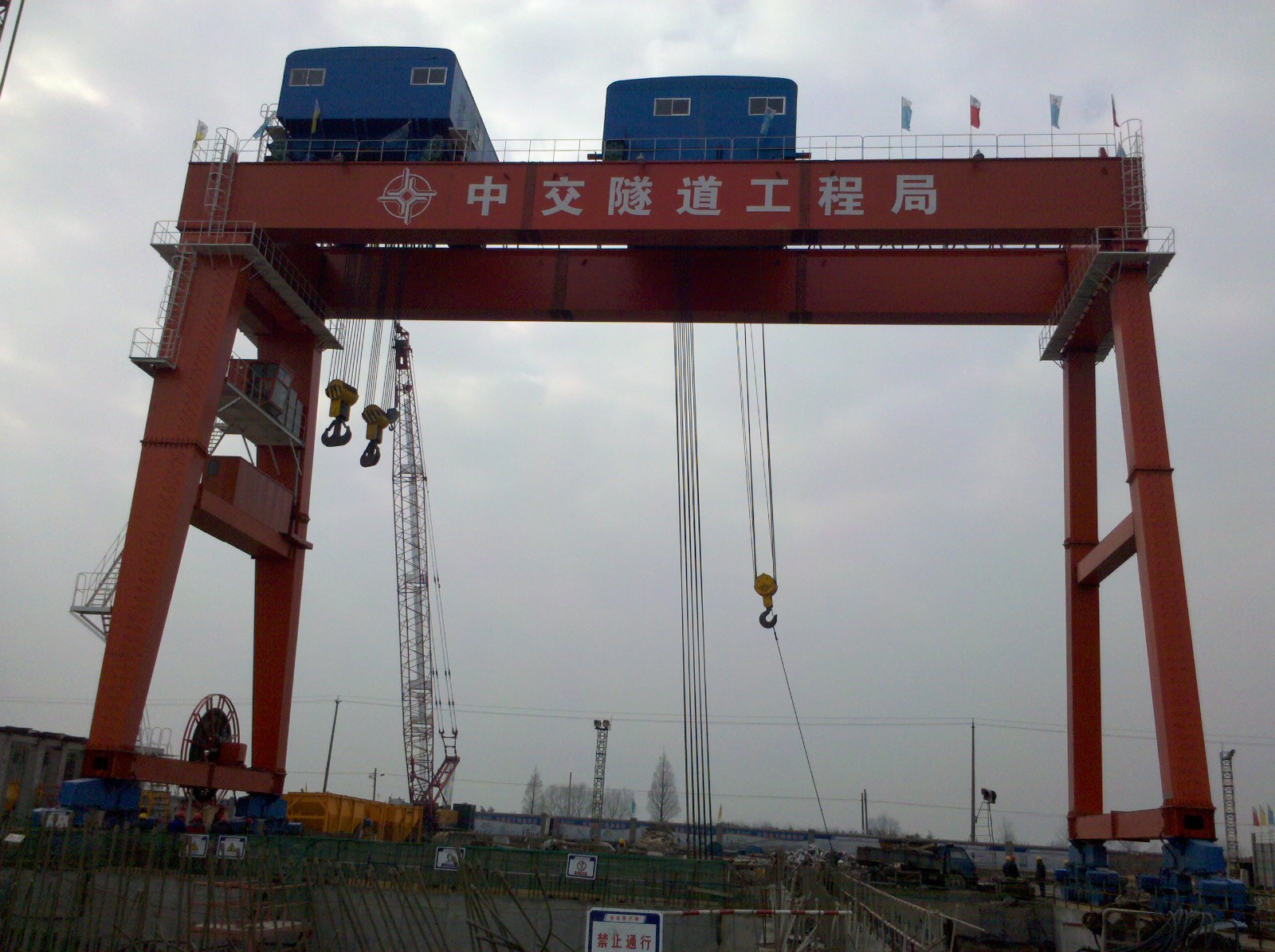
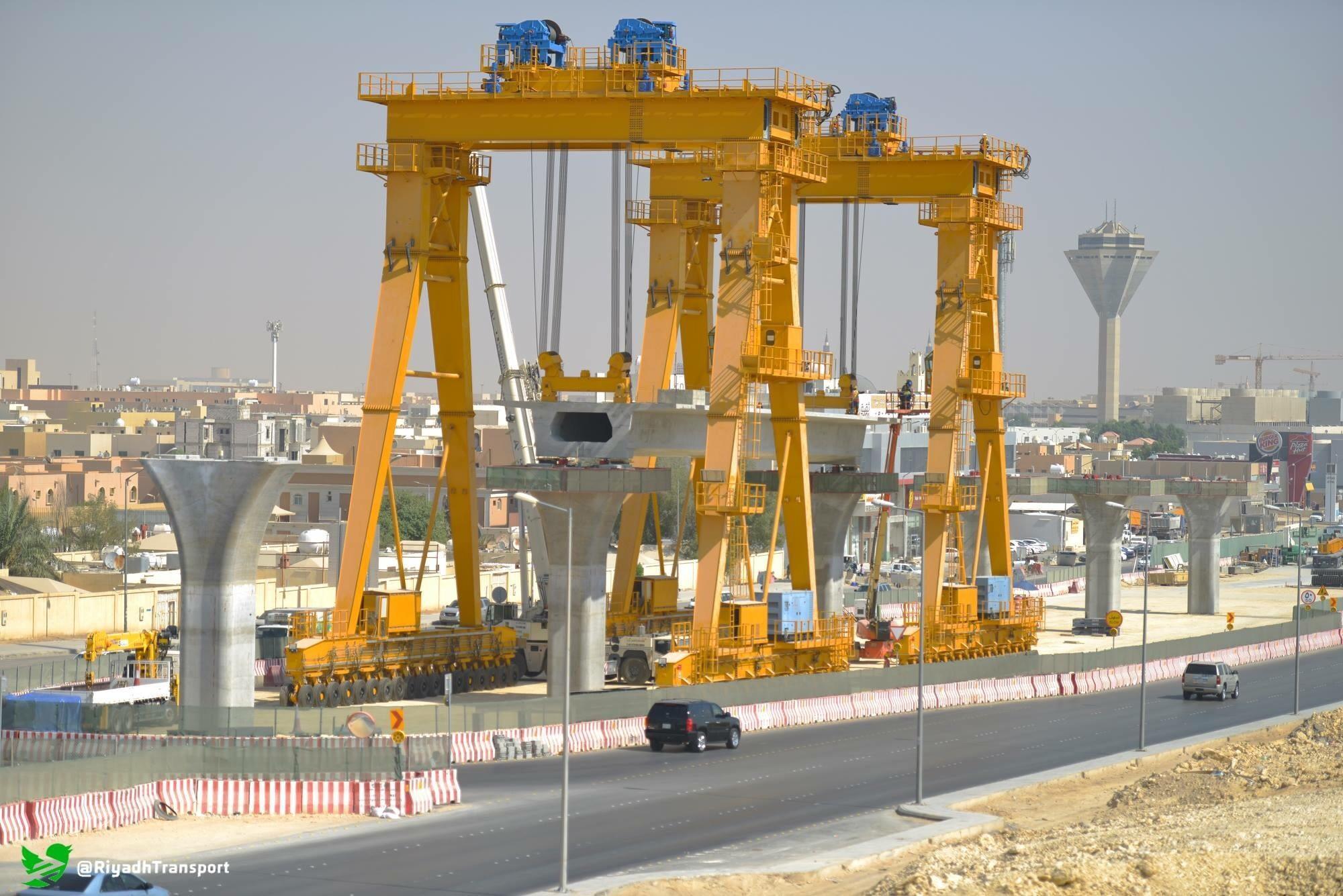
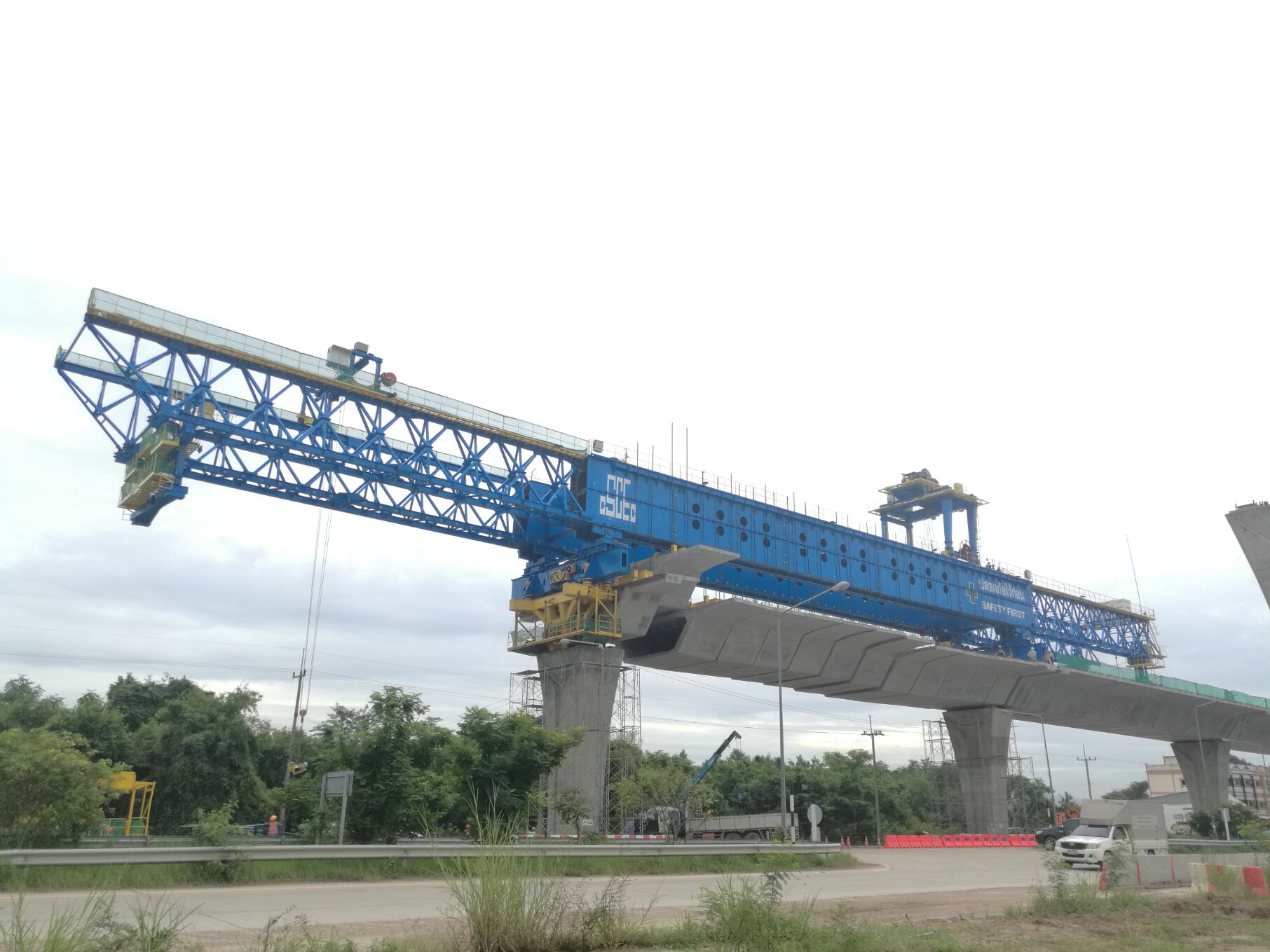
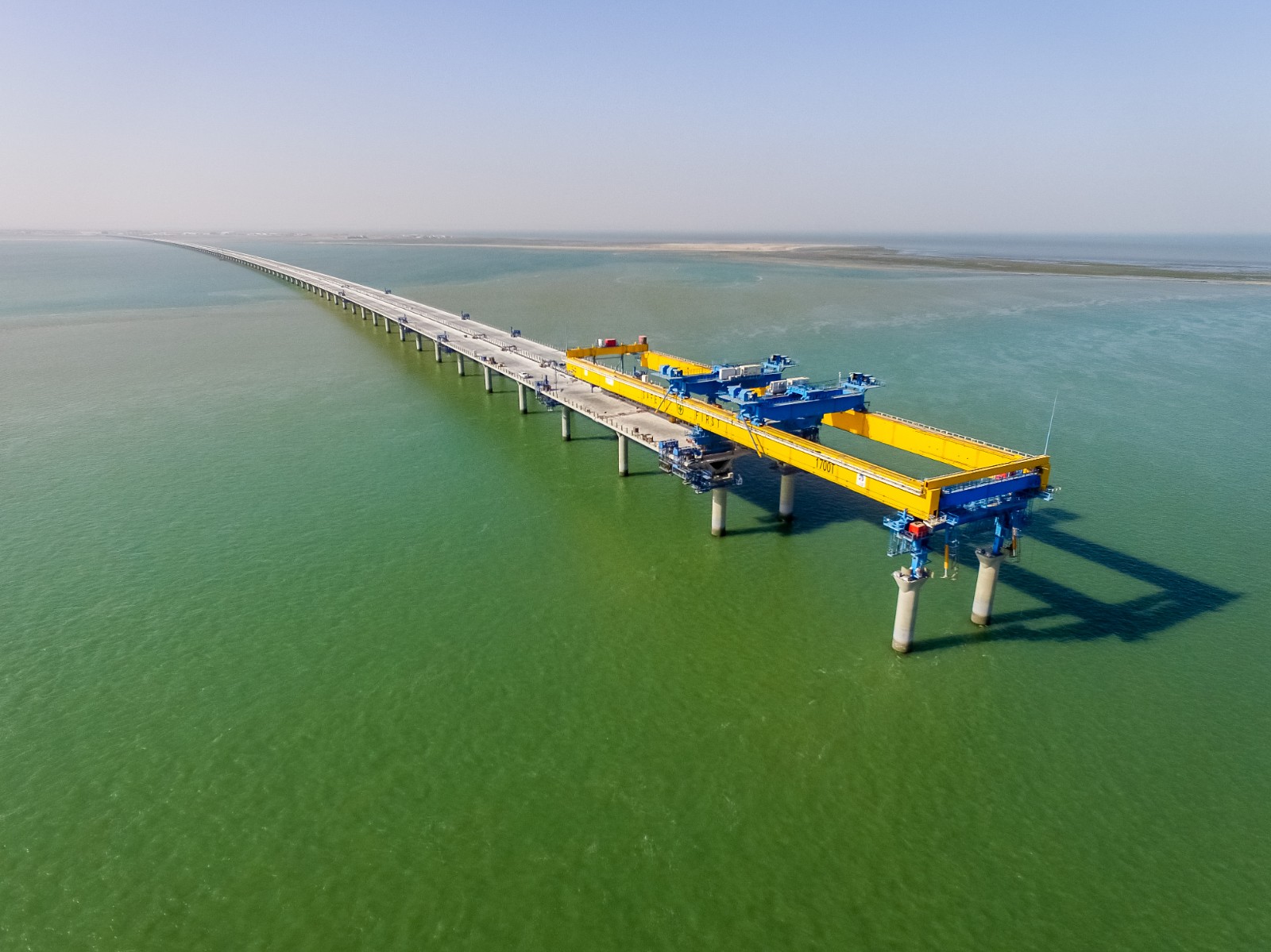
Other Cranes
Source specialized and niche Other Cranes from vetted manufacturers and suppliers in China and Asia. Designed for importers, distributors, and procurement managers buying lifting equipment in bulk, our network supports custom OEM production, rigorous quality assurance, and reliable wholesale fulfillment for all industrial applications.
Sourcing specialized lifting equipment outside standard tower or mobile classifications requires strict attention to structural integrity and hydraulic reliability. Whether you are procuring compact spider cranes for tight urban sites, specialized marine deck cranes, or custom industrial lifting rigs, securing a manufacturer capable of meeting stringent global safety standards is critical to your operational uptime.
When dealing with non-standard crane configurations, the sourcing process shifts from buying off-the-shelf models to evaluating a supplier's core engineering capabilities, structural welding quality, and component sourcing.
Defining Specifications for Specialized Cranes
Because "other cranes" encompasses a vast array of niche lifting equipment, your specification sheet must leave zero room for factory interpretation. Manufacturers will often default to lower-tier domestic components to hit a target price unless explicitly instructed otherwise.
Key parameters you must define include:
- Safe Working Load (SWL) & Load Charts: Specify capacity at minimum and maximum working radii. Ensure the factory provides verified load charts, not theoretical calculations.
- Structural Steel Grade: High-stress components (booms, outriggers, pedestals) must utilize high-tensile steel. Specify grades like Q690, Q960, or equivalent high-yield structural steels, rather than standard Q345.
- Hydraulic Systems: The reliability of a crane is dictated by its hydraulics. Specify the origin of main pumps, proportional valves, and load-holding (counterbalance) valves. European or top-tier Japanese hydraulic components are highly recommended for export markets.
- Safety Devices: Specify the inclusion of Safe Load Indicators (SLI), moment limiters, anti-two-block systems, and emergency stop overrides.
Sourcing specialized lifting equipment requires deep technical vetting. Let Merhein evaluate and qualify manufacturers for your specific crane requirements.
Talk to our teamManufacturing Quality and Factory Vetting
The primary risk when sourcing specialized cranes in Asia is partnering with an assembly workshop rather than a true manufacturer. Many suppliers buy pre-fabricated booms and sub-standard hydraulic kits, assembling them without proper engineering oversight or testing facilities.
Verifying a supplier's capability requires comprehensive Factory Audits focusing on their fabrication and testing infrastructure.
Critical Factory Evaluation Points
- In-house welding capabilities and documented Non-Destructive Testing (NDT) procedures (ultrasonic or X-ray) for structural welds.
- Dedicated hydraulic clean rooms for hose assembly and valve integration to prevent system contamination.
- Availability of a physical test yard with certified test weights for dynamic and static load testing.
- Traceability of raw materials, specifically mill test certificates for high-tensile boom steel.
- Engineering team size and capability to modify designs for specific OEM/ODM requirements.
If the factory cannot provide documented proof of dynamic load testing (typically performed at 110 percent of SWL) and static testing (at 125 percent of SWL), they are not equipped to export heavy lifting machinery. Implementing rigorous Quality Control & Inspection protocols before the crane is painted and packed is essential to catch structural defects.
Pricing, MOQs, and Logistics
Pricing for specialized cranes fluctuates heavily based on the hydraulic component brands selected and the current cost of high-yield steel.
Shipping and Freight Challenges
Transporting cranes is rarely a standard container job. Depending on the dimensions and weight, specialized cranes often require Out of Gauge (OOG) shipping solutions. Compact models might fit into a standard 40ft High Cube container, but larger industrial or pedestal cranes frequently require Flat Rack or Open Top containers, or even Breakbulk shipping. Coordinating this requires precise Shipping & Freight management to avoid exorbitant port fees and ensure the equipment is properly lashed and protected against saltwater corrosion during transit.
Need to streamline your heavy machinery supply chain? Contact us to discuss pricing, lead times, and shipping logistics.
Get a free consultationFrequently Asked Questions
Sourcing specialized cranes demands a rigorous approach to engineering validation and supplier qualification. By enforcing strict component specifications and demanding verifiable load testing, you can secure high-performance lifting equipment that meets your market's safety standards while maintaining strong commercial margins.
Get Sourcing Help for Other Cranes
Tell us your requirements and our experts will connect you with verified manufacturers.