Industrial Robots and Parts
Source Industrial Robots and Parts from vetted manufacturers and wholesale suppliers across Asia. Built for distributors, system integrators, and procurement teams, our network delivers reliable robotic arms, controllers, and precision components for bulk import or custom OEM production.
Sourcing industrial robots and core components requires navigating a complex ecosystem of specialized manufacturers. Whether you are procuring articulated arms for system integration or sourcing high-precision reducers and servomotors for OEM equipment, the difference between a reliable industrial asset and a costly liability lies in strict supplier vetting and component-level quality control.
Specifying Core Robotics Components
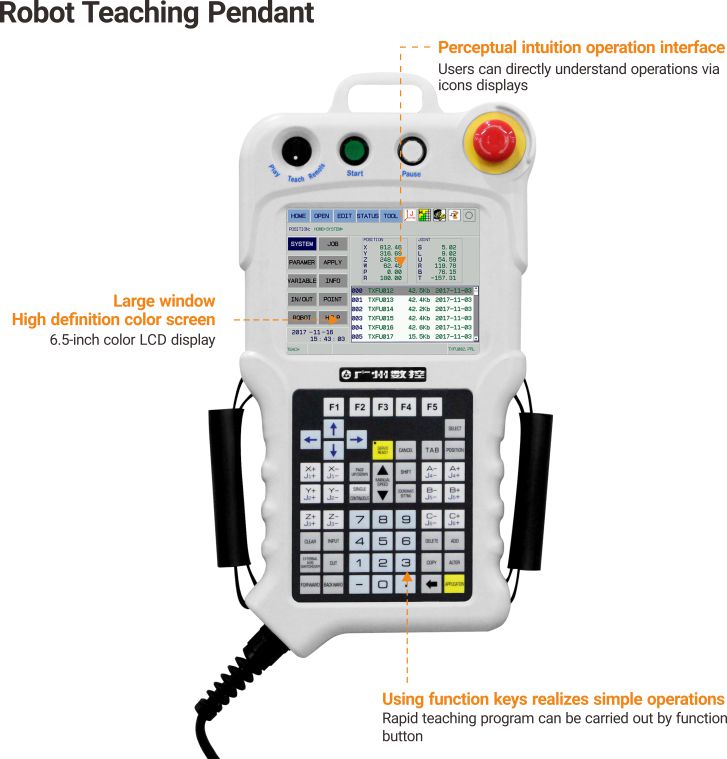
When dealing with Asian manufacturers, it is critical to distinguish between full-system assemblers and component-level factories. The lifecycle and precision of an industrial robot rely almost entirely on three core parts: the controller, the servomotor, and the precision reducer.
For buyers procuring individual parts for manufacturing or maintenance networks, understanding the factory's machining capabilities is paramount. Precision reducers, which account for up to a third of a robot's total cost, require exceptional metallurgy and gear-cutting tolerances.
| Component Type | Typical Application | Key Specification Focus |
|---|---|---|
| Harmonic Reducers | Light payload (SCARA, Cobots) | Zero backlash, high precision torque transfer |
| RV Reducers | Heavy payload (Articulated arms) | High rigidity, impact resistance, heavy load bearing |
| AC Servomotors | All multi-axis systems | Encoder resolution, thermal dissipation, torque density |
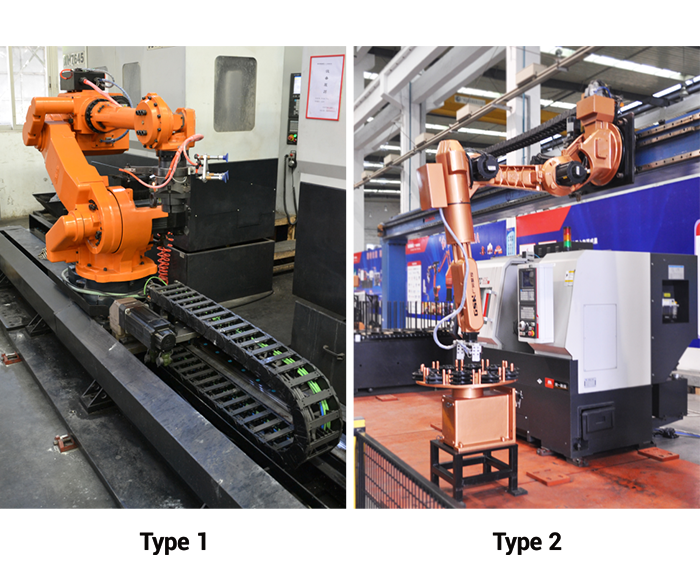
When specifying full robotic arms, buyers must define the payload capacity (in kilograms), maximum reach (in millimeters), degrees of freedom (typically 4 to 6 axes), and repeatability (often ±0.02mm to ±0.05mm). Failing to clearly define the continuous operating environment—such as ambient temperature or exposure to cutting fluids—can lead to premature servomotor burnout or seal degradation.
Ensure your robotics supply chain meets strict industrial tolerances from day one.
Talk to our teamQuality Control and Factory Validation
China's robotics manufacturing hubs, primarily clustered in Shenzhen, Suzhou, and Shanghai, offer varying tiers of quality. Verifying a supplier's machining capabilities is essential before committing to a bulk order or initiating custom production. A comprehensive factory audit should assess their CNC machining tolerances, assembly environment standards, and in-house testing equipment.
Many suppliers claim high repeatability, but these claims must be verified through rigorous pre-shipment quality control and inspection.
Critical Pre-Shipment Inspection Points
- Laser tracker verification to confirm stated ±mm repeatability
- Endurance testing at maximum payload capacity for 48 to 72 hours
- Thermal profiling of servomotors and reducers under continuous load
- Verification of ISO 10218 safety compliance and CE/UL markings
- Software and controller stress-testing to ensure zero communication latency
MOQs, Lead Times, and Pricing Dynamics
The robotics supply chain operates on distinct procurement models depending on whether you are buying complete automation systems or bulk individual parts.
Pricing for industrial robots is heavily driven by the origin of the internal components. A robotic arm utilizing domestic Chinese reducers and motors will cost significantly less than one built with imported Japanese or European internals. When running a product sourcing campaign, clarify exactly which brand of internal components the factory intends to use. "Equivalent to" often means a domestic alternative that, while cost-effective, requires rigorous lifecycle testing to ensure it meets your performance baseline.
Navigate component origins, pricing, and factory negotiations with local experts.
Get a free consultationFrequently Asked Questions
Procuring industrial robots and precision parts at scale requires technical rigor and a deep understanding of the manufacturing ecosystem. By enforcing strict tolerances, validating component origins, and maintaining oversight on the factory floor, you can secure high-performance automation equipment that drives real operational value.
Get Sourcing Help for Industrial Robots and Parts
Tell us your requirements and our experts will connect you with verified manufacturers.