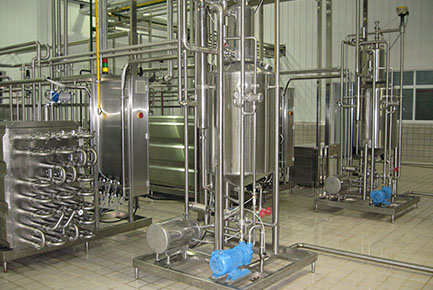
Dairy Processing Machines
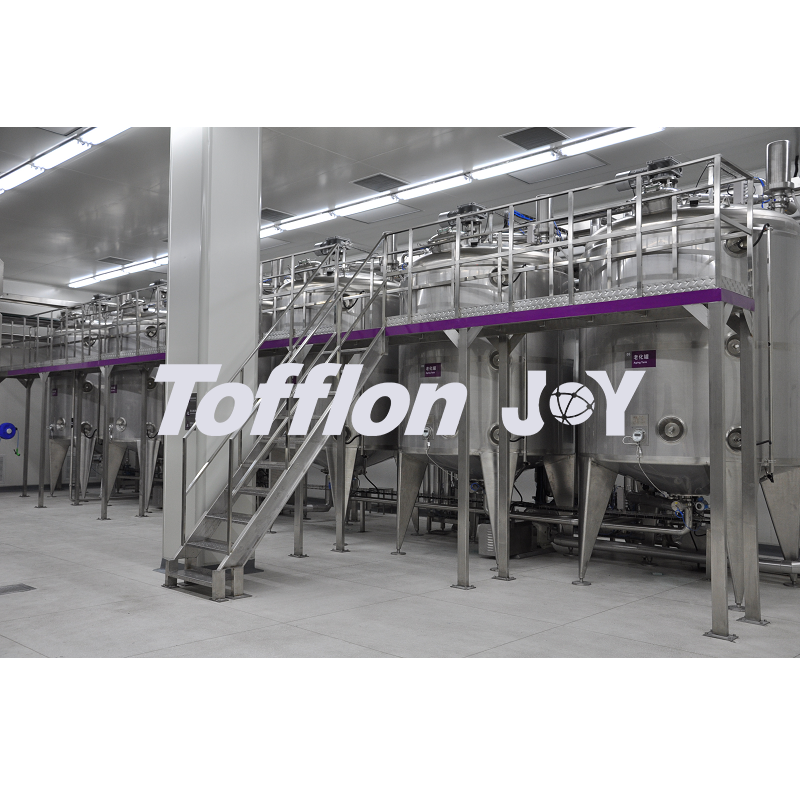
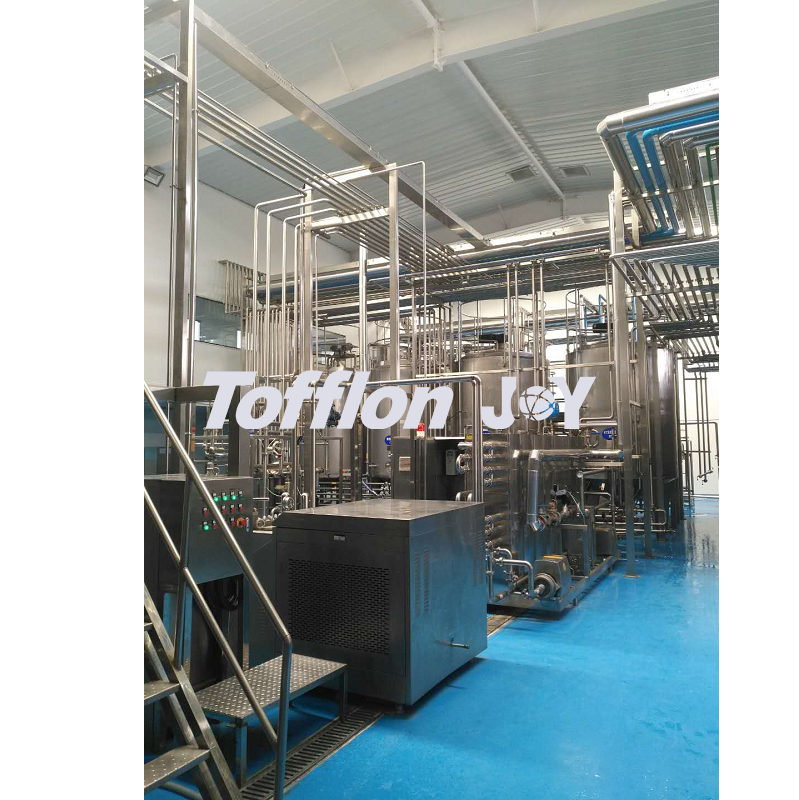
Source commercial-grade dairy processing machines from vetted suppliers and manufacturers across Asia. Designed for importers, distributors, and food-tech brands, our wholesale network provides reliable equipment for scaling production. Procure high-capacity, sanitary-grade machinery with confidence.
Sourcing industrial dairy processing machines requires navigating strict sanitary requirements, complex system integration, and precise metallurgical standards. For bulk buyers and procurement teams, the challenge isn't just finding a factory that can fabricate stainless steel; it's identifying manufacturers capable of producing equipment that withstands aggressive CIP (Clean-in-Place) and SIP (Sterilize-in-Place) cycles while meeting international food safety regulations.
Critical Specifications and Sanitary Standards
When procuring dairy machinery—whether pasteurizers, homogenizers, or complete UHT lines—the margin for error in material specification is zero. Micro-fissures or improper welds can harbor bacteria, leading to entire batch spoilage and severe regulatory consequences.
Buyers must explicitly define the material grades and surface finish requirements in their RFQs. Standard industrial stainless steel is insufficient for product-contact areas.
| Material Grade | Corrosion Resistance | Typical Dairy Application |
|---|---|---|
| SUS304 | Standard sanitary | Raw milk storage, external cladding, non-acidic processing |
| SUS316L | High (Chloride resistant) | Pasteurizers, cheese vats, CIP systems, high-temperature zones |
| Duplex Stainless | Extreme | High-stress separator bowls, specialized high-pressure pumps |
Beyond the alloy itself, surface roughness (Ra) dictates cleanability. For standard dairy processing, product-contact surfaces must typically be polished to an Ra of under 0.8 micrometers. For aseptic or highly sensitive processes, an Ra of under 0.4 micrometers, often achieved via electropolishing, is required.
Navigating strict sanitary standards and complex equipment integration? Let our engineering team help you vet the right manufacturing partner.
Talk to our teamEvaluating Factory Capabilities
Not all stainless steel fabricators are equipped to build dairy machinery. The manufacturing process requires specialized tooling and clean-room environments to prevent cross-contamination with carbon steel during fabrication.
The Risk of Iron Contamination
If a factory uses the same grinding tools for carbon steel and stainless steel, embedded iron particles will cause the stainless steel to rust prematurely, even if it is high-grade SUS316L.
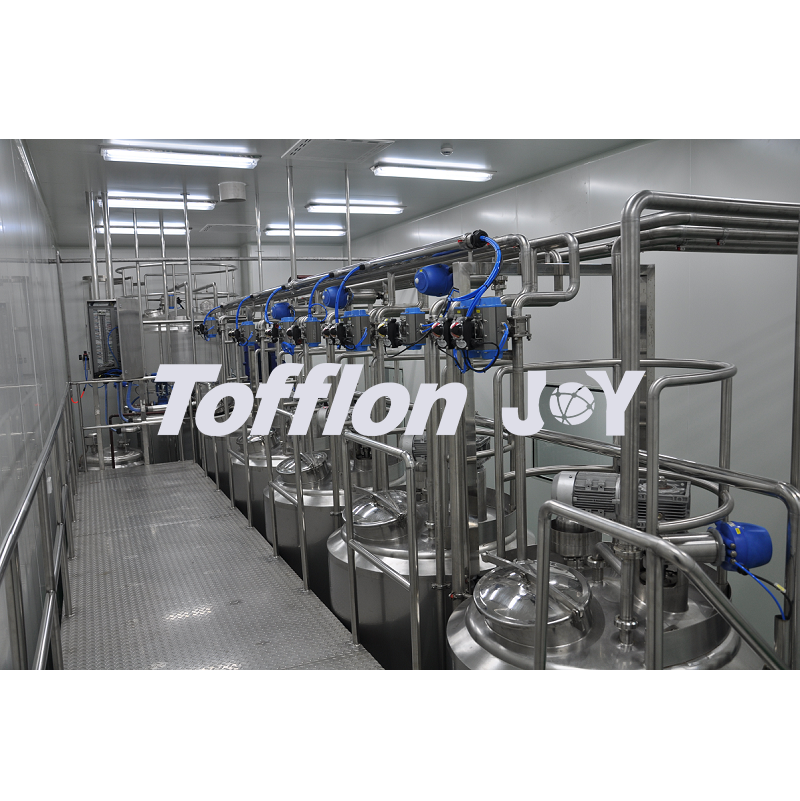
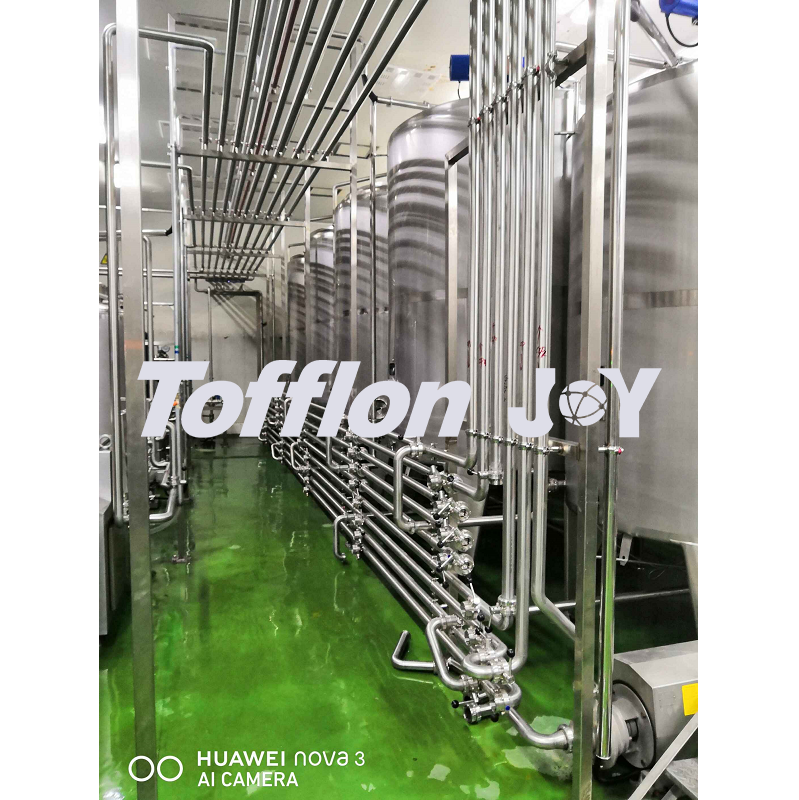
When evaluating suppliers, pay close attention to their welding technology. Sanitary piping and vessels require TIG (Tungsten Inert Gas) welding with argon back-purging to ensure a smooth, oxidation-free internal weld root. Advanced manufacturers utilize automated orbital welding for consistent, defect-free pipe joints. Conducting rigorous factory audits is essential to verify these capabilities before placing a deposit.
Quality Control and Factory Acceptance Testing (FAT)
Quality control for heavy machinery cannot wait until the container arrives. Comprehensive quality control and inspection protocols must be executed on the factory floor.
The most critical phase is the Factory Acceptance Test (FAT). A proper FAT for dairy equipment should include:
- Hydrostatic Pressure Testing: Verifying the integrity of jackets and pressure vessels.
- Riboflavin (Vitamin B2) Testing: Spraying the internal surfaces with a fluorescent solution and running a CIP cycle to ensure there are no dead legs or uncleanable shadow zones.
- Electrical and PLC Verification: Ensuring control panels (often specified with international brands like Siemens, Allen-Bradley, or Schneider) function correctly at the destination country's voltage and frequency (e.g., 60Hz for North America).
Pricing, Lead Times, and Procurement Logistics
Procuring dairy processing lines is a capital-intensive process with extended timelines. Because these machines are highly customized to your specific capacity requirements (measured in Liters Per Hour or LPH) and factory layout, off-the-shelf inventory is rare.
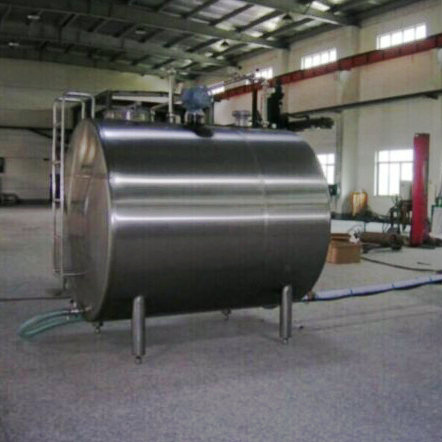
Logistics represent a significant portion of the landed cost. Large holding tanks, spray dryers, and pasteurization skids often require specialized transport, such as flat rack containers or break-bulk shipping. Coordinating oversized shipping and freight demands precise planning to avoid costly port storage fees and ensure safe offloading at your facility.
Need reliable landed cost estimates and lead-time projections for your next major equipment purchase?
Get a free consultationFrequently Asked Questions
Successful procurement of dairy processing equipment relies entirely on upfront specification and relentless quality verification at the source. By defining material grades, mandating specific welding standards, and executing a rigorous FAT, buyers can secure high-performance machinery that scales their production safely and efficiently.
Get Sourcing Help for Dairy Processing Machines
Tell us your requirements and our experts will connect you with verified manufacturers.