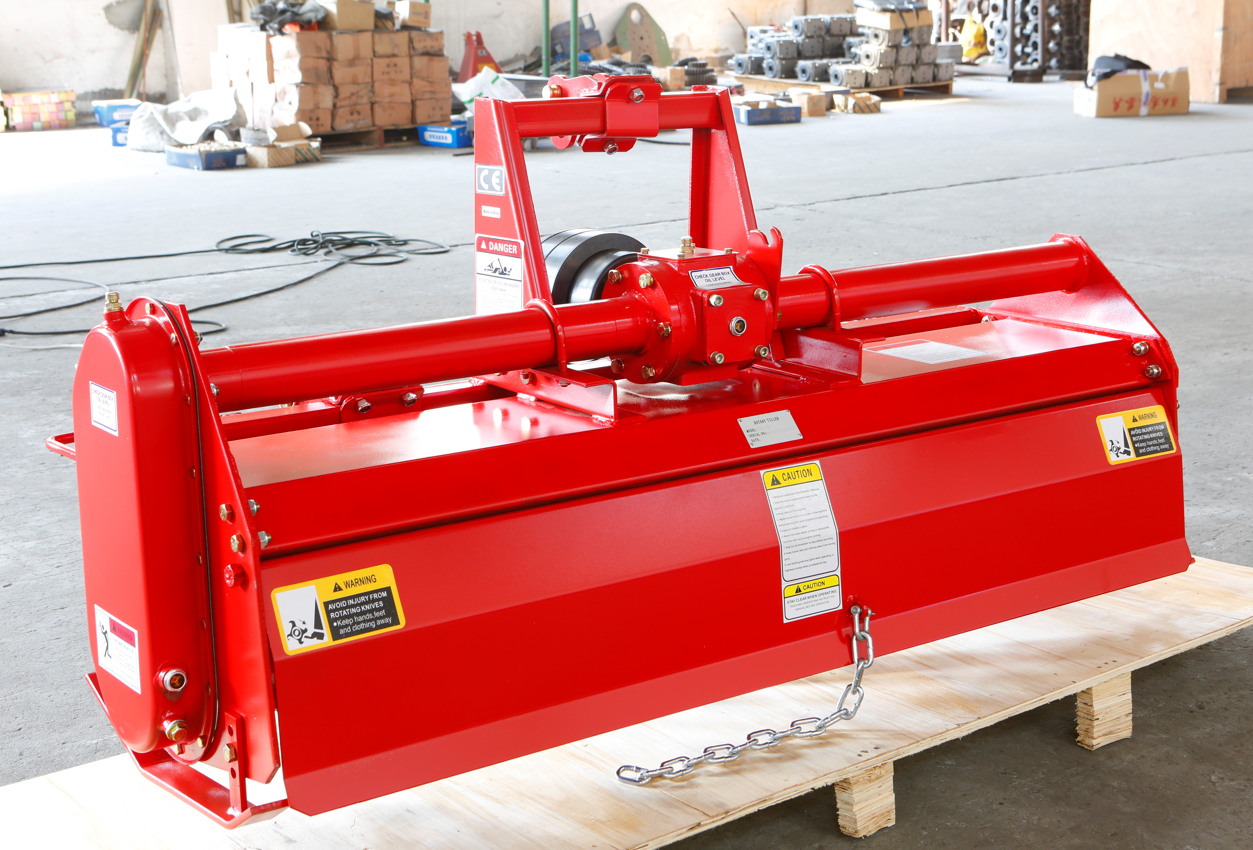
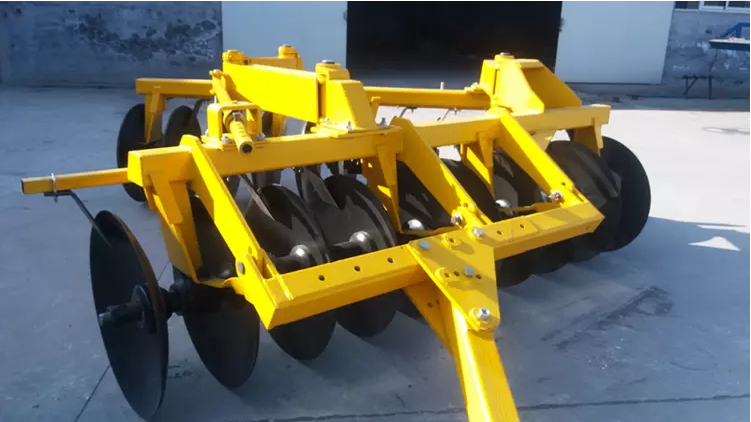
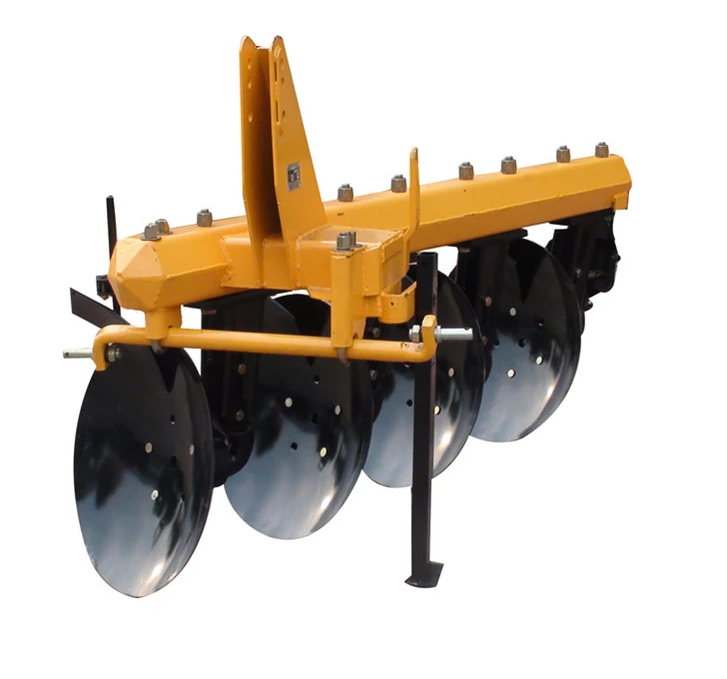
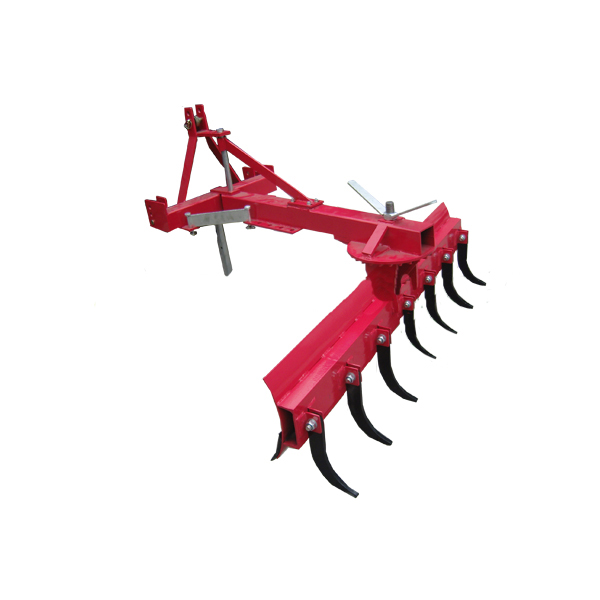
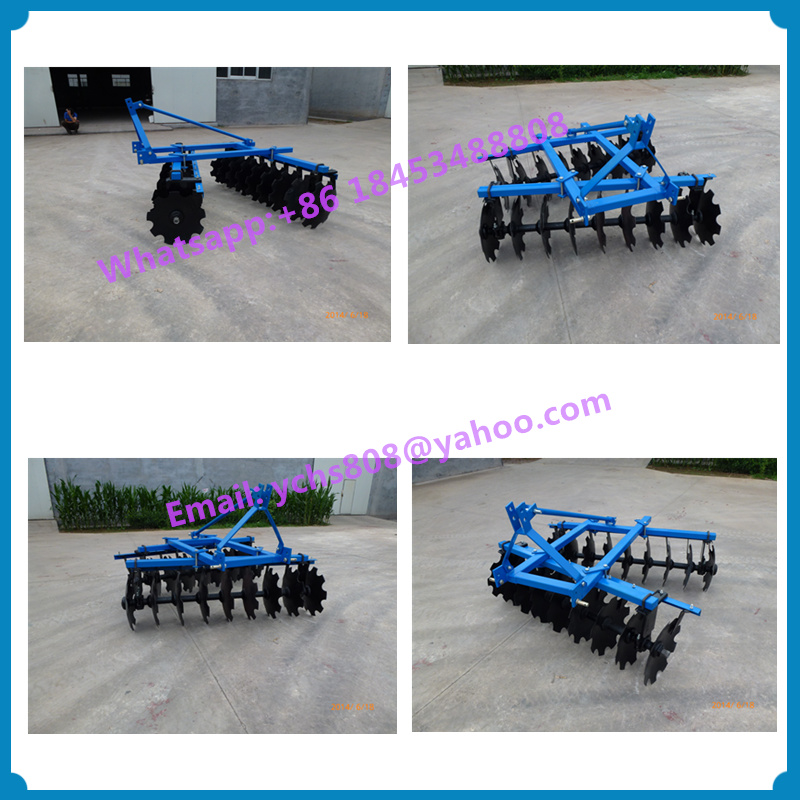
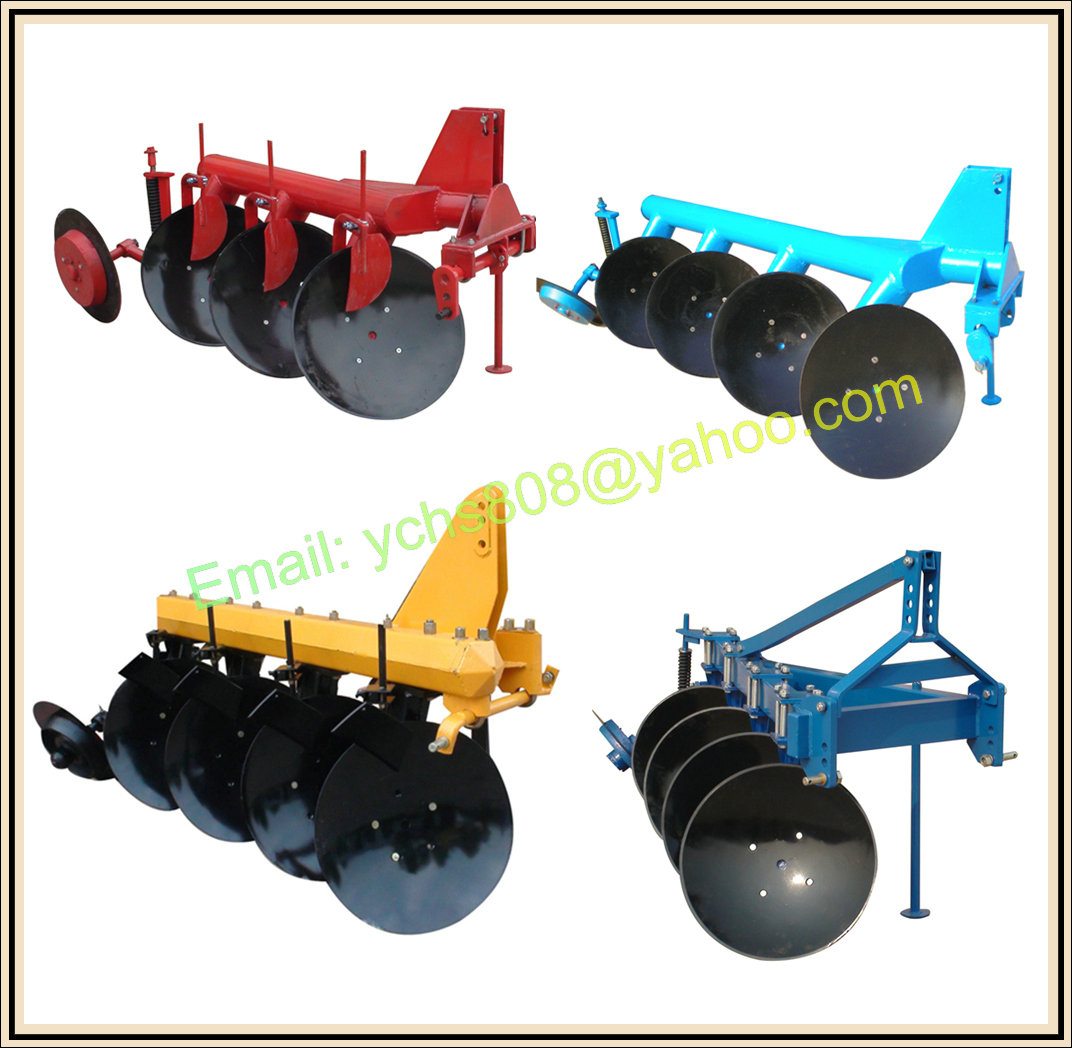
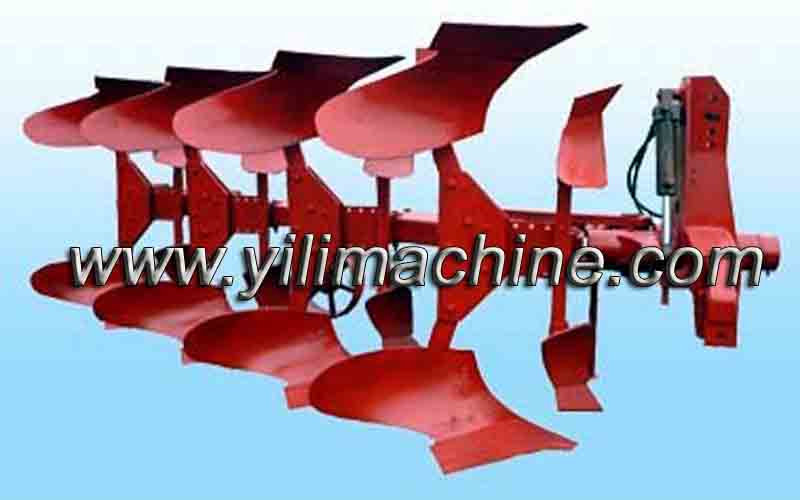
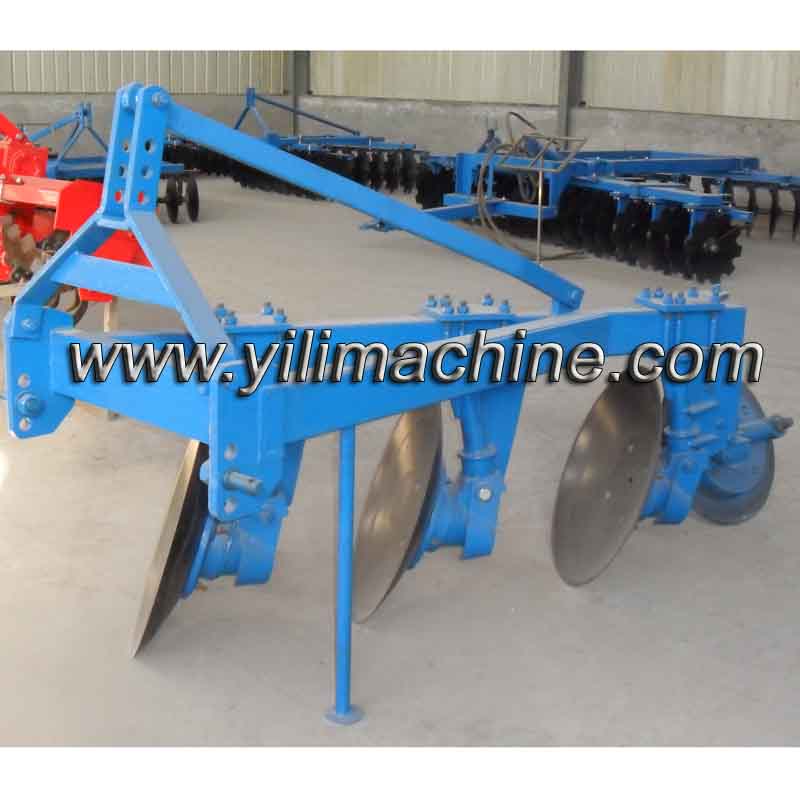
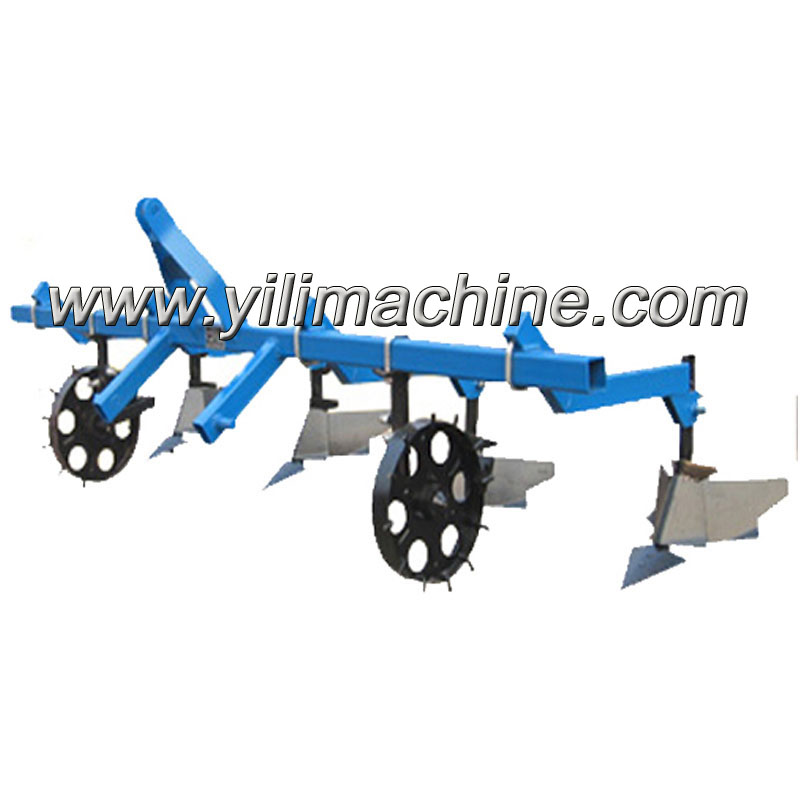
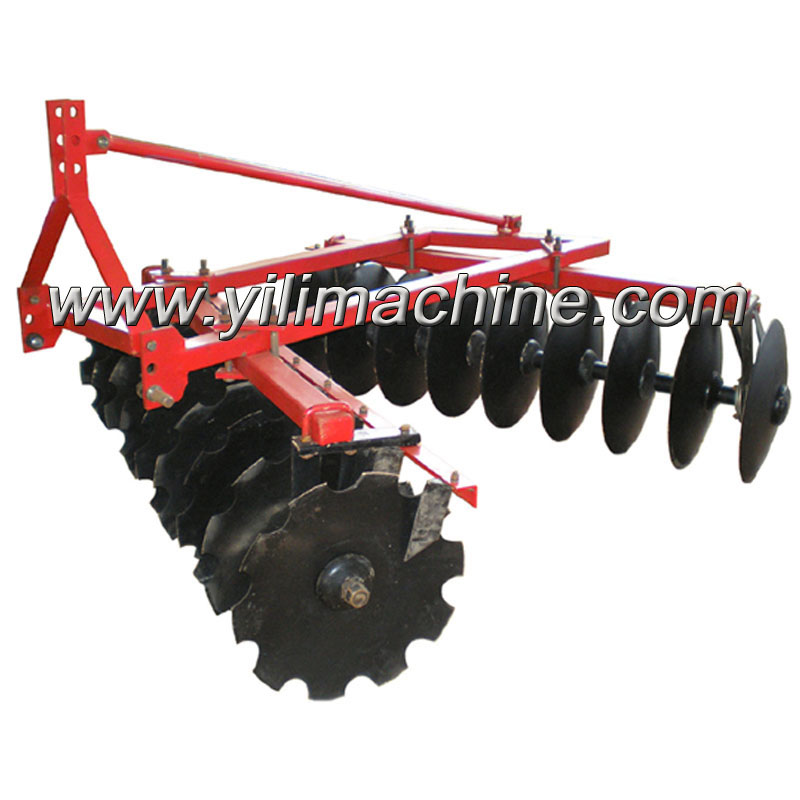
Cultivators
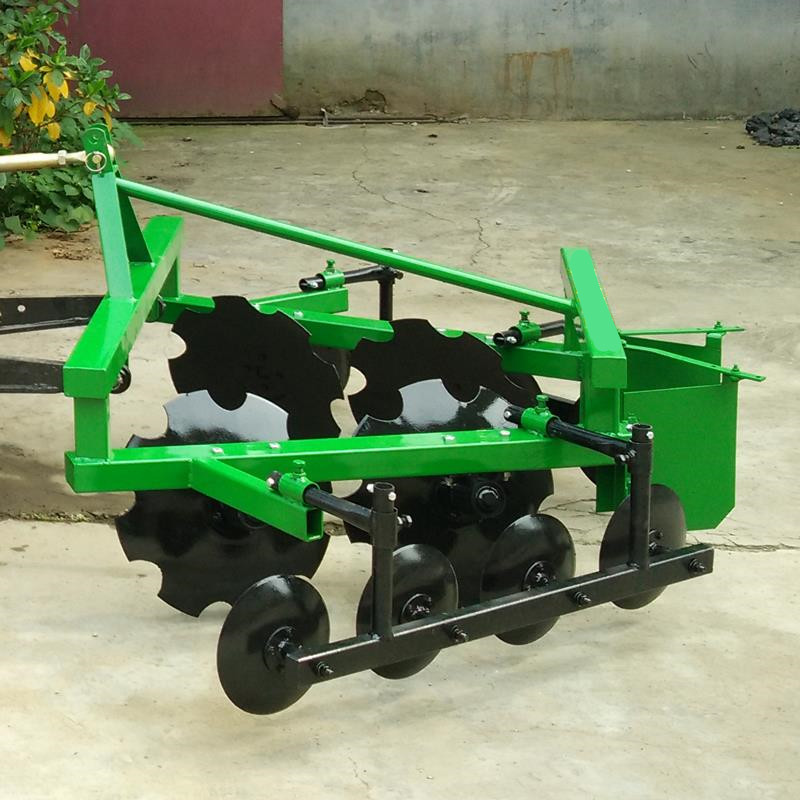
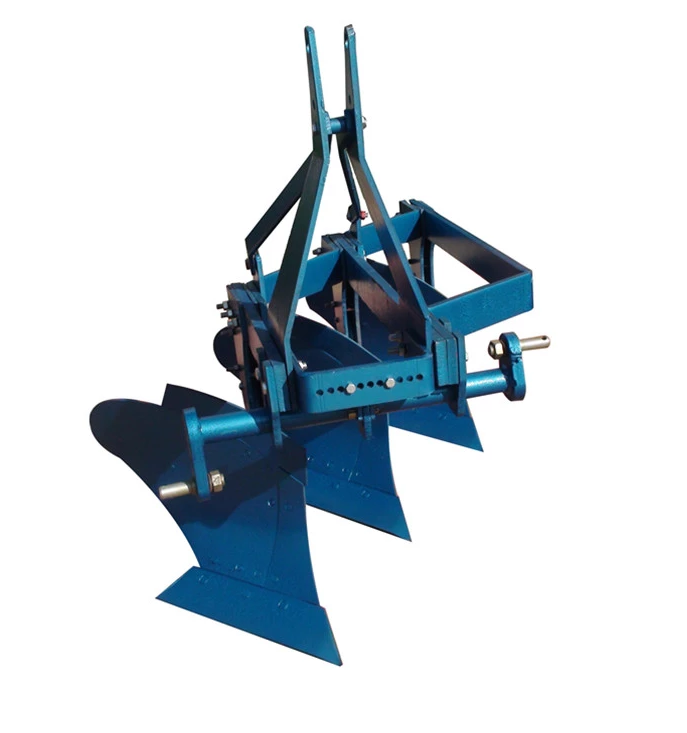
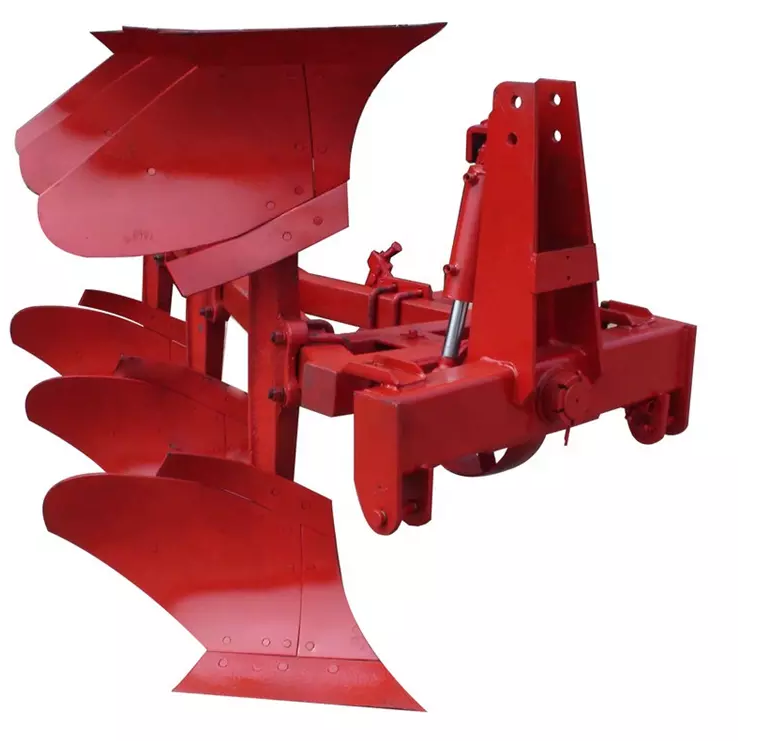
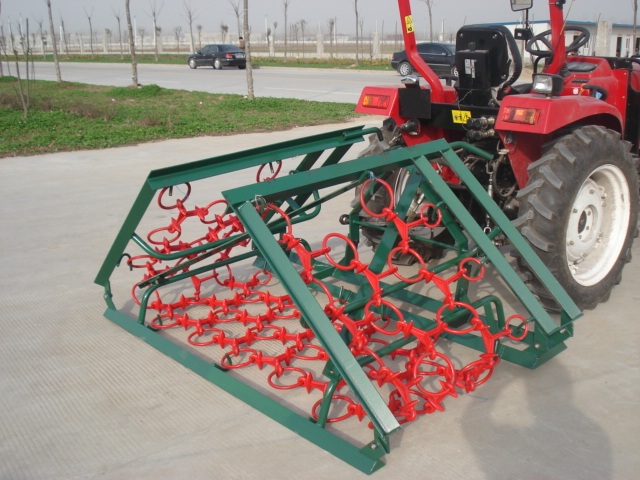
Source commercial-grade cultivators from vetted manufacturers and suppliers in Asia. Designed for agricultural machinery importers, wholesale distributors, and brands seeking reliable OEM or private-label production. Secure competitive bulk pricing on equipment built for demanding field conditions.
Sourcing agricultural cultivators at scale requires balancing heavy-duty durability with cost-efficient manufacturing. Whether you are importing standard field cultivators or developing a custom implement line, success depends on verifying a factory’s metallurgical competence and structural fabrication standards. Ground-engaging equipment takes immense abuse, and a failure in weld integrity or improper heat treatment of wear parts will immediately damage your brand's reputation in the field.
Critical Specifications and Materials
When negotiating with agricultural machinery manufacturers, precise material specification is non-negotiable. The difference between a cultivator that lasts a decade and one that bends in the first season comes down to steel grades and structural design.
- Frame Construction: The main toolbar and frame should utilize high-yield structural steel. While Q235 (mild steel) is common in budget models, Q345 or equivalent high-tensile steel is necessary for heavy-duty applications to prevent frame twisting under high draft loads.
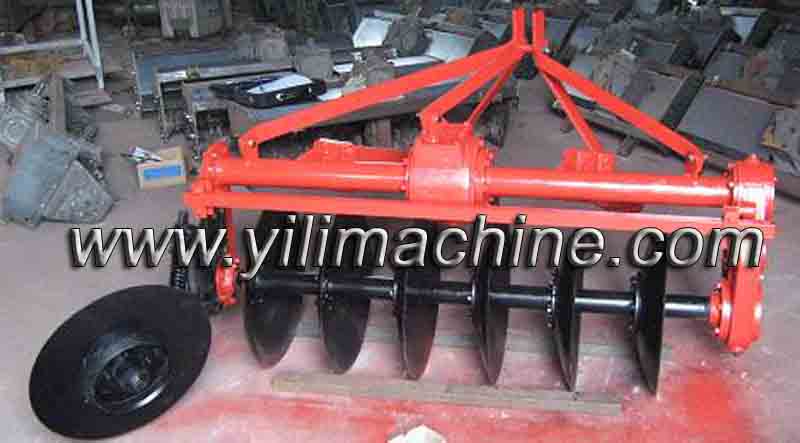
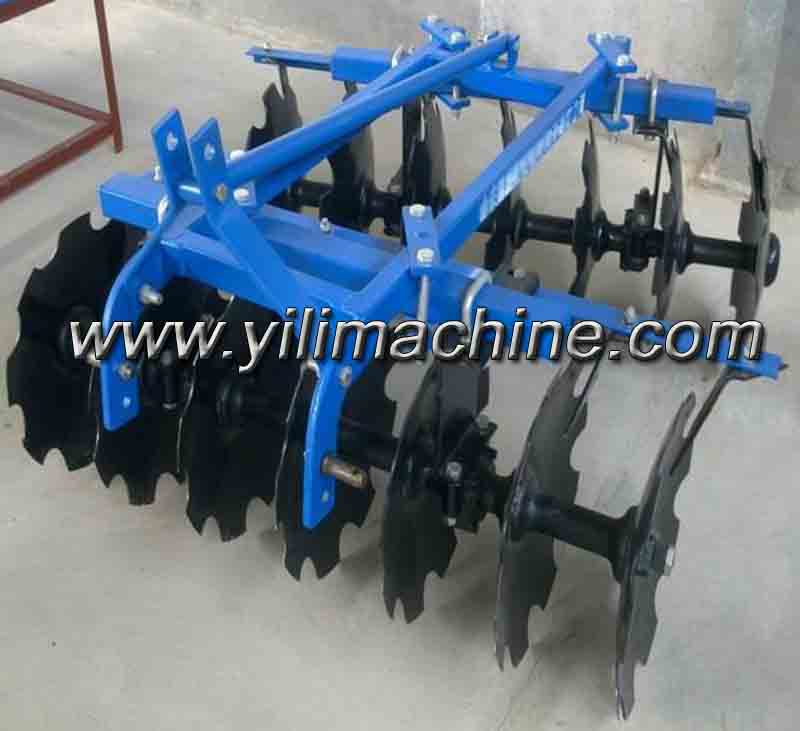
- Ground-Engaging Parts: Shovels, sweeps, and tines (whether rigid, S-tine, or C-shank) require excellent wear resistance and elasticity. Boron steel or 65Mn (manganese steel) are the industry standards.
- Linkage Standards: Ensure the 3-point hitch dimensions strictly adhere to ISO 730 standards for Category 1, 2, or 3 hitches, ensuring compatibility with your target market's tractor fleet.
| Component | Standard Duty | Heavy Duty / Commercial |
|---|---|---|
| Main Frame Steel | Q235 (Mild Steel) | Q345 (High-Tensile Steel) |
| Tine/Shank Material | Carbon Steel (Spring) | Heat-Treated Boron / 65Mn |
| Surface Finish | Liquid Paint | Powder Coated (UV Resistant) |
| Wear Part Hardness | HRC 38-42 | HRC 45-52 |
Need to source cultivators built to exact regional specifications? Our engineering and sourcing teams can match you with capable manufacturers.
Discuss Your Sourcing NeedsManufacturing Processes and Quality Control
A factory's assembly line reveals its true capability. The most critical manufacturing step for cultivators is welding. Inconsistent manual welding leads to stress fractures in the field. Leading factories utilize robotic welding for main frame components to ensure consistent penetration and bead quality.
Furthermore, the heat treatment process for ground-engaging parts must be strictly controlled. If tines are too brittle, they snap on rocks; if too soft, they wear out prematurely. Implementing rigorous Quality Control & Inspection protocols before shipment is vital to verify these parameters.
Pre-Shipment Inspection Points for Cultivators
- Dimensional check of 3-point hitch pins and spacing against ISO standards.
- Visual and ultrasonic inspection of critical frame welds for porosity or lack of penetration.
- Hardness testing (Rockwell HRC) of a sample batch of sweeps and tines.
- Adhesion and thickness testing of powder coating to ensure rust resistance.
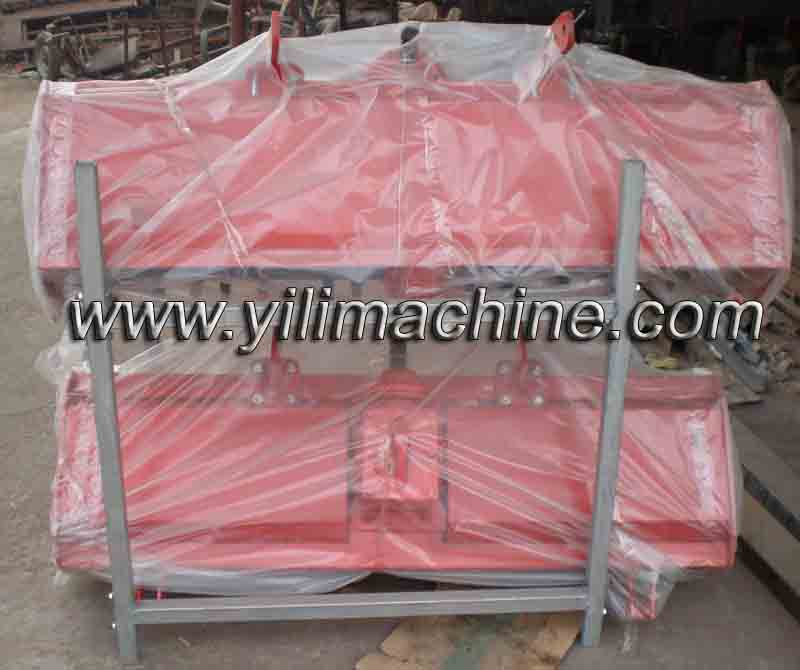
- Verification of packing methods (SKD) to prevent transit damage.
If you are developing a proprietary implement line, utilizing OEM/ODM Services allows you to customize shank spacing, working widths, and folding mechanisms. However, before investing in tooling, conducting comprehensive Factory Audits is highly recommended to verify the supplier's in-house machining and heat-treatment capabilities.
Pricing, MOQs, and Logistics
Purchasing heavy agricultural machinery involves significant capital and logistical planning. Because cultivators are bulky, shipping them fully assembled is economically unviable. They are typically shipped SKD (Semi-Knocked Down), requiring final assembly by the distributor or end-user.
Managing the Shipping & Freight for heavy steel implements requires careful load planning to maximize container space without exceeding weight limits.
Looking to optimize your container loads and reduce landed costs for agricultural machinery? Talk to our supply chain experts.
Get a Freight & Sourcing QuoteFrequently Asked Questions
Sourcing agricultural cultivators successfully requires looking past the glossy catalog photos and digging into the metallurgy, weld quality, and structural engineering of the equipment. By partnering with vetted manufacturers and enforcing strict quality standards, you can build a reliable implement supply chain that stands up to the toughest field conditions.
Get Sourcing Help for Cultivators
Tell us your requirements and our experts will connect you with verified manufacturers.