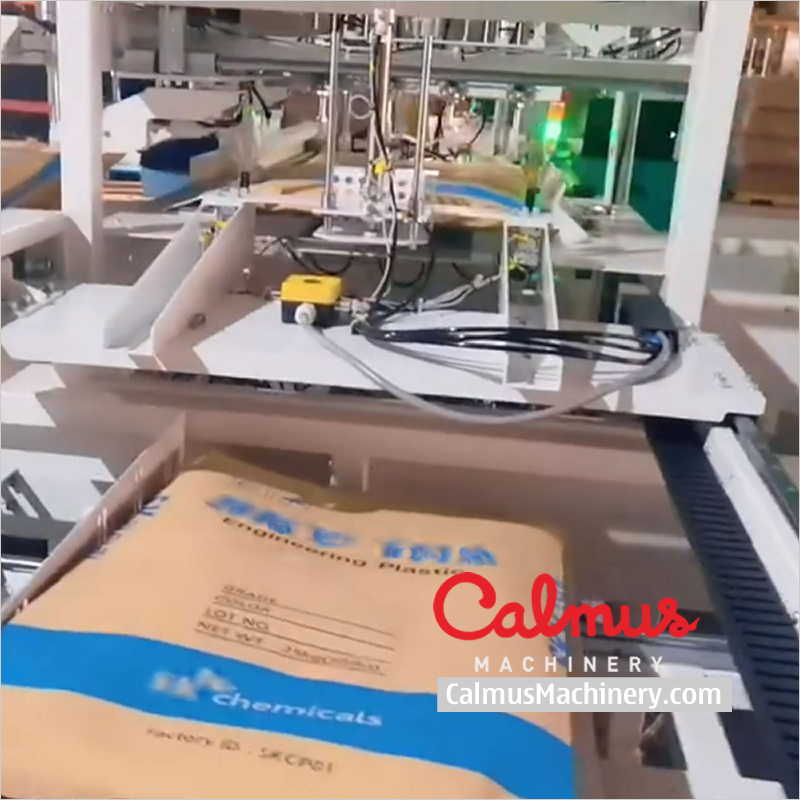
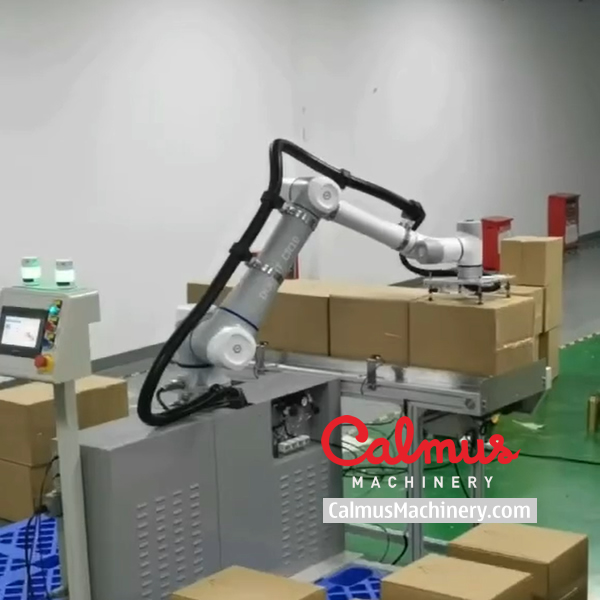
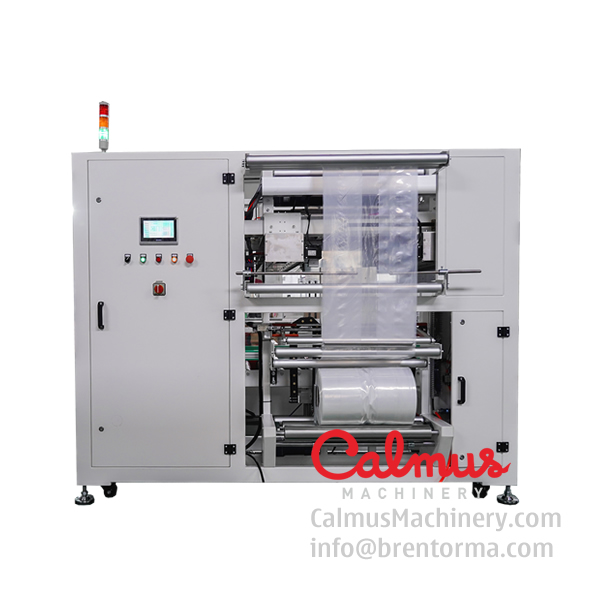
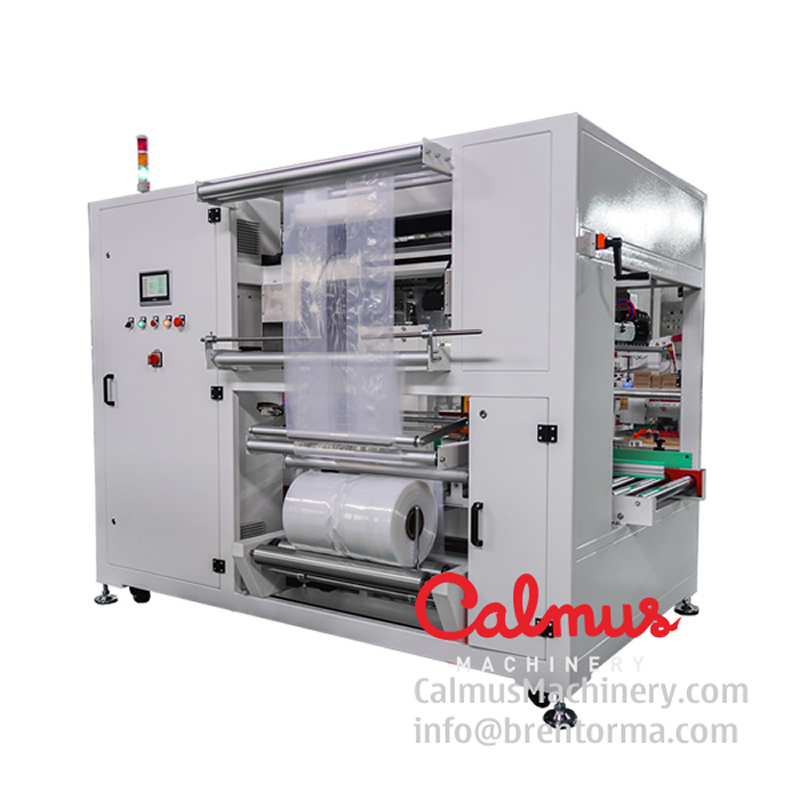
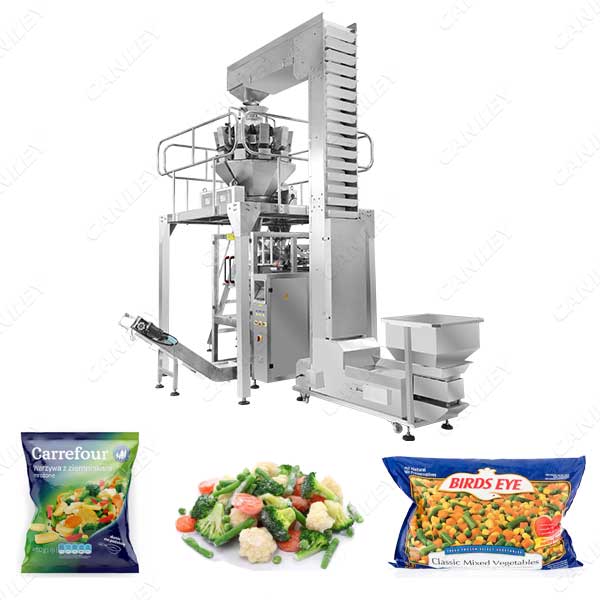
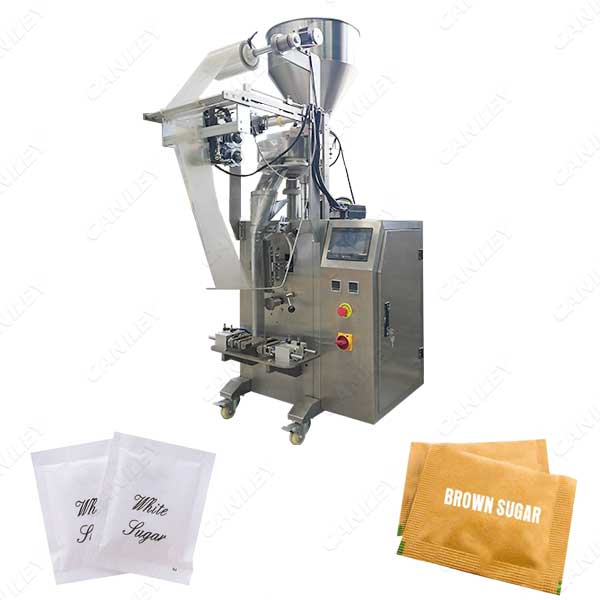
Other Packaging Machine
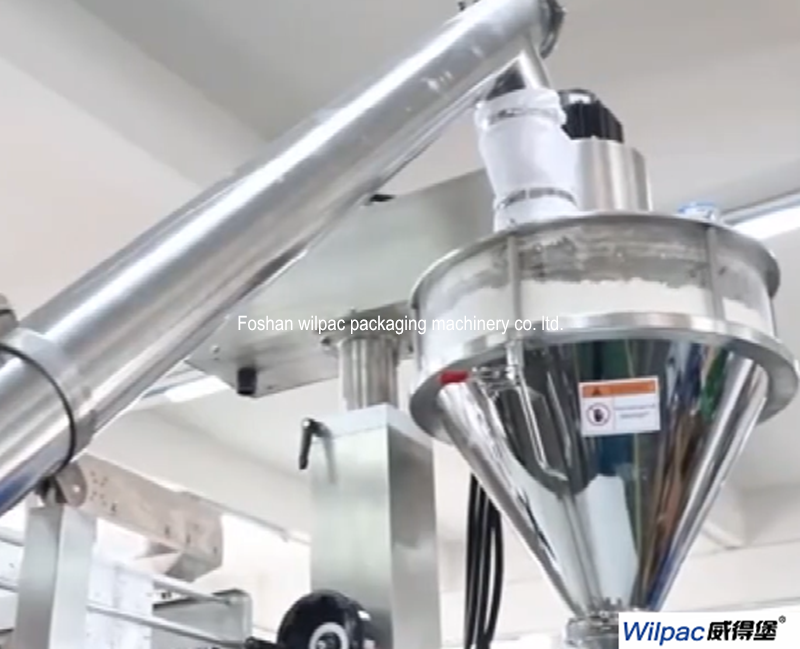
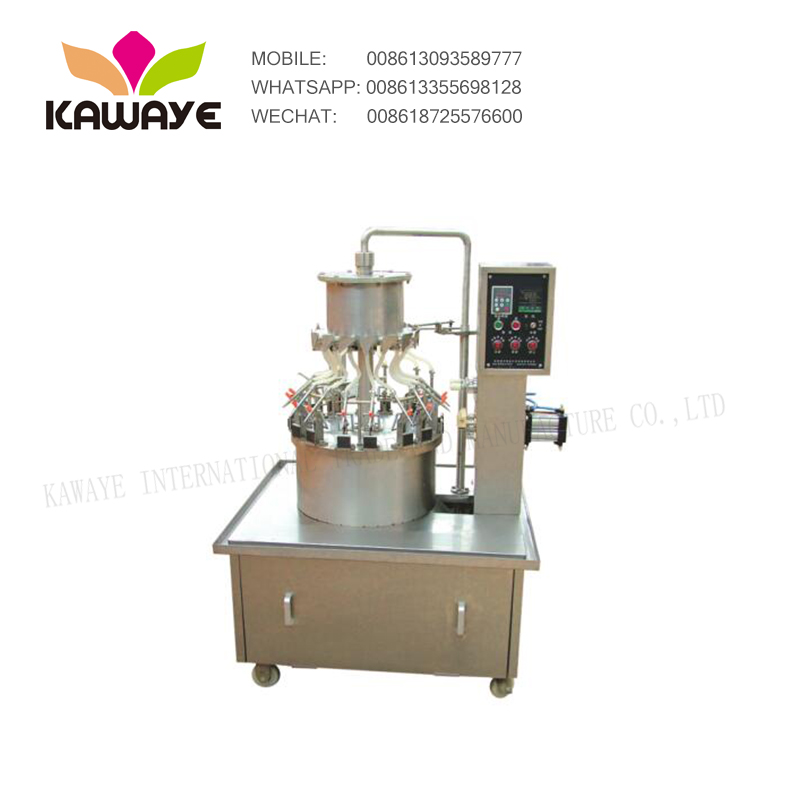
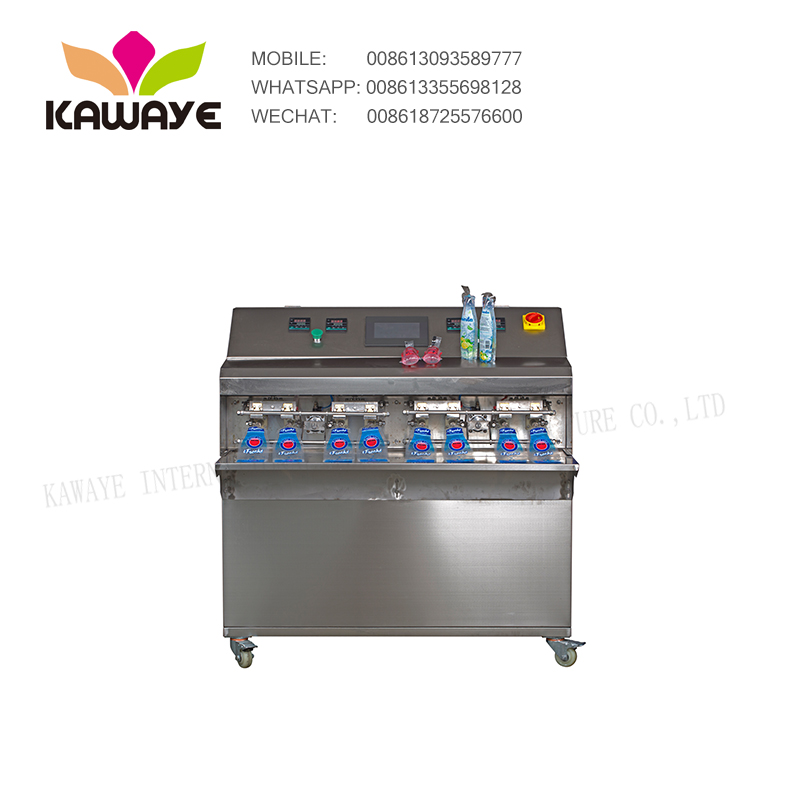
Source specialized Other Packaging Machine units from vetted suppliers and manufacturers across Asia. Designed for importers, industrial distributors, and brands seeking reliable OEM/ODM production, our network provides access to high-performance, custom-configured packaging equipment for your bulk procurement and line integration needs.
Sourcing specialized or non-standard packaging machinery requires exacting precision. When standard filling, capping, or wrapping stations do not fit a unique application, "other" packaging equipment—ranging from custom carton handling units to specialized atmospheric modification systems—must be engineered to integrate seamlessly into existing production lines. The primary sourcing challenge is ensuring that these specialized units meet your specific throughput, footprint, and localized electrical standards without causing line bottlenecks.
Key Specifications for Specialized Packaging Equipment
When dealing with non-standard packaging machinery, generic spec sheets are insufficient. Buyers must clearly define operational parameters to ensure the factory builds a machine capable of continuous industrial use.
Critical Machine Specifications to Define
- Control Systems (PLC & HMI): Specify preferred brands (e.g., Siemens, Allen-Bradley, Mitsubishi) to ensure compatibility with your existing line and local maintenance capabilities.
- Pneumatic & Servo Components: Demand internationally recognized brands (e.g., Festo, SMC) for reliability and ease of replacing wear parts.
- Power Requirements: Explicitly state the required voltage, phase, and frequency (e.g., 480V, 3-Phase, 60Hz for US industrial; 400V, 3-Phase, 50Hz for EU).
- Construction Materials: Specify SUS304 for standard operations or SUS316L for corrosive/washdown environments, including frame thickness.
- Throughput Metrics: Define required output in pieces/cycles per minute (PPM/CPM), accounting for a 15 to 20 percent buffer for peak loads.
Manufacturing Quality and Factory Validation
The quality of specialized packaging machinery is won or lost in the engineering department and the assembly floor. Many suppliers claim the ability to build custom equipment, but lack the in-house CNC machining or electrical engineering expertise required for stable, long-term operation.
Conducting thorough Factory Audits is essential to verify a manufacturer's actual capabilities. Look for clear separation between fabrication and assembly areas, proper grounding protocols during electrical assembly, and a dedicated testing area for Factory Acceptance Testing (FAT).
Counterfeit Components
A common cost-cutting measure among lower-tier machinery suppliers is the use of counterfeit PLCs or pneumatic cylinders. Always require a Bill of Materials (BOM) that lists component origins, and verify these during inspection.
Need to verify a machinery supplier's engineering capabilities? Let our on-the-ground experts evaluate their facility and component supply chain.
Talk to our teamCustomization and Tooling Integration
Because "other" packaging machines often handle unique product shapes or proprietary packaging materials, custom tooling is frequently required. If you are developing a proprietary packaging format, engaging in OEM/ODM Services allows you to work directly with the factory's engineers to design custom change-parts, molds, or gripper arms.
Ensure that the contract stipulates who owns the intellectual property for the custom tooling and mandates that all change-parts are machined to precise tolerances to minimize changeover times on the factory floor.
Pricing, MOQs, and Lead Times
Industrial packaging machinery operates on different procurement fundamentals than consumer goods. MOQs are almost always low, but capital expenditure and lead times require careful supply chain planning.
Pricing is heavily dictated by the origin of the core components. A machine utilizing domestic Chinese PLCs and servos may cost 40 percent less than the exact same frame outfitted with top-tier Japanese or German electronics. Buyers must balance the upfront capital savings against the total cost of ownership, downtime risks, and local availability of spare parts.
Planning a capital equipment purchase? We can help you negotiate favorable payment terms, enforce component BOMs, and manage the FAT process.
Get a free consultationQuality Control and Pre-Shipment Validation
Never allow machinery to ship without a rigorous Quality Control & Inspection process, specifically a comprehensive Factory Acceptance Test (FAT). The FAT must be conducted using your actual packaging materials and products, running at the specified continuous throughput for several hours to identify thermal or mechanical failures.
Dry Run Testing
Operating the machine without product to check for abnormal vibrations, motor heating, and PLC logic errors.
Material Run Testing
Running the machine with the exact packaging consumables to verify sealing integrity, folding precision, or handling accuracy.
Safety & Compliance Check
Verifying emergency stops, interlocks, guarding, and proper electrical grounding to CE/UL standards.
Crating & Export Prep
Ensuring the machine is properly coated in anti-rust agents, vacuum-sealed, and secured in a fumigated wooden crate for ocean freight.
Frequently Asked Questions
Procuring specialized packaging machinery requires moving beyond simple price comparisons to focus on engineering capability, component authenticity, and rigorous testing. By enforcing strict technical specifications and mandating comprehensive pre-shipment FATs, you protect your production line from costly downtime and integration failures.
Get Sourcing Help for Other Packaging Machine
Tell us your requirements and our experts will connect you with verified manufacturers.