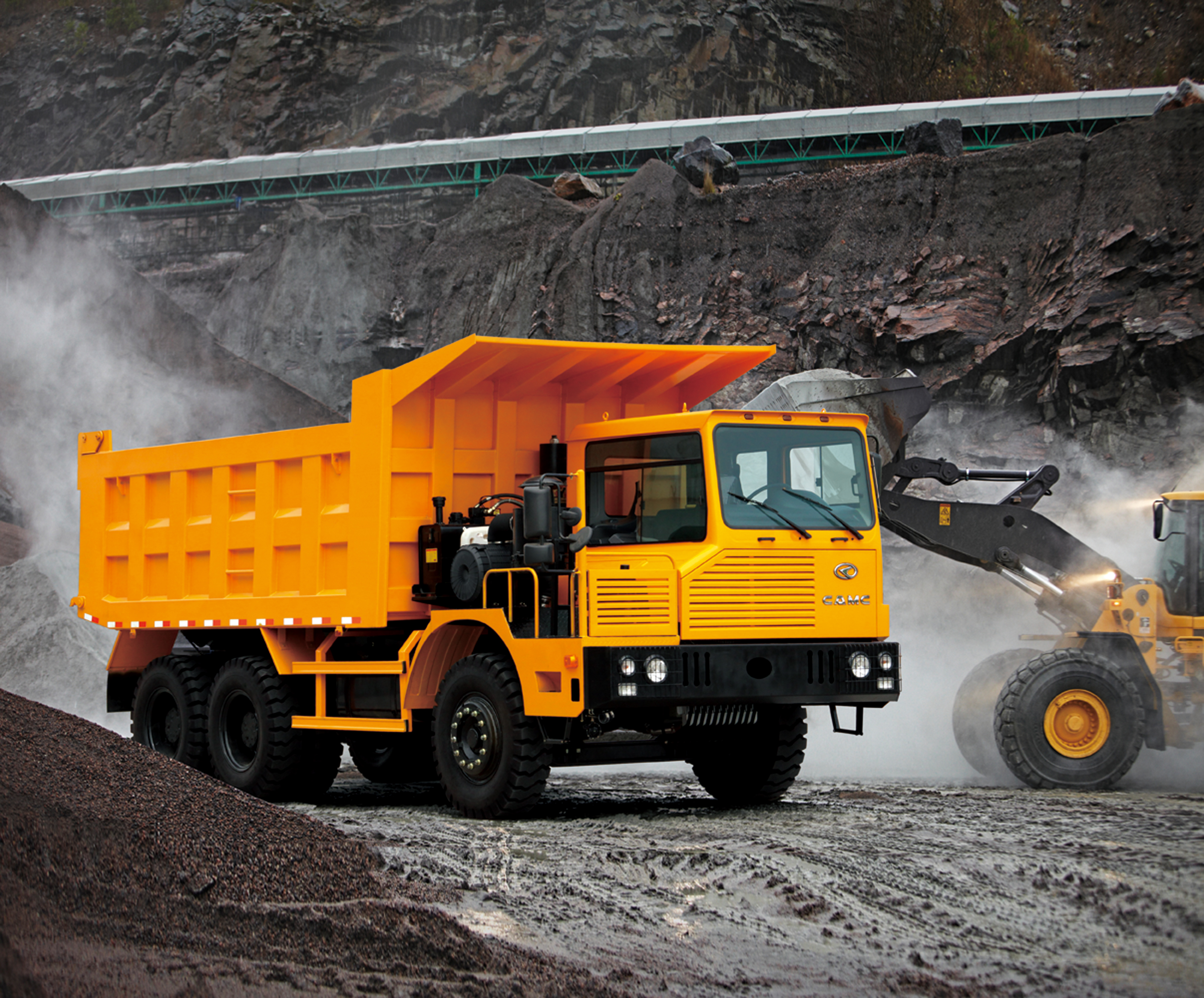
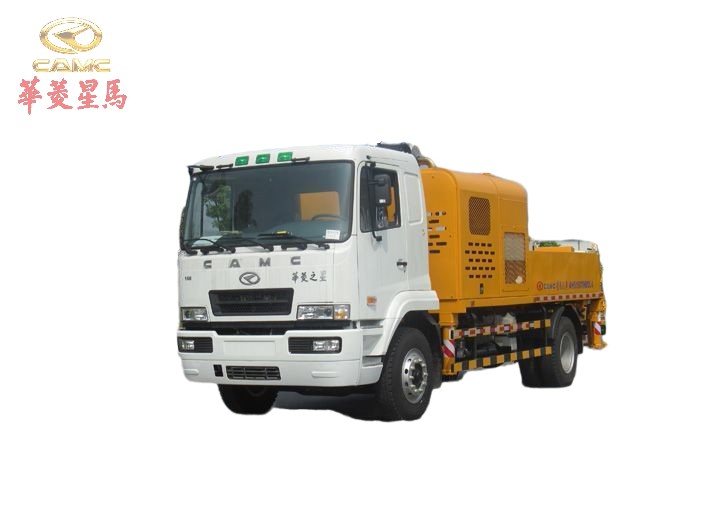
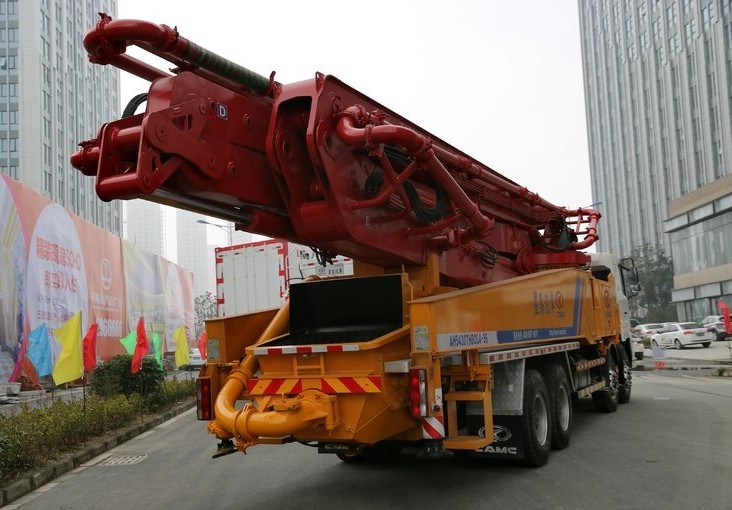
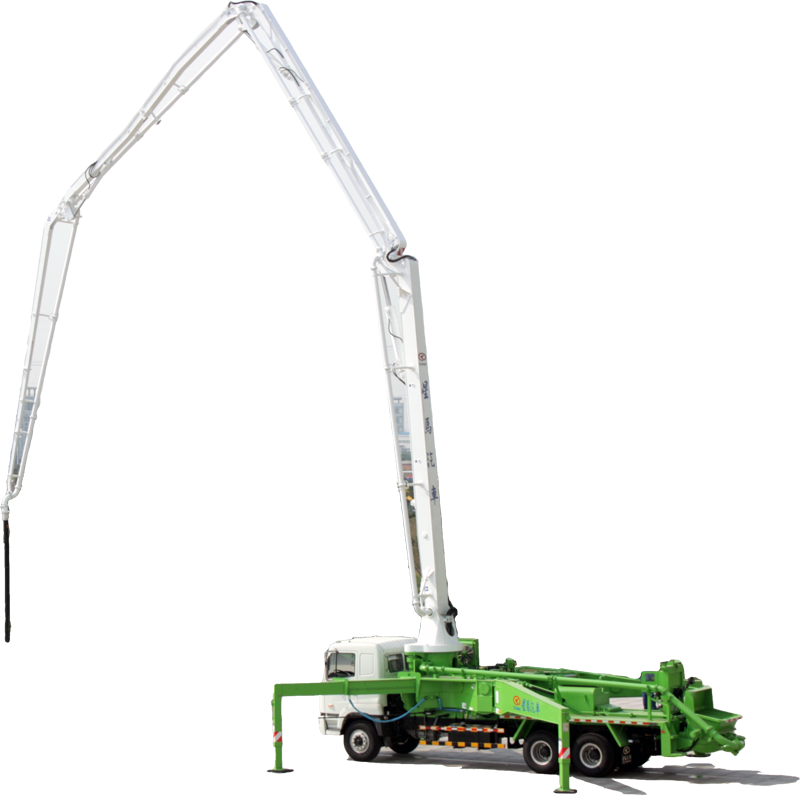
Truck
Source commercial trucks from vetted manufacturers and wholesale suppliers across Asia. Designed for heavy equipment importers, regional distributors, and fleet operators looking for reliable bulk purchasing or custom OEM production. Ensure compliance and performance with direct factory sourcing.
Sourcing commercial trucks internationally requires balancing payload capacity, powertrain reliability, and rigorous market-specific emission standards. For bulk buyers and regional distributors, navigating the heavy-duty automotive manufacturing landscape demands strict technical oversight, from verifying chassis steel grades to managing complex homologation requirements and shipping logistics.
Core Technical Specifications
When negotiating with manufacturers, precision in your technical requirements dictates the vehicle's operational lifespan and legal compliance in your destination market.
- Emission Standards: Powertrain selection must align with local regulations. While Euro VI is standard in highly regulated markets, Euro IV or V engines are frequently sourced for regions with different diesel quality standards or regulatory frameworks.
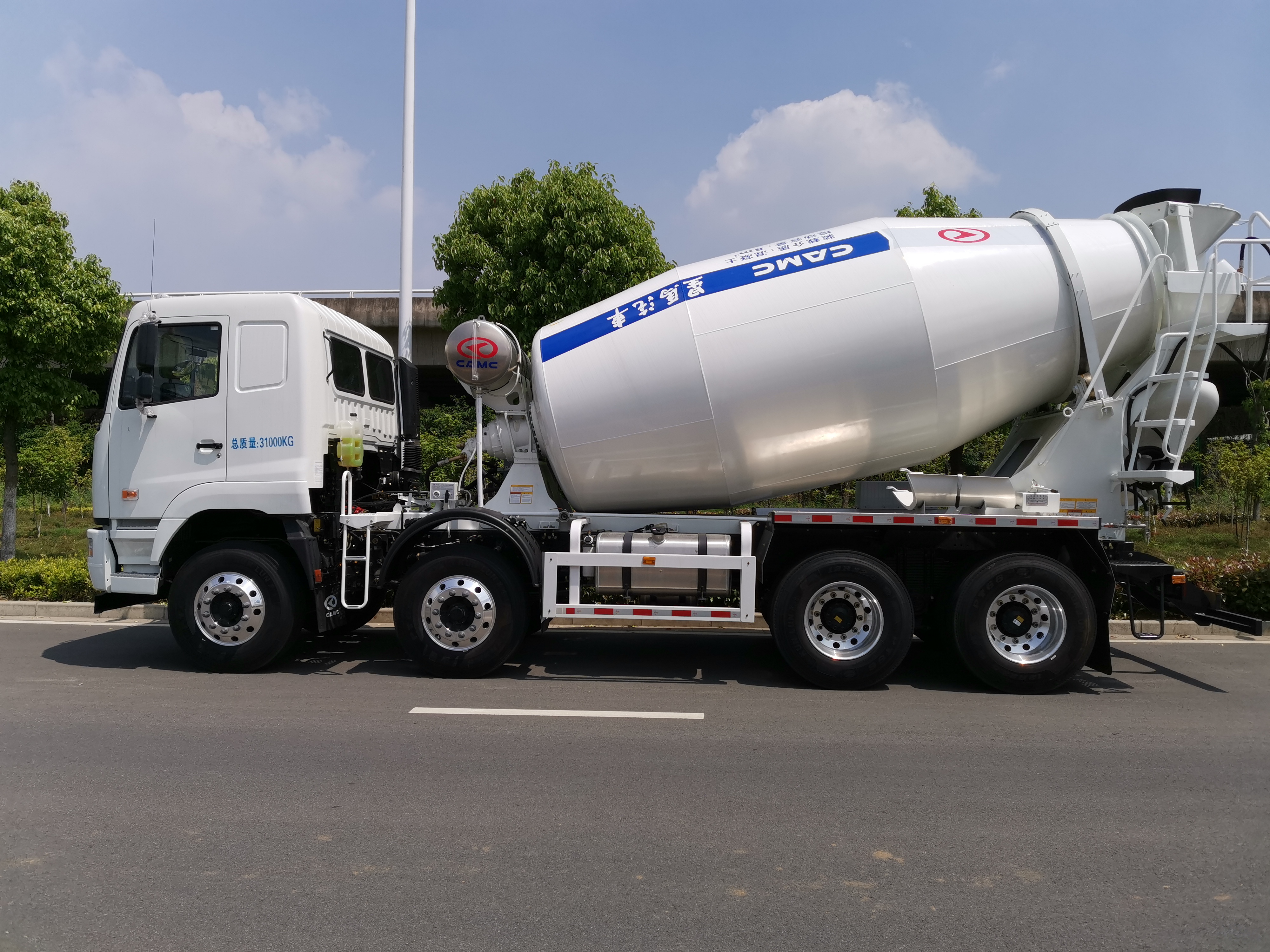
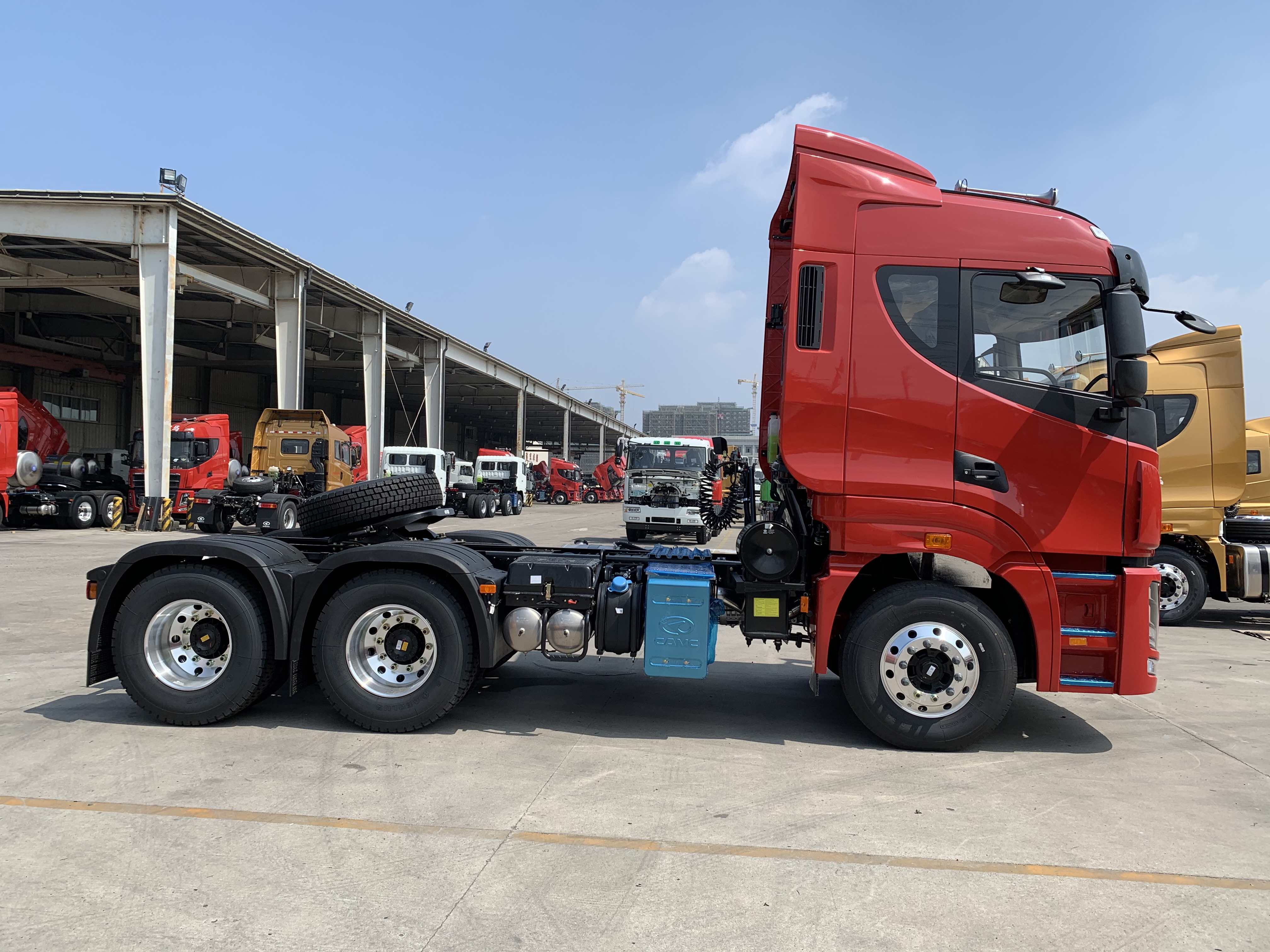
- Axle Configuration & Drivetrain: Specify 4x2, 6x4, or 8x4 configurations based on the intended application (e.g., long-haul tractor units versus heavy-duty construction transport).
- Chassis Material: The backbone of any commercial truck is its frame. High-strength alloy steel (such as Q610 or Q700) is necessary for high Gross Vehicle Weight (GVW) applications to prevent frame warping under sustained dynamic loads.
Homologation and WMI
Always ensure the manufacturer holds a valid World Manufacturer Identifier (WMI) and can provide the necessary documentation for homologation in your target market. Without this, the vehicles cannot be legally registered.
Manufacturing Quality & Factory Verification
The difference between a reliable fleet asset and a maintenance liability is determined on the factory floor. Assessing a manufacturer's production line requires looking beyond the spec sheet to their assembly and finishing processes.
Critical Production Checkpoints
- Cathodic Electrodeposition (CED): Ensure the cabin and chassis undergo thorough CED coating for long-term anti-corrosion resistance.
- Powertrain Integration: Verify the calibration between the engine, transmission, and drive axles to ensure optimal torque delivery and fuel efficiency.
- Welding Automation: High-tier factories utilize robotic welding for chassis and cabin assembly to maintain structural consistency and pass crash testing.
- End-of-Line Testing: Confirm the factory conducts rigorous dynamometer, brake, and alignment testing before the vehicle leaves the plant.
Relying solely on a supplier's self-reported quality is a high-risk strategy in automotive sourcing. Conducting comprehensive Factory Audits ensures the facility has the actual production capacity, quality management systems (like ISO/TS 16949), and engineering support required for commercial vehicle manufacturing. Furthermore, implementing strict Quality Control & Inspection protocols prior to shipment is essential to catch assembly defects before the trucks leave the port.
Need to verify a commercial vehicle manufacturer? We conduct rigorous technical audits and manage QA on the factory floor.
Get a free consultationShipping Formats: CBU vs. SKD/CKD
Importing commercial trucks involves significant logistical planning, primarily revolving around how the vehicles are shipped. Buyers must choose between importing fully assembled vehicles or utilizing knocked-down formats to optimize freight costs and import duties.
| Format | CBU (Completely Built Up) | CKD/SKD (Knocked Down) |
|---|---|---|
| Assembly Status | Fully assembled at origin factory. | Partially or fully disassembled. |
| Shipping Method | RoRo (Roll-on/Roll-off) or Flat Rack. | Standard 40ft High Cube containers. |
| Import Duties | Typically highest duty rates. | Often significantly reduced tariffs. |
| Local Requirements | Ready for immediate use/sale. | Requires local assembly facility and labor. |
Managing the transition from factory floor to final destination requires specialized Shipping & Freight expertise, particularly when coordinating RoRo vessel schedules or managing the complex packing lists associated with CKD shipments.
Typical MOQs, Pricing, and Lead Times
Commercial vehicle production is highly capital-intensive, which is reflected in factory MOQs and lead times.
Pricing is heavily influenced by the powertrain brand (e.g., Cummins engines vs. domestic Chinese equivalents), transmission type (manual vs. automated manual transmission), and the inclusion of advanced safety features (like ABS, ESC, or lane departure warning systems). To ensure the vehicles meet the precise legal requirements of your market, engaging Compliance & Testing services during the sourcing phase is highly recommended.
Managing complex automotive shipments and SKD container loading? Let our logistics experts optimize your freight strategy.
Talk to our teamFrequently Asked Questions
Procuring commercial trucks at scale is an exercise in meticulous technical alignment and logistical precision. Success depends on partnering with manufacturers capable of delivering consistent heavy-duty performance while navigating the complexities of international automotive trade.
Get Sourcing Help for Truck
Tell us your requirements and our experts will connect you with verified manufacturers.