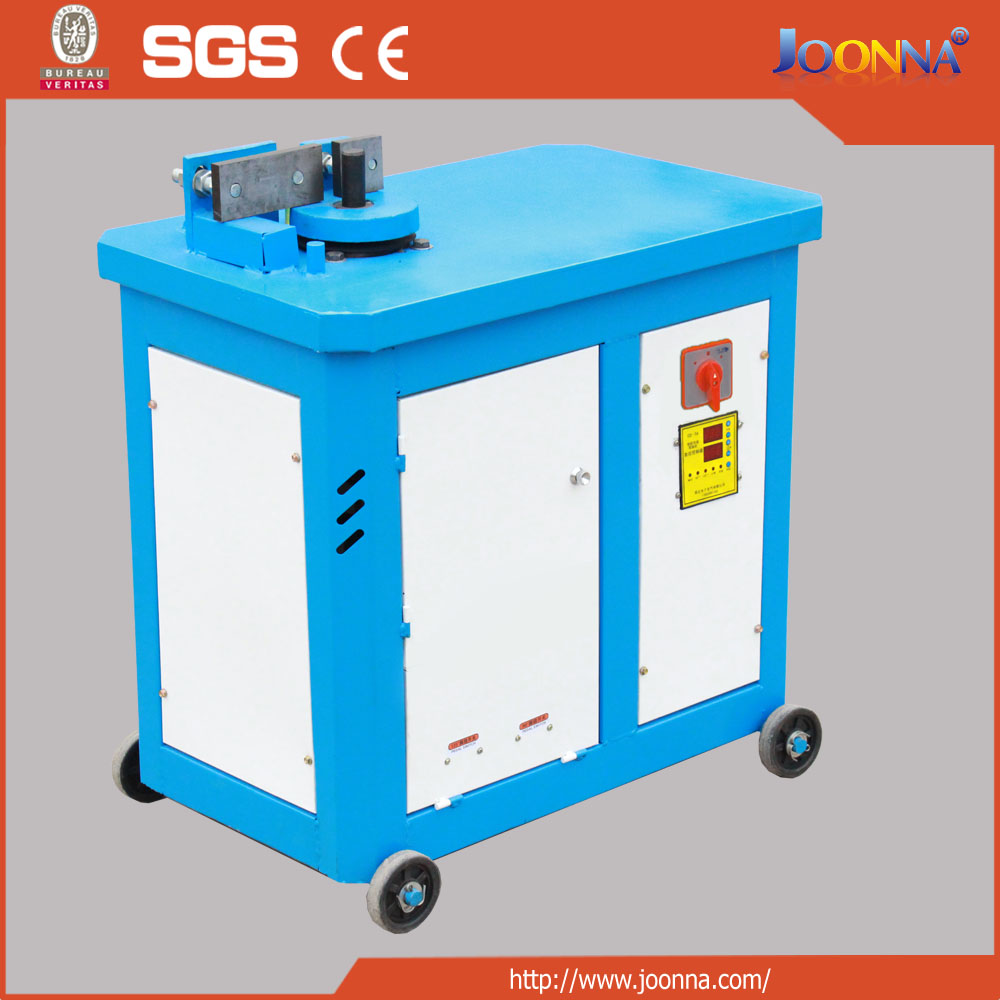
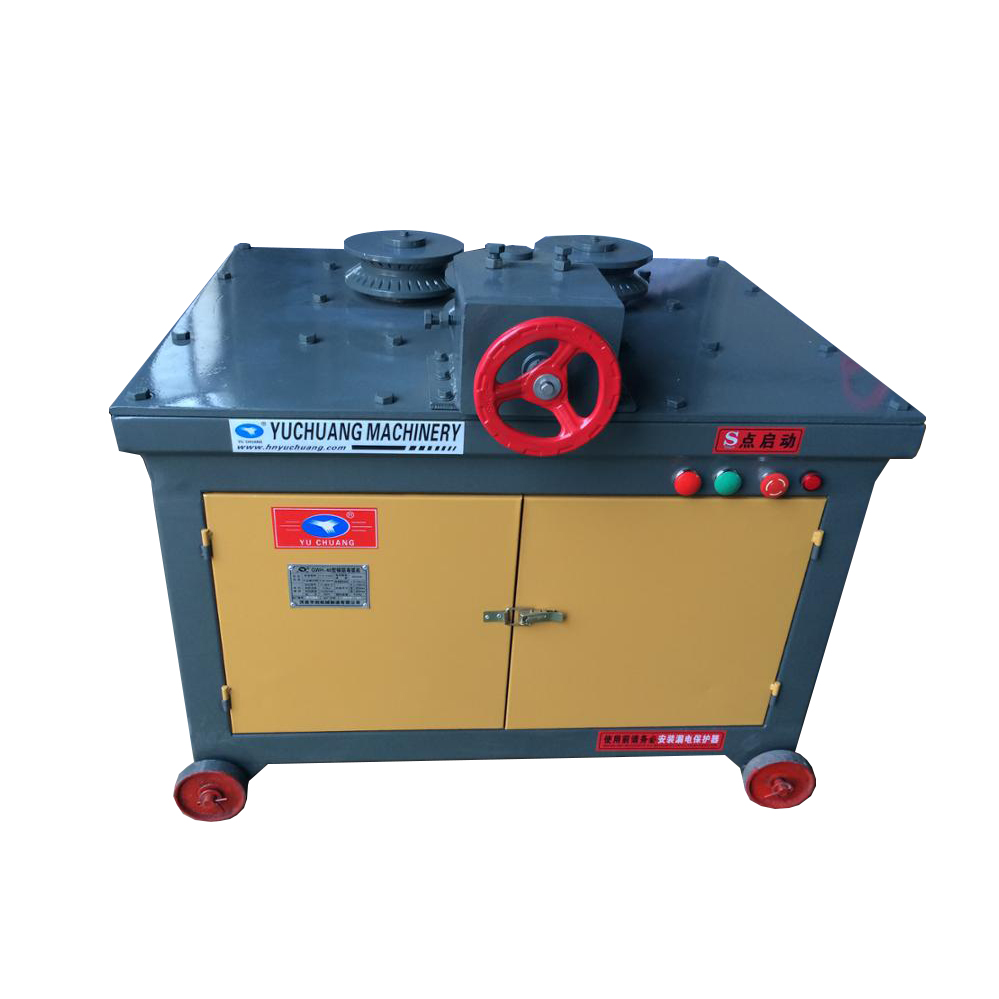
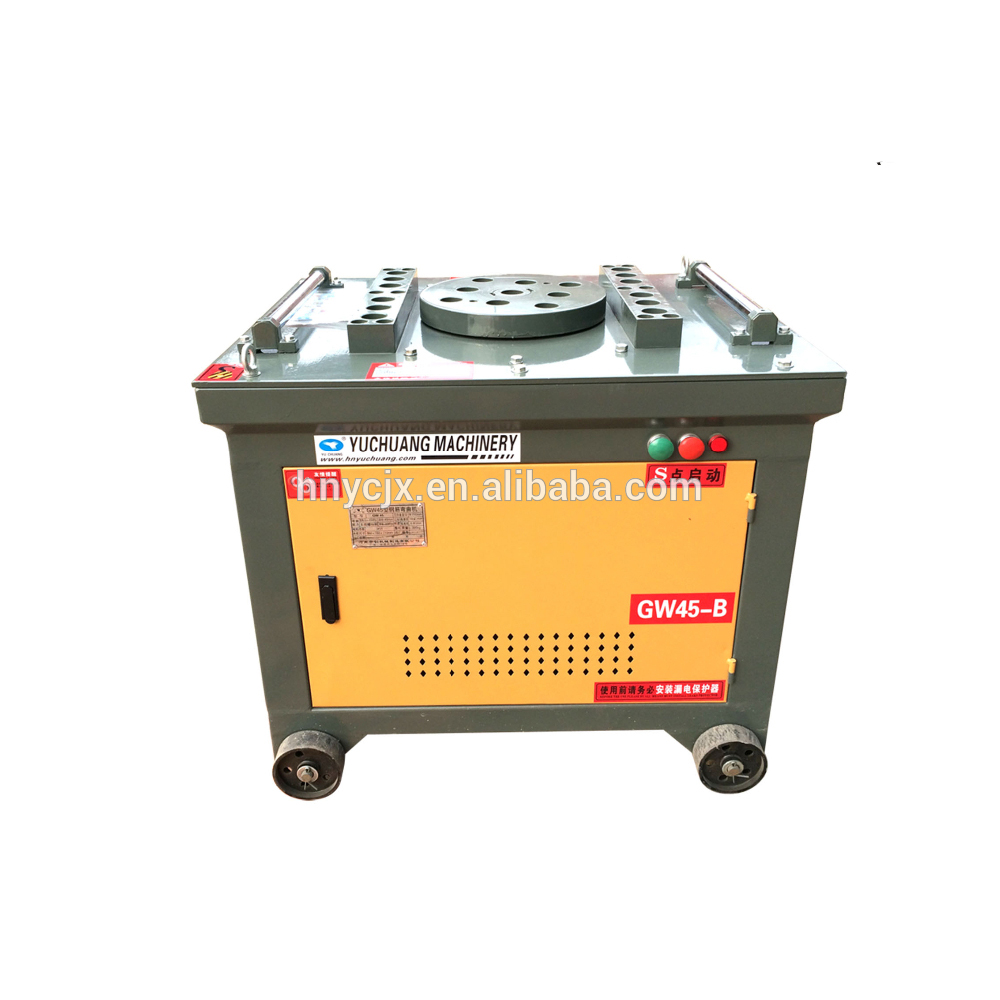
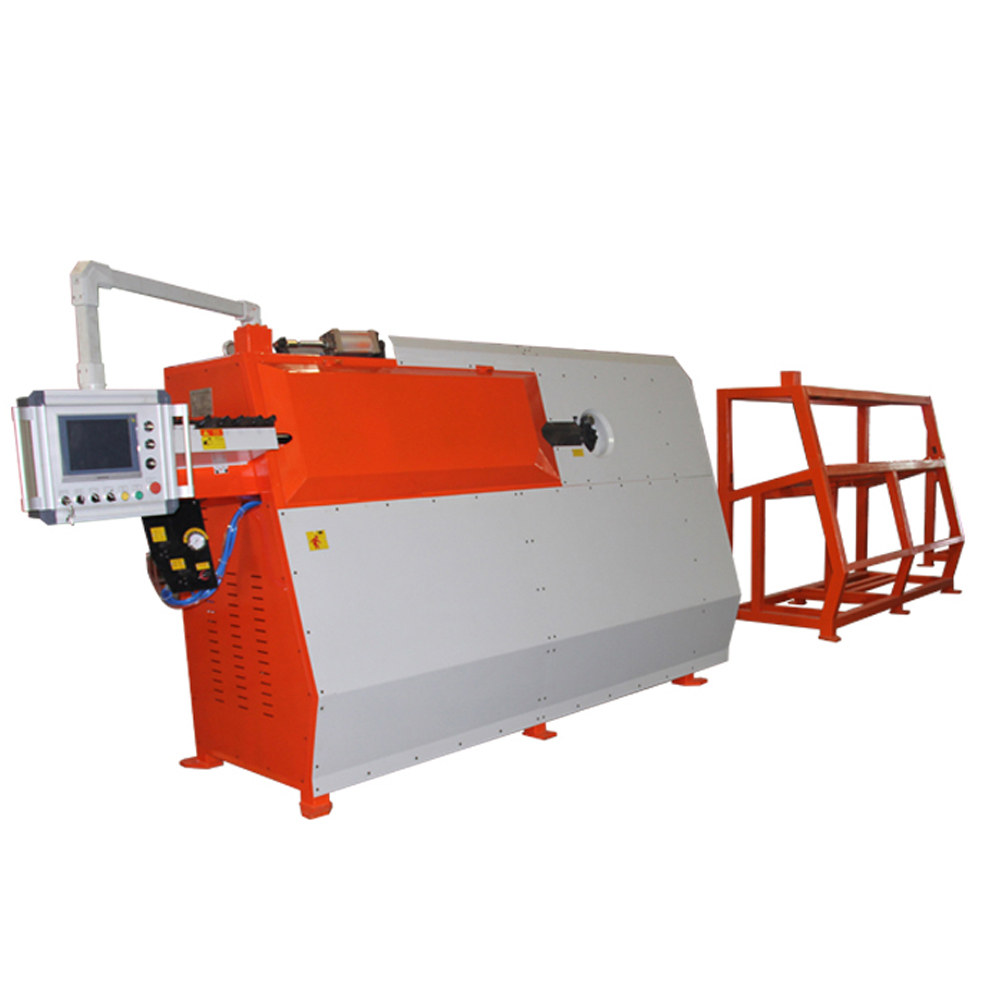
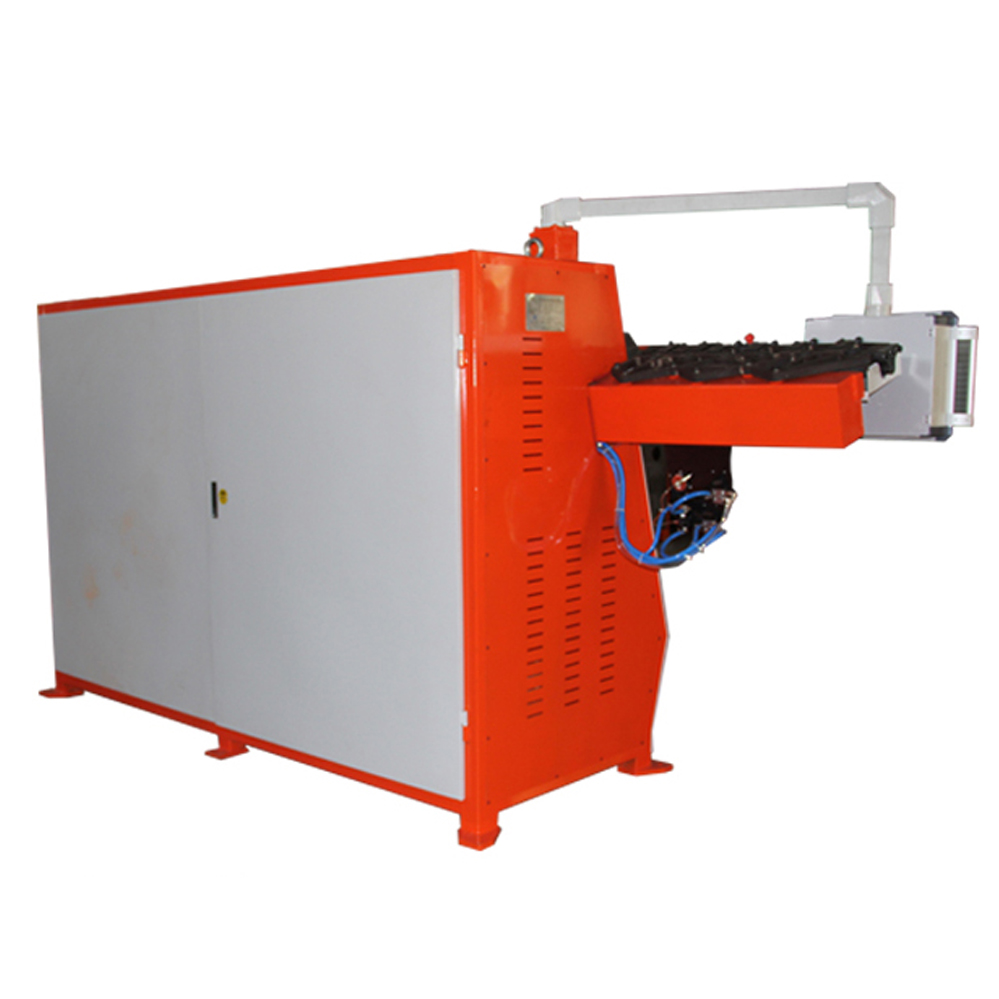
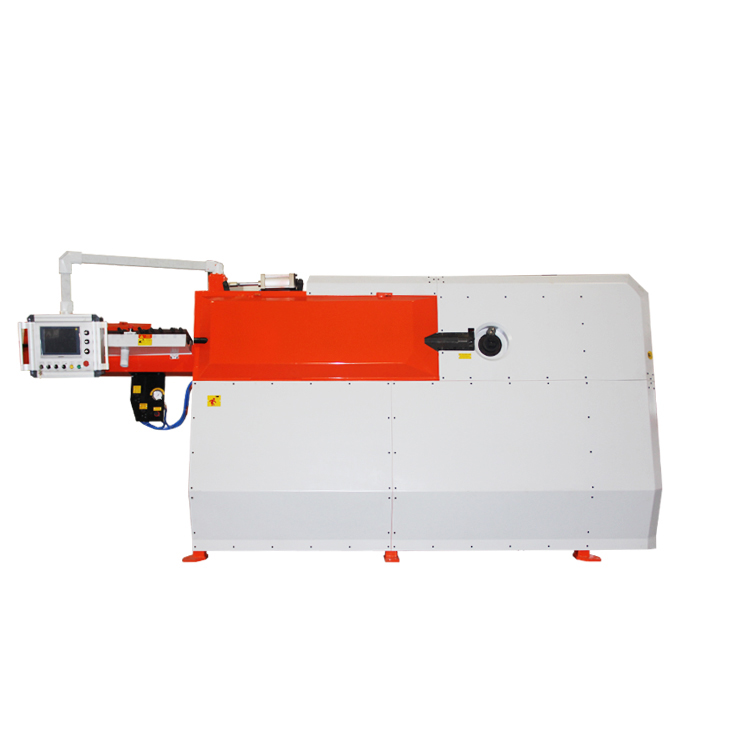
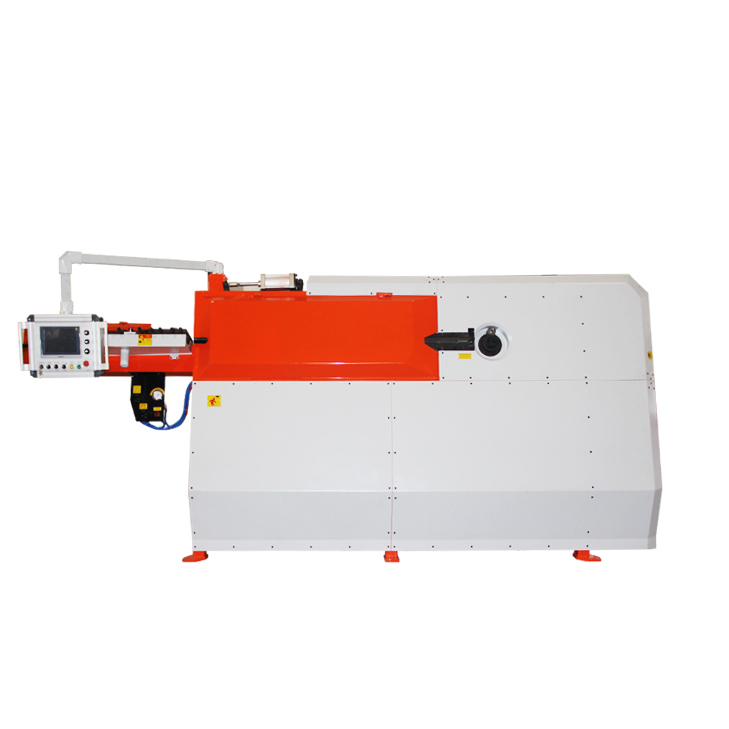
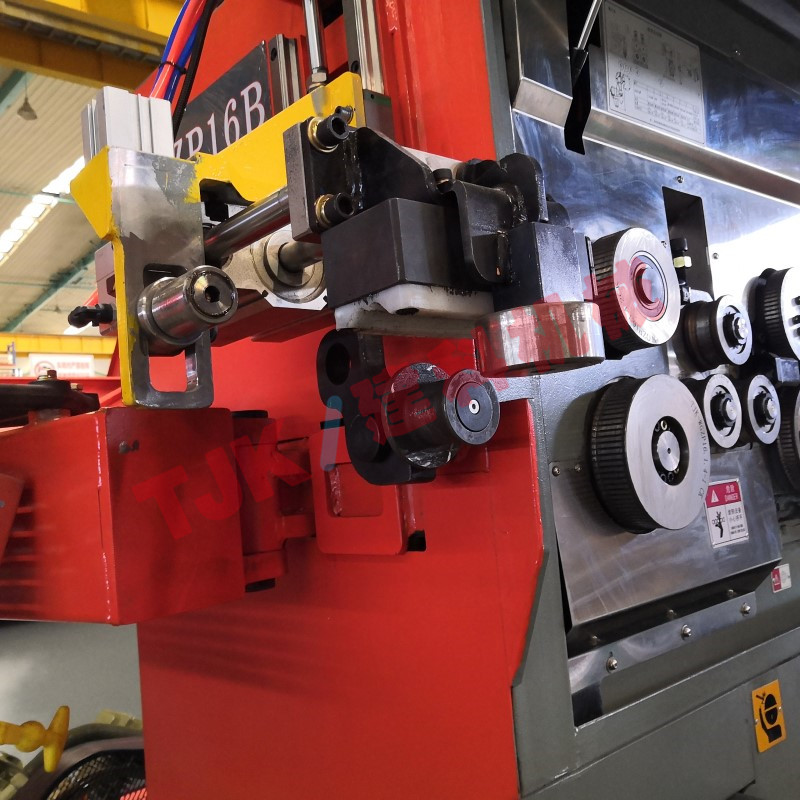
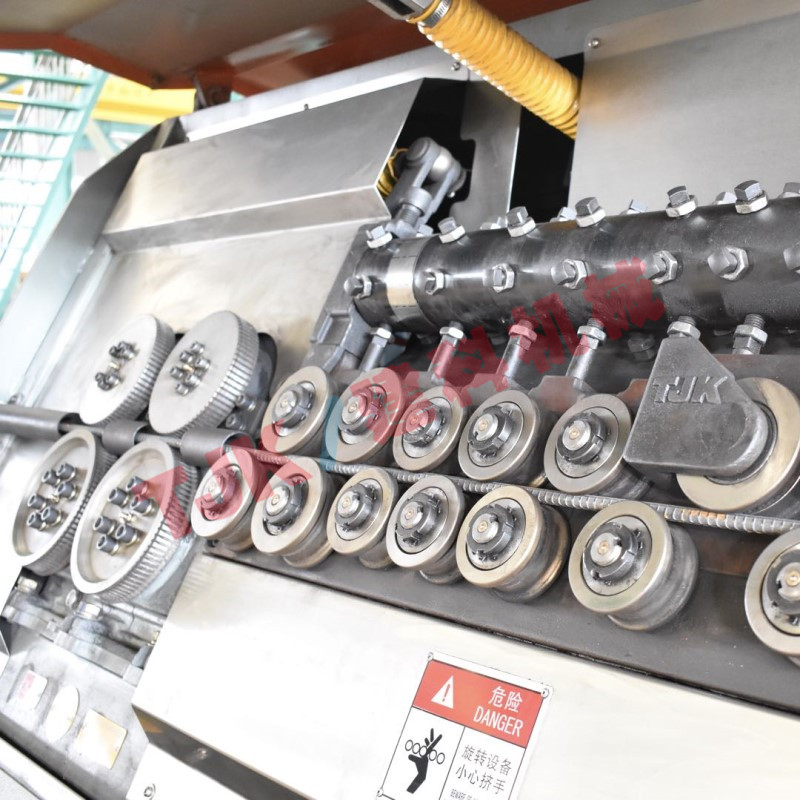
Rebar Bending Machine
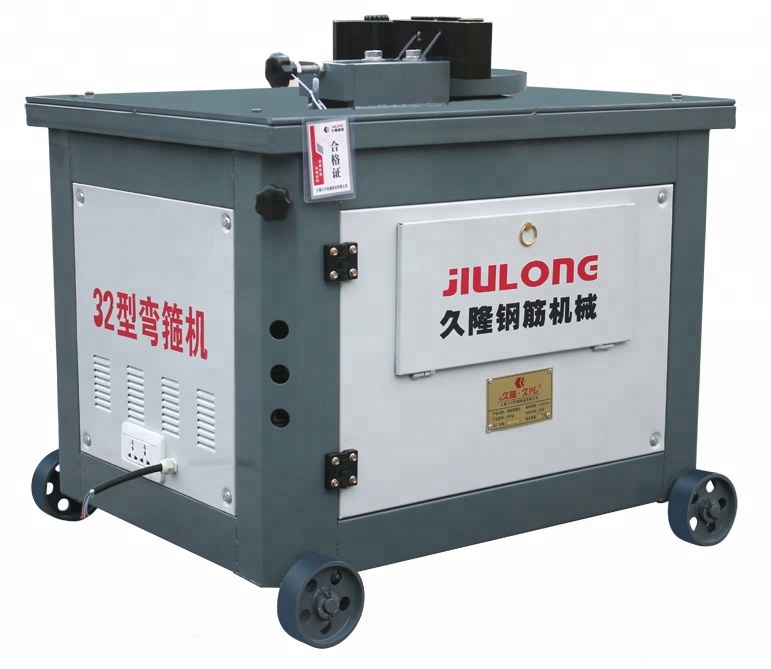
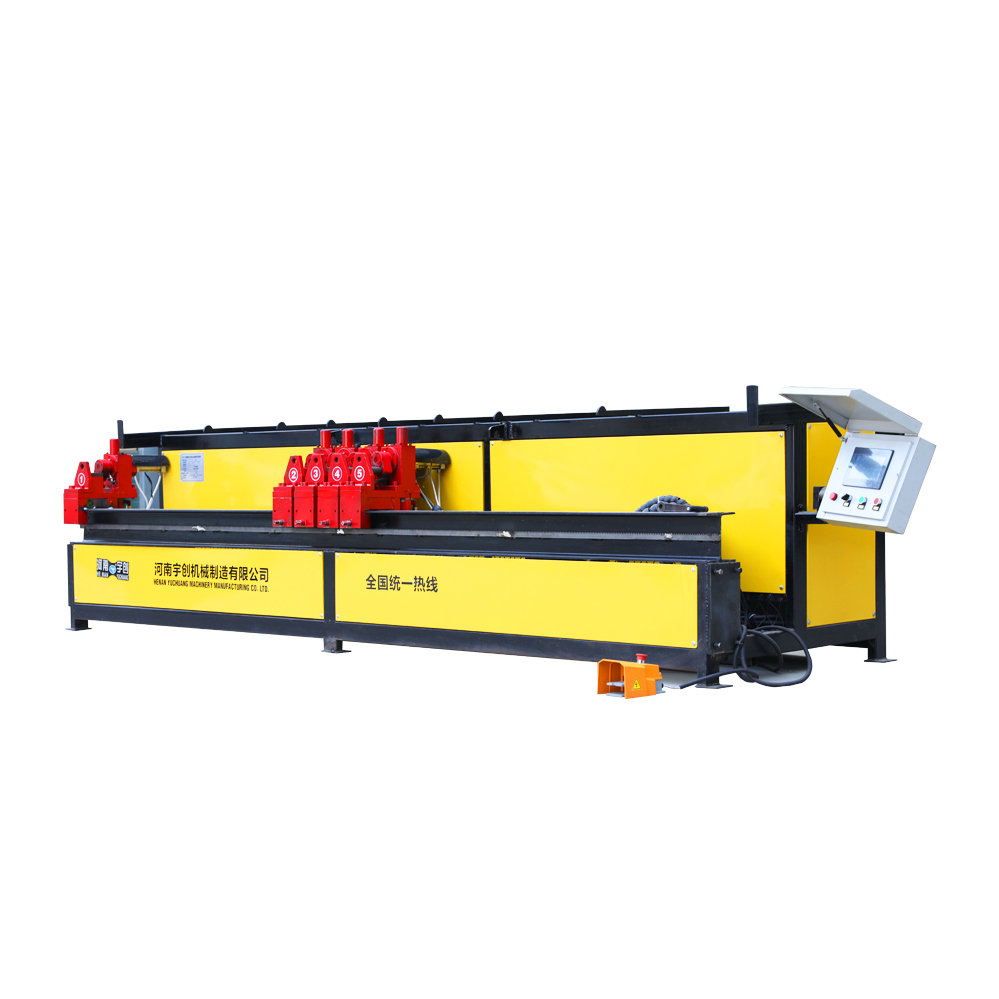
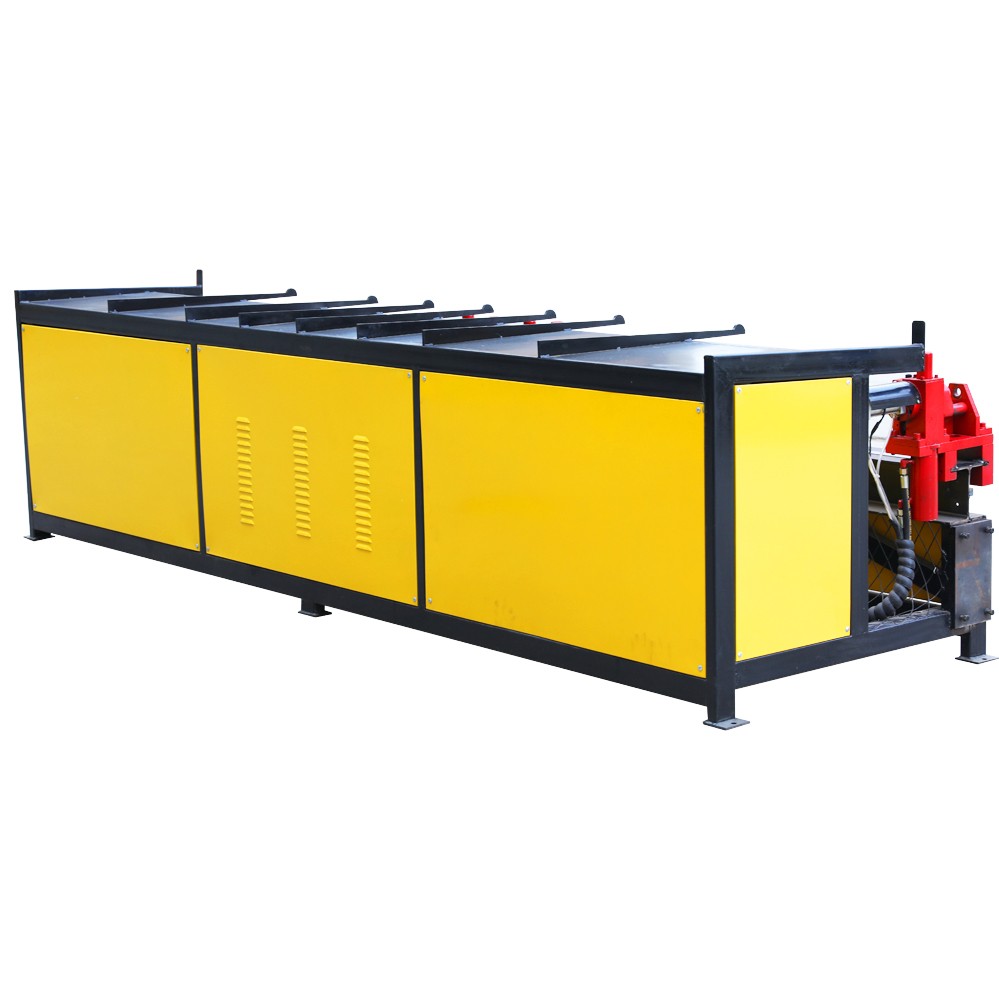
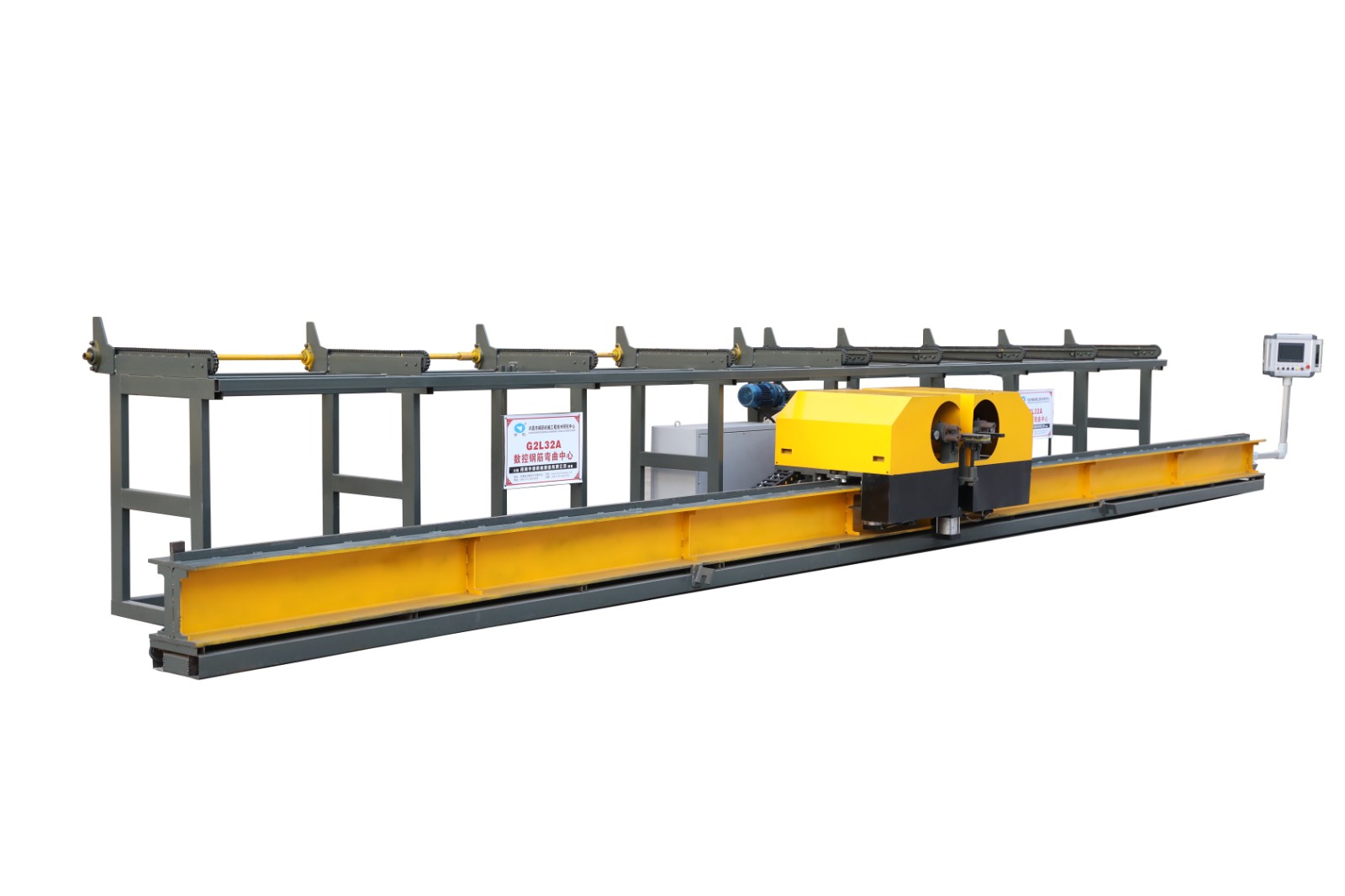
Source industrial-grade rebar bending machines directly from vetted manufacturers and suppliers. Designed for construction equipment importers, wholesalers, and brands seeking reliable OEM production, our network delivers precision bending equipment engineered for high-volume steel processing and site durability.
Sourcing rebar bending machines requires balancing heavy-duty mechanical reliability with cost-effective procurement. Because these machines operate in harsh construction environments, a failure in the gearbox or motor does not just halt production—it cascades into costly site delays. For importers, distributors, and procurement managers, the primary challenge is identifying manufacturers who use true copper-core motors and forged steel internals, rather than cost-cutting alternatives that fail under continuous load.
Critical Specifications for Bulk Procurement
When negotiating with manufacturers, the specifications must align with the yield strength of the steel your target market uses (commonly HRB400 or HRB500). A machine rated for 40mm standard steel may only successfully bend 32mm high-tensile rebar.
Specify the following parameters clearly in your purchase orders:
- Maximum Bending Diameter: Define this against a specific tensile strength.
- Motor Power & Type: Typically ranging from 2.2kW to 4kW for standard site machines, up to 7.5kW for heavy-duty industrial units. Specify 100% copper-wound motors.
- Bending Speed: Measured in RPM of the working disk (usually 8 to 15 RPM). Faster speeds require higher precision in the braking mechanism to ensure accurate angles.
- Voltage & Phase: 380V/50Hz 3-phase is standard in many regions, but suppliers must be able to customize to 220V single-phase or 415V/60Hz depending on your destination market.
| Component | Standard / Low-Cost Build | Industrial / Premium Build |
|---|---|---|
| Motor Winding | Aluminum or Copper-Clad Aluminum | 100% Pure Copper Core |
| Gearbox Material | Cast Iron (prone to cracking) | Forged Steel with CNC Machining |
| Control System | Manual relays, basic switches | Solid-state relays, CNC angle input |
| Working Disk | Standard carbon steel | Heat-treated high-carbon steel |
Need to verify a supplier's component quality before placing a volume order?
Talk to our teamManufacturing Realities and Quality Control
The visual appearance of a rebar bender tells you very little about its lifespan. The true quality is determined inside the factory's machining and assembly workshops. Many suppliers in prominent machinery hubs assemble machines using outsourced parts. Conducting rigorous Factory Audits is essential to verify if a supplier actually machines their own gearboxes or merely paints and assembles bought-in components.
Focus your Quality Control & Inspection protocols on these failure points:
Pre-Shipment Inspection Checklist
- Continuous Load Test: Run the machine at maximum rated capacity for an extended period to check for motor overheating.
- Brake Precision: Verify that the working disk stops exactly at the set angle without drift.
- Electrical Cabinet Sealing: Ensure the control box meets IP54 or higher standards to prevent metallic dust ingress.
- Oil Leakage: Inspect the gearbox seals for any weeping after the load test.
- Accessory Hardness: Test the Rockwell hardness (HRC) of the bending pins and center rollers.
If you are developing a private-label line, utilizing OEM/ODM Services allows you to upgrade specific components—like adding Schneider Electric contactors or custom heavy-duty foot pedals—while keeping the base chassis standard to control costs.
Pricing, MOQs, and Logistics
Rebar bending machines are heavy, low-margin, high-volume industrial goods. Unit prices are heavily influenced by raw material costs (steel and copper) and the exchange rate.
- MOQ Expectations: Standard mechanical benders often have low MOQs (1 to 5 units). However, for custom branding, specific paint colors, or upgraded electrical components, factories typically require an MOQ of 10 to 20 units.
- Production Lead Times: Expect 15 to 25 days for standard models, and 30 to 45 days for custom OEM orders or specialized CNC variants.
- Freight Optimization: Due to their weight and footprint, shipping these machines efficiently requires careful container planning. A standard 20ft container can hold between 24 and 40 units depending on the model size. Coordinating with a partner for Shipping & Freight ensures optimal loading, preventing transit damage caused by shifting heavy equipment.
Optimize your machinery supply chain and reduce landed costs.
Get a free consultationFrequently Asked Questions
Successfully sourcing rebar bending machines means looking past the spec sheet and verifying the metallurgical and electrical realities on the factory floor. By controlling component quality and optimizing your container loads, you can secure durable equipment that protects your margins and your reputation in the heavy construction sector.
Get Sourcing Help for Rebar Bending Machine
Tell us your requirements and our experts will connect you with verified manufacturers.