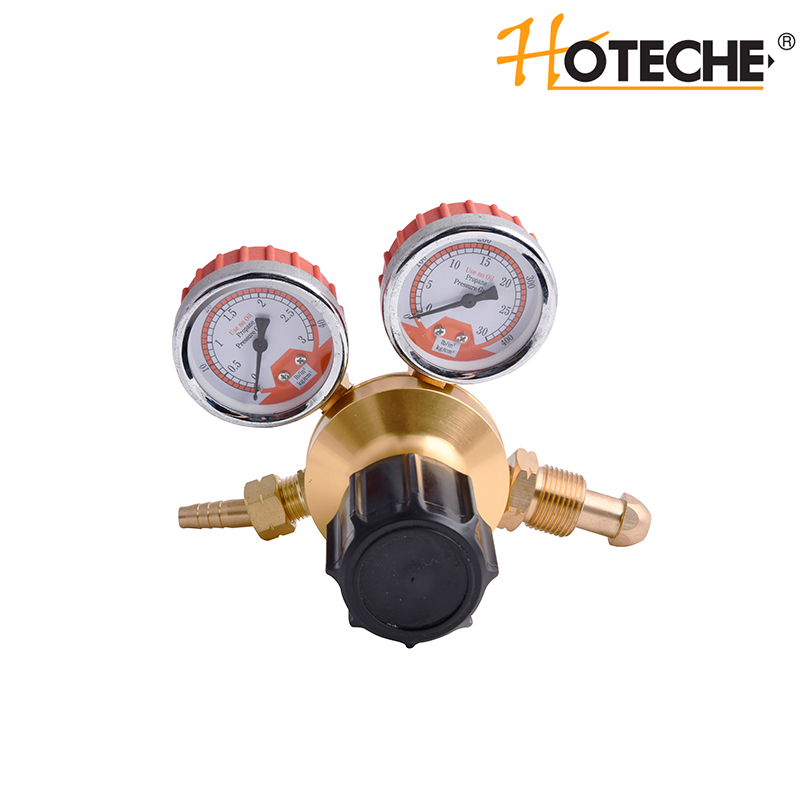
Pressure Reducing Valves
Source industrial and commercial pressure reducing valves from vetted manufacturers and suppliers. Designed for importers, wholesalers, distributors, and brands seeking reliable OEM/ODM production, our network delivers bulk volume with strict quality control.
Sourcing pressure reducing valves (PRVs) in bulk demands strict attention to material integrity and machining tolerances. A valve that fails to maintain downstream pressure limits can cause catastrophic damage to entire fluid systems. For wholesalers, industrial distributors, and brands, identifying a manufacturer capable of consistent casting, precision machining, and accurate spring calibration is the core sourcing challenge.
Specifying Pressure Reducing Valves for Volume Production
When negotiating with suppliers, vague specifications lead to inconsistent performance. Buyers must define exact parameters, including inlet pressure maximums, adjustable outlet pressure ranges, flow capacity (Cv), and operating temperatures. The internal mechanism and body material dictate both the cost and the suitable application environment.
If you are developing proprietary designs, utilizing OEM/ODM Services allows you to customize valve bodies, spring rates, and diaphragm materials (such as EPDM, NBR, or Viton) to meet specific market demands.
| Design Type | Primary Application | Response to Load Changes | Flow Capacity |
|---|---|---|---|
| Direct-Acting | Commercial plumbing, low-flow industrial | Immediate, but prone to droop | Low to moderate |
| Pilot-Operated | Municipal water, heavy industrial | Highly stable across wide flow variations | High |
Need a manufacturer capable of strict material compliance and custom valve engineering?
Talk to our teamDefect Prevention and Factory-Level Quality Control
The reliability of a PRV is won or lost in the foundry and the CNC machining center. Casting porosity in the valve body is a primary cause of structural failure under high pressure. Furthermore, the machining tolerances on the valve seat and stem dictate the leakage class; even microscopic deviations will cause pressure creep when the system is static.
Before committing to a high-volume order, conducting comprehensive Factory Audits is essential to verify that the supplier has in-house pressure testing rigs and automated machining capabilities, rather than relying on uncalibrated manual lathes.
Implement a strict Quality Control & Inspection protocol that includes:
Critical PRV Inspection Points
- Hydrostatic shell testing to verify body integrity at 1.5x maximum working pressure.
- Seat leakage testing to ensure compliance with ANSI/FCI 70-2 standards.
- XRF spectrometry to verify material composition (e.g., DZR brass, 316L stainless steel).
- Spring rate verification and dynamic pressure reduction testing across the specified flow range.
- Visual inspection of diaphragm and O-ring seating to prevent premature wear.
Beware of Pressure Creep
Pressure creep—where downstream pressure slowly rises during zero-flow conditions—is often caused by poor surface finish on the valve seat or machining debris left inside the body. Insist on ultrasonic cleaning prior to assembly.
MOQs, Production Lead Times, and Sourcing Economics
Pricing and Minimum Order Quantities (MOQs) for pressure reducing valves depend heavily on the material, size, and complexity of the valve. Standard threaded brass and bronze PRVs for commercial plumbing are produced in high volumes, requiring larger minimums. Conversely, large flanged cast iron or stainless steel valves for industrial applications can be sourced in much smaller batches.
If your target markets require specific certifications (such as WRAS, CE PED, or NSF/ANSI 61 for potable water), ensure you integrate Compliance & Testing early in the sourcing process. Many manufacturers claim compliance, but independent lab verification is necessary to protect your supply chain.
Optimize your valve supply chain with rigorous pre-shipment testing and vetted suppliers.
Get a free consultationFrequently Asked Questions
In valve manufacturing, accepting the lowest bid often results in elevated warranty claims and system failures down the line. Success requires partnering with foundries and assembly facilities that treat pressure testing and material science as non-negotiable standards. Merhein manages this technical oversight on the ground, ensuring your bulk PRV orders arrive exactly to spec.
Get Sourcing Help for Pressure Reducing Valves
Tell us your requirements and our experts will connect you with verified manufacturers.