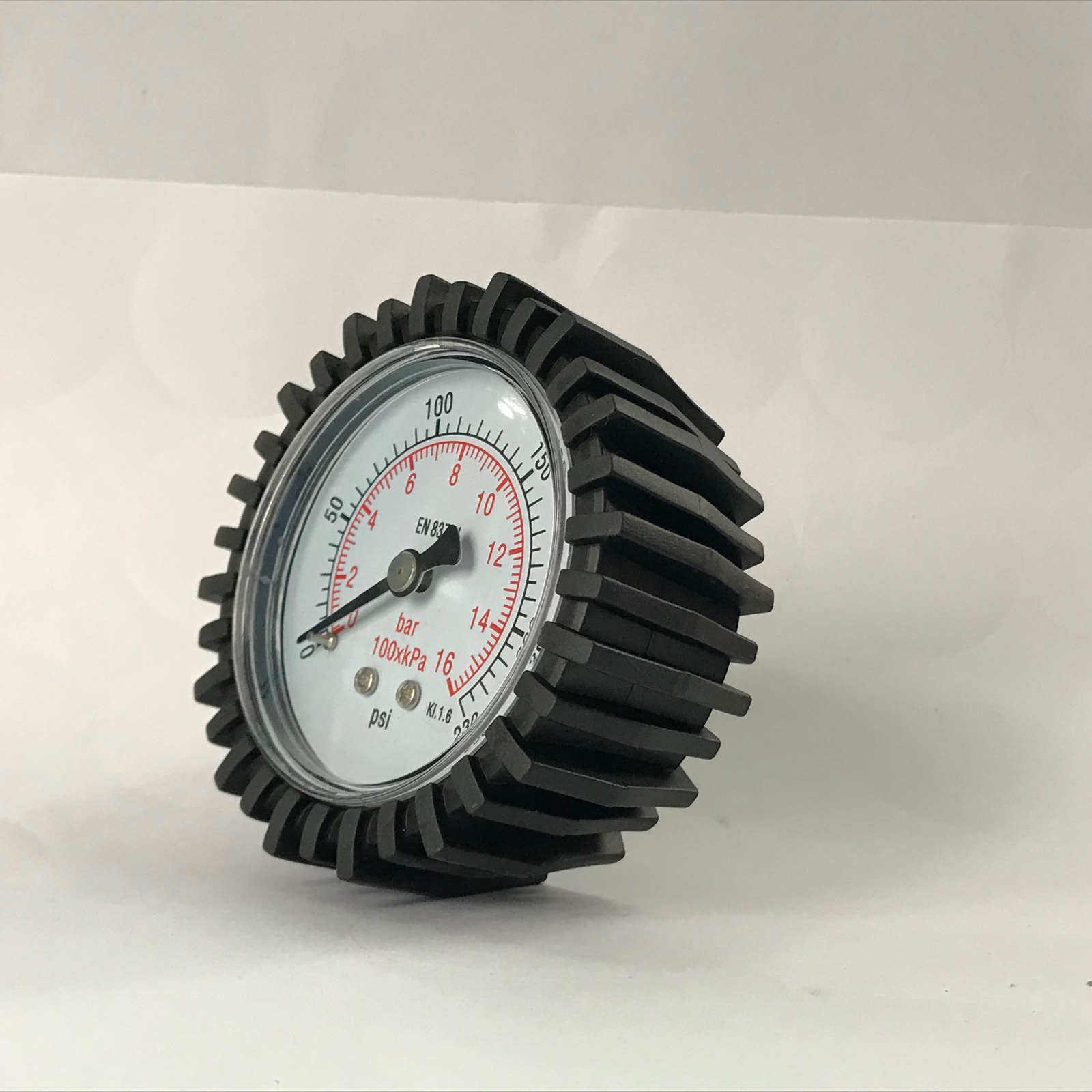
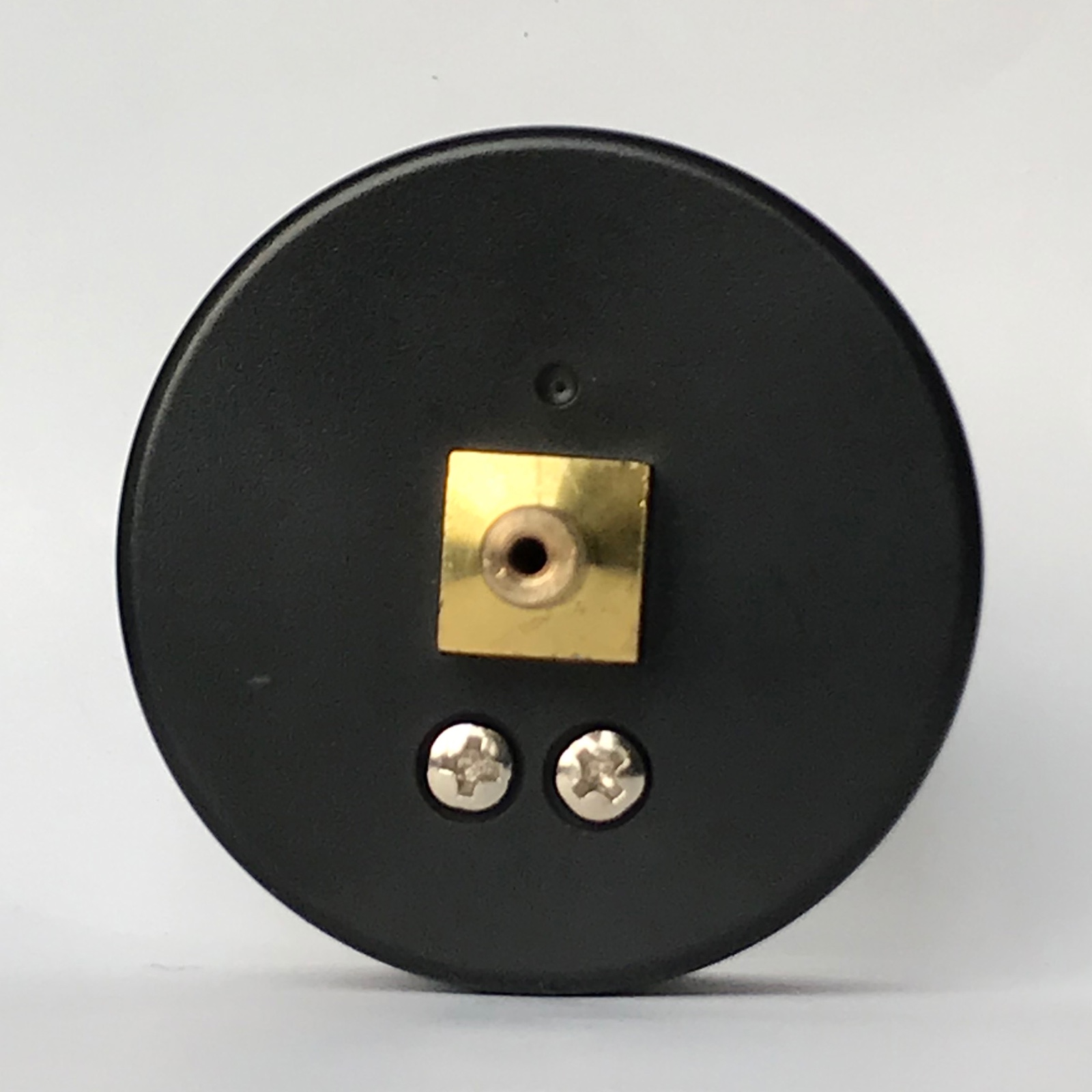
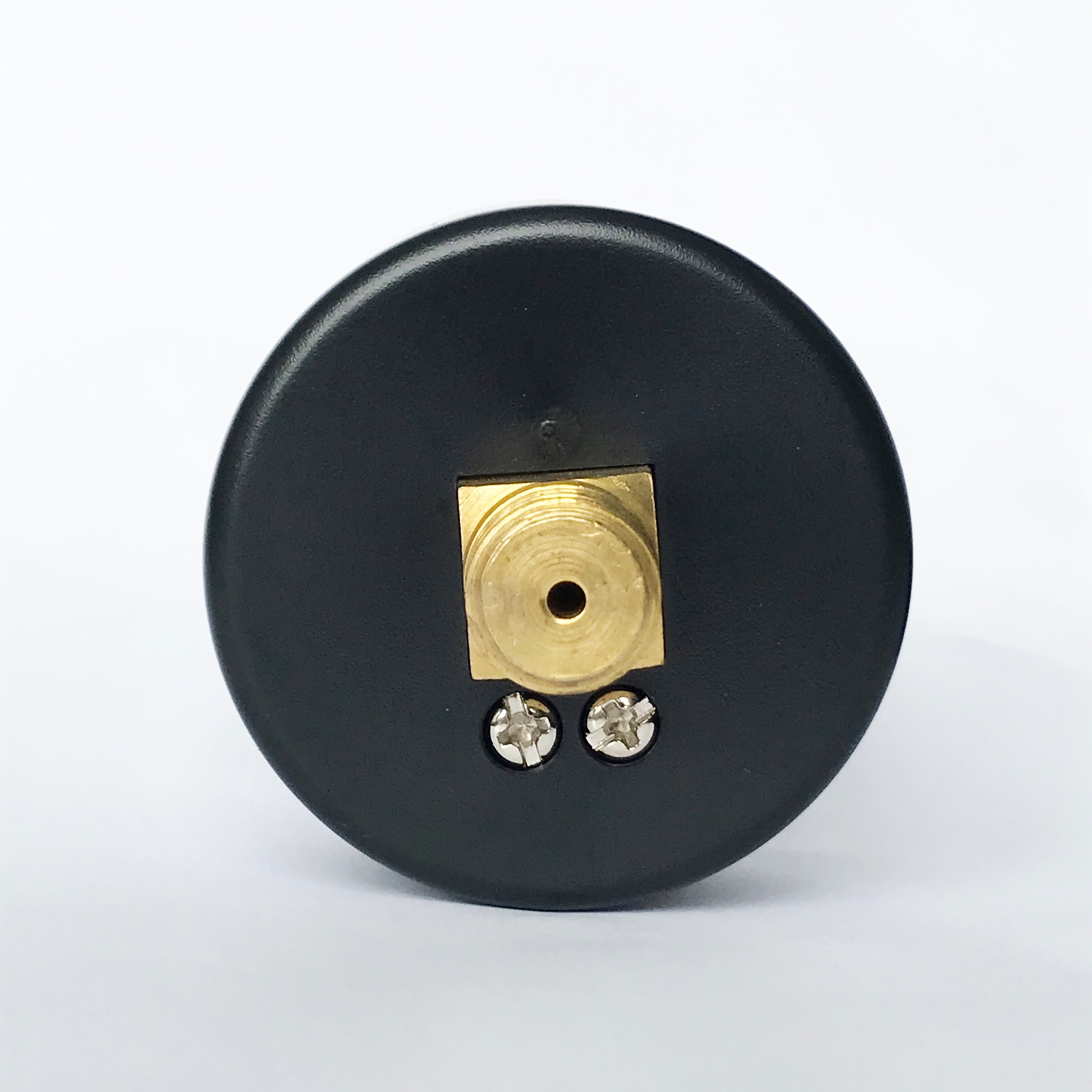
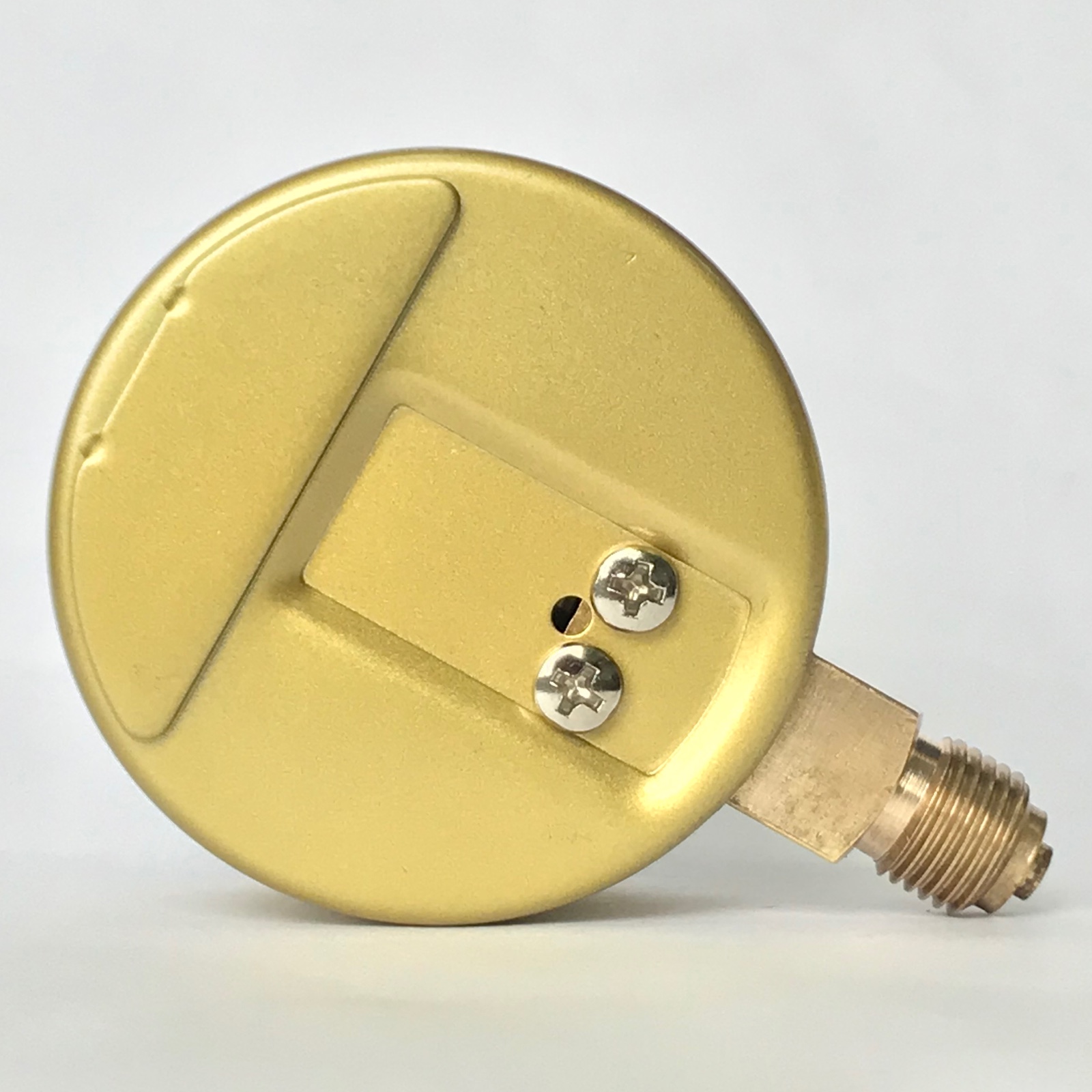
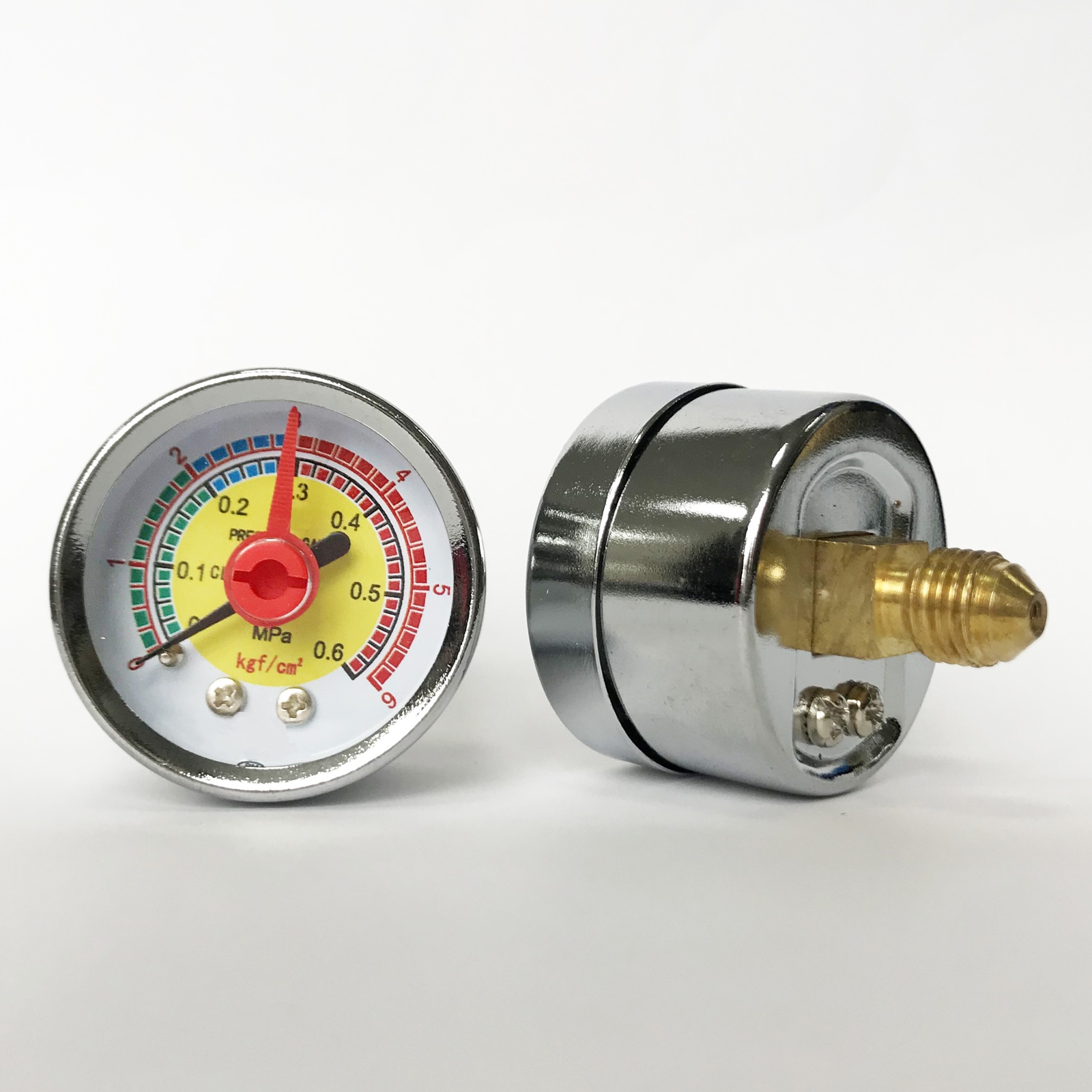
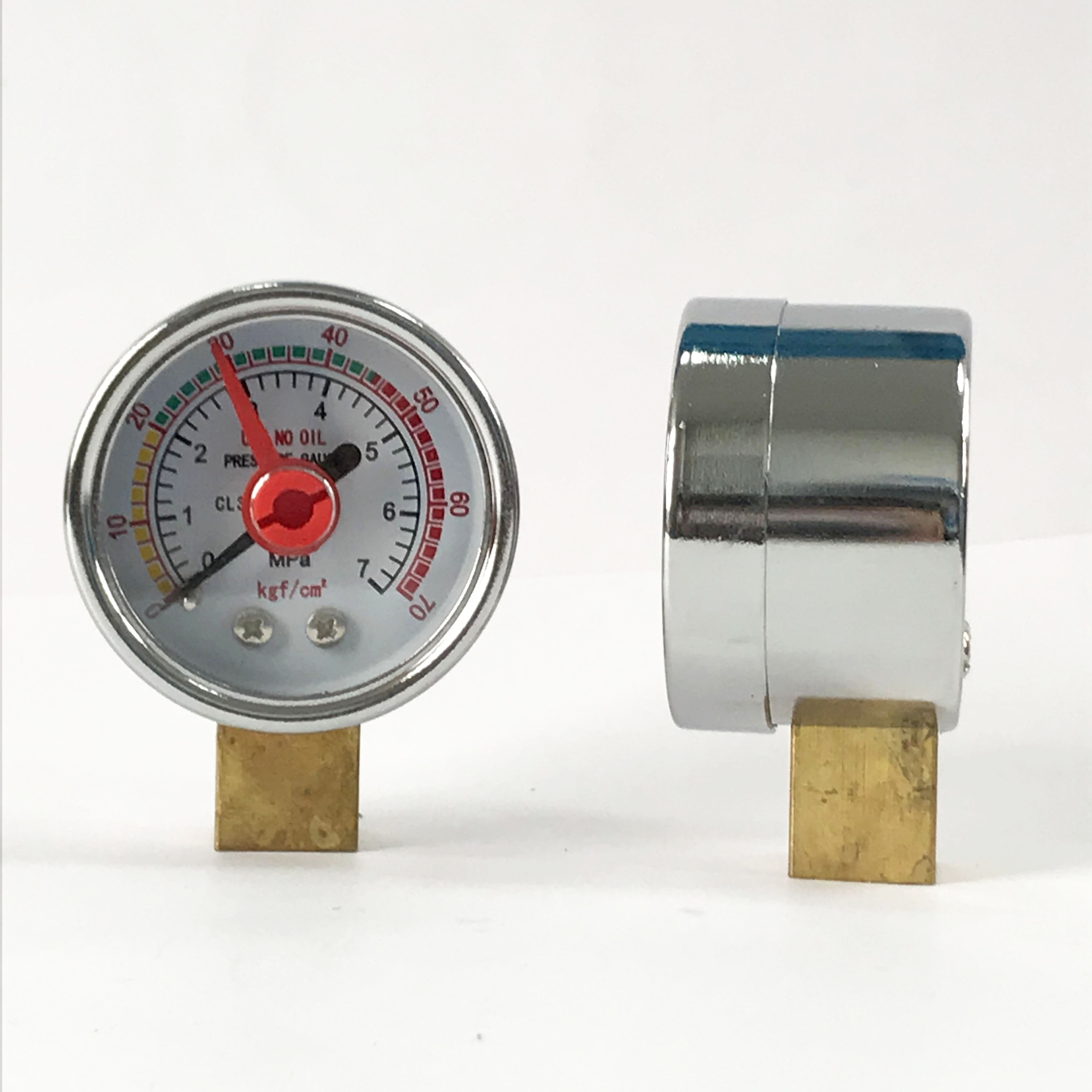
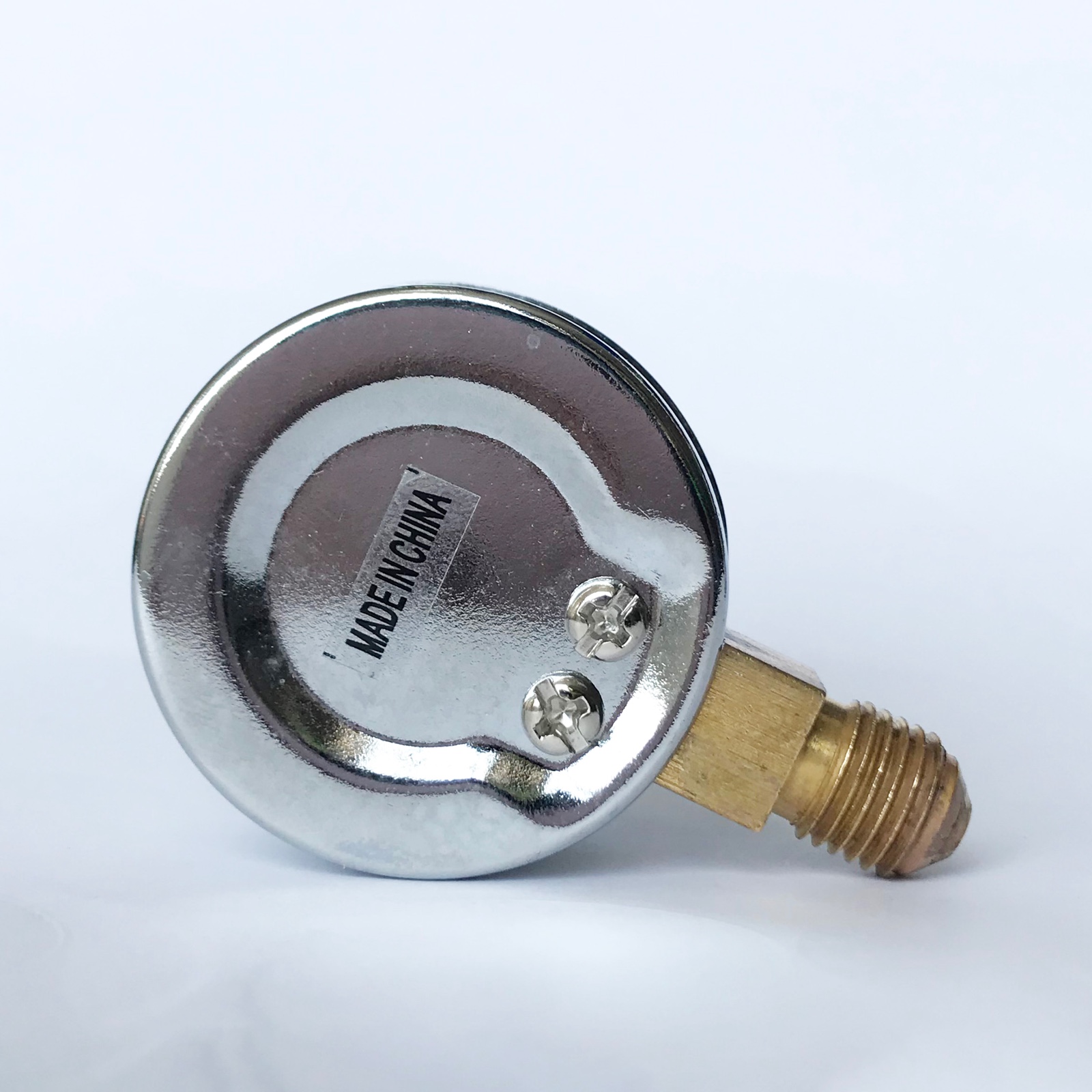
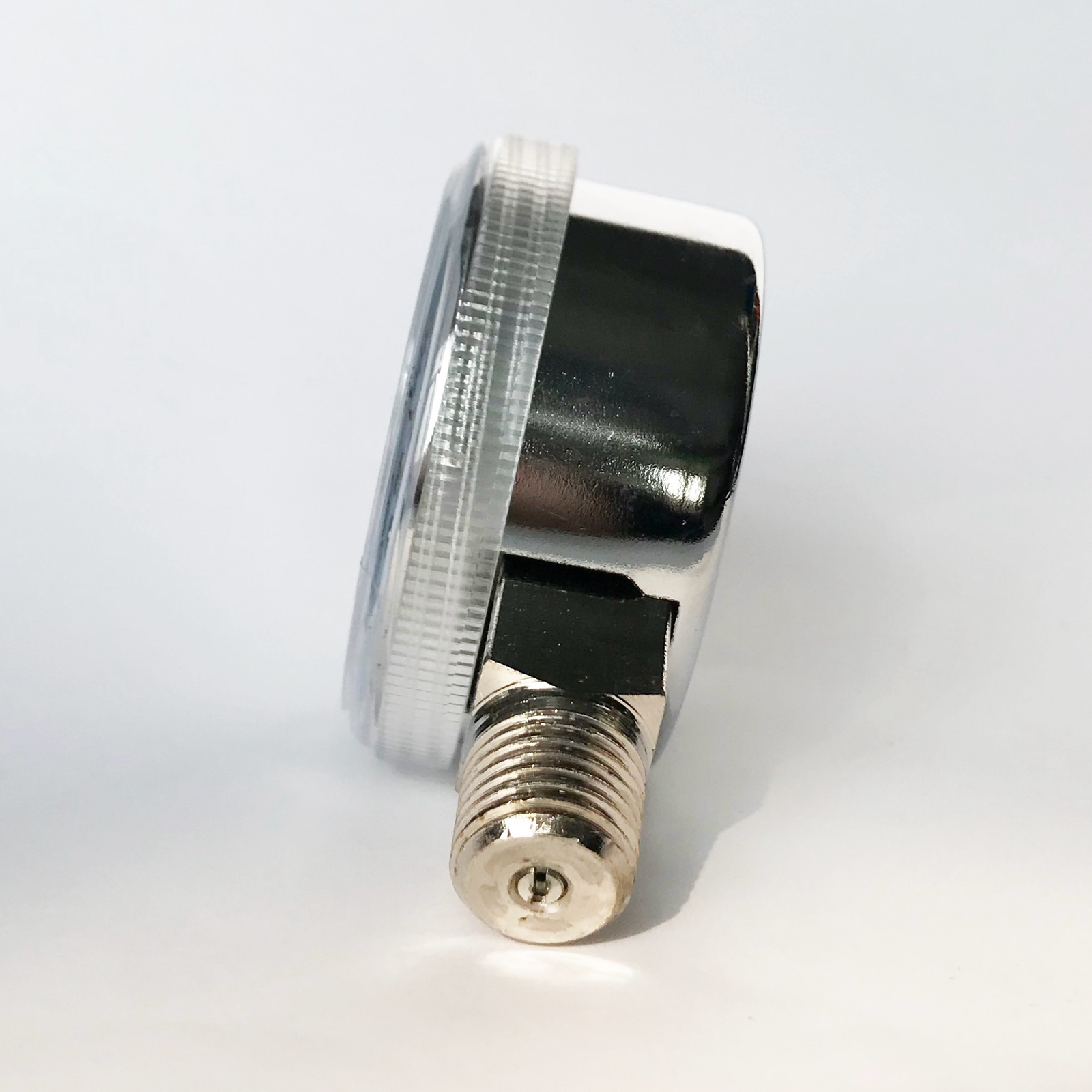
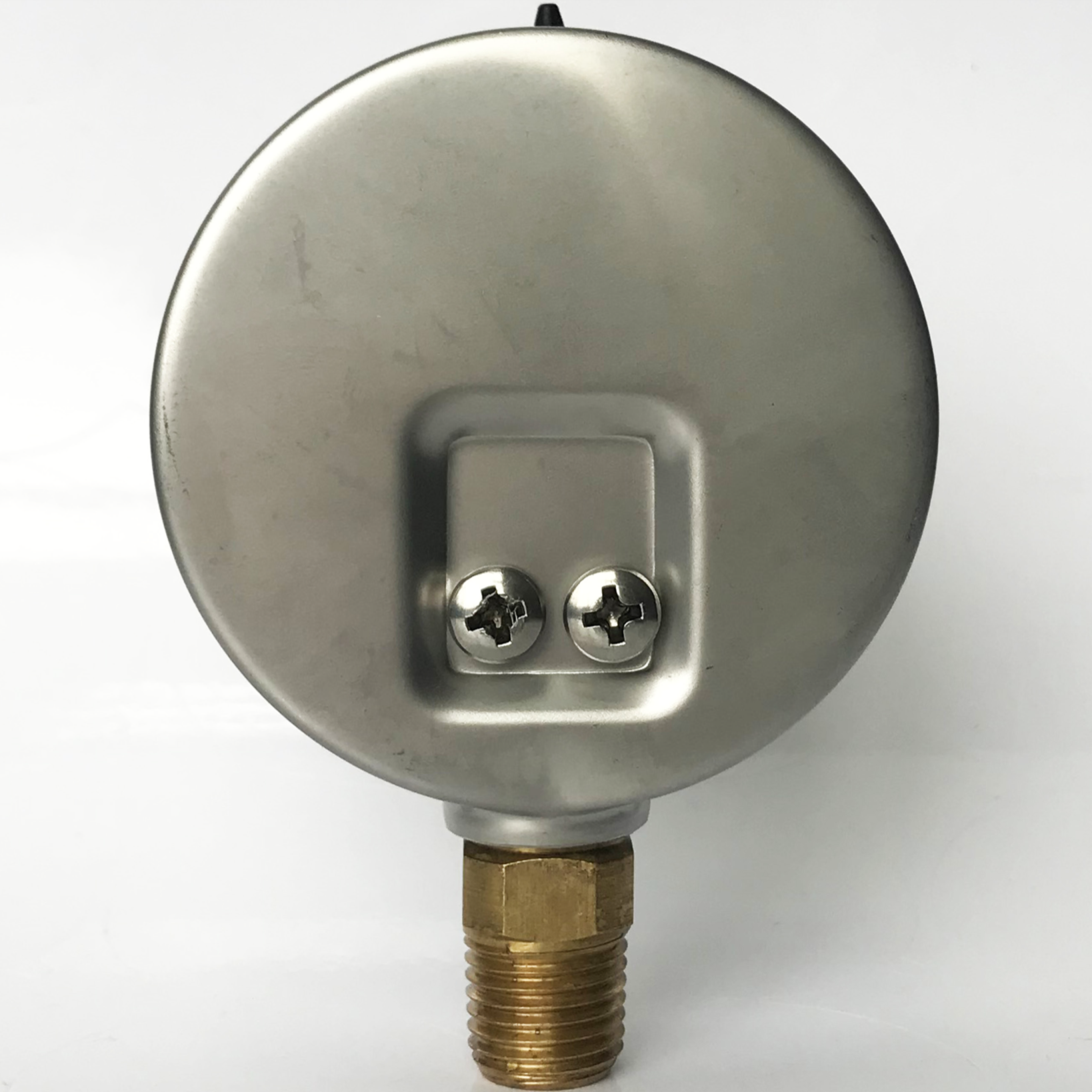
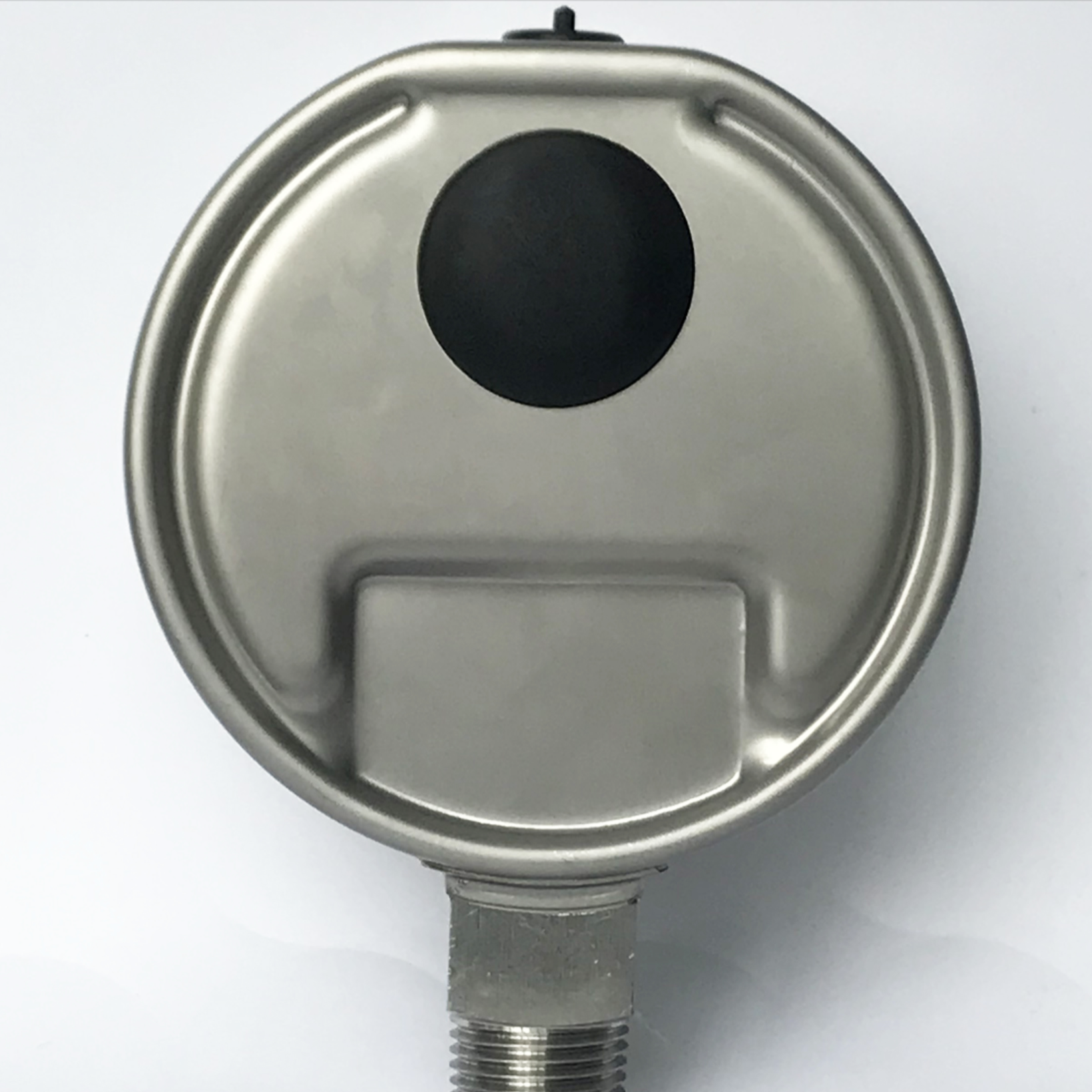
Panel Meters
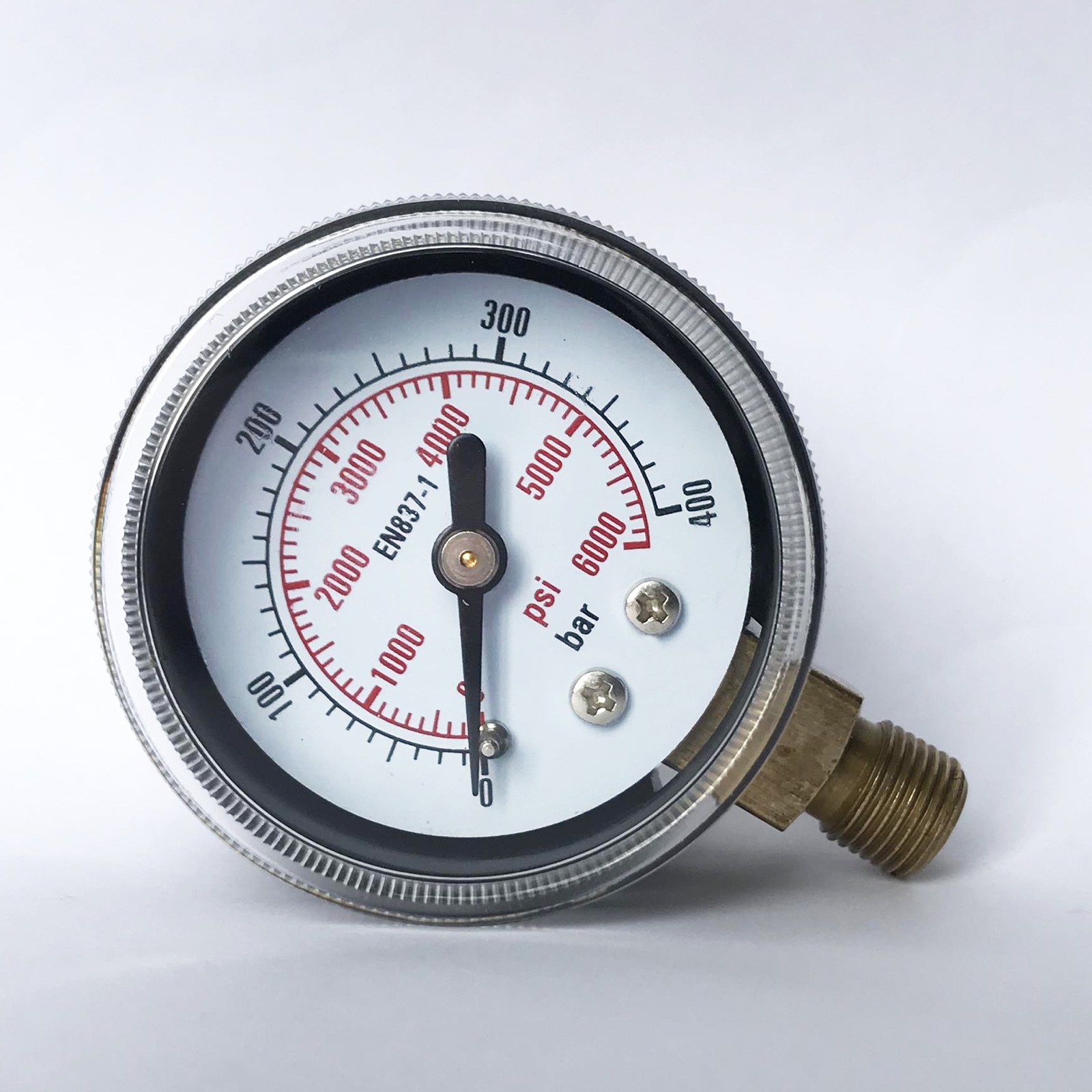
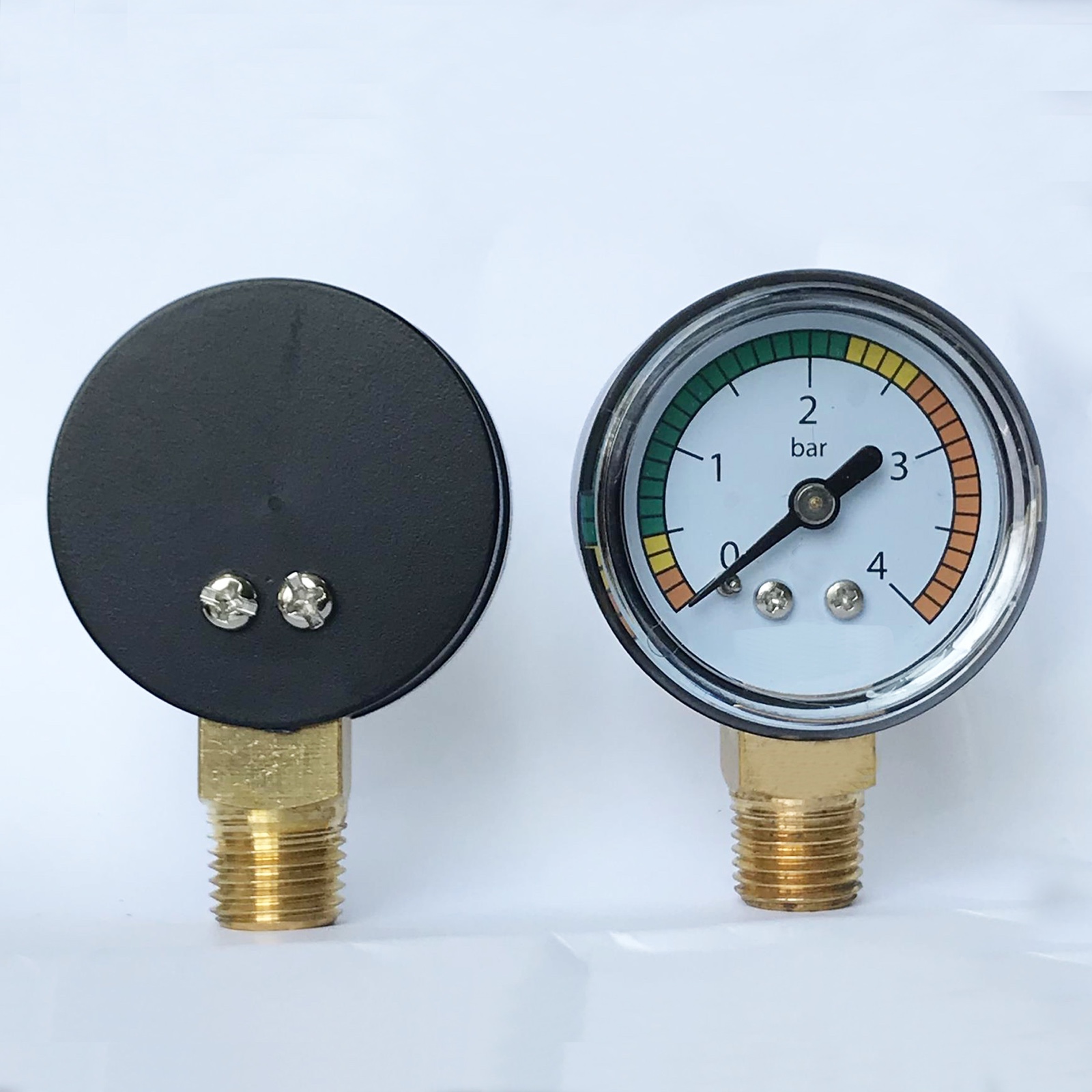
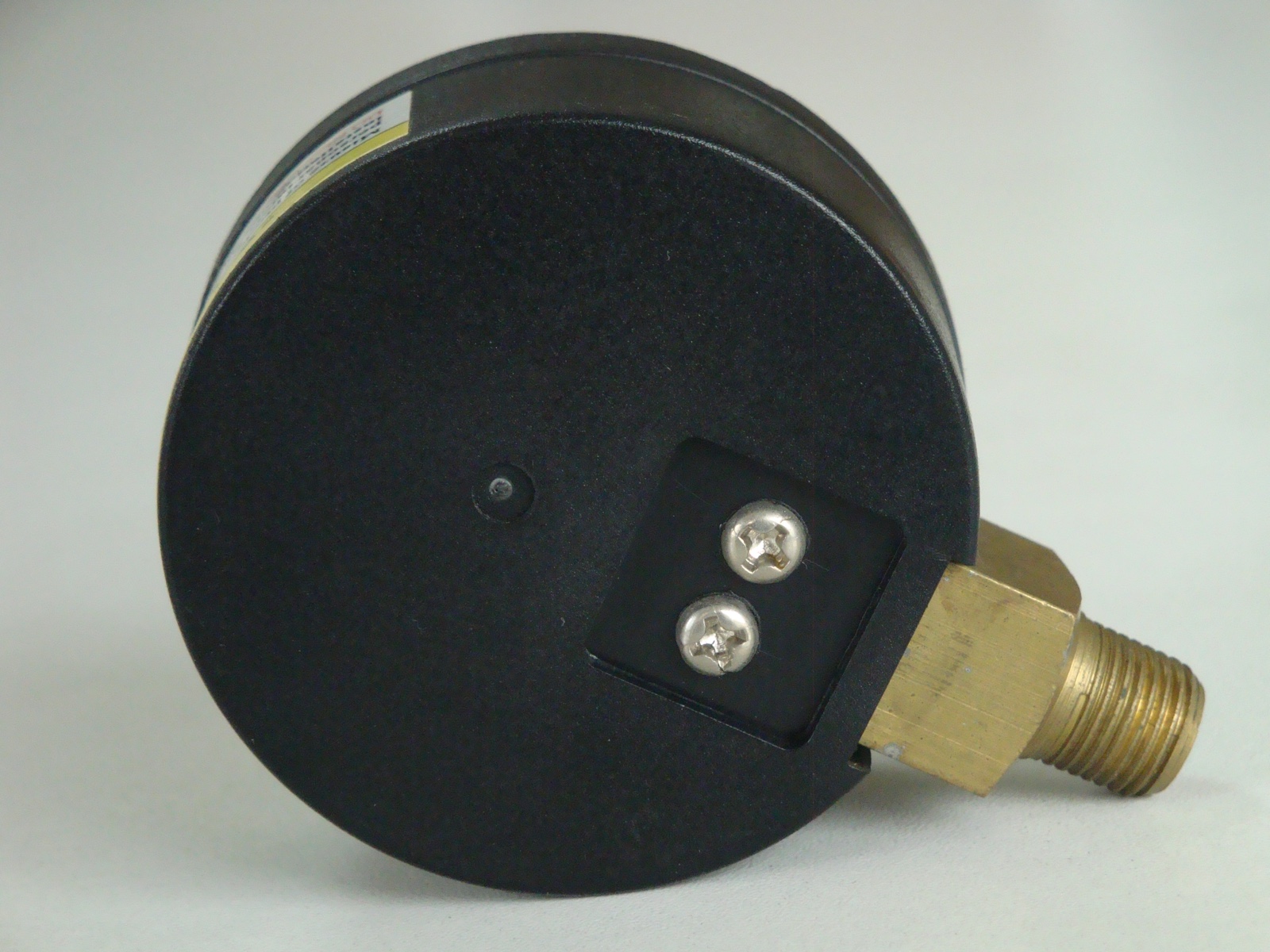
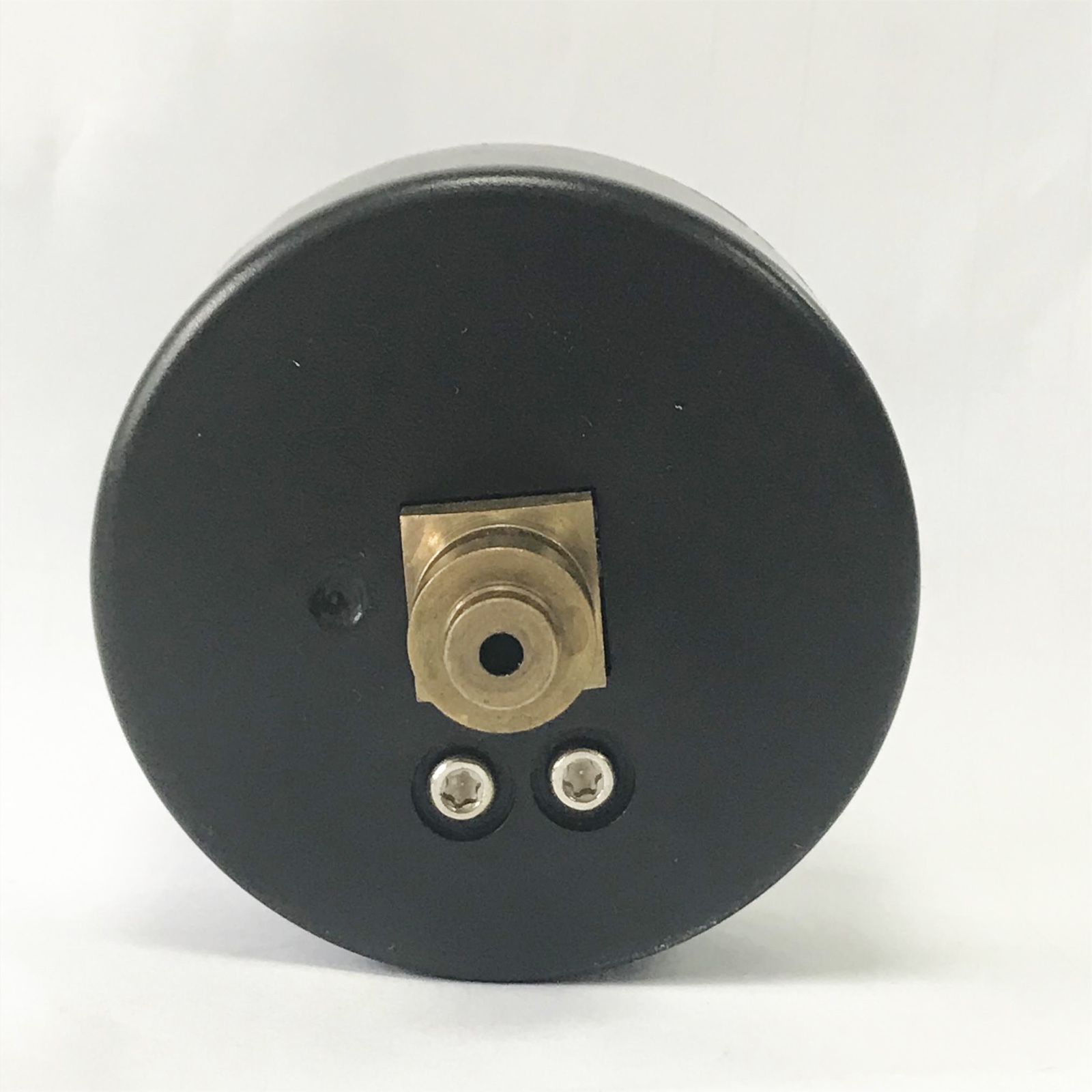
Source high-precision panel meters in bulk directly from vetted manufacturers and suppliers. Designed for importers, wholesalers, distributors, and brands requiring OEM or private-label production, our network provides reliable analog and digital instruments for industrial control panels, switchgear, and automation systems.
Sourcing panel meters in volume requires navigating a highly fragmented market of low-voltage electrical manufacturers, primarily clustered in regions like Zhejiang and Guangdong. While finding a supplier with an attractive unit price is easy, securing consistent calibration accuracy, stable internal components, and robust electromagnetic compatibility (EMC) across large production runs is the real challenge. A meter that drifts under temperature stress or fails in a high-vibration industrial environment will cost far more in field replacements than you save on the initial purchase.
Defining Technical Specifications for Bulk Orders
When negotiating with factories, vague specifications lead to unacceptable variances in the final product. Panel meters must be strictly defined by their operating environment and integration requirements.
Key parameters your purchase order must explicitly state:
- Accuracy Class: Analog meters typically range from Class 1.5 to 2.5, while digital meters should be specified at Class 0.5 or 0.2.
- Input Range & Overload Capacity: Specify whether the meter connects directly or via a Current Transformer (CT) or Potential Transformer (PT) (e.g., 5A or 1A secondary). You must also define continuous and short-duration overload tolerances.
- Dimensions: Standardize on DIN sizes (48x48mm, 72x72mm, 96x96mm) to ensure compatibility with standard panel cutouts.
- Auxiliary Power Supply: For digital meters, clearly define the required auxiliary voltage (e.g., 220V AC, 24V DC) and acceptable voltage fluctuation ranges.
Temperature Drift
In digital panel meters, the quality of the Analog-to-Digital Converter (ADC) and internal references dictates performance. Inferior components will exhibit significant temperature drift, causing readings to skew when the panel enclosure heats up. Always specify maximum operating temperatures and allowable drift percentages.
Discuss your panel meter specifications and sourcing requirements with our technical team.
Get a free consultationFactory Floor Realities: Where Quality is Won or Lost
The barrier to entry for assembling basic panel meters is relatively low, which means the market is flooded with workshops acting as manufacturers. The difference between a reliable supplier and a risky one lies in their testing infrastructure.
Before committing to a high-volume order, it is critical to verify the supplier's capabilities through rigorous Factory Audits. You need to confirm they have the automated calibration rigs and environmental testing chambers necessary to guarantee consistency.
Critical Factory Evaluation Points
- Automated Calibration: Do they use automated, programmable power sources (like Fluke calibrators) or manual, error-prone analog dials?
- Burn-in Testing: Are digital meters subjected to a minimum 24-to-48 hour powered burn-in at elevated temperatures to catch early component failures?
- EMC Testing Facilities: For digital meters with microprocessors, can the factory test for surge immunity, fast transients, and electrostatic discharge (ESD)?
- Component Traceability: Do they have strict incoming quality control for critical components like shunts, ADCs, and microcontrollers?
OEM Customization and Private Labeling
Importers and brands often require specific customizations to integrate meters into proprietary equipment or to establish brand identity. This goes beyond simply printing a logo on the dial.
When utilizing OEM/ODM Services, you must specify the exact scale printing (for analog meters) to match specific transducer outputs. For digital meters, customization often involves firmware adjustments, custom display layouts (LCD/LED segment arrangements), and specific communication protocols like Modbus RTU (RS485) for integration into SCADA systems.
| Sourcing Factor | Analog Panel Meters | Digital Panel Meters |
|---|---|---|
| Primary Cost Driver | Copper coils, magnetic core quality, mechanical assembly | Microcontroller, ADC, display type (LED/LCD) |
| OEM Customization | Custom printed scale plates, specific colored bands | Custom firmware, Modbus addresses, display colors |
| Common Defects | Pointer sticking, zero-point drift, vibration sensitivity | Segment failure on display, EMC interference, firmware bugs |
Pricing, MOQs, and Lead Times
Pricing for panel meters is heavily influenced by raw material costs (copper for analog) and semiconductor availability (for digital). Modbus communication and relay outputs significantly increase the unit price of digital meters.
Because calibration errors are invisible to the naked eye, visual inspection is insufficient. Implementing strict Quality Control & Inspection protocols before shipment is mandatory. Inspectors must pull a statistical sample and test the meters against a calibrated reference source across multiple points (e.g., 20%, 50%, 100% of scale) to ensure compliance with the stated accuracy class. Furthermore, verifying that the meters meet CE and RoHS directives via proper Compliance & Testing is essential for legal entry into European and North American markets.
Ensure your next shipment of panel meters meets exact calibration standards and compliance requirements.
Talk to our teamFrequently Asked Questions
Successfully sourcing panel meters requires moving beyond the spec sheet and verifying the actual engineering and quality control processes on the factory floor. By strictly defining calibration requirements and enforcing rigorous pre-shipment testing, buyers can secure reliable instrumentation at scale while protecting their downstream reputation.
Get Sourcing Help for Panel Meters
Tell us your requirements and our experts will connect you with verified manufacturers.