Other Industrial Components
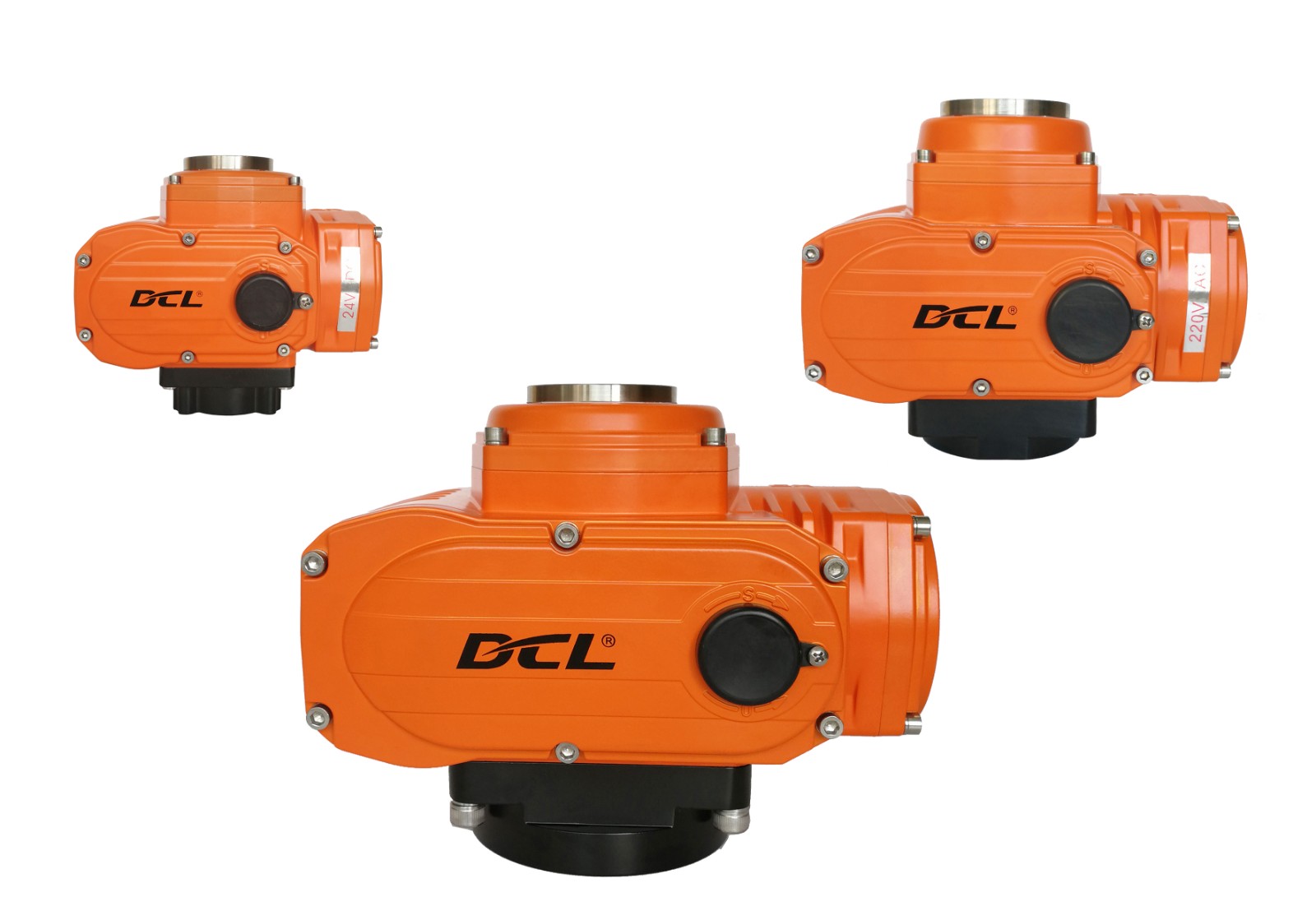
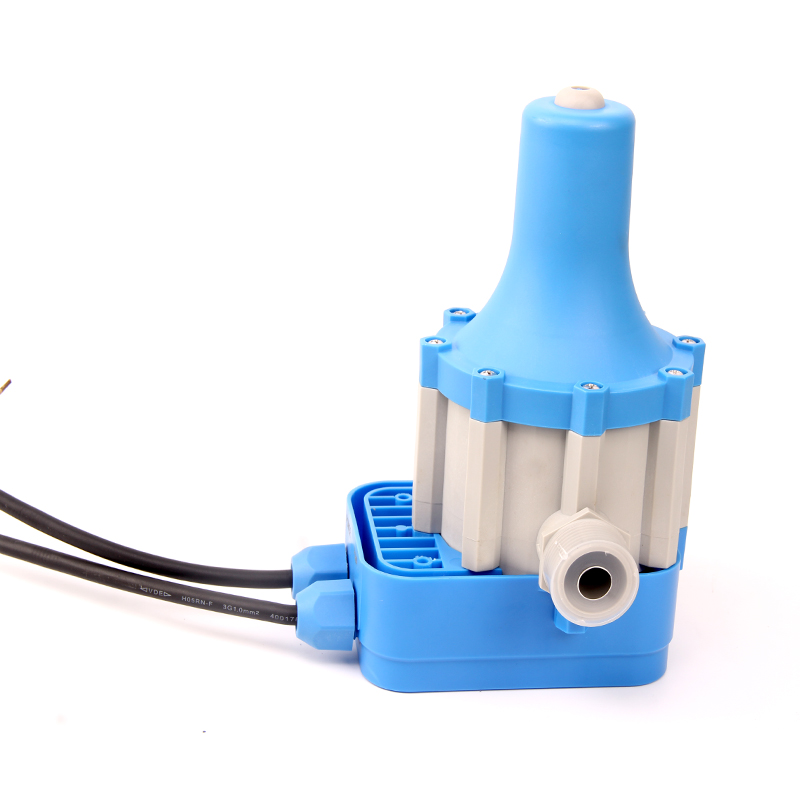
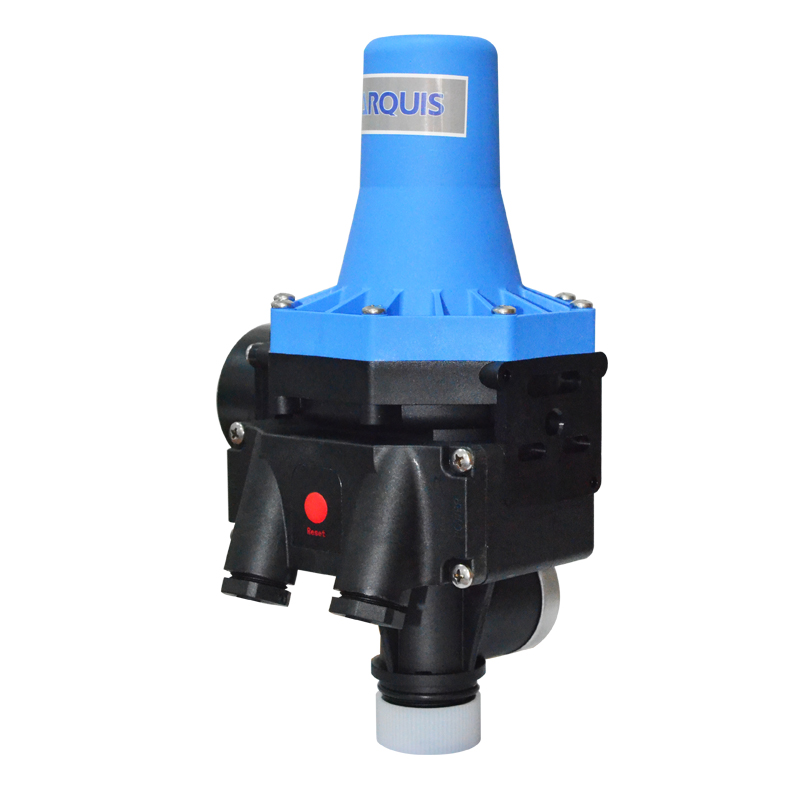
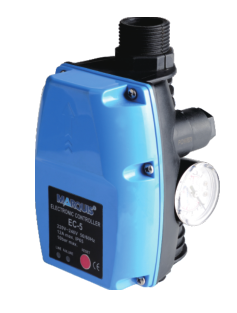
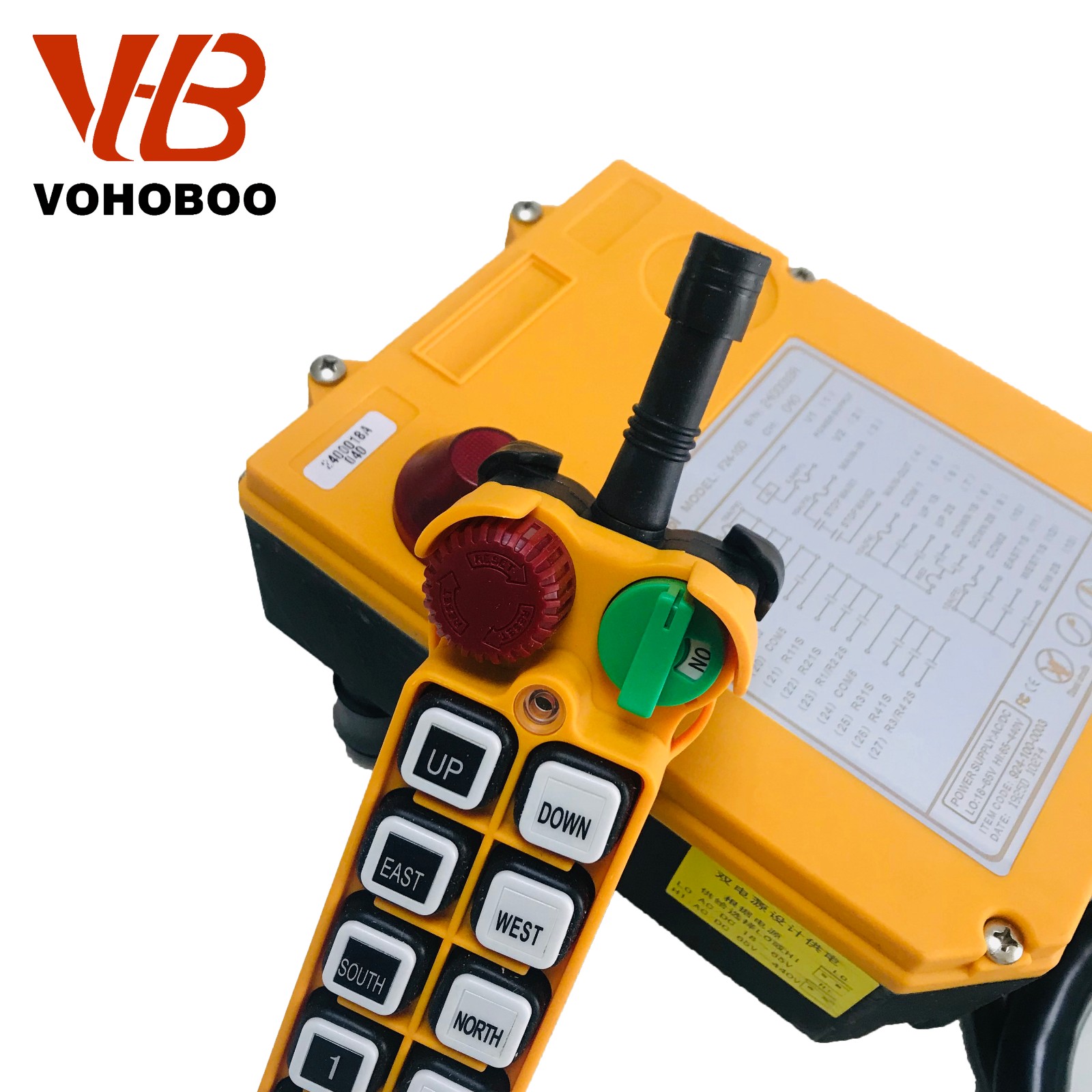
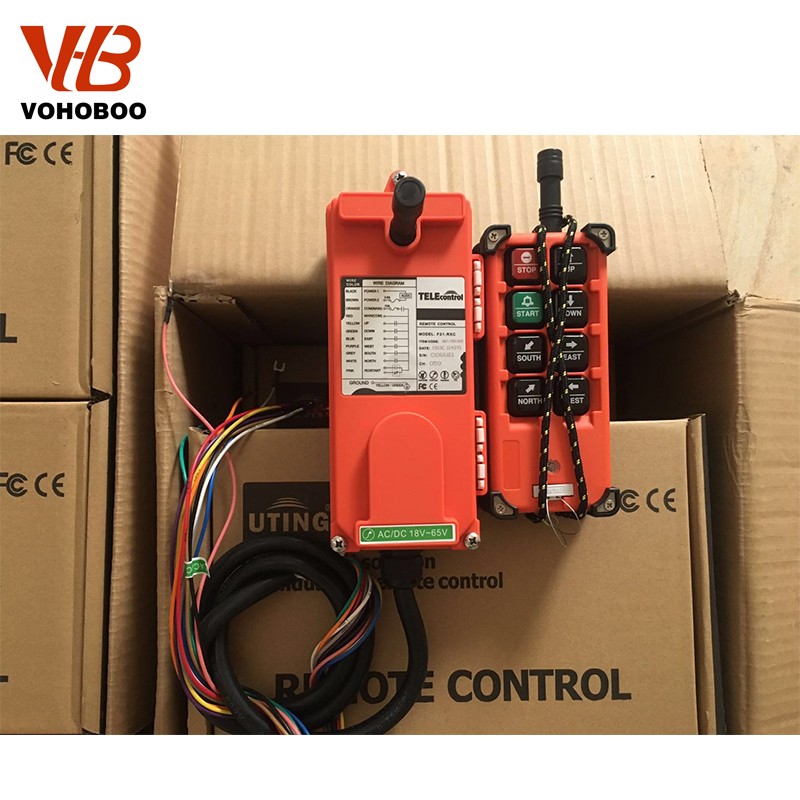
Source miscellaneous industrial control components directly from vetted manufacturers and suppliers. Designed for importers, distributors, and OEMs buying in bulk, our platform connects you with factories capable of producing specialized electrical components, custom automation parts, and reliable industrial hardware at scale.
Sourcing specialized or miscellaneous industrial control components requires navigating a fragmented manufacturing landscape. Whether you are procuring custom DIN rail accessories, specialized actuators, proprietary sensor housings, or niche terminal blocks, these components must integrate seamlessly into larger automation systems and electrical panels. Success depends on identifying factories with the right tooling capabilities, stringent material controls, and the ability to meet international electrical standards.
Core Specifications for Industrial Components
When dealing with a broad category of industrial controls, your technical specification sheet is your primary defense against substandard manufacturing. Factories producing these components often rely on a mix of injection molding, metal stamping, and automated assembly.
If your specifications are loose, manufacturers may substitute materials to cut costs, leading to premature failure in harsh industrial environments.
Critical Specifications to Define
- Material Flame Retardancy: Specify exact ratings (e.g., UL94 V-0) for plastic housings to ensure self-extinguishing properties.
- Ingress Protection (IP): Clearly state the required IP rating (e.g., IP65, IP67) for components exposed to dust or moisture.
- Operating Temperature Range: Define both continuous and peak temperature tolerances, typically ranging from -40 to 85 degrees Celsius or higher.
- Electrical Tolerances: Specify maximum voltage, current ratings, and dielectric strength for any component handling electrical loads.
- Plating Thickness: For conductive contacts, specify exact micron measurements for tin, silver, or gold plating to prevent corrosion and arcing.
Need to verify a factory's technical capabilities before placing a bulk order? We can help you vet suppliers and validate their engineering standards.
Talk to our teamManufacturing Processes and Quality Control
The production of industrial components usually involves precision plastic injection molding for housings and high-speed metal stamping for internal contacts or structural elements. The primary risk lies in the degradation of tooling over time and poor assembly tolerances.
Common defects include "flash" (excess plastic) on molded parts, which can prevent components from snapping onto DIN rails or mating properly. In metal components, worn stamping dies can lead to burrs, which may cause short circuits or mechanical binding.
Implementing rigorous Quality Control & Inspection is essential. In-line inspections should verify dimensional tolerances using calipers and optical comparators, while pre-shipment inspections must include functional mating tests and continuity checks for electrical parts.
Tooling Ownership
When investing in custom molds for proprietary components, clearly define tooling ownership, maintenance responsibilities, and expected shot life in your manufacturing agreement. Many buyers lose control of their IP by failing to secure tooling rights upfront.
Compliance and Market Certifications
Industrial control components are heavily regulated. Depending on your target market, components may need to comply with CE (Low Voltage Directive), RoHS, REACH, or UL/CSA standards.
Do not rely solely on a supplier's self-declaration. Always request test reports from recognized third-party laboratories. If the factory cannot provide verifiable documentation, you will need to arrange independent Compliance & Testing to ensure the parts can be legally imported and safely integrated into larger systems.
Factory Audits
Verify a manufacturer's ISO 9001 certification, production capacity, and quality management systems on-site before committing to a high-volume order.
Buying Mechanics: MOQs, Tooling, and Lead Times
Procuring industrial components at scale involves balancing unit costs against tooling investments and Minimum Order Quantities (MOQs). Standard catalog parts generally have lower MOQs, while custom components require significant upfront investment but offer better unit economics at high volumes.
If you are developing proprietary parts, partnering with a factory that offers robust OEM/ODM Services is critical for moving smoothly from prototype to mass production.
| Component Strategy | Typical MOQ | Tooling Investment | Production Lead Time |
|---|---|---|---|
| Standard Catalog Parts | 3,000 - 5,000 pcs | None | 15 - 30 days |
| Modified Standard (Custom Color/Marking) | 5,000 - 10,000 pcs | Low (Print/Laser setup) | 25 - 40 days |
| Fully Custom (OEM) | 10,000+ pcs | High (New Molds/Dies) | 45 - 60 days (post-tooling) |
Struggling to negotiate tooling costs or verify production timelines? Speak with our sourcing experts to optimize your supply chain.
Get a free consultationFrequently Asked Questions
Sourcing industrial components effectively comes down to controlling the details: tight tolerances, verified materials, and strict adherence to electrical standards. By treating quality control as a continuous process rather than a final step, you protect your supply chain from costly assembly failures. If you need experienced boots on the ground to manage supplier vetting, technical negotiations, and factory-level inspections, our team is ready to assist.
Get Sourcing Help for Other Industrial Components
Tell us your requirements and our experts will connect you with verified manufacturers.