Nonwoven Machines
Source industrial-grade nonwoven machines from vetted manufacturers and suppliers. Designed for importers, distributors, and textile production facilities, our wholesale sourcing solutions ensure you secure reliable equipment for high-volume production lines. Explore bulk procurement and custom manufacturing options below.
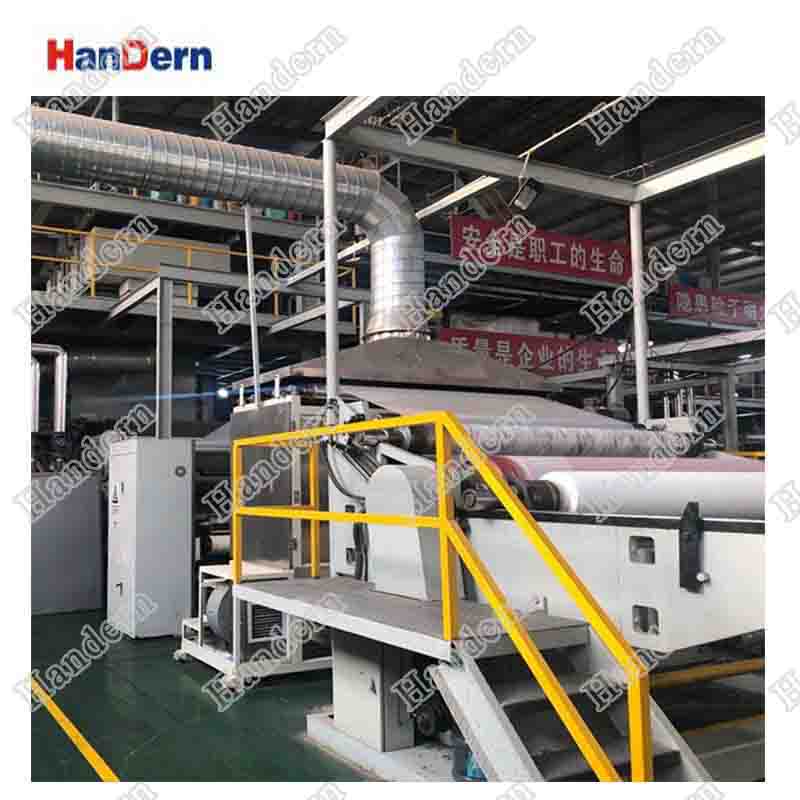
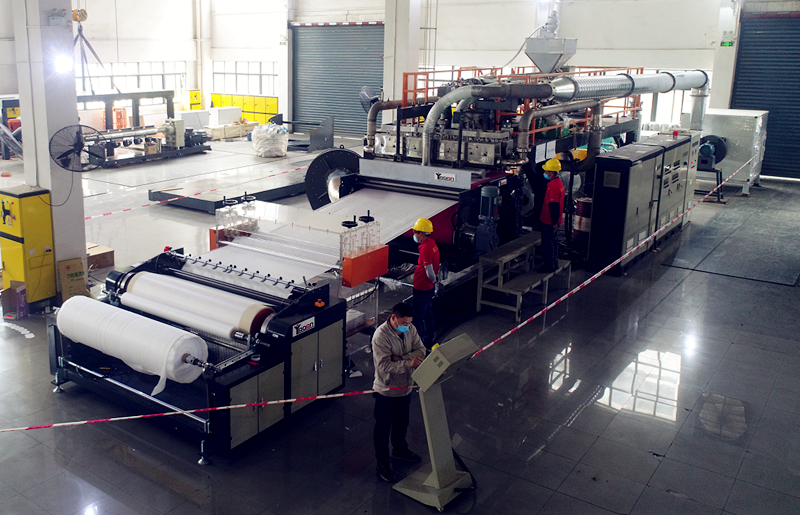
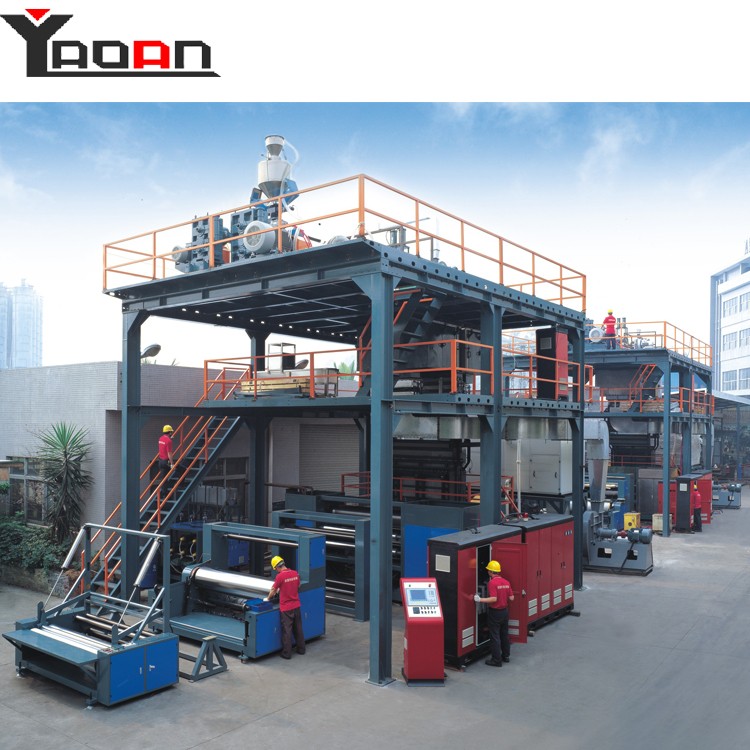
Sourcing nonwoven machinery—whether for spunbond, meltblown, spunlace, or needle-punch production—requires navigating a complex landscape of equipment manufacturers. The core challenge isn't just finding a factory that can assemble a line; it is verifying that their extruders, spinnerets, and web-forming components can consistently hit your target GSM (grams per square meter) and tensile strength requirements at commercial speeds without excessive downtime.
Critical Specifications for Nonwoven Lines
When evaluating a machinery manufacturer, vague specifications lead to production bottlenecks. Professional buyers must define exact parameters for the equipment to ensure it aligns with the intended output, whether that is medical-grade SMS (Spunbond-Meltblown-Spunbond) fabric, geotextiles, or hygiene products.
Key Technical Parameters to Specify
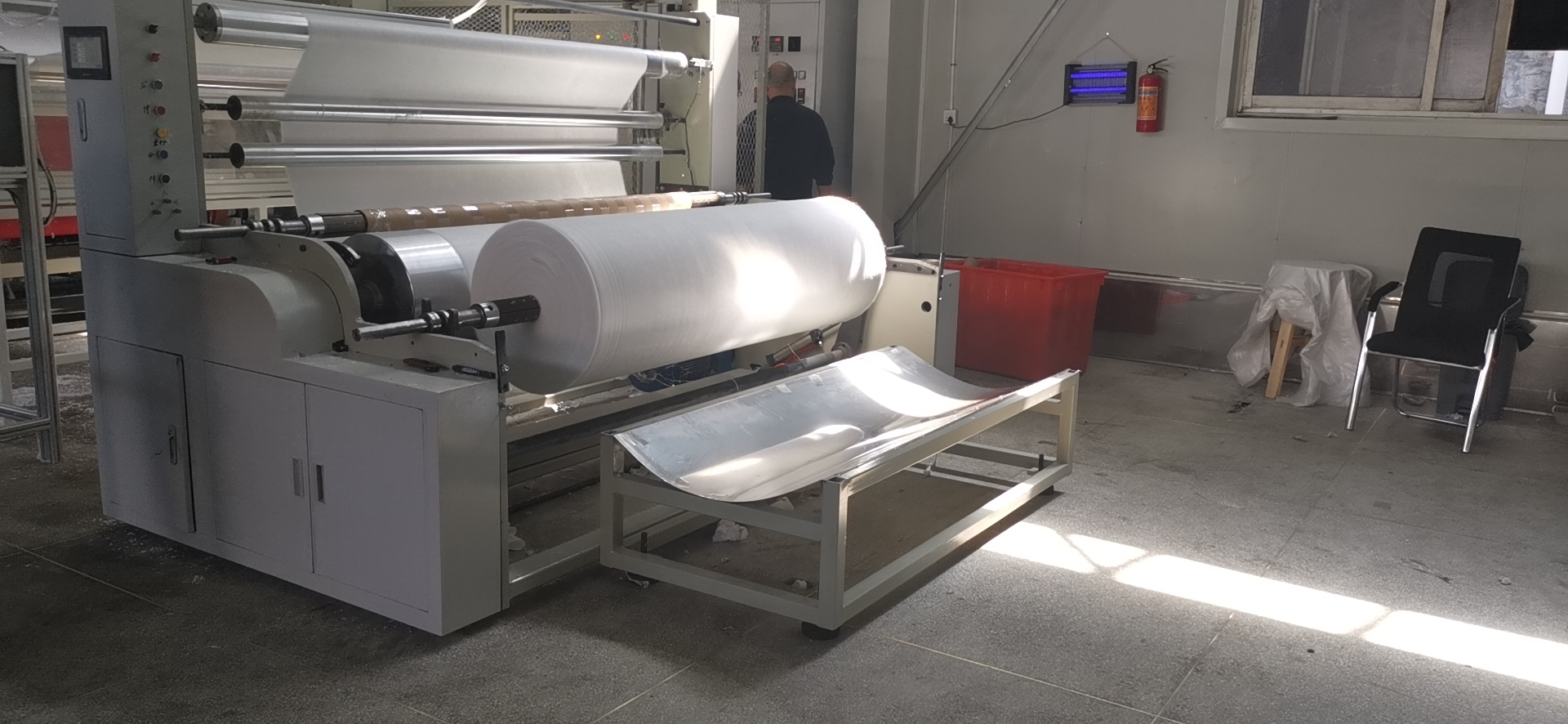
- Web Width: Typically ranging from 1.6m to 3.2m; ensure the winder and slitter can handle your exact finished roll dimensions.
- Production Speed & Capacity: Specify mechanical speed (m/min) and actual production capacity (tons/year or kg/h) at your target GSM.
- GSM Range: The minimum and maximum grams per square meter the line can produce while maintaining uniform web distribution.
- Filament Denier: Critical for spunbond and meltblown lines to determine the softness and filtration efficiency of the fabric.
- Automation & Controls: Specify required PLC and HMI brands (e.g., Siemens, Mitsubishi) for reliable integration and easier local maintenance.
Need help verifying technical specifications with overseas machinery builders? Let our engineers review your requirements.
Talk to our teamComponent Quality and Factory Verification
The performance of a nonwoven machine is dictated by the precision of its core components. Budget suppliers often cut costs on metallurgy and thermal management, which inevitably leads to uneven polymer distribution, frequent blockages, and inconsistent fabric quality.
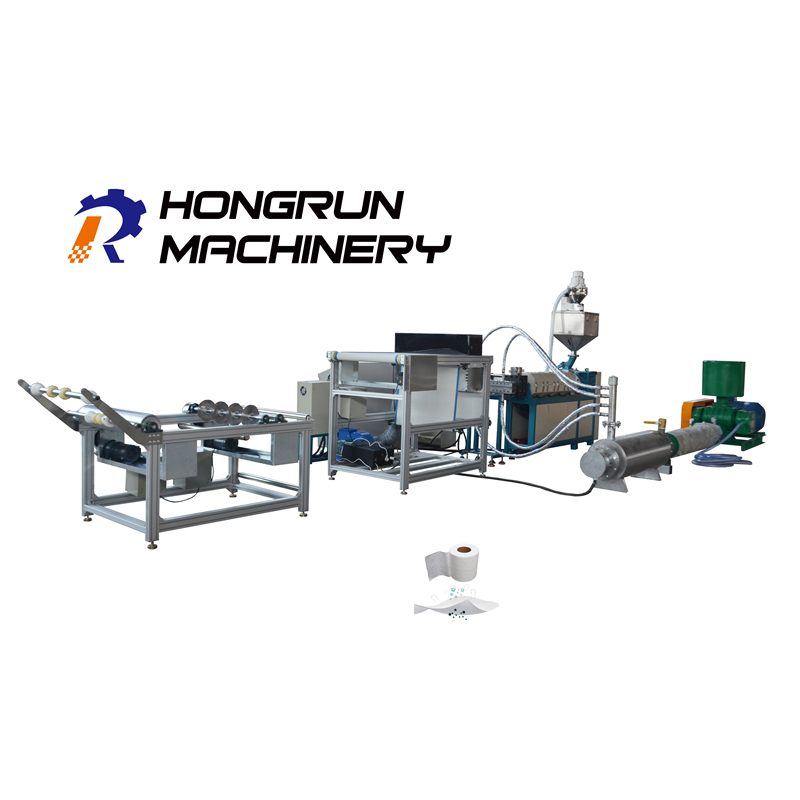
Pay close attention to the extrusion system and the spinneret design. High-quality spinnerets require precise micro-machining to ensure uniform filament extrusion. Additionally, the thermal bonding calender must maintain exact temperature profiles across the entire width of the roller; variations of even a few degrees can cause weak spots in the fabric.
Because evaluating these components remotely is nearly impossible, executing comprehensive Factory Audits is a mandatory step before placing a deposit. You must verify the manufacturer's in-house machining capabilities versus what they outsource, as well as their track record in assembling lines of similar scale and complexity.
Factory Acceptance Testing (FAT)
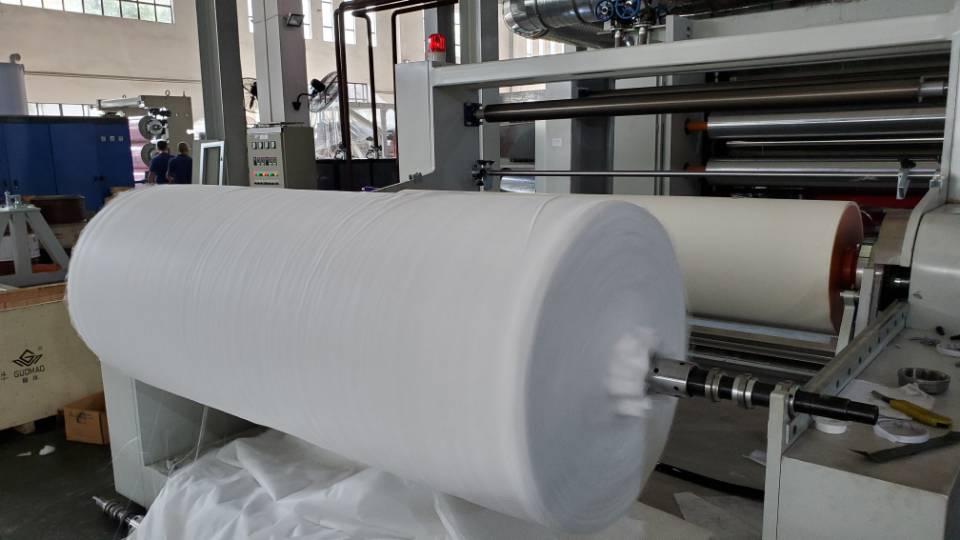
Never authorize shipment without a rigorous FAT. The machine must be fully assembled and run at production speed using your specific raw materials (e.g., PP or PET chips) to verify GSM uniformity and output capacity.
Lead Times, Pricing, and Logistics Realities
Procuring industrial nonwoven machinery is a capital-intensive project with extended timelines. These are not off-the-shelf products; each line is customized to the buyer's facility footprint and output requirements.
Pricing for nonwoven lines varies drastically based on the technology (e.g., a simple needle-punch line versus a high-speed composite SMS line), the width of the machine, and the origin of critical components like PLCs, drives, and specialized pumps.
Logistics also play a major role in the final landed cost. A complete spunbond or SMS line often requires multiple 40HQ containers, flat racks for oversized calenders or extruders, and meticulous packing to prevent moisture damage to sensitive electronics during transit. Engaging specialized Shipping & Freight coordination early in the project ensures that factory loading and customs clearance proceed without costly delays.
Planning a new nonwoven production line? Contact us to discuss realistic timelines, supplier vetting, and logistics planning.
Get a free consultationBuyer FAQ
Executing a successful machinery procurement project requires strict oversight from the initial technical specification through to final commissioning. By implementing robust Quality Control & Inspection protocols at the factory level, buyers can mitigate the risks associated with capital equipment sourcing and ensure their new production line operates profitably from day one.
Get Sourcing Help for Nonwoven Machines
Tell us your requirements and our experts will connect you with verified manufacturers.