Manual Tile Cutters
Source professional-grade manual tile cutters directly from vetted manufacturers and wholesale suppliers. Designed for importers, hardware distributors, and tool brands seeking reliable OEM and private-label production in bulk, our network delivers precision scoring and cutting performance at scale.
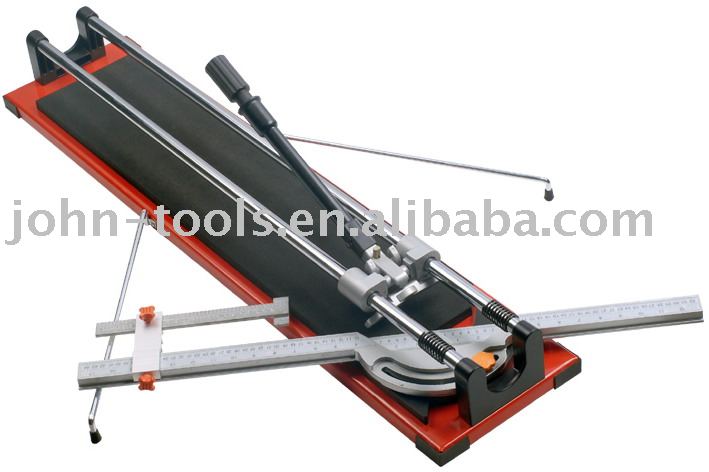
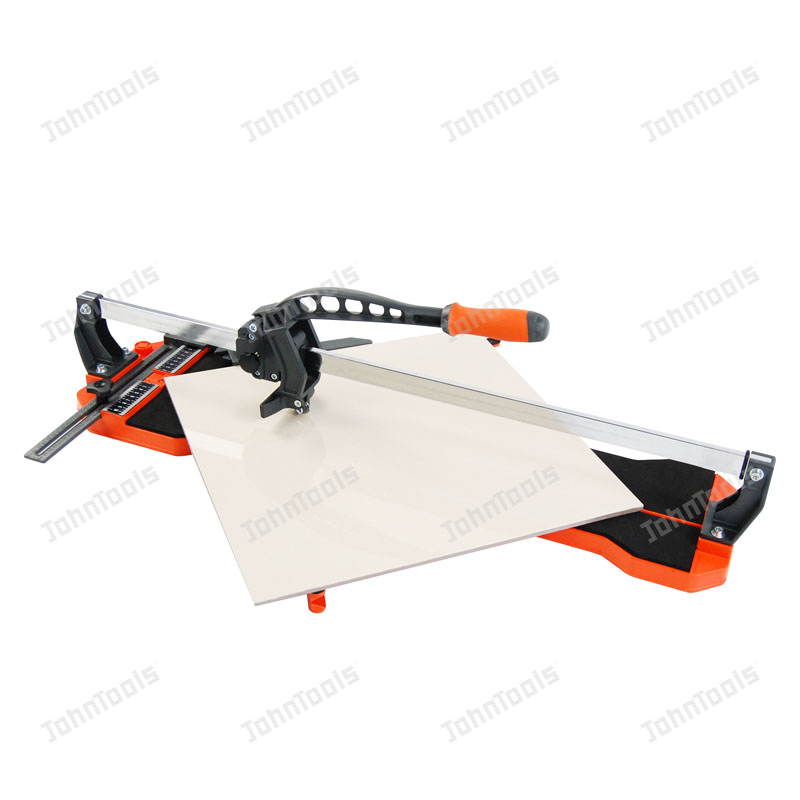
Sourcing manual tile cutters requires balancing rigid construction with cost-efficient manufacturing. For professional end-users, a cutter's value is defined by its ability to snap large-format porcelain or ceramic without edge chipping or diagonal deflection. When buying in bulk, the challenge lies in ensuring structural consistency across the entire production run—specifically in rail alignment, base plate rigidity, and scoring wheel durability.
Critical Specifications for Volume Buyers
The performance of a manual tile cutter hinges on its ability to apply even pressure without flexing. When negotiating with factories, the bill of materials (BOM) must be explicitly defined to avoid unauthorized substitutions.
Base Material and Construction
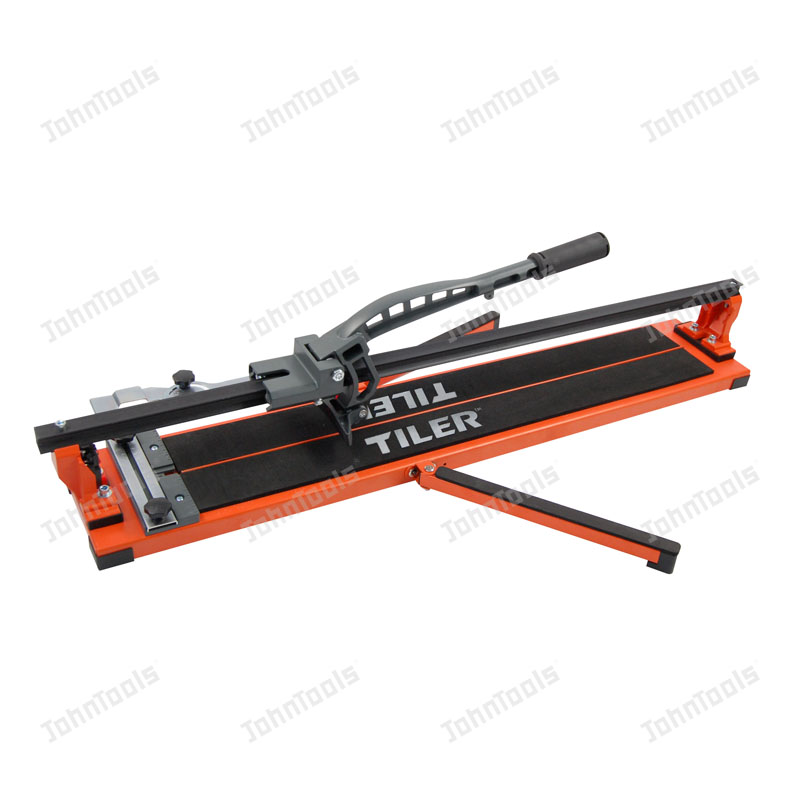
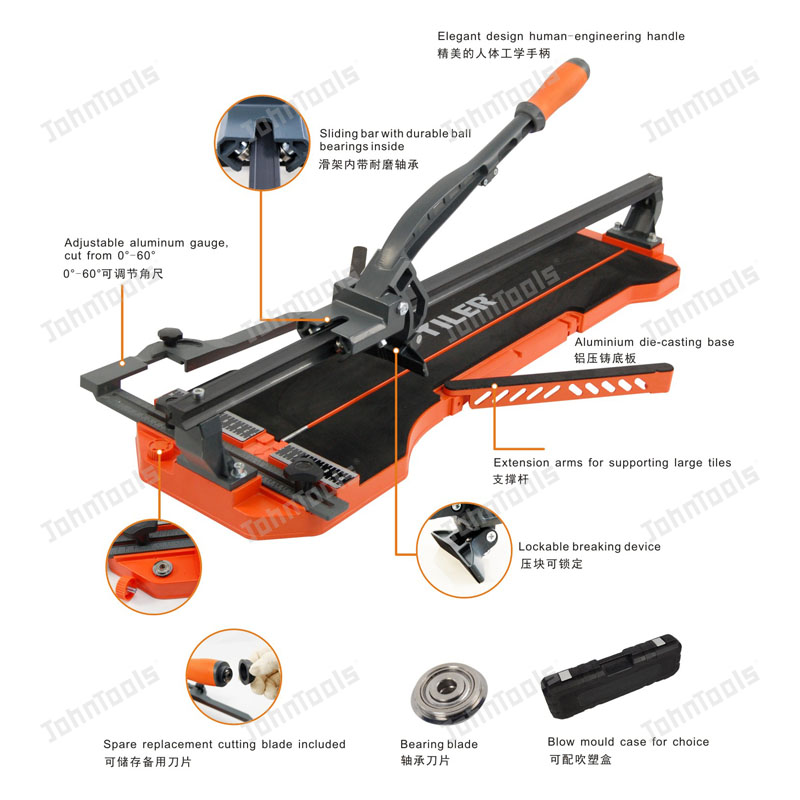
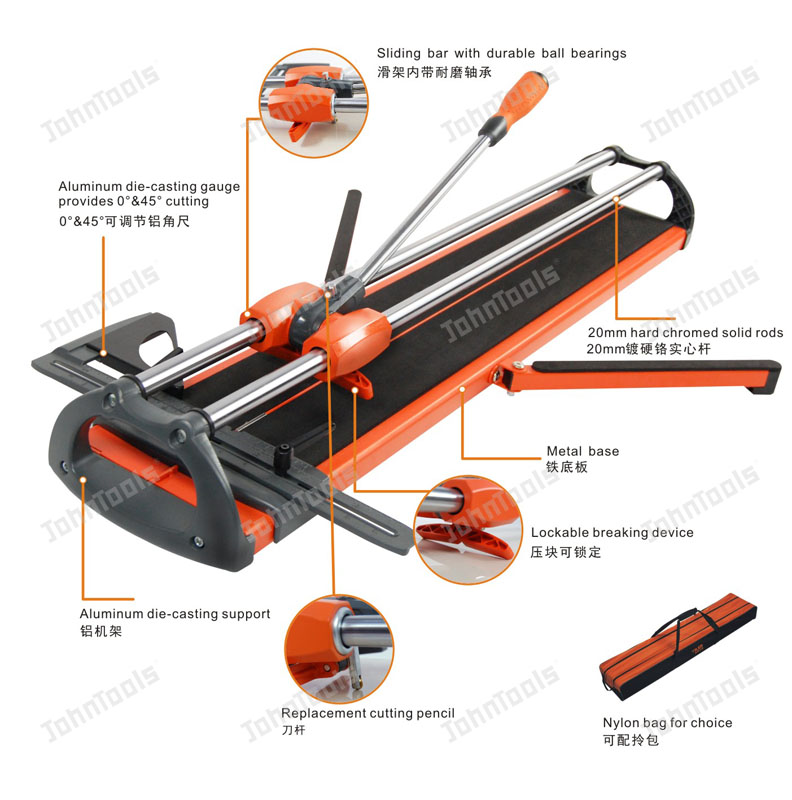
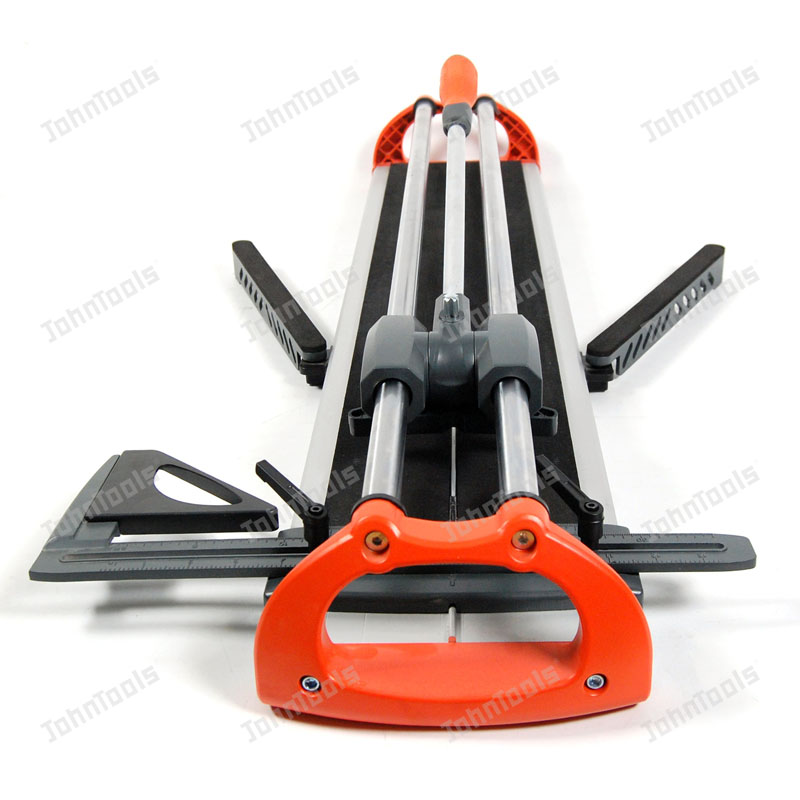
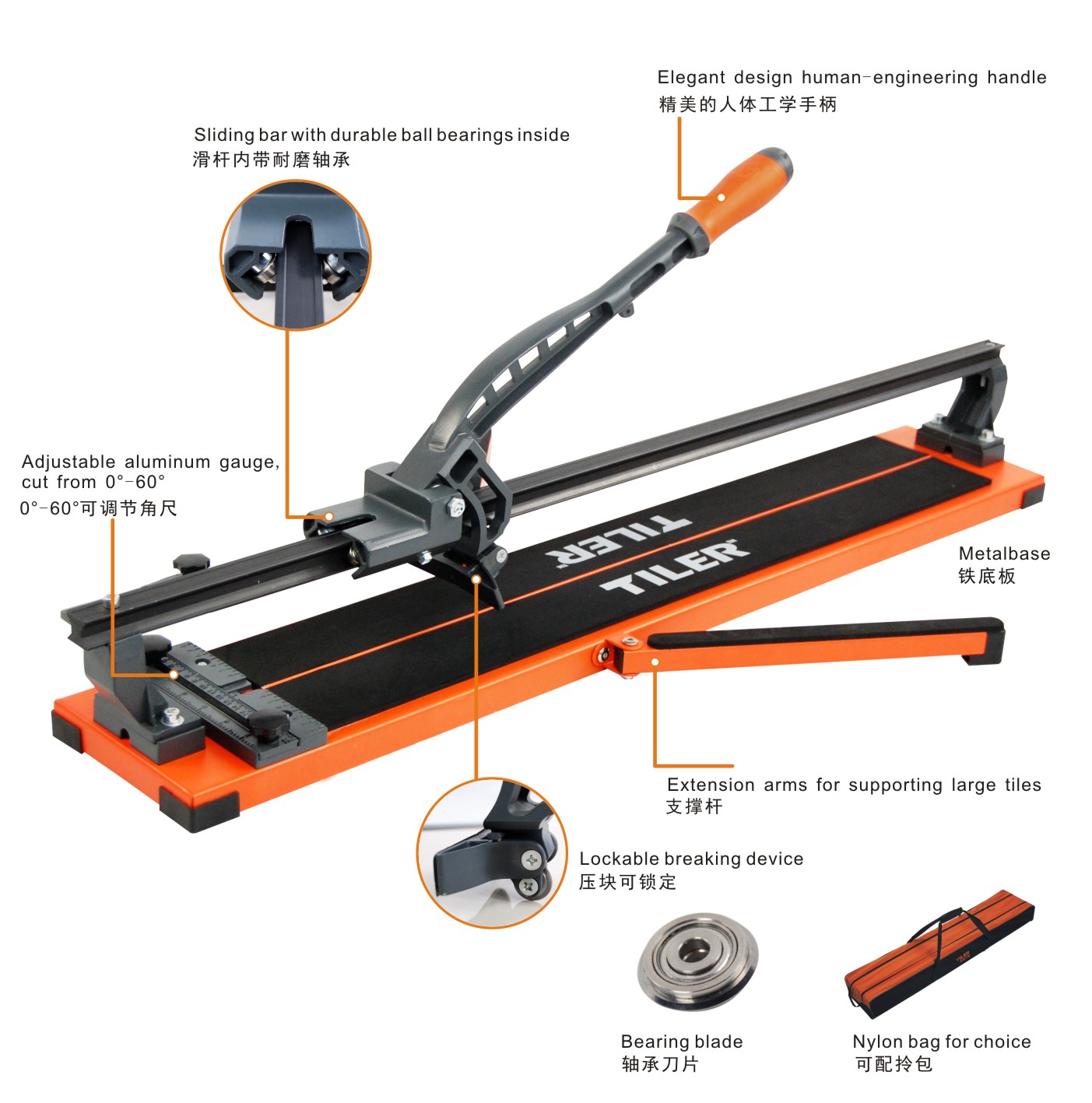
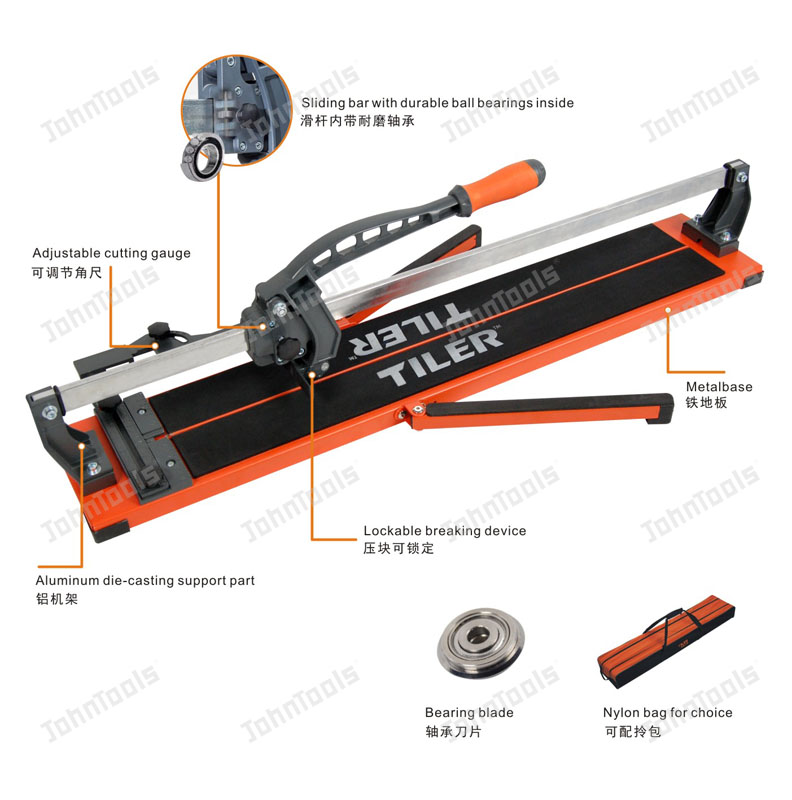
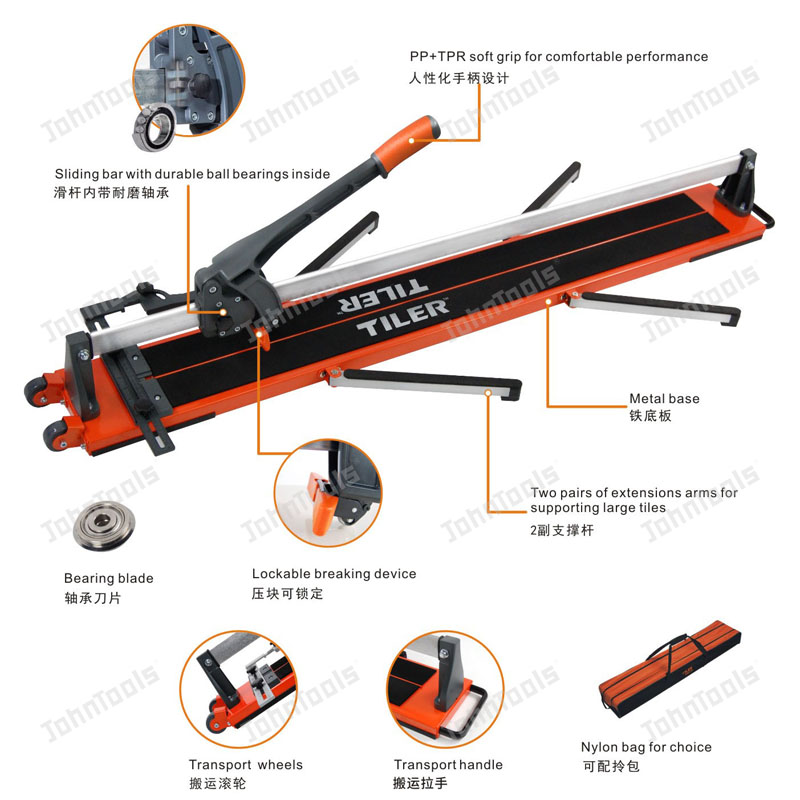
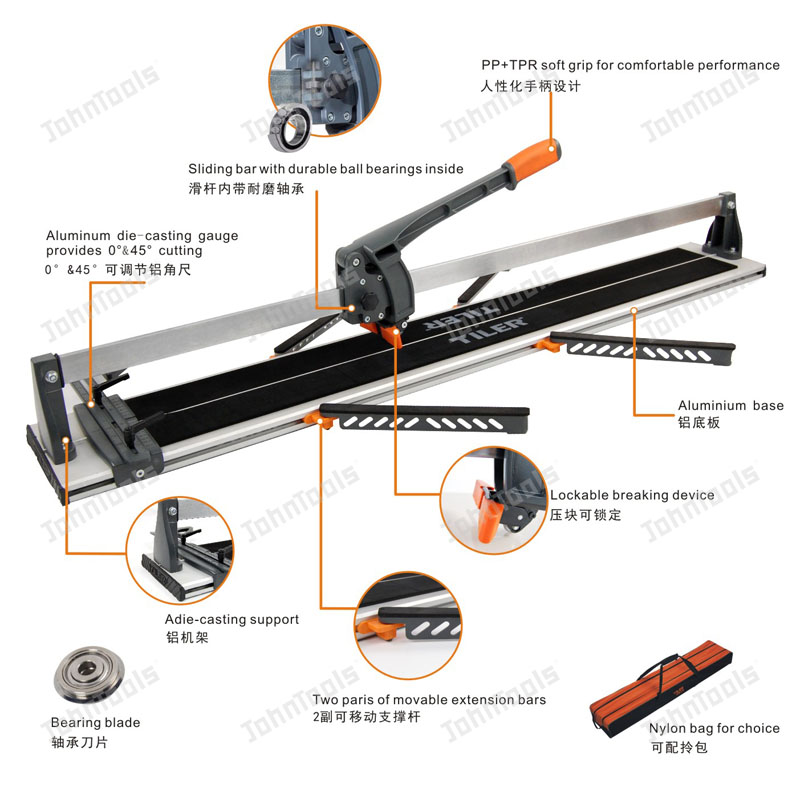
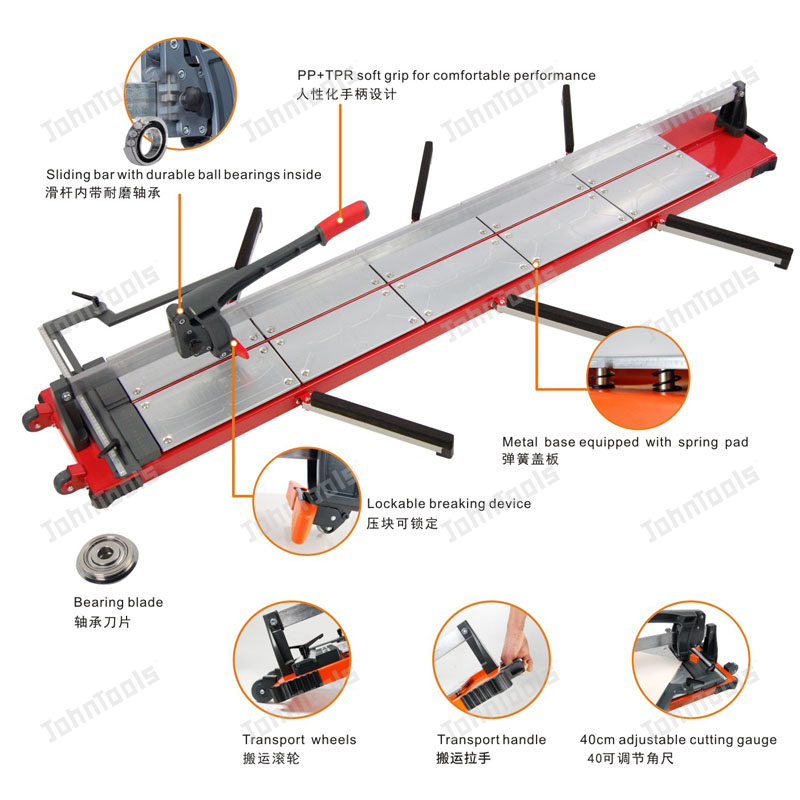
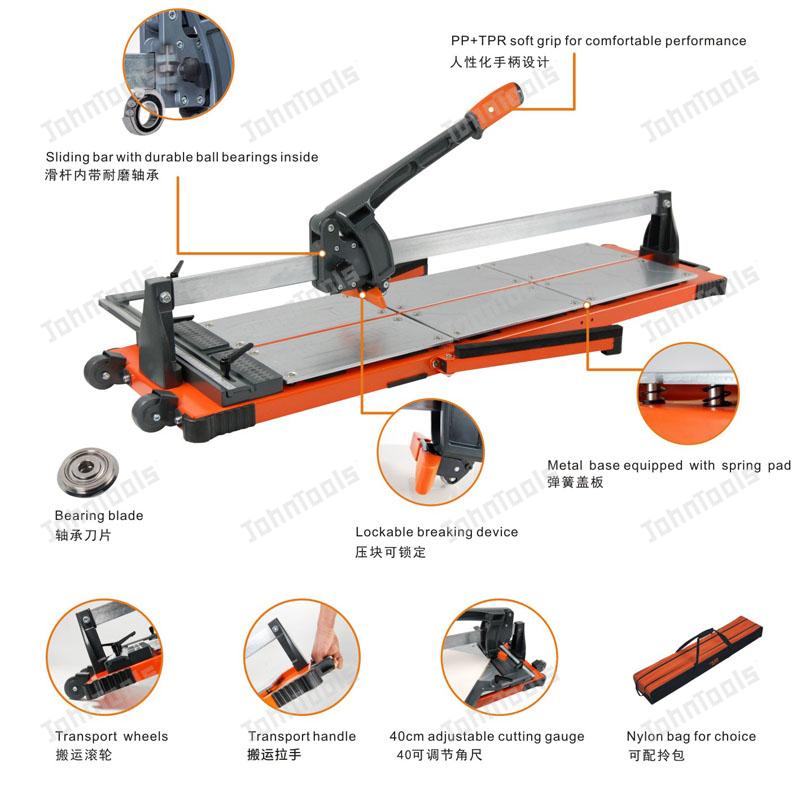
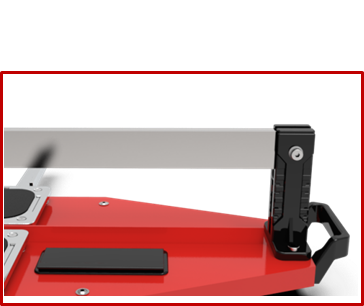
The base plate absorbs the breaking force. Manufacturers typically offer stamped steel or die-cast aluminum bases. Stamped steel is economical but can flex under heavy loads, leading to uneven snaps on dense porcelain. Die-cast aluminum provides superior rigidity and a lighter carrying weight, making it the standard for professional-grade models.
| Feature | Stamped Steel Base | Die-Cast Aluminum Base |
|---|---|---|
| Rigidity & Deflection | Moderate; can flex on cuts over 600mm | High; resists flexing on large-format tile |
| Weight Profile | Heavier, increasing freight costs slightly | Lightweight, preferred by professional end-users |
| Manufacturing Cost | Economical, ideal for DIY/entry-level | Premium, requires expensive tooling |
Guide Rails and Bearings
The carriage must glide smoothly without lateral play. High-end models utilize solid steel guide rails (often chrome-plated for rust resistance) paired with linear ball bearings. Budget models may use hollow tubes or basic friction sleeves, which wear quickly and cause the scoring wheel to wander. Always specify the rail diameter and whether the core is solid or hollow.
Ensure your specifications translate accurately to the factory floor and avoid silent material substitutions.
Talk to our teamQuality Control in Tool Manufacturing
Even with a strong BOM, poor assembly tolerances can ruin a batch of tile cutters. Misaligned guide rails or a poorly machined breaking foot will result in shattered tiles and high return rates. Implementing rigorous Quality Control & Inspection processes is essential before the goods leave the factory floor.
Pre-Shipment Inspection Focus Areas
- Rail Parallelism: Ensure dual rails are perfectly parallel to prevent carriage binding.
- Base Flatness: Check the central spine and shock-absorbing pads for level alignment.
- Scoring Wheel Runout: Verify the tungsten carbide wheel has zero lateral wobble.
- Breaking Foot Alignment: Test the drop mechanism to ensure dead-center pressure on the score line.
- Coating Adhesion: Perform cross-cut testing on painted or powder-coated bases to check rust resistance.
OEM Customization and Branding
For brands looking to differentiate, manual tile cutters offer excellent opportunities for private labeling. Through structured OEM/ODM Services, buyers can customize the tool's aesthetics and ergonomics.
Common customizations include molding your logo directly into the TPR (thermoplastic rubber) handle grips, applying custom powder-coat colors to the base, and upgrading the scoring wheel to titanium-coated tungsten carbide for extended lifespan. Upgrading the packaging from standard corrugated boxes to reinforced blow-molded cases also adds significant retail value.
Pricing, Lead Times, and MOQs
Tile cutter pricing is highly dependent on the maximum cutting length (ranging from 400mm up to 1200mm or more) and the base material.
When negotiating MOQs, factories are often restricted by the minimum order requirements of their raw material suppliers, particularly for custom extrusions or specialized bearings. Conducting thorough Factory Audits ensures your chosen supplier actually machines their own bases and rails, rather than simply assembling purchased parts, which gives you better leverage on pricing and quality.
Navigate supplier negotiations and secure favorable terms for your next volume hardware order.
Get a free consultationFrequently Asked Questions
Sourcing durable manual tile cutters requires looking past the glossy finish to evaluate the structural integrity of the base and rails. By defining strict tolerances early and verifying assembly quality at the source, importers can build a highly profitable, defect-free hand tool portfolio.
Get Sourcing Help for Manual Tile Cutters
Tell us your requirements and our experts will connect you with verified manufacturers.