Infrared Thermal Cameras
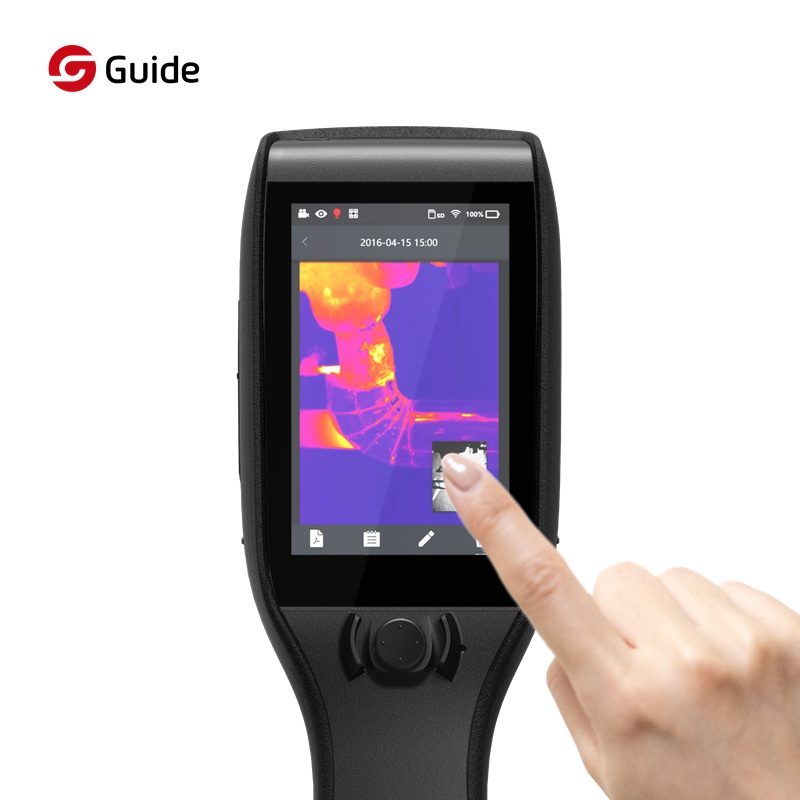
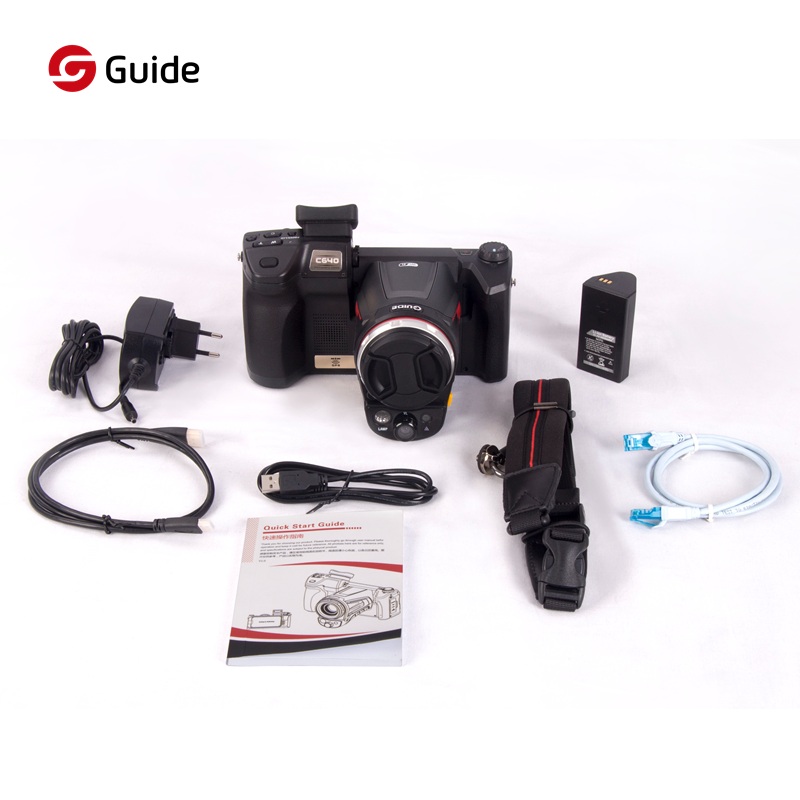
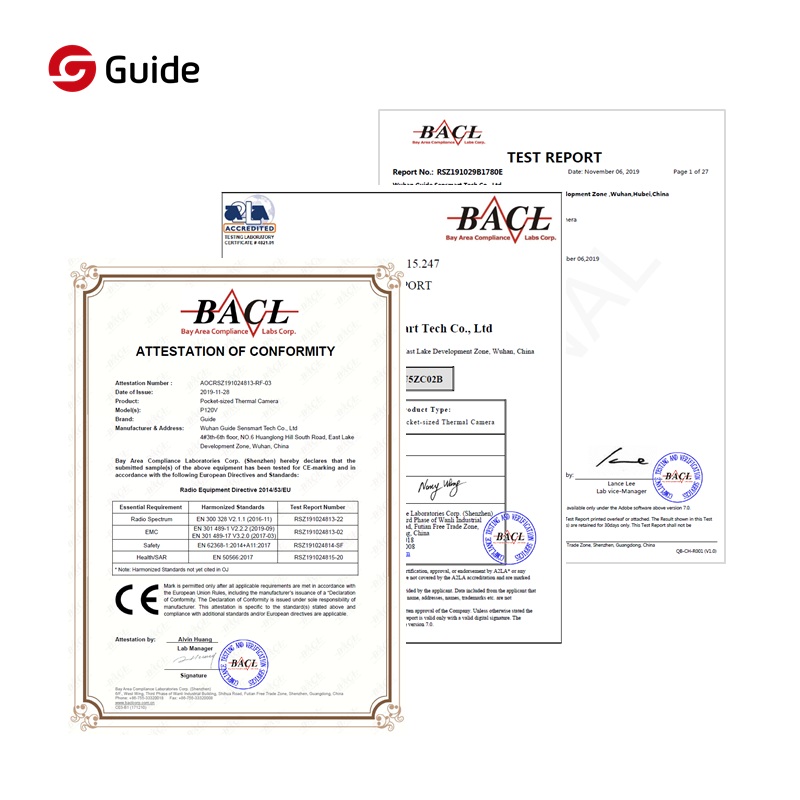
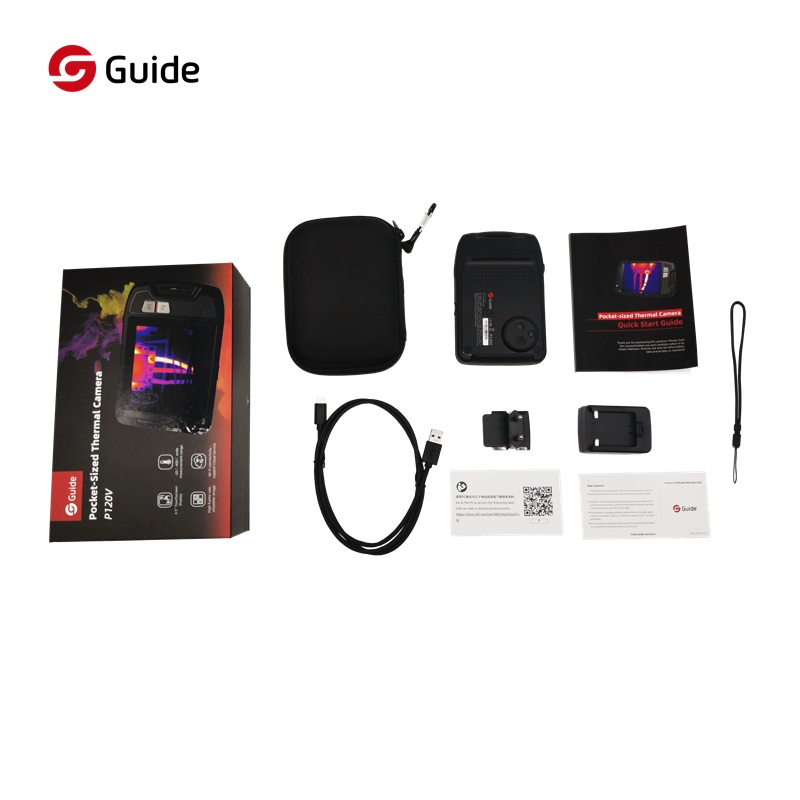
Source professional-grade Infrared Thermal Cameras from vetted manufacturers and suppliers. Designed for importers, wholesalers, and brands seeking OEM or private-label production, our bulk sourcing solutions ensure high thermal resolution, accuracy, and compliance for industrial and electrical testing markets.
Sourcing infrared thermal cameras at scale requires navigating a complex supply chain where core components—specifically the microbolometer sensor and germanium lenses—dictate both performance and unit cost. For industrial, electrical, and building diagnostic applications, inconsistent factory calibration or subpar thermal sensitivity can render an entire production batch unusable. Success in this category depends on identifying manufacturers with rigorous cleanroom assembly standards and verifiable blackbody calibration capabilities.
Critical Specifications for Bulk Procurement
When negotiating with manufacturers, the specifications you define will directly impact the sensor core they select. Do not rely on "megapixels" or visible-light camera specs; thermal performance is governed by a distinct set of metrics.
- IR Resolution: The actual number of thermal pixels on the sensor. Common industrial standards are 160x120, 256x192, 320x240, and 640x480. Interpolated (upscaled) resolution should never be accepted as true IR resolution.
- NETD (Thermal Sensitivity): Noise Equivalent Temperature Difference indicates the smallest temperature difference the camera can detect. Lower is better. Industrial cameras typically require an NETD of under 50mK, while high-end R&D units demand under 30mK.
- Frame Rate: Export regulations heavily influence this. Cameras operating at 9Hz are generally exempt from strict export controls, making them easier to ship globally. Cameras operating at 25Hz, 30Hz, or 60Hz provide smooth video but often require specific export licenses depending on the destination country.
- Temperature Range: Standard models measure up to 400°C (752°F). High-temperature models for metallurgy or heavy electrical work must be calibrated to measure up to 1500°C or higher.
| Camera Tier | True IR Resolution | Target NETD | Typical Application |
|---|---|---|---|
| Entry-Level | 160x120 or 256x192 | Under 50mK | Basic HVAC & residential electrical |
| Mid-Range Industrial | 320x240 | Under 40mK | Predictive maintenance & manufacturing |
| High-End / Utility | 640x480 or higher | Under 30mK | Substation inspection & R&D |
Struggling to match your required thermal specs with a reliable manufacturer? Let our engineering team evaluate your requirements and match you with capable factories.
Discuss your spec requirementsManufacturing Quality & Factory Calibration
The gap between a reliable thermal camera and a defective one is almost entirely determined by factory-level calibration and assembly environments. Infrared sensors are highly sensitive to dust and humidity during assembly.
A reliable supplier must have environmental testing chambers and multiple blackbody radiation sources. Each camera must be calibrated across its entire operating temperature range to ensure the temperature reading is accurate (typically within ±2°C or ±2%).
Factory Audit Imperatives for Thermal Cameras
- Cleanroom class verification for microbolometer and lens assembly.
- Presence of multiple blackbody calibration sources for multi-point temperature tuning.
- Automated alignment systems for dual-lens (thermal and visible light) image blending.
- Environmental stress screening (ESS) chambers for extreme temperature testing.
- Drop-test and IP-rating (water/dust ingress) validation equipment on-site.
If you are importing under your own brand, ensuring the factory strictly adheres to these steps is non-negotiable. Implementing rigorous Quality Control & Inspection protocols before the goods leave the factory prevents catastrophic field failures.
OEM/ODM and Private Labeling
The thermal imaging market is highly receptive to private labeling and custom firmware. Most top-tier manufacturers offer extensive OEM/ODM Services, allowing you to customize the product to your market's exact needs.
Customization typically falls into three tiers:
- White Labeling: Standard factory casing and firmware, customized with your logo on the device, startup screen, and packaging.
- Firmware Customization: Custom color palettes, specific temperature alarm thresholds, and localized software interfaces.
- Full ODM: Custom housing molds (to achieve specific IP ratings or ergonomic designs) and custom PCB layouts to integrate specific connectivity options like Wi-Fi, Bluetooth, or cloud-sync capabilities.
Pricing, MOQs, and Lead Times
Thermal cameras are high-value instruments, which is reflected in their sourcing mechanics. Sensor cores are often imported or sourced from specialized domestic foundries, affecting lead times.
Unit costs scale aggressively with IR resolution and lens material (germanium is expensive). A 256x192 camera will cost significantly less to manufacture than a 320x240 unit, even if the external housing is identical.
Need accurate pricing and lead times for a specific thermal camera configuration? Talk to our sourcing experts to get current market data and production timelines.
Get a sourcing consultationFrequently Asked Questions
Sourcing thermal cameras requires balancing high-tech sensor procurement with rigorous calibration standards. By clearly defining your resolution, NETD, and export constraints upfront, you can filter out low-tier assemblers and partner with factories capable of delivering professional-grade diagnostic tools.
Get Sourcing Help for Infrared Thermal Cameras
Tell us your requirements and our experts will connect you with verified manufacturers.