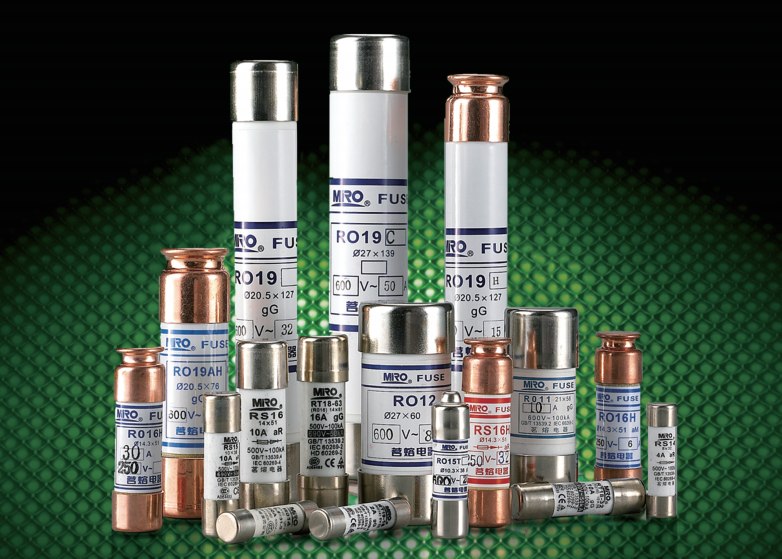
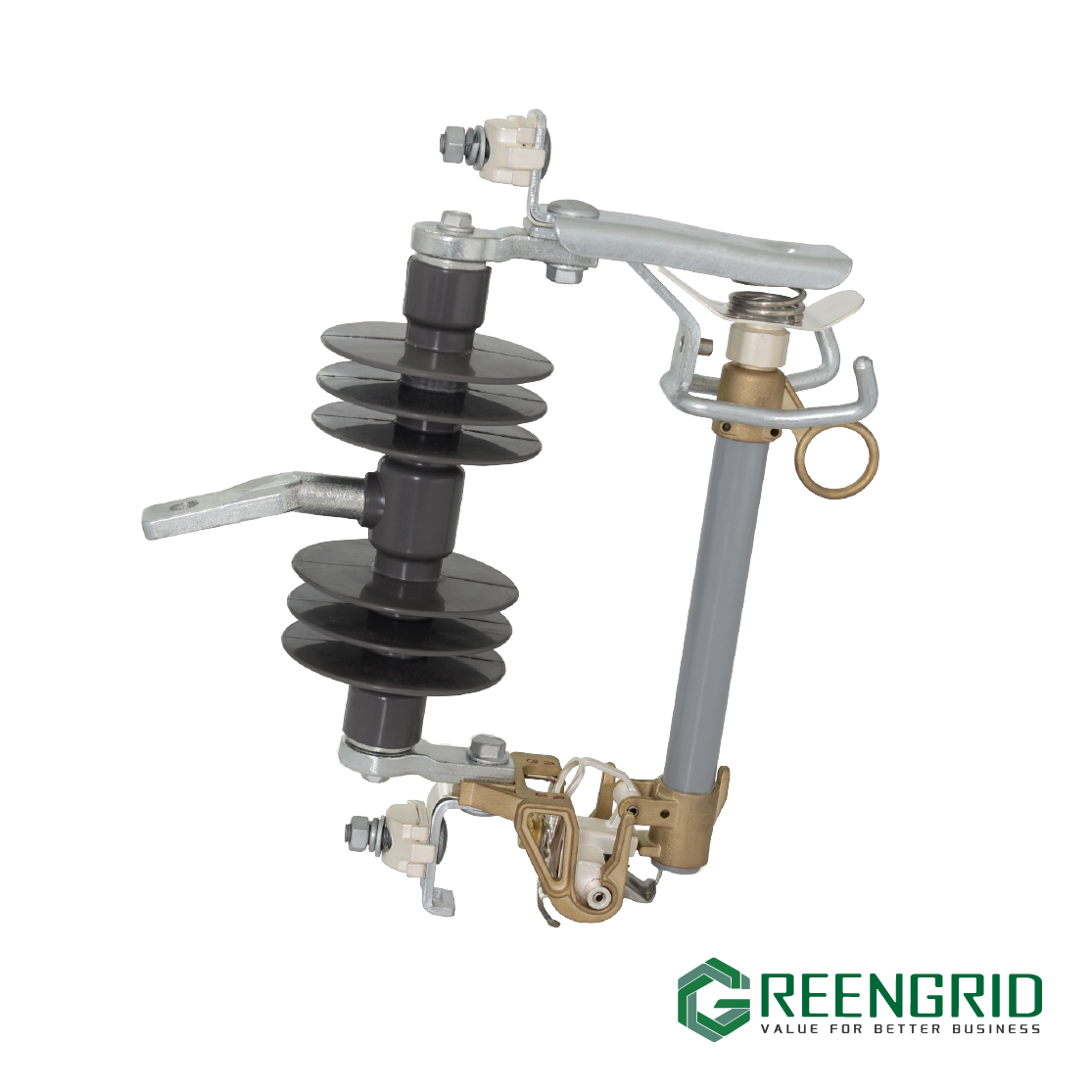
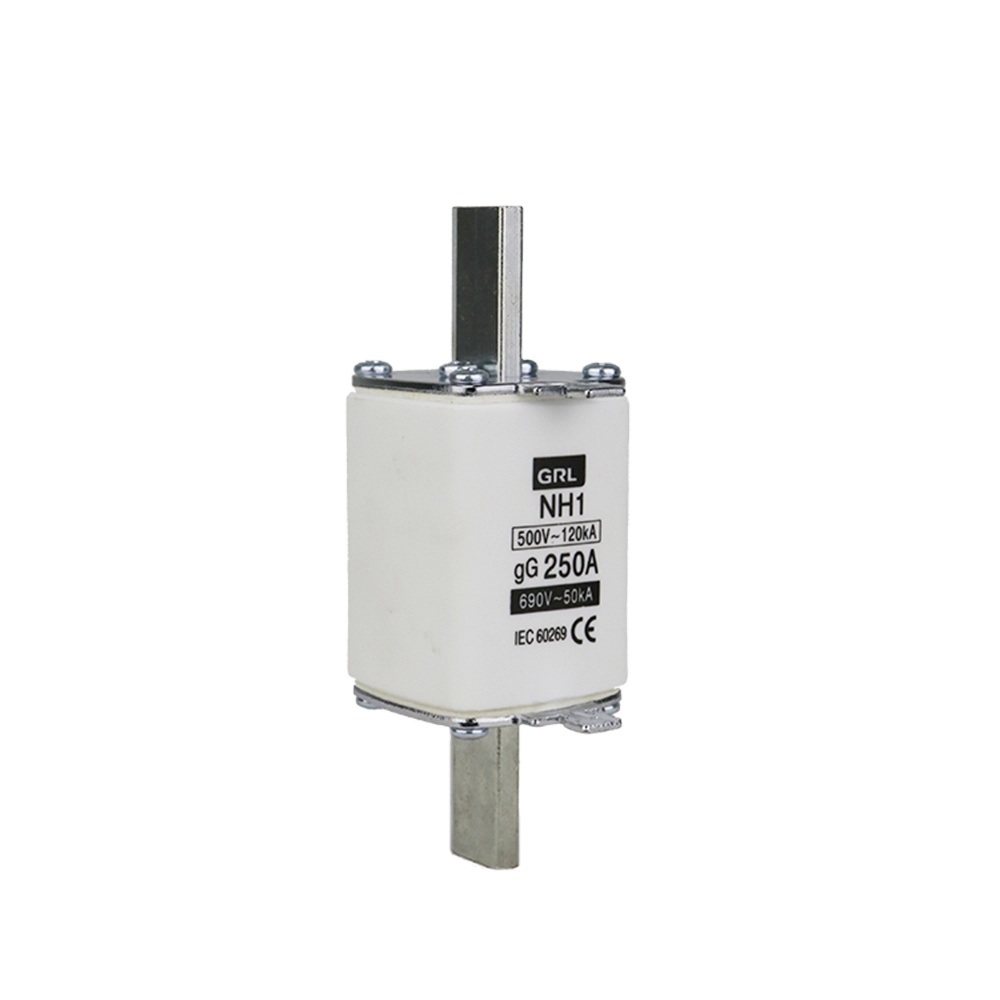
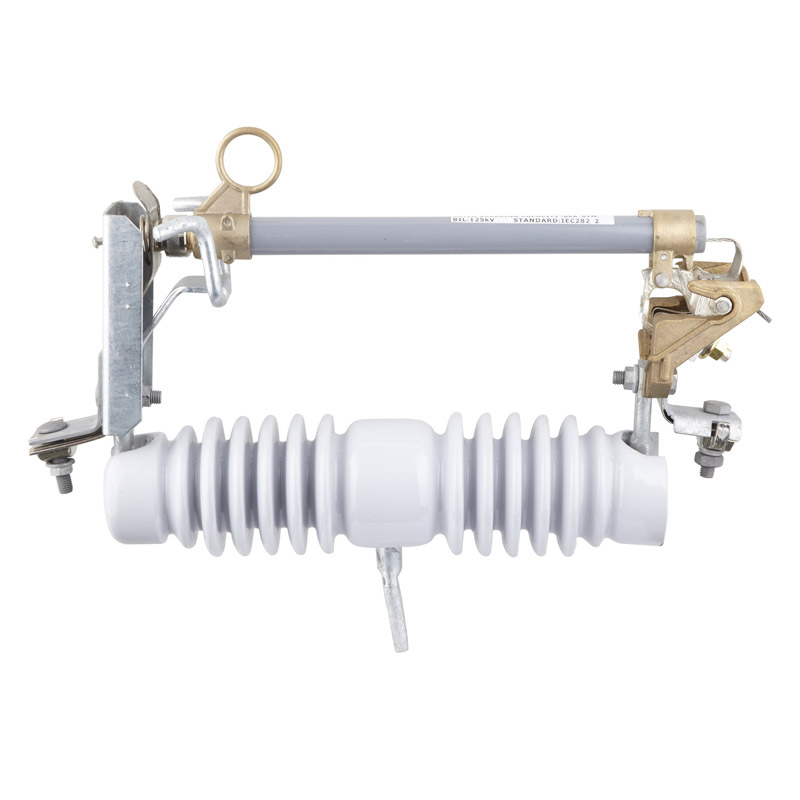
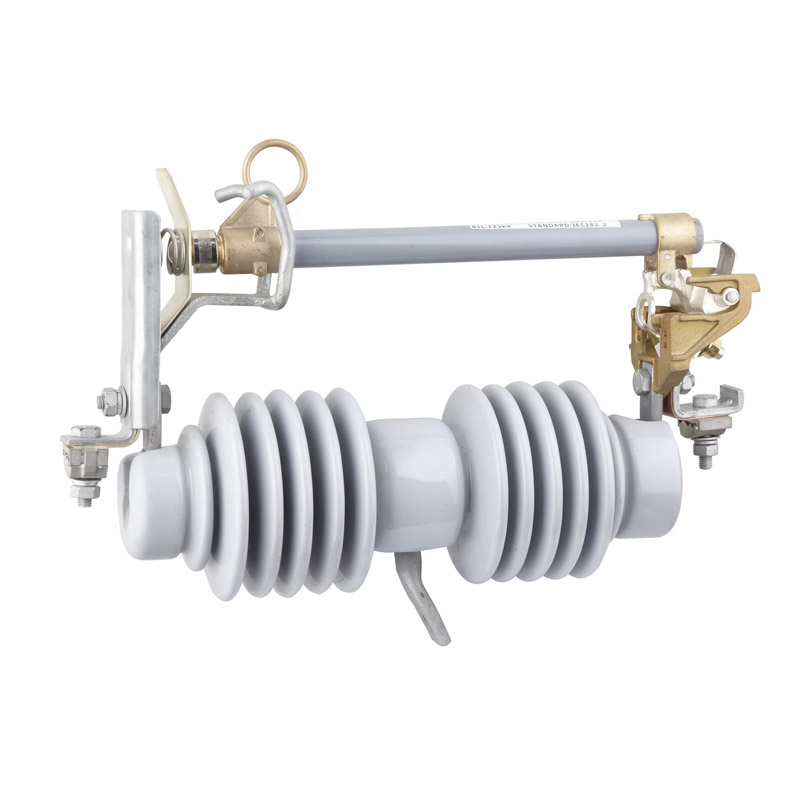
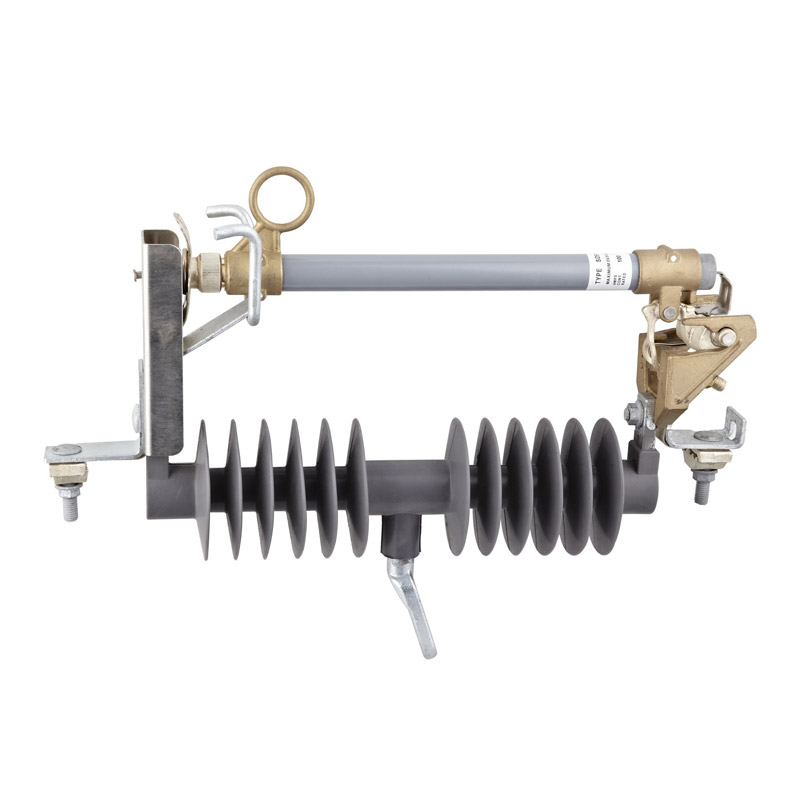
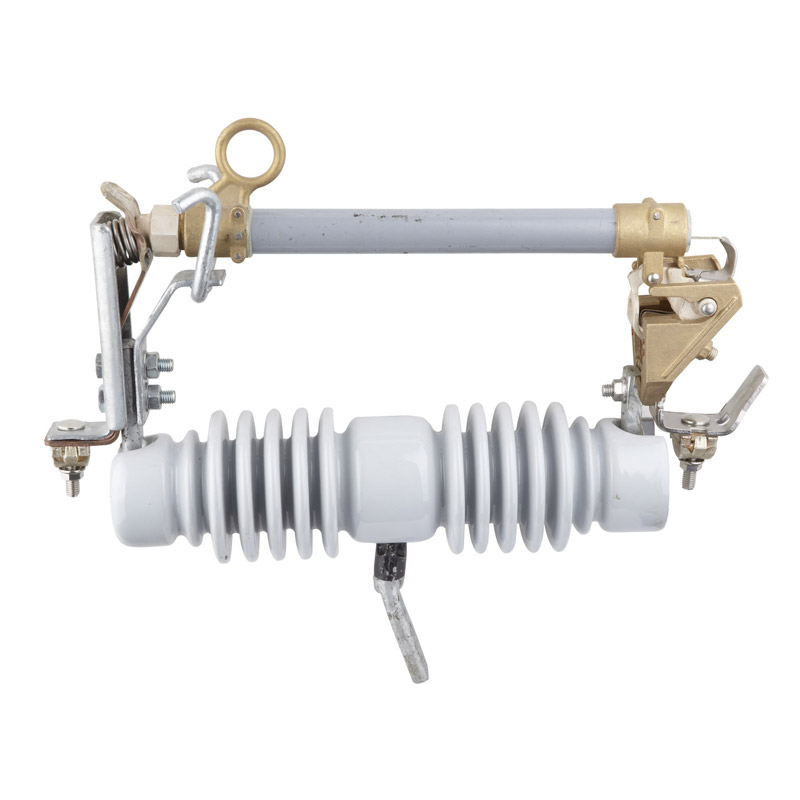
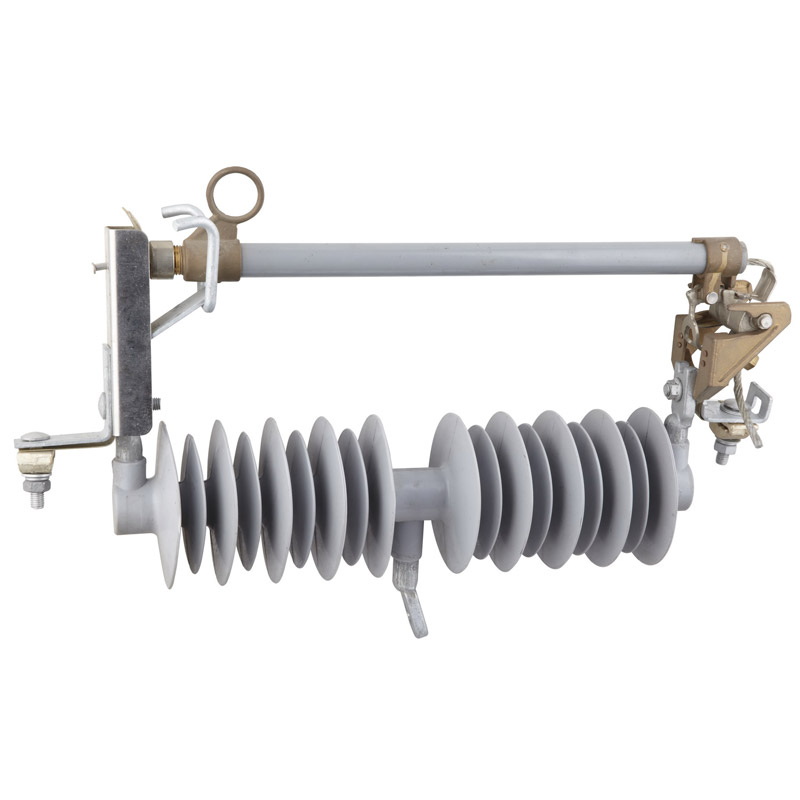
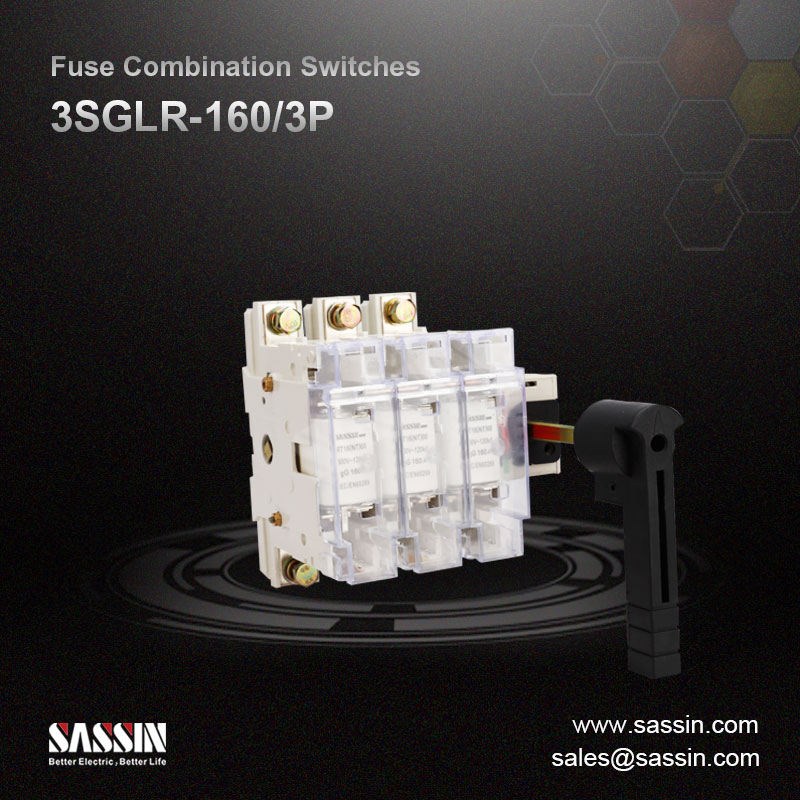
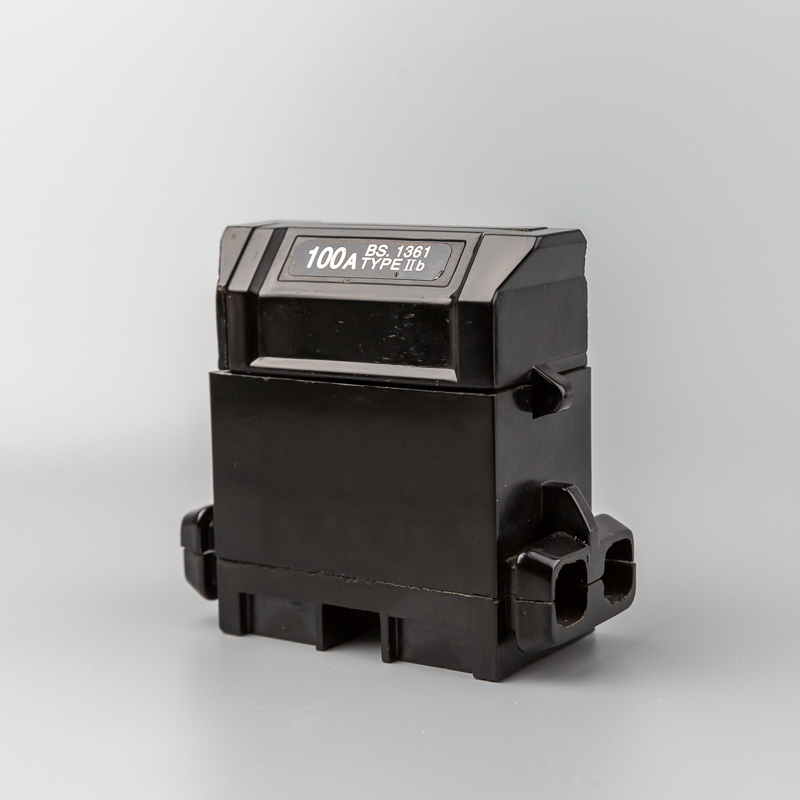
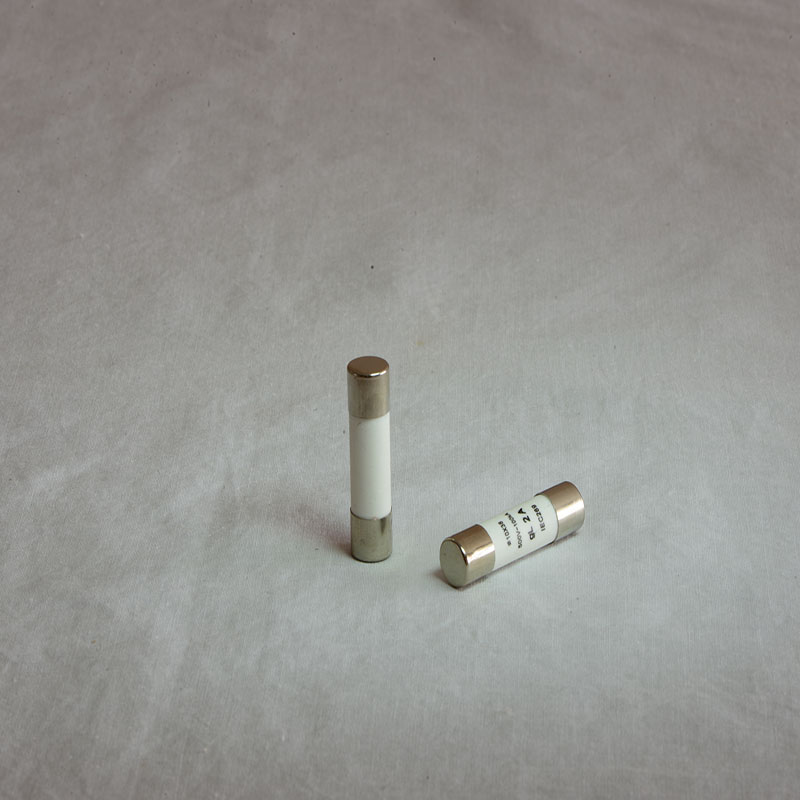
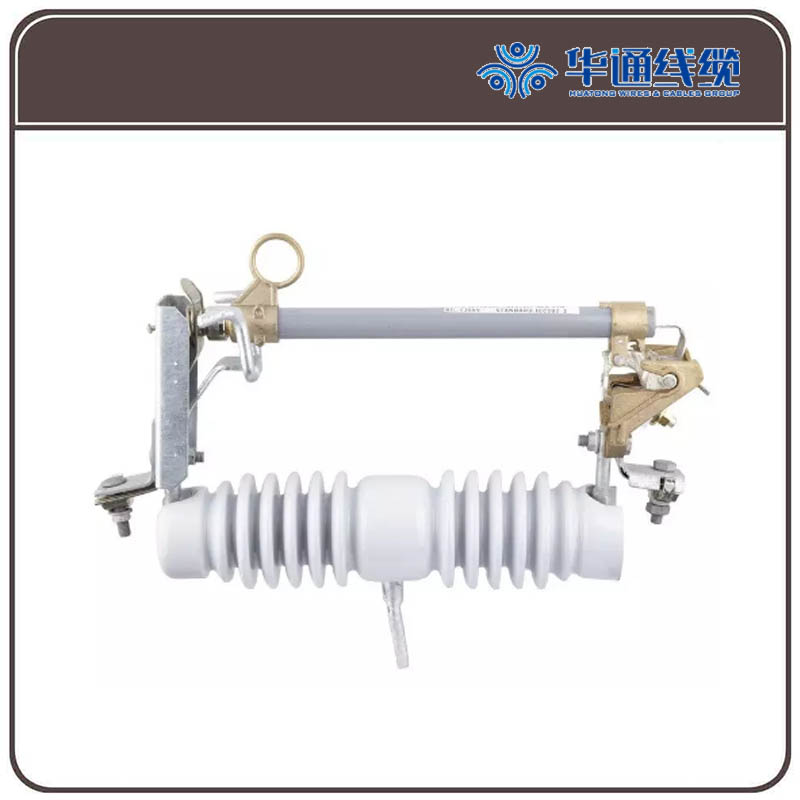
Fuses
Source bulk low voltage fuses from vetted suppliers and manufacturers across Asia. Designed for electrical distributors, procurement managers, and OEM brands, our network delivers reliable circuit protection devices. Secure competitive pricing and verified compliance for your large-scale import requirements.
Sourcing low voltage fuses at volume requires balancing strict safety compliance with aggressive unit costs. As the ultimate fail-safe in an electrical circuit, a fuse cannot afford inconsistent manufacturing. For procurement managers, distributors, and equipment manufacturers, the primary challenge lies in verifying that a factory's production reality consistently matches their datasheet claims—especially regarding arc quenching reliability and maximum breaking capacity.
Critical Specifications for Bulk Procurement
When negotiating with manufacturers, vague specifications lead to catastrophic product failures. Fuses are highly engineered thermal devices, and your RFQ must explicitly define the electrical and physical parameters required for your target market.
Essential Fuse Specifications
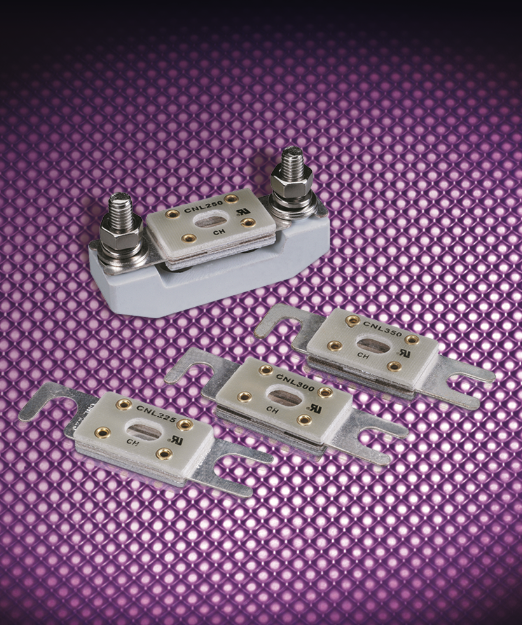
- Rated Voltage (V): Must specify AC or DC. DC arcs are significantly harder to extinguish and require specifically rated DC fuses.
- Rated Current (In): The continuous current the fuse can carry without exceeding temperature rise limits.
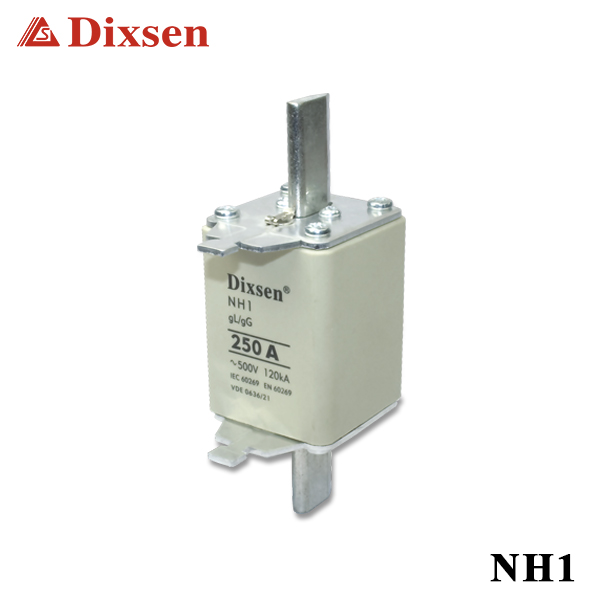
- Breaking Capacity (Interrupting Rating): The maximum fault current the fuse can safely interrupt without rupturing or exploding (e.g., 100kA).
- Time-Current Characteristics: Defines how fast the fuse opens at specific overcurrents (e.g., fast-acting, time-delay/slow-blow).
- I2t Value (Melting Integral): The thermal energy required to melt the fuse element, critical for coordinating protection with downstream semiconductors.
Struggling to find a manufacturer that consistently meets strict I2t specifications? Let us match you with highly vetted electrical component factories.
Talk to our teamManufacturing Quality: Where Fuses Succeed or Fail
The difference between a reliable industrial fuse and a dangerous liability is often found in the unseen internal components. While the external dimensions may match international standards, internal cost-cutting is rampant among lower-tier suppliers.
The Fuse Element and Arc Quenching
The internal element is typically stamped from silver, copper, or a proprietary alloy. High-performance fuses use pure silver elements due to its excellent conductivity and predictable melting point. To reduce costs, unverified suppliers may substitute lower-grade copper alloys, which alters the time-current curve and increases internal resistance.
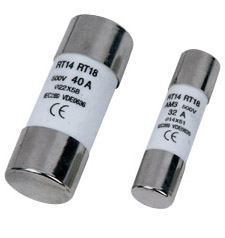
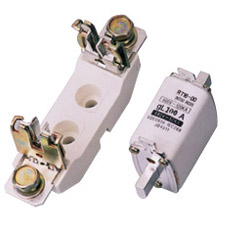
Furthermore, in cartridge and high-rupturing capacity (HRC) fuses, the element is surrounded by an arc-quenching medium—usually high-purity quartz sand.
The Quartz Sand Risk
If a factory uses standard construction sand or fails to pack the quartz sand tightly enough, the fuse will fail to absorb the thermal energy of an electrical arc. During a short circuit, this causes the fuse body to violently explode rather than safely break the circuit.
Body Materials
The housing of the fuse must withstand severe thermal shock and mechanical stress during a fault.
| Material | Typical Application | Breaking Capacity | Cost Profile |
|---|---|---|---|
| Ceramic / Steatite | Industrial, HRC, Power | Very High (up to 120kA+) | Premium |
| Fiberglass / Melamine | Commercial, Heavy Duty | High | Moderate |
| Glass | Electronics, Appliances | Low (typically under 1kA) | Low |
To ensure these materials and assembly methods meet your standards, rigorous Factory Audits are essential before placing high-volume orders, focusing heavily on the supplier's automated stamping precision and sand-filling machinery.
Compliance and Batch Consistency
Electrical safety devices are heavily regulated. Depending on your market, fuses must comply with standards such as IEC 60269, UL 248, or VDE. A common sourcing pitfall is factories presenting a valid certificate for a "golden sample," while mass production units utilize thinner elements or cheaper housing materials that would fail the same tests.
Implementing strict Quality Control & Inspection protocols is non-negotiable. Pre-shipment inspections should include verifying the cold resistance of the fuses, checking physical dimensions, and pulling random samples for destructive testing to verify breaking capacity and clearing times. If your market requires specific regulatory marks, coordinating third-party Compliance & Testing ensures your shipments won't be rejected at customs or by your enterprise clients.
MOQs, Lead Times, and Pricing Dynamics
Fuse manufacturing is highly automated. Because factories produce these components by the millions, minimum order quantities are typically high, though they vary by the specific type and physical size of the fuse.
Pricing is heavily influenced by global commodities—specifically the spot price of silver and copper. When negotiating long-term supply agreements, it is common to index the unit price of high-amperage fuses to these raw material costs.
Ready to secure reliable circuit protection at scale? We manage the entire sourcing process, from factory vetting to final delivery.
Get a free consultationFrequently Asked Questions
Procuring fuses in bulk is fundamentally an exercise in risk mitigation. Success requires moving beyond surface-level pricing and deeply understanding the manufacturer's internal quality systems, material sourcing, and testing capabilities. By partnering with experienced sourcing professionals, you can secure reliable, compliant circuit protection that protects both your end-users and your brand reputation.
Get Sourcing Help for Fuses
Tell us your requirements and our experts will connect you with verified manufacturers.