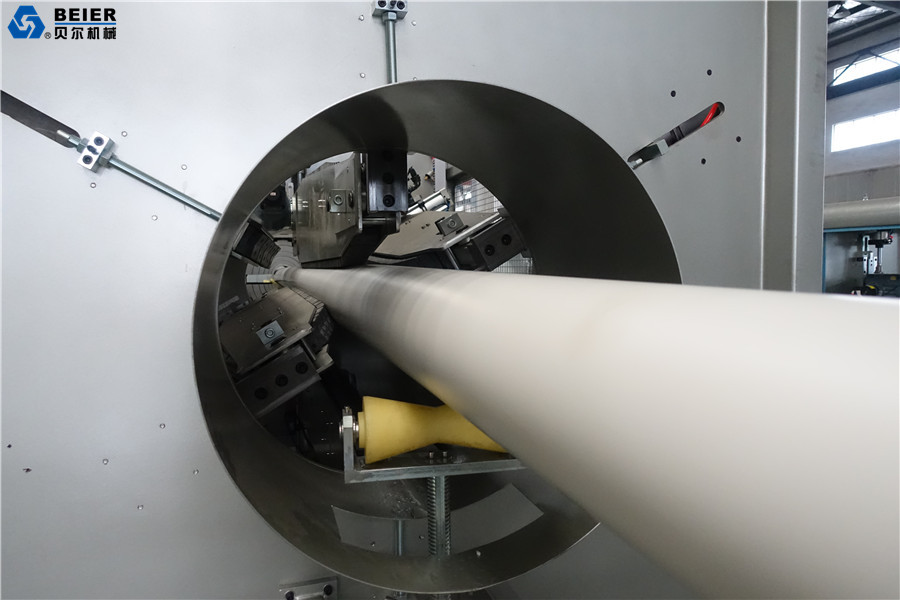
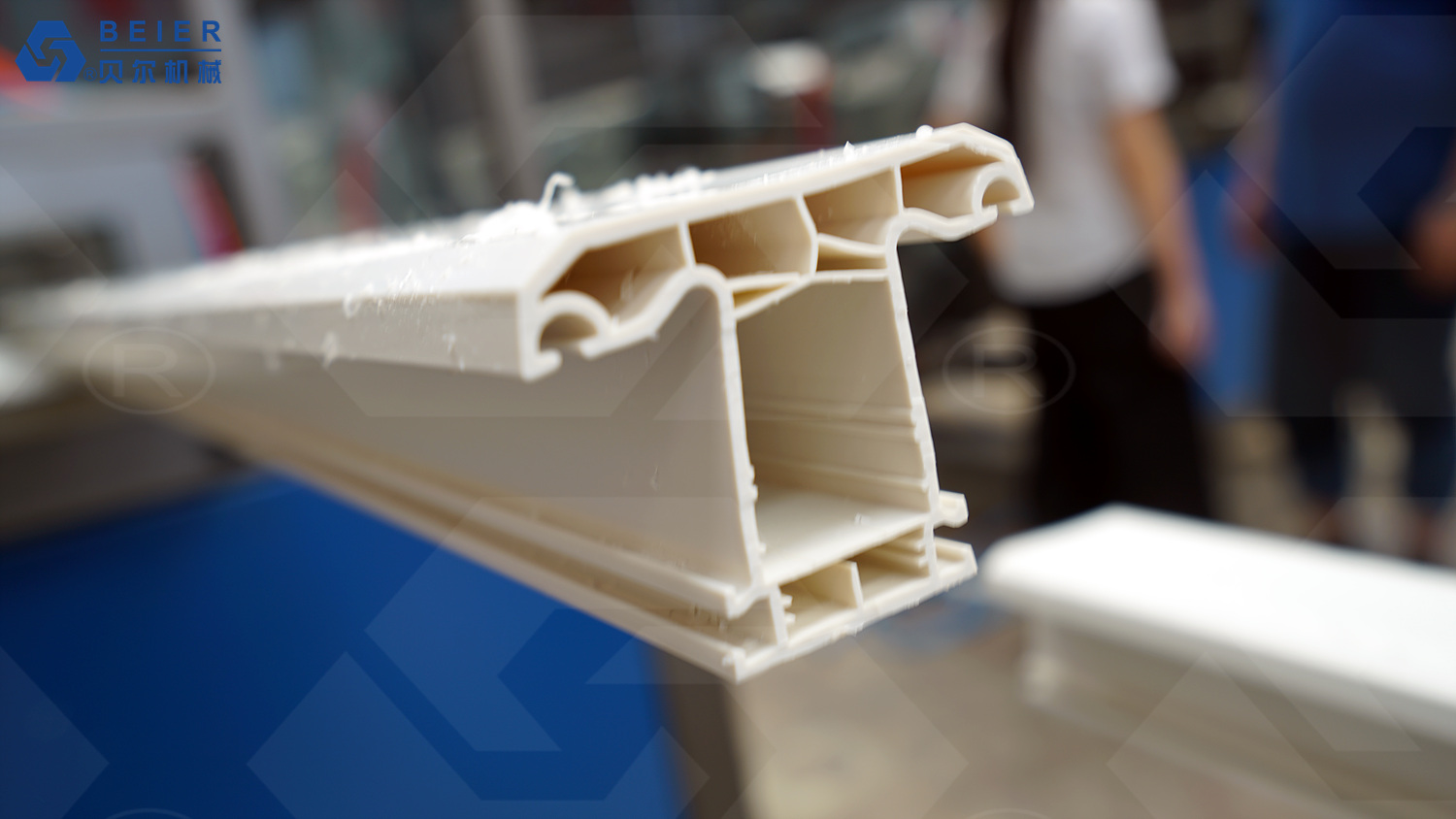
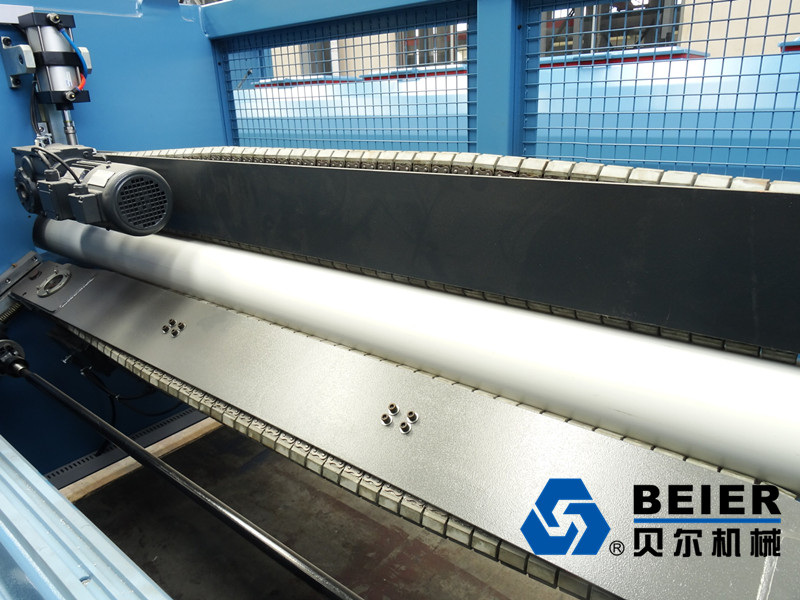
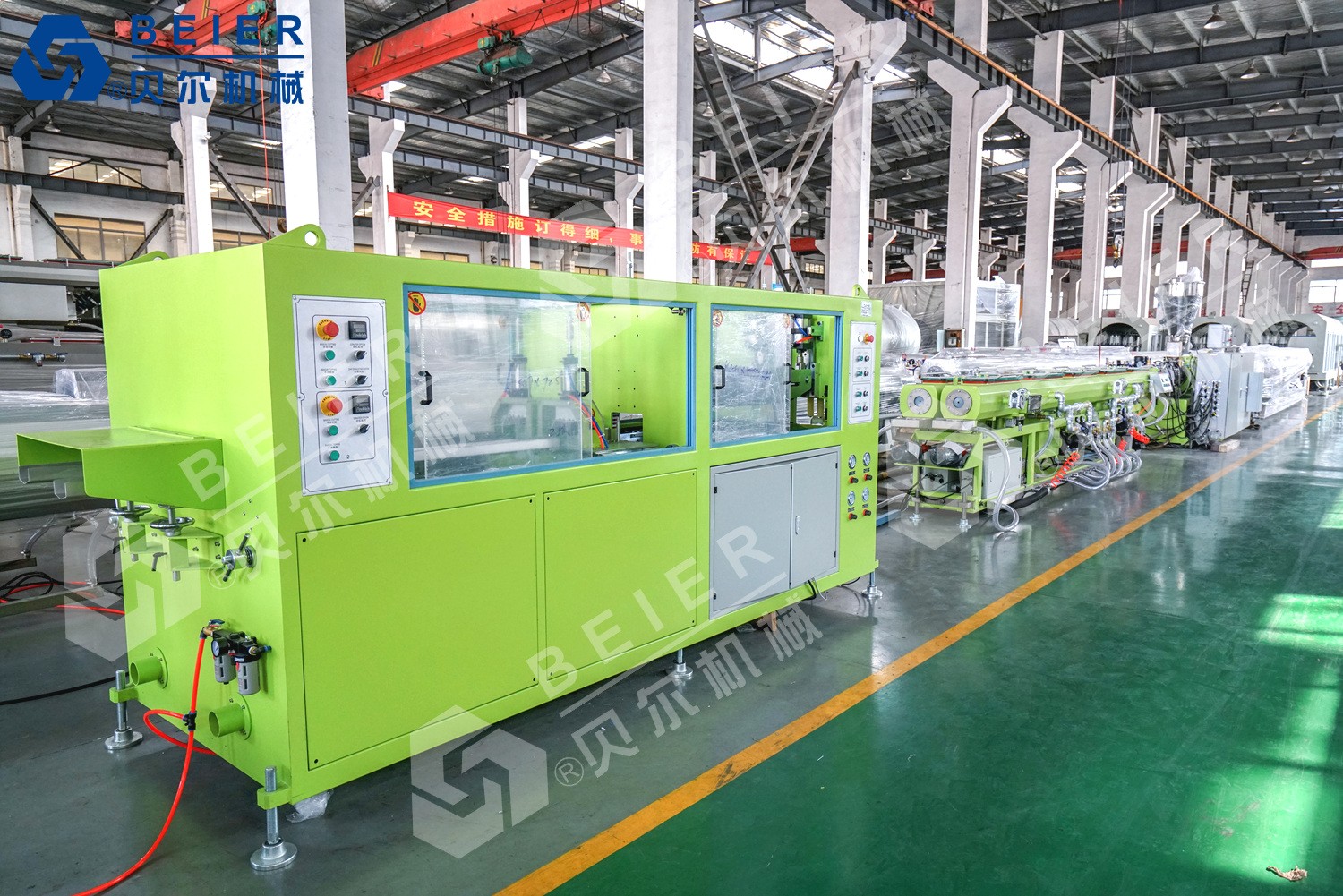
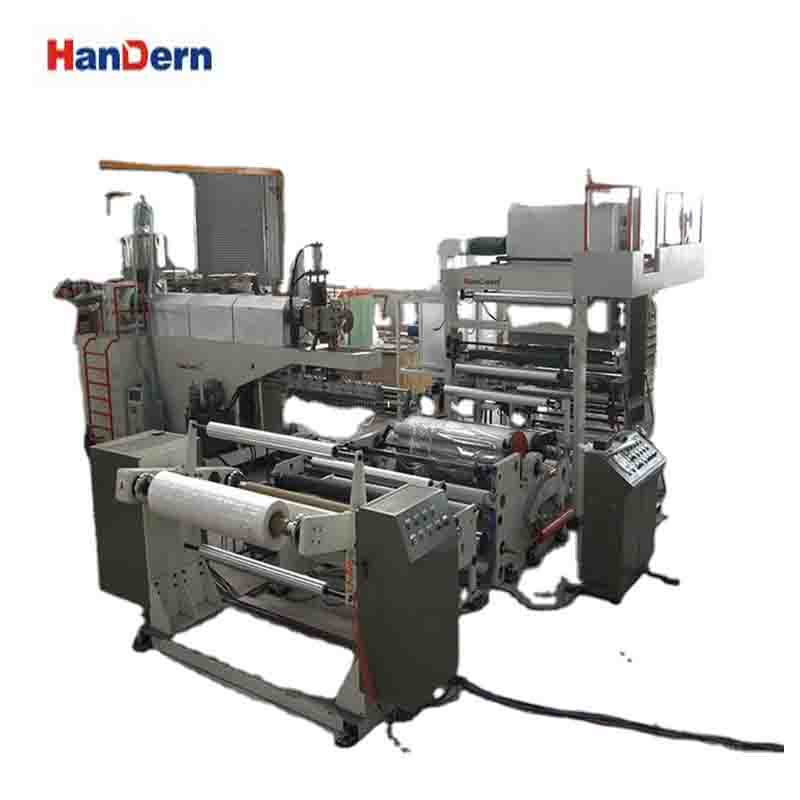
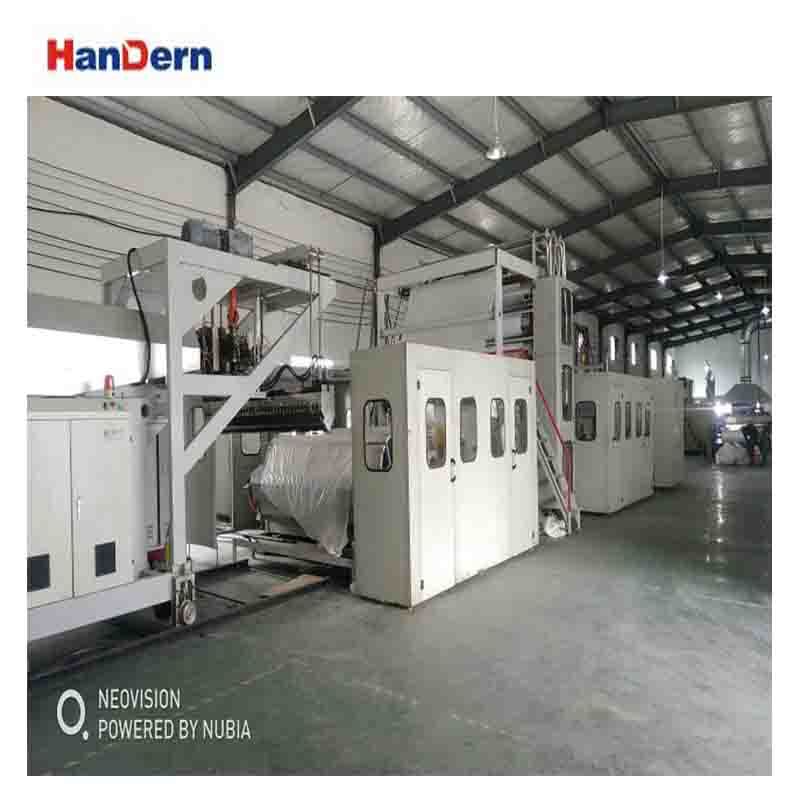
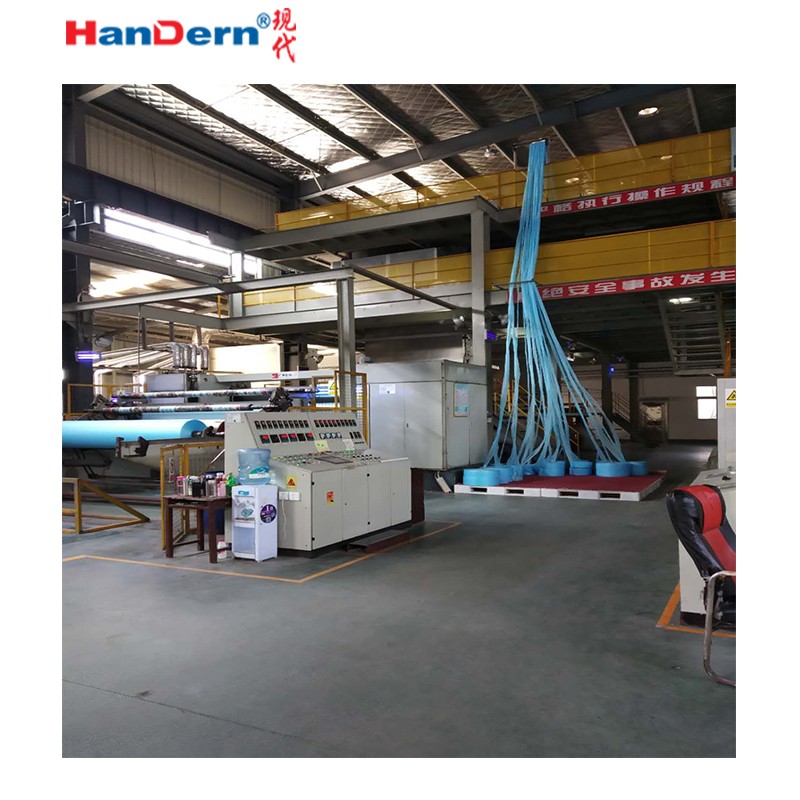
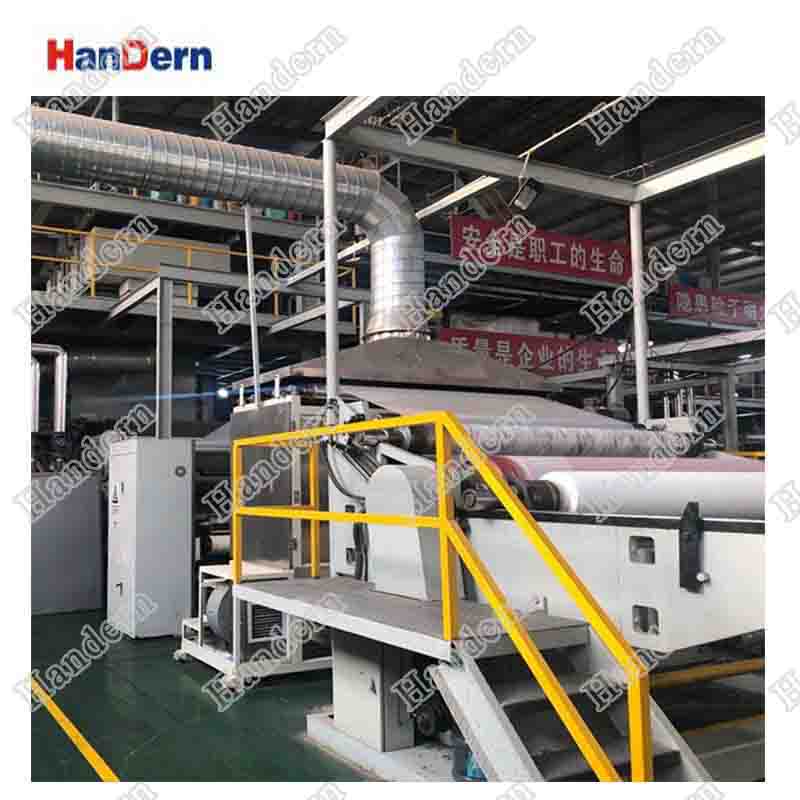
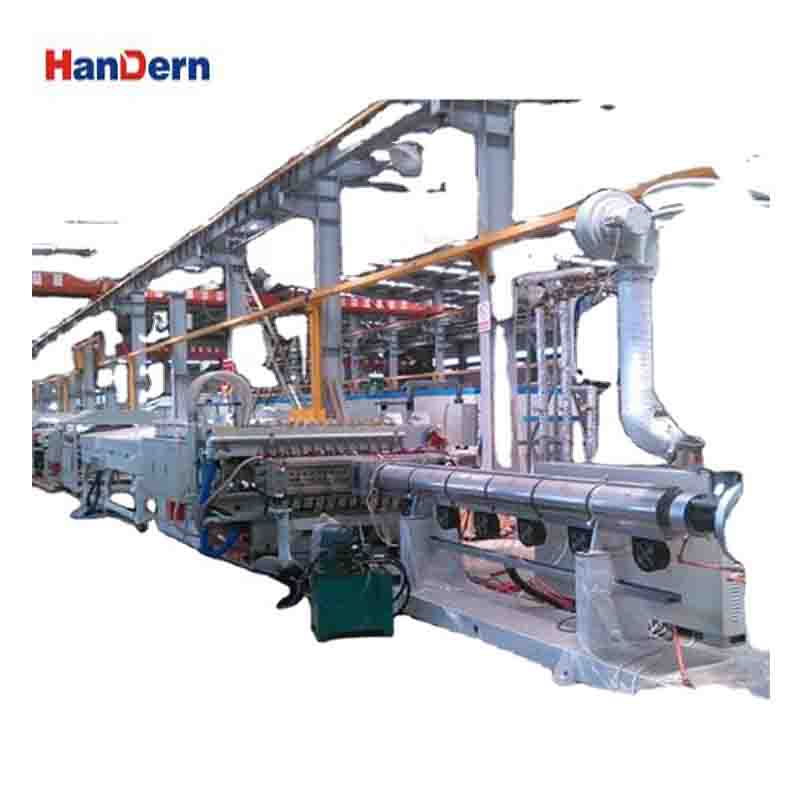
Extruder
Source industrial-grade extruders from vetted suppliers and manufacturers across Asia. Designed for importers, machinery distributors, and manufacturing brands seeking reliable OEM production, our network delivers high-performance extrusion equipment built to exact technical specifications and international compliance standards.
Sourcing heavy plastic and rubber extrusion machinery requires strict adherence to technical parameters, from screw geometry to L/D ratios. Getting this right dictates output quality, energy efficiency, and the operational lifespan of the equipment on the factory floor. For bulk buyers and procurement managers, navigating the Asian machinery market means looking past the spec sheet to verify the foundational engineering and component quality.
Core Technical Specifications to Define
When commissioning an extruder, generic requirements lead to subpar performance. The polymer type, desired throughput, and end-product application must dictate the machine's core architecture.
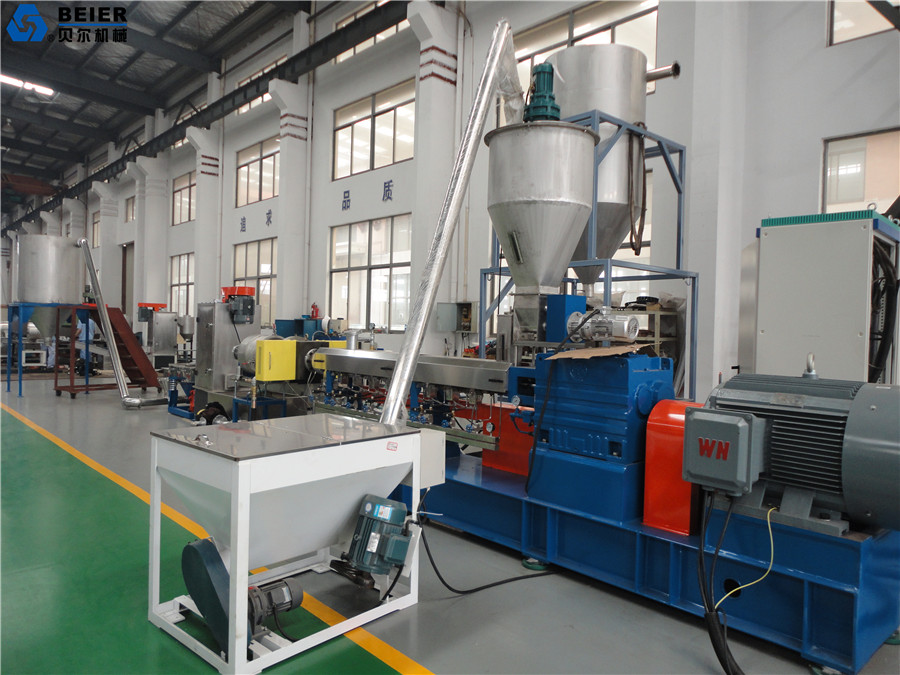
The Length-to-Diameter (L/D) ratio and specific screw geometry (such as barrier flights or Maddock mixing sections) are critical for proper melt homogeneity. If you are processing heat-sensitive materials like PVC, a twin-screw configuration with a lower L/D ratio and precise temperature control is mandatory to prevent degradation.
Ensure your extrusion machinery meets exact technical requirements and compliance standards.
Talk to our teamComponent Selection and Manufacturing Quality
The lifespan of an extruder is largely determined by its metallurgy and the quality of its drive train. Many manufacturers offer aggressive pricing by compromising on the gearbox or electrical components. Verifying the machining tolerances of a supplier requires on-site validation; utilizing professional Factory Audits ensures the facility actually possesses the heavy CNC boring and milling equipment necessary to manufacture barrels to exact concentricity.
| Component | Standard Configuration | Premium / High-Durability |
|---|---|---|
| Drive Motor | Standard AC Variable Frequency | Permanent Magnet Synchronous (PMSM) |
| Gearbox | Domestic ZLYJ series | Imported (e.g., Flender, Zambello) |
| Barrel & Screw | Nitrided 38CrMoAlA steel | Bimetallic / Tungsten Carbide coated |
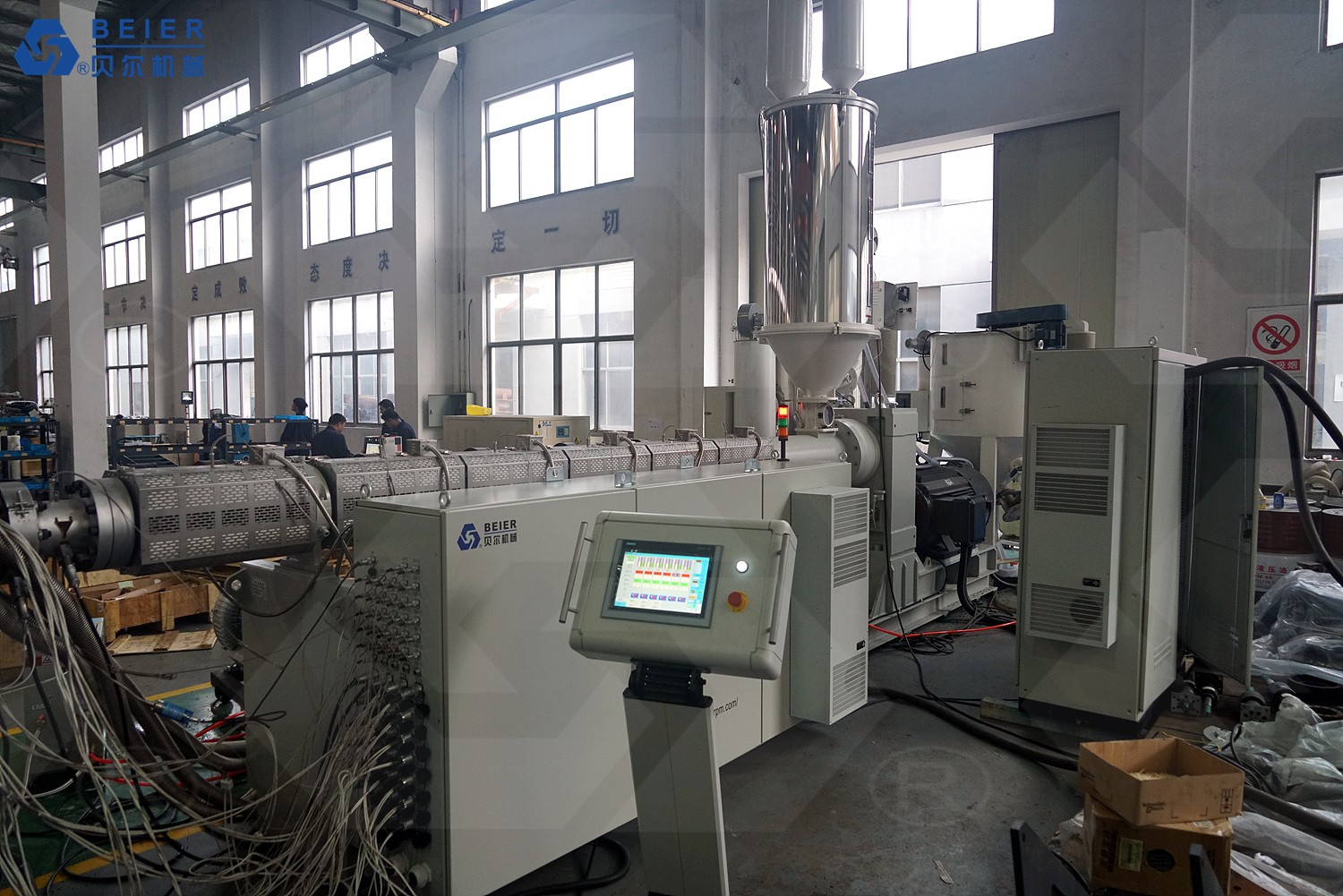
| Control System | Basic PLC with hard buttons | Advanced HMI with closed-loop PID |
Watch out for electrical component substitution
A common factory tactic is to quote premium international electrical brands (Siemens, Schneider, ABB) but substitute them with domestic equivalents during assembly. Specify the exact series and origin of all relays, contactors, and PLCs in your purchase contract.
Factory Acceptance Testing (FAT)
Never authorize final payment or shipment without a rigorous Factory Acceptance Test. This involves running the extruder at the manufacturer's facility using your exact resin grades and formulations. Comprehensive Quality Control & Inspection during this phase prevents you from receiving a machine that suffers from alignment issues, surging, or inadequate output rates.
Critical FAT Verification Points
- Measure barrel and screw clearance (typically 0.1mm to 0.2mm depending on diameter).
- Verify heating zone temperature stability under full load.
- Check gearbox oil temperature and vibration levels at maximum RPM.
- Confirm throughput (kg/hr) matches the contractual guarantee using your specific polymer.
- Inspect electrical cabinet wiring layout and safety interlock functionality.
Pricing, Lead Times, and Logistics Reality
Industrial extruders are capital equipment, and MOQs are strictly set at 1 unit. Pricing is highly variable based on the level of automation, component origin, and metallurgical requirements.
Lead times generally range from 60 to 120 days. Custom screw designs or imported gearboxes will push lead times to the longer end of that spectrum.
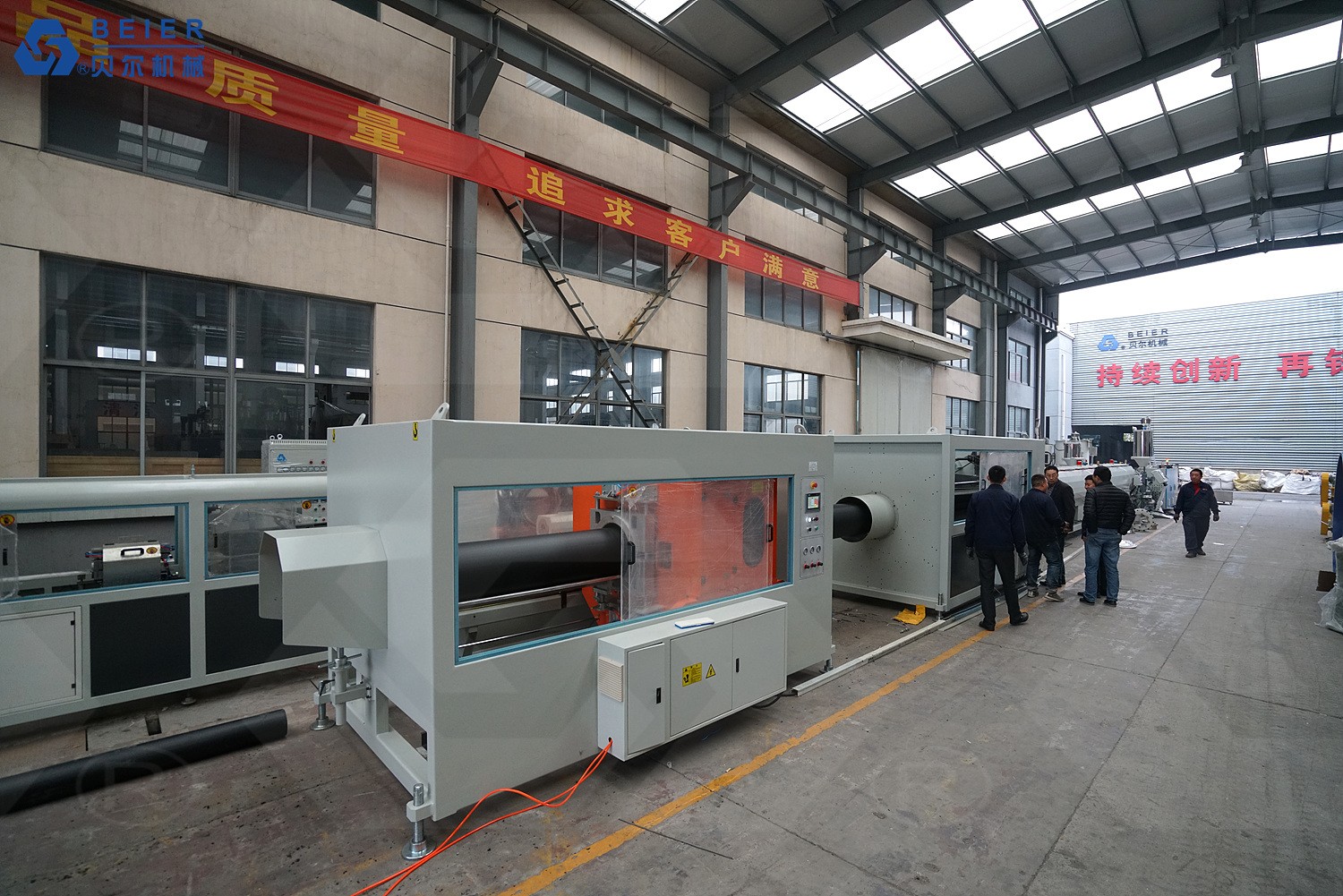
Because extruders are heavy, oversized cargo, they often require flat rack containers or specialized securing within standard High Cube containers. Proper Shipping & Freight coordination is critical. Machinery must be coated in industrial anti-rust agents, vacuum-sealed in foil with desiccants, and rigorously lashed to prevent transit damage during rough ocean freight.
Need reliable heavy machinery sourcing, quality control, and international logistics?
Get a free consultationFrequently Asked Questions
Procuring extrusion machinery is an exercise in managing the Total Cost of Ownership (TCO). Saving a few thousand dollars on a cheaper gearbox or inferior metallurgy will inevitably cost tens of thousands in unexpected downtime and maintenance. Success requires rigorous supplier vetting, airtight technical specifications, and uncompromising pre-shipment validation.
Get Sourcing Help for Extruder
Tell us your requirements and our experts will connect you with verified manufacturers.