EAS Systems
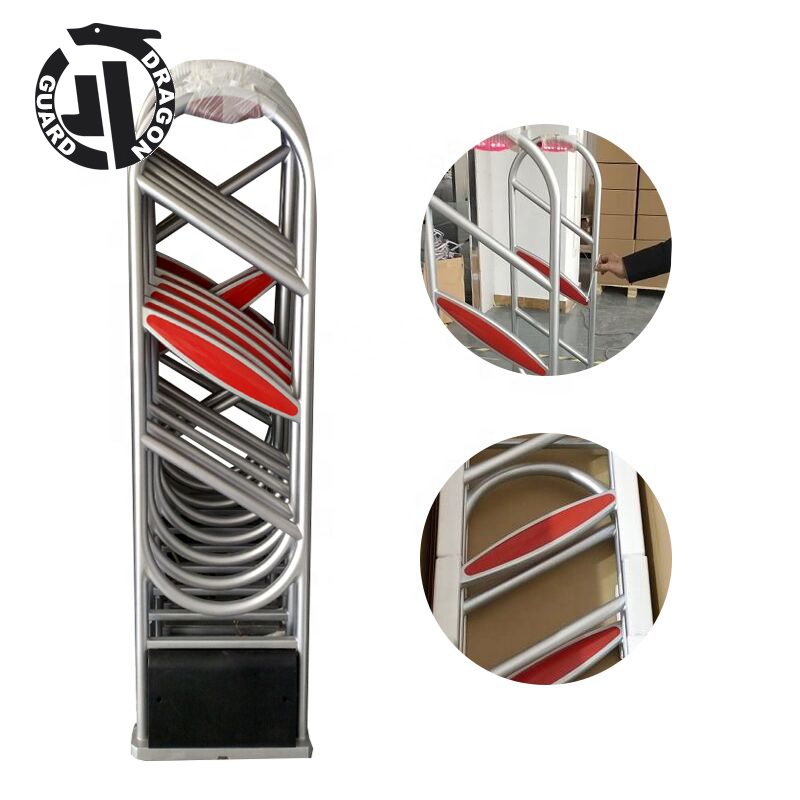
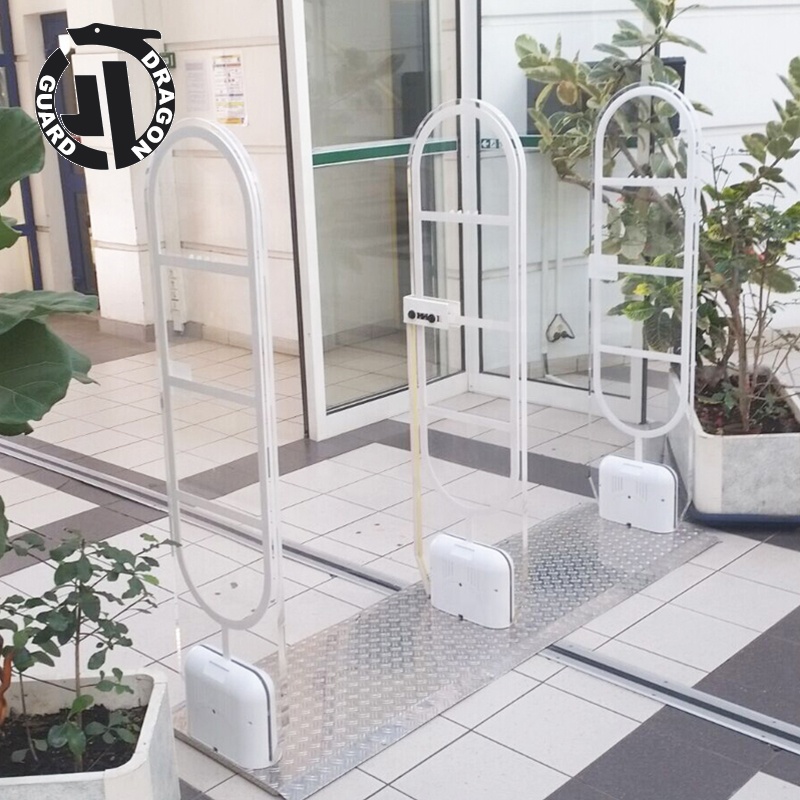
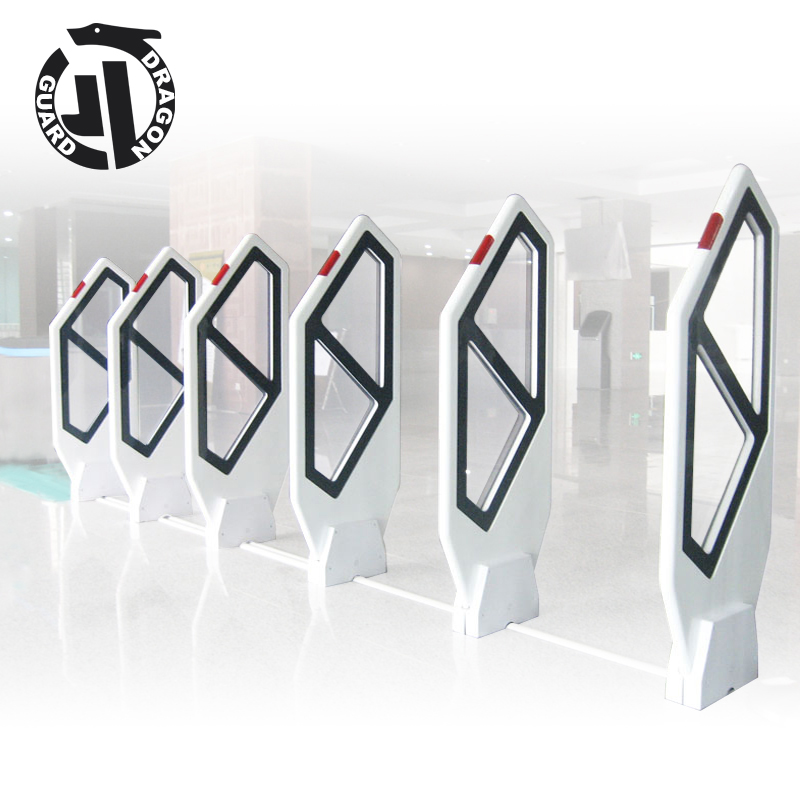
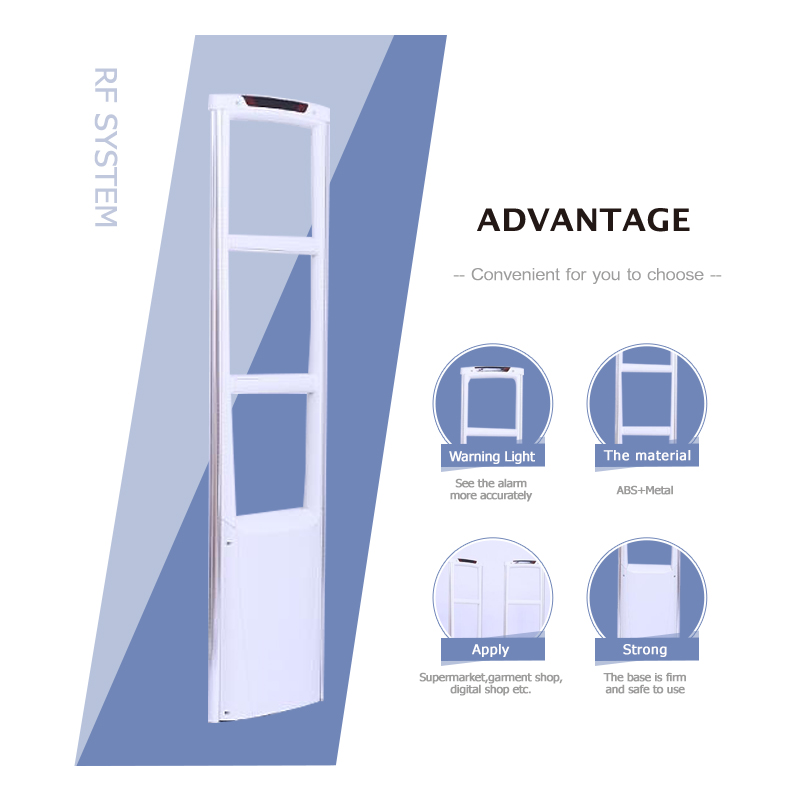
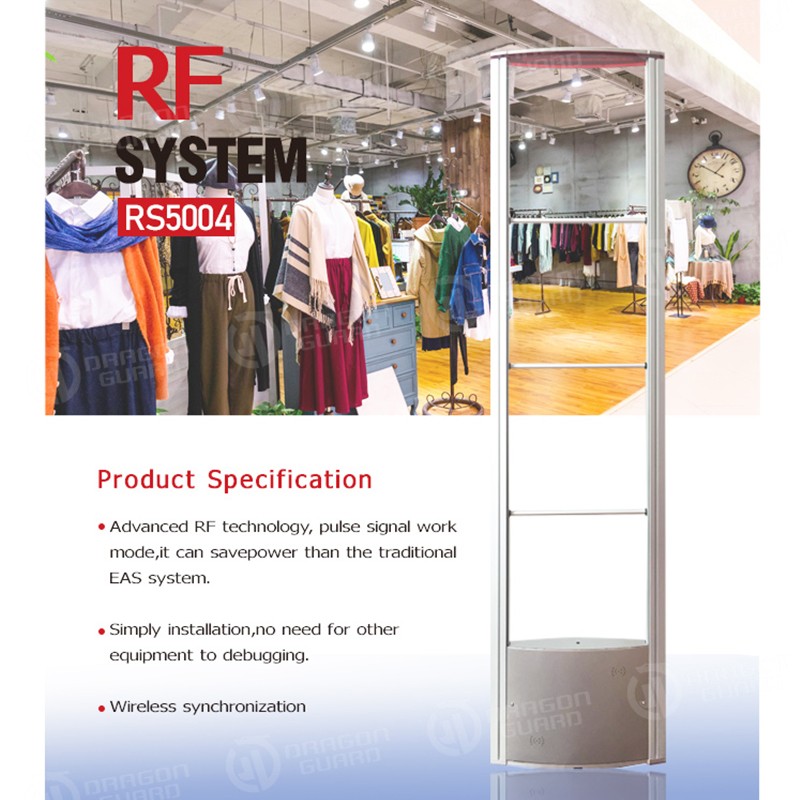
Source commercial-grade EAS Systems directly from vetted manufacturers and factories in China. Designed for importers, retail distributors, and brands requiring OEM production, our bulk wholesale EAS solutions cover RF, AM, and EM technologies for reliable retail security and loss prevention.
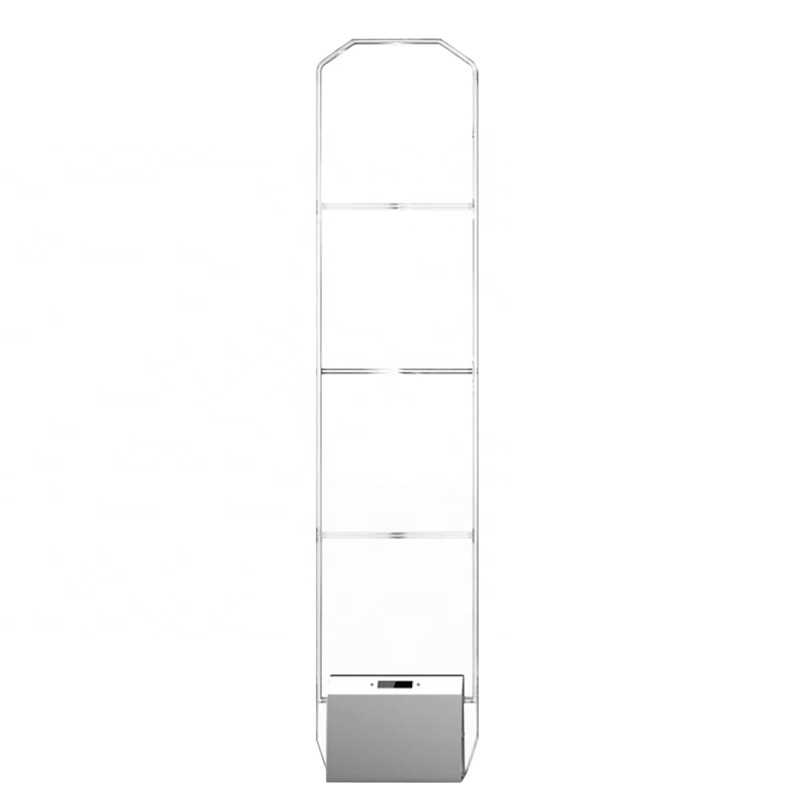
Sourcing Electronic Article Surveillance (EAS) systems at volume requires navigating a fragmented manufacturing landscape where the external housing often masks significant variances in internal component quality. Whether you are outfitting a national retail chain or distributing security hardware to integrators, the reliability of the pedestals, tags, and deactivators dictates the system's viability. Poorly tuned antennas or substandard digital signal processing (DSP) boards lead to false alarms, missed detections, and ultimately, rejected shipments.
Defining Core Technologies: RF vs. AM Systems
The primary decision when sourcing EAS hardware is selecting the appropriate operating frequency, as this dictates the underlying technology, detection range, and compatible consumables. The vast majority of retail environments utilize either Radio Frequency (RF) or Acousto-Magnetic (AM) systems.
| Specification | Radio Frequency (RF) | Acousto-Magnetic (AM) |
|---|---|---|
| Operating Frequency | 8.2 MHz (Standard) | 58 kHz |
| Typical Aisle Width | 0.9 to 1.8 meters | 1.2 to 2.4 meters |
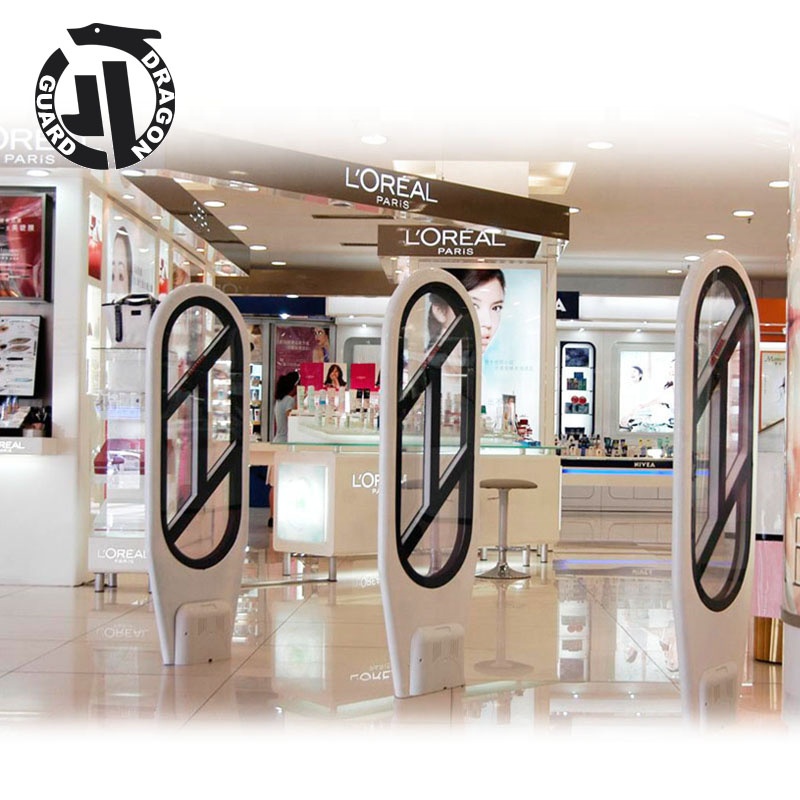
| Primary Retail Application | Apparel, Supermarkets | Cosmetics, Electronics, Pharmacies |
| Interference Susceptibility | Higher (Metal limits detection) | Lower (Performs better near metal) |
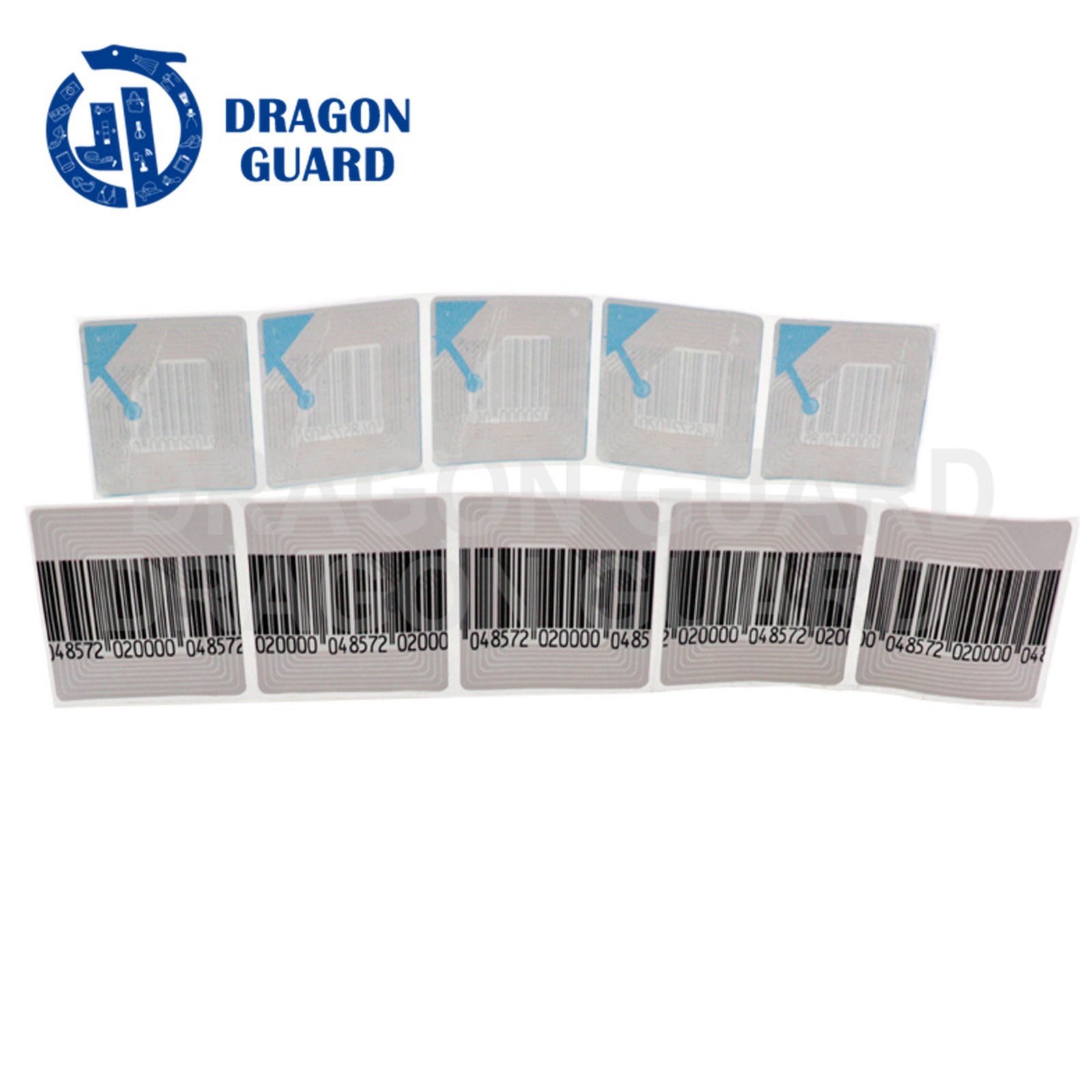
| Consumable Cost | Lower (Paper labels are inexpensive) | Higher (Requires DR labels/hard tags) |
When importing these systems, specifying the exact DSP board generation is critical. Older analog boards are cheaper but struggle with environmental noise filtering. Modern DSP controllers offer software-based tuning, allowing technicians to adjust noise thresholds and pulse rates to minimize false alarms.
Struggling to find a supplier that uses genuine, high-grade DSP boards? We can help you identify manufacturers with verified technical capabilities.
Talk to our teamManufacturing Quality and Common Defects
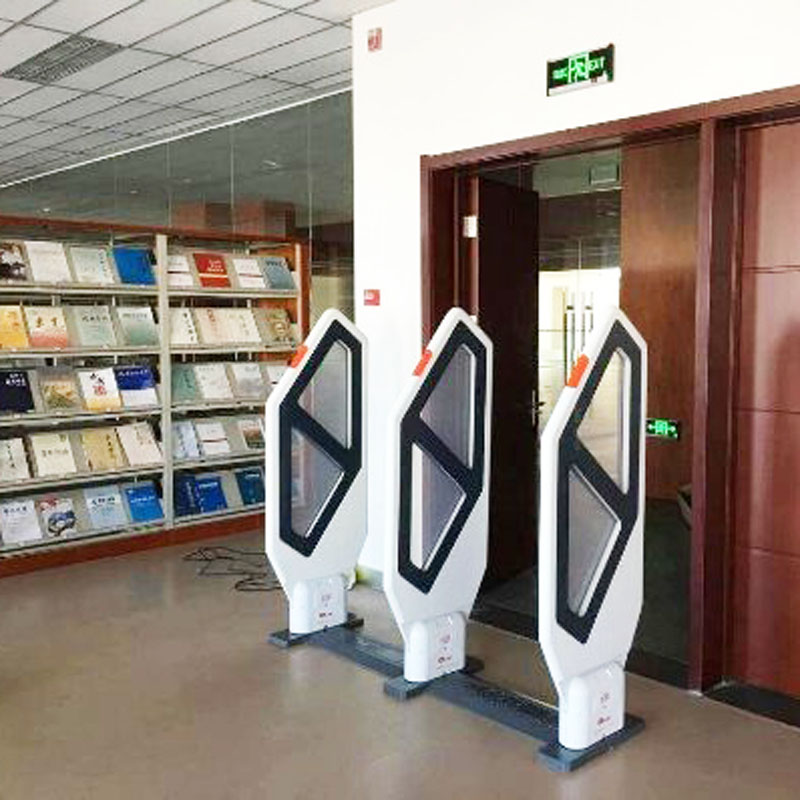
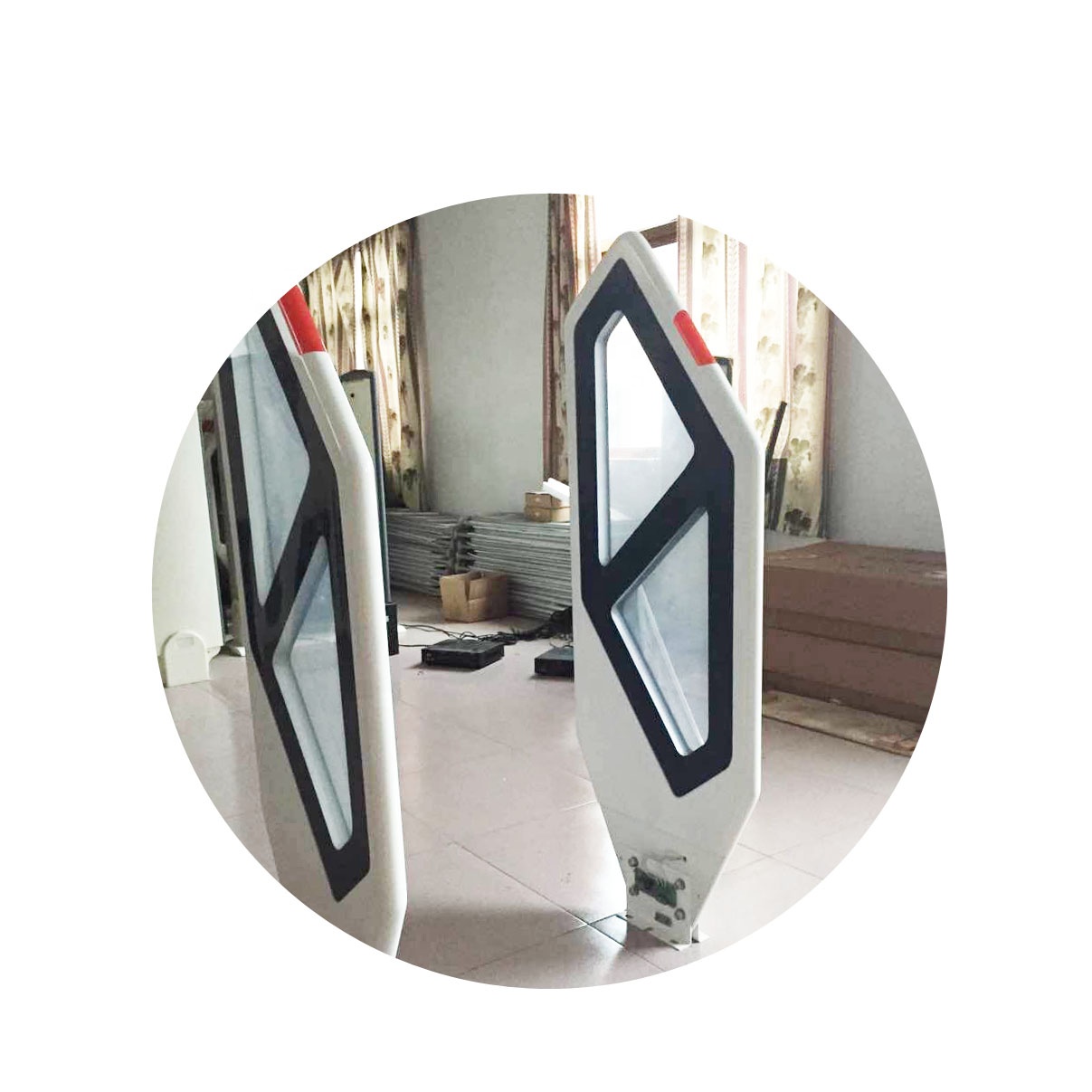
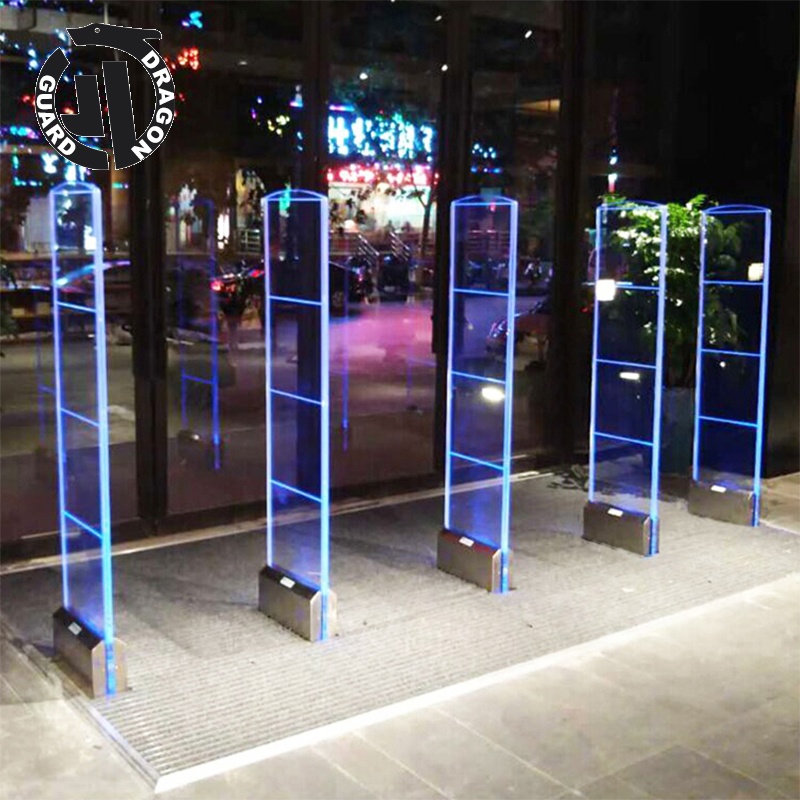
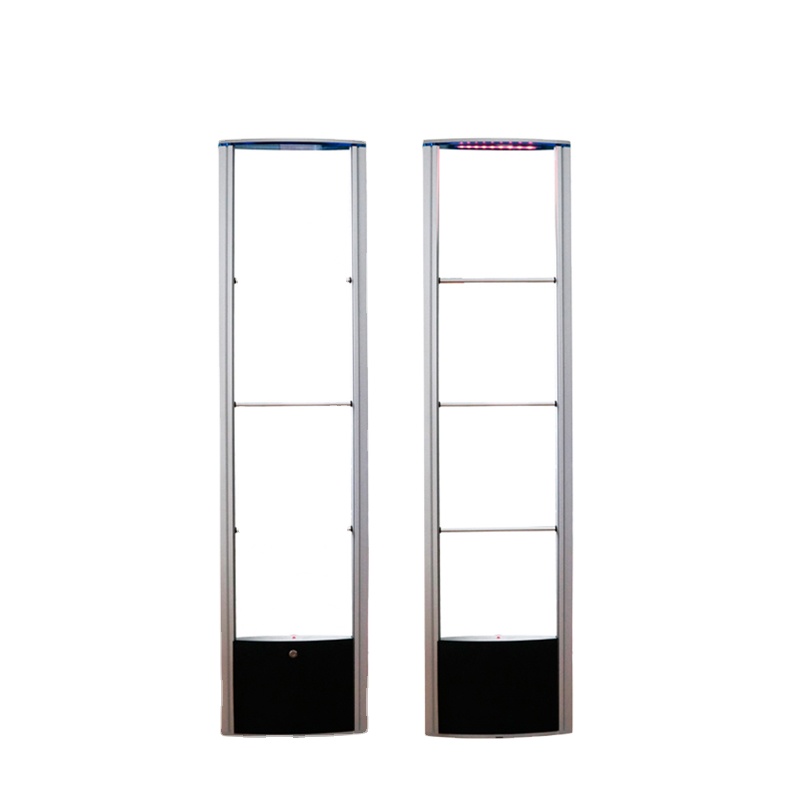
The aesthetic appeal of an EAS pedestal—whether constructed from extruded aluminum, ABS plastic, or clear acrylic—is only a fraction of the sourcing equation. The true value is determined on the surface-mount technology (SMT) lines where the motherboards are assembled, and during the antenna winding process.
Critical Areas for Factory Verification
When conducting factory audits on EAS suppliers, particular attention must be paid to their testing environments and assembly protocols.
EAS Production Quality Checks
- Acrylic Purity: Verify the use of virgin, high-grade acrylic for clear pedestals to prevent yellowing or micro-cracking over time.
- Antenna Tuning: Ensure the factory uses spectrum analyzers to verify the resonance frequency of each antenna coil before assembly.
- SMT Solder Quality: Check for cold solder joints on the DSP boards, which are a primary cause of intermittent failure in transit.
- Power Supply Certification: Confirm that the included power adapters meet target market certifications (UL, CE, FCC) to avoid customs delays.
Implementing rigorous quality control prior to shipment is non-negotiable. Pre-shipment inspections must include functional testing of detection ranges using standardized tags in multiple orientations (flat, vertical, and horizontal) as they pass through the pedestal field.
Customization and OEM Production
For distributors and retail brands, white-labeling or developing custom EAS hardware is a common requirement. Most established manufacturers offer OEM/ODM services, allowing you to customize the pedestal housing, integrate digital advertising screens, or mold proprietary hard tags.
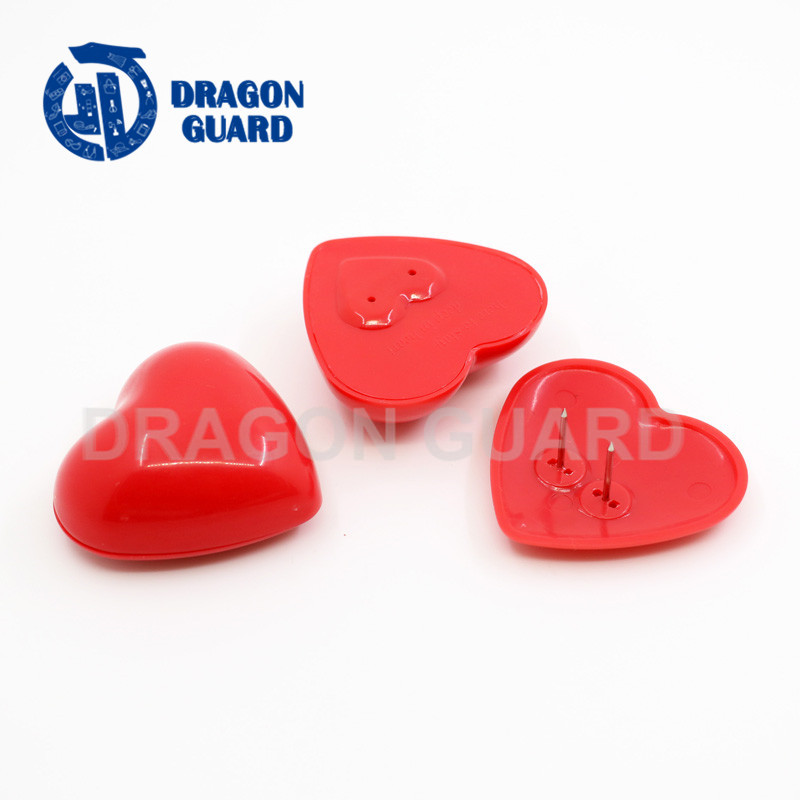
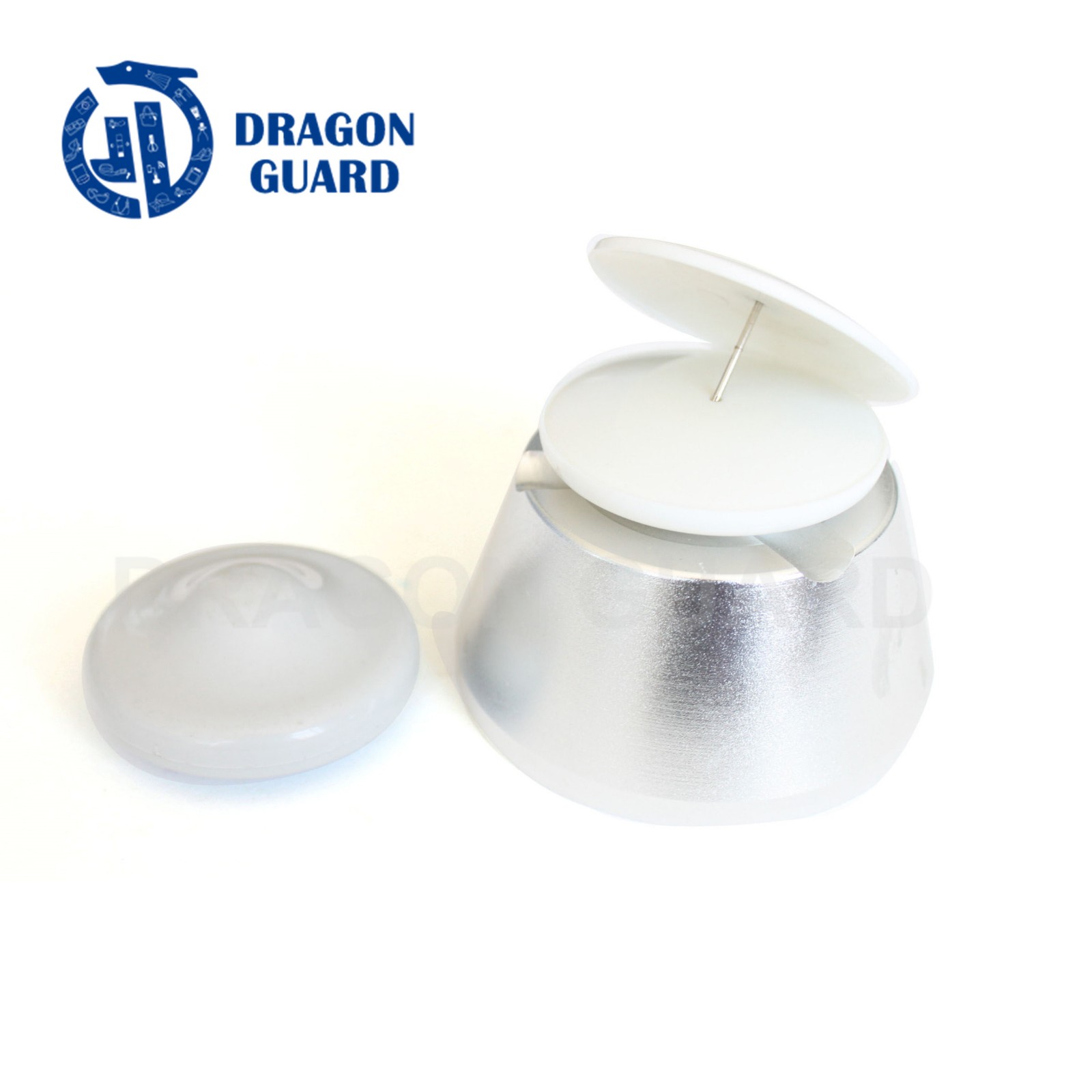
When developing custom hard tags, the critical factor is the internal locking mechanism (standard vs. super lock) and the quality of the ferrite core (for RF) or resonator strips (for AM). Inconsistent materials here will drastically reduce the detection rate, regardless of how powerful the pedestal antenna is.
MOQs, Lead Times, and Pricing Dynamics
The EAS supply chain operates on distinct production schedules depending on whether you are sourcing hardware (pedestals) or consumables (tags and labels).
Pricing for pedestals is heavily influenced by the housing material and the generation of the DSP board. A basic aluminum RF pedestal will be significantly cheaper than a premium, thick-acrylic AM pedestal with integrated footfall counting and network connectivity. Always request a detailed Bill of Materials (BOM) to understand exactly which components are driving the cost.
Need to negotiate better terms or consolidate hardware and consumable shipments from different factories? Let's discuss your supply chain requirements.
Get a free consultationFrequently Asked Questions
Successfully sourcing EAS systems requires looking past the external housing and validating the internal electronics and manufacturing processes. By enforcing strict component specifications and implementing thorough testing protocols at the factory level, you can secure reliable hardware that performs consistently in demanding retail environments.
Get Sourcing Help for EAS Systems
Tell us your requirements and our experts will connect you with verified manufacturers.