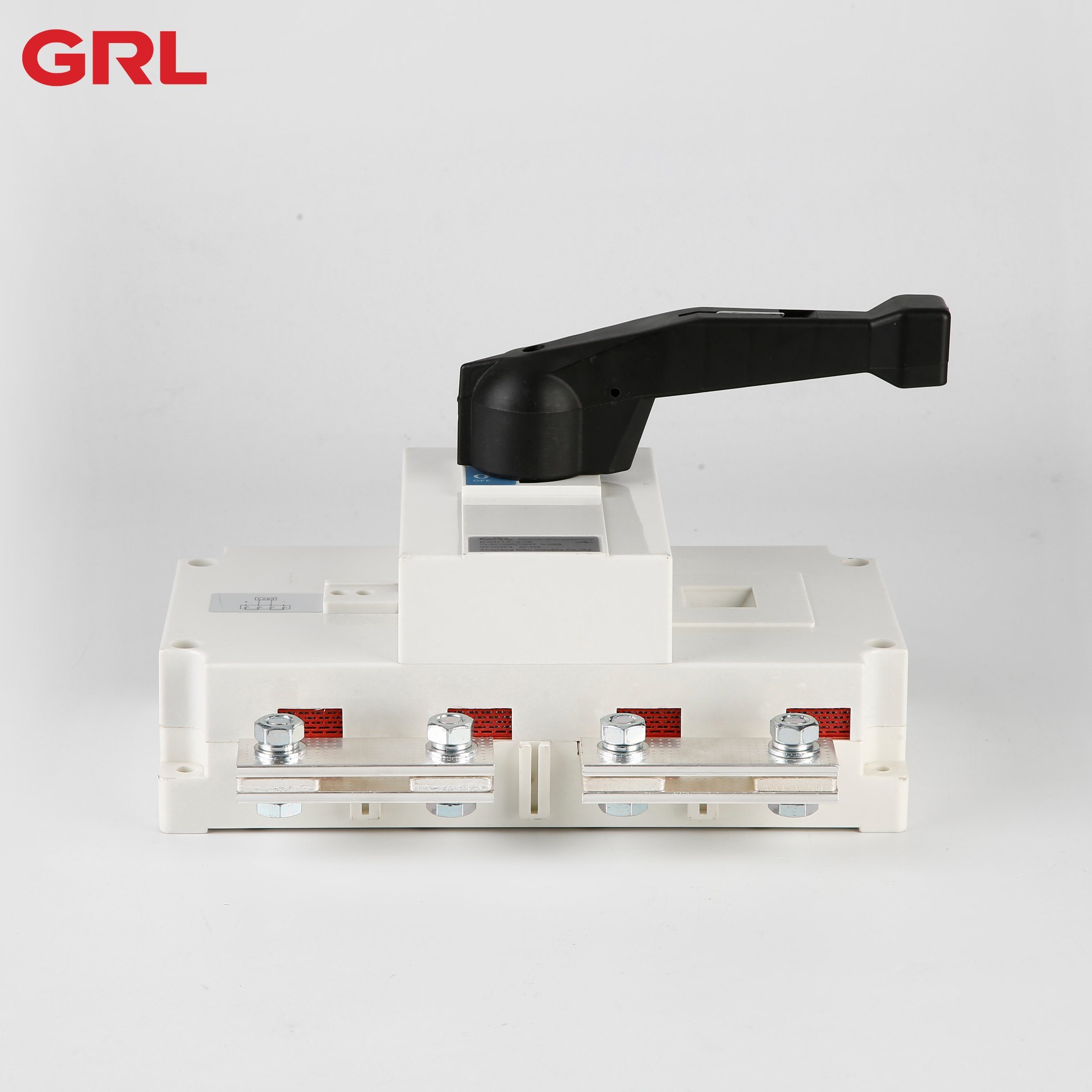
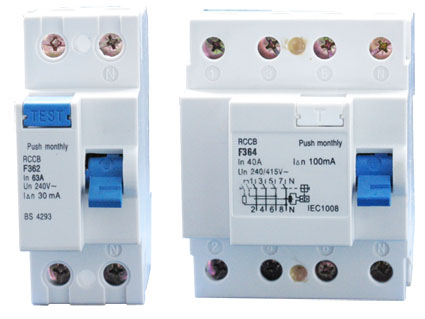
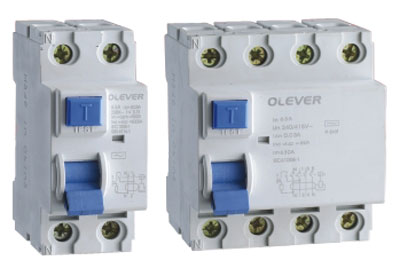
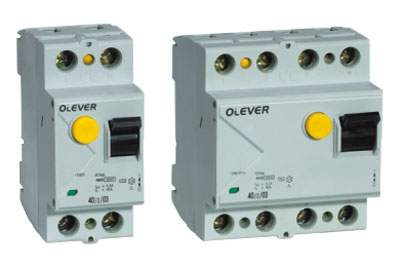
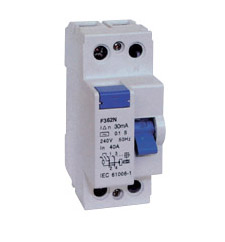
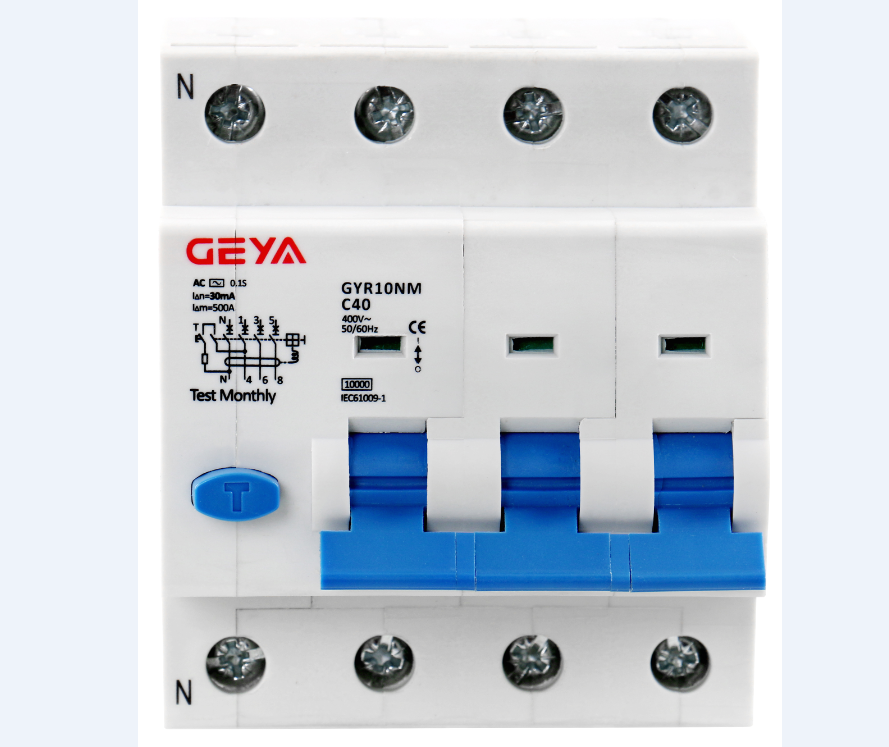
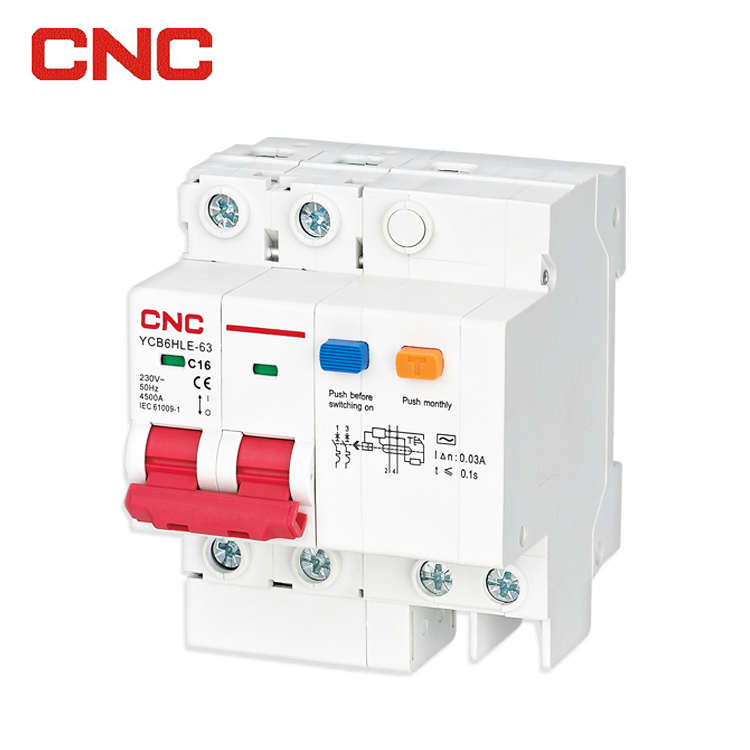
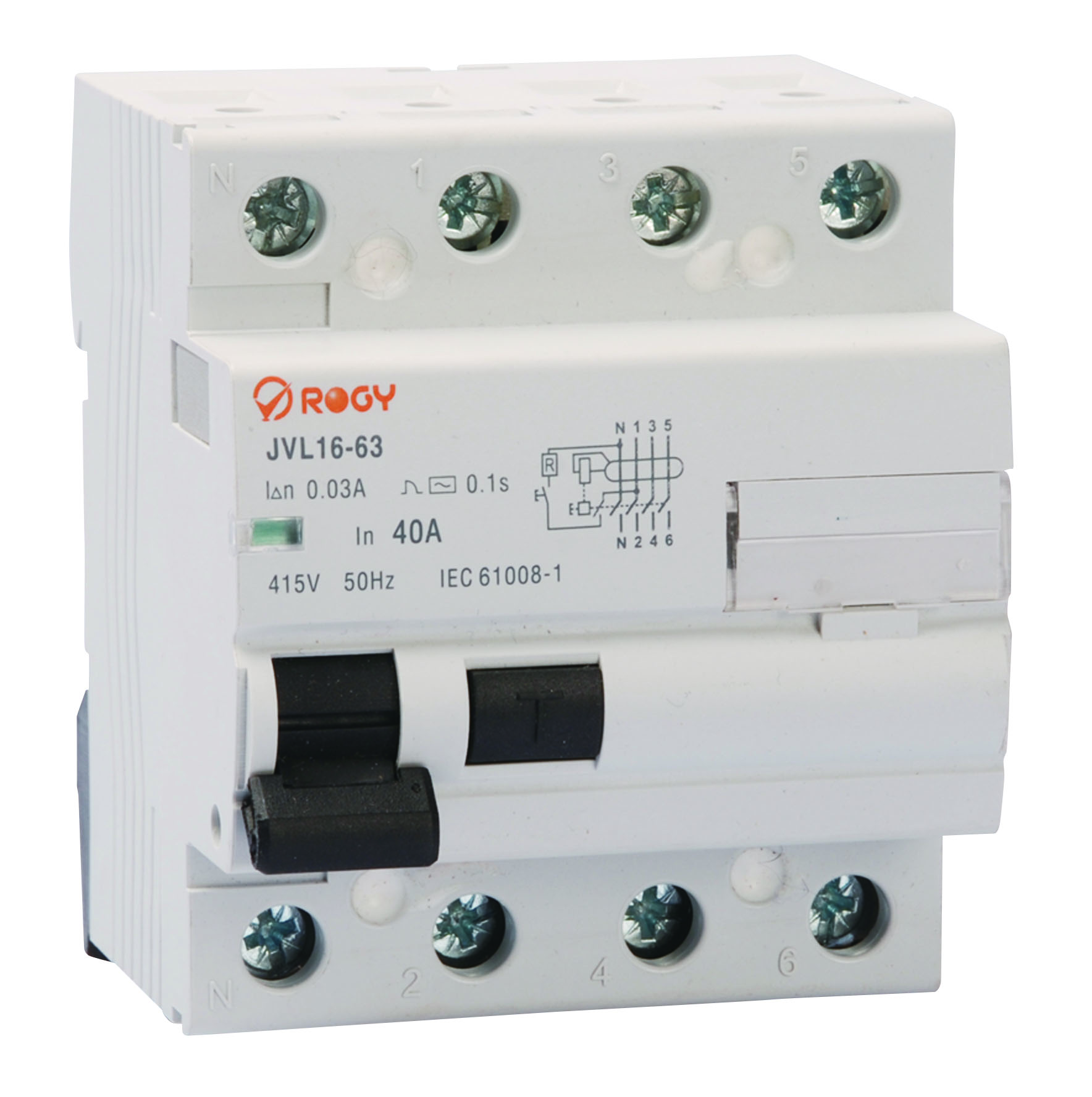
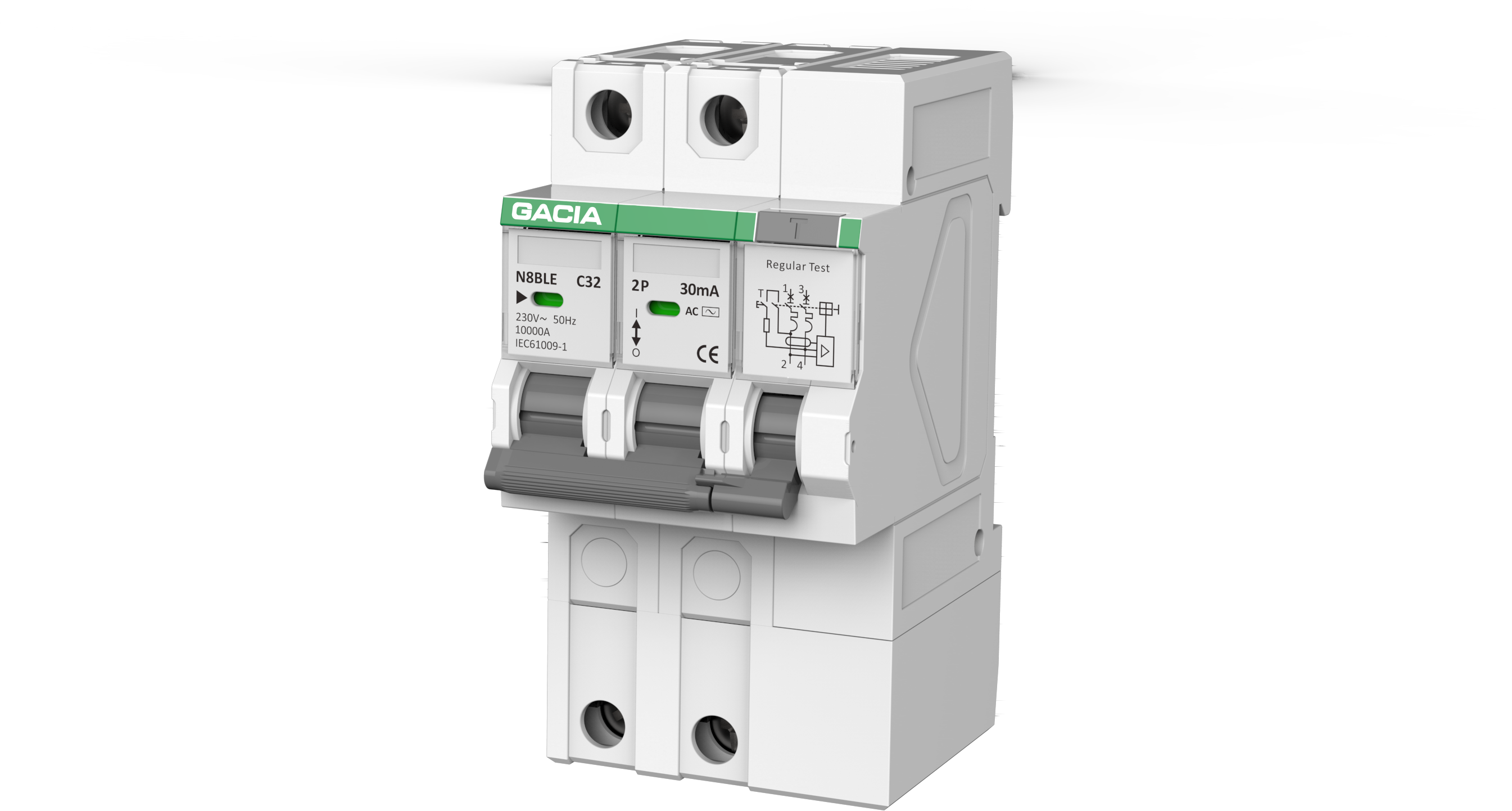
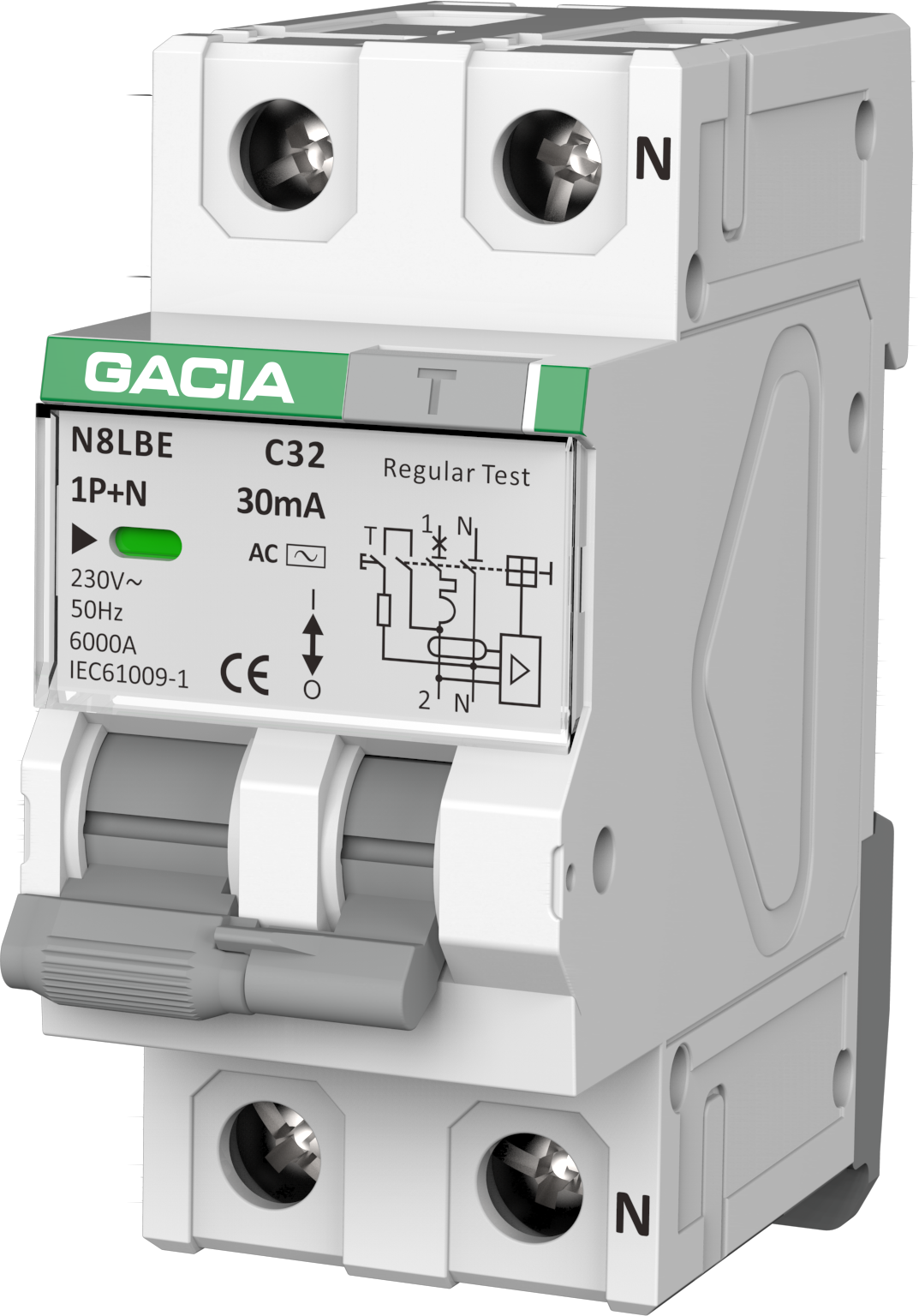
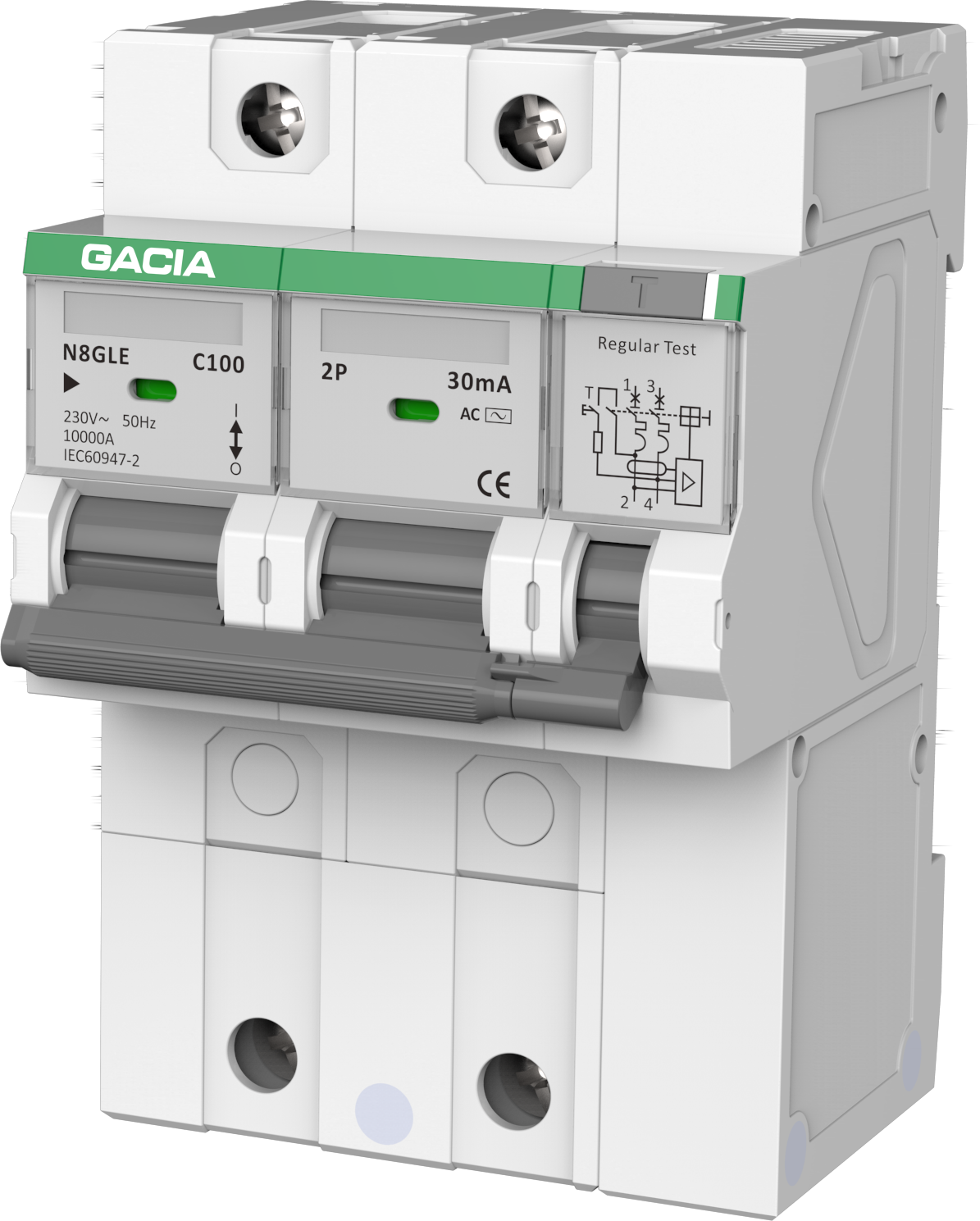
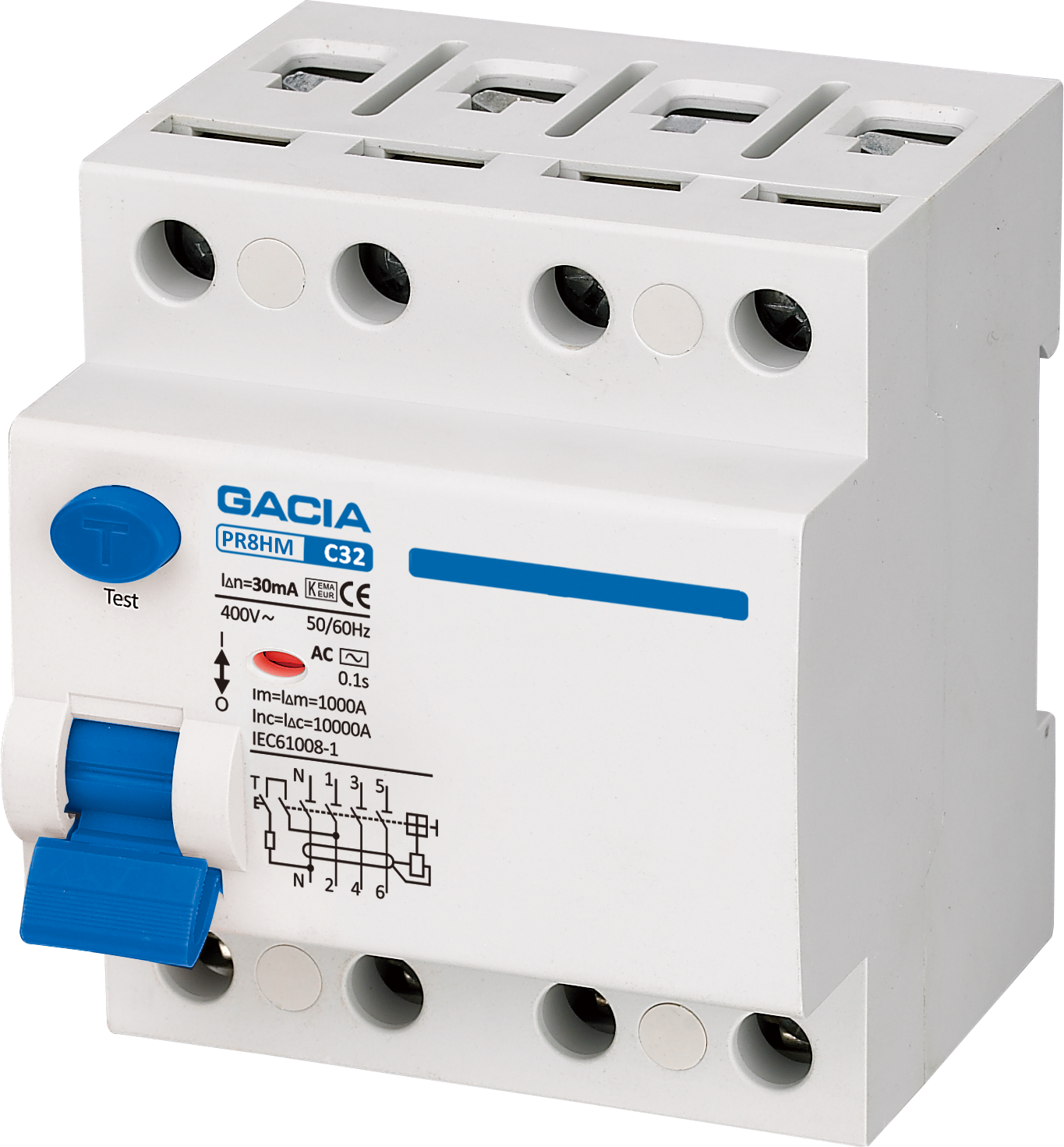
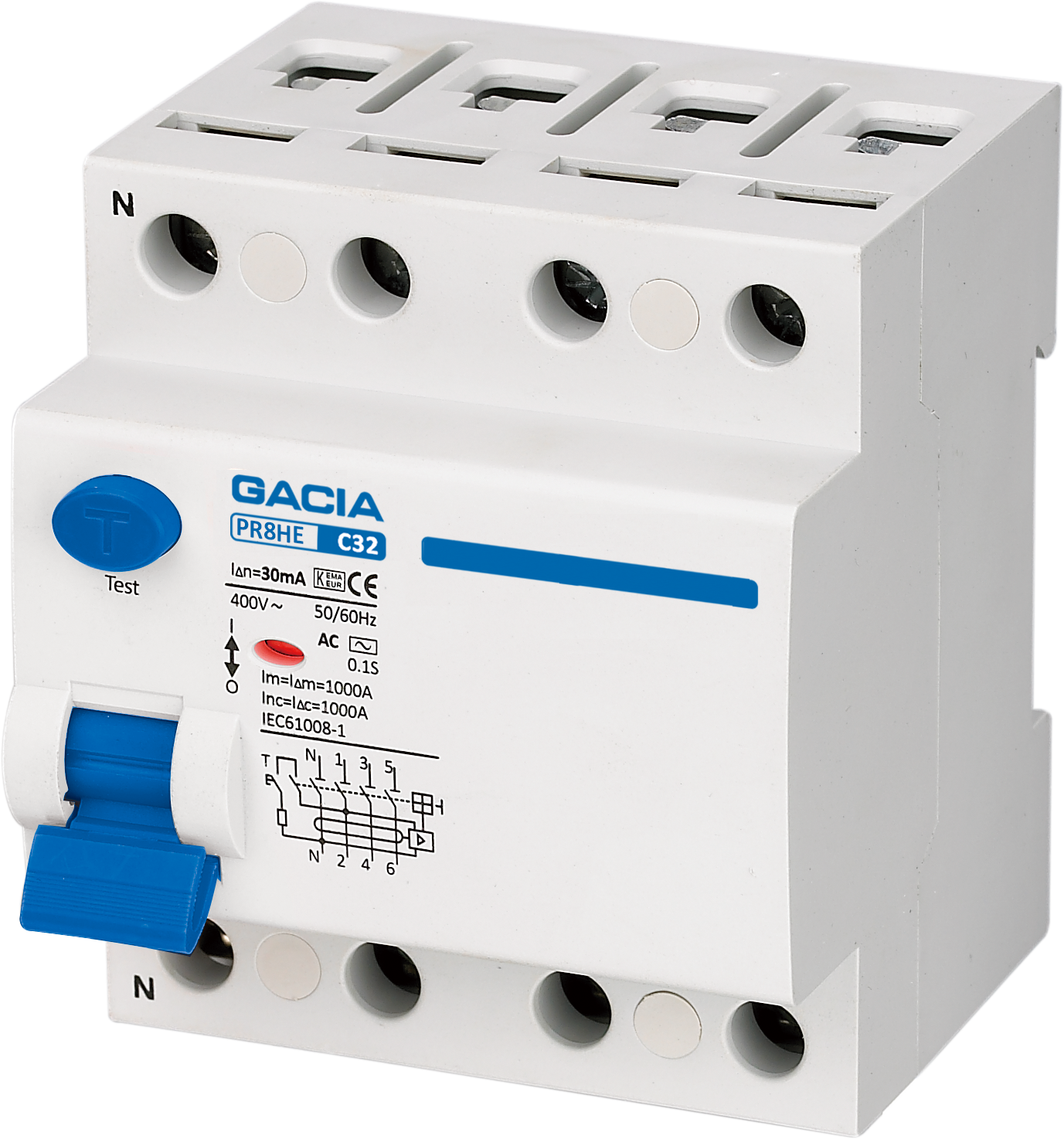
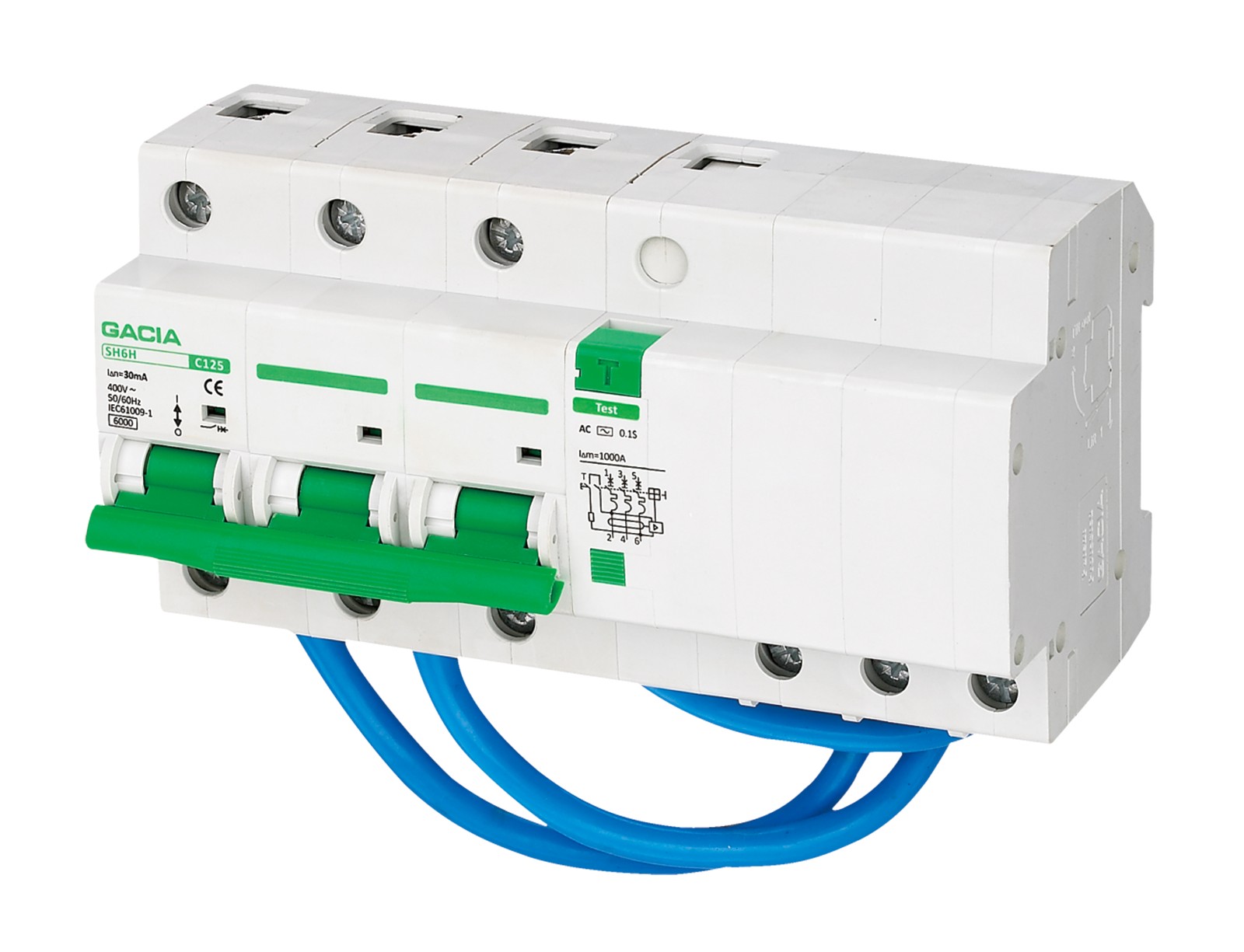
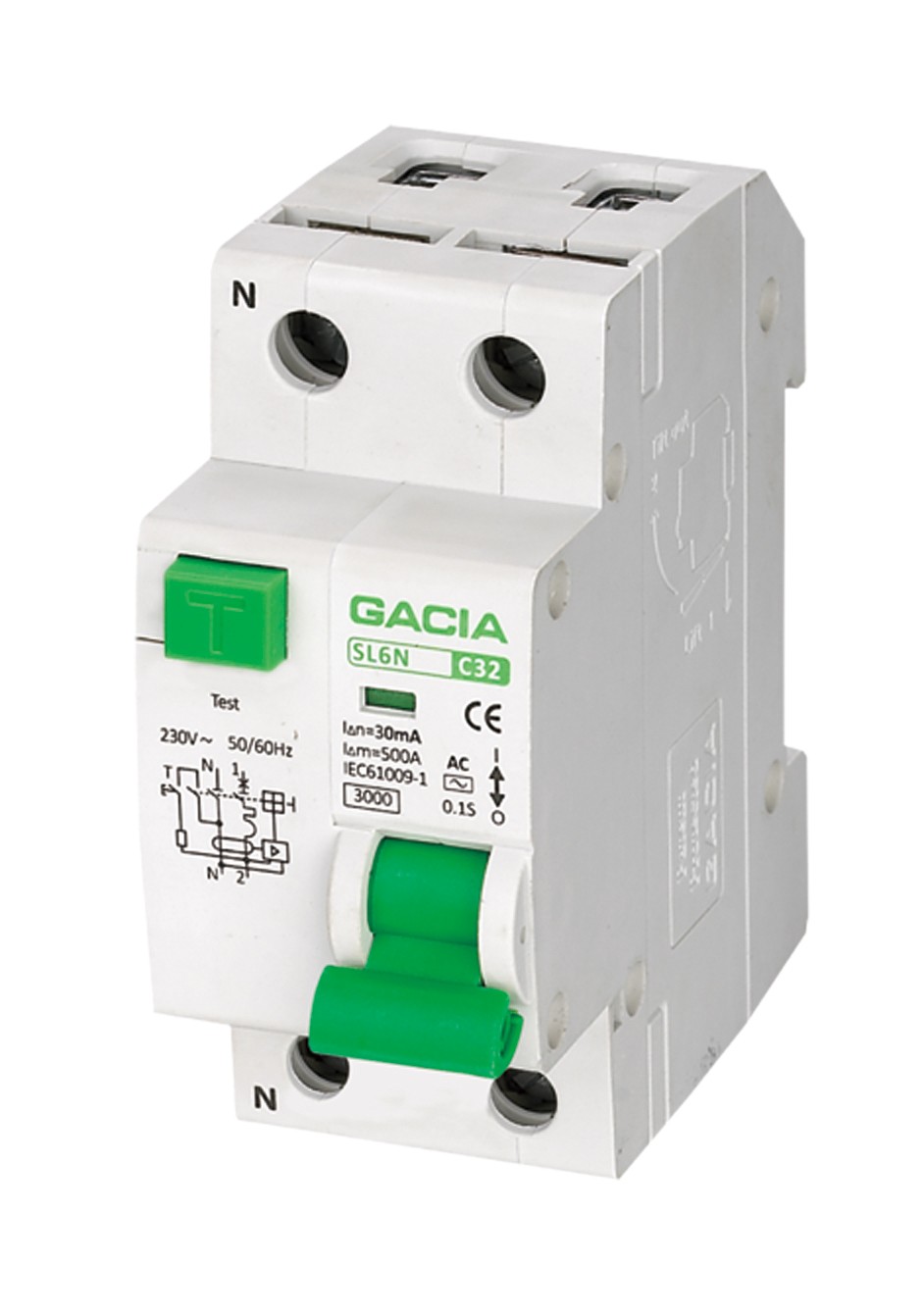
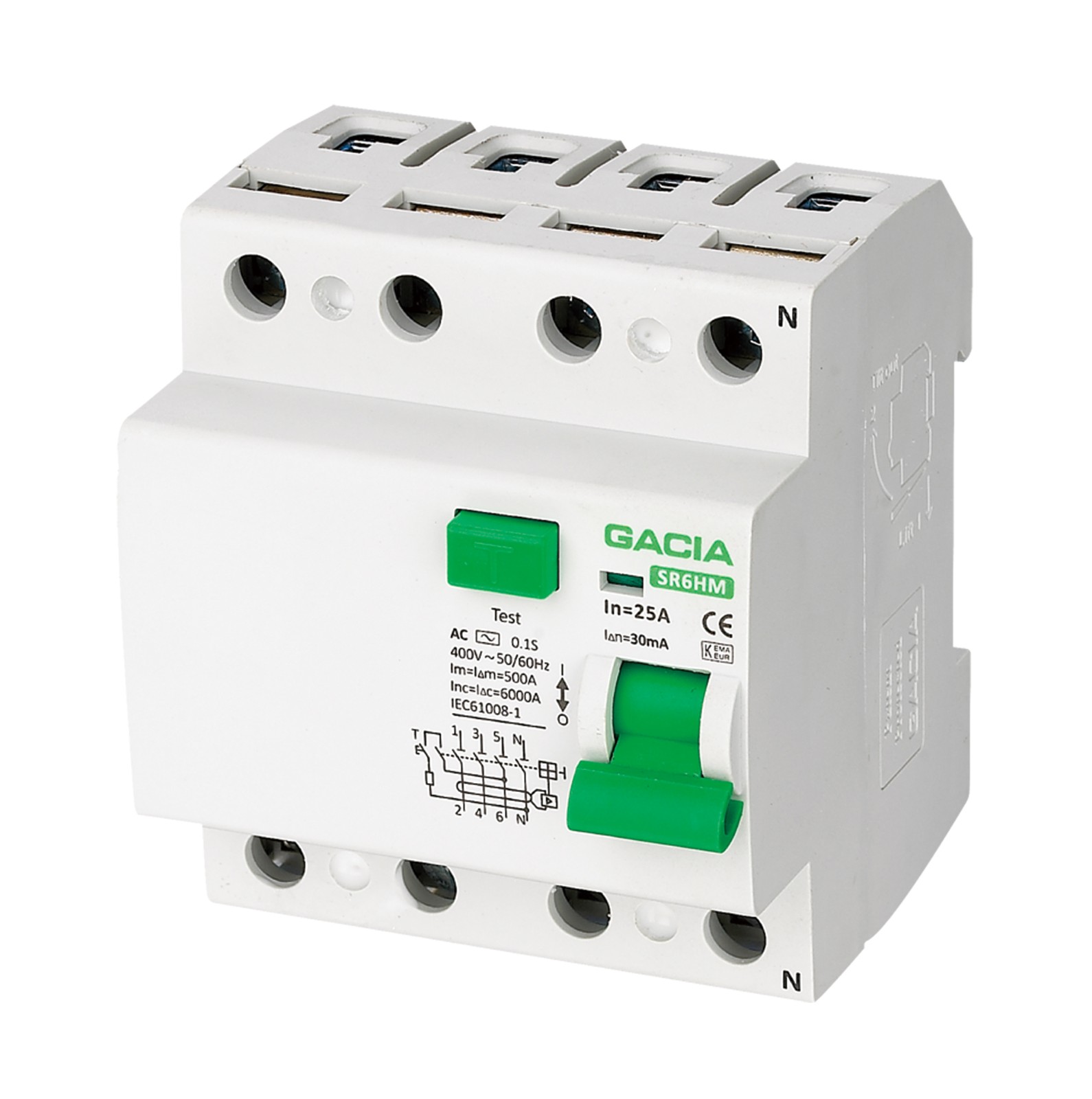
Circuit Breakers
Source high-quality circuit breakers from vetted Chinese suppliers and manufacturers. Designed for importers, wholesalers, distributors, and brands seeking reliable OEM/ODM production. Secure bulk orders of compliant, rigorously tested circuit protection components built to your exact specifications.
Sourcing circuit breakers at scale requires navigating a highly fragmented manufacturing landscape where the difference between a reliable safety device and a catastrophic failure lies hidden inside a sealed plastic casing. For volume buyers, securing a supply chain that consistently delivers components meeting strict electrical standards—without eroding profit margins—is the primary procurement challenge.
Critical Specifications and Manufacturing Quality
When negotiating with manufacturers, the bill of materials (BOM) dictates both the unit cost and the component's lifespan. Factories can easily reduce costs by substituting inferior metals or plastics, which may pass initial visual inspection but fail under fault conditions.
Internal Components That Drive Reliability
The true quality of a circuit breaker is determined on the assembly line, specifically in the calibration and material selection of its internal mechanisms:
- Contacts: High-quality breakers use silver-tungsten or silver-graphite alloys for the moving and fixed contacts to prevent welding during a short circuit. Cheaper alternatives use copper with a thin silver plating, which degrades rapidly after minimal arcing.
- Arc Chutes: The arc extinguishing chamber must contain an adequate number of metal plates (typically 9 to 13 for standard miniature circuit breakers) to effectively divide and cool the arc. Budget manufacturers often reduce plate count to save material costs.
- Bimetallic Strip: The thermal trip mechanism relies on precise bimetallic strip calibration. Inconsistent material thickness or poor automated calibration on the factory floor leads to nuisance tripping or dangerous delays in thermal response.
- Housing Material: The outer casing must be molded from flame-retardant plastics, typically PA66 (Nylon 66) or specialized thermoset materials, achieving a UL 94 V-0 flammability rating.
Supplier Vetting Checklist for Circuit Breakers
- Verify automated thermal calibration equipment is used on the assembly line.
- Request the exact alloy composition for moving and fixed contacts.
- Confirm in-house testing capabilities for short-circuit breaking capacity.
- Ensure plastic injection molding uses virgin, V-0 rated flame-retardant materials.
Because material substitutions are impossible to detect visually, conducting thorough Factory Audits is essential before committing to a new supplier. You must verify that the factory possesses the necessary automated testing rigs for calibration and endurance.
Ensure your circuit breaker supply chain meets strict international safety standards before production begins.
Talk to our teamCompliance and Independent Testing
A circuit breaker is only as good as its certifications. Depending on your target market, your supplier must produce components that comply with specific regional standards:
- IEC 60898-1: The standard for low-voltage circuit breakers used in residential and similar installations.
- IEC 60947-2: The standard for industrial applications, requiring higher breaking capacities and more rigorous testing.
- UL 489 / UL 1077: Essential for the North American market, covering molded-case circuit breakers and supplementary protectors.
Do not rely solely on factory-provided certificates, as these can be outdated or apply to a different product series. Engaging professional Compliance & Testing services ensures that the specific batch you are purchasing has been independently verified for its rated short-circuit capacity (Icu/Ics) and thermal-magnetic trip curves (B, C, D, K, or Z).
Typical Pricing, MOQs, and Lead Times
The cost of circuit breakers fluctuates based on raw material prices, particularly copper and silver, as well as the stringency of the required certifications.
Cost Drivers
- Breaking Capacity: A breaker rated for 10kA will cost significantly more than a 4.5kA or 6kA variant due to the heavier internal components required to safely clear larger fault currents.
- Pole Configuration: Multi-pole breakers (2P, 3P, 4P) scale in cost linearly but require more complex assembly and synchronized trip mechanisms.
- OEM Customization: Private labeling standard white/gray housings is inexpensive. However, custom plastic colors or unique toggle designs require new injection molds, increasing upfront costs and MOQs. If you are developing a proprietary line, utilizing structured OEM/ODM Services can streamline the mold-making and prototyping phases.
Streamline your procurement with negotiated pricing and reliable factory partnerships.
Get a free consultationFrequent Buyer Questions
Sourcing circuit breakers requires balancing aggressive cost targets with non-negotiable safety standards. By strictly defining your BOM, insisting on independent compliance verification, and maintaining oversight on the factory floor, you can secure reliable circuit protection components that protect both your end-users and your brand's reputation.
Get Sourcing Help for Circuit Breakers
Tell us your requirements and our experts will connect you with verified manufacturers.