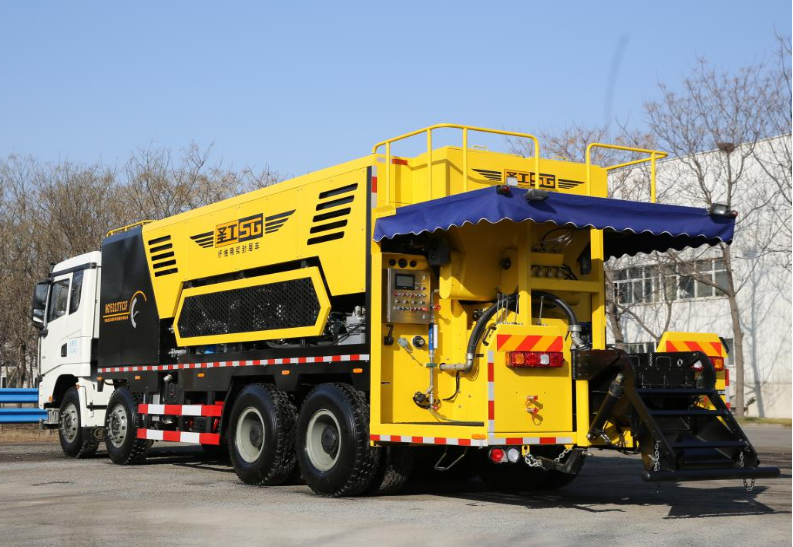
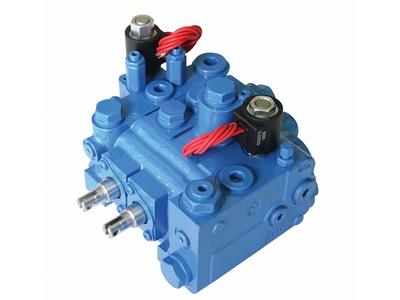
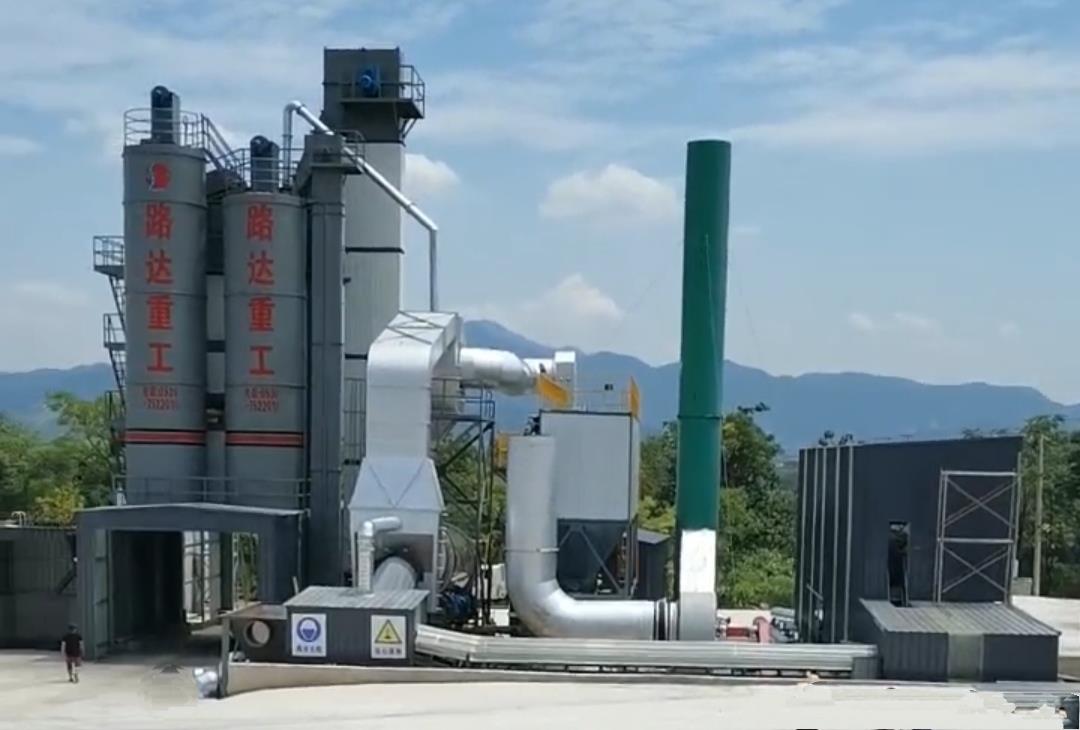
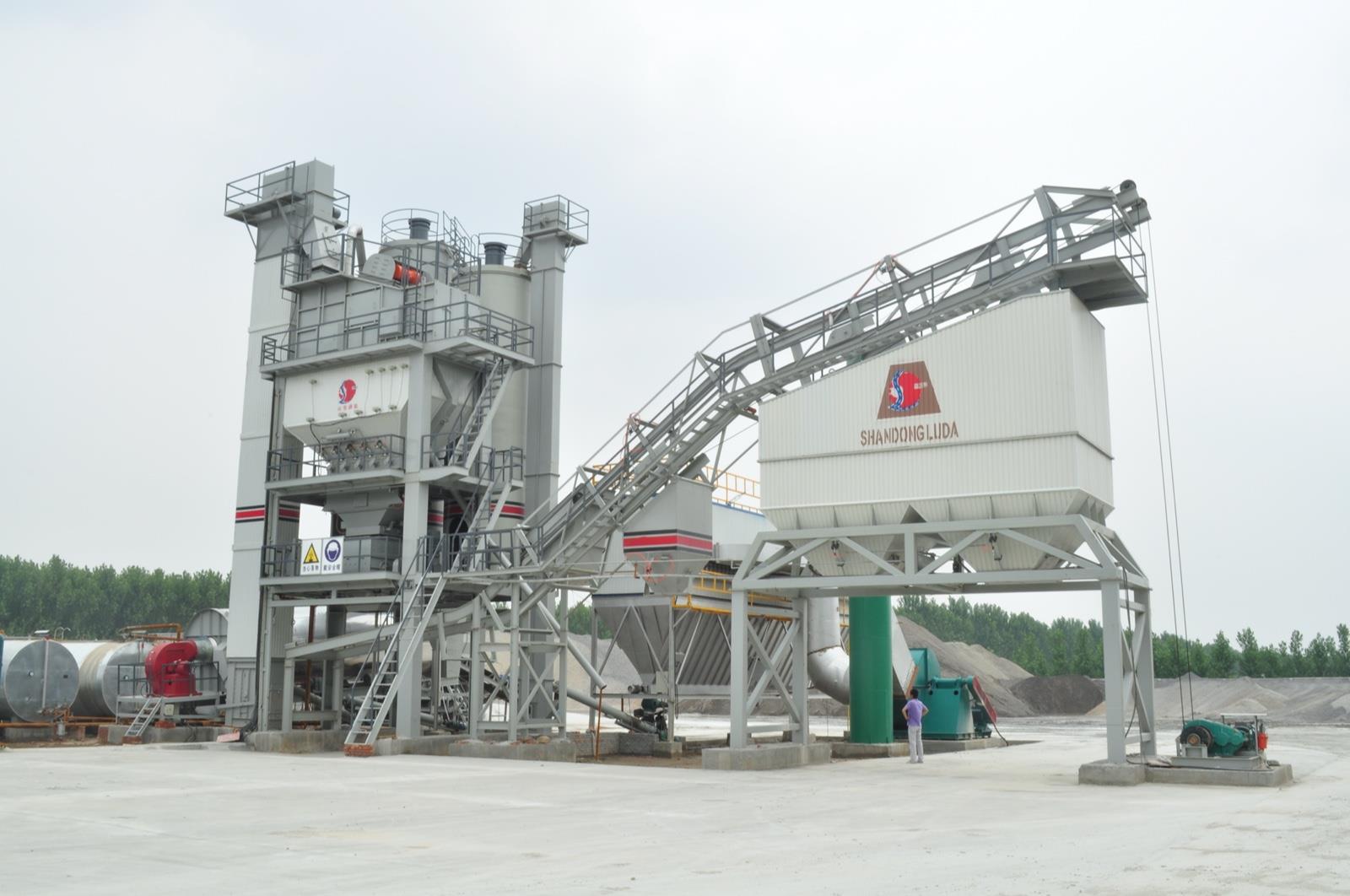
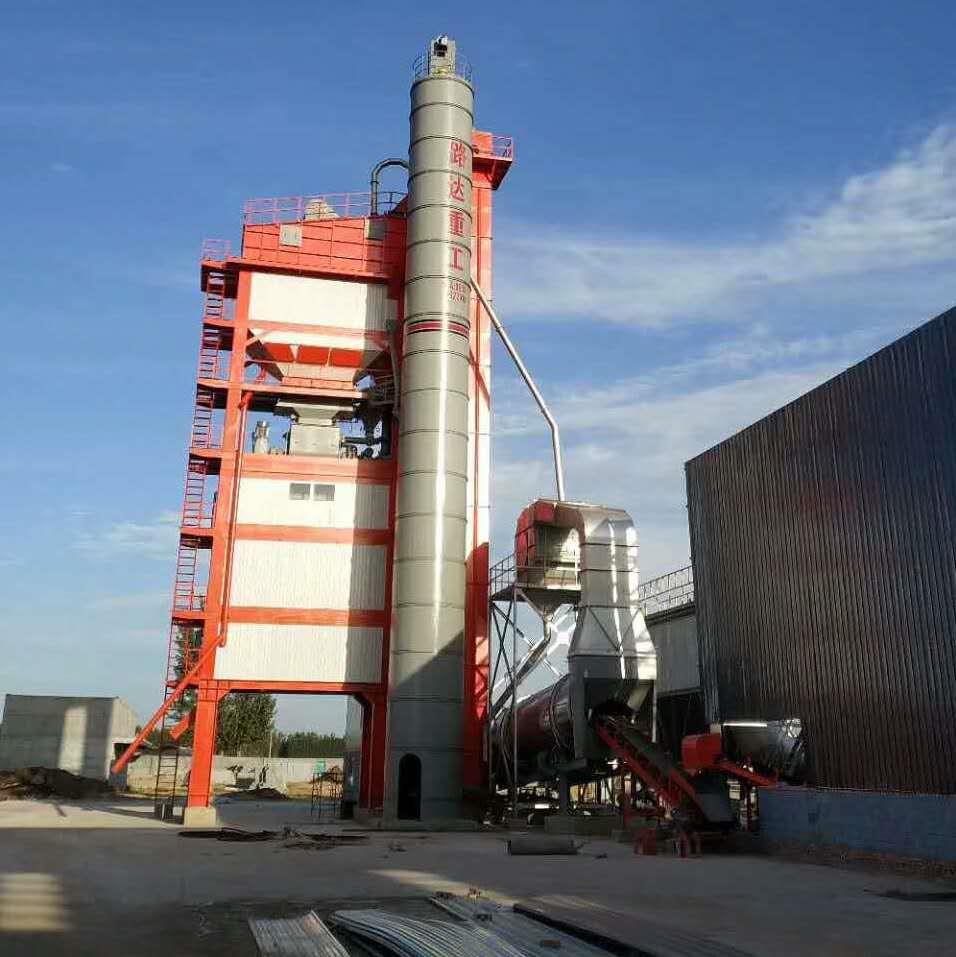
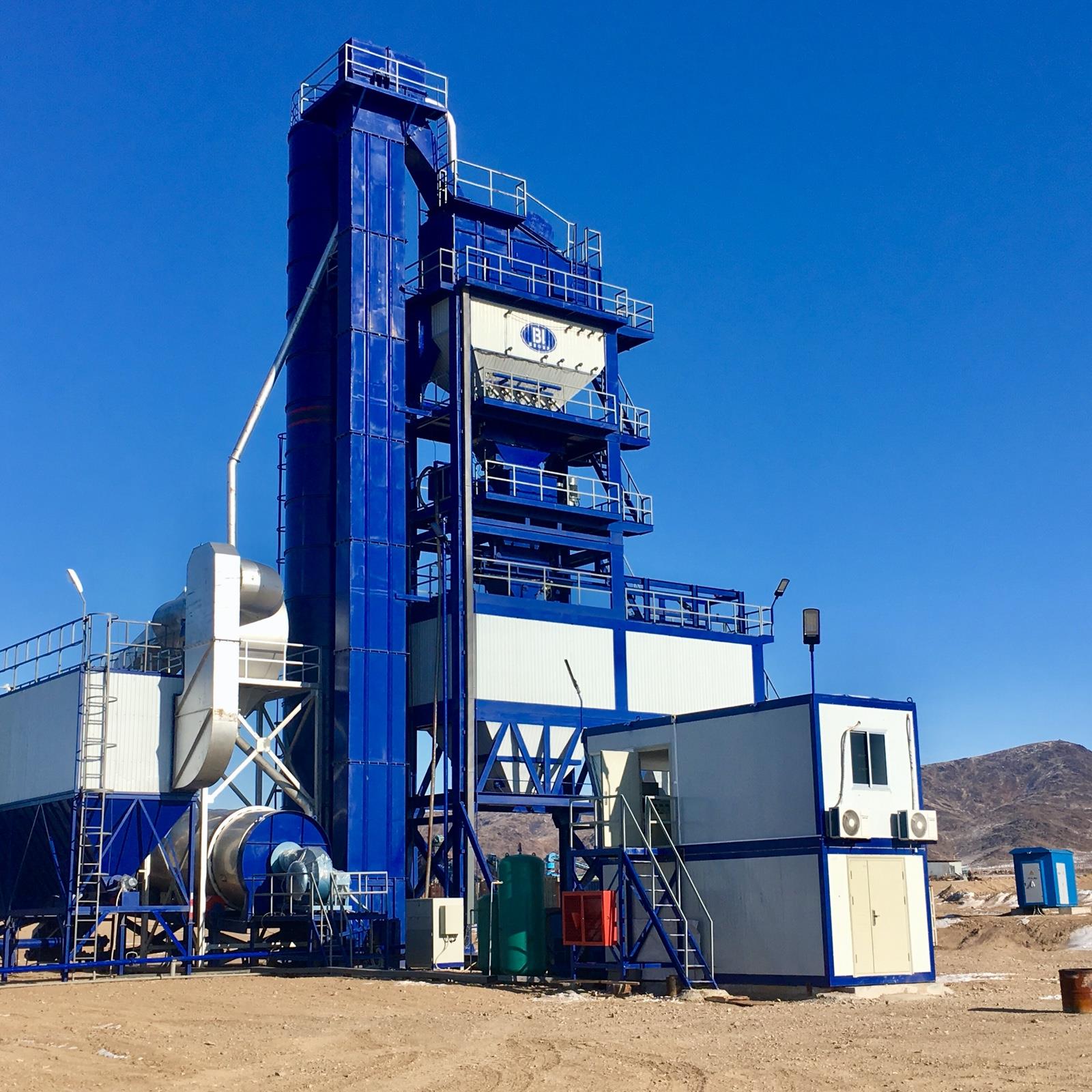
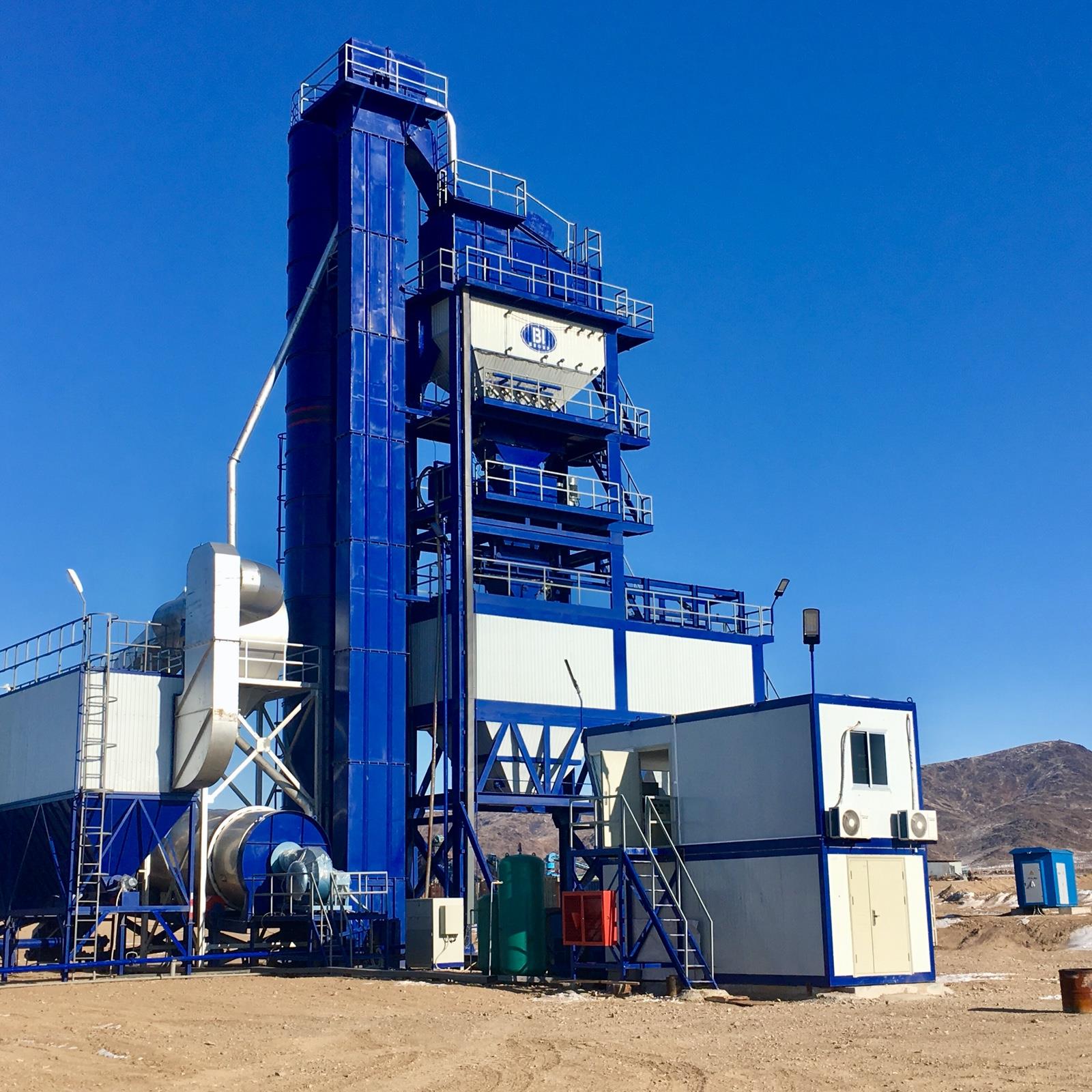
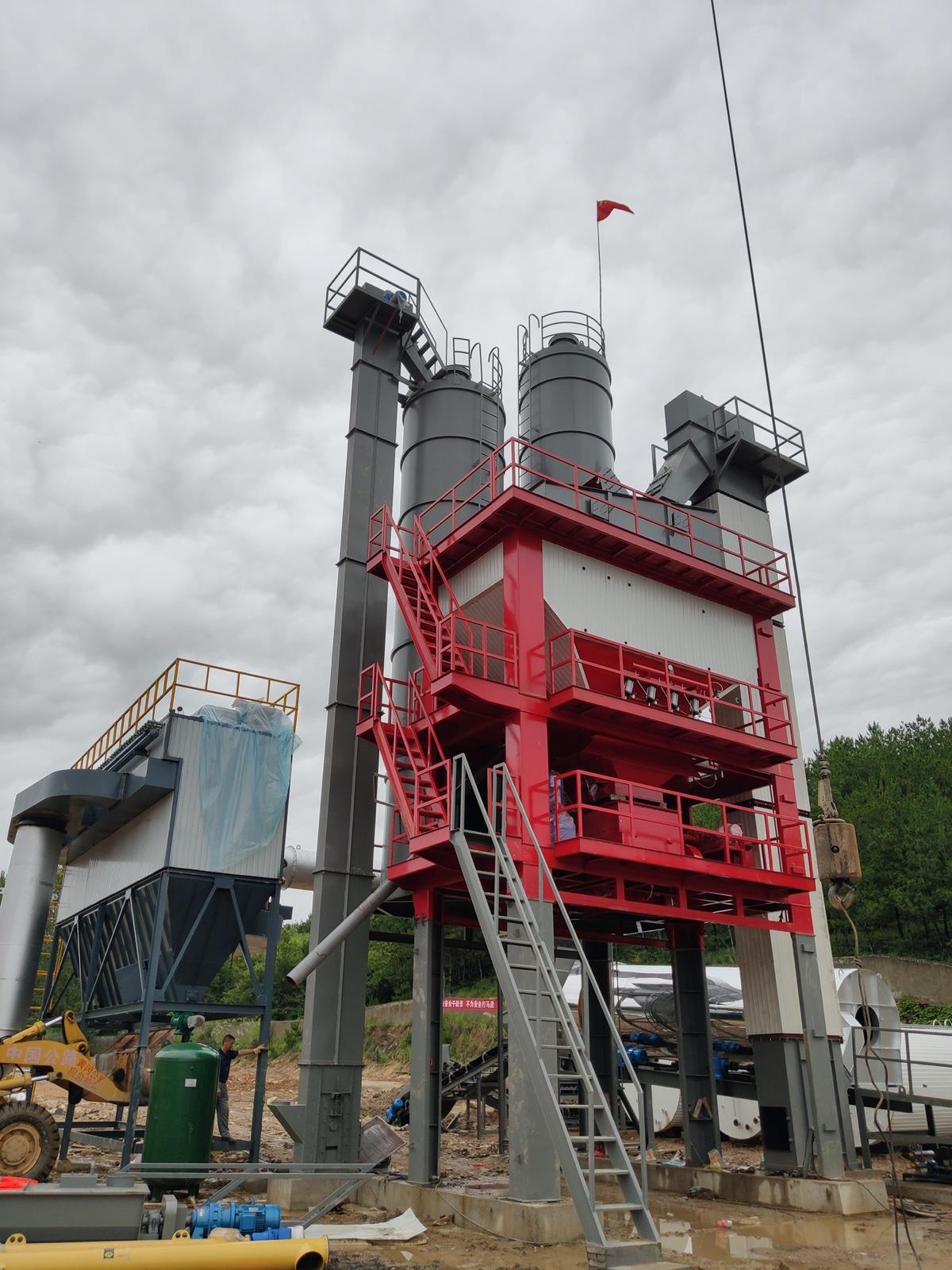
Asphalt Pavement Construction Machinery (Asphalt Mixing Plants, Asphalt Paver, Asphalt Spreader, Asphalt Supply Truck, Asphalt Pump, Asphalt Storage Equipment, etc.)
Source high-performance Asphalt Pavement Construction Machinery from vetted suppliers and manufacturers across Asia. Designed for heavy equipment importers, construction distributors, and procurement managers, our network offers reliable wholesale purchasing and custom OEM production for large-scale paving fleets.
Sourcing asphalt pavement construction machinery in bulk or for large fleet procurement requires navigating a complex landscape of heavy industry manufacturers. The primary challenge isn't just finding a factory that can weld steel; it's verifying their engineering depth, global component supply chain, and adherence to strict international emission and safety standards. Securing reliable heavy machinery demands a rigorous approach to technical specifications and factory-level quality assurance.
Defining Core Specifications and Compliance
When negotiating with manufacturers, the bill of materials (BOM) dictates both the lifespan of the equipment and its legal import status. Procurement teams must clearly define the technical parameters before requesting quotations.
For asphalt mixing plants, capacity is measured in tons per hour (TPH), but buyers must also specify the aggregate bin configuration, dust collection systems (baghouse vs. water dust catchers), and the thermal efficiency of the drying drum. For mobile equipment like pavers and spreaders, the focus shifts to screed types (tamper or vibration), paving width flexibility, and hydraulic drive systems.
Emission Standards Compliance
Importing heavy motorized machinery into North America or Europe requires strict adherence to EPA Tier 4 Final or EU Stage V emission standards. Many overseas factories default to Tier 2 or Tier 3 engines for domestic or developing markets. You must explicitly specify the required engine compliance during the initial inquiry.
Need help verifying technical specifications and matching them with capable manufacturers?
Talk to our teamAssessing Manufacturing Capabilities
The heavy machinery sector relies heavily on the integration of third-party components. A factory's true value lies in its structural fabrication, assembly precision, and quality control systems.
When evaluating a supplier, it is crucial to distinguish between true manufacturers who fabricate their own chassis and drums, and trading companies acting as assemblers. Conducting comprehensive factory audits ensures the facility has the necessary heavy lifting equipment, CNC machining centers for precision parts, and a documented quality management system.
| Machinery Tier | Core Components | Control Systems | Target Market Fit |
|---|---|---|---|
| Standard Export | Domestic engines & hydraulics | Basic PLC with manual overrides | Cost-sensitive or developing markets |
| Premium / OEM | Imported (e.g., Cummins, Rexroth) | Advanced CAN bus, auto-leveling | High-uptime fleets, strict regulatory zones |
Critical Quality Control Checkpoints
Heavy machinery defects are incredibly costly to rectify post-shipment. Implementing strict quality control & inspection protocols at the factory is non-negotiable.
Pre-Shipment Inspection Focus Areas
- Non-Destructive Testing (NDT) reports for critical structural welds.
- Hydraulic system pressure testing to verify zero-leak operation under load.
- Verification of core component serial numbers against the agreed BOM.
- Electrical control panel compliance testing (CE, UL, or regional equivalents).
- Dry-run operational testing for moving parts and automated sensors.
Heavy Equipment Logistics and Supply Chain
Moving asphalt pavement machinery internationally is a specialized logistical challenge. Standard container shipping is often impossible for mixing plants or large pavers. Buyers must coordinate RoRo (Roll-on/Roll-off), flat rack containers, or break bulk shipping.
Proper preservation for ocean freight—such as anti-corrosion coatings on exposed machined surfaces and secure lashing points—must be negotiated with the factory prior to production. Managing these complexities often requires integrated shipping & freight solutions that handle out-of-gauge cargo from the factory floor to the final destination.
Pricing, MOQs, and Lead Times
Unlike consumer goods, heavy construction machinery operates on project-based manufacturing schedules.
Pricing is highly volatile and directly tied to the cost of raw steel and the origin of the core components (engines, hydraulic pumps, and control modules). Specifying premium imported components can increase the unit cost by 30 percent to 50 percent compared to domestic alternatives, but significantly reduces total cost of ownership through lower maintenance and higher uptime.
Ready to streamline your heavy machinery procurement and secure better pricing?
Get a free consultationBuyer FAQ
Successfully sourcing asphalt pavement construction machinery requires a deep understanding of heavy equipment engineering, rigorous supplier vetting, and specialized logistics. By focusing on component origin, structural integrity, and strict quality control, procurement teams can secure reliable machinery that performs dependably in the field.
Get Sourcing Help for Asphalt Pavement Construction Machinery (Asphalt Mixing Plants, Asphalt Paver, Asphalt Spreader, Asphalt Supply Truck, Asphalt Pump, Asphalt Storage Equipment, etc.)
Tell us your requirements and our experts will connect you with verified manufacturers.