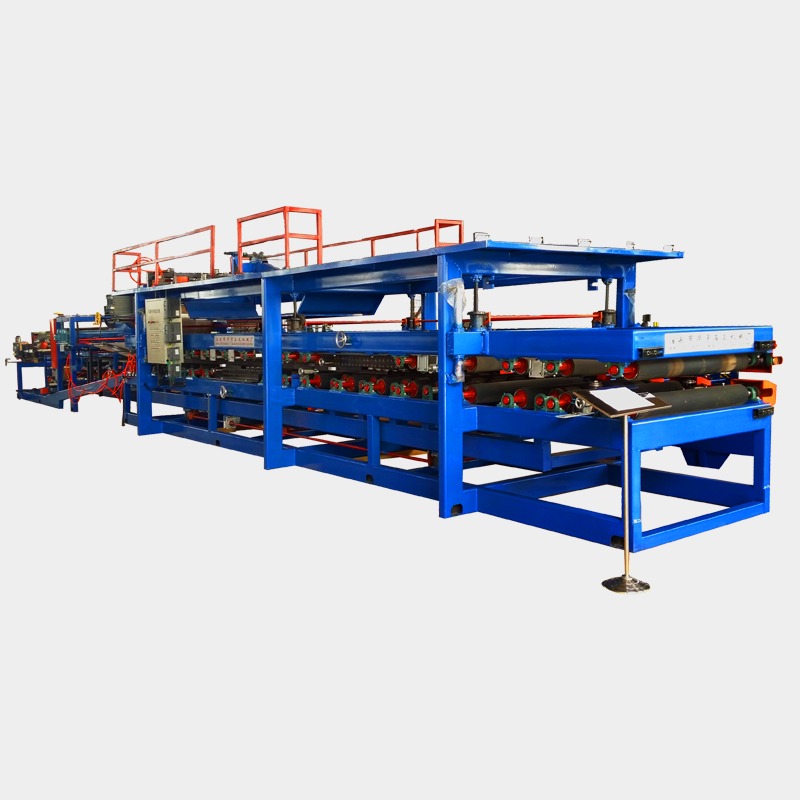
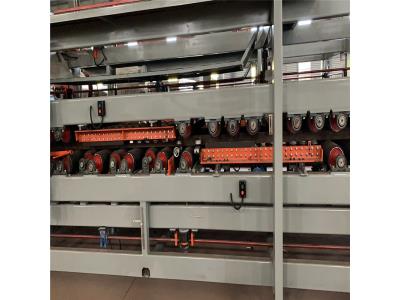
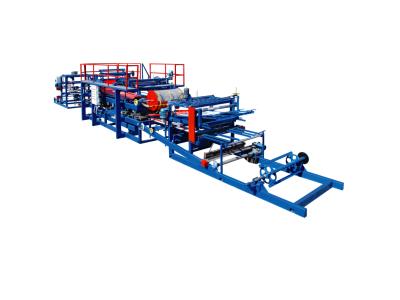
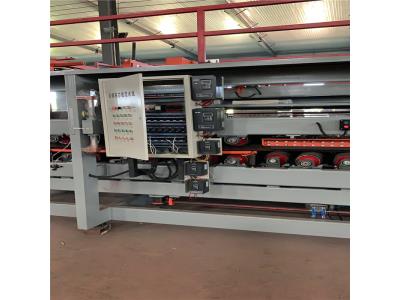
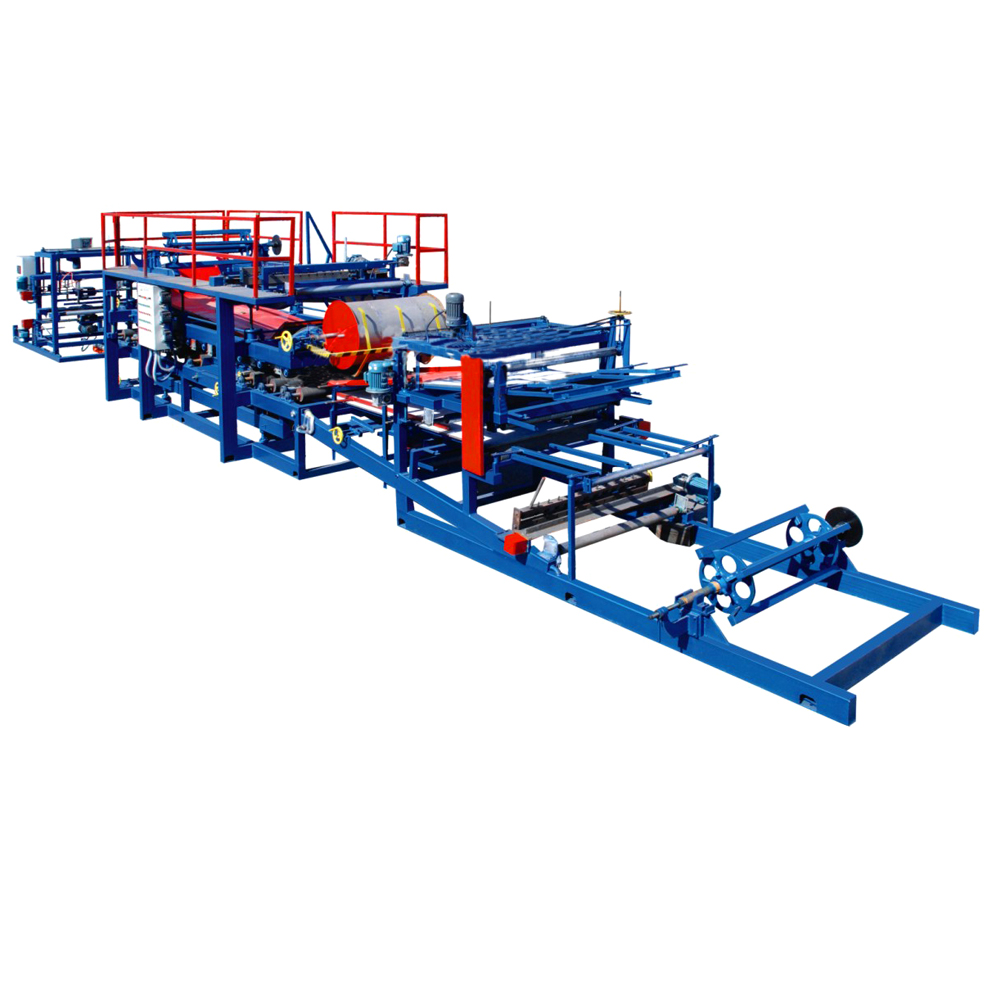
Board Making Machinery
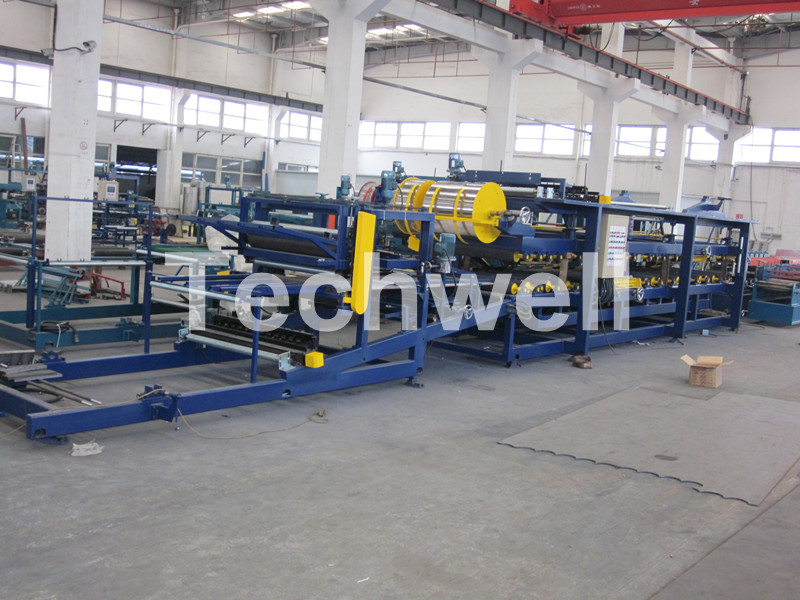
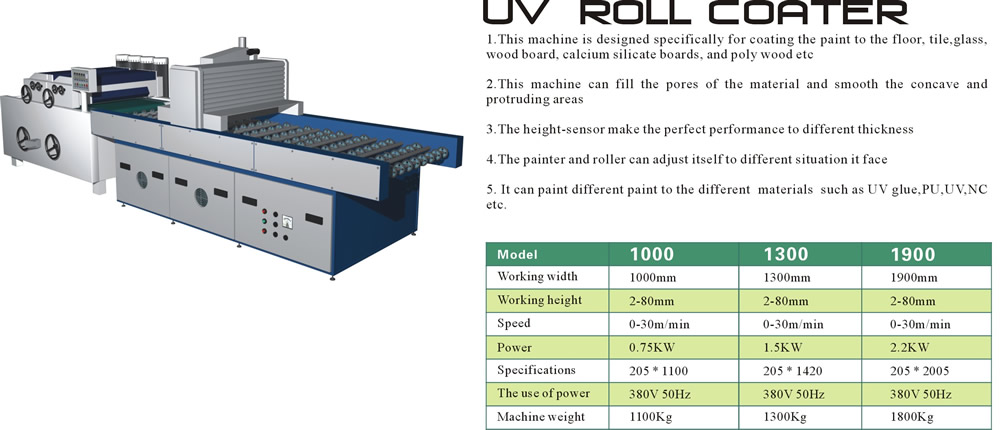
Source industrial-grade Board Making Machinery from vetted suppliers and manufacturers across Asia. Designed for importers, distributors, and procurement managers, our network provides high-capacity production lines for gypsum, cement, and composite boards, ensuring reliable output and strict quality control for your building material operations.
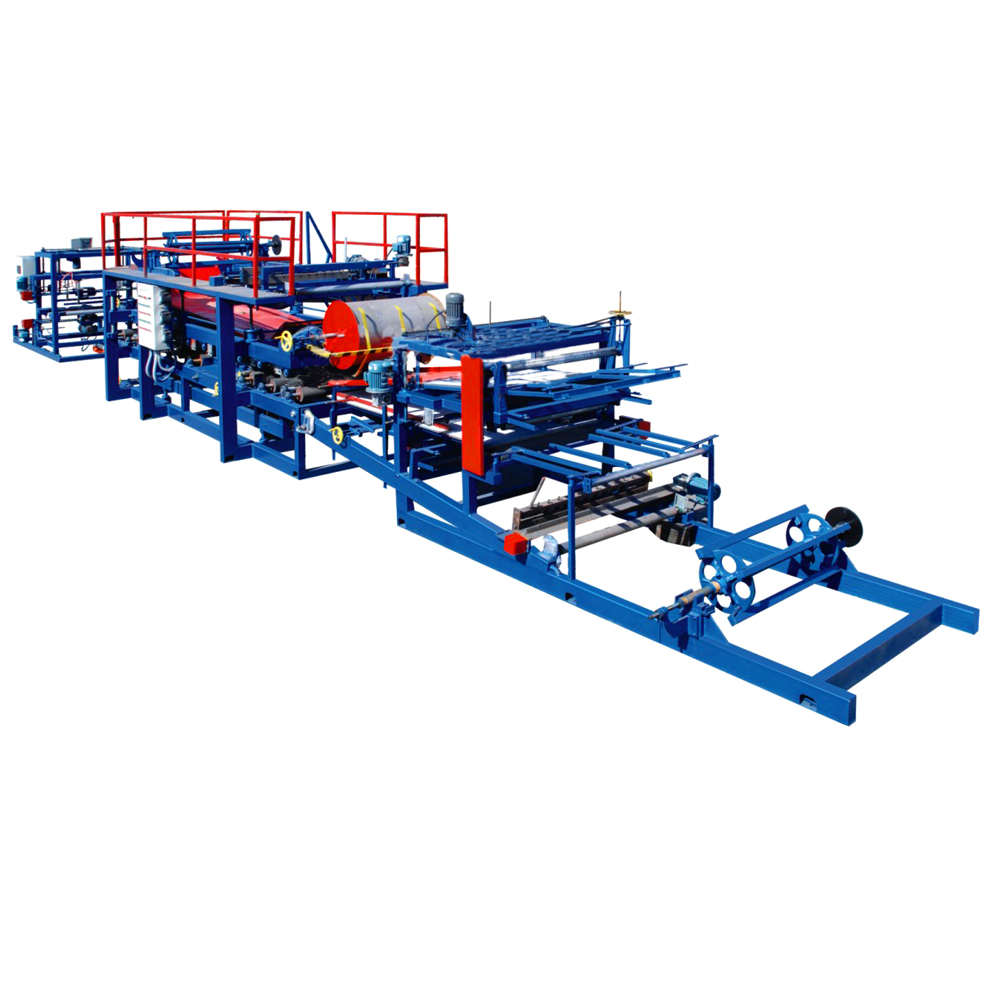
Procuring board making machinery is a major capital expenditure that requires rigorous technical alignment between your production goals and the manufacturer’s engineering capabilities. Whether you are establishing a new facility for gypsum drywall, fiber cement, or magnesium oxide (MgO) boards, the continuous nature of these production lines means that a single point of failure can halt your entire operation. Sourcing these complex systems requires moving past glossy catalogs to verify heavy-duty machining capabilities, component origins, and integration expertise.
Critical Specifications for Continuous Production Lines
When evaluating manufacturers, your technical requirements must be explicitly defined. Board production lines are highly customized to the raw material matrix and desired output volume.
- Annual Production Capacity: Standard lines typically range from 2 million to over 30 million square meters per year. This dictates the sizing of the dosing systems, mixer capacities, and the length of the drying kilns.
- Line Speed: Operating speeds generally run between 5 and 50 meters per minute. Higher speeds require advanced automated synchronization between the forming station, cutting mechanisms, and drying stages.
- Drying and Curing Systems: The drying section often consumes the most energy and space. Specify your preferred heating medium—direct natural gas, thermal oil, or steam—based on your local energy economics.
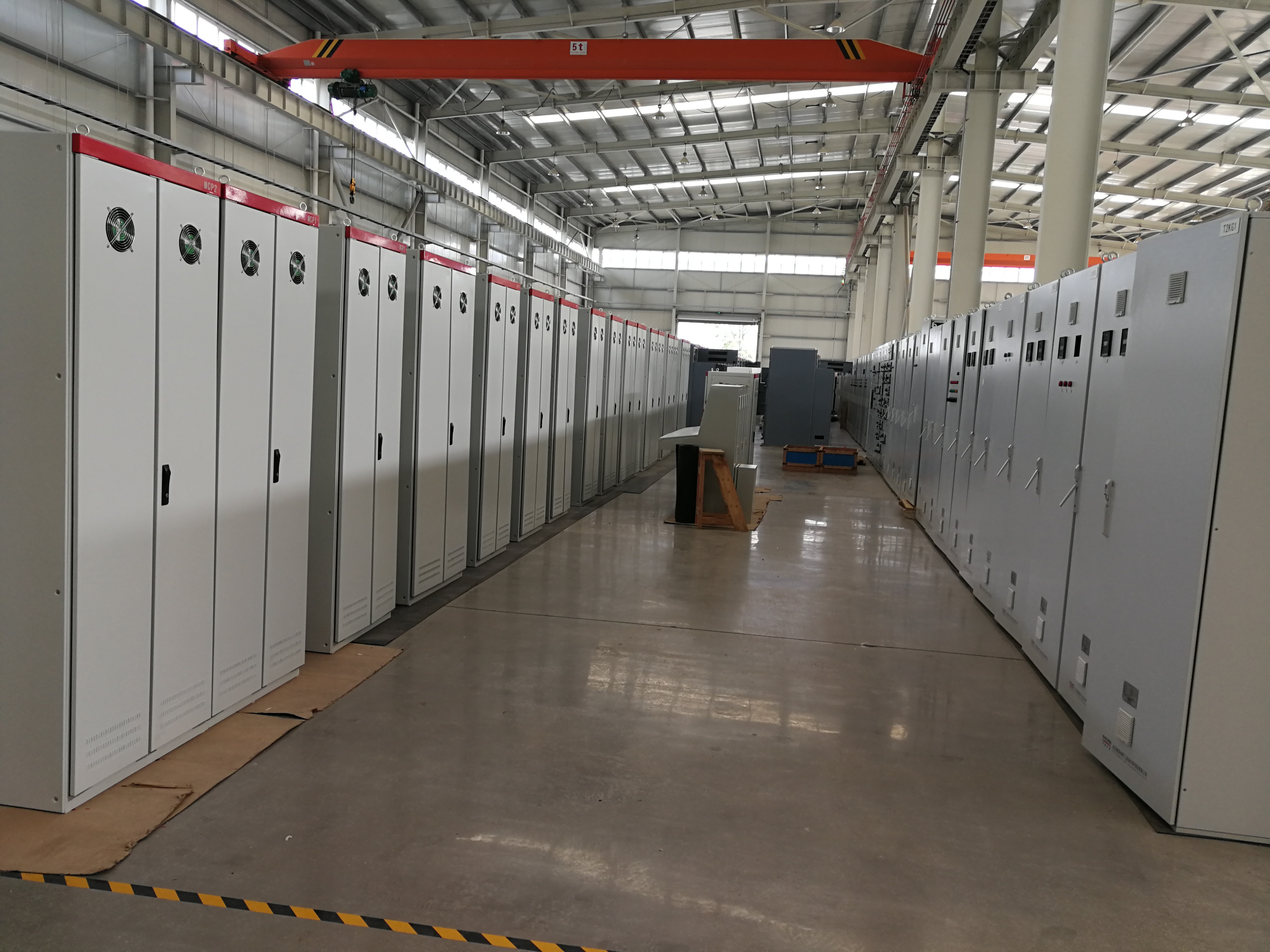
- Automation and Controls: Demand international-standard PLCs and HMIs (such as Siemens, Omron, or Allen-Bradley). Proprietary or obscure control systems make localized maintenance and troubleshooting nearly impossible once the equipment is installed.
Planning a new production line? Speak with our sourcing engineers to map out your machinery specifications.
Discuss your technical requirementsAssessing Manufacturer Capability
Not all suppliers of building material machinery actually manufacture the core components. Many act as assemblers, purchasing mixers, rollers, and kilns from sub-suppliers. While assembly is standard practice, the primary supplier must possess deep engineering integration skills.
Before committing to a multi-million dollar line, rigorous factory audits are essential. You must evaluate the supplier's in-house machining capabilities for critical wear parts, their quality management systems, and their historical data on machine uptime.
Machinery Supplier Vetting Checklist
- Verify in-house CNC machining for critical high-tolerance parts (e.g., forming rollers).
- Confirm the origin and brand of all motors, gearboxes, and electrical components.
- Review the factory's pre-assembly and dry-run testing protocols.
- Assess the availability and lead time for proprietary spare parts.
- Check documentation standards for electrical schematics and maintenance manuals (ensure English availability).
Quality Control During Machinery Fabrication
You cannot wait until the machinery arrives at your facility to discover integration issues. Because these lines are shipped in multiple containers and assembled on-site, pre-shipment quality control & inspection must be conducted at the factory during the final staging phase.
Inspectors should verify that all structural frames are properly welded and treated for corrosion resistance, that electrical cabinets are wired strictly to the approved schematics, and that a dry-run test successfully demonstrates the synchronization of the continuous line.
Lead Times, Shipping, and Economics
Board making machinery requires significant lead times for engineering, fabrication, and testing. Furthermore, transporting a complete production line involves complex logistics, often requiring a mix of standard containers, flat racks, and sometimes break-bulk shipping for oversized kiln sections. Coordinating this effectively requires robust shipping & freight management to avoid delays and demurrage charges.
Need help calculating total landed costs and freight strategies for heavy machinery? Talk to our team.
Get a logistics assessmentFrequently Asked Questions
Sourcing heavy industrial machinery requires bridging the gap between overseas engineering floors and your domestic production reality. By rigorously vetting manufacturer capabilities, enforcing strict component standards, and managing the complex logistics of oversized freight, you can secure a highly efficient production line that delivers long-term ROI without the typical import headaches.
Get Sourcing Help for Board Making Machinery
Tell us your requirements and our experts will connect you with verified manufacturers.