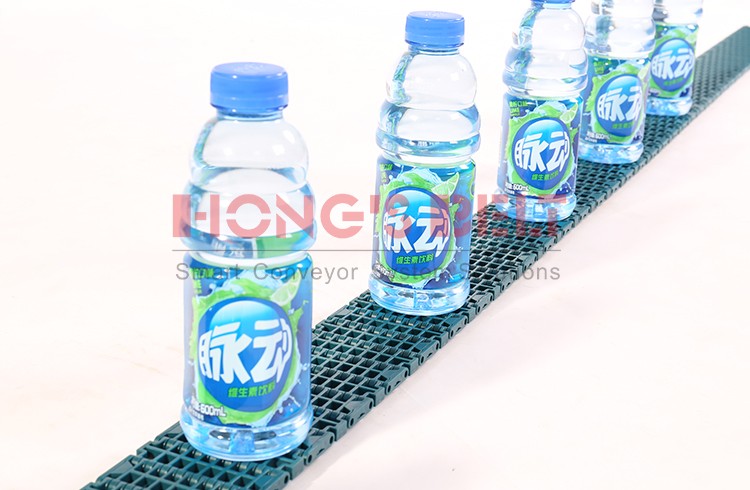
Beverage & Wine Machine Parts
Source high-quality Beverage & Wine Machine Parts from vetted suppliers and manufacturers in China and across Asia. Designed for importers, distributors, and equipment brands requiring reliable OEM production, our network delivers food-grade, precision-machined components built for high-volume processing environments.
Sourcing replacement parts or custom components for beverage and wine processing machinery requires strict adherence to sanitary standards. Whether you are procuring filling nozzles, sanitary valves, pump impellers, or custom manifolds, the primary focus is always on material integrity and surface finish. In high-volume liquid processing, even minor defects in a component can lead to bacterial growth, compromised batches, and costly downtime.
Critical Specifications for Sanitary Components
When procuring beverage and wine machine parts, specifying the correct metallurgy and seal materials is non-negotiable. Food-grade applications operate in highly corrosive environments, often involving acidic liquids (like wine and citrus juices) and aggressive Clean-In-Place (CIP) chemicals.
| Component Category | Typical Material | Critical Specification Focus |
|---|---|---|
| Valves & Fittings | 304 or 316L Stainless Steel | Surface roughness (Ra), pressure rating |
| Filling Nozzles | 316L Stainless Steel | Dimensional tolerance, drip-free seating |
| Gaskets & Seals | EPDM, PTFE, Silicone | FDA/CE compliance, temperature resistance |
| Pump Impellers | Investment Cast 316L | Dynamic balancing, cavitation resistance |
For components in direct contact with the product, 316L stainless steel is the industry standard due to its molybdenum content, which provides superior resistance to pitting from chlorides and sulfur dioxide (commonly used in winemaking).
Need precision sanitary components manufactured to your exact specifications? We connect you with vetted factories capable of high-tolerance machining.
Talk to our teamManufacturing Tolerances and Surface Finish
The difference between a standard industrial part and a sanitary beverage part lies in the surface finish. Any microscopic pits, scratches, or crevices can harbor bacteria.
To ensure compliance with sanitary standards, parts must undergo strict finishing processes. Mechanical polishing followed by electropolishing is standard for premium components. You should specify a surface roughness (Ra) of 0.8 micrometers or less for general food-grade applications, and often 0.4 micrometers or less for critical internal surfaces.
When engaging factories for OEM/ODM Services, verify their finishing capabilities and testing equipment. A reliable manufacturer will use a profilometer to measure and document the Ra value of finished batches.
Material Substitution Risks
A common issue when sourcing stainless steel parts from unverified suppliers is material substitution—using cheaper 304 steel instead of the specified 316L. Always require positive material identification (PMI) using a spectrometer before shipment.
Quality Control on the Factory Floor
Catching defects before they leave the factory is critical when dealing with precision machinery parts. Implementing rigorous Quality Control & Inspection protocols ensures your components meet dimensional and sanitary requirements.
Pre-Shipment Inspection Focus Areas
- Spectrometer testing to verify exact stainless steel grade (e.g., carbon content in 316L).
- Profilometer readings to confirm internal surface roughness (Ra).
- Hydrostatic pressure testing for valves and pump housings to check for casting porosity.
- Dimensional verification using CMM (Coordinate Measuring Machine) against your CAD drawings.
- Visual inspection of TIG welds for oxidation, sugaring, or incomplete penetration.
Conducting comprehensive Factory Audits prior to placing large orders is highly recommended. Look for ISO 9001 certification and a clear track record of manufacturing food-grade equipment, rather than general industrial hardware.
MOQs, Lead Times, and Pricing Dynamics
Pricing for beverage and wine machine parts is primarily driven by raw material costs (nickel and molybdenum markets), machining time, and the complexity of the finishing process.
For standard sanitary fittings (tri-clamps, basic butterfly valves), MOQs can be low, and components are often available off-the-shelf. However, for custom-designed filling nozzles or proprietary pump housings, expect higher MOQs to amortize the CNC setup time or casting mold costs.
Looking to consolidate your supply chain for beverage machinery parts? Let us help you negotiate pricing and manage quality control.
Get a free consultationFrequently Asked Questions
Successfully sourcing beverage and wine machine parts requires a partner who understands the strict demands of sanitary engineering. By prioritizing material verification and surface finish standards over raw unit cost, you protect the integrity of the final processing equipment.
Get Sourcing Help for Beverage & Wine Machine Parts
Tell us your requirements and our experts will connect you with verified manufacturers.