Truck Mixer
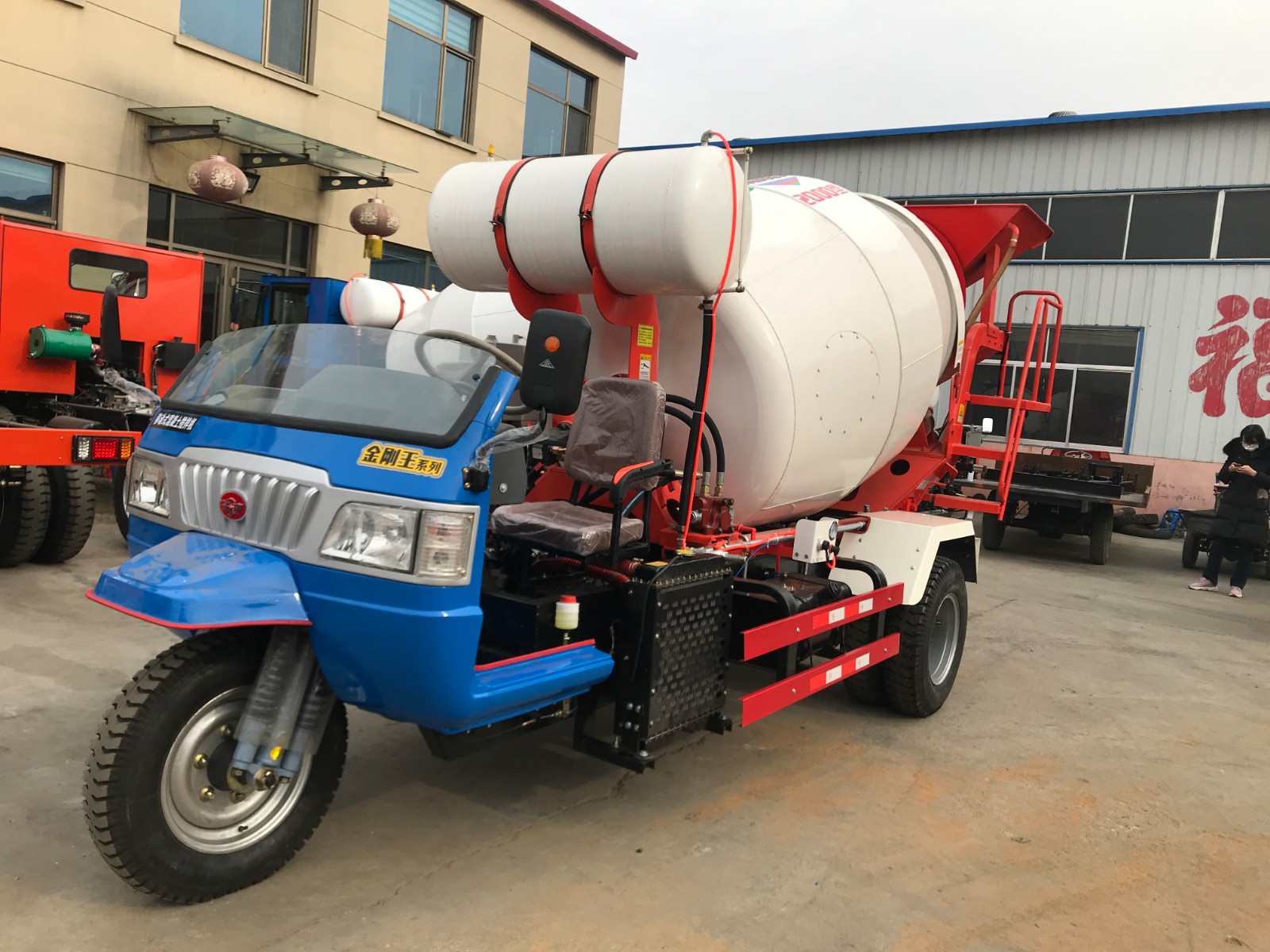
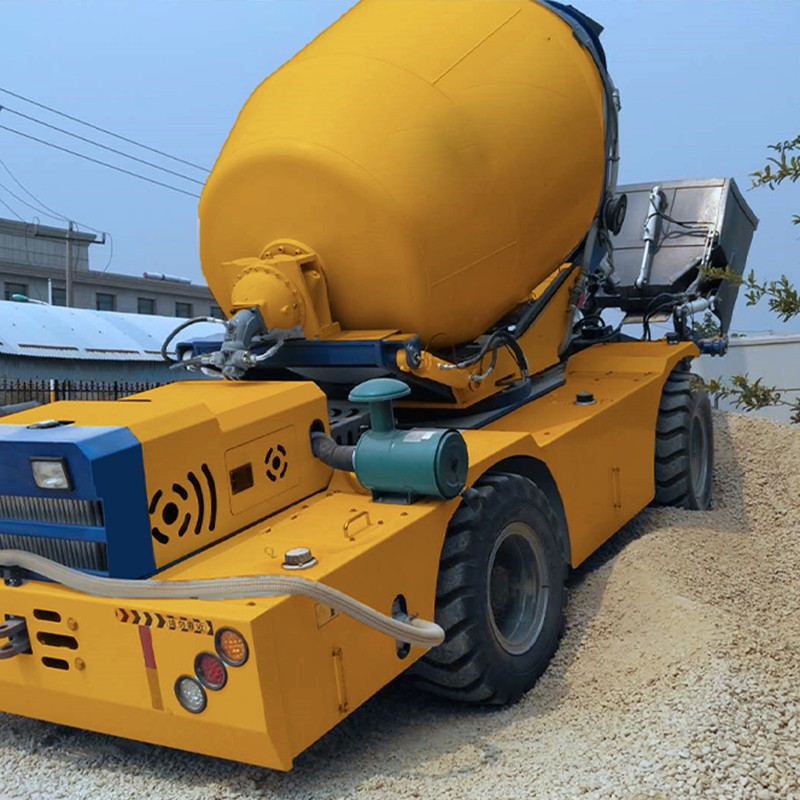
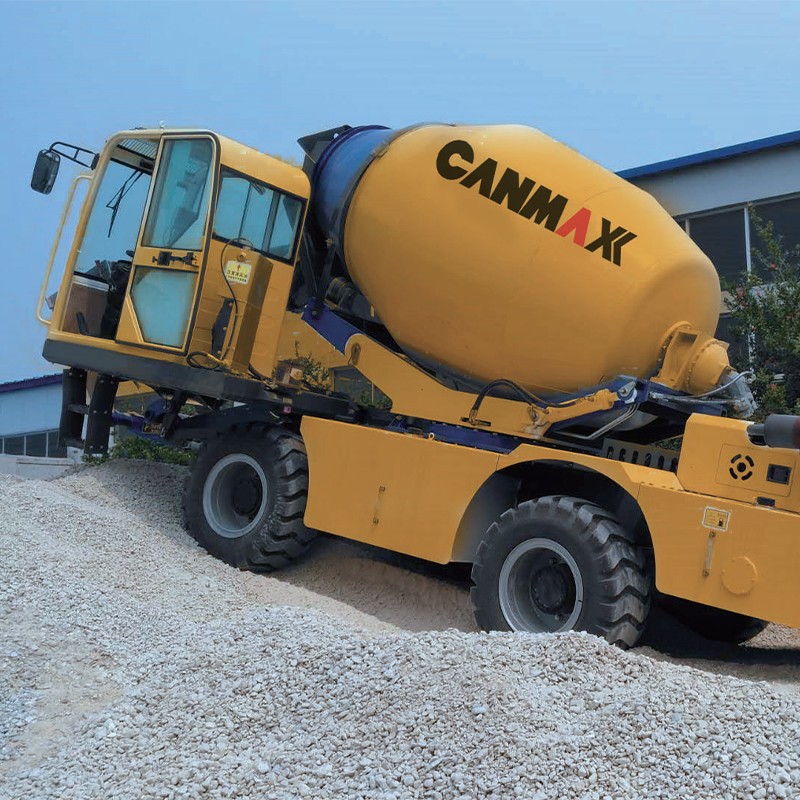
Source high-performance truck mixers from vetted Chinese suppliers and manufacturers. Designed for heavy machinery importers, construction equipment distributors, and fleet procurement managers buying in volume. We offer reliable wholesale and OEM sourcing solutions to ensure durable, high-capacity concrete transport.
Sourcing truck mixers in bulk requires balancing heavy-duty mechanical reliability with complex international logistics. Whether you are importing complete vehicles or sourcing mixer bodies to mount on localized chassis, the core challenges remain the same: ensuring the hydraulic systems can handle continuous high-torque loads, verifying the wear resistance of the drum steel, and managing the high freight costs associated with out-of-gauge equipment.
Core Specifications: Hydraulics and Drum Capacity
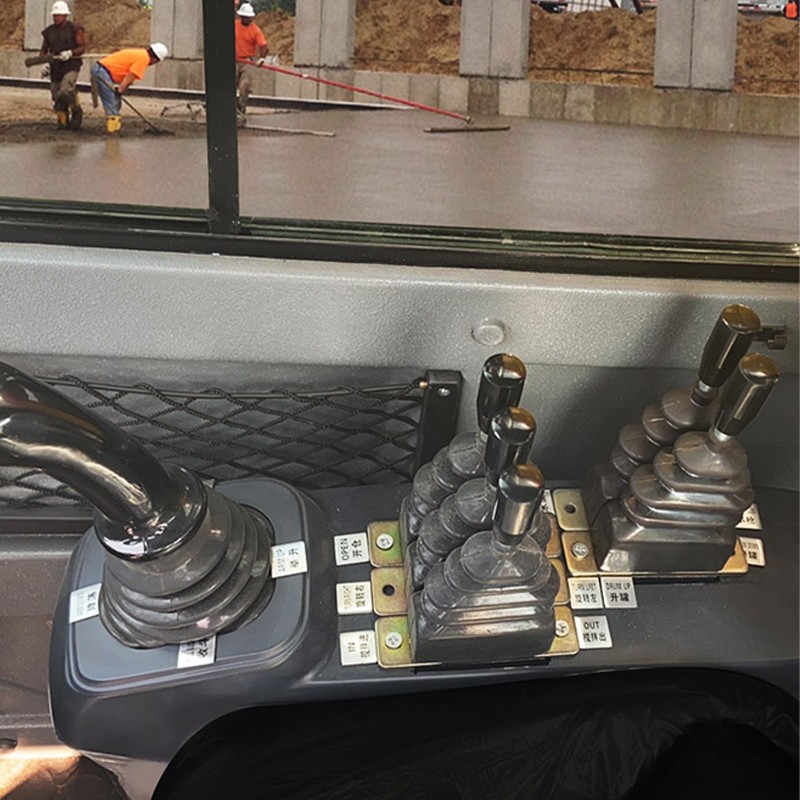
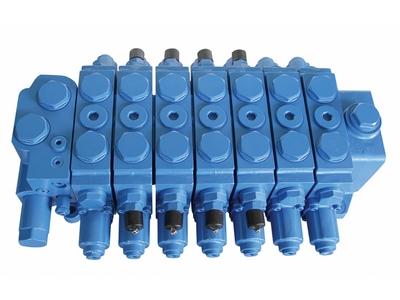
The reliability of a concrete mixer truck hinges entirely on its hydraulic closed-loop system—the pump, motor, and reducer. If these components fail on site, the concrete sets inside the drum, resulting in catastrophic equipment loss.
When negotiating with manufacturers, you must specify the origin and brand of the hydraulic components. Many Chinese factories offer domestic hydraulic systems as the standard to keep costs low. However, for continuous heavy-duty use, professional buyers typically specify imported or joint-venture components (such as Rexroth, Eaton, or Sauer-Danfoss).
| Component | Standard Configuration | Heavy-Duty / Export Configuration |
|---|---|---|
| Hydraulic Pump & Motor | Domestic Chinese brands | Imported (Eaton, Rexroth, Danfoss) |
| Reducer | Standard torque domestic | High-torque premium (ZF, PMP) |
| Drum Material | Q345 / Q390 carbon steel | B520JJ / T520 high-strength wear-resistant steel |
| Blade Design | Standard single-fold | Double logarithmic spiral with wear strips |
Drum Construction and Mixing Blades
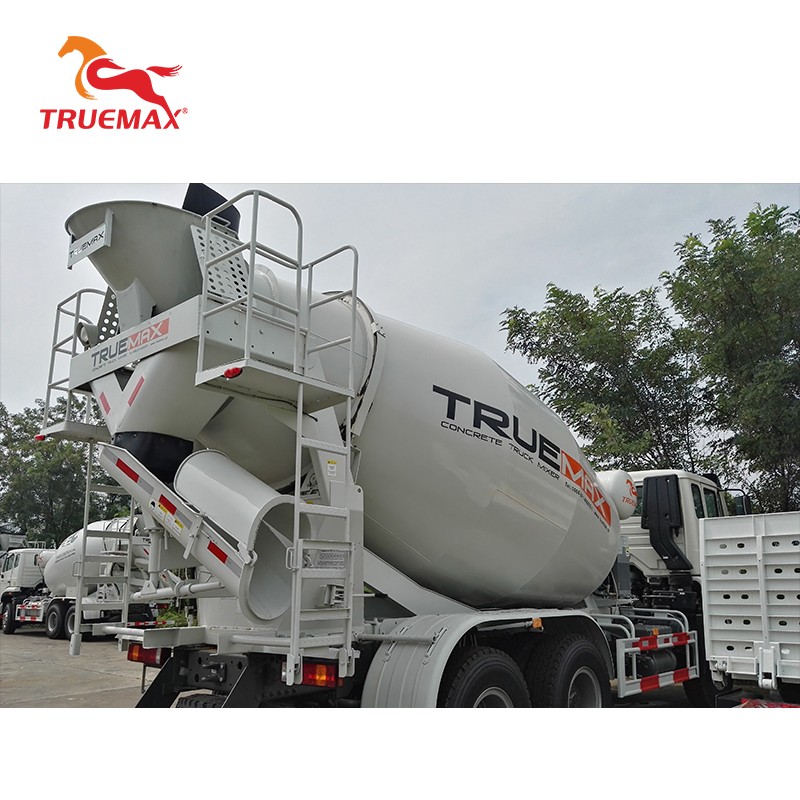
The mixing drum and internal blades endure constant abrasion. The industry standard for export-grade mixers is high-strength, wear-resistant steel (like B520JJ), which offers significantly longer service life than standard carbon steel.
The internal blade design dictates both the mixing uniformity and the discharge speed. Look for manufacturers utilizing automated submerged arc welding for the drum seams and robotic welding for the internal logarithmic spiral blades. Poor welding leads to structural fatigue and concrete buildup in dead zones. Validating these manufacturing processes is a primary focus during comprehensive Factory Audits before you place a volume order.
Need help vetting heavy machinery manufacturers? Let our engineers evaluate supplier capabilities and component authenticity for your next order.
Talk to our teamComplete Vehicles vs. Upper Body Sourcing
Depending on your local import regulations and vehicle homologation requirements, you have two primary sourcing routes:
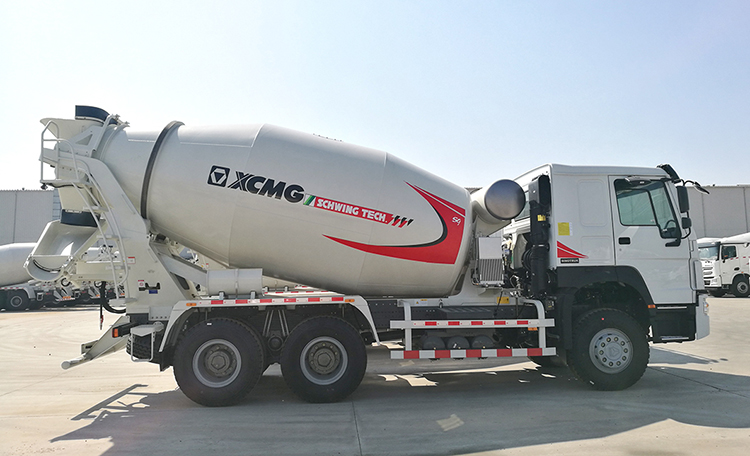
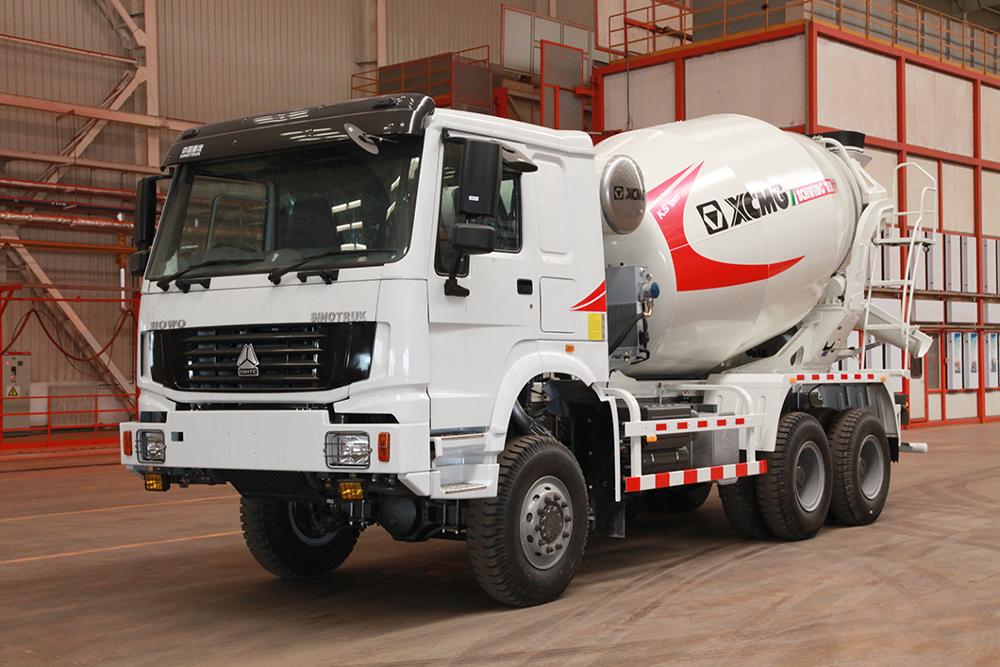
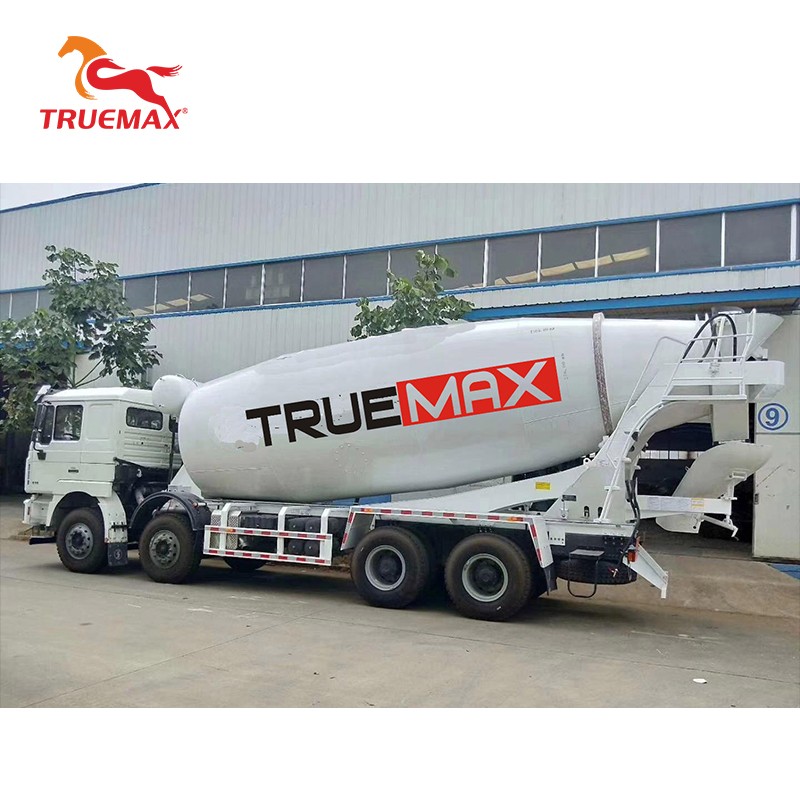
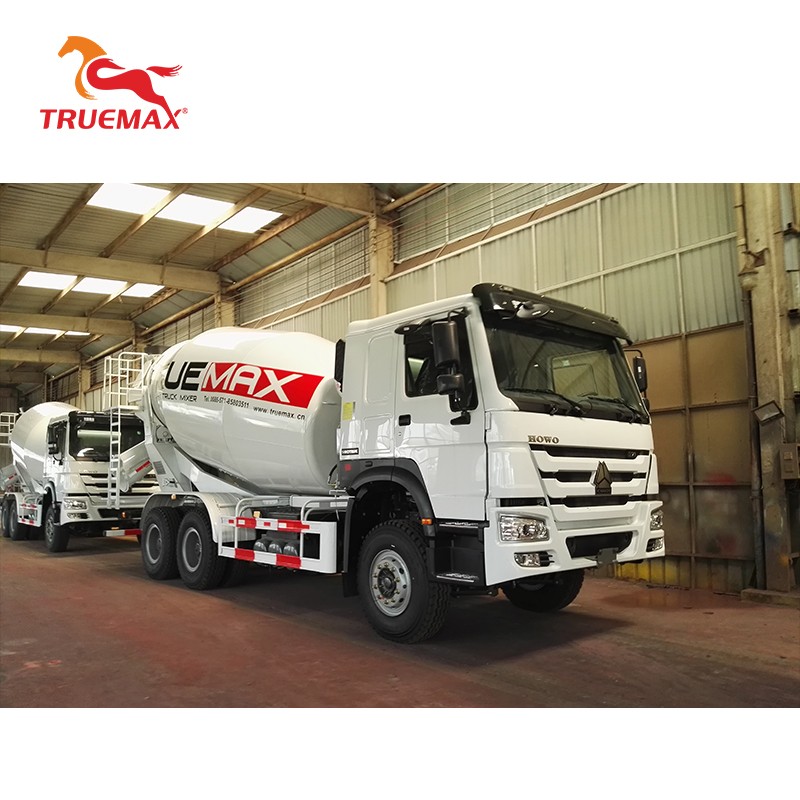
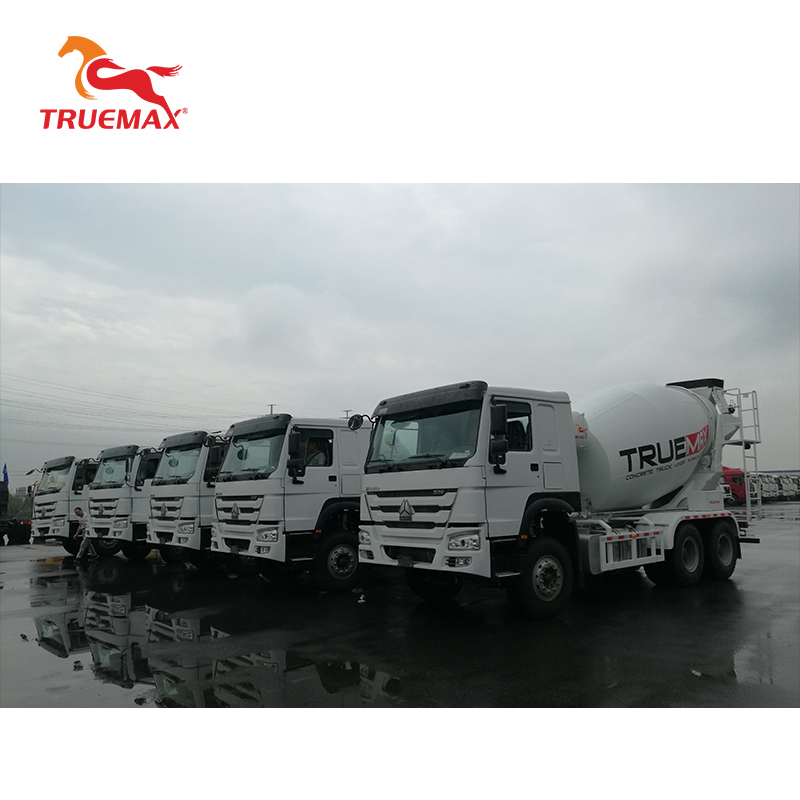
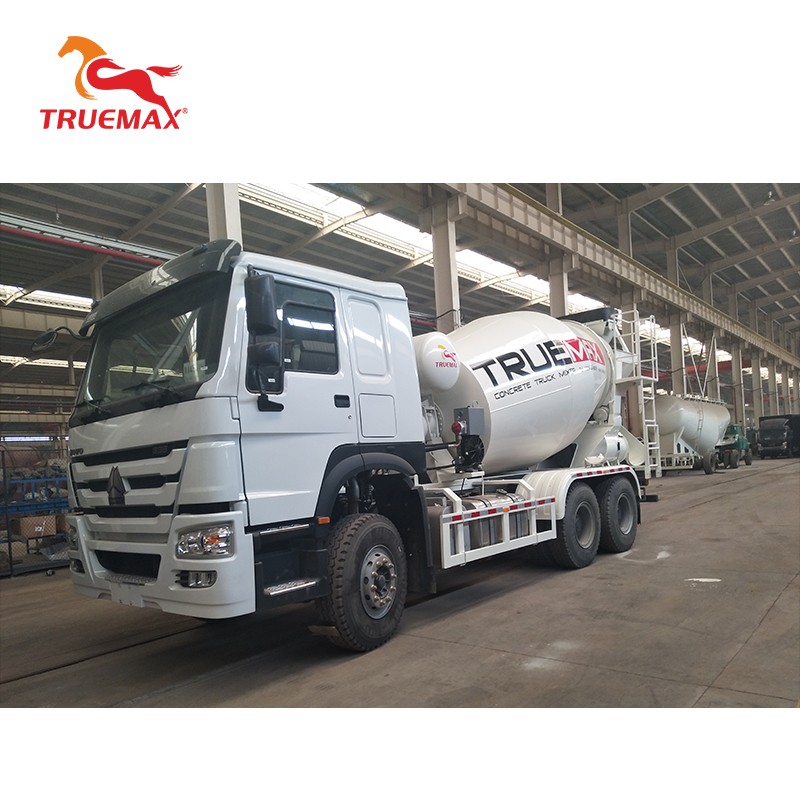
- Complete Vehicles (CBU): The mixer body is pre-mounted on a Chinese commercial chassis (e.g., Sinotruk HOWO, Shacman, FAW). You must ensure the chassis meets your local emission standards (Euro III, IV, V, or VI) and driving configuration (LHD vs. RHD).
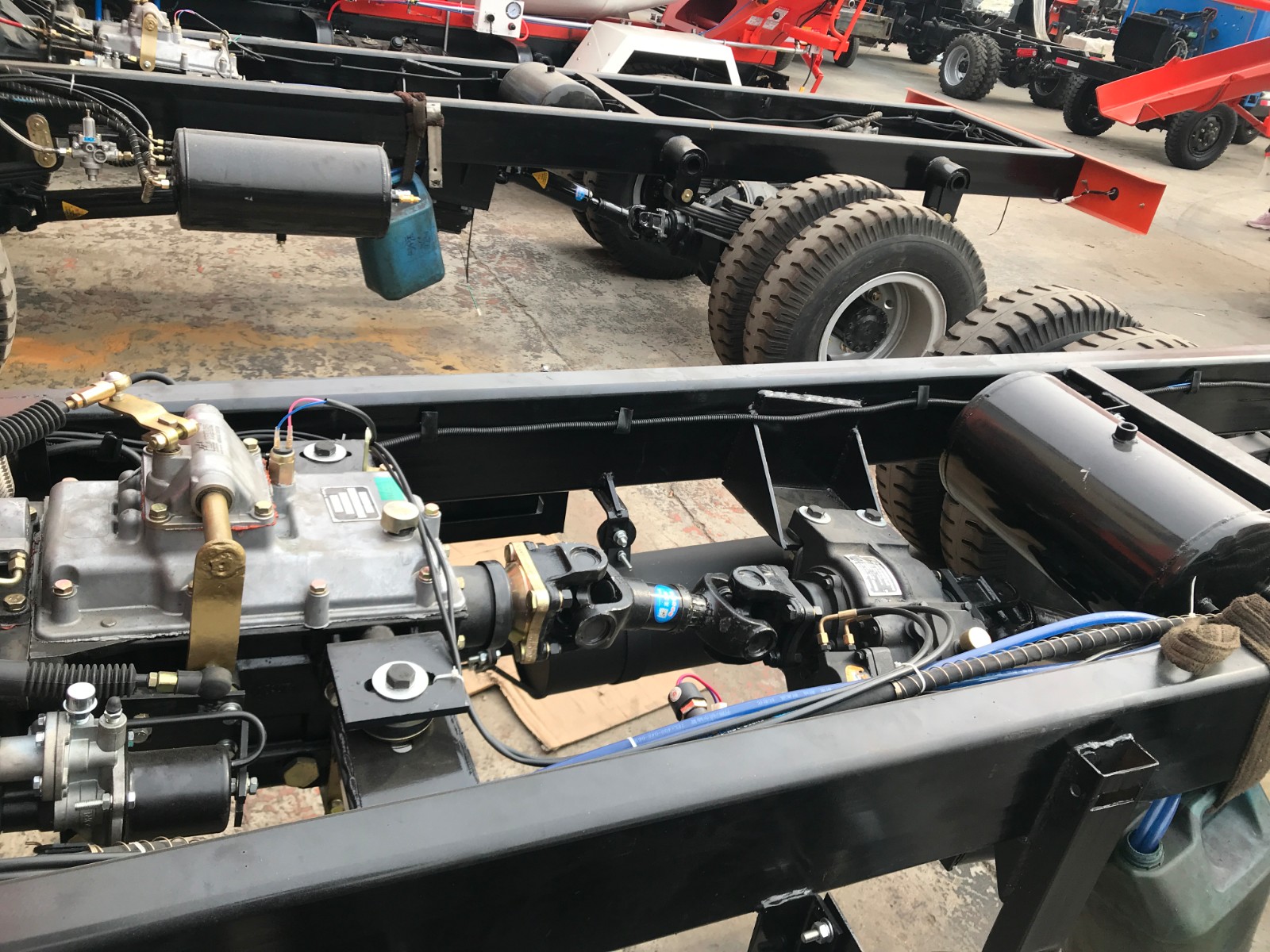
- Upper Body Only: You import only the mixer drum, sub-frame, hydraulic system, and water tank, mounting them onto chassis procured in your local market (e.g., Hino, Isuzu, Volvo). This often circumvents strict vehicle import duties and simplifies local road-legality compliance.
Pre-Shipment Inspection Checklist for Truck Mixers
- Hydraulic system pressure test under simulated load conditions
- Drum rotation speed and discharge rate verification
- Welding seam ultrasonic or X-ray inspection on the main drum body
- Water tank pressure and pneumatic system leak tests
- Chassis PTO (Power Take-Off) engagement and alignment checks
Thorough Quality Control & Inspection is non-negotiable for heavy machinery. Catching a hydraulic leak or a misaligned PTO shaft must happen at the factory, not after the unit arrives at your port.
Pricing Drivers, MOQs, and Lead Times
Heavy machinery sourcing operates on different scales than consumer goods. MOQs are highly flexible, but lead times and shipping logistics require careful planning.
Pricing is heavily dictated by the chassis brand, emission standard, drum capacity (typically ranging from 3 to 14 cubic meters), and the hydraulic component brands. Because of the physical size of these machines, freight represents a massive portion of your landed cost. Coordinating efficient Shipping & Freight—whether booking space on Ro-Ro (Roll-on/Roll-off) vessels or utilizing Flat Rack containers for upper bodies—is critical to maintaining your profit margins.
Struggling with high freight costs for out-of-gauge machinery? We can optimize your shipping strategy and consolidate your heavy equipment logistics.
Get a free consultationFrequently Asked Questions
Successfully importing truck mixers means looking past the initial quotation and rigorously verifying the mechanical guts of the machine. The true cost of a mixer is measured in its uptime on the construction site. By specifying the right wear materials and authentic hydraulic systems up front, you protect your investment and your reputation.
Get Sourcing Help for Truck Mixer
Tell us your requirements and our experts will connect you with verified manufacturers.