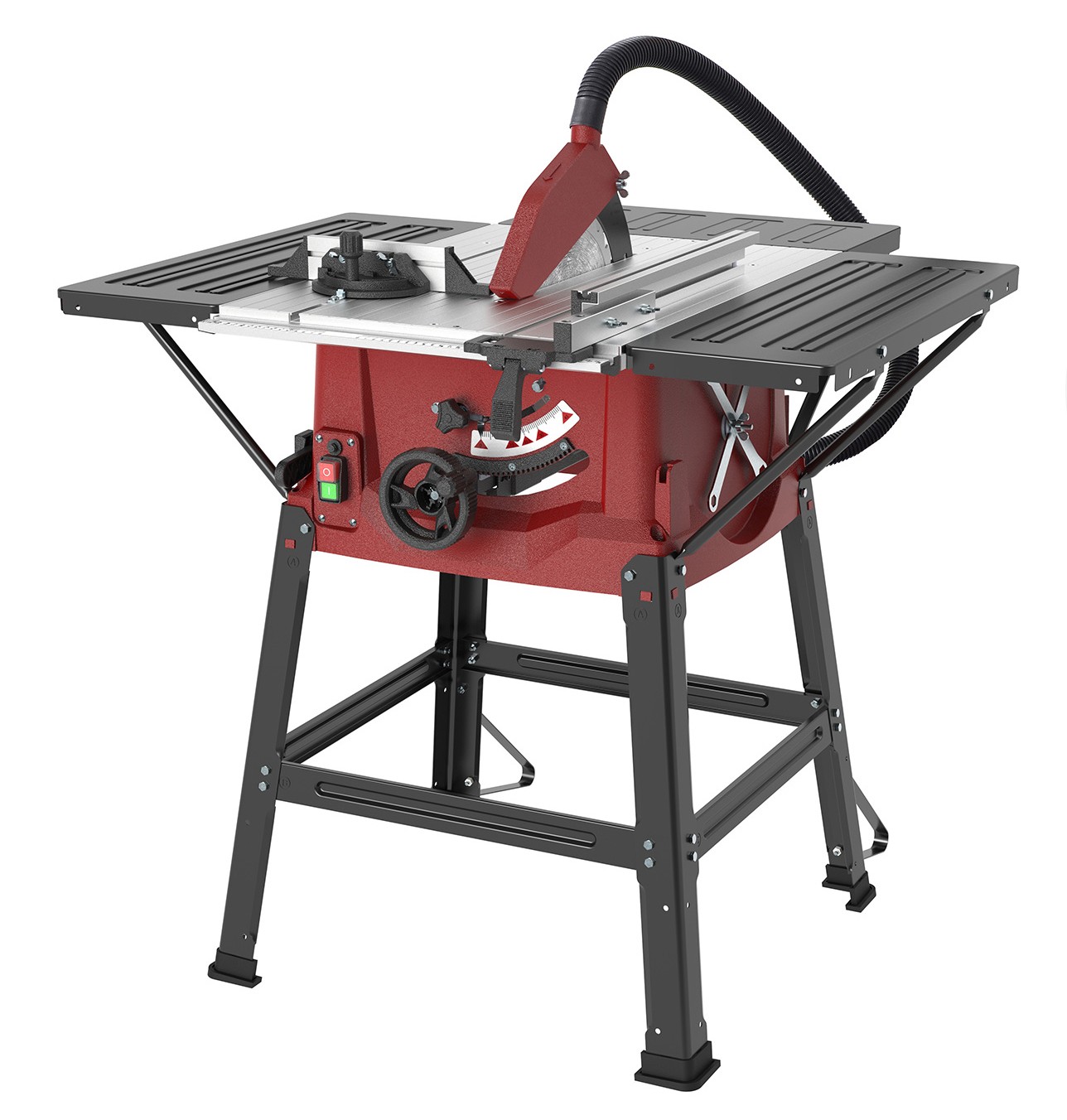
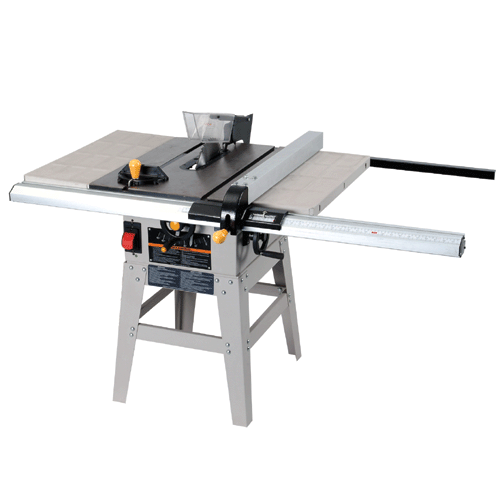
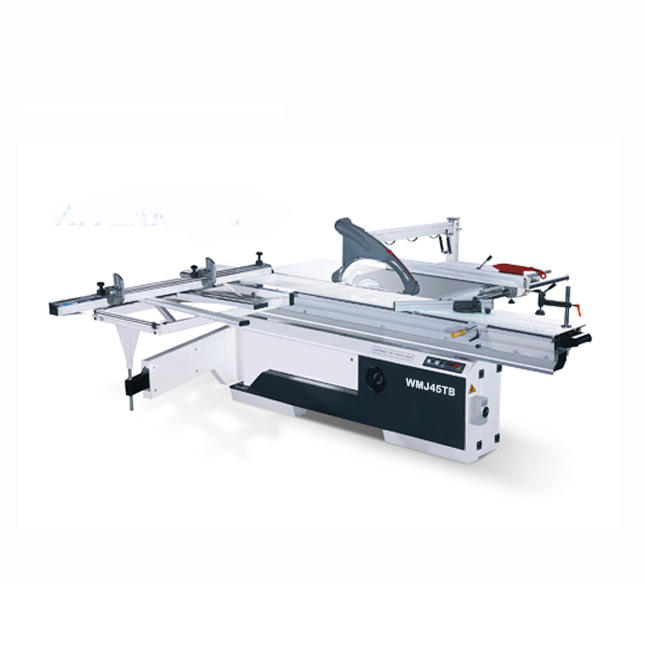
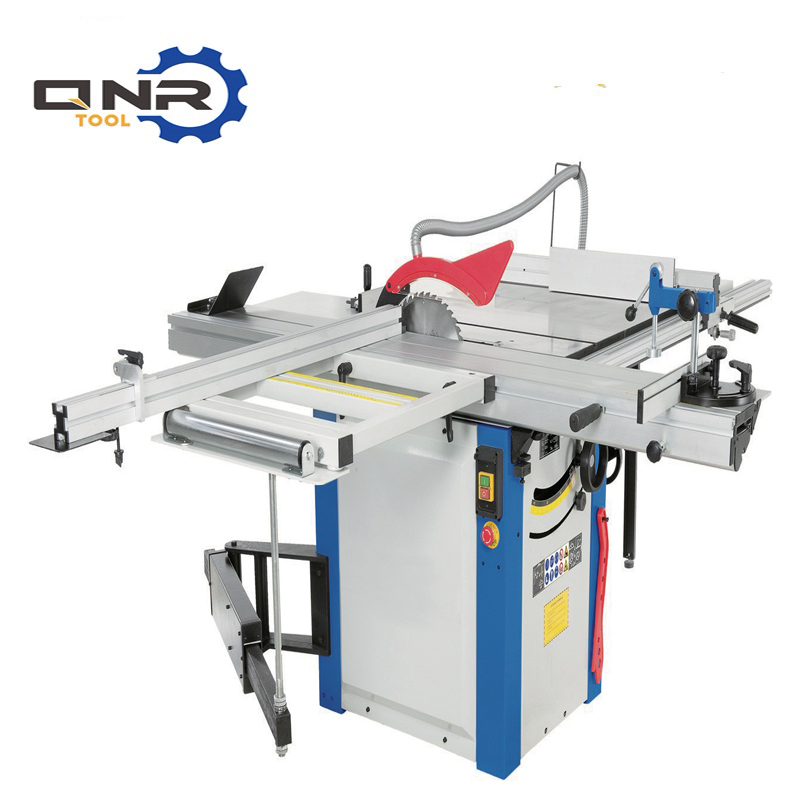
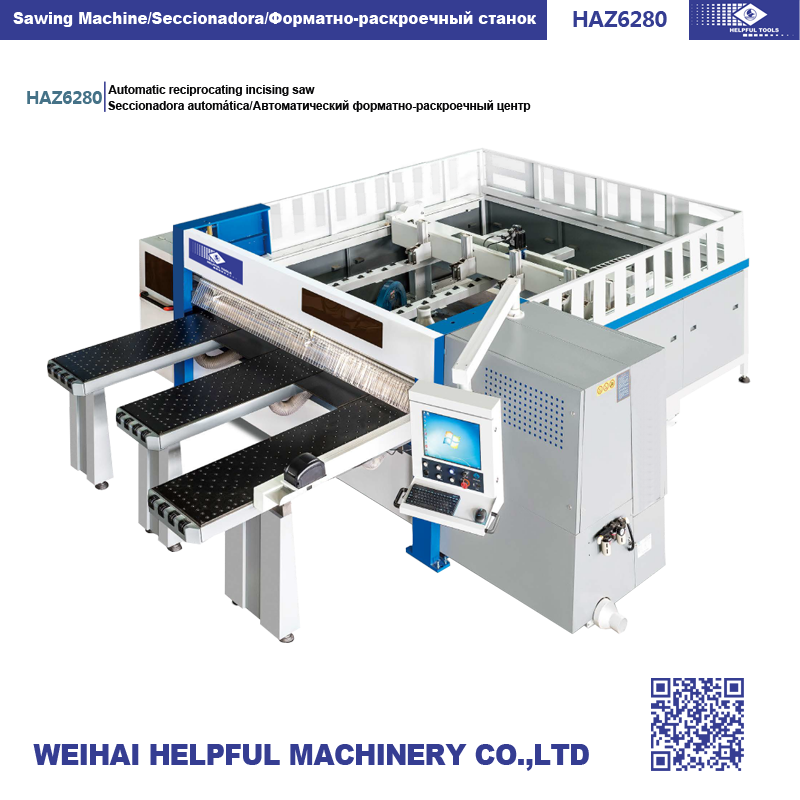
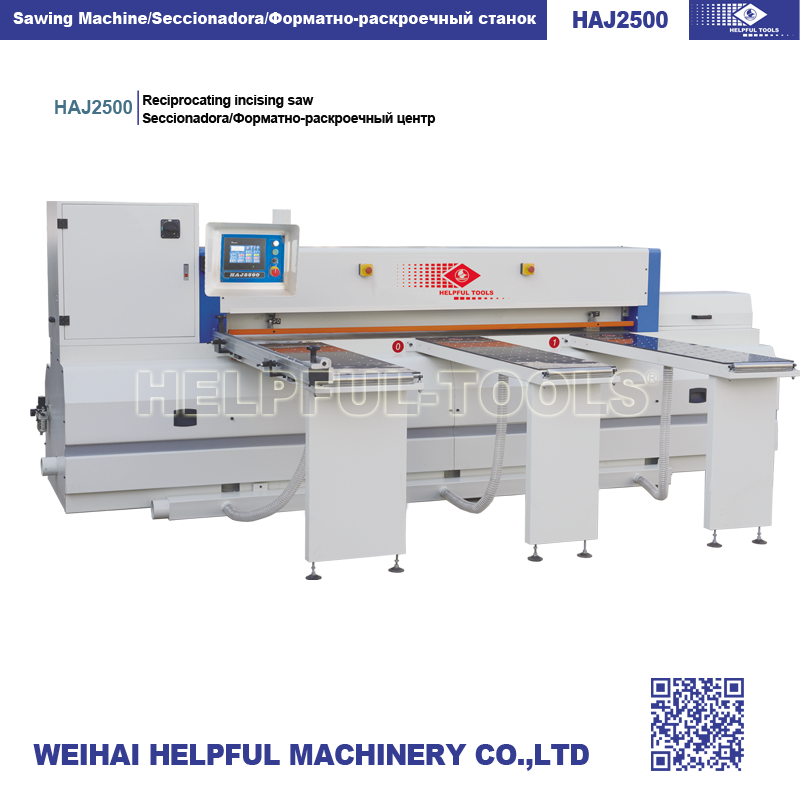
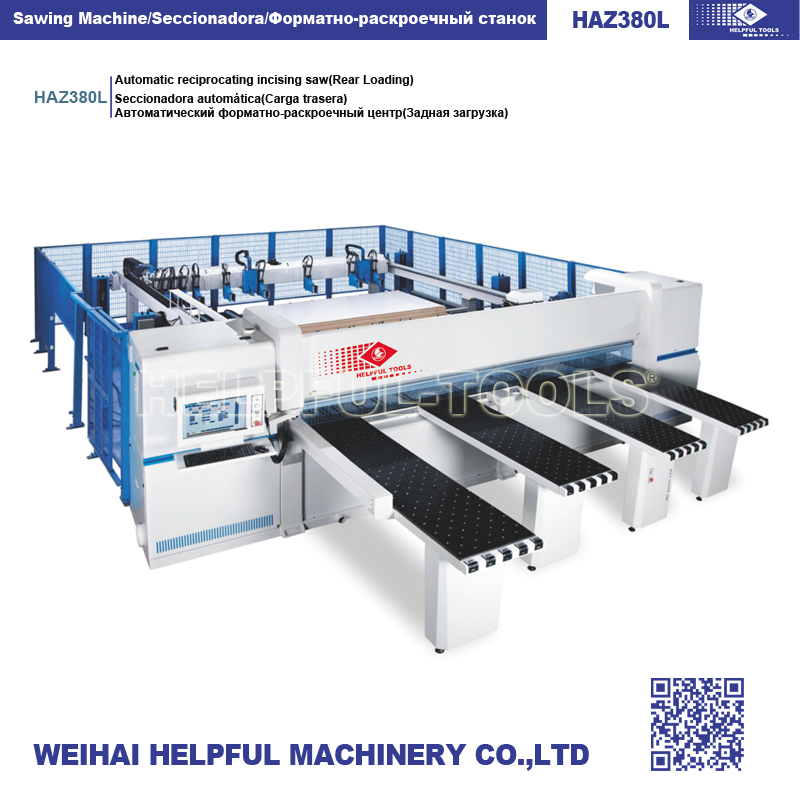
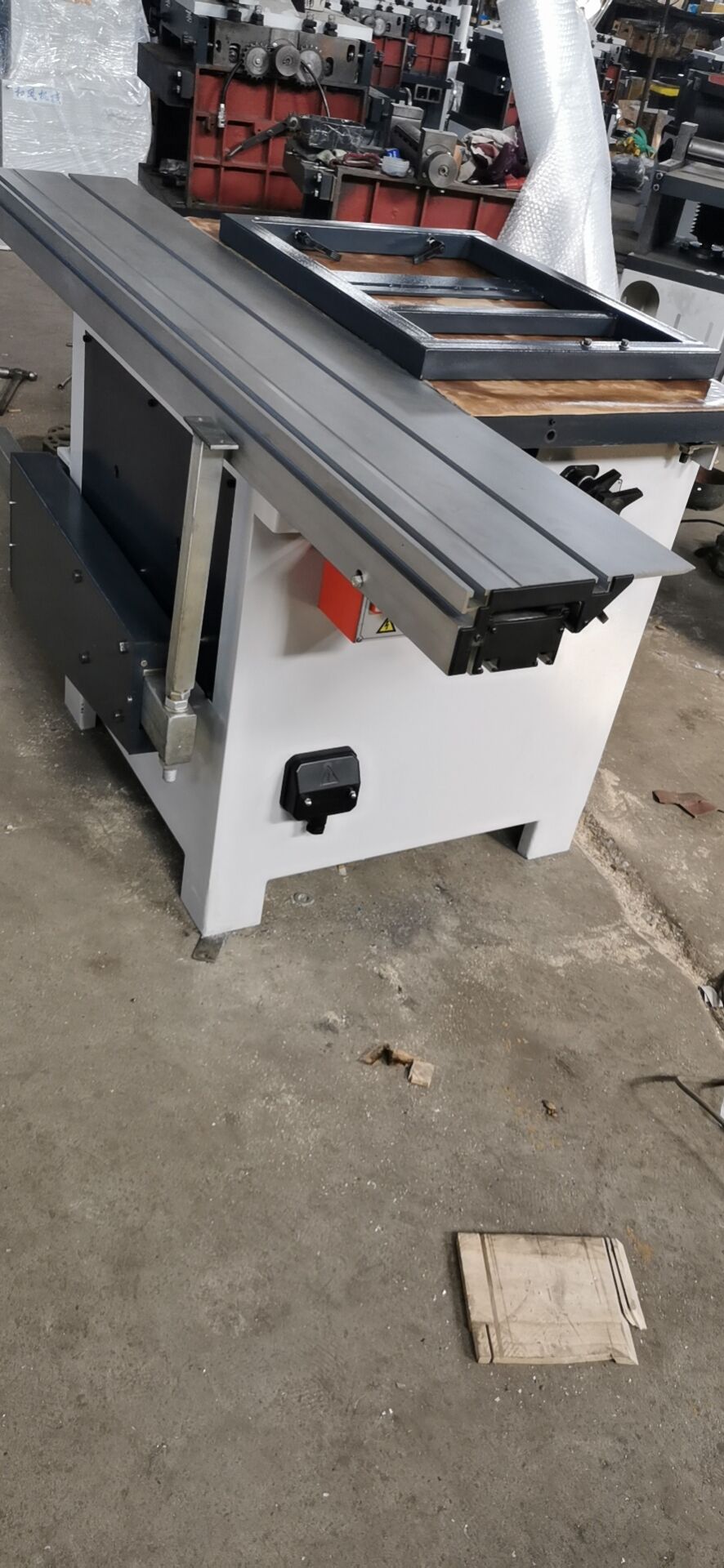
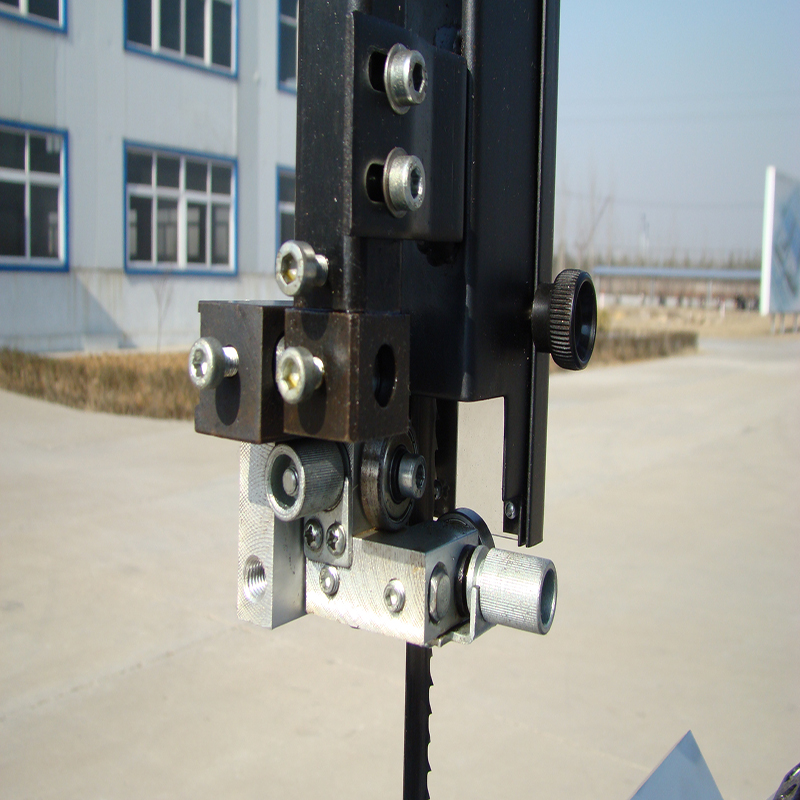
Sawing or Cutting-off Machines, for Working Wood
Source industrial Sawing or Cutting-off Machines, for Working Wood directly from vetted manufacturers. This category is designed for importers, machinery wholesalers, distributors, and brands requiring reliable OEM production of high-volume woodworking equipment. Compare bulk pricing and capabilities below.
Sourcing industrial sawing and cutting-off machines for woodworking requires balancing motor continuous duty ratings, arbor precision, and table flatness. High-volume buyers face the challenge of distinguishing between factories that merely assemble off-the-shelf components and true manufacturers with in-house casting, aging, and CNC machining capabilities. Securing reliable production at scale means looking past the spec sheet and understanding how the manufacturer controls tolerances on the factory floor.
Critical Specifications for Industrial Sawing Machines
When negotiating with suppliers, the core components dictate the machine's longevity and performance in a professional woodworking environment. Buyers must specify exact requirements rather than accepting standard export models, which are often downgraded to meet aggressive price points.
| Component | Light Industrial (Workshop) | Heavy Industrial (Production) |
|---|---|---|
| Motor Rating | 1.5 to 3 HP (S6 Duty) | 5 to 10+ HP (S1 Continuous Duty) |
| Trunnion Material | Cast Aluminum Alloy | Heavy Cast Iron |
| Arbor Runout | Under 0.15mm | Under 0.05mm |
| Table Flatness | Max deviation 0.2mm | Max deviation 0.1mm per meter |
Motors and Duty Cycles
A common area where manufacturers cut costs is the motor. Ensure your supplier specifies whether the motor rating is S1 (continuous duty) or S6 (continuous operation with intermittent load). A 3HP S6 motor will overheat if run continuously in a production environment. Furthermore, specify 100 percent copper windings; lower-tier factories may substitute copper-clad aluminum (CCA) unless explicitly instructed otherwise.
Trunnions and Vibration Dampening
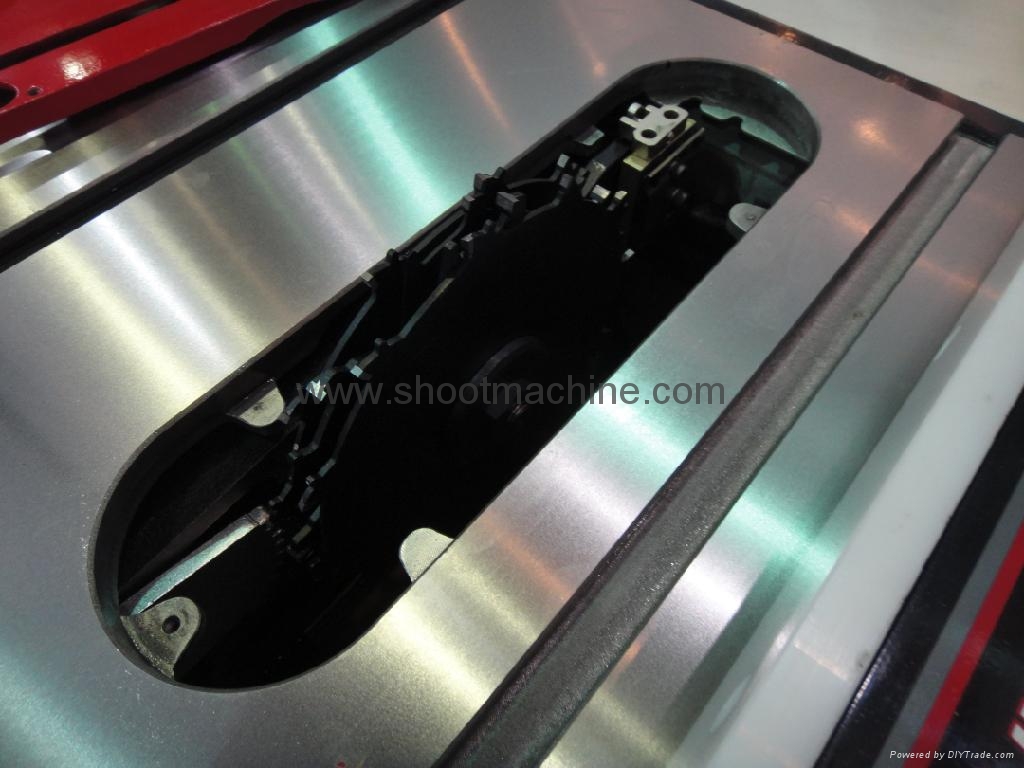
The trunnion assembly supports the motor and arbor, directly impacting the accuracy of the cut. For heavy-duty sawing machines, cast iron trunnions are non-negotiable. They absorb vibration far better than aluminum or steel stampings. Verifying the supplier's casting capabilities—specifically whether they allow castings to age properly to relieve internal stresses before machining—is a critical part of comprehensive Factory Audits.
Struggling to verify the machining tolerances and casting quality of overseas suppliers? Our engineering team can evaluate factory capabilities before you place a volume order.
Discuss Your SpecsManufacturing Tolerances and Quality Control
The difference between a premium sawing machine and a high-return liability lies in the machining tolerances of the arbor, the sliding table (if applicable), and the fence rails.
Key Quality Control Checkpoints
- Arbor flange runout measured with a dial indicator (must be under 0.05mm).
- Table flatness verified with a precision straight edge across all diagonals.
- Sliding mechanism smoothness and deflection under load.
- Fence parallelism to the blade slot (adjustable, but must hold setting).
- Motor temperature rise after a 60-minute continuous no-load run.
Relying on the factory's internal QC is risky. Implementing independent Quality Control & Inspection prior to container loading ensures that machines failing runout or flatness tests are reworked before they leave the facility. Once heavy machinery arrives at your warehouse, rectifying manufacturing defects is prohibitively expensive.
Buying Mechanics: OEM Customization, MOQs, and Pricing
The woodworking machinery market in Asia is highly adaptable, catering heavily to brands requiring OEM/ODM Services. Standard factory models serve as a baseline, but importers typically customize paint colors, branding, switchgear, and safety guards to match their brand identity and regional compliance requirements.
Pricing Drivers
Unit costs are highly sensitive to raw material prices (specifically cast iron and steel) and the quality of imported components. Specifying premium bearings (e.g., SKF or NSK) or European-standard magnetic switches will increase the unit cost but significantly reduce warranty claims.
Ready to scale your machinery imports? Let us help you negotiate better terms, enforce strict MOQs, and manage the entire production schedule.
Get a Sourcing AssessmentFrequently Asked Questions
Successfully sourcing sawing and cutting-off machines requires strict oversight of the manufacturer's mechanical tolerances and component selection. By setting rigid specifications early and verifying them on the factory floor, importers can secure heavy-duty machinery that competes with premium domestic brands at a fraction of the manufacturing cost.
Get Sourcing Help for Sawing or Cutting-off Machines, for Working Wood
Tell us your requirements and our experts will connect you with verified manufacturers.