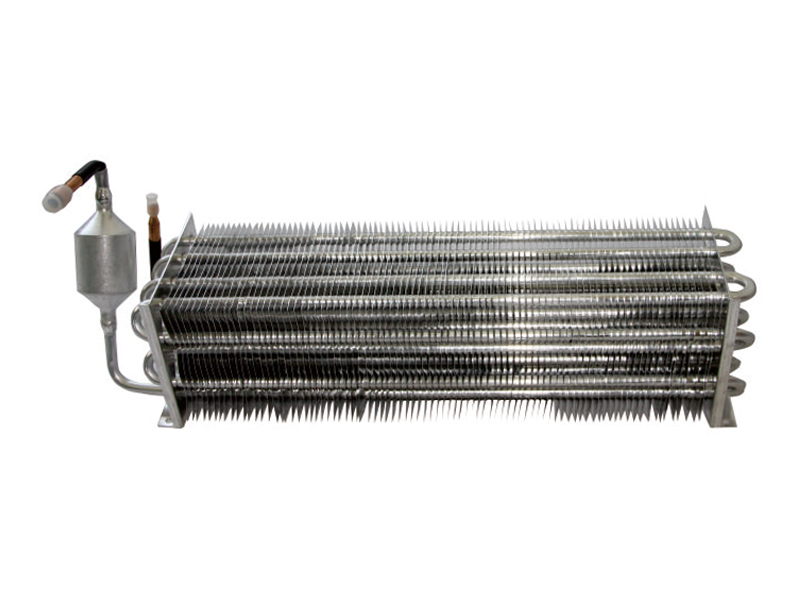
Refrigerators and Refrigeration Equipment Accessories
Source high-quality refrigerators and refrigeration equipment accessories from vetted manufacturers and suppliers. Designed for importers, wholesalers, and appliance brands requiring reliable OEM and aftermarket components, our network delivers precision electrical parts and durable hardware for bulk procurement.
Sourcing refrigeration components at scale requires balancing unit cost with strict operational tolerances. Whether you are procuring aftermarket replacement parts for wholesale distribution or custom-molded OEM accessories for assembly lines, the integrity of these components directly impacts the energy efficiency, lifespan, and safety of the final appliance. A minor variance in a door gasket extrusion or a thermostat relay can lead to system failure, warranty claims, and compromised brand reputation.
Critical Specifications and Material Tolerances
Refrigeration environments are harsh. Accessories must withstand constant temperature cycling, moisture, and exposure to cleaning chemicals or food acids without degrading.
When negotiating with manufacturers, the bill of materials (BOM) must be explicitly defined. Factories often substitute materials to hit aggressive price targets, which can lead to brittle plastics or rapidly degrading seals.
| Component Category | Material & Spec Focus | Primary Quality Risk |
|---|---|---|
| Door Gaskets & Seals | TPE or high-grade PVC, magnetic strip gauss rating | Loss of elasticity, poor thermal seal |
| Shelving & Crisper Bins | Tempered glass (EN 12150), virgin PS/ABS plastics | Cold-cracking, poor load bearing |
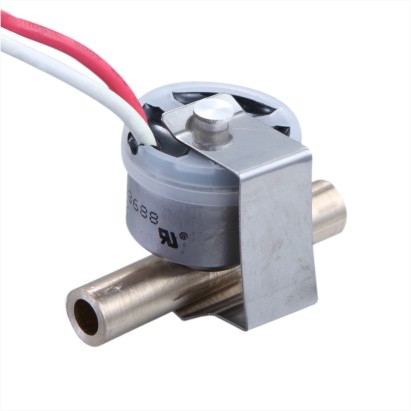
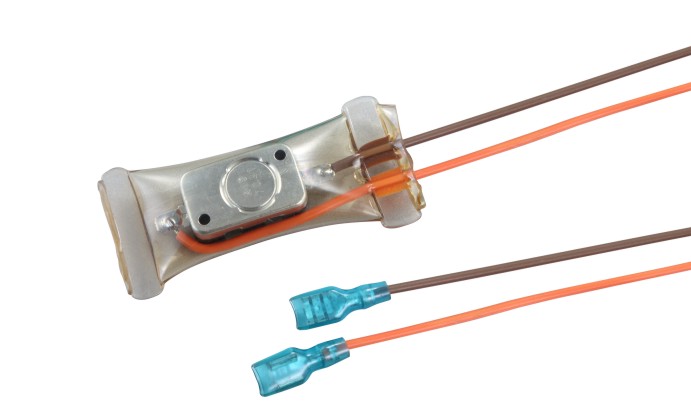
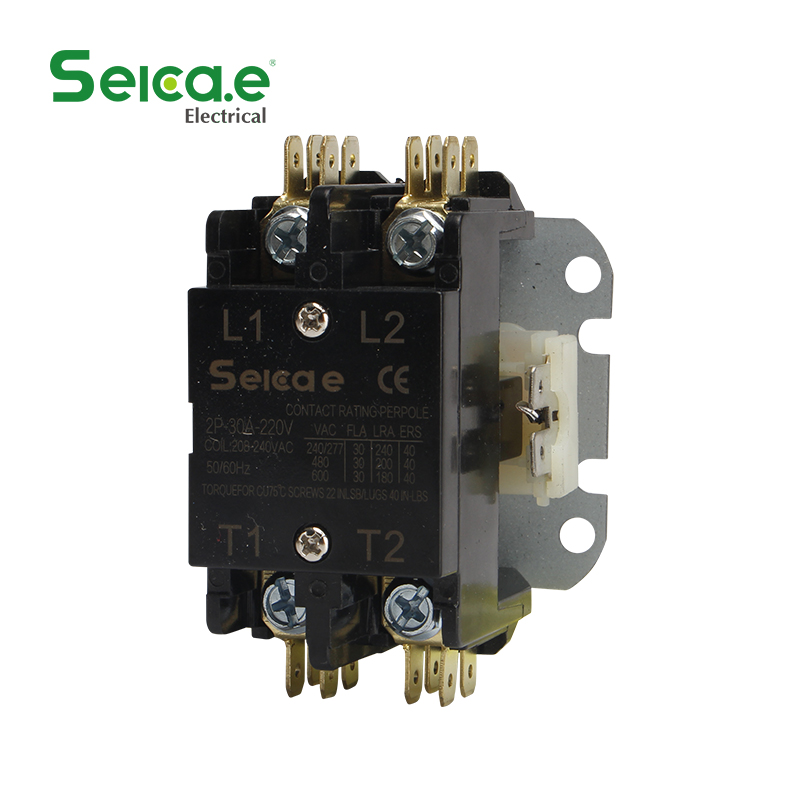
| Electrical Controls (Thermostats, Defrost Timers) | Silver-alloy contacts, precise cycle-life ratings | Contact welding, erratic defrost cycles |
| Hardware (Hinges, Handles) | Zinc alloy, 304 stainless steel, anti-corrosion plating | Rusting, mechanical fatigue under load |
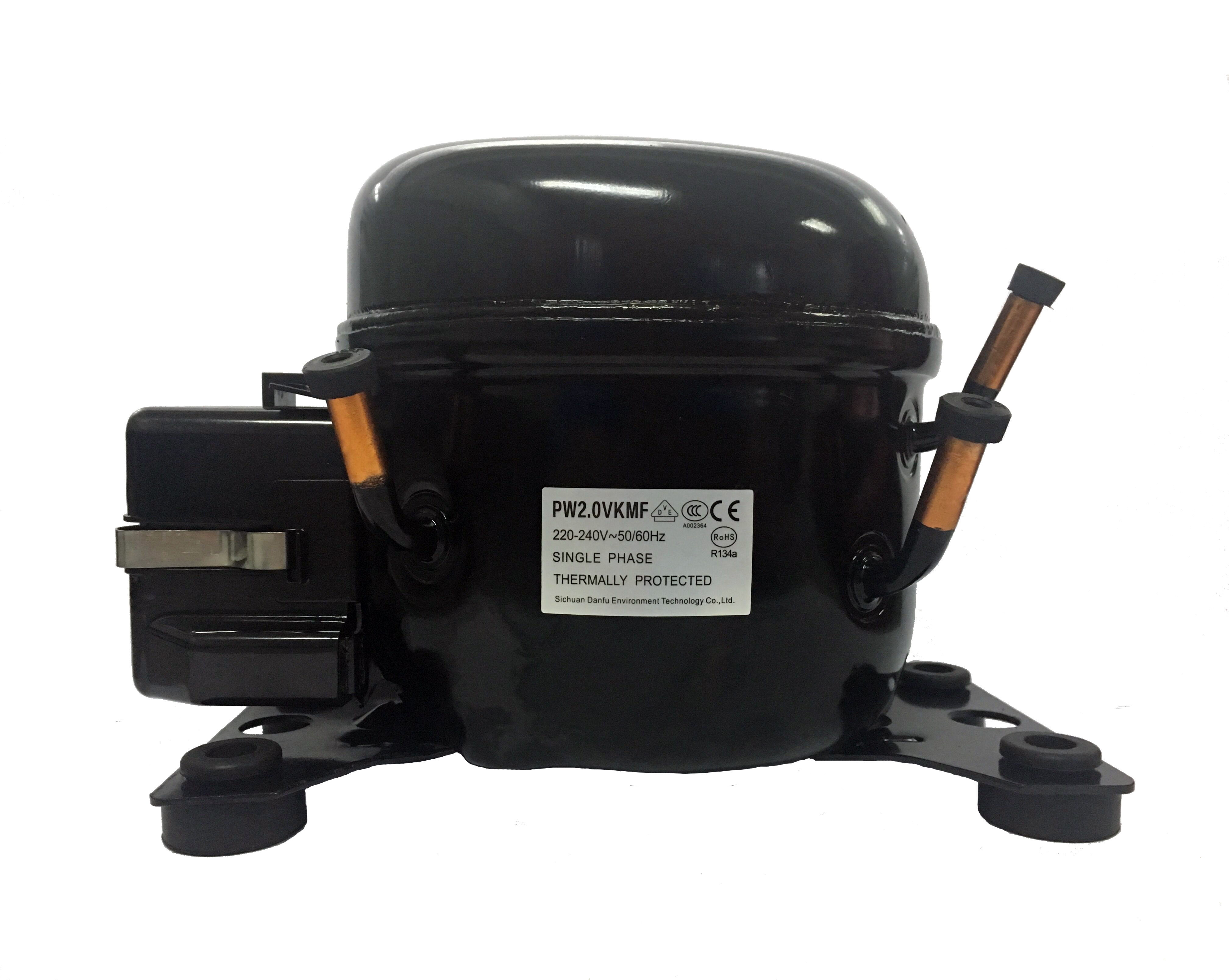
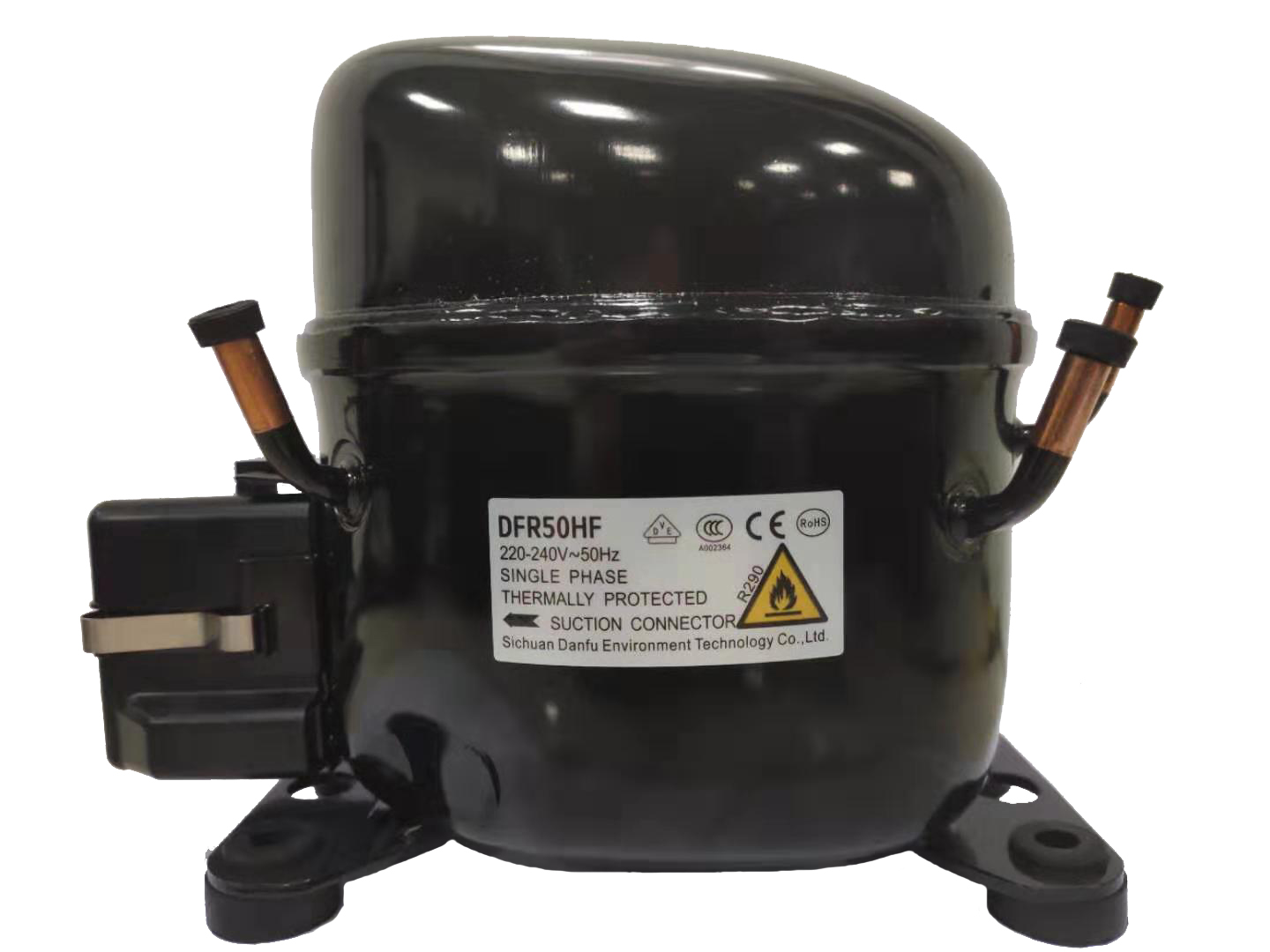
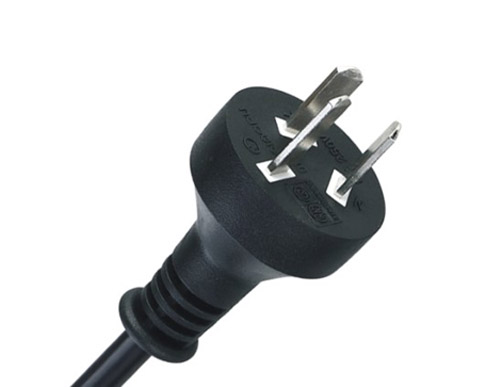
For electrical components, ensure the supplier understands the target market's voltage and frequency requirements (e.g., 115V/60Hz vs. 220V/50Hz) and holds the necessary UL, CE, or VDE certifications.
Need help verifying supplier capabilities and material standards? Let's discuss your accessory sourcing requirements.
Talk to our teamManufacturing Processes and Quality Control
The production of refrigeration accessories spans multiple manufacturing disciplines, from plastic injection molding and extrusion to metal stamping and electronic assembly.
For custom parts, the quality of the injection mold dictates the final product's finish and dimensional accuracy. Factories utilizing high-grade steel molds (like S136) will produce parts with tighter tolerances and fewer flash defects, though the initial tooling cost will be higher. If you are developing proprietary components, leveraging professional OEM/ODM Services ensures your tooling is engineered for longevity and consistent output.
Pre-Shipment Inspection Checklist
Catching defects before they leave the factory is critical. Implement a stringent Quality Control & Inspection protocol focusing on:
- Dimensional verification against CAD files (especially for gaskets and hinges)
- Cold-impact testing for plastics to ensure they do not shatter at sub-zero temperatures
- Gauss meter testing for magnetic door seals to confirm closure strength
- Electrical continuity and high-pot testing for thermostats and relays
- Salt spray testing for metal hardware to verify corrosion resistance
Relying on a supplier's internal QC is risky. Independent verification of these parameters is standard practice for volume buyers.
Buying Mechanics: MOQs, Tooling, and Lead Times
Understanding the commercial realities of the refrigeration accessory supply chain helps in planning procurement cycles and negotiating contracts.
- Minimum Order Quantities (MOQs): MOQs vary heavily by manufacturing process. Extruded items like PVC gaskets typically require orders of 3,000 to 5,000 meters. Injection-molded plastics (shelves, bins) often start at 1,000 to 2,000 units per mold. Electrical components like thermostats usually require MOQs of 2,000 to 5,000 pieces.
- Tooling Costs: For custom OEM parts, expect to pay between $2,000 and $8,000 for plastic injection molds, depending on the cavity count and complexity. Tooling development adds roughly 30 to 45 days to your initial timeline.
- Production Lead Times: Standard production runs typically take 25 to 40 days. However, peak manufacturing seasons (often leading up to summer appliance demand) can extend these times.
Struggling to negotiate favorable MOQs or tooling terms? Our sourcing experts can help structure your supplier agreements.
Get a free consultationBefore committing to tooling or a large production run, conducting thorough Factory Audits is essential to verify the supplier's financial stability, production capacity, and social compliance.
Frequently Asked Questions
Successfully sourcing refrigeration equipment accessories requires a rigid approach to material specifications and quality validation. By establishing clear tolerances and maintaining strict oversight on the factory floor, you can secure reliable components that protect both the appliance's performance and your bottom line.
Get Sourcing Help for Refrigerators and Refrigeration Equipment Accessories
Tell us your requirements and our experts will connect you with verified manufacturers.