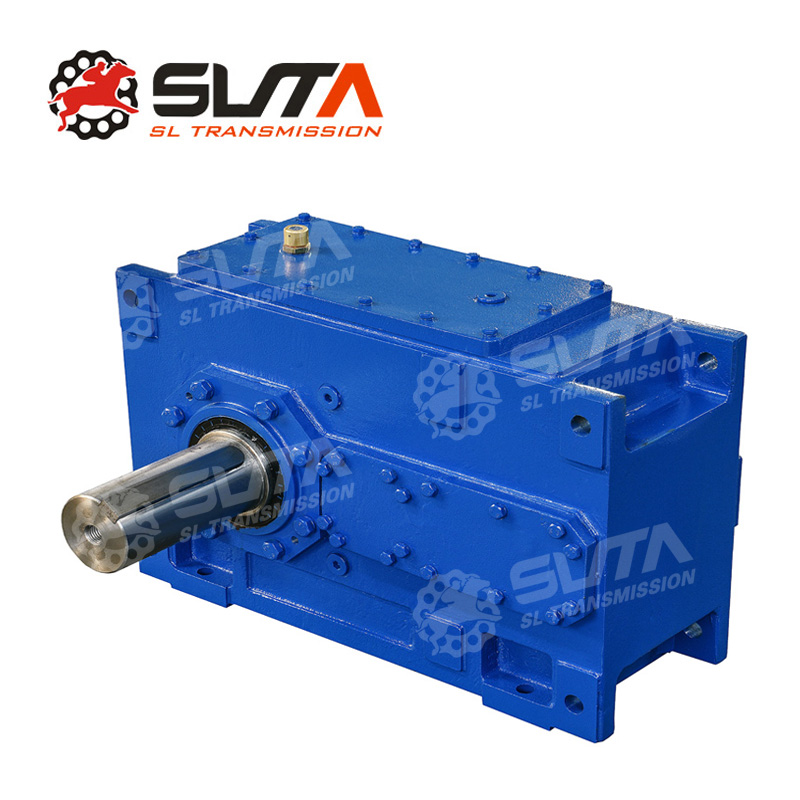
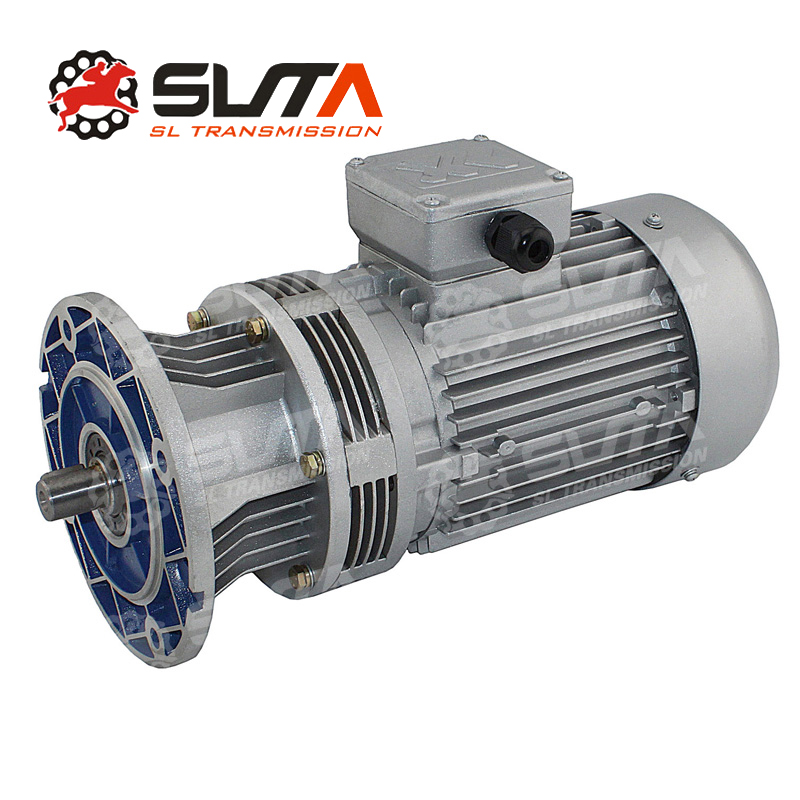
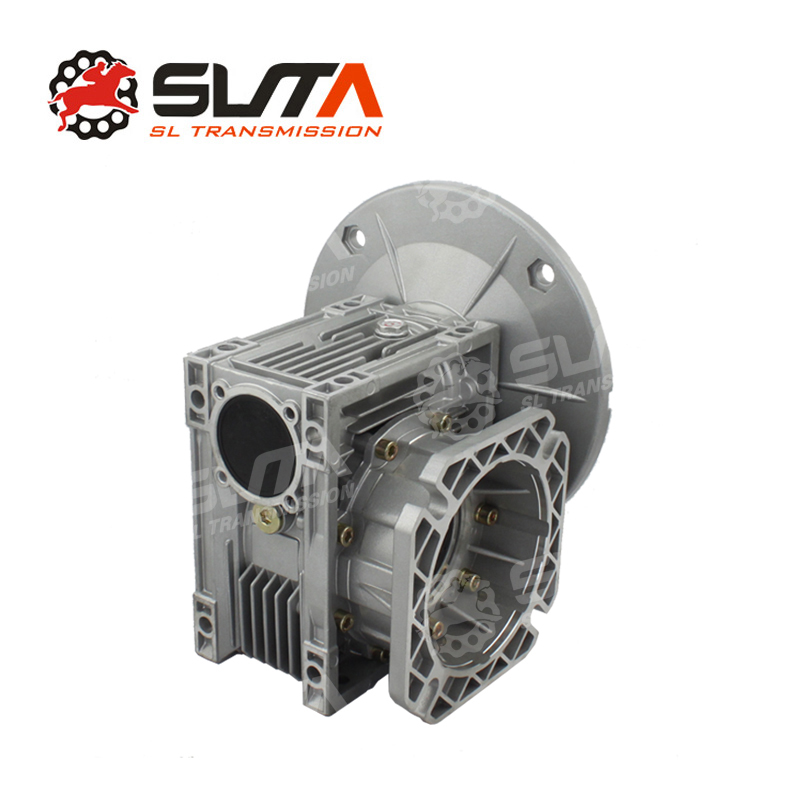
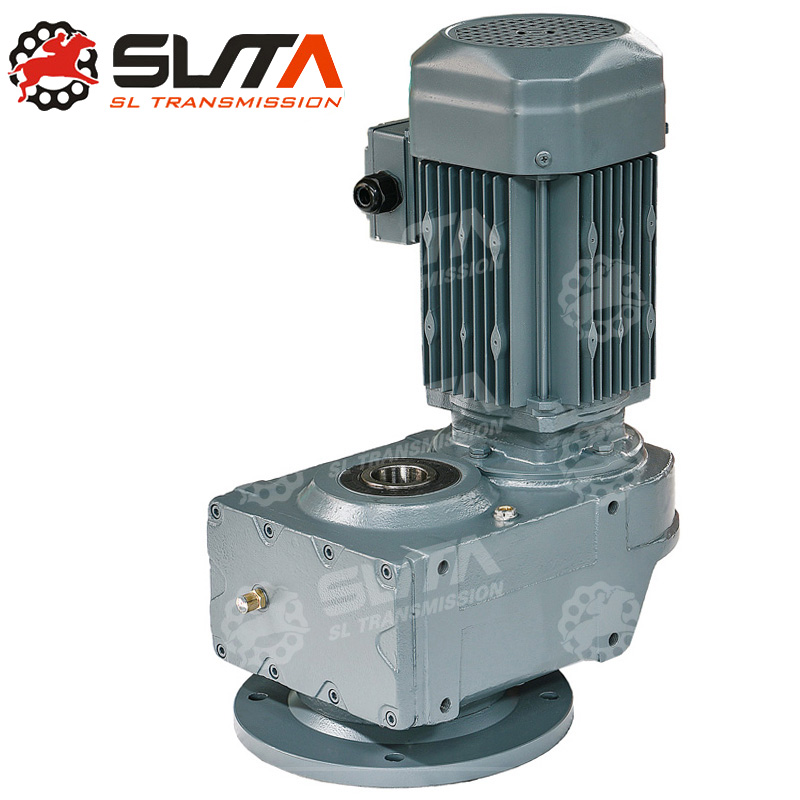
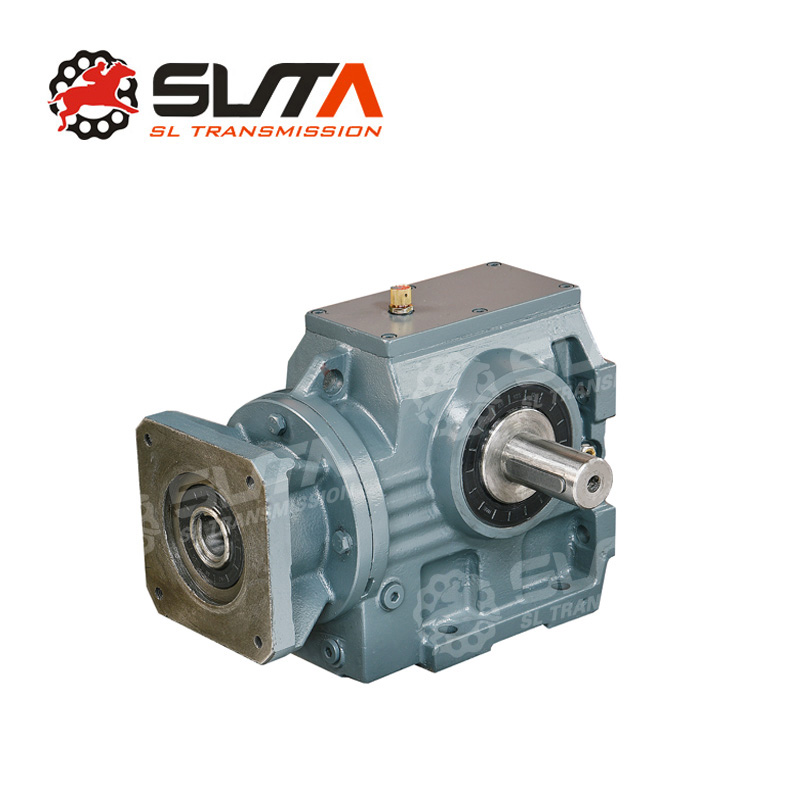
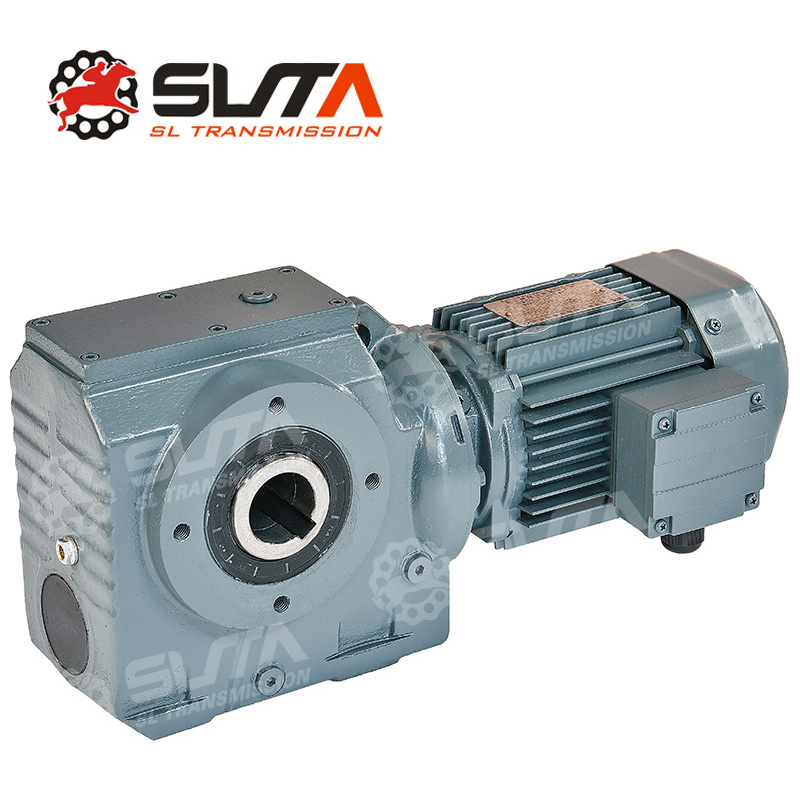
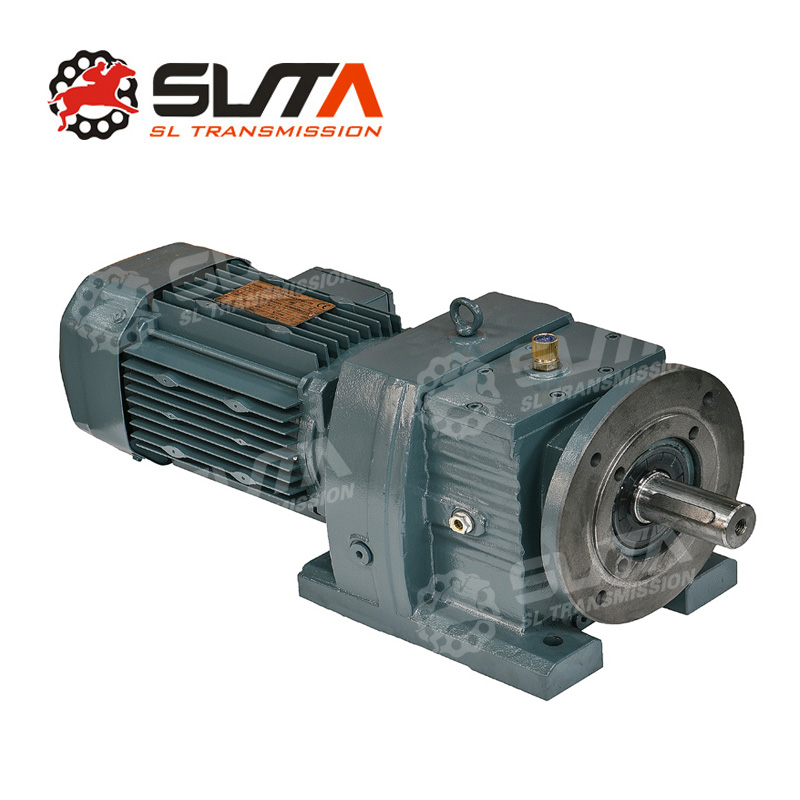
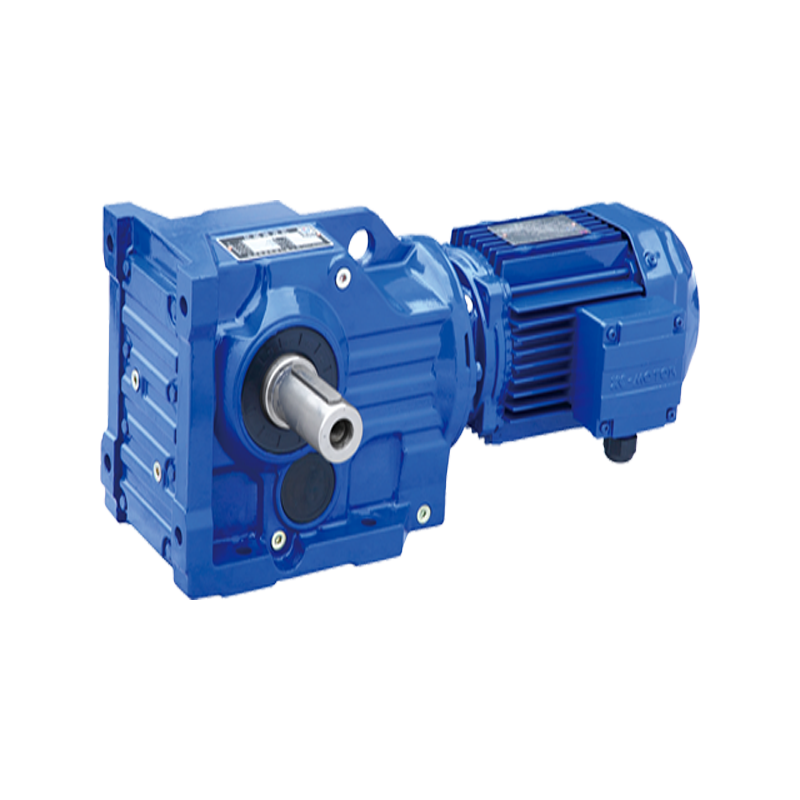
Reducer and Variator
Source high-performance reducers and variators from vetted Chinese suppliers and manufacturers. Designed for industrial importers, wholesale distributors, and equipment brands requiring bulk OEM production, our network delivers reliable power transmission components tailored to your exact torque, ratio, and mounting requirements.
Sourcing industrial reducers and mechanical variators at scale requires navigating a highly fragmented manufacturing base where external appearances often mask internal compromises. The core challenge in bulk procurement is not simply finding a supplier; it is securing a manufacturing partner capable of consistent gear machining, precise heat treatment, and rigorous assembly standards to prevent premature failure and costly downtime in the field.
Critical Specifications for Bulk Procurement
When negotiating with manufacturers, vague specifications lead to inconsistent production batches. You must define the mechanical and operational parameters explicitly before requesting quotations.
- Torque and Power Ratings: Specify both nominal output torque (Nm) and maximum input power (kW). Ensure the manufacturer's safety factor aligns with your intended industrial application.
- Gear Ratio and Output Speed: Define the exact reduction ratios required. For variators, specify the usable speed variation range and ensure the friction discs or belts are rated for continuous duty at the extremes.
- Backlash Requirements: For standard conveyors, standard backlash is often acceptable. For positioning or robotics applications, specify maximum backlash in arcminutes.
- Mounting and Interfaces: Clearly define input/output shaft dimensions, keyway standards, and flange types (e.g., IEC B5 or B14) to ensure drop-in compatibility for your end-users.
| Specification | Standard Industrial | High-Precision / Servo |
|---|---|---|
| Typical Backlash | Under 15 arcmin | Under 3 arcmin |
| Gear Machining | Hobbed & Shaved | CNC Profile Ground |
| Lubrication | Mineral Oil (Replaceable) | Synthetic Grease (Lifetime) |
Need to verify a factory's gear machining and testing capabilities before placing a volume order?
Get a free consultationWhere Quality is Won or Lost on the Factory Floor
The lifespan of a reducer is determined by the factory's internal quality management. Many suppliers assemble components sourced from sub-tier workshops, making thorough Factory Audits essential to verify actual in-house capabilities.
Gear Machining and Heat Treatment
The heart of any reducer is its gearing. High-quality manufacturers utilize CNC gear hobbing and grinding machines to achieve tight tolerances (typically DIN Class 6 or better for precision units). Heat treatment is equally critical; gears must undergo proper carburizing and quenching to achieve surface hardness without making the core brittle. Inconsistent heat treatment is the leading cause of sheared gear teeth under shock loads.
Housing Integrity and Sealing
Oil leaks are the most common defect in imported gearboxes. This stems from two primary issues: poor casting quality and inferior seals. Cast iron or aluminum housings must be free of porosity. Premium manufacturers pressure-test housings before assembly. Furthermore, the quality of oil seals (e.g., NBR vs. Viton) and bearings dictates the unit's thermal performance and leak resistance.
Pre-Shipment Inspection Focus Areas
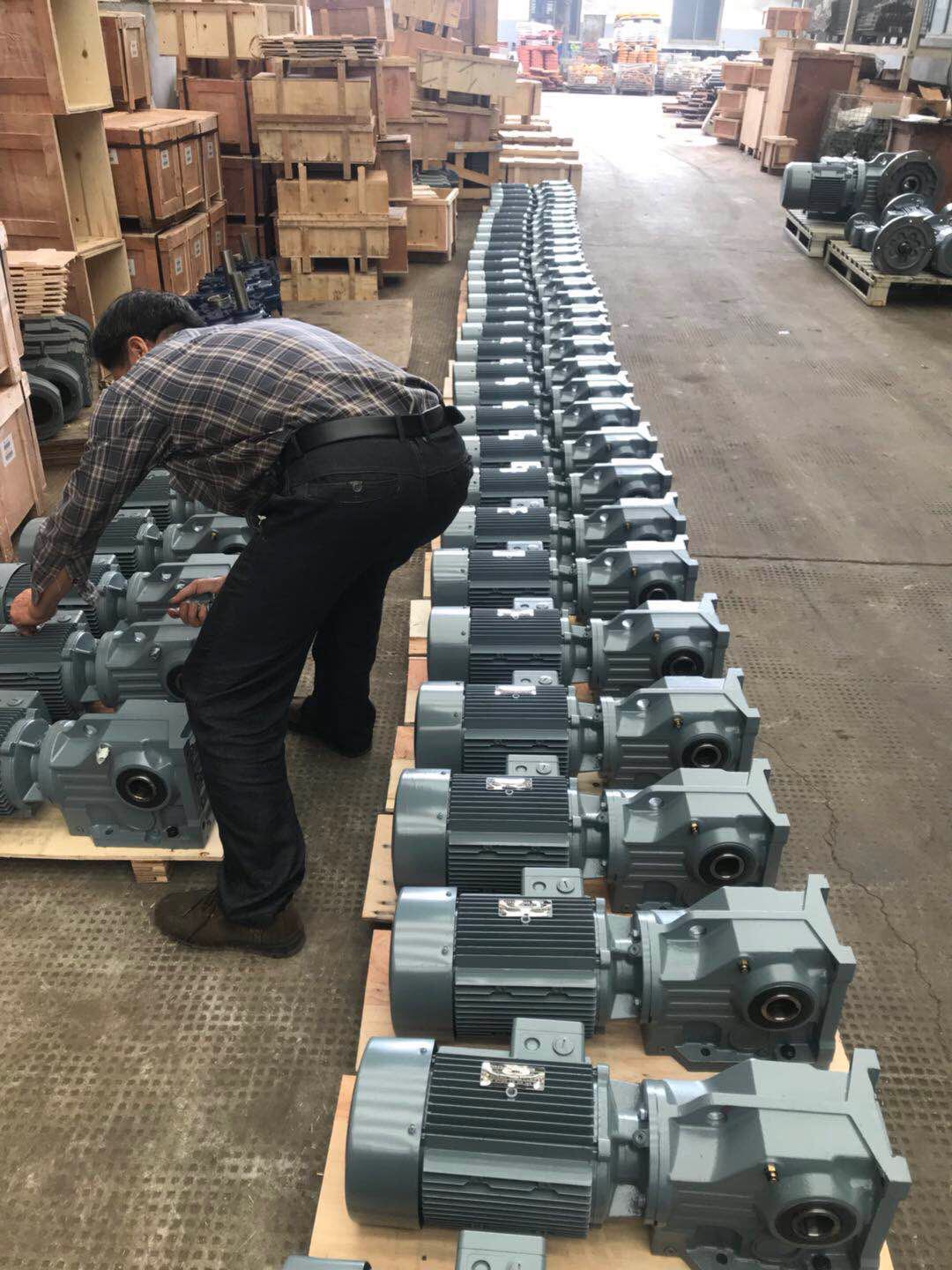
- Verify no-load run testing for abnormal noise and vibration.
- Check housing for casting porosity and paint adhesion.
- Inspect shaft runout and keyway dimensional tolerances.
- Confirm oil seal integrity and check for initial seepage.
- Validate nameplate data against order specifications.
Implementing strict quality control protocols, including 100% run-testing on a sample basis, is non-negotiable for bulk orders.
Customization and OEM Production
For brands requiring specific form factors or integrated motor-reducer packages, partnering with a factory that offers robust OEM/ODM Services is vital. Customization often includes proprietary shaft dimensions, specialized anti-corrosion coatings for washdown environments, food-grade lubricants, and custom branded nameplates and packaging. Ensure the supplier has the engineering bandwidth to manage custom CAD models and rapid prototyping before mass production.
Pricing Dynamics, MOQs, and Lead Times
Pricing for reducers and variators is heavily influenced by raw material costs (steel, cast iron, copper for integrated motors) and the origin of critical internal components. Specifying premium international bearings (like SKF or NSK) and seals will increase the unit cost but drastically reduce failure rates.
Beware of Unrealistic Quotes
If a quotation is significantly below market average, the supplier is likely substituting premium bearings with domestic equivalents, skipping critical heat treatment processes, or using reclaimed aluminum for the housing.
Looking to negotiate better pricing while maintaining strict quality standards on your next order?
Talk to our teamFrequently Asked Questions
Successfully sourcing reducers and variators means looking past the painted exterior to understand the factory's machining tolerances and assembly discipline. By setting rigorous specifications and enforcing strict quality oversight, you can secure highly reliable power transmission components that protect your brand's reputation and your bottom line.
Get Sourcing Help for Reducer and Variator
Tell us your requirements and our experts will connect you with verified manufacturers.