Petroleum Refinery Chemical Engineering
Source high-quality Petroleum Refinery Chemical Engineering equipment, modular skids, and process units from vetted manufacturers and engineering contractors. Designed for EPC firms, project developers, and industrial importers looking to procure reliable, API-compliant refinery packages at scale.
Sourcing process equipment, modular skids, and engineering packages for petroleum refineries requires navigating strict international codes, complex fabrication processes, and rigorous material traceability. When procuring from Asian fabrication yards and engineering contractors, the primary challenge is verifying that the supplier possesses not just the manufacturing capacity, but the in-house engineering capabilities to meet ASME, API, and local regulatory standards.
Core Engineering and Fabrication Standards
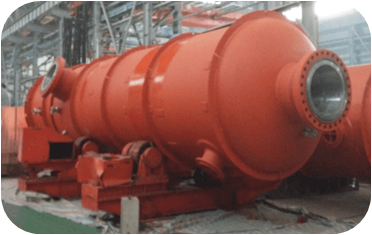
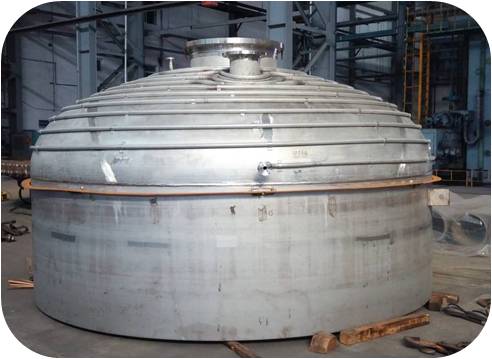
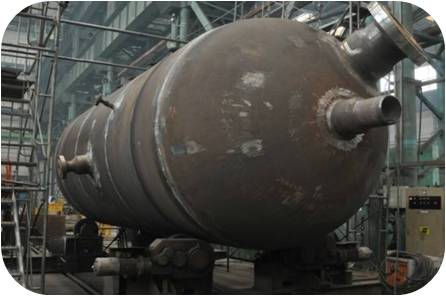
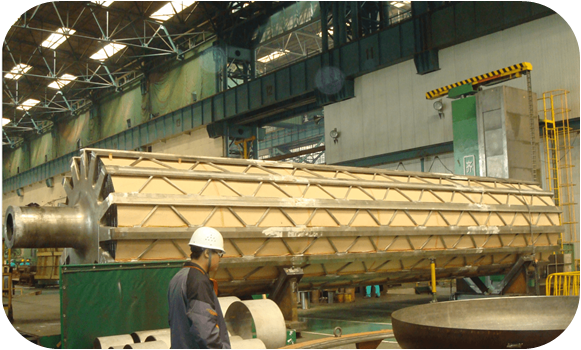
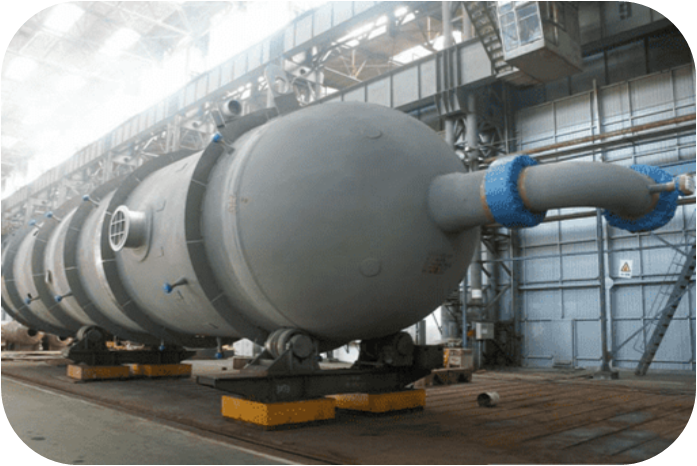
Refinery equipment—whether distillation columns, catalytic reactors, or heat exchangers—operates under extreme temperatures, pressures, and corrosive environments. Your fabrication partner must demonstrate mastery of international design codes and material specifications.
Critical Vendor Pre-Qualification Criteria
- ASME Boiler and Pressure Vessel Code (BPVC) Certification (U, U2, and S stamps)
- API Standard compliance (e.g., API 650 for tanks, API 660 for heat exchangers)
- NACE MR0175 / ISO 15156 compliance for sour service environments (H2S)
- In-house engineering software proficiency (PV Elite, HTRI, ASPEN, PDMS)
- Documented Welding Procedure Specifications (WPS) and Procedure Qualification Records (PQR)
Need to verify a fabrication yard's ASME certifications and engineering capabilities?
Discuss your project specsModular vs. Stick-Built Procurement
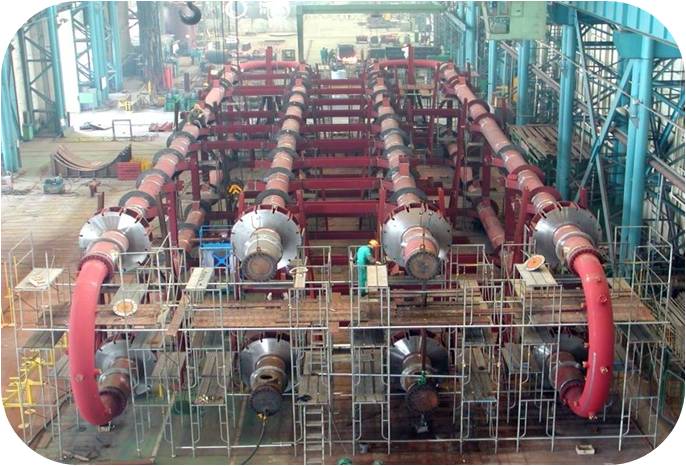
Many modern refinery upgrades and expansions rely on modular process skids rather than traditional field-erected (stick-built) construction. Procuring fully integrated modular units from overseas yards shifts the labor-intensive assembly to a controlled environment, but it heavily impacts your logistics strategy.
| Procurement Strategy | Factory Integration | Logistics Complexity | On-Site Installation |
|---|---|---|---|
| Modular Process Skids | High (Pre-piped, pre-wired) | High (Oversized freight) | Minimal (Plug-and-play) |
| Knock-Down / Stick-Built | Low (Individual components) | Standard (Containerized) | High (Extensive field welding) |
When opting for modular skids, the Factory Acceptance Test (FAT) becomes the most critical milestone. It is imperative to conduct thorough Quality Control & Inspection during the FAT to ensure all piping, instrumentation, and control systems function as designed before the skid is broken down for export.
Quality Control and Material Traceability
In refinery chemical engineering, material failure can lead to catastrophic downtime. Quality control must begin before the first steel plate is cut. Ensure your supplier maintains full Positive Material Identification (PMI) records to verify alloy compositions, particularly for high-nickel alloys, duplex stainless steels, and titanium used in corrosive processing units.
Material Verification
MTRs (Mill Test Reports) and PMI testing to confirm raw material grades prior to fabrication.
Welding Inspection
100 percent Non-Destructive Testing (NDT) on critical welds, including Radiographic Testing (RT) and Ultrasonic Testing (UT).
Hydrostatic Testing
Pressure testing vessels and piping spools at 1.3 to 1.5 times the design pressure to verify structural integrity.
Surface Preparation
Sandblasting and industrial coating application inspected for dry film thickness (DFT) to prevent under-insulation corrosion.
Project Economics, Lead Times, and Logistics
Procuring heavy refinery equipment is a capital-intensive process with extended timelines. A standard pressure vessel may require 4 to 6 months of fabrication, while a complex, multi-skid process unit can demand 10 to 18 months from initial engineering design to final delivery.
Because of the high capital risk, milestone-based payment structures are standard. A typical schedule might involve a 20 to 30 percent down payment to cover engineering and raw materials, with subsequent payments tied to major fabrication milestones (e.g., major material arrival, hydrotest completion) and the final balance upon a successful FAT.
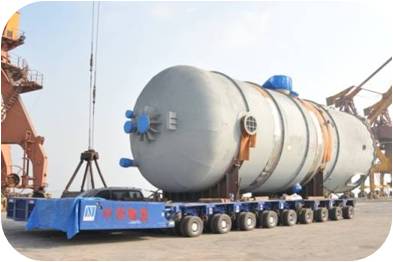
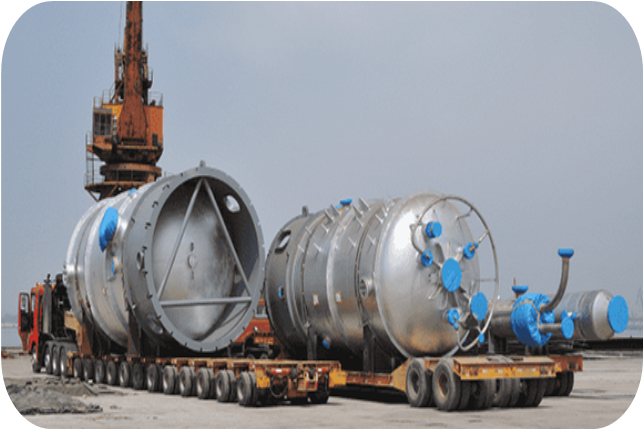
Before committing capital to a major engineering contract, conducting comprehensive Factory Audits is essential to verify the yard's financial stability, lifting capacity, and actual fabrication floor space. Furthermore, moving oversized columns and heavy reactors requires specialized Shipping & Freight solutions, including breakbulk vessels, heavy-lift cranes, and precise route surveys from the factory to the port.
Planning a complex procurement schedule? Let's align your fabrication milestones with heavy-lift logistics.
Talk to our supply chain teamSuccessfully procuring petroleum refinery chemical engineering packages hinges on rigid quality oversight and seamless integration between the fabrication yard and your project's logistics. By enforcing strict inspection protocols and verifying engineering credentials early, you protect the integrity and timeline of your downstream operations.
Get Sourcing Help for Petroleum Refinery Chemical Engineering
Tell us your requirements and our experts will connect you with verified manufacturers.