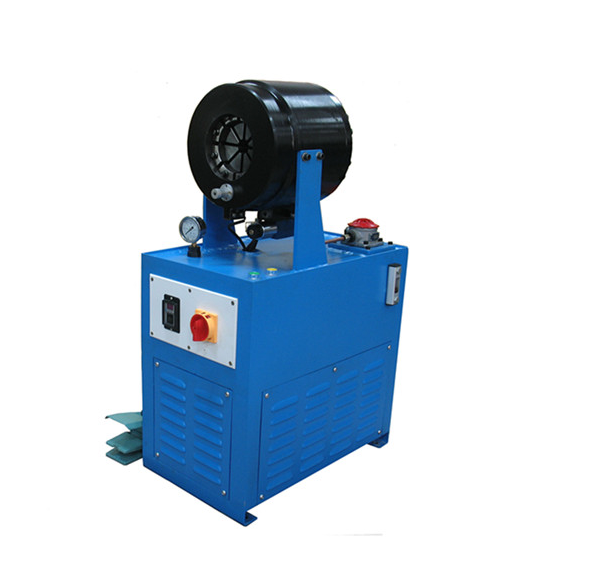
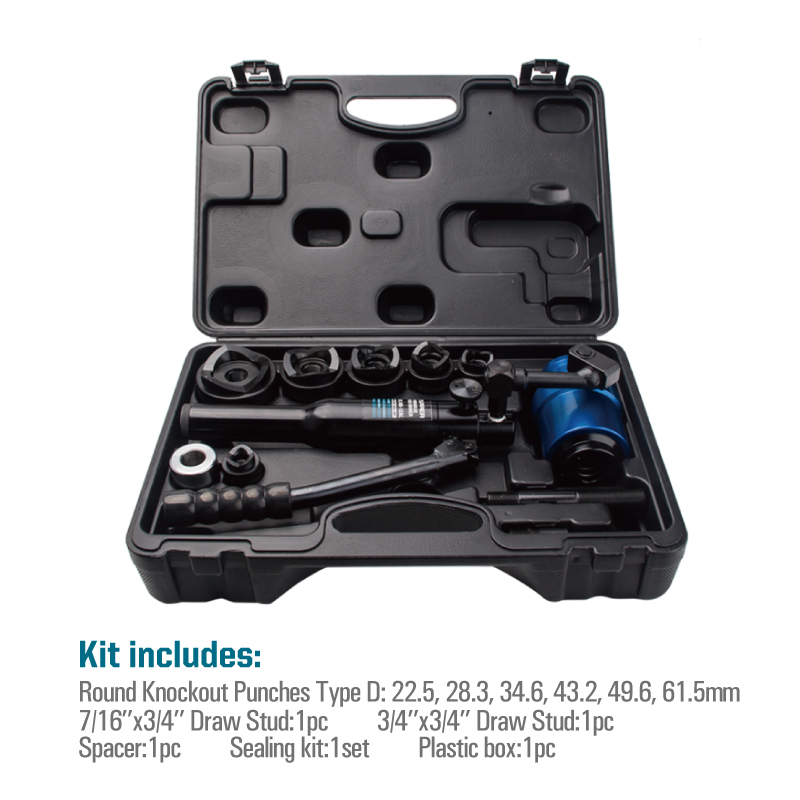
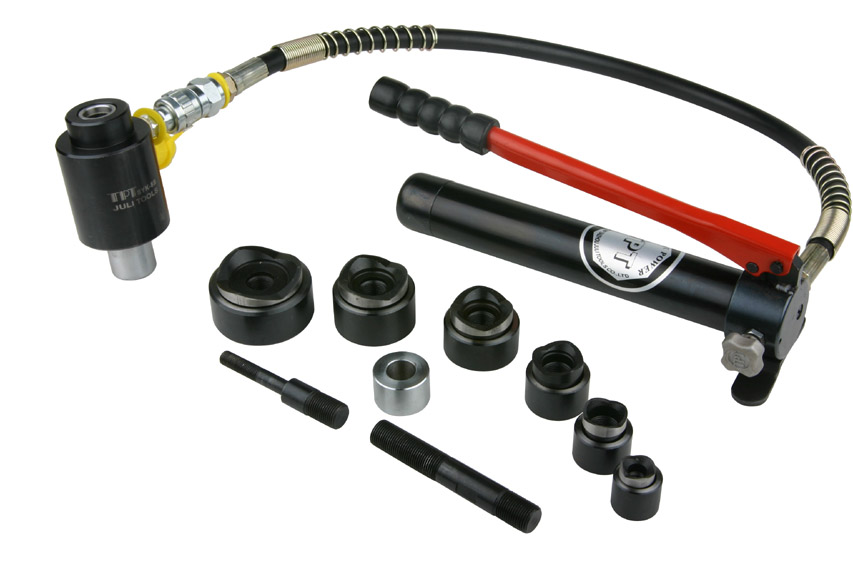
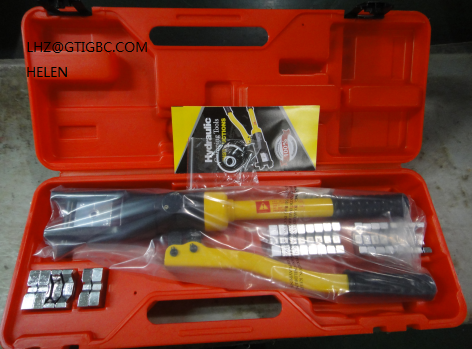
Other Hydraulic Tools
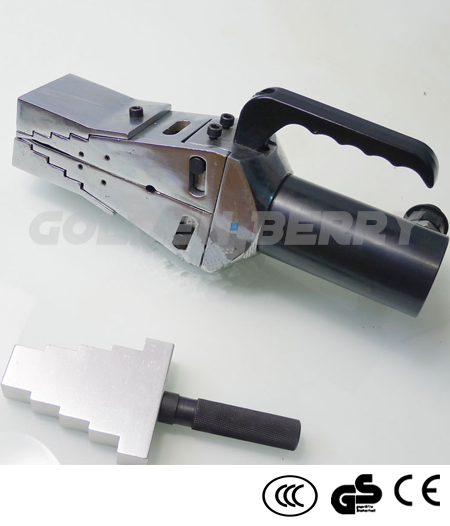
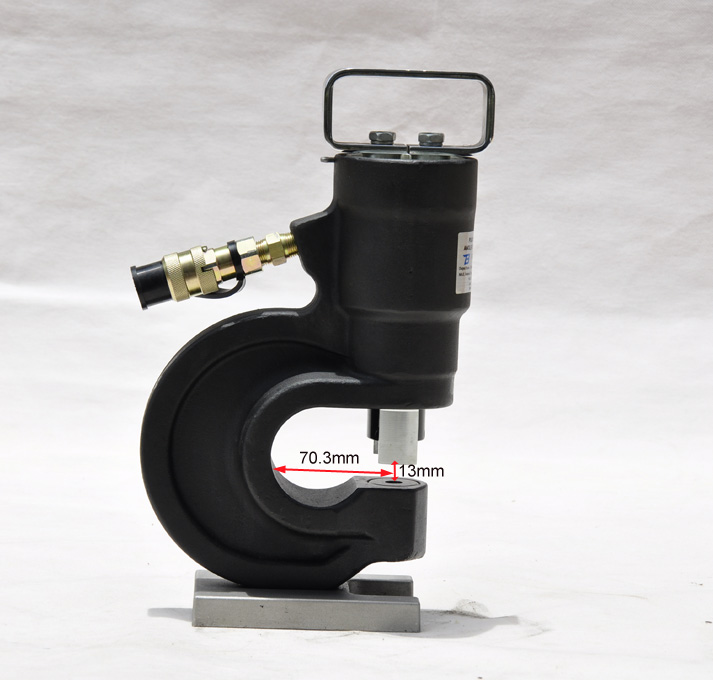
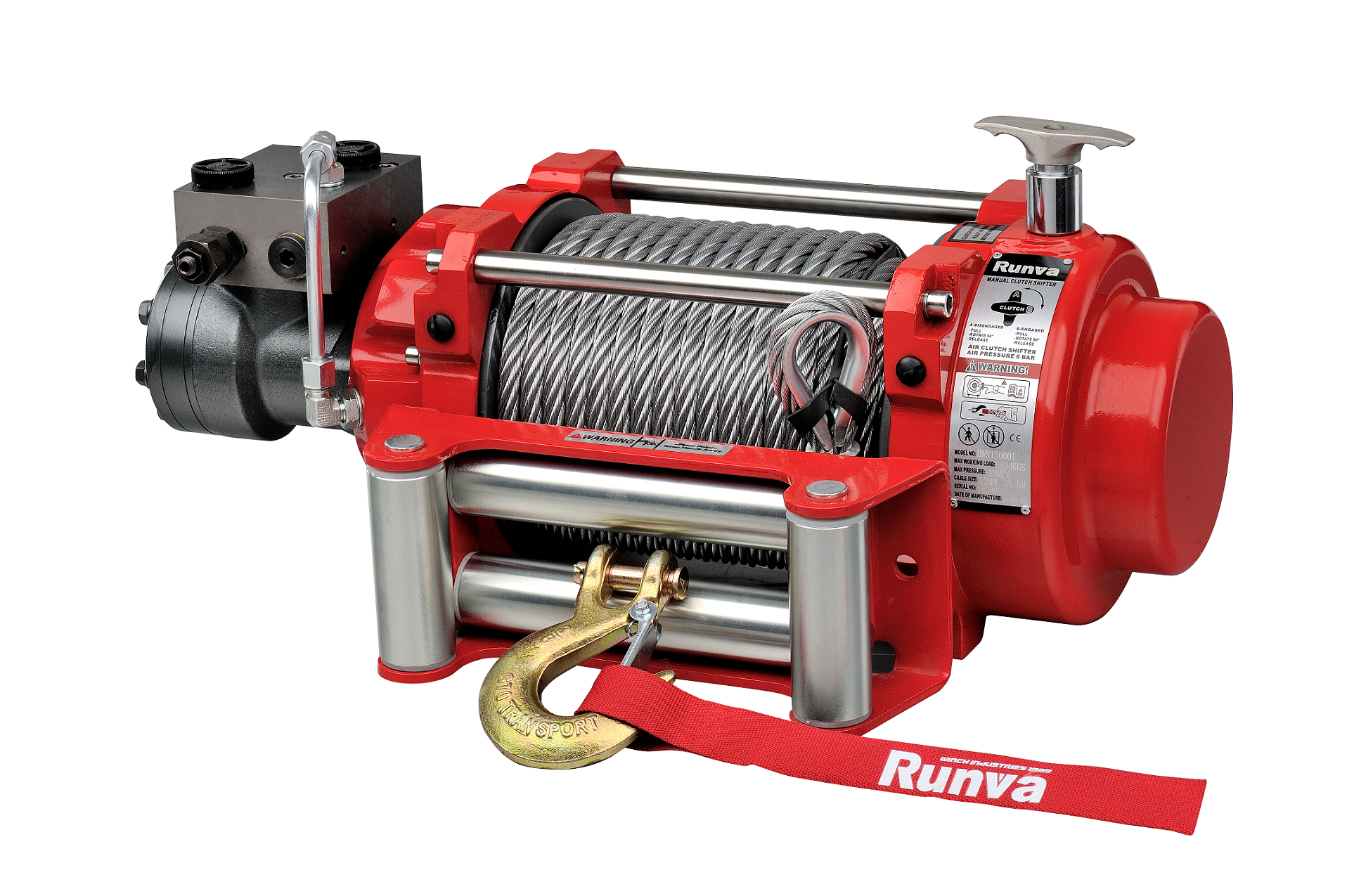
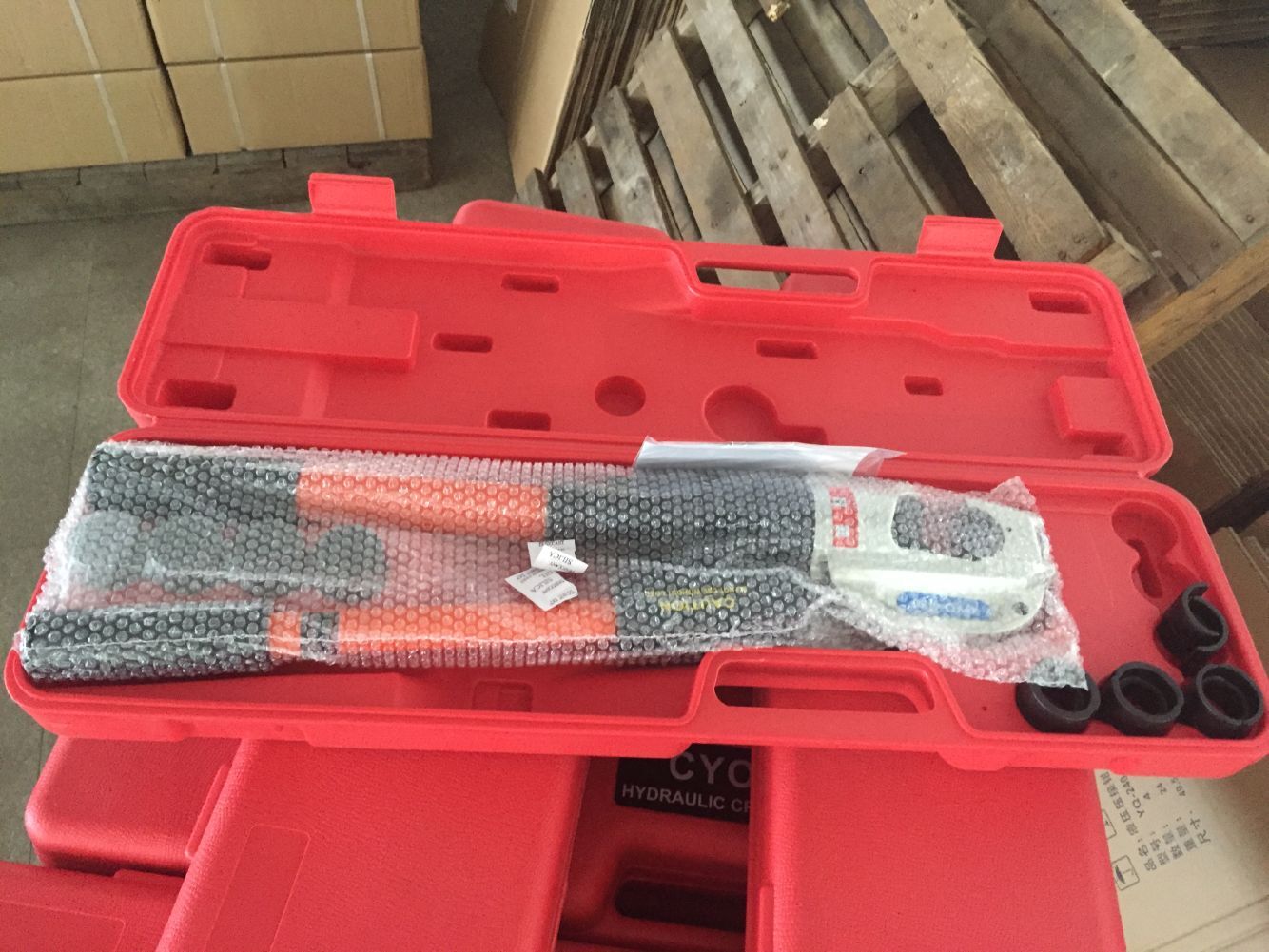
Source specialized and miscellaneous hydraulic tools directly from vetted manufacturers and suppliers. Designed for importers, industrial distributors, and brands seeking reliable OEM production in bulk, our network delivers high-pressure performance and strict quality compliance at scale.
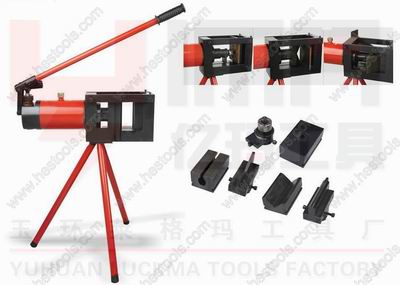
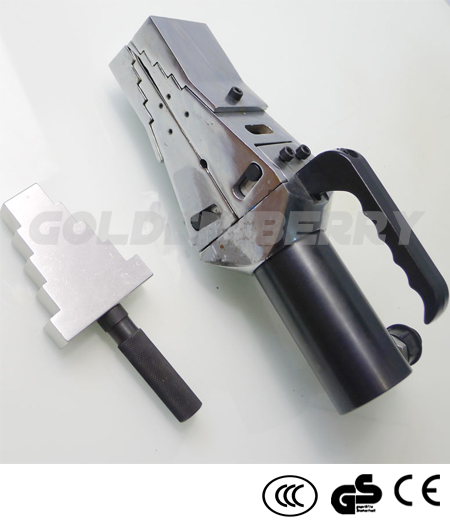
Sourcing specialized or miscellaneous hydraulic tools requires navigating a highly fragmented supplier landscape. When procuring high-pressure equipment outside standard catalog offerings—such as custom hydraulic pullers, specialized spreaders, or unique crimping heads—the margin for error is zero. Buyers must verify that manufacturers possess the specific CNC machining capabilities, metallurgical expertise, and rigorous testing protocols required to produce safe, industrial-grade hydraulic equipment that won't fail under load.
Critical Specifications for High-Pressure Tools
Whether you are sourcing custom hydraulic cutters, specialized lifting wedges, or bespoke torque equipment, the core physics remain the same. The reliability of any hydraulic tool hinges on cylinder integrity, valve precision, and seal quality.
When evaluating a factory's technical capability, scrutinize their approach to these primary components:
- Cylinder and Piston Metallurgy: High-grade alloys (such as 42CrMo or 45# steel) are standard for high-tonnage applications. Ensure the factory utilizes proper heat treatment (quenching and tempering) to achieve the necessary tensile strength and surface hardness.
- Seal Quality: Leaks are the most common failure point in hydraulic tools. Specify the origin and material of the seals (e.g., NOK from Japan, or high-grade polyurethane/NBR). Standard domestic seals may degrade quickly under peak pressure (often rated up to 700 Bar / 10,000 PSI).
- Surface Treatment: Hard chrome plating on pistons is essential for wear and corrosion resistance. The plating thickness and uniformity directly impact the lifespan of the seals.
Need to verify a supplier's machining and metallurgical capabilities? We can evaluate their technical specs.
Talk to our teamQuality Control and Factory Vetting
Not all hardware factories are equipped to manufacture high-pressure hydraulic tools. A facility producing standard hand tools often lacks the specialized testing rigs required for hydraulic equipment.
Pressure Testing is Non-Negotiable
Every hydraulic tool must undergo static and dynamic pressure testing before leaving the factory. Ensure your supplier tests at 125 percent to 150 percent of the rated working pressure to verify safety margins and seal integrity.
To mitigate risk, comprehensive Factory Audits are highly recommended before placing a bulk order. You need to confirm the presence of advanced CNC turning centers, proper heat treatment logs, and dedicated hydraulic testing stations. Furthermore, implementing rigorous Quality Control & Inspection during production ensures that surface finishes and tolerances meet your exact specifications before the tools are assembled and painted.
| Component | Standard Production | Industrial Grade (OEM) |
|---|---|---|
| Cylinder Material | Carbon Steel (Q235/45#) | Alloy Steel (42CrMo) with Heat Treatment |
| Seals | Standard NBR | Imported Polyurethane / PTFE |
| Testing | Batch sampling at 100% load | 100% individual testing at 125% load |
Customization and OEM Production
Many importers require modifications to existing hydraulic tool designs to suit specific regional markets or industrial applications. Whether you need custom coupling threads (e.g., NPT vs. BSPP), specific stroke lengths, or proprietary housing designs, partnering with a factory that offers robust OEM/ODM Services is crucial.
When developing custom hydraulic tools, ensure the factory's engineering team uses advanced CAD/CAM software and can provide finite element analysis (FEA) reports for custom load-bearing components.
MOQs, Lead Times, and Pricing Dynamics
Sourcing specialized hydraulic tools involves distinct supply chain dynamics compared to standard consumer hardware.
Pricing is heavily influenced by raw material costs (specifically alloy steel), the origin of the hydraulic seals, and the complexity of the internal valving. Buyers should be wary of prices that fall significantly below market average; this usually indicates the use of inferior steel, lack of proper heat treatment, or the omission of individual pressure testing.
Struggling to negotiate MOQs or verify pricing for custom hydraulic tools? Let our sourcing experts assist.
Get a free consultationBuyer FAQ
Sourcing specialized hydraulic tools requires strict attention to metallurgical integrity and testing protocols. By partnering with vetted manufacturers who prioritize precision machining and rigorous quality control, you can deliver high-performance, safe equipment to your end-users while protecting your brand's reputation in the industrial market.
Get Sourcing Help for Other Hydraulic Tools
Tell us your requirements and our experts will connect you with verified manufacturers.