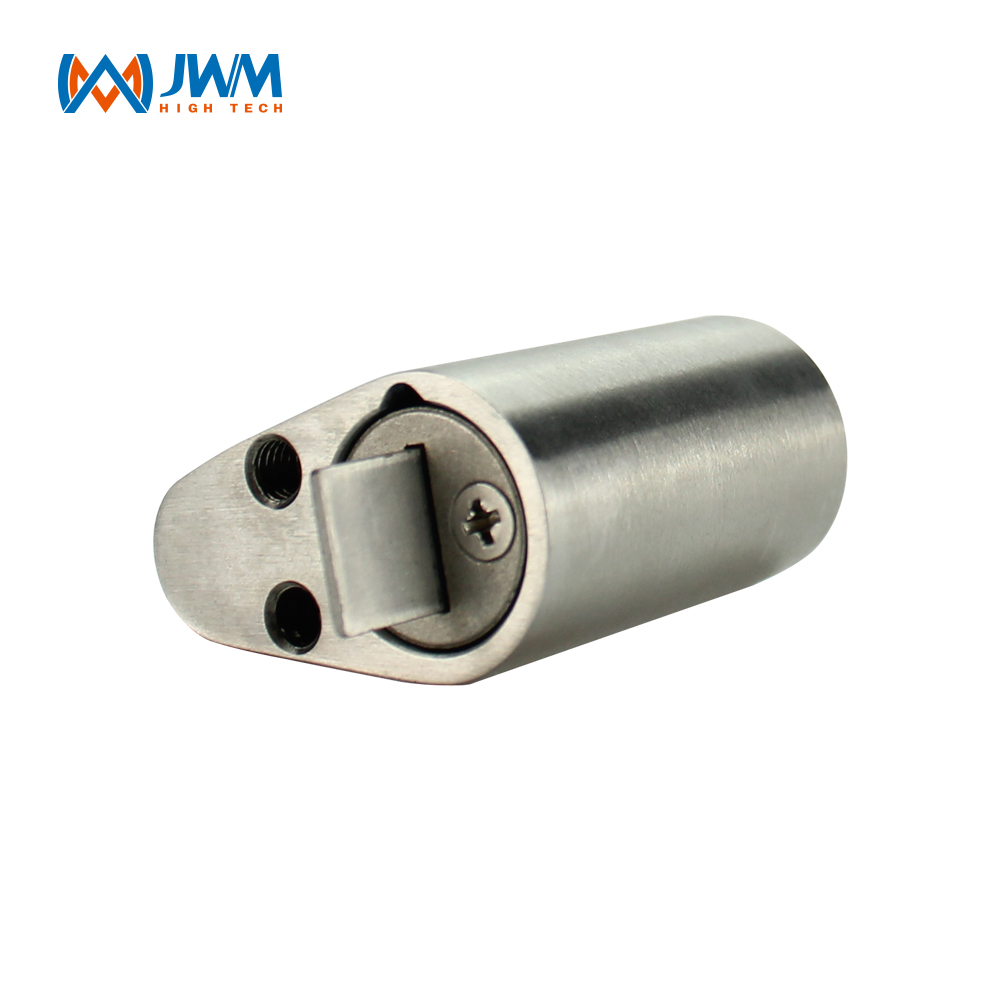
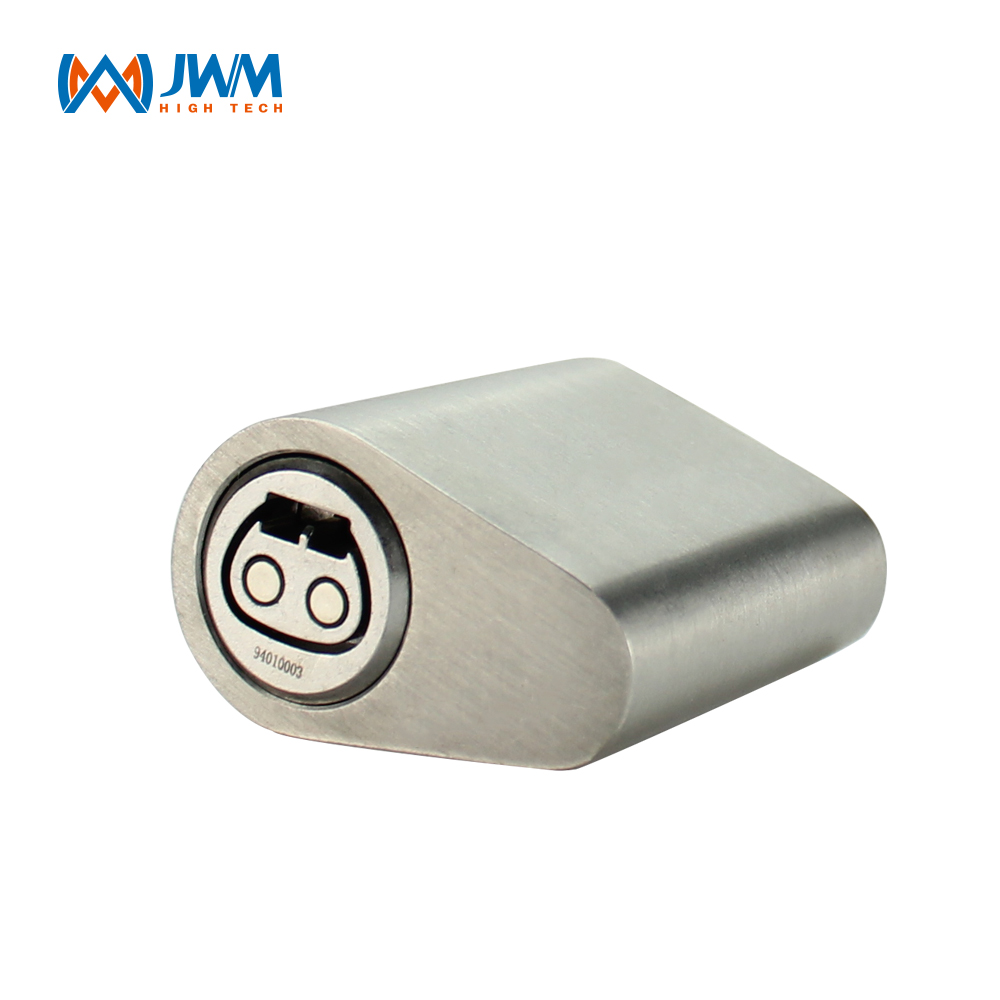
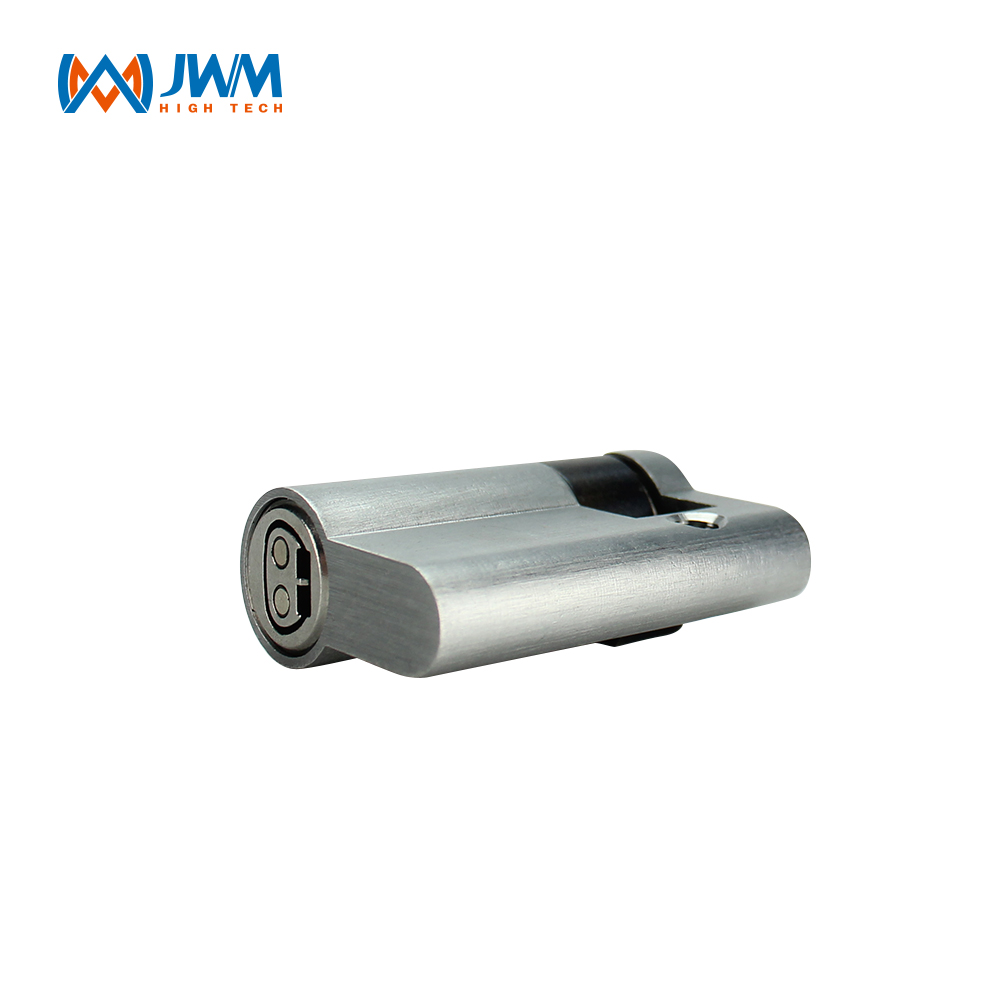
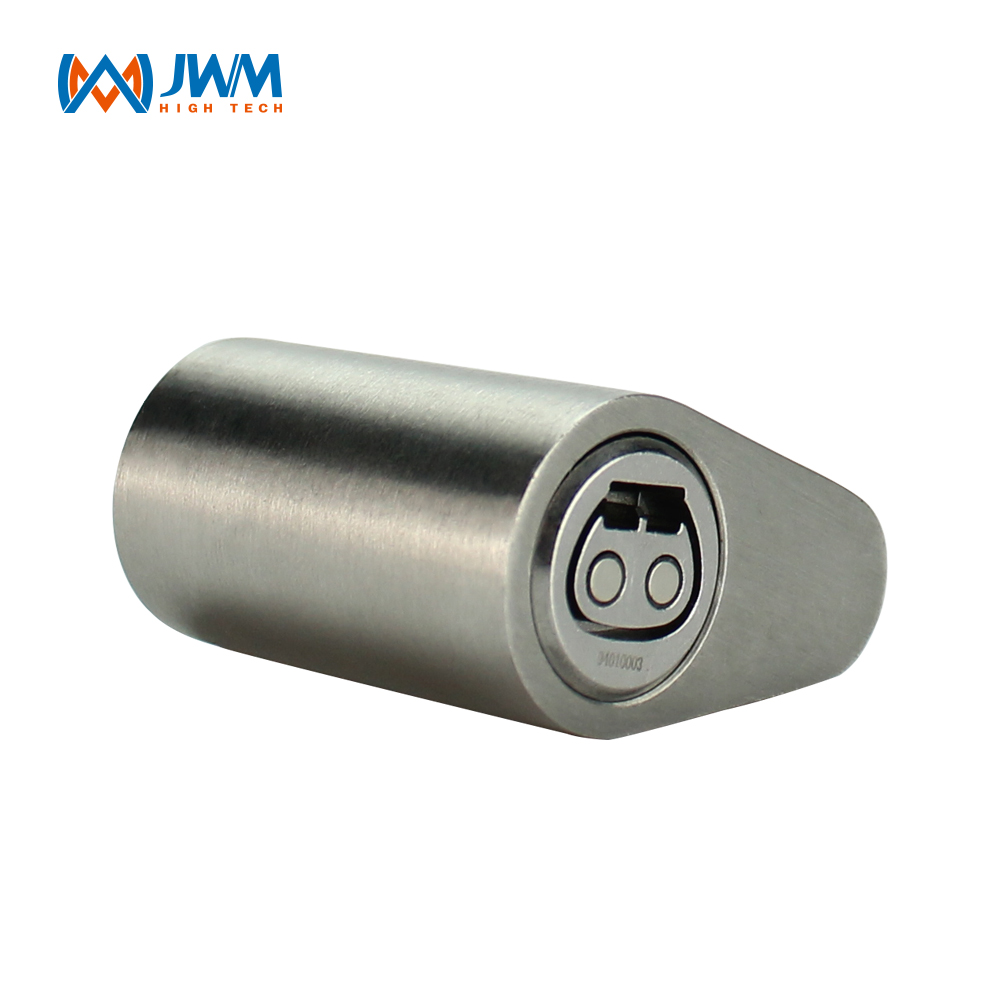
Lock Cylinders
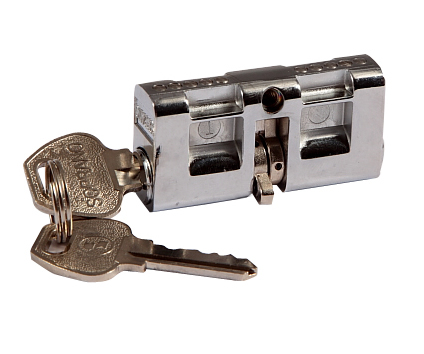
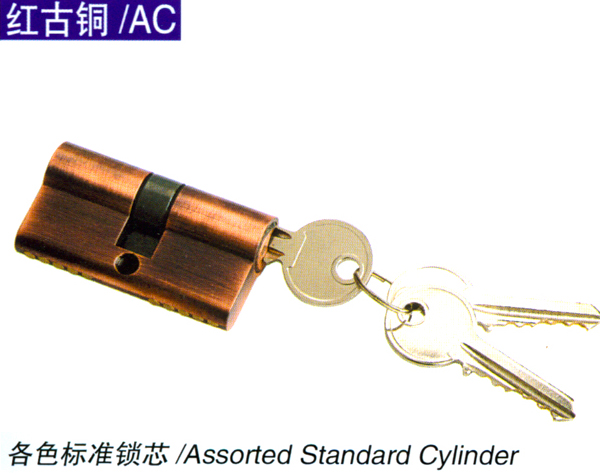
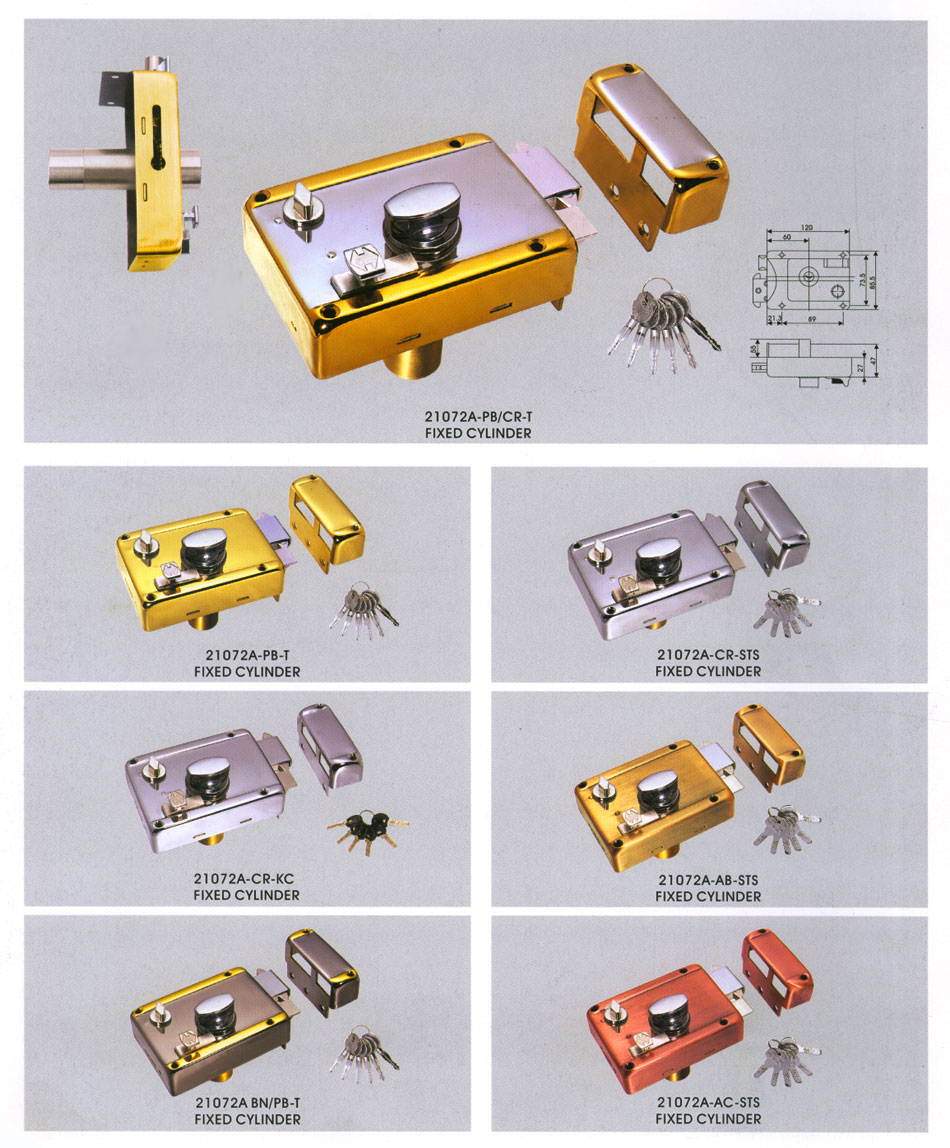
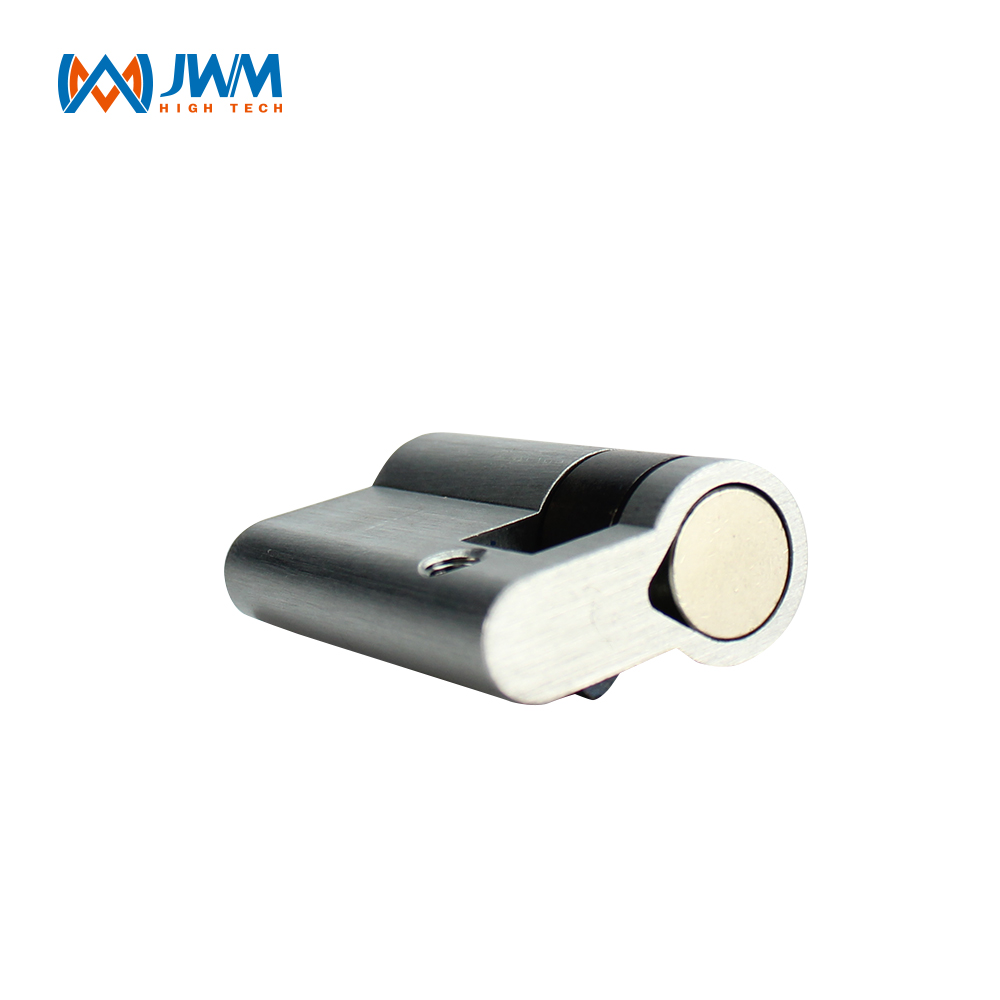
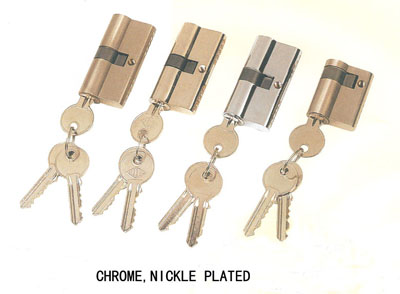
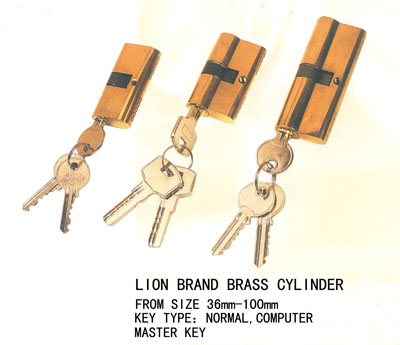
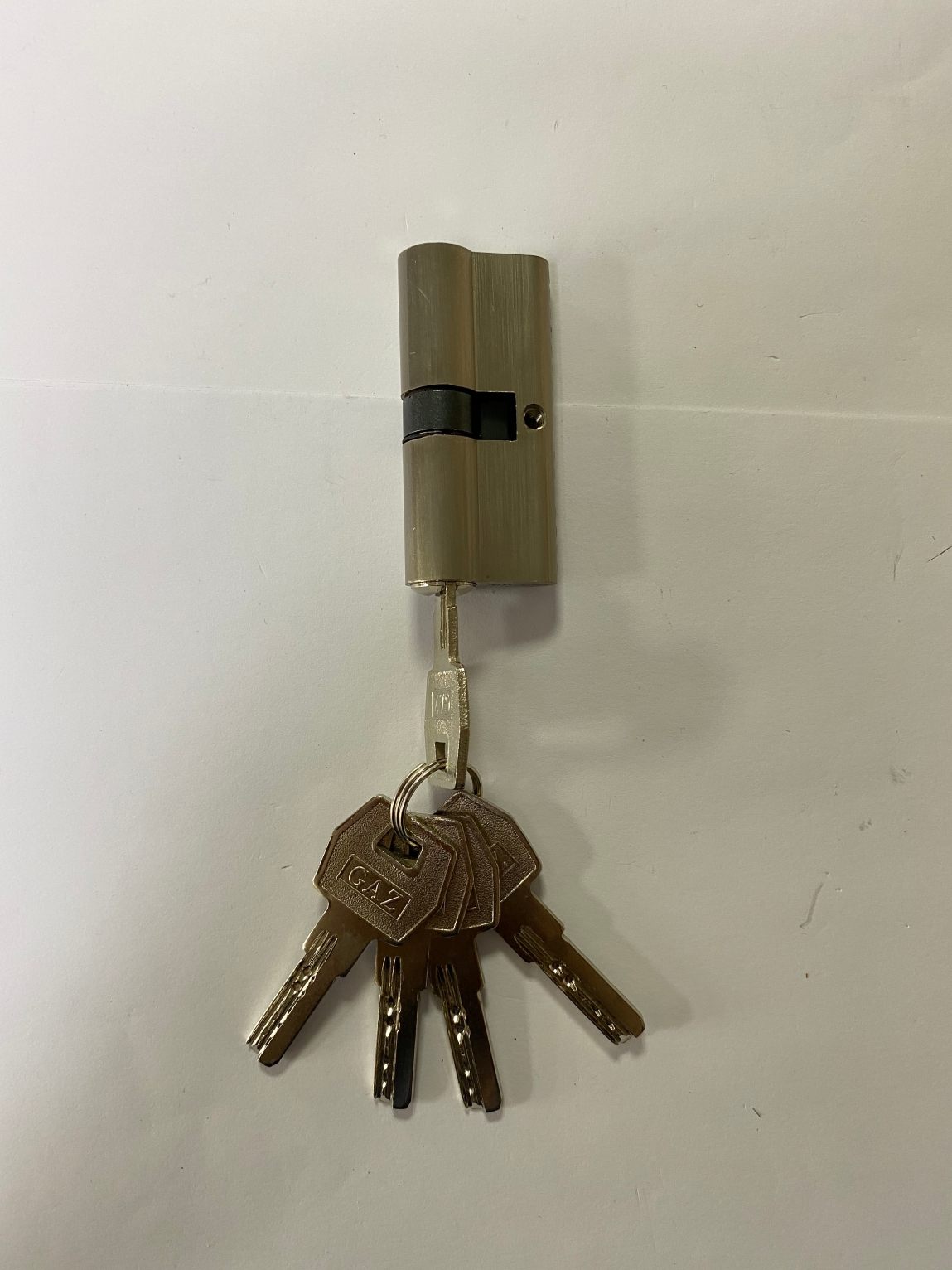
Source commercial and residential lock cylinders in bulk directly from vetted Chinese manufacturers. Designed for importers, wholesalers, and hardware brands seeking OEM production, our network delivers precision-machined brass and zinc alloy cylinders meeting ANSI and EN standards.
Sourcing lock cylinders at scale requires balancing unit economics with strict mechanical tolerances. A fraction of a millimeter in pin variation or keyway milling determines whether a cylinder operates smoothly for decades or fails under basic manipulation. For commercial suppliers and hardware brands, securing a reliable manufacturing partner means looking beyond surface finish to verify CNC capabilities, material purity, and assembly protocols.
Material Selection and Machining Precision
The core of any lock cylinder's performance is its material composition. While the external housing might look identical across production runs, the internal mechanics dictate the security rating and lifespan of the hardware.
The primary materials used in cylinder manufacturing are solid brass and zinc alloy. Brass is the industry standard for commercial and high-security applications due to its superior machinability, corrosion resistance, and low friction against moving pins. Zinc alloy (often Zamak) is utilized for cost-sensitive, lighter-duty residential applications.
| Specification | Solid Brass | Zinc Alloy |
|---|---|---|
| Machining Tolerances | Exceptional (ideal for 6+ pins) | Moderate (best for 4-5 pins) |
| Corrosion Resistance | High (naturally rust-resistant) | Relatively high (requires good plating) |
| Weight & Feel | Heavy, premium tactile feel | Lighter, cost-effective |
| Target Application | Commercial, master key systems | Standard residential, interior doors |
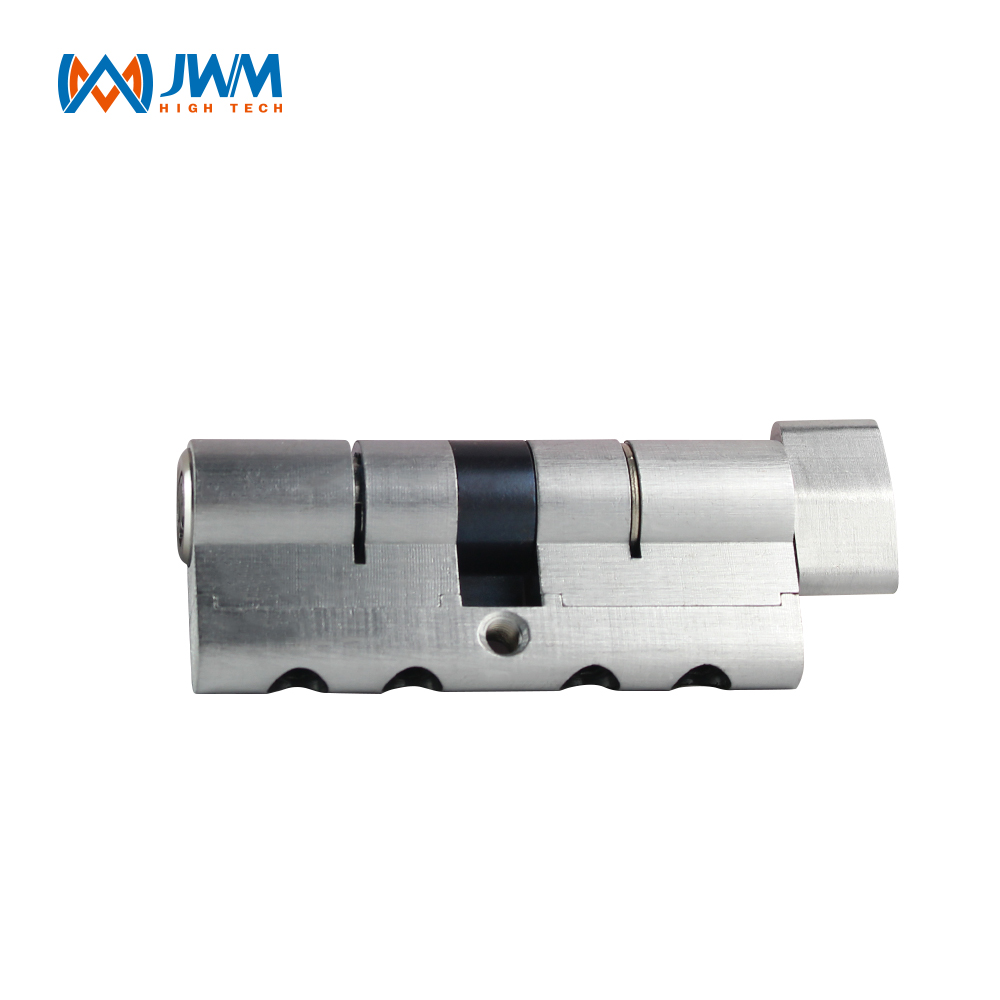
When evaluating a factory, their machining equipment is the primary indicator of quality. Multi-axis CNC machines are required to accurately drill pin chambers and mill complex keyways (such as Schlage, Kwikset, Yale, or custom proprietary profiles). If you are developing proprietary hardware, leveraging OEM/ODM Services ensures your custom keyway profiles are protected and machined to exact specifications.
Need to match a specific keyway or develop a custom cylinder profile? Match with vetted manufacturers capable of high-precision CNC machining.
Talk to our teamSecurity Upgrades and Compliance Standards
Modern lock cylinders must often meet regional security standards, such as ANSI/BHMA in North America or EN 1303 in Europe. Achieving these ratings requires specific physical upgrades during the manufacturing process.
Critical Security Enhancements to Specify
- Anti-Drill Pins: Hardened steel pins inserted into the cylinder housing and plug to deflect drill bits.
- Anti-Pick/Anti-Bump Features: Spool, mushroom, or serrated driver pins that catch at the shear line during manipulation attempts.
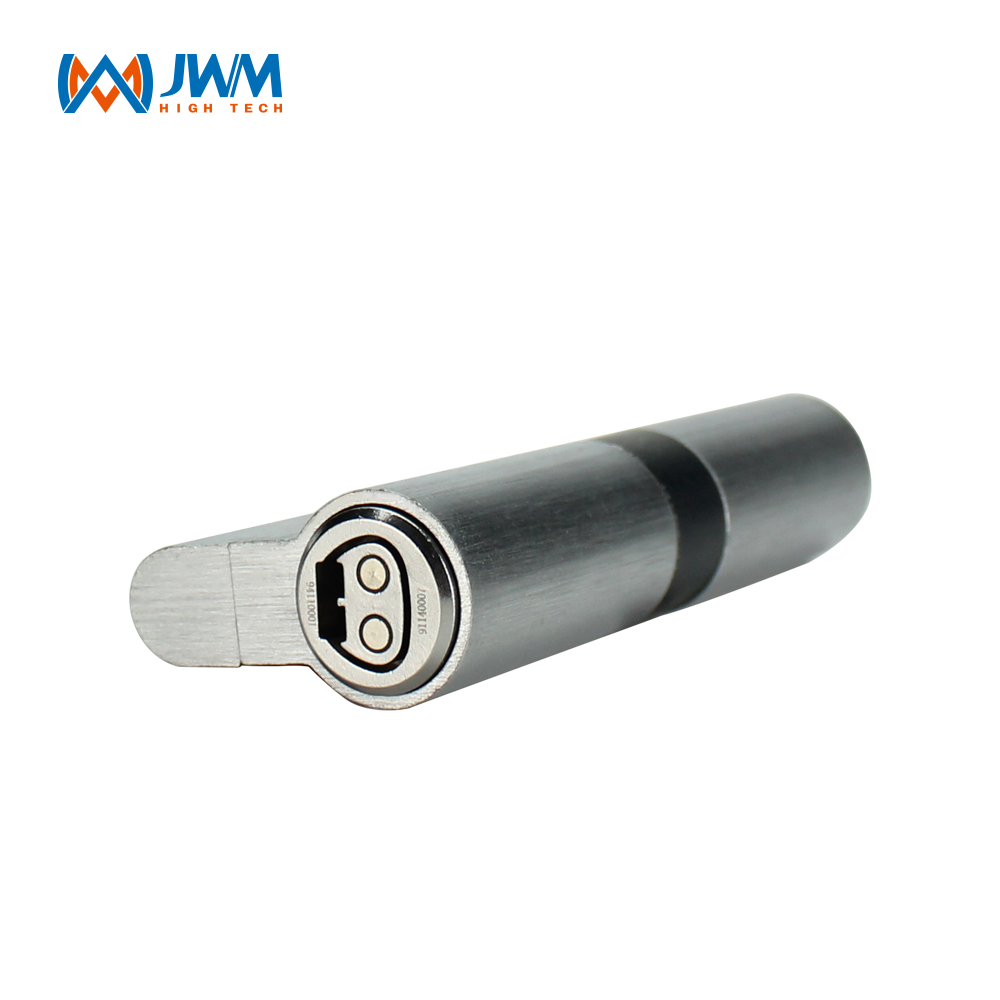
- Snap-Resistant Cores: Specifically for Euro profile cylinders, utilizing reinforced steel bars or sacrificial cut lines to prevent housing snaps.
- Cam and Tailpiece Strength: Hardened steel components to resist torsion attacks.
Factories often claim their products meet these standards, but independent verification is crucial. Proper Compliance & Testing protocols ensure that the cylinders you import can withstand the required cycle testing (often exceeding 100,000 cycles) and physical attack simulations required for market entry.
Quality Control on the Factory Floor
Lock cylinders are highly susceptible to assembly errors. Even if the components are machined correctly, poor assembly or finishing can ruin a batch.
Common defects include "sticky" plugs caused by burrs left in the pin chambers, weak spring tension leading to key failure, and uneven electroplating that chips during installation. Implementing rigorous Quality Control & Inspection before shipment is non-negotiable. Inspectors should perform random sampling to test key insertion force, rotation smoothness, and shear-line alignment using precision calipers.
For large-volume orders, particularly those involving complex master key (MK) or grand master key (GMK) systems, conducting thorough Factory Audits prior to production ensures the supplier has the software and organizational capacity to manage complex pinning charts without duplication errors.
Pricing, MOQs, and Lead Times
Lock cylinder pricing is heavily tied to global commodities, specifically the spot price of copper and zinc. Because high-quality cylinders are dense, material weight is the primary cost driver, followed by the complexity of the keyway and the number of pins.
When negotiating, be aware that unusually low quotes for brass cylinders often indicate the factory is using a lower-grade brass alloy with higher lead or zinc content, which compromises machinability and durability. Always specify the exact brass grade (e.g., HPb59-1) in your purchase order.
Navigating factory pricing and material verification? Ensure your production meets strict security standards without overpaying for raw materials.
Get a free consultationFrequently Asked Questions
Successfully importing lock cylinders requires a deep understanding of metallurgy, CNC machining, and regional security standards. By establishing strict material specifications and verifying factory capabilities early in the process, buyers can secure reliable, high-margin hardware that performs flawlessly in the field.
Get Sourcing Help for Lock Cylinders
Tell us your requirements and our experts will connect you with verified manufacturers.