Laser Cutting Machines
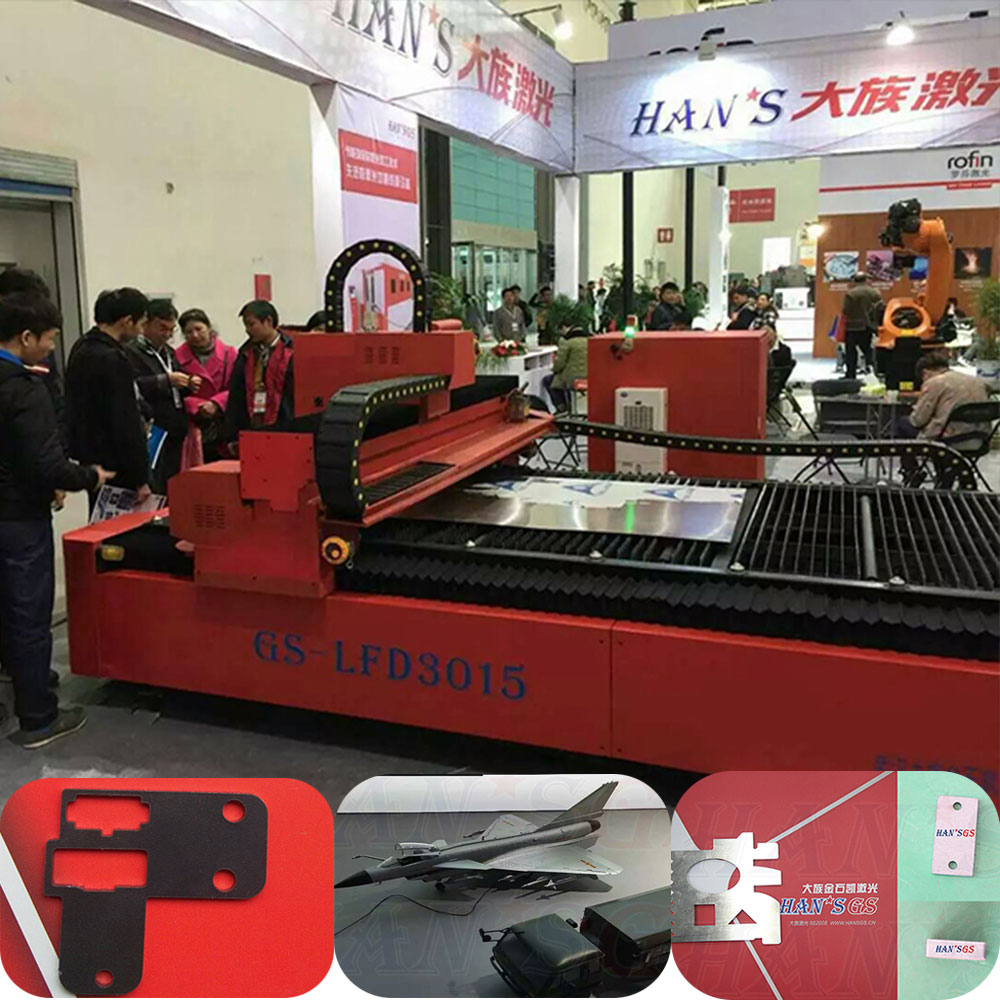
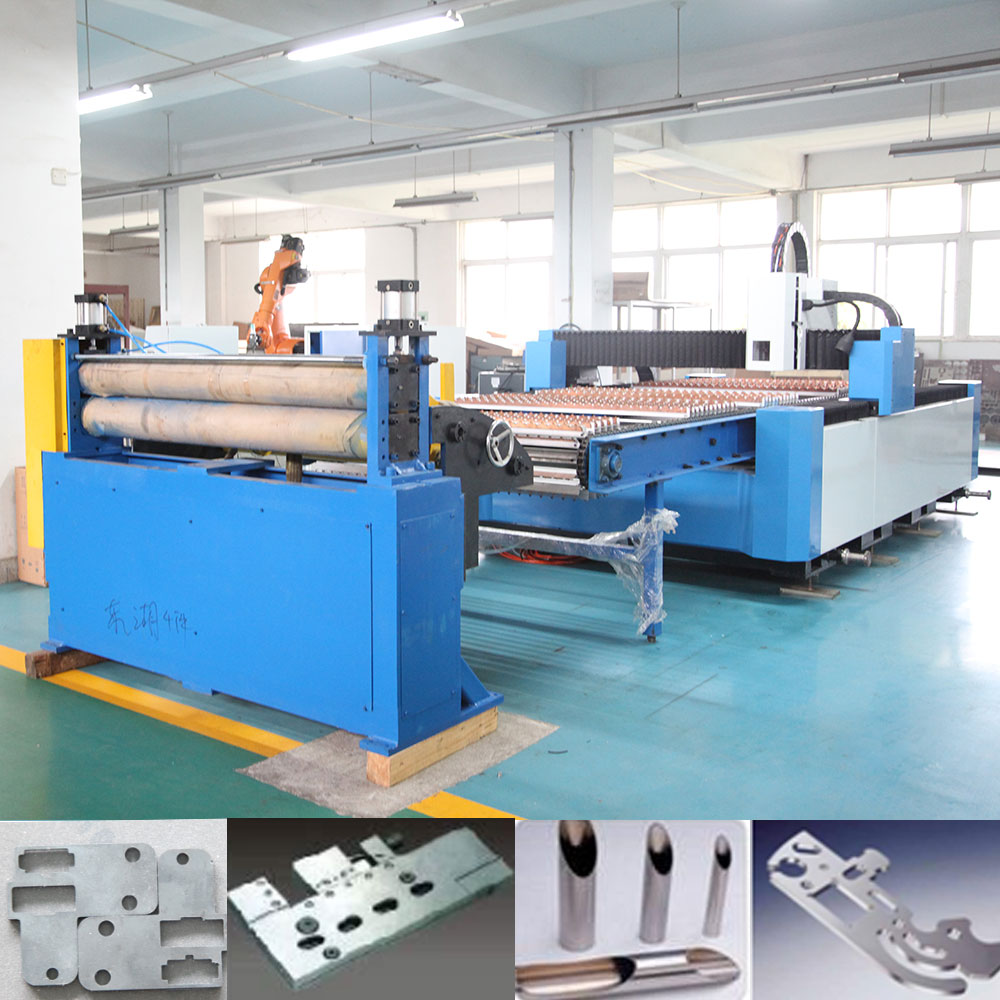
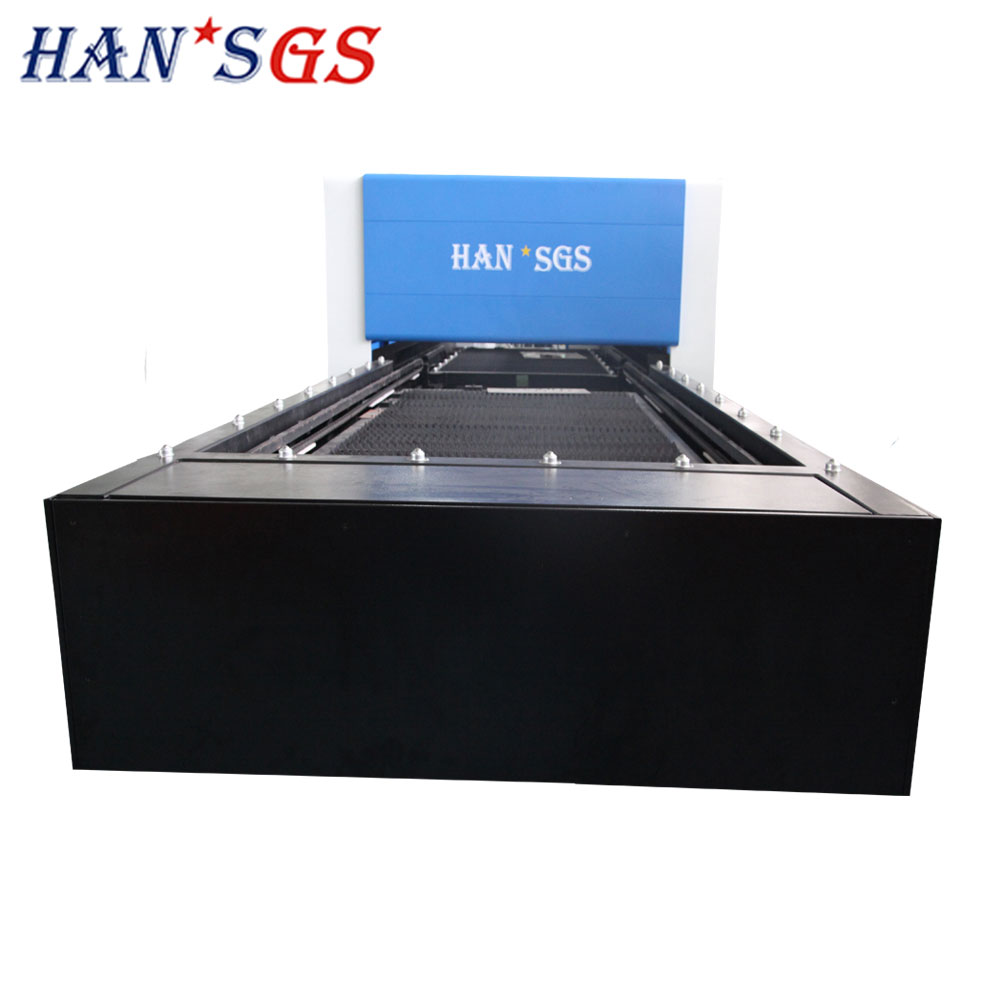
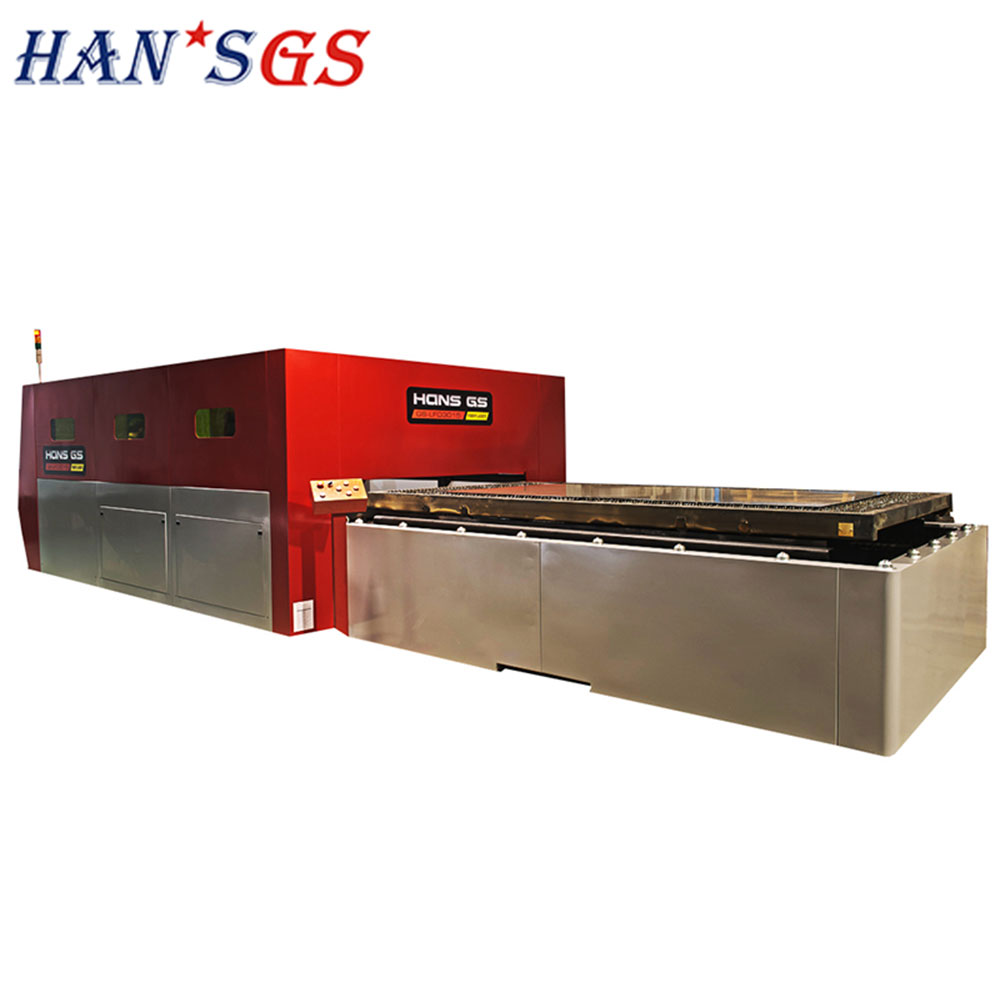
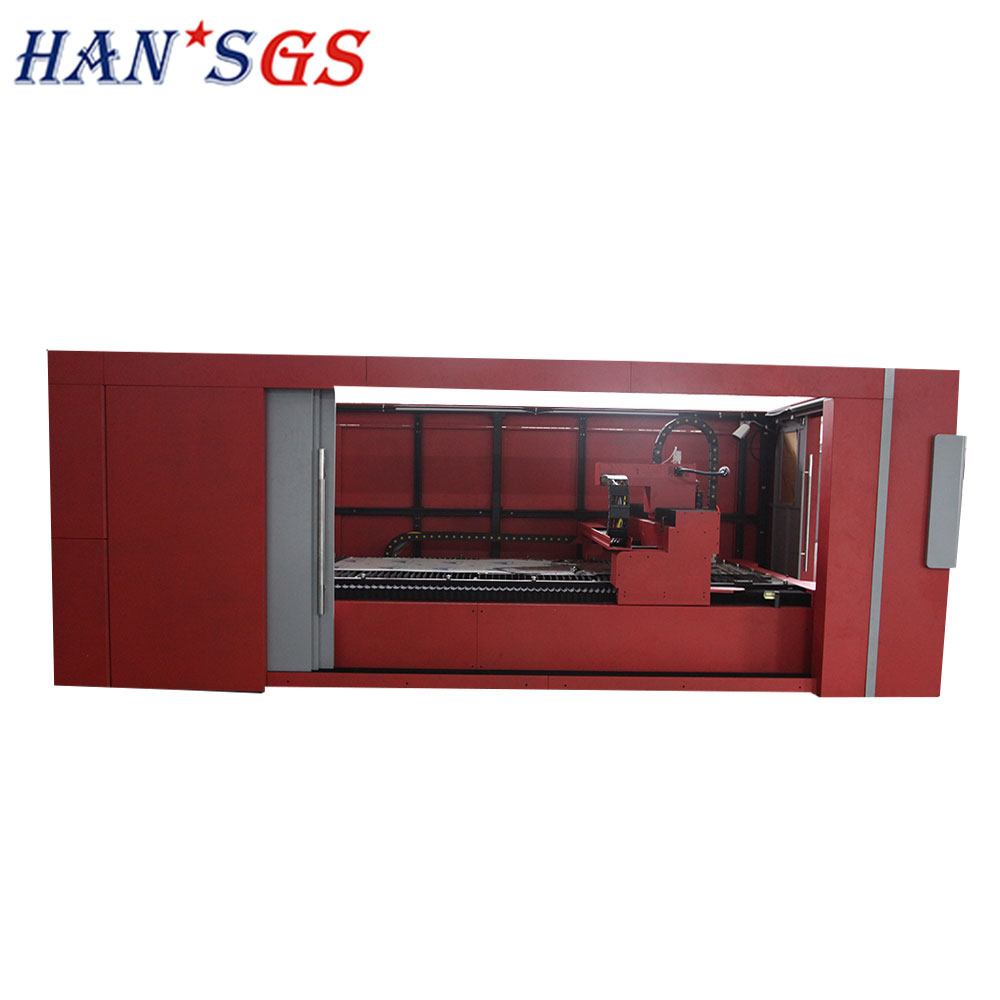
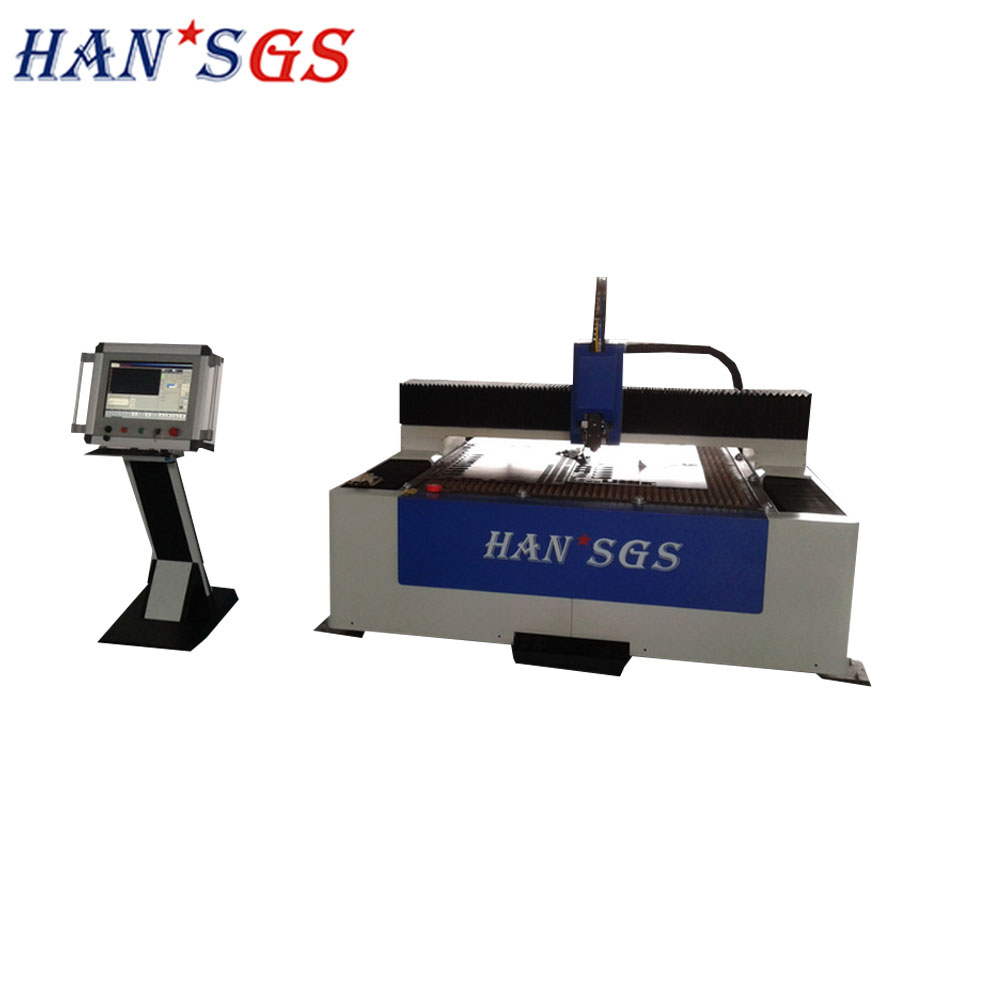
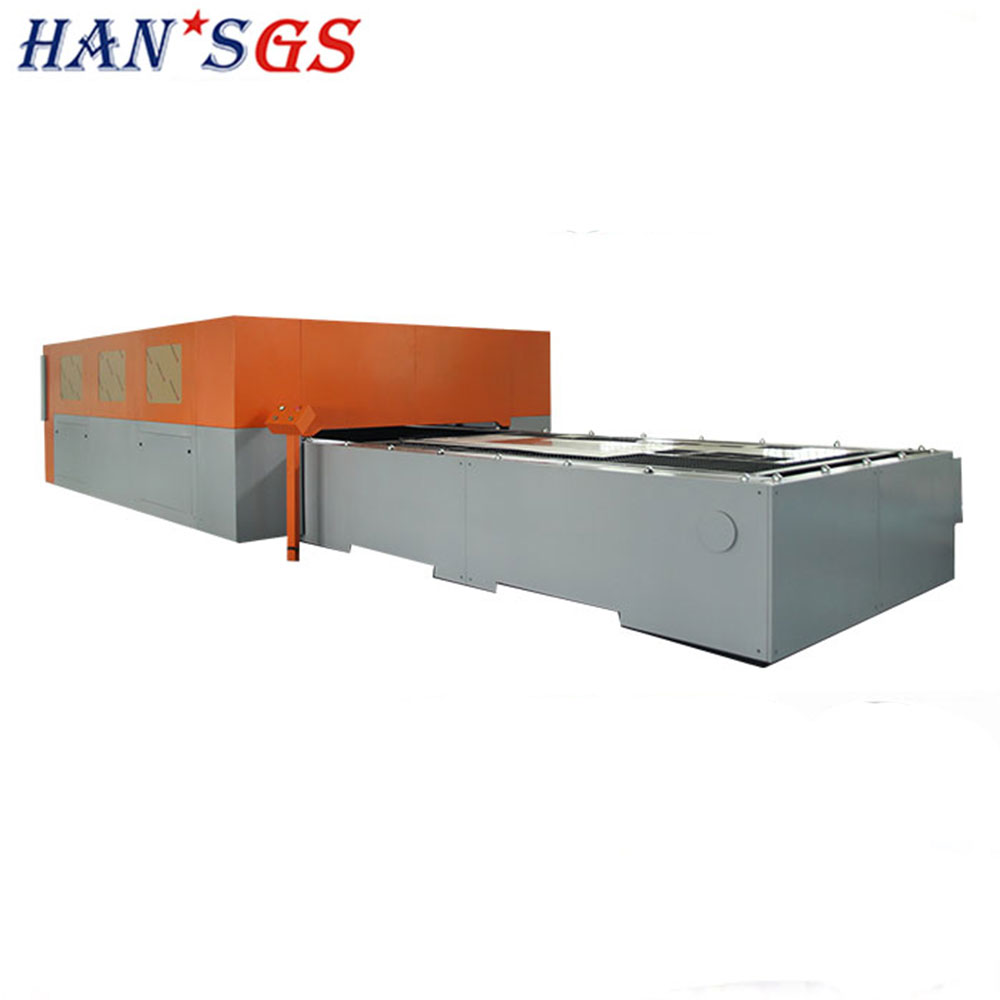
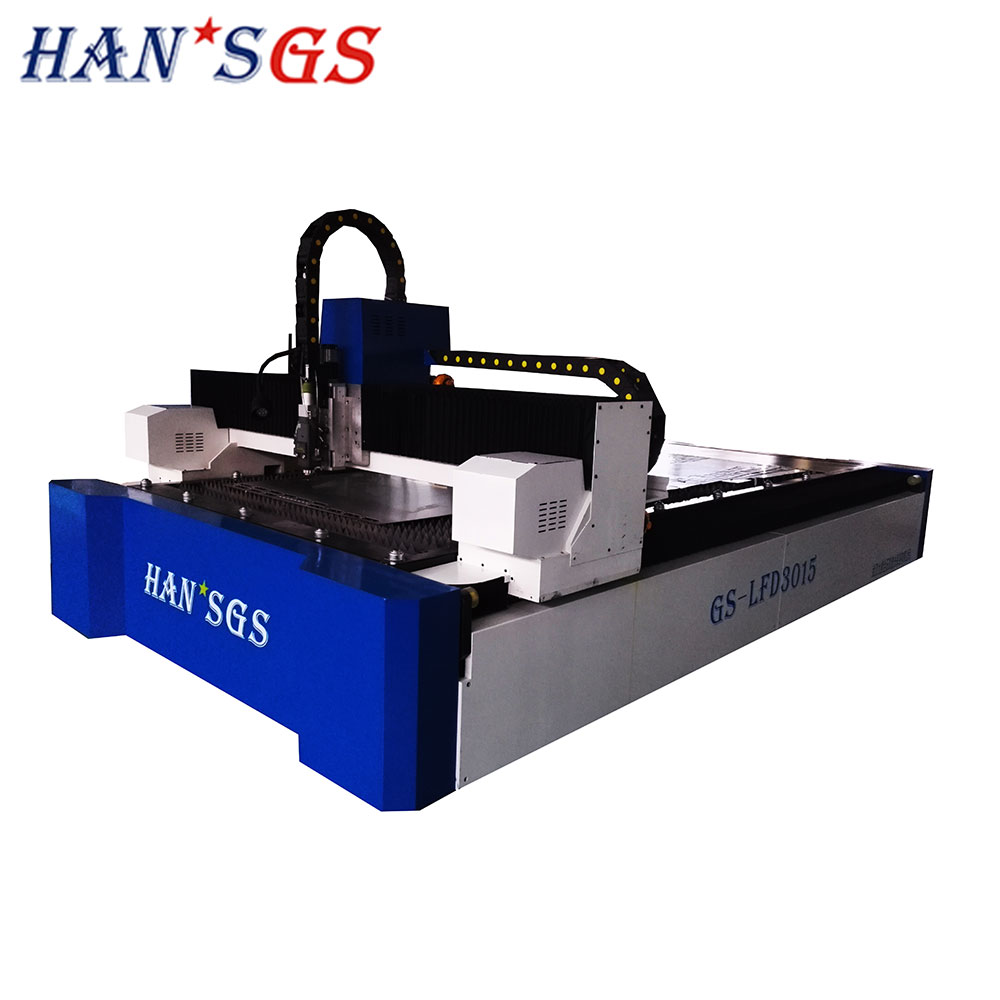
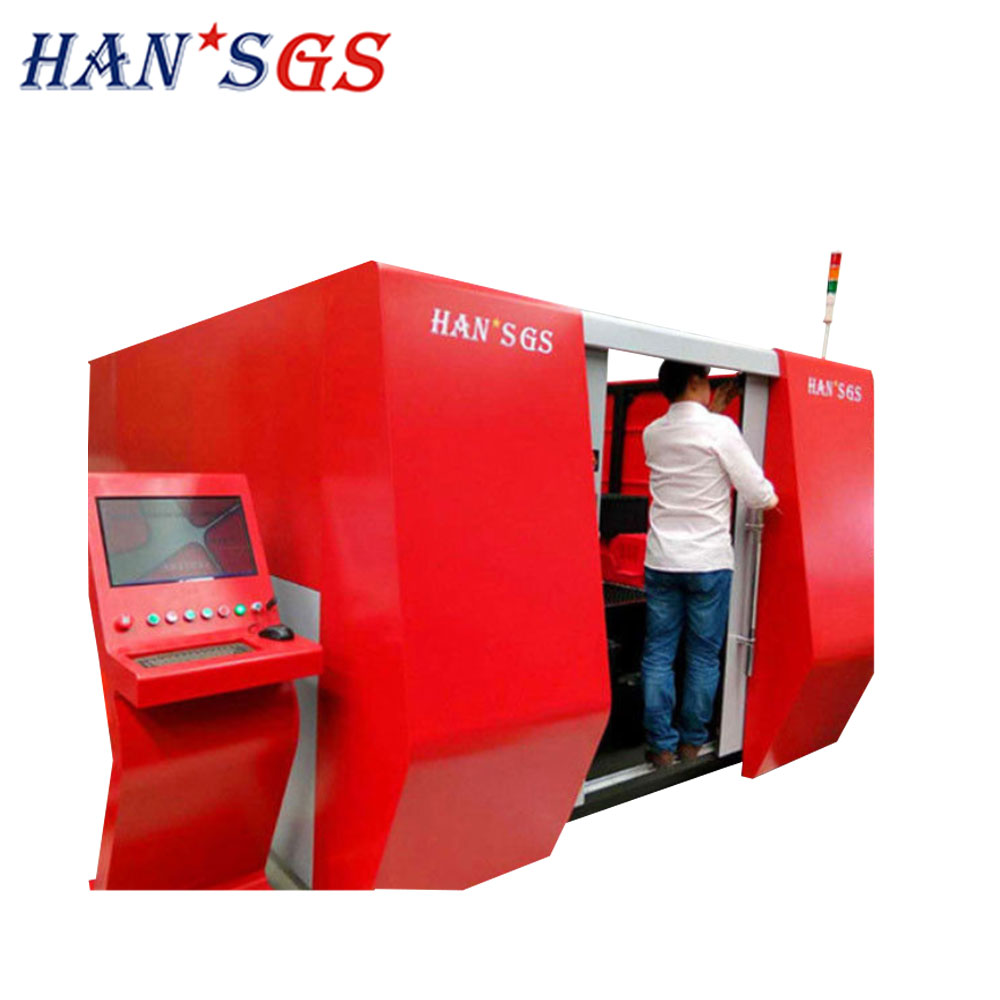
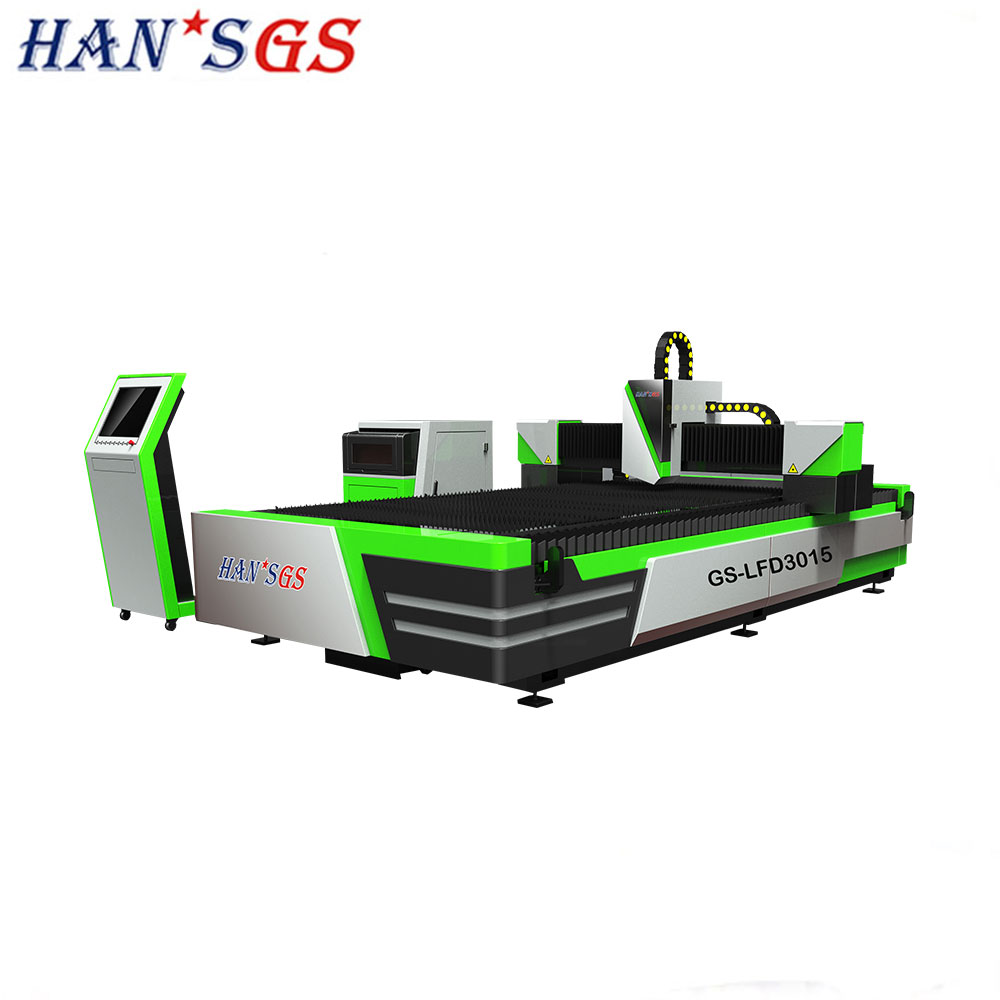
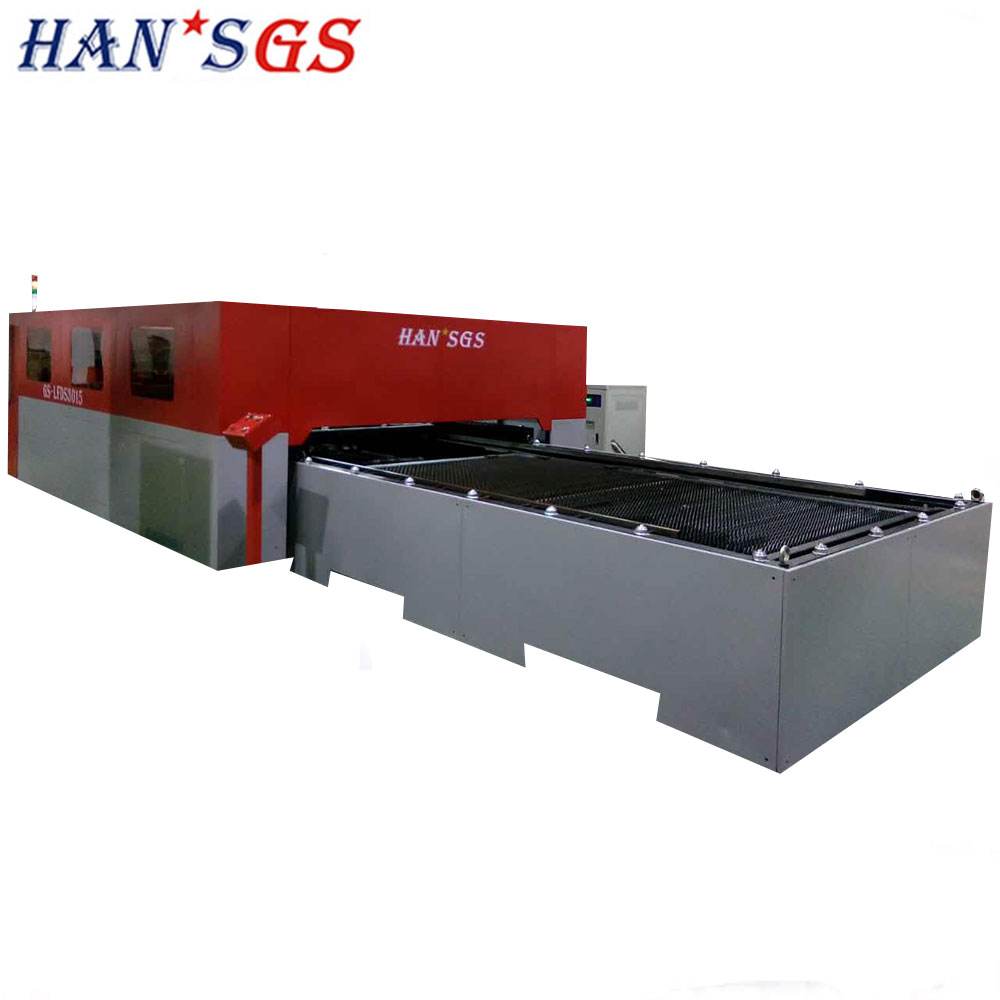
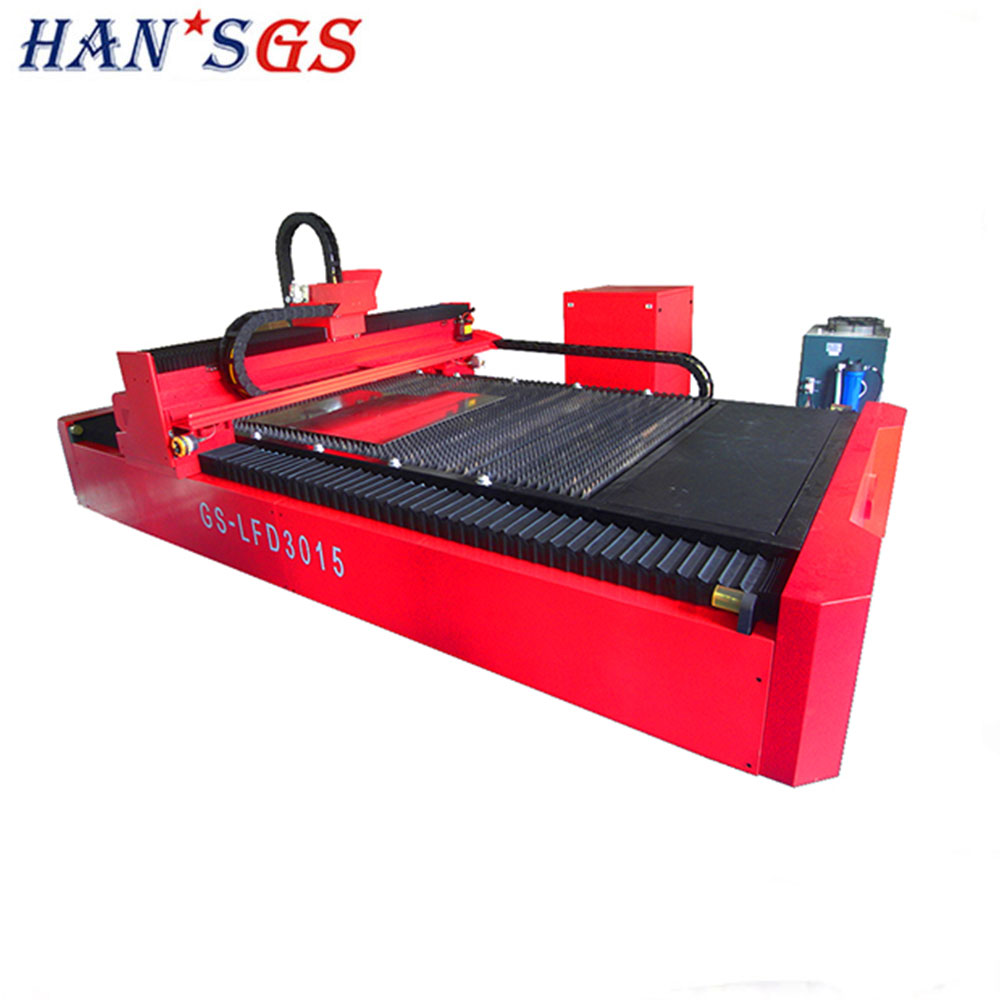
Source commercial-grade Laser Cutting Machines directly from vetted manufacturers and wholesale suppliers. Designed for industrial equipment importers, distributors, and brands requiring reliable OEM production, our network delivers high-performance fiber and CO2 laser systems built to exacting specifications.
Sourcing industrial laser cutting machines requires balancing cutting capacity with long-term operational stability. The core challenge is not simply finding a factory capable of assembling a machine, but identifying a manufacturer that utilizes genuine core components, rigorous bed-annealing processes, and precise gantry milling. Without a structurally sound chassis and properly integrated control systems, even premium laser sources will suffer from micro-vibrations, leading to poor edge quality and premature component failure.
Component Integration and Core Specifications
The performance of a laser cutter is dictated by the synergy between its laser source, cutting head, servo motors, and the machine bed. When evaluating suppliers, pay close attention to the specific brands and series of components they integrate.
| Specification | Fiber Laser Systems | CO2 Laser Systems |
|---|---|---|
| Primary Materials | Carbon steel, stainless, aluminum, brass | Acrylic, wood, leather, textiles, plastics |
| Typical Power Range | 1,000W to 30,000W+ | 40W to 600W |
| Maintenance | Solid-state, minimal maintenance | Requires mirror alignment, tube replacements |
| Operating Lifespan | Up to 100,000 hours (source) | 2,000 to 10,000 hours (tube) |
A common factory shortcut is pairing a high-end laser source (like IPG or Raycus) with an undersized water chiller or budget servo motors. This limits the machine's acceleration capabilities and risks thermal damage during continuous operation. Ensure your bill of materials (BOM) specifies the exact models for the laser generator, cutting head (e.g., RayTools, Precitec), servo drives (e.g., Yaskawa, Panasonic), and the rack and pinion system.
Need help verifying factory capabilities and securing genuine components for your laser equipment orders?
Talk to our teamFactory Floor Realities: Where Quality is Won or Lost
The structural integrity of the machine bed dictates the lifespan of the equipment. High-quality manufacturers weld the heavy-duty steel frame, subject it to high-temperature annealing (often up to 600 degrees Celsius) to release welding stress, and then let it cool naturally for several days. Finally, a large-scale CNC gantry milling machine is used to machine the guide rail seating surfaces in a single pass.
Factories cutting corners will skip the annealing process or use segmented milling, which inevitably leads to chassis deformation over time. Conducting comprehensive Factory Audits is critical to verify that the supplier actually owns the necessary large-scale heat treatment and milling equipment in-house, rather than outsourcing these critical steps to unverified third parties.
Essential Quality Control Checks
Before a machine is crated for export, rigorous testing must be documented. Implementing strict Quality Control & Inspection protocols ensures the machine meets your specified tolerances.
Pre-Shipment Inspection Focus Areas
- Interferometer testing: Verify positioning accuracy and repeatability across the entire X and Y axis travel.
- Cutting trials: Test maximum thickness on specified materials to check for dross, kerf width, and edge smoothness.
- Chiller performance: Monitor water temperature stability during a continuous 4-hour high-power test run.
- Electrical safety: Verify CE/FDA compliance, proper grounding, and emergency stop functionality.
Procurement Mechanics: Pricing, MOQ, and Lead Times
Laser cutting machines are capital-intensive, built-to-order equipment. While standard configurations exist, most industrial buyers customize bed sizes, power outputs, and enclosures based on their end-market requirements.
Pricing is highly volatile based on the wattage of the laser source. A 1.5kW entry-level fiber laser will price radically differently than a fully enclosed 12kW system with exchange tables. Furthermore, because these machines are oversized and sensitive to moisture, specialized crating (vacuum packing with desiccant) and securing proper flat-rack or open-top containers is necessary. Coordinating Shipping & Freight early in the procurement cycle prevents costly delays at the port of loading.
Ready to streamline your equipment sourcing and logistics? We manage the complexities of industrial procurement from factory floor to final delivery.
Get a free consultationBuyer FAQ
Successfully importing laser cutting machines requires looking past the spec sheet to scrutinize the chassis fabrication, component authenticity, and final assembly tolerances. Securing the right manufacturing partner ensures your equipment delivers consistent performance without costly downtime.
Get Sourcing Help for Laser Cutting Machines
Tell us your requirements and our experts will connect you with verified manufacturers.