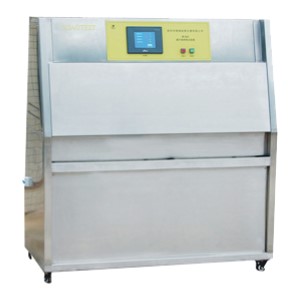
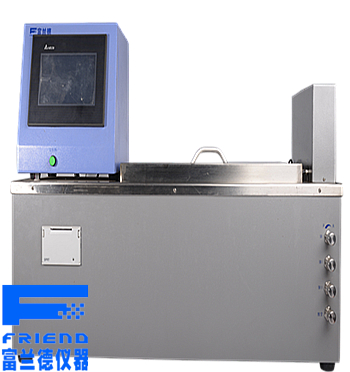
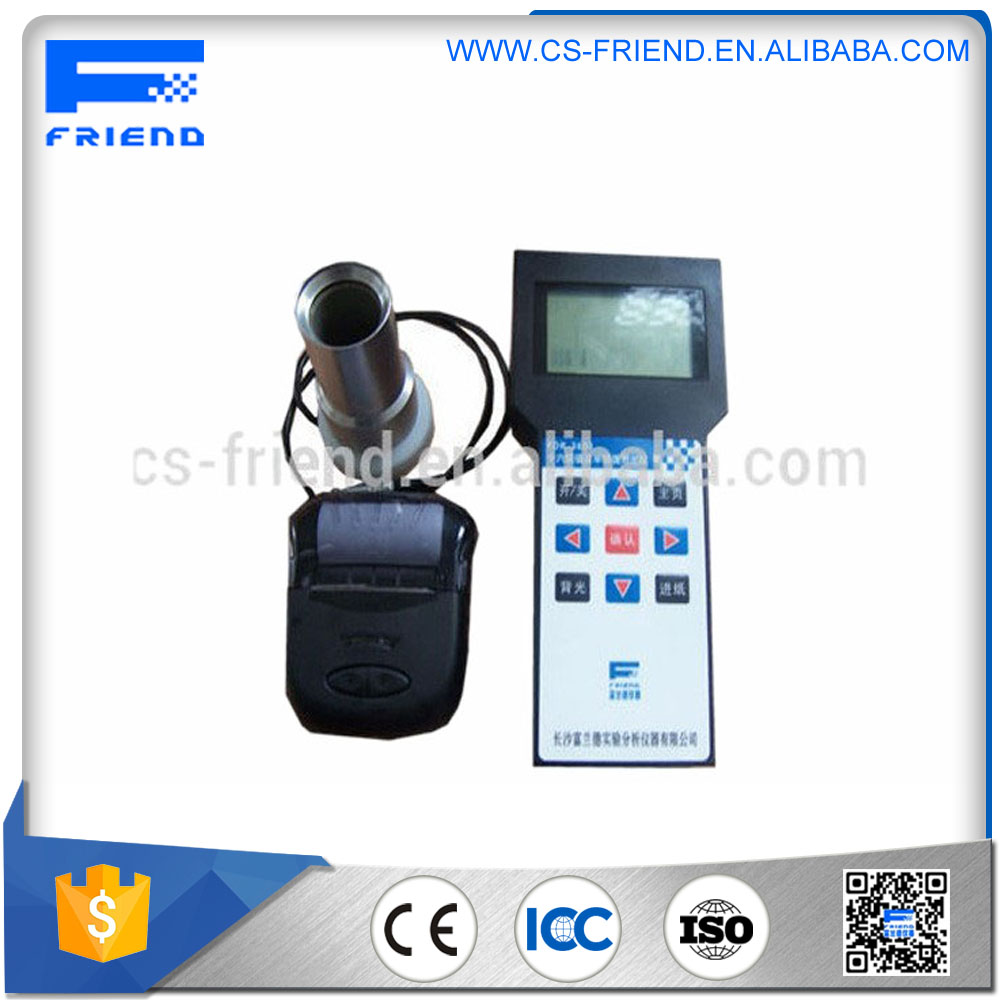
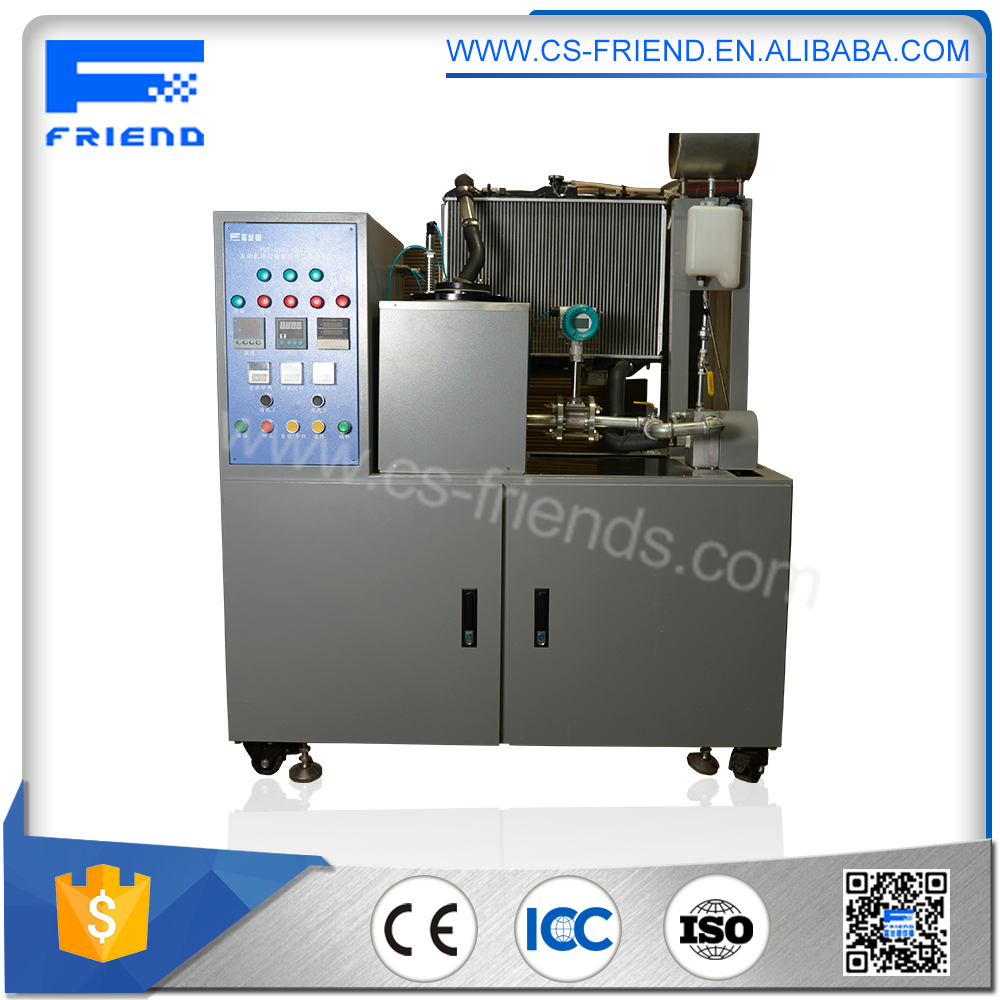
Laboratory Instruments
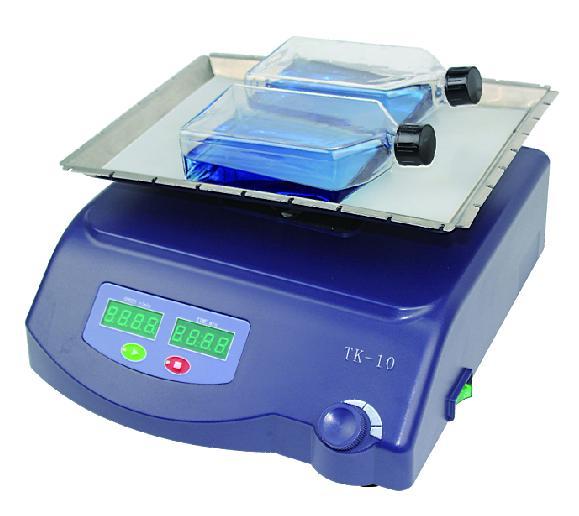
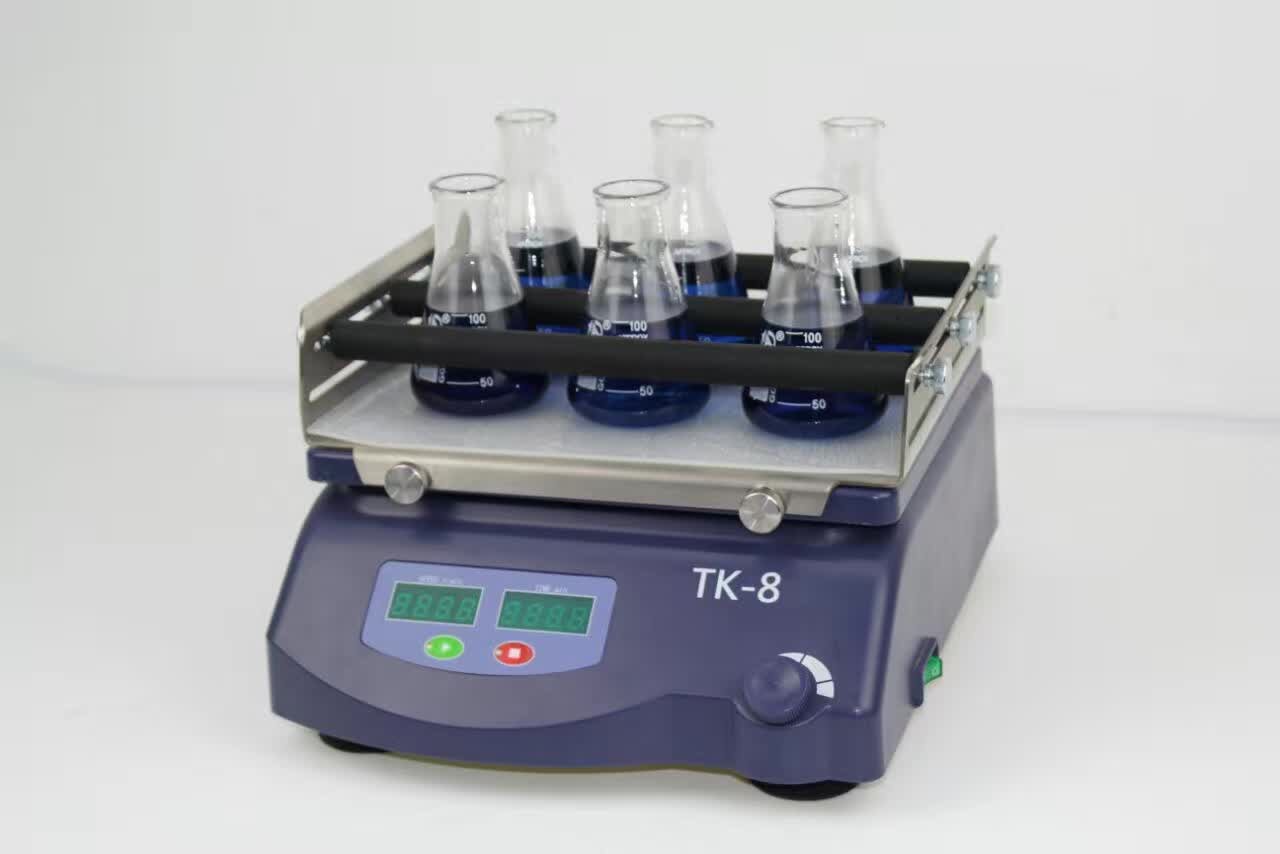
Source precision laboratory instruments from vetted manufacturers and suppliers in China and Asia. Designed for importers, wholesale distributors, and brands seeking reliable bulk procurement or OEM/ODM production, our network delivers high-performance analytical and testing apparatuses built to exact industry standards.
Sourcing laboratory instruments at scale requires navigating a strict matrix of precision tolerances, material stability, and international regulatory compliance. Whether you are procuring benchtop apparatuses for educational markets or complex analytical devices for industrial research, the margin for error is zero. A successful procurement strategy hinges on identifying manufacturers who possess genuine engineering capabilities, rather than assembly houses buying off-the-shelf components.
Core Specifications and Component Quality
The reliability of any laboratory instrument is dictated by its internal architecture and the quality of its primary sensors. When evaluating a supplier's technical competence, focus on the origins and specifications of these critical components.
- Sensors and Transducers: The accuracy of analytical equipment relies heavily on the load cells, optical sensors, or thermal probes used. Ask suppliers to specify the origin of these components. High-end Chinese manufacturers often import critical sensors from Germany or Japan while manufacturing the housing and PCBs locally to balance cost and precision.
- Material Integrity: Housings and contact parts must withstand harsh chemical environments. Specify 316L stainless steel for corrosive resistance, and ensure plastics are chemical-grade (such as PTFE or PEEK) rather than standard ABS.
- Data Connectivity and UI: Modern laboratory environments require integration with Laboratory Information Management Systems (LIMS). Ensure the instruments support standard protocols (RS232, USB, Ethernet) and output data in non-proprietary formats.
Evaluating technical specifications and sensor origins requires on-the-ground engineering knowledge. Let us help you verify your supplier's true capabilities.
Talk to our teamManufacturing Quality Control and Compliance
Laboratory instruments are heavily regulated. A factory's inability to maintain strict quality management systems will result in calibration drift, premature failure, or import seizure.
When conducting Factory Audits, verify that the facility operates under ISO 9001 at a minimum, with ISO 13485 being highly desirable for anything crossing into clinical applications. Furthermore, the factory's internal testing lab should ideally follow ISO/IEC 17025 standards for calibration and testing.
Critical In-Line & Pre-Shipment Inspection Points
- Calibration Verification: Testing against known standard reference materials (SRMs) to ensure zero-point stability and span accuracy.
- Electrical Safety Testing: Verifying compliance with IEC 61010-1 (safety requirements for electrical equipment for measurement, control, and laboratory use), including dielectric withstand and earth continuity tests.
- Environmental Stress Screening: Operating the instrument under extreme temperature and humidity cycles to detect thermal drift or electronic failure.
- Firmware and Software Validation: Ensuring all UI functions, data logging, and export protocols operate without fatal errors or data corruption.
Relying solely on factory-provided test reports is a common pitfall. Implementing independent Quality Control & Inspection protocols before the container is sealed is essential to catch calibration errors or assembly defects. Additionally, for markets like the EU or North America, rigorous Compliance & Testing (CE, RoHS, FCC, UL) must be verified through accredited third-party laboratories.
Buying Mechanics: Production, Customization, and Pricing
The laboratory instrument manufacturing hub in China is largely split between the Yangtze River Delta (Shanghai, Jiangsu) for heavy mechanical and high-end analytical equipment, and the Pearl River Delta (Shenzhen, Guangzhou) for electronics-heavy and digital optical instruments.
Pricing and Minimum Order Quantities (MOQs) vary significantly based on your sourcing model. White-labeling existing factory designs requires lower investment, while full custom development demands higher upfront costs for tooling and software engineering.
| Sourcing Model | Typical MOQ | Customization Level | Tooling / NRE Costs |
|---|---|---|---|
| White-Label (Off-the-shelf) | 50 - 200 units | Logo, packaging, basic UI colors | Minimal to none |
| ODM (Modified design) | 200 - 500 units | Custom housing, specific sensor integration | Moderate (housing molds) |
| OEM (Full custom) | 500+ units | Ground-up engineering, proprietary software | High (full tooling & R&D) |
If you are developing proprietary equipment, utilizing professional OEM/ODM Services ensures that intellectual property is protected and that the transition from prototype to mass production is managed tightly.
Negotiating MOQs, managing tooling costs, and securing favorable payment terms can be complex. Speak with our sourcing experts to optimize your procurement strategy.
Get a free consultationFrequently Asked Questions
Procuring laboratory instruments is an exercise in risk management. Success requires moving beyond superficial specifications to validate the underlying engineering, component quality, and quality control systems of the factory. By treating the sourcing process as a technical partnership rather than a simple transactional purchase, you can secure reliable, high-margin equipment for your market.
Get Sourcing Help for Laboratory Instruments
Tell us your requirements and our experts will connect you with verified manufacturers.