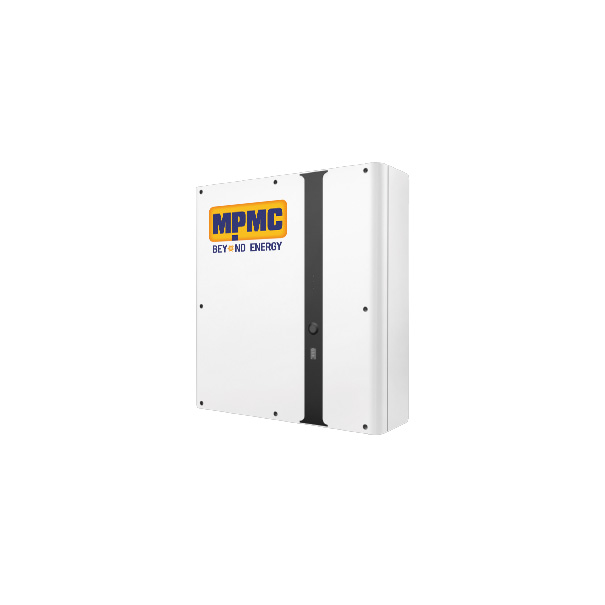
Industrial & Commercial Energy Storage
Source reliable Industrial & Commercial Energy Storage systems from vetted manufacturers and wholesale suppliers in China. Designed for importers, distributors, and brands seeking OEM or private-label production, our verified network delivers scalable battery energy storage solutions built to international compliance standards.
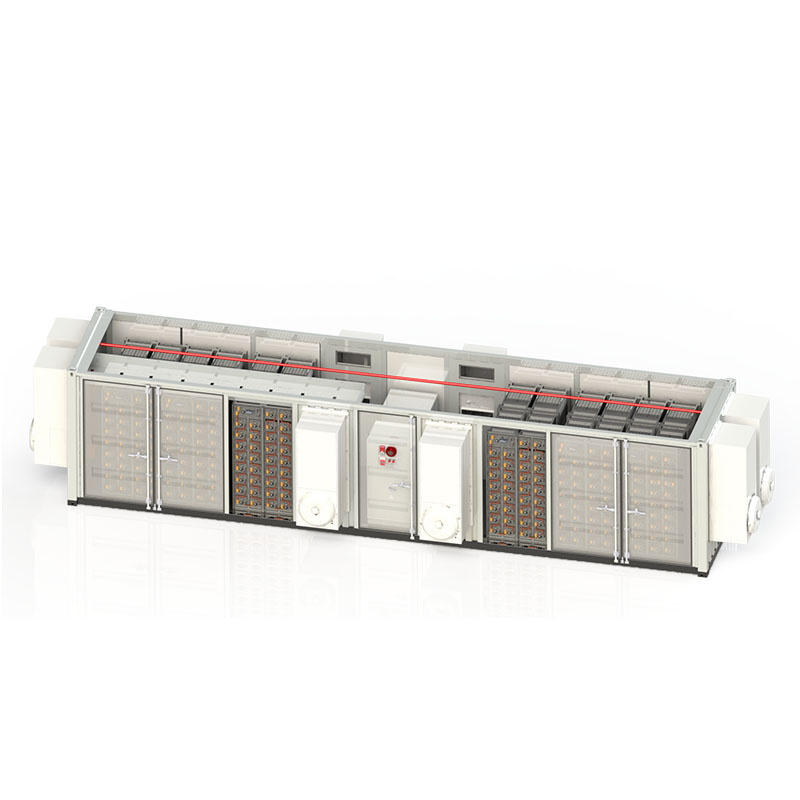
Industrial and commercial energy storage systems (C&I ESS) are critical infrastructure for peak shaving, load shifting, backup power, and microgrid stabilization. Sourcing these high-capacity battery systems at scale requires strict attention to cell consistency, Battery Management System (BMS) reliability, and thermal management architecture. A failure in any of these core components cascades into rapid degradation, severe safety hazards, and voided warranties.
When purchasing C&I storage solutions in bulk or developing custom OEM configurations, mitigating risk at the factory level is as important as the system specifications themselves.
Core Specifications and Cell Chemistry
Most modern commercial applications demand Lithium Iron Phosphate (LiFePO4 or LFP) due to its superior thermal stability and extended cycle life. While Nickel Manganese Cobalt (NMC) offers higher energy density, its shorter lifespan and higher thermal runaway risk make it less suitable for stationary commercial storage.
When specifying systems with manufacturers, buyers must define the nominal capacity (kWh or MWh), rated power (kW or MW), Depth of Discharge (DoD) parameters, and continuous charge/discharge C-rates.
| Specification | LFP (LiFePO4) Systems | NMC Systems |
|---|---|---|
| Typical Cycle Life | 6,000 to 8,000+ cycles | 2,000 to 3,000 cycles |
| Thermal Stability | Excellent (High runaway threshold) | Moderate (Requires aggressive cooling) |
| Energy Density | Moderate | High |
| Primary C&I Use Case | Daily load shifting, peak shaving | Space-constrained installations |
Manufacturing Variances and Quality Control
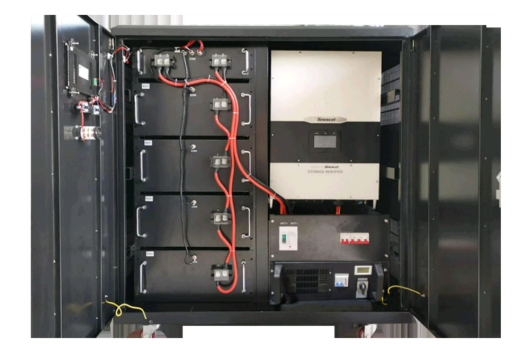
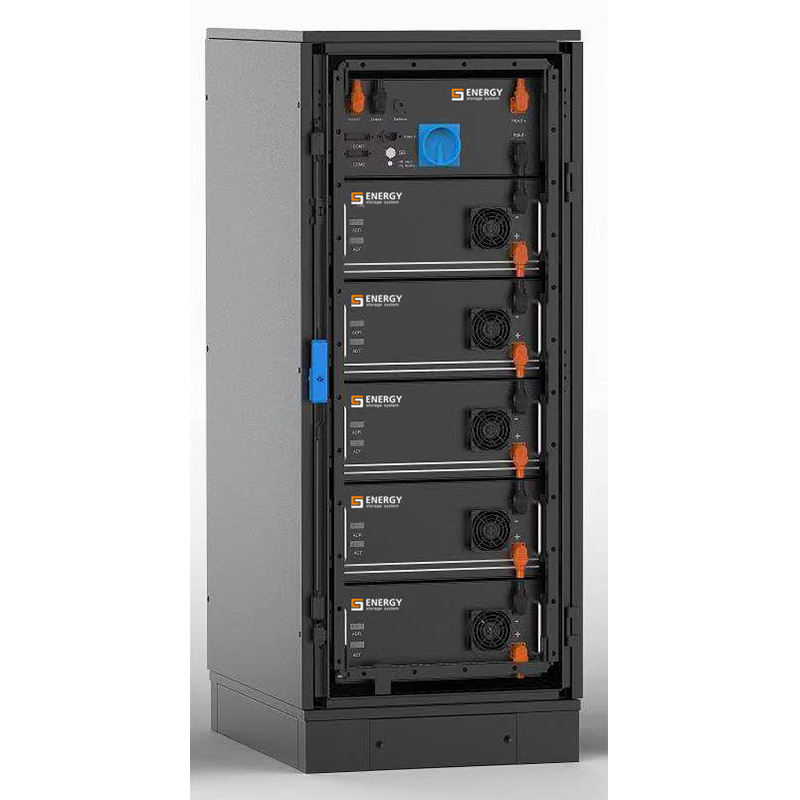
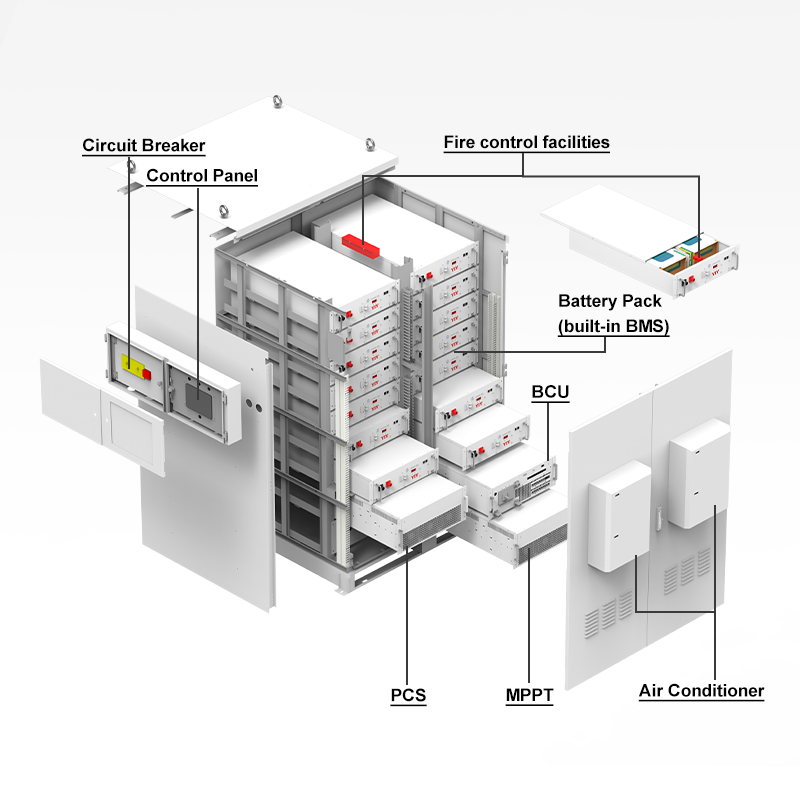
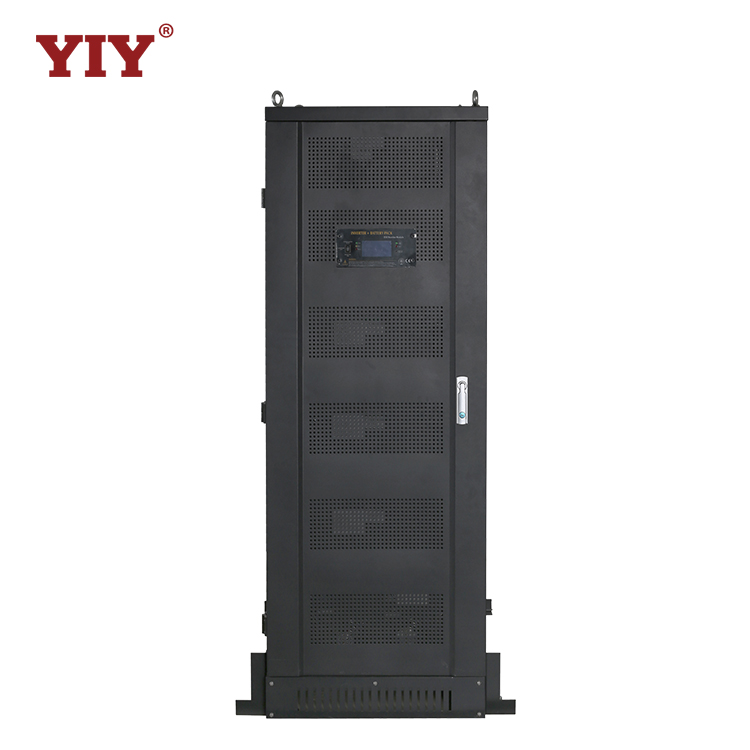
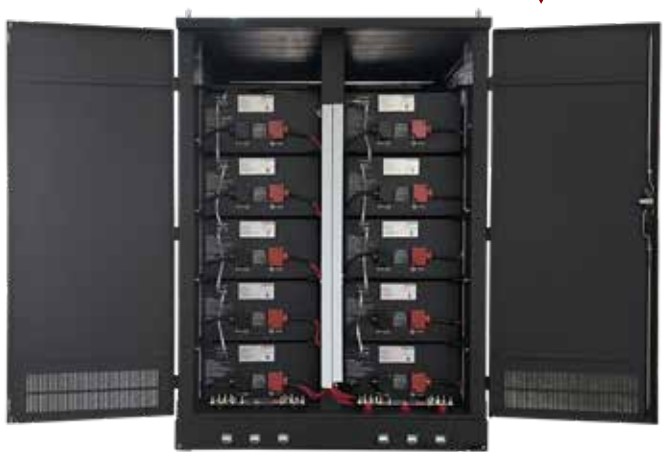
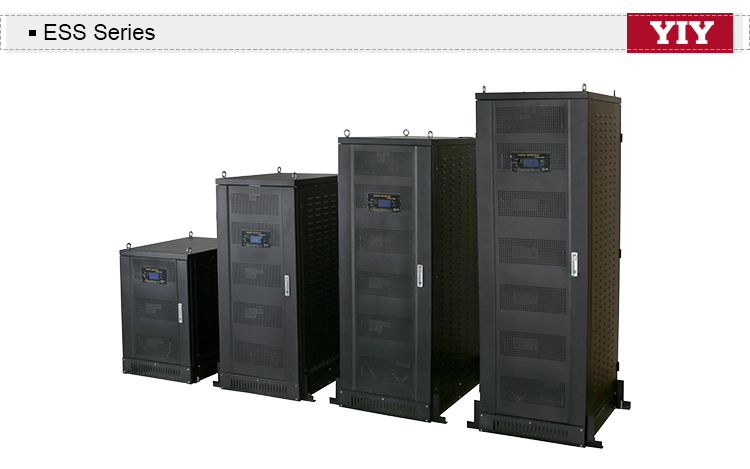
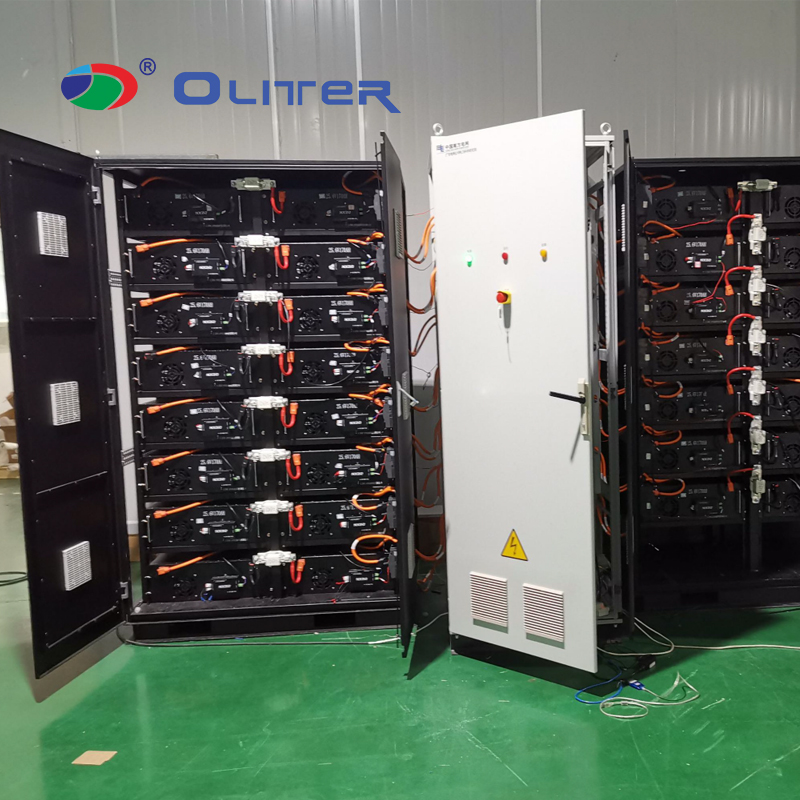
The difference between a tier-one commercial energy storage cabinet and a high-failure unit is rarely visible from the outside. Quality is determined on the factory floor through automated cell grading, laser welding precision on the busbars, and rigorous end-of-line testing.
Inconsistent internal resistance among cells in a single module will cause the BMS to throttle the entire rack, artificially reducing the system's usable capacity. Verifying a supplier's production capabilities through professional factory audits is essential before committing to a high-value ESS order.
Critical Factory-Level Quality Checks
- Automated cell sorting and grading for voltage and internal resistance matching.
- Laser welding penetration depth on busbars to prevent hot spots.
- BMS protocol compatibility testing with target inverters (e.g., Deye, Growatt, SMA).
- Active and passive thermal management system stress tests.
- IP rating verification for outdoor-rated cabinets (IP54 or IP65).
Ensure your energy storage supplier meets strict international safety and performance standards.
Talk to our teamCertification and Market Compliance
Navigating regulatory requirements is a primary hurdle in importing commercial energy storage. Systems must be certified not just at the cell level, but at the module and pack level.
Key certifications include UL 1973 (Batteries for Use in Stationary Applications), UL 9540 (Energy Storage Systems and Equipment), and IEC 62619. Furthermore, transporting these high-capacity lithium systems requires UN38.3 certification and strict adherence to Class 9 hazardous materials shipping protocols. Integrating rigorous compliance testing into your sourcing strategy prevents costly customs seizures and grid-interconnection rejections.
Buying Mechanics: MOQs, Lead Times, and Pricing
Pricing for C&I energy storage is highly dependent on raw lithium commodity prices, the sophistication of the BMS, and the scale of the thermal management system (liquid cooling versus forced air).
For custom OEM/ODM projects or megawatt-scale containerized solutions, manufacturers operate on milestone-based payment schedules. Implementing pre-shipment quality control and Factory Acceptance Testing (FAT) ensures the system performs to your exact specifications before the final balance is paid and the units are loaded onto the vessel.
Streamline your procurement process and secure accurate pricing for your next commercial storage project.
Get a free consultationFrequently Asked Questions
Successful procurement of industrial and commercial energy storage requires looking past the headline price per kilowatt-hour. Total cost of ownership is dictated by system longevity, safety, and seamless grid integration—factors that are secured entirely through rigorous supplier vetting and strict oversight during production.
Get Sourcing Help for Industrial & Commercial Energy Storage
Tell us your requirements and our experts will connect you with verified manufacturers.