Flaw Detectors
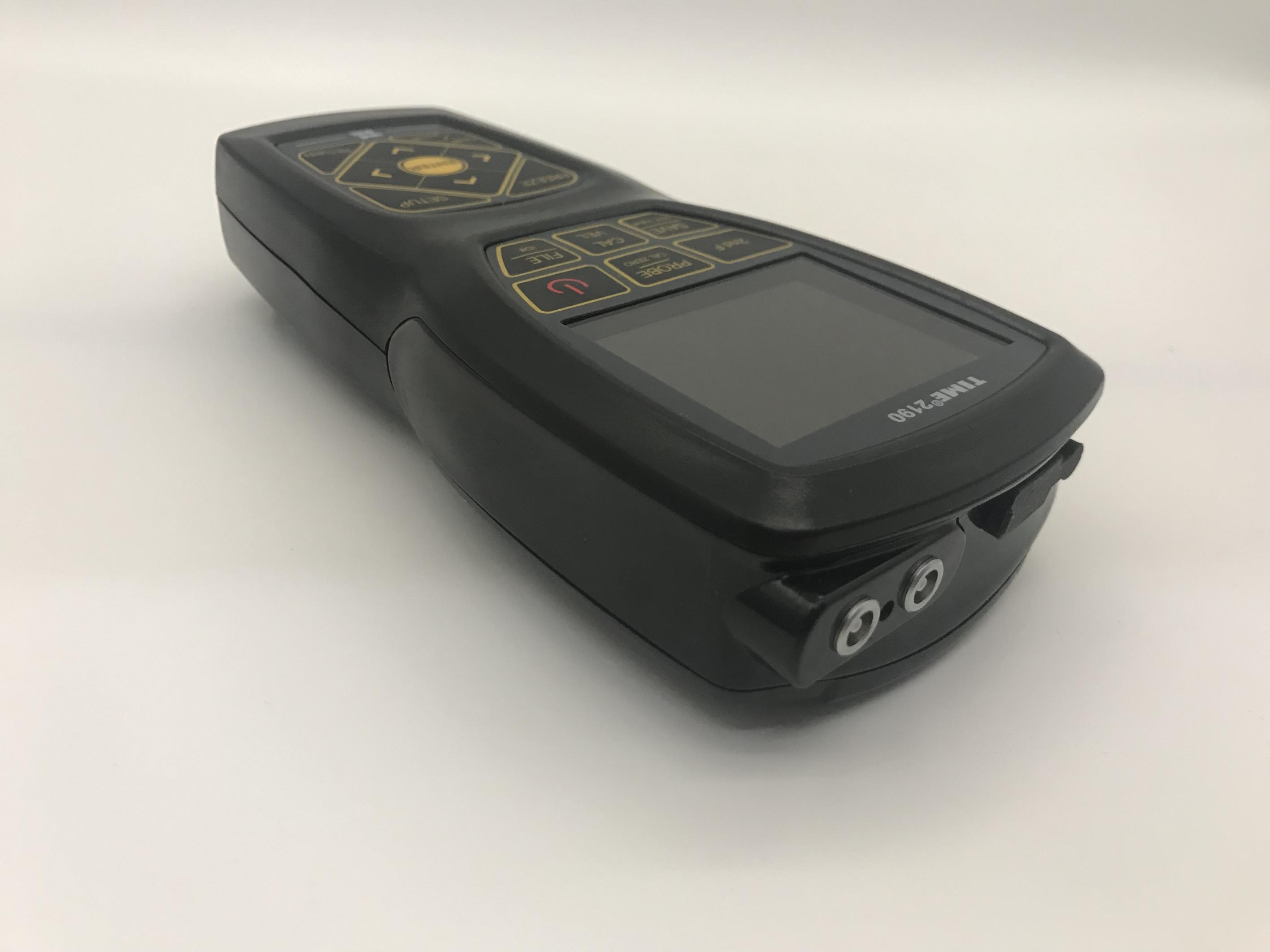
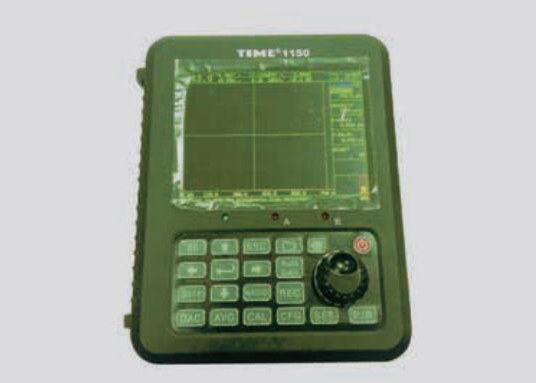
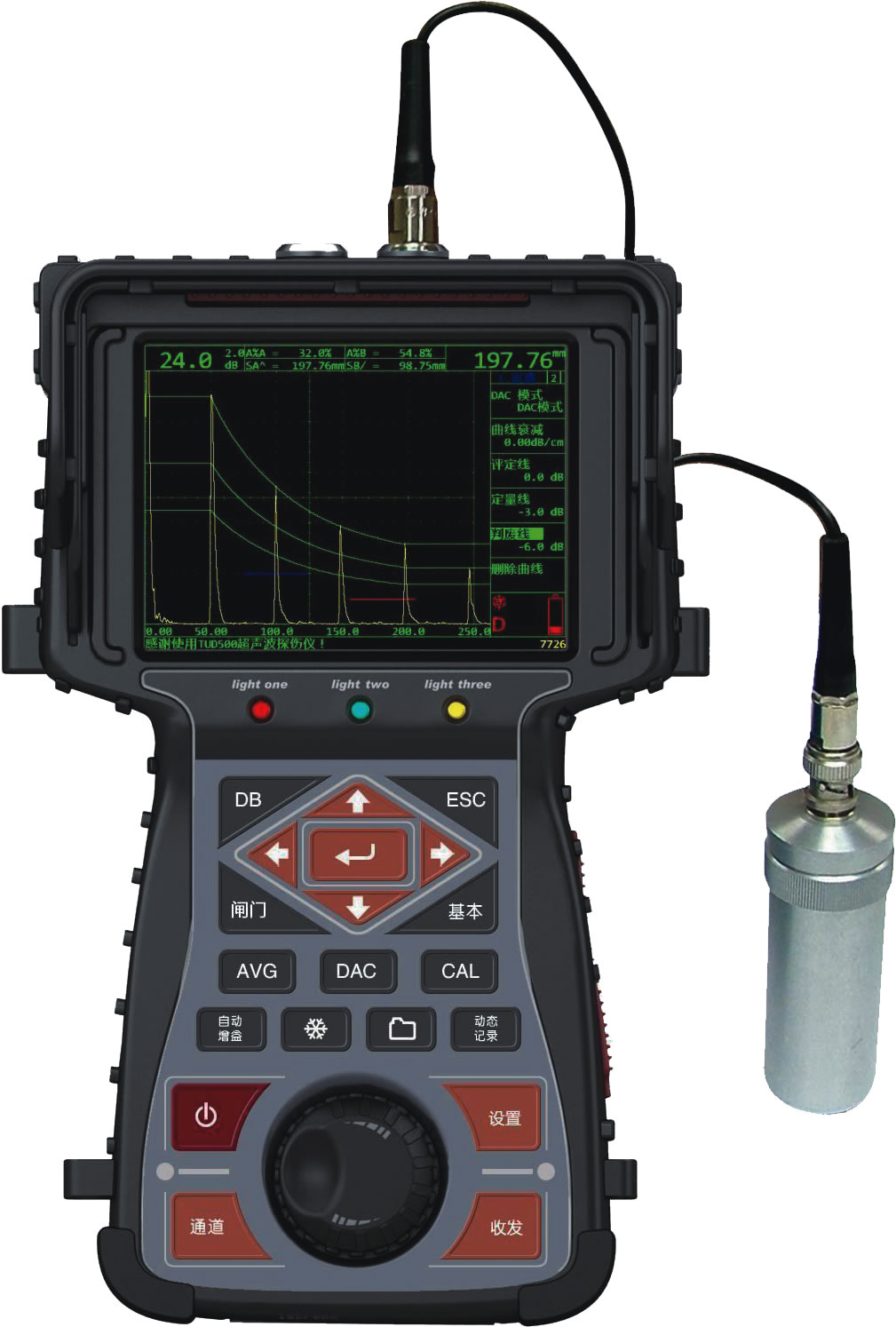
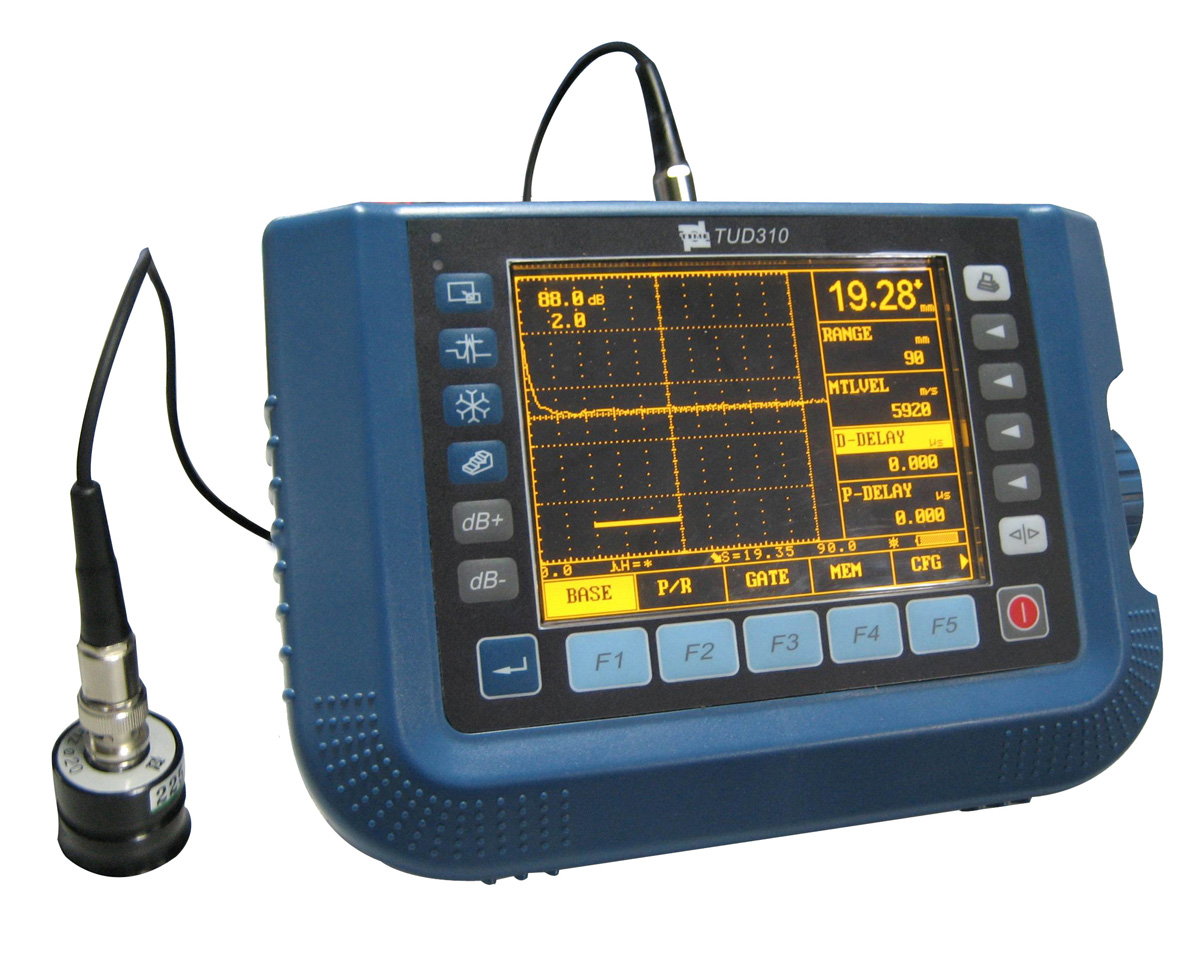
Source high-precision flaw detectors directly from vetted Chinese manufacturers and suppliers. Designed for importers, industrial wholesalers, and brands seeking reliable OEM/ODM non-destructive testing (NDT) equipment, our catalog features bulk pricing on ultrasonic, magnetic, and eddy current testing units built to international standards.
Sourcing industrial non-destructive testing (NDT) equipment requires a strict tolerance for accuracy. When buying flaw detectors in bulk—whether for wholesale distribution or under a private label—the primary challenge is separating assemblers of generic, noisy electronics from true instrument manufacturers who understand signal integrity, transducer matching, and international NDT standards.
Critical Specifications for Bulk Buyers
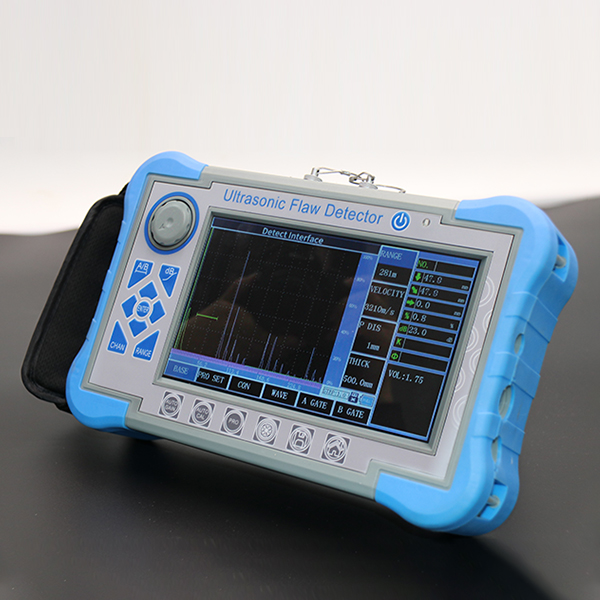
The majority of flaw detectors sourced from Asia are Ultrasonic (UT) and Eddy Current models. When evaluating a supplier's technical capability, scrutinize their baseline specifications. If a manufacturer cannot provide detailed, verifiable data on amplifier performance and digitizer rates, their units will likely fail in the field.
Transducer and Connector Standards
The flaw detector is only as good as its transducer. Ensure the factory uses industry-standard connectors (such as BNC or LEMO 00/01) to guarantee compatibility with aftermarket probes. High-quality suppliers will offer a range of straight beam, angle beam, and dual-element transducers with documented center frequencies and bandwidths.
Manufacturing Quality and Common Defects
In the NDT sector, a "cheap" flaw detector often costs more in rejected batches and reputational damage. Poorly manufactured units typically suffer from high baseline noise, inaccurate A-scan representations, and rapid battery degradation.
Need to verify a manufacturer's technical capabilities before placing a volume order?
Talk to our teamTo ensure reliability, your sourcing strategy must include rigorous factory evaluation. We strongly recommend comprehensive Factory Audits to verify that the supplier has the necessary calibration blocks, oscilloscope testing stations, and a clean-room environment for PCB assembly.
Pre-Shipment Inspection Checklist for Flaw Detectors
- Signal-to-noise ratio (SNR) verification on standard calibration blocks (e.g., IIW Type 1 or 2).
- Linearity testing (both horizontal and vertical) to ensure compliance with EN 12668-1.
- Housing durability and IP rating verification (minimum IP65 for industrial use).
- Software stability checks, including data logging and USB/Wi-Fi export functions.
- Battery discharge testing and charging cycle verification.
If you cannot perform these checks yourself, utilizing professional Quality Control & Inspection services is non-negotiable for this product category.
OEM/ODM Customization Capabilities
Many distributors and brands utilize OEM/ODM Services to differentiate their NDT product lines. True manufacturers will allow deep customization, rather than just slapping a logo on a generic casing.
Customization options typically include:
- Firmware/Software Localization: Translating the UI into specific European or Asian languages, and customizing the DAC/AVG curve plotting algorithms.
- Housing Modifications: Upgrading the casing to ruggedized, double-molded rubber for harsh environments (e.g., offshore oil rigs or mining).
- Hardware Tweaks: Upgrading the display to high-brightness, sunlight-readable TFT-LCD screens, or integrating specific data-export protocols.
Software Intellectual Property
When customizing firmware, ensure the factory is not simply cloning proprietary software from major Western NDT brands. This can lead to severe customs seizures and IP litigation. Always verify their in-house R&D capabilities.
Pricing Tiers, MOQs, and Lead Times
Pricing for flaw detectors varies significantly based on the digitizer speed, screen quality, and software features. Standard MOQs for unbranded or lightly branded units often range from 10 to 50 units, while custom OEM housing or heavy firmware modifications usually require MOQs of 100 to 300 units.
| Equipment Tier | Typical Application | Display & Interface | Estimated Lead Time |
|---|---|---|---|
| Basic Digital UT | Welding inspection, basic thickness | 5-inch standard LCD, basic keypad | 25 to 35 days |
| Advanced UT/Phased Array | Aerospace, complex geometries | 7+ inch high-brightness, touch/hybrid | 45 to 60 days |
| Eddy Current (ECT) | Surface cracks, tube inspection | High refresh rate TFT | 30 to 45 days |
Looking to negotiate better terms and pricing for your NDT equipment sourcing?
Get a free consultationFrequently Asked Questions
Sourcing flaw detectors requires balancing technical precision with cost efficiency. By partnering with factories that possess genuine R&D capabilities and enforcing strict pre-shipment calibration checks, you can secure industrial-grade NDT equipment that performs reliably in the field.
Get Sourcing Help for Flaw Detectors
Tell us your requirements and our experts will connect you with verified manufacturers.