Fire Engines
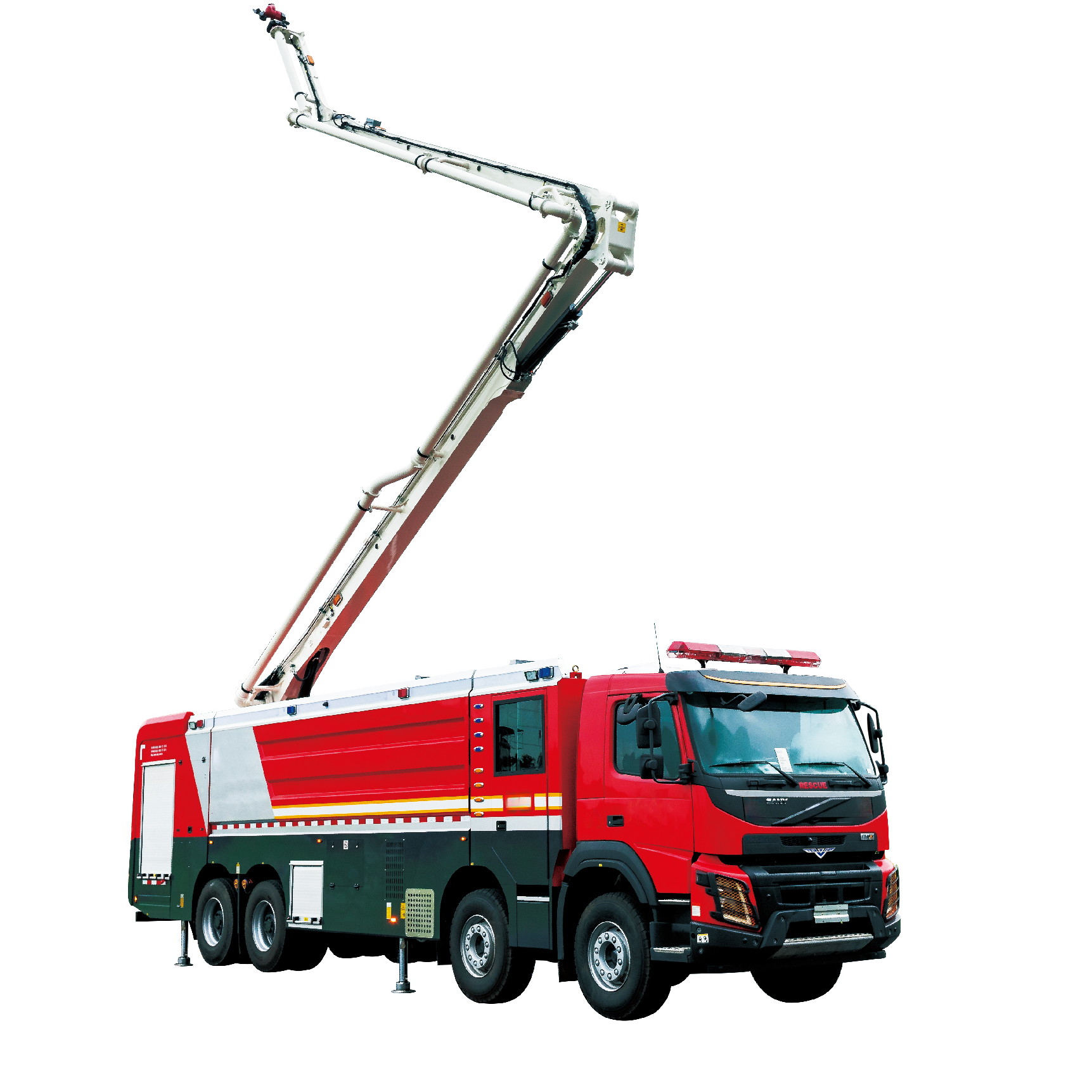
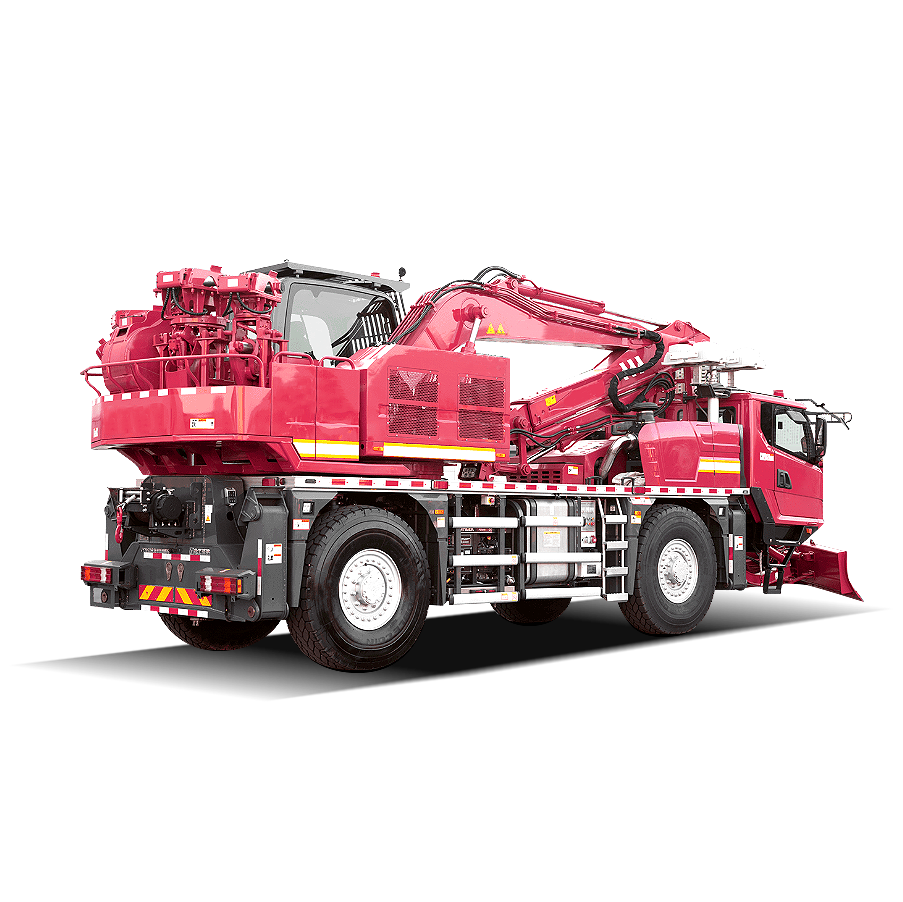
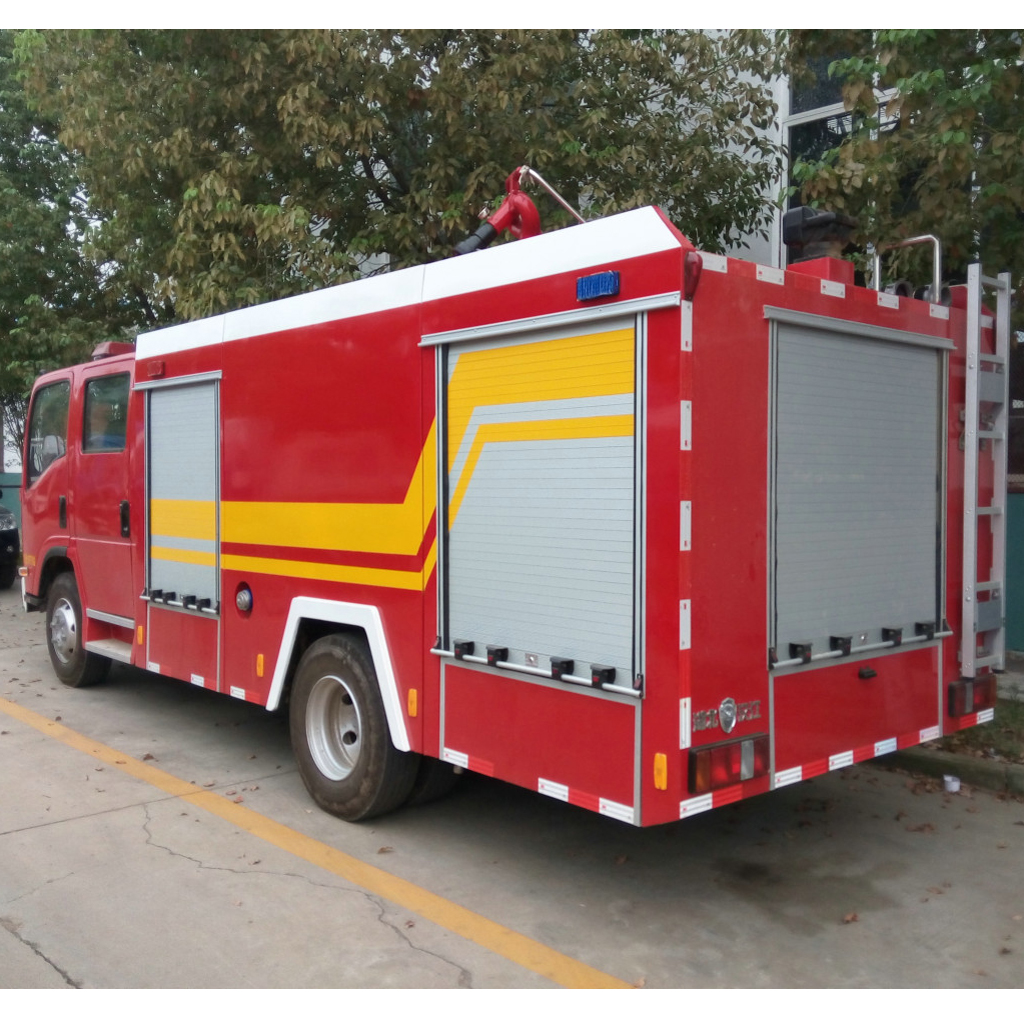
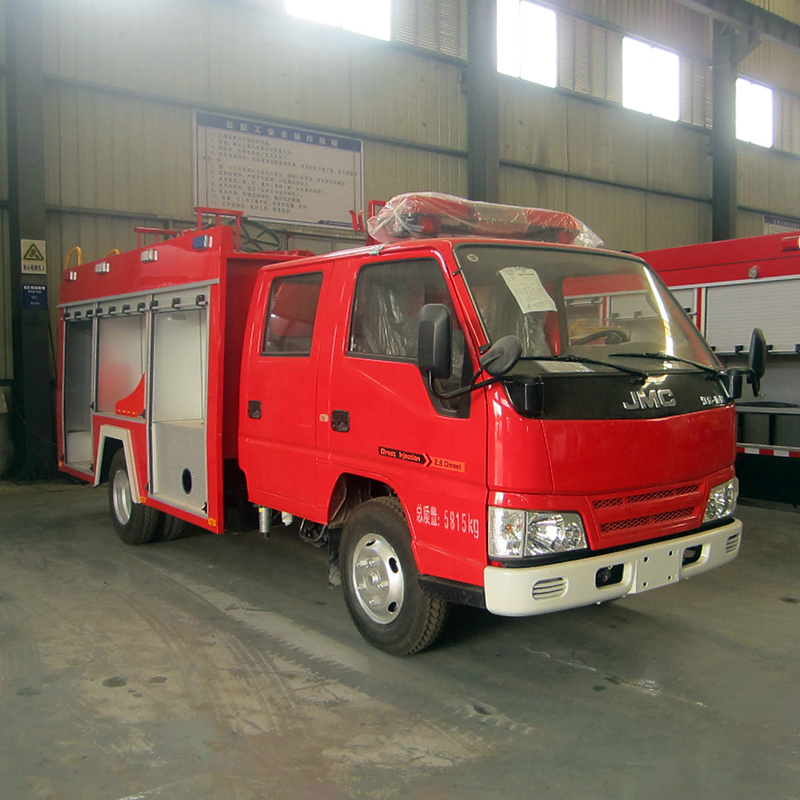
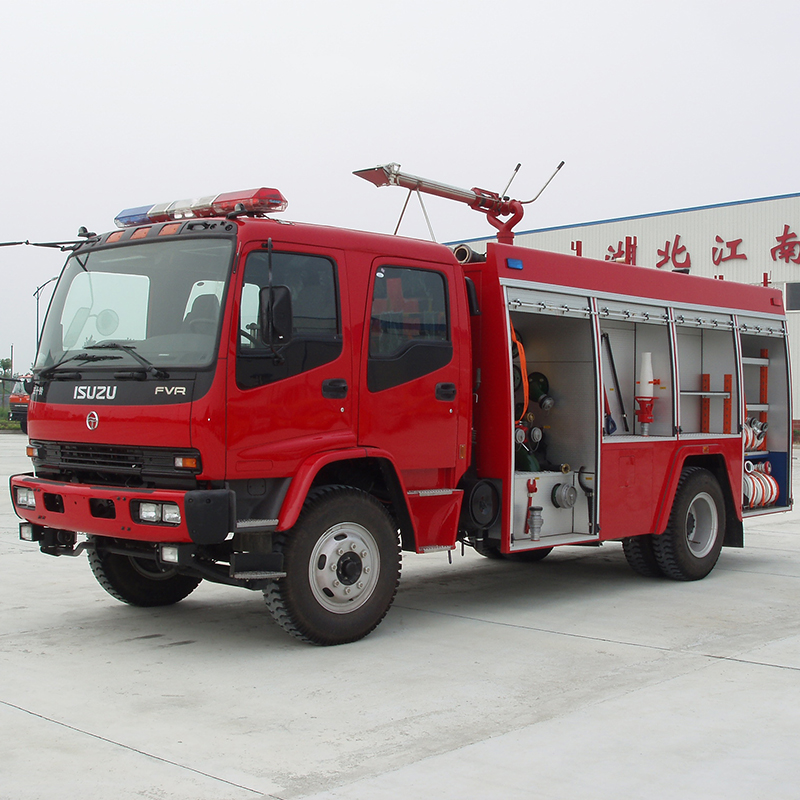
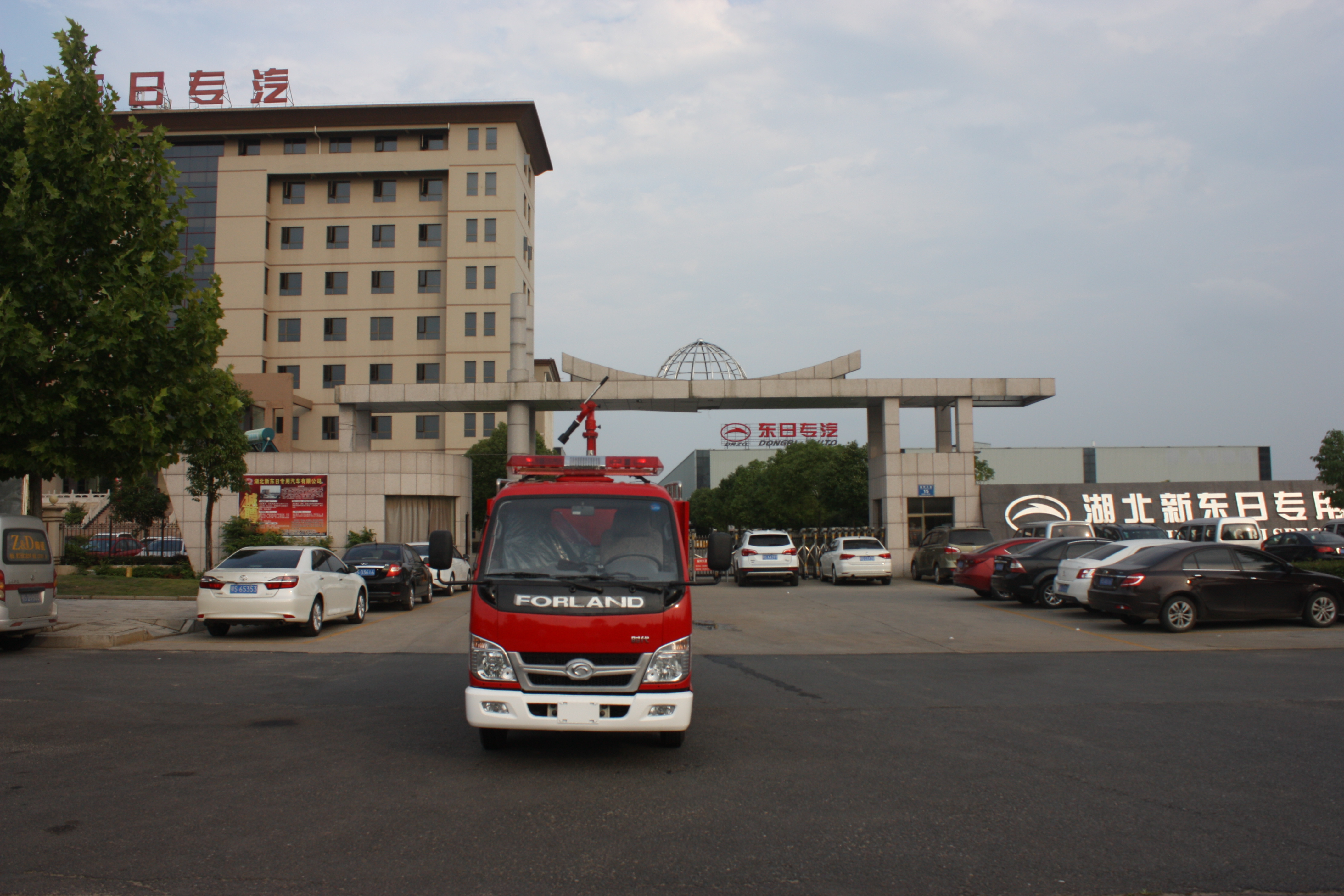
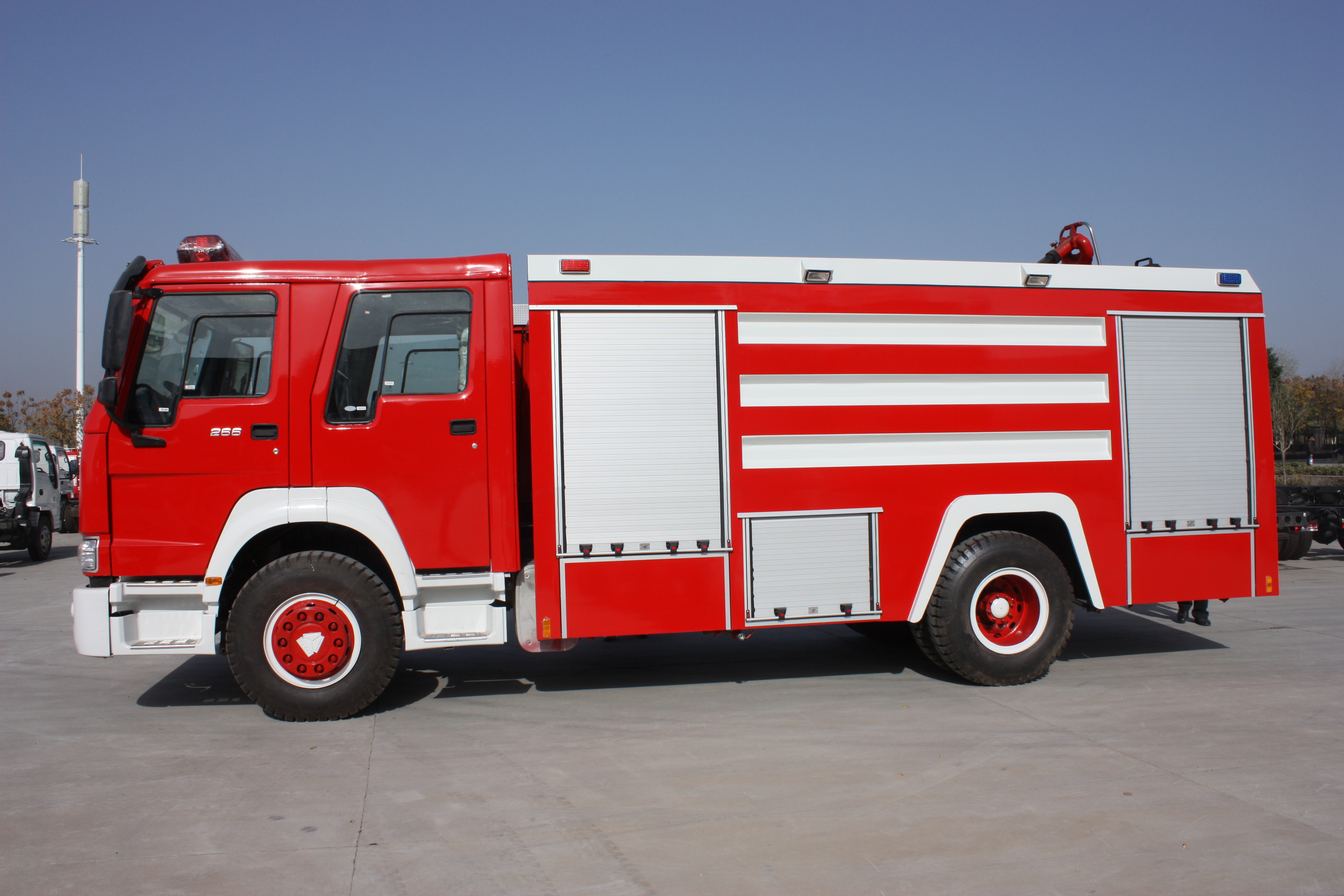
Source heavy-duty fire engines from vetted suppliers and manufacturers across Asia. Designed for procurement managers, distributors, and municipal importers, our wholesale selection offers reliable OEM and custom firefighting vehicles built to stringent international safety and operational standards.
Sourcing municipal or industrial fire engines requires a deep understanding of heavy vehicle integration, high-pressure hydraulics, and stringent safety standards. When procuring these specialized vehicles from overseas manufacturers, the difference between a reliable fleet asset and a maintenance liability lies in how the firefighting superstructure is engineered and mated to the commercial chassis.
Chassis Integration and Core Specifications
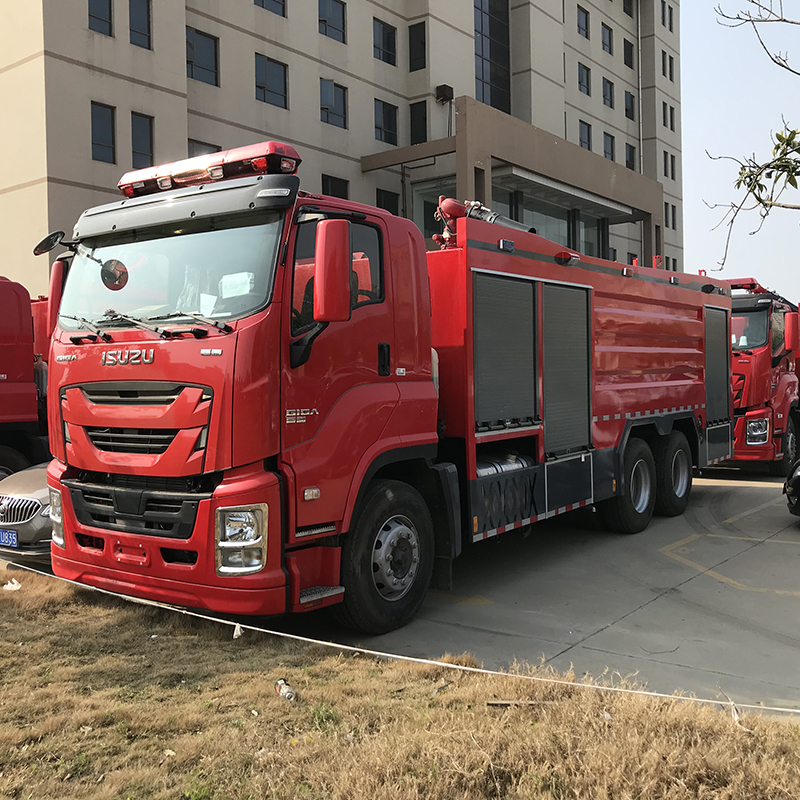
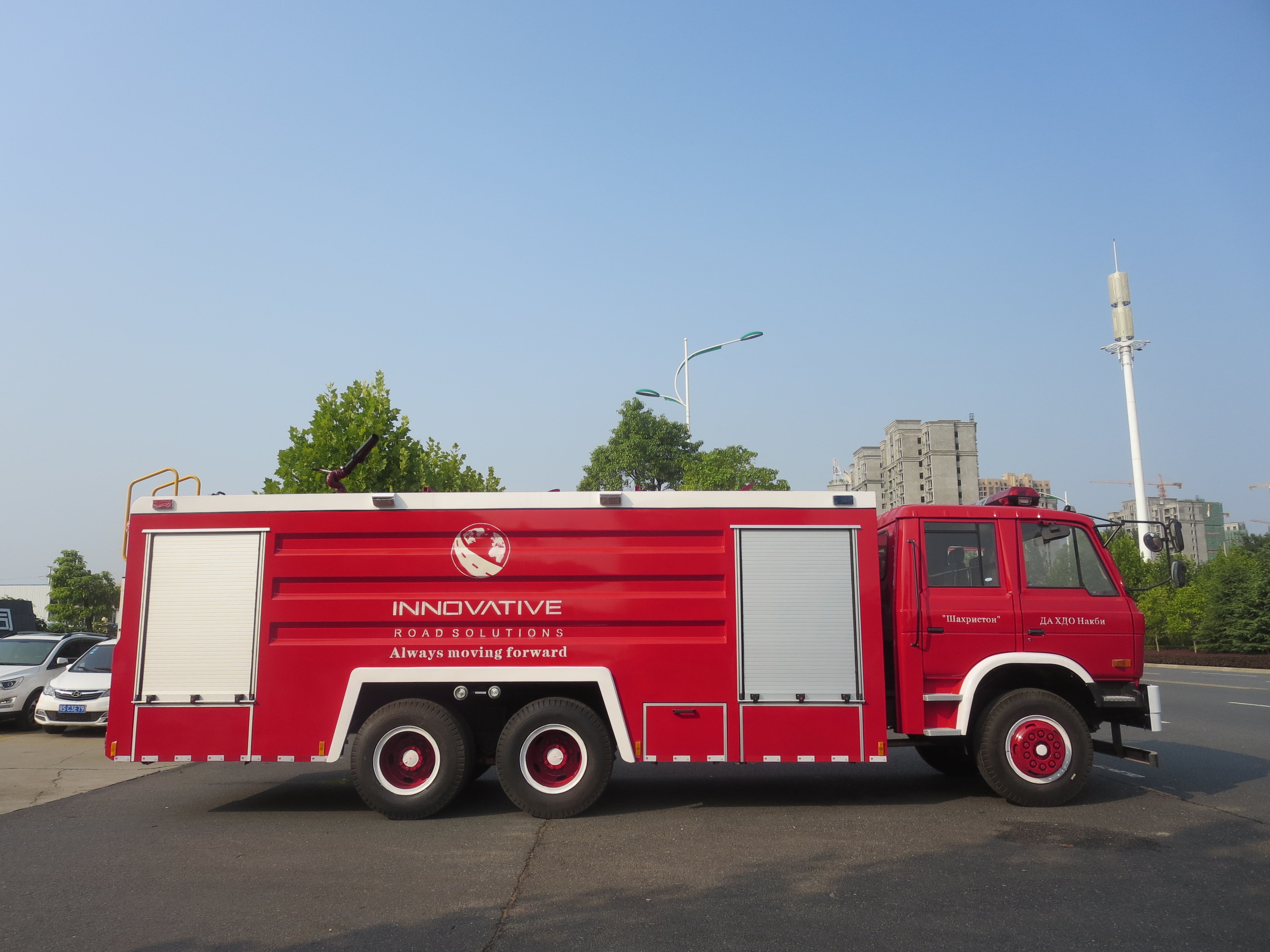
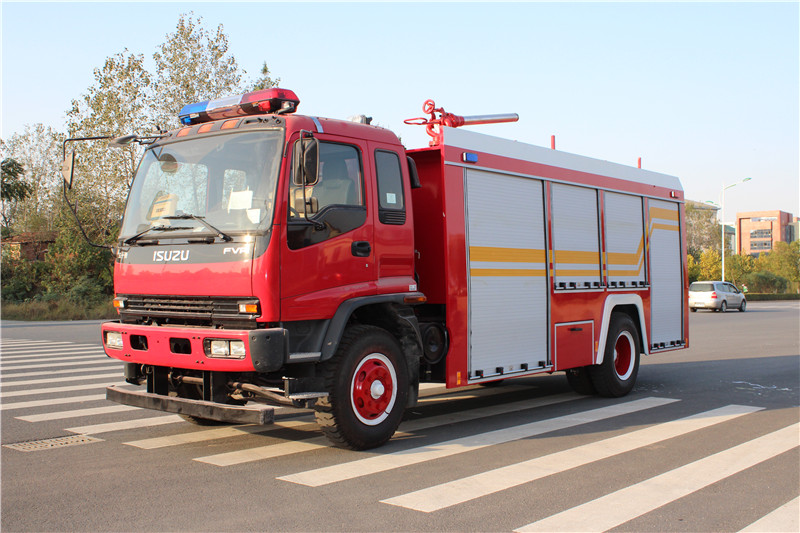
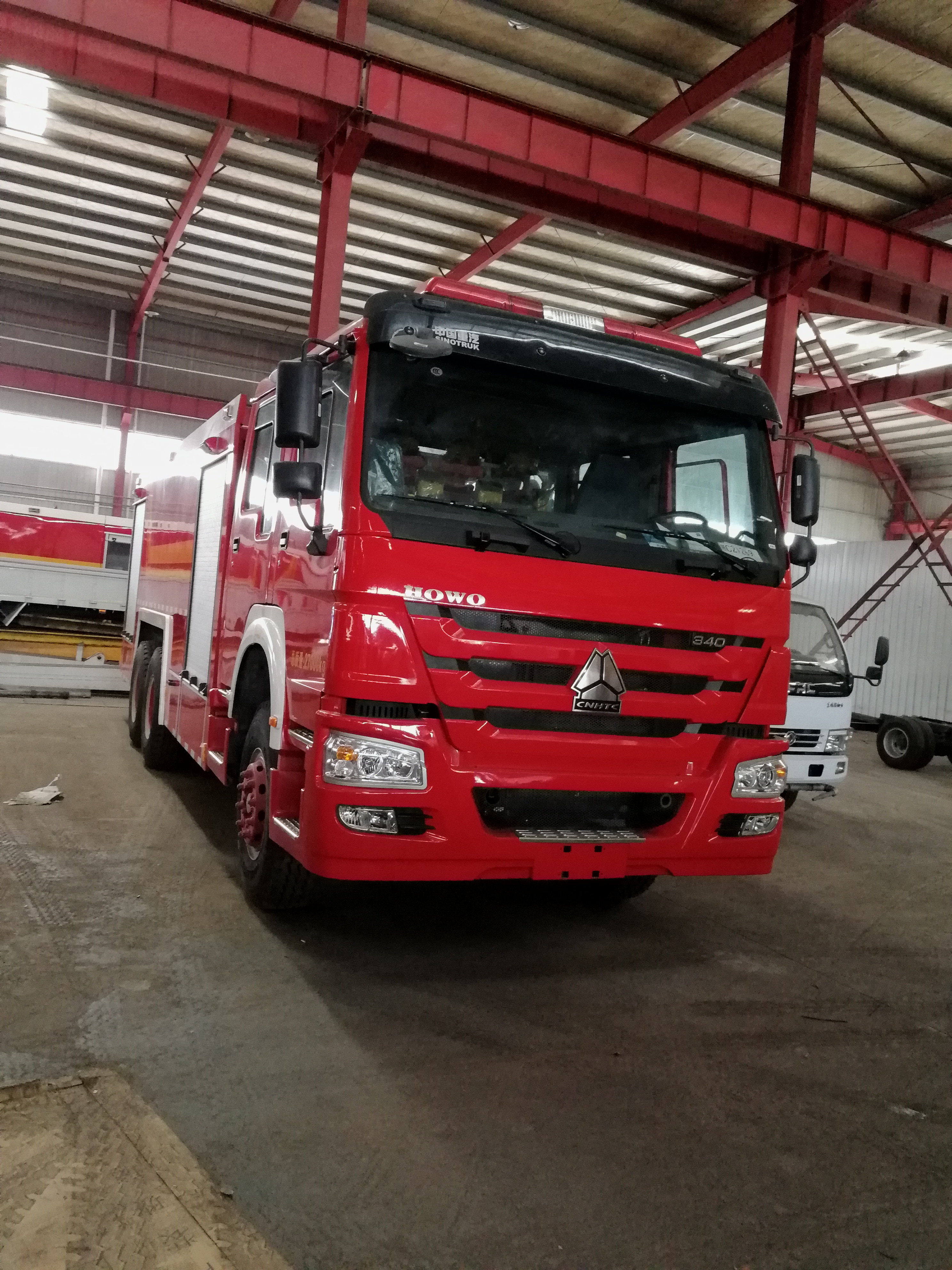
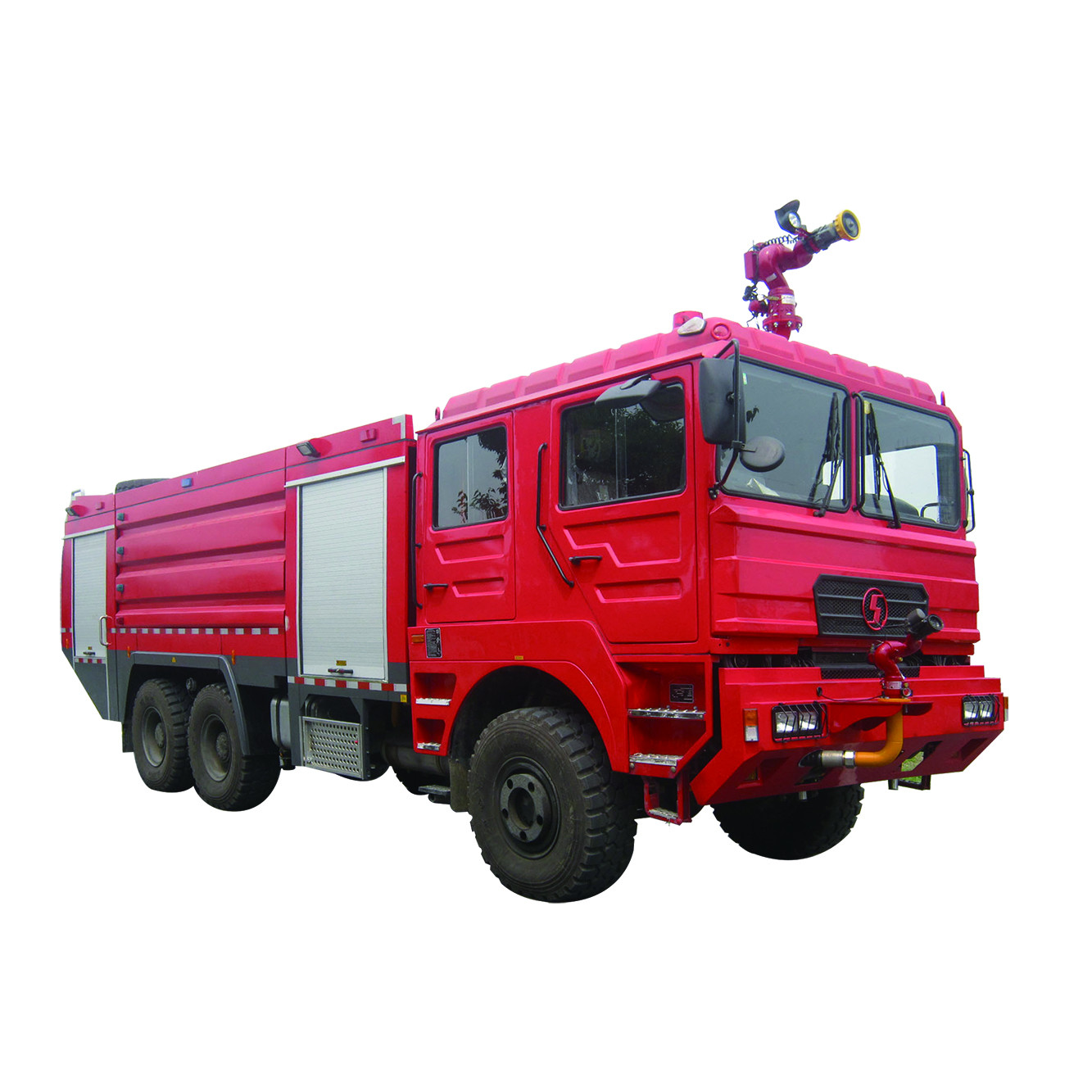
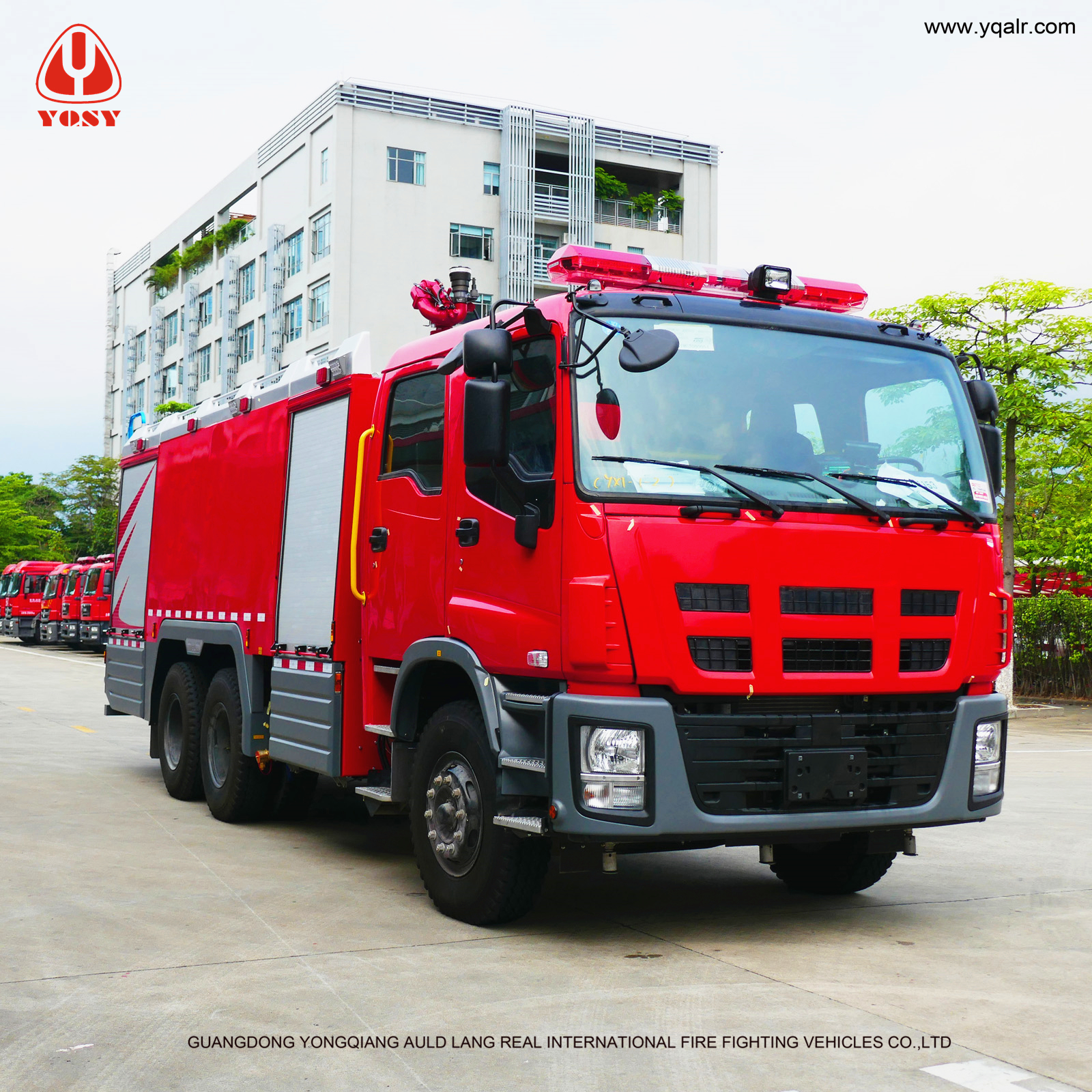
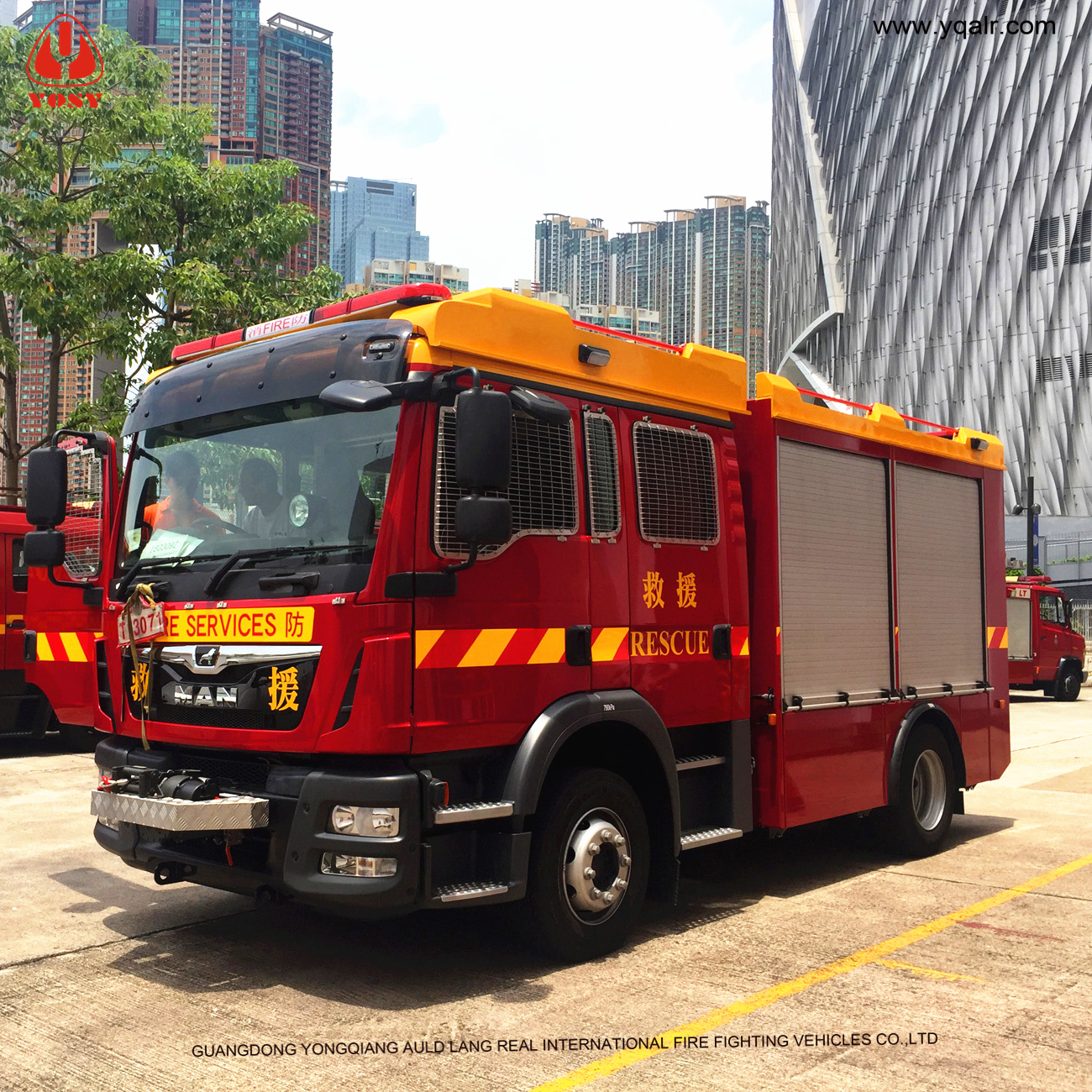
The foundation of any fire engine is the commercial chassis. Manufacturers typically build superstructures on established platforms (such as Isuzu, MAN, Sinotruk, or Shacman). When specifying a build with a factory, you must ensure the chassis is rated for the fully loaded weight of the vehicle, including water, foam, equipment, and crew.
Key specifications to define with your supplier include:
- Gross Vehicle Weight (GVW): Must comfortably exceed the combined weight of the chassis, full tanks, and payload to prevent axle failure.
- Power Take-Off (PTO) System: The critical link between the vehicle's engine and the fire pump. Specify the PTO torque rating and engagement mechanism (pneumatic or electronic).
- Pump Flow Capacity: Typically measured in liters per minute (L/min) or gallons per minute (GPM). Ensure the pump curve matches your operational requirements at specific pressures.
- Drive Configuration: 4x2 for urban environments, 4x4 or 6x6 for rough terrain or industrial applications.
Superstructure Manufacturing: Where Quality is Won or Lost
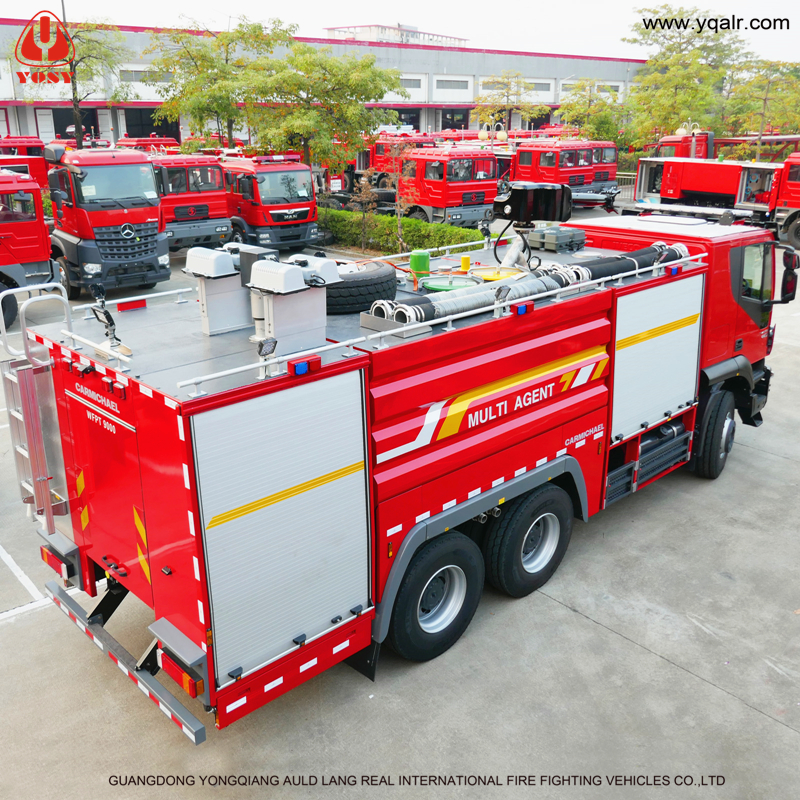
The structural integrity of the water and foam tanks, along with the plumbing layout, dictates the lifespan of the fire engine. Subpar welding or poor material selection leads to premature corrosion and structural failure under the immense stress of dynamic fluid loads.
| Tank Material | Durability | Weight | Best Application |
|---|---|---|---|
| Carbon Steel (Treated) | Moderate | Heavy | Budget municipal fleets |
| Stainless Steel (304/316L) | High | Heavy | Industrial & coastal environments |
| Polypropylene (PP) | Very High | Lightweight | Modern urban & rescue pumpers |
When evaluating a manufacturer's capabilities, rigorous factory audits are essential. You need to verify their welding certifications and their methods for treating and coating metals.
Critical Factory-Floor Checks
- Verify PTO alignment with the fire pump to prevent vibration and premature bearing failure.
- Inspect the internal baffling of water tanks; insufficient baffling causes dangerous weight shifts during transit.
- Ensure all high-pressure plumbing is constructed from corrosion-resistant materials and hydrostatically tested.
- Check the wiring harnesses for the emergency lighting and pump controls for proper waterproofing (IP67 or higher).
Need to verify a specialized vehicle manufacturer? Our engineering and sourcing teams evaluate heavy equipment factories on the ground.
Discuss your technical requirementsCompliance Testing and Quality Control
Fire engines must perform flawlessly in extreme conditions. Relying solely on a supplier's internal testing is a significant risk. Independent quality control and inspection during production and prior to shipment is non-negotiable.
Vehicles must be tested against applicable regional standards (such as EN 1846 in Europe, NFPA 1901 in North America, or local equivalents). Before accepting a completed unit, ensure comprehensive compliance and testing protocols are executed. This includes continuous pump flow tests at maximum pressure, vacuum tests for drafting capabilities, and a full hydrostatic test of the tank and plumbing systems to identify micro-leaks.
Lead Times, MOQs, and Logistics Reality
Unlike standard commercial vehicles, fire engines are highly customized, build-to-order assets.
Logistics for fully assembled fire engines require specialized handling. Because they cannot fit into standard shipping containers, they must be transported via RoRo (Roll-on/Roll-off) vessels or on Flat Rack containers. Coordinating this requires experienced shipping and freight forwarding to manage port handling, marine insurance, and customs clearance for heavy specialized vehicles.
Managing complex heavy-vehicle procurement? Let our team handle the factory negotiation, quality control, and international freight.
Get a logistics and sourcing quoteFrequently Asked Questions
Successfully sourcing fire engines is an exercise in meticulous specification and rigorous oversight. By focusing on chassis compatibility, tank material integrity, and third-party performance testing, you can procure world-class firefighting apparatus that meets operational demands without inflating procurement budgets.
Get Sourcing Help for Fire Engines
Tell us your requirements and our experts will connect you with verified manufacturers.