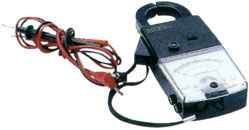
Clamp Meters
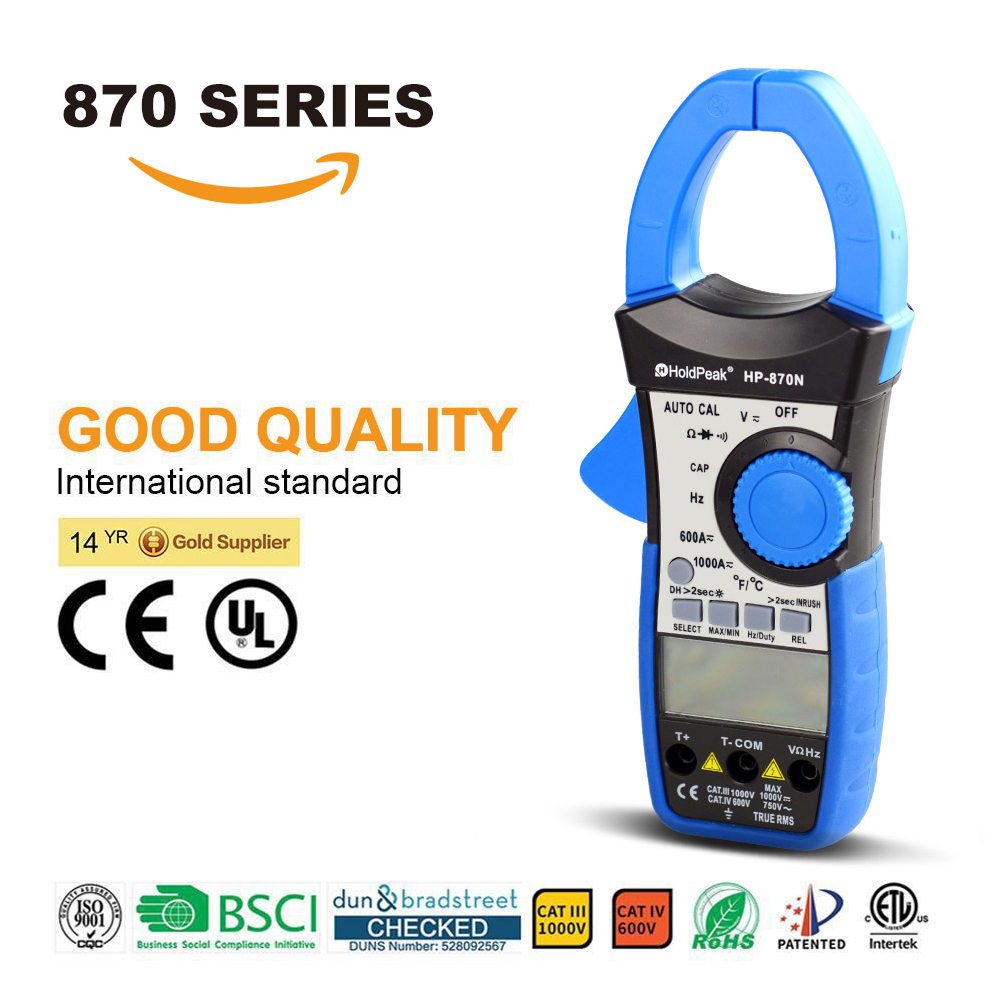
Source high-accuracy clamp meters directly from vetted Chinese manufacturers and suppliers. Designed for importers, electrical distributors, and brands seeking reliable wholesale or custom OEM production. Ensure strict safety compliance and precision measurement with scalable, cost-effective manufacturing.
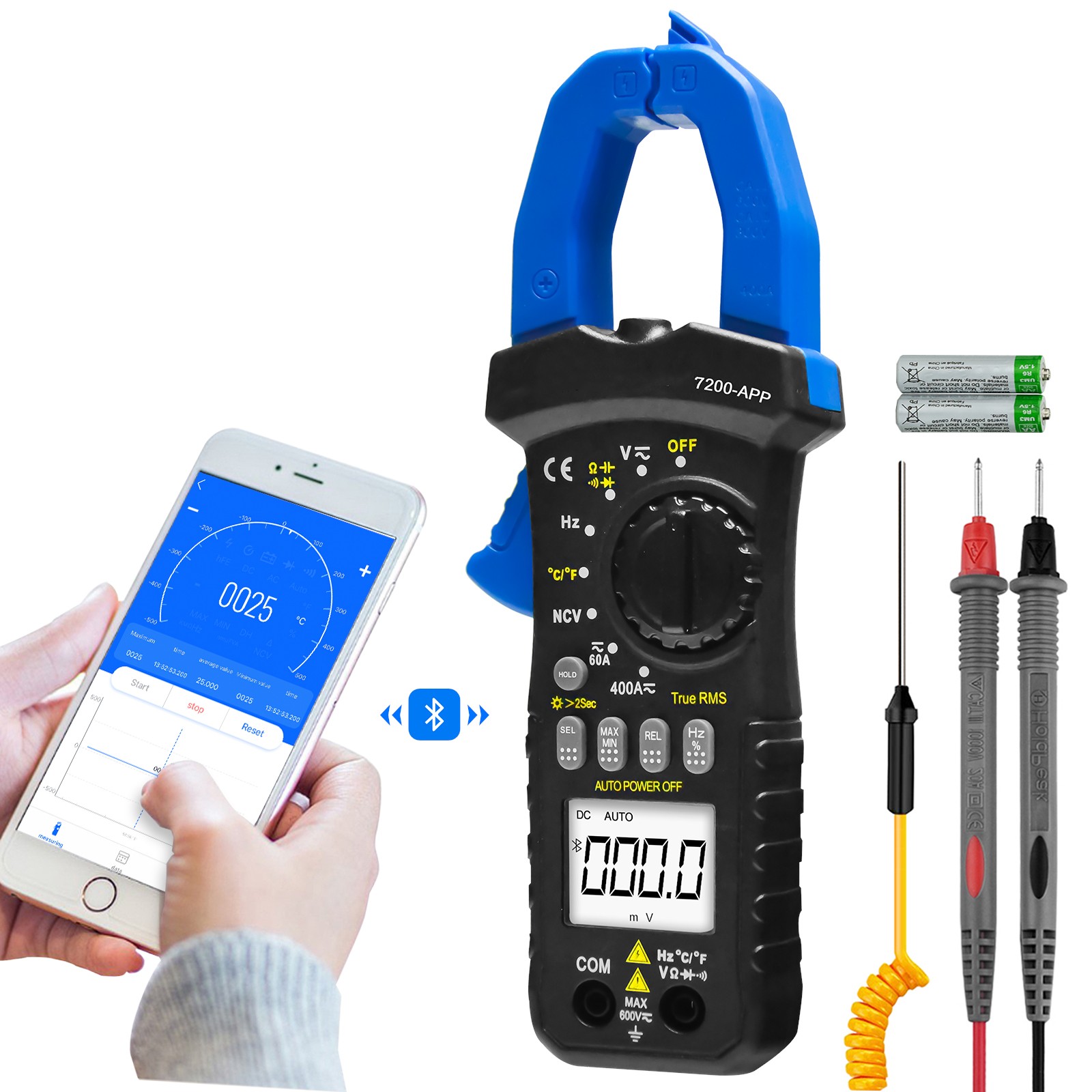
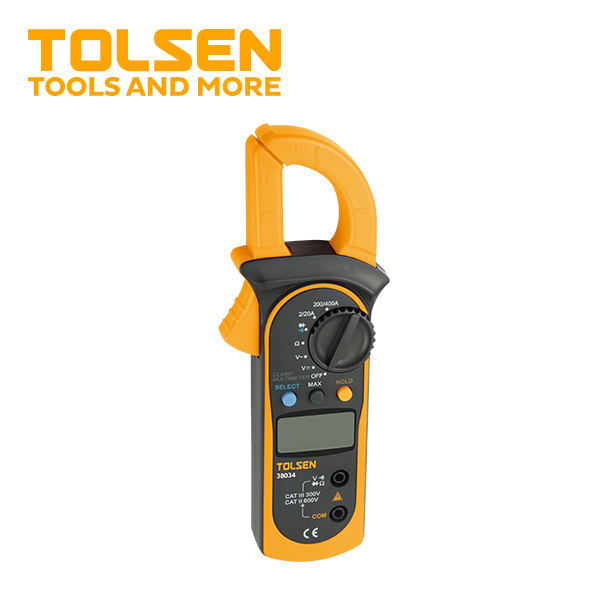
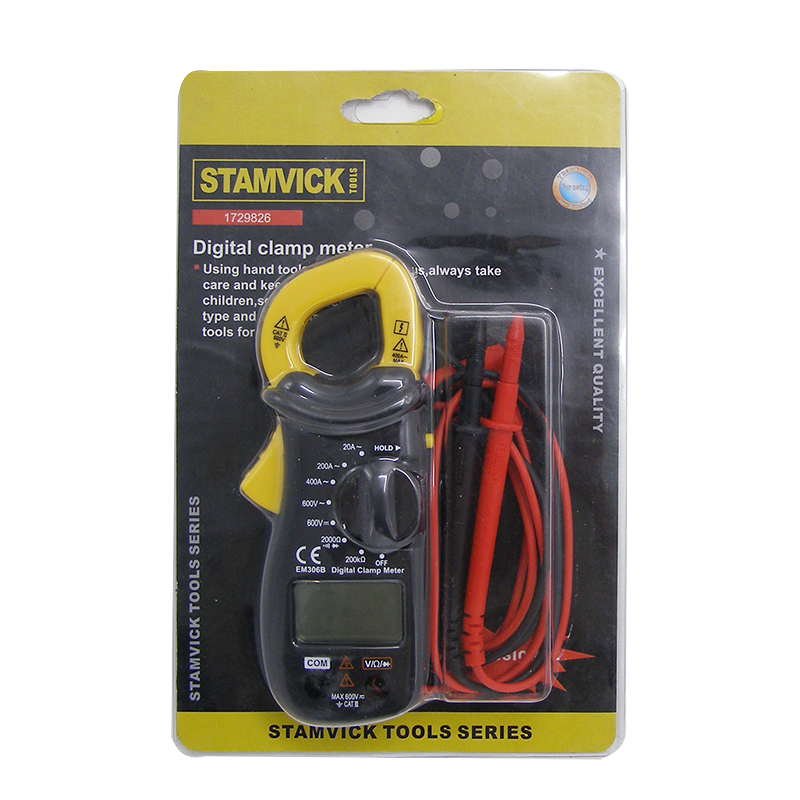
Sourcing industrial-grade clamp meters requires navigating a complex intersection of electrical safety, measurement precision, and component reliability. Whether you are stocking standard AC current models for residential electricians or developing specialized True RMS DC meters for solar and automotive applications, the core challenge remains the same: verifying that the factory's internal calibration, component sourcing, and assembly processes meet strict international safety standards.
Core Specifications for Volume Sourcing
When evaluating a manufacturer's catalog or specifying a custom build, the internal architecture dictates both the unit cost and the target market. Buyers must look beyond external housing and focus on the sensing technology and safety ratings.
| Specification | Standard AC Meters | True RMS AC/DC Meters |
|---|---|---|
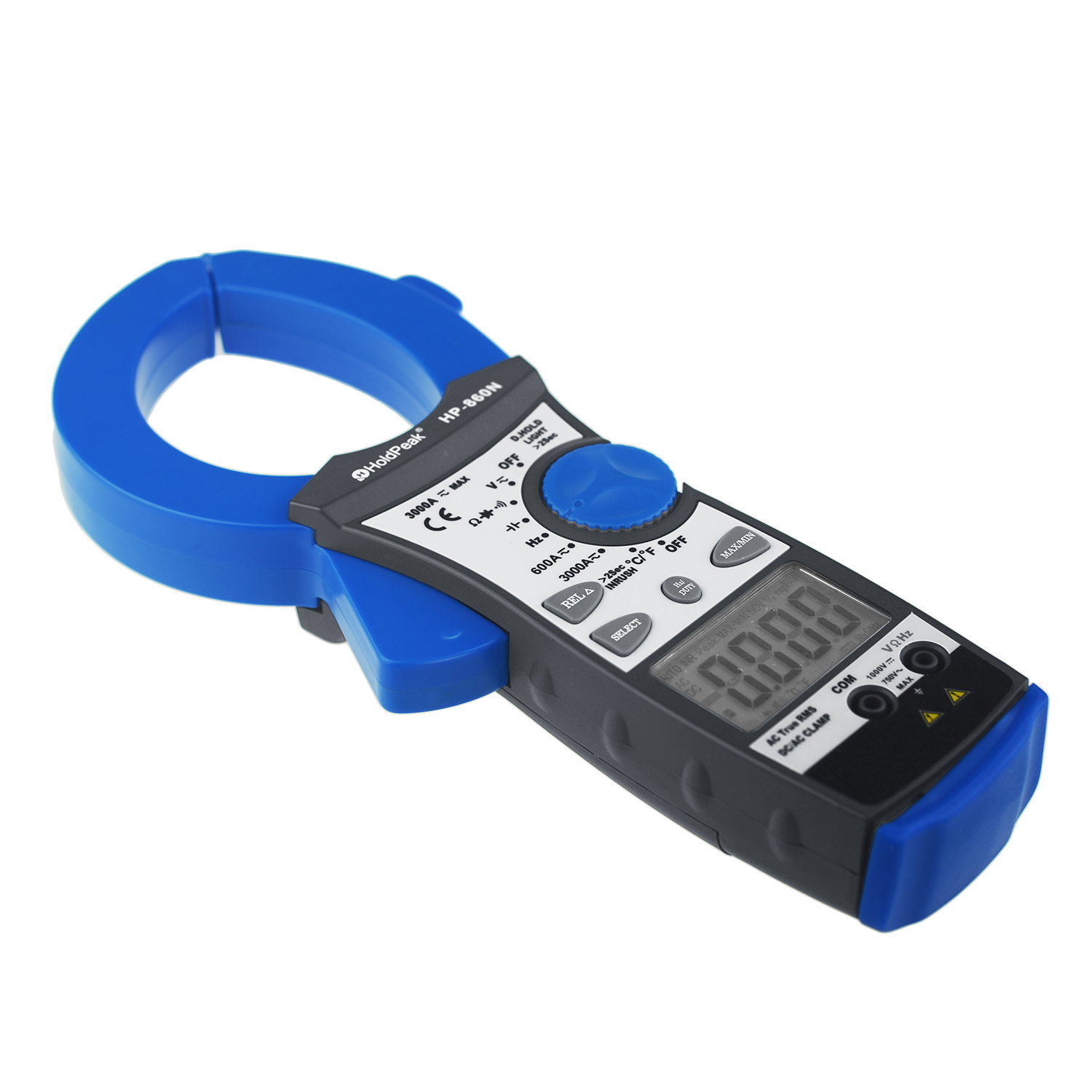
| Sensing Technology | Current Transformer (CT) | Hall Effect Sensor |
| Measurement Accuracy | Average-responding (distorted on non-linear loads) | Root mean square (accurate on all waveforms) |
| Typical Application | Basic residential, linear loads | Industrial, VFDs, solar, complex electronics |
| Cost Profile | Low to moderate | Moderate to premium |
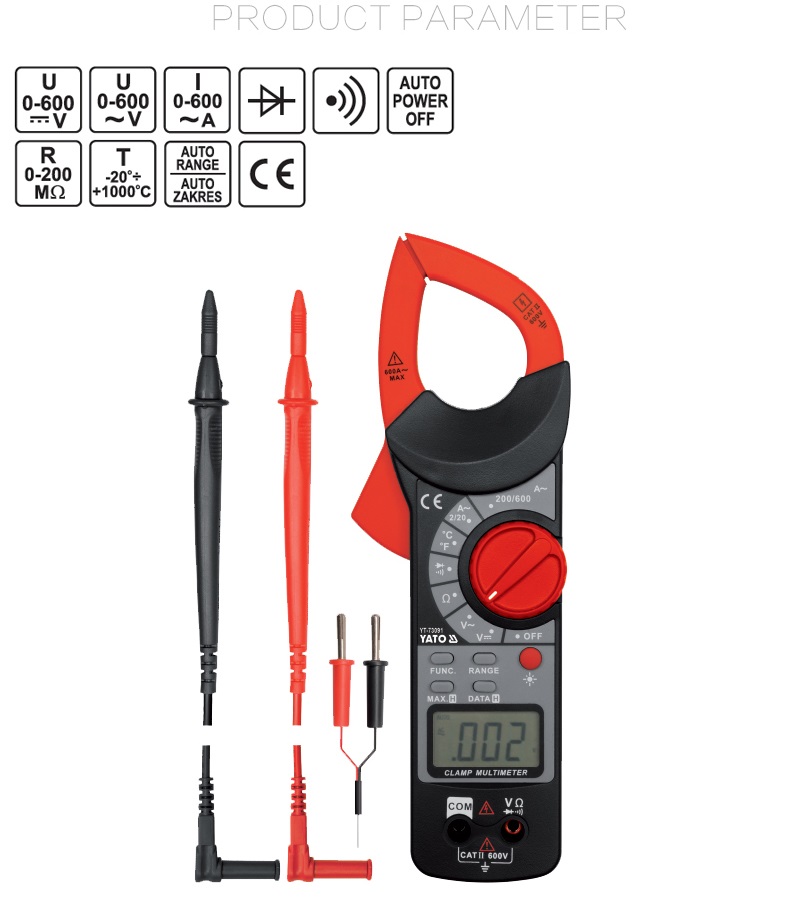
Safety category ratings (CAT III vs. CAT IV) are non-negotiable for professional tools. A meter claiming a CAT IV 600V rating must possess the necessary internal clearances, creepage distances, and high-energy fuses (if equipped with multimeter functions) to withstand transient overvoltages. Relying solely on a supplier's datasheet is risky; verifying these claims through rigorous Compliance & Testing is essential before mass production.
Ensure your clamp meter specifications meet market safety standards.
Discuss your sourcing requirementsManufacturing Quality and Defect Prevention
The reliability of a clamp meter is won or lost on the factory floor during PCB assembly, jaw alignment, and final calibration. Minor deviations in the manufacturing process can lead to significant measurement errors or safety hazards.
Critical Factory-Level Quality Checks
- Jaw Alignment: Ensuring zero air gap when closed; even microscopic gaps in the magnetic core alter the magnetic flux and skew readings.
- Hall Sensor Placement: For DC meters, the Hall effect sensor must be precisely positioned and secured within the jaw to prevent drift over time.
- PCB Solder Quality: Inspecting for cold solder joints, especially around the rotary switch and input jacks, which handle high mechanical stress.
- Calibration Consistency: Verifying that the factory uses traceable, high-precision calibration equipment (like Fluke calibrators) on the production line, not just in R&D.
To mitigate these risks, implementing robust Quality Control & Inspection protocols—including in-line inspections and pre-shipment functional testing—is critical to catching alignment issues or calibration drift before the units leave the facility.
OEM/ODM Customization Capabilities
Many importers choose to leverage OEM/ODM Services to differentiate their product lines. Customization ranges from simple private labeling (color changes and logo printing) to complete ODM projects involving custom PCB layouts, proprietary firmware for data logging, and unique housing molds.
Custom Housing Molds (ODM) vs. Off-the-Shelf (OEM)
Advantages
- Unique brand identity and ergonomic design
- Ability to integrate specific features (e.g., larger displays, specific button layouts)
- Higher perceived value in the professional market
Disadvantages
- Significant upfront tooling costs (NRE)
- Longer lead times for mold creation and validation
- Requires higher initial order volumes to justify investment
Pricing, MOQs, and Lead Times
Procurement economics for clamp meters depend heavily on the integrated circuit (IC) used, the quality of the jaw materials, and the required certifications (CE, UL, RoHS).
Chip Shortages and Lead Times
The specialized ICs required for True RMS calculation and high-resolution analog-to-digital conversion can experience supply chain volatility. Always forecast orders well in advance to secure component allocation.
Get realistic pricing and lead time estimates for your next order.
Talk to our teamFrequently Asked Questions
Successfully sourcing professional-grade clamp meters requires a deep understanding of electrical metrology and factory-level quality assurance. By focusing on component traceability, rigorous calibration procedures, and verified safety ratings, buyers can build a reliable supply chain that meets the demands of professional end-users.
Get Sourcing Help for Clamp Meters
Tell us your requirements and our experts will connect you with verified manufacturers.