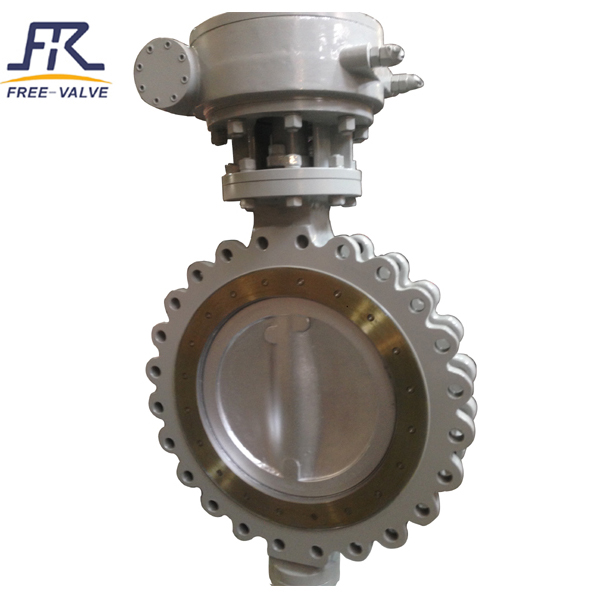
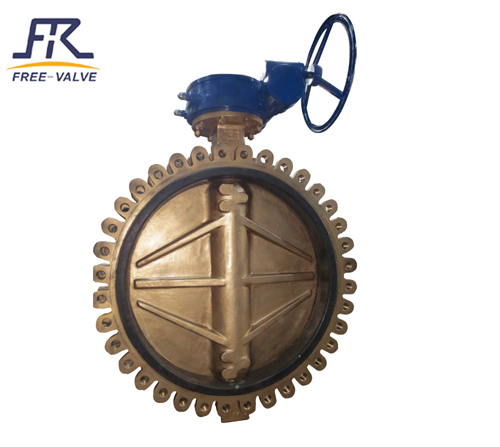
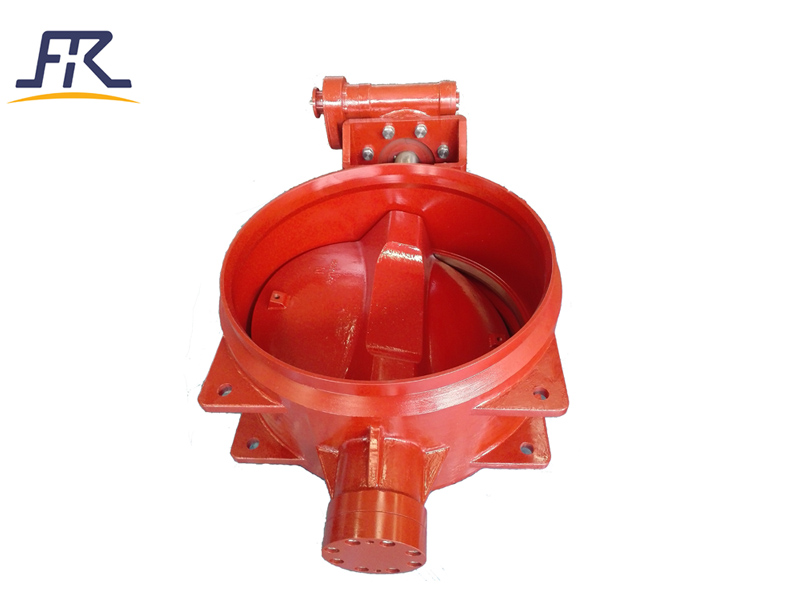
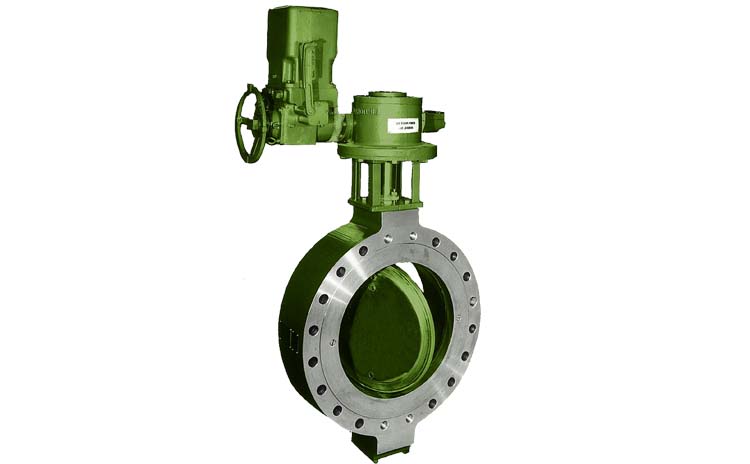
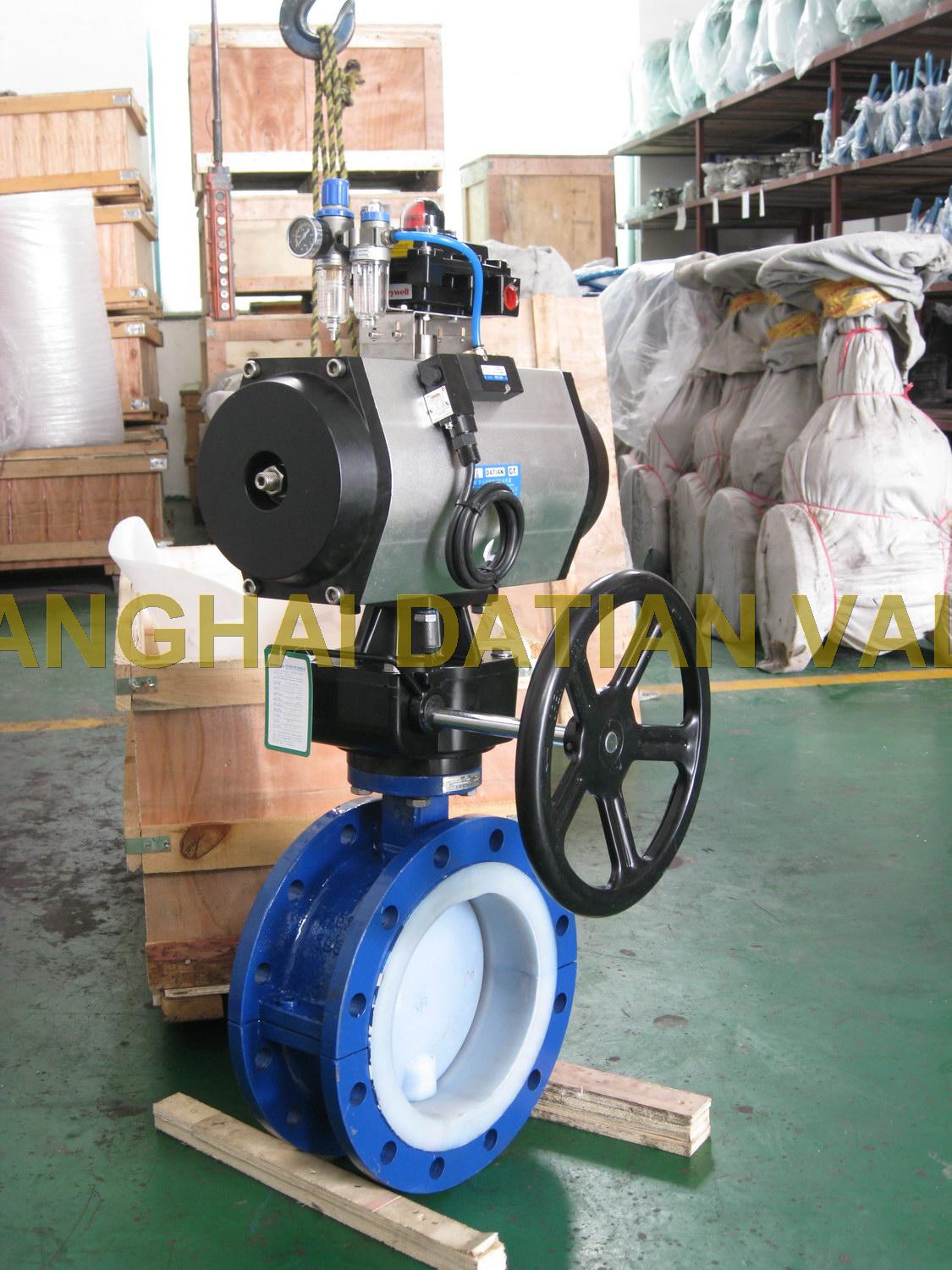
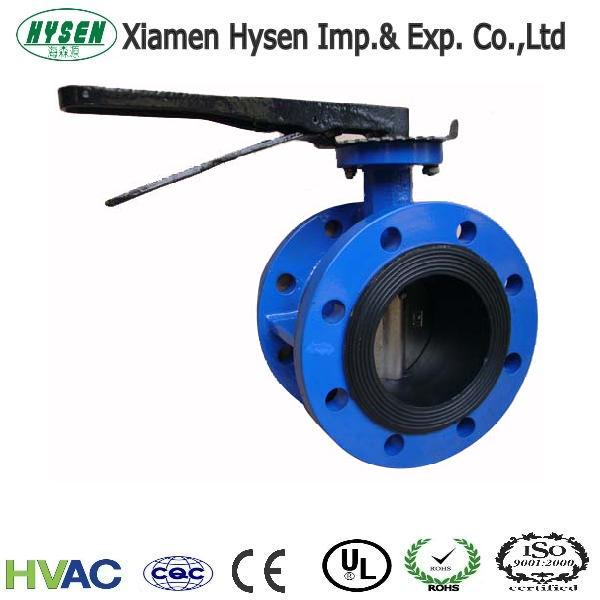
Butterfly Valves
Source high-quality butterfly valves from vetted manufacturers and suppliers across Asia. Built for importers, wholesalers, industrial distributors, and brands seeking reliable bulk purchasing or OEM and private-label production. Secure strict quality control, verified certifications, and competitive wholesale pricing for your supply chain.
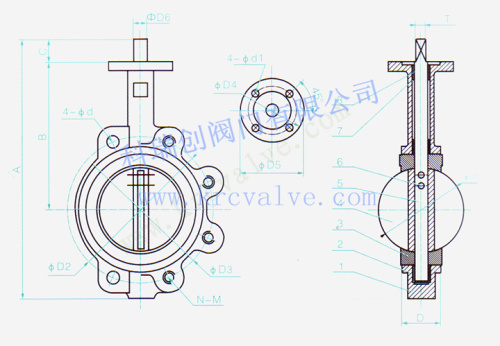
Sourcing butterfly valves in high volumes requires balancing strict dimensional tolerances, material durability, and unit costs. Because these valves serve as critical isolation and throttling components in HVAC, water treatment, and industrial fluid systems, a failure in sealing integrity or casting quality can lead to catastrophic system downtime. Success in bulk procurement means looking past the surface finish to verify the underlying foundry capabilities, machining precision, and assembly standards of your manufacturing partners.
Core Specifications for Volume Procurement
When negotiating with suppliers, vague specifications lead to inconsistent batches. Professional buyers must dictate the exact material grades and dimensional standards required for the target market.
Body and Disc Materials
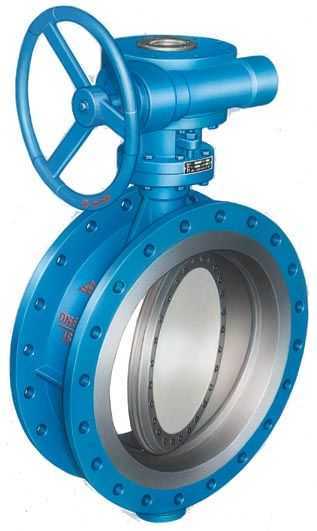
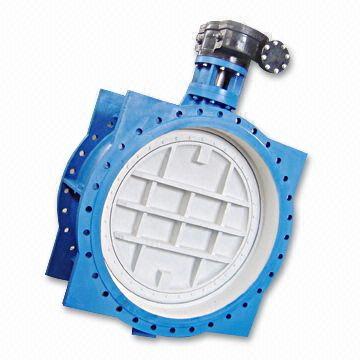
The foundation of any butterfly valve is its casting. Common body materials include Cast Iron (GG25) for standard applications and Ductile Iron (GGG40/50) for higher pressure and impact resistance. Discs are typically Ductile Iron (often nickel-plated or nylon-coated), Stainless Steel (CF8/CF8M), or Aluminum Bronze for marine environments.
Seat (Liner) Selection
The seat material dictates the valve's chemical compatibility and temperature range. Ensure your supplier uses virgin materials rather than recycled compounds, which degrade rapidly under friction and pressure.
| Seat Material | Max Temperature | Primary Applications |
|---|---|---|
| EPDM | 120°C | Water, HVAC, mild alkaline solutions |
| NBR (Buna-N) | 80°C | Oils, compressed air, hydrocarbons |
| PTFE (Teflon) | 150°C | Corrosive chemicals, food processing |
| Viton (FKM) | 200°C | High-temp industrial, harsh chemicals |
Need reliable valve manufacturers? We help you source, vet, and negotiate with top-tier industrial foundries.
Talk to our teamManufacturing Realities and Quality Control
The difference between a premium valve and a failing one is often invisible to the naked eye. It happens on the factory floor during machining and assembly. Relying on a supplier's word is risky; conducting thorough Factory Audits is essential to verify their casting and machining capabilities before placing a bulk order.
Critical Vulnerabilities to Monitor
- Disc Edge Machining: The disc edge must be spherically machined and polished to a mirror finish. Rough machining causes excessive friction, leading to premature seat wear and higher operating torque.
- Seat Vulcanization: For bonded seats, vulcanization must be uniform. Poor bonding leads to seat deformation under vacuum or high flow velocity.
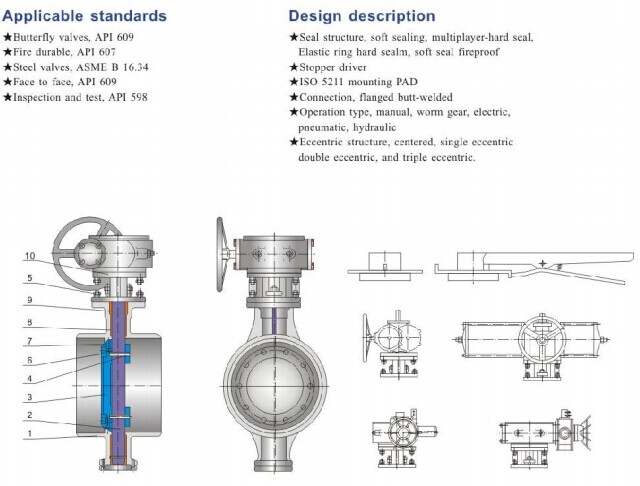
- Shaft Sealing: Pinned versus pinless designs present different risks. Pinned discs offer high strength but introduce a potential leak path if the O-rings fail. Ensure secondary shaft sealing mechanisms are in place.
Pre-Shipment Inspection Focus Areas
- Hydrostatic shell testing at 1.5x nominal pressure
- Seat leakage testing at 1.1x nominal pressure
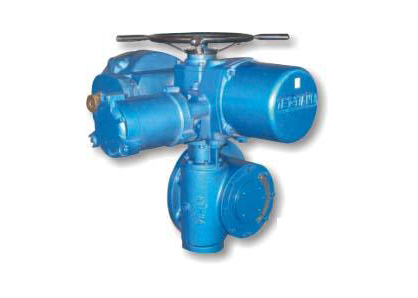
- Torque testing to verify actuator sizing requirements
- Measurement of epoxy coating thickness (minimum 250 microns)
- Verification of material heat numbers against foundry certificates
Catching these issues requires rigorous Quality Control & Inspection directly at the facility, ensuring defects are caught before the container is loaded.
Customization and OEM Production
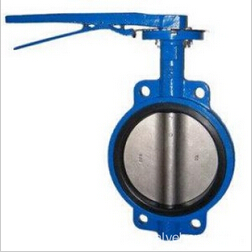
For brands looking to establish their own product lines, OEM/ODM Services offer significant value. Factories can cast your logo directly into the valve body, customize the lever or gear operator colors, and apply specific fusion-bonded epoxy (FBE) coatings to meet regional requirements (such as WRAS or AWWA standards). Ensure your technical drawings explicitly detail these requirements, including the RAL color codes and coating micron thickness.
Pricing, MOQs, and Lead Times
Valve pricing is heavily tied to raw material indexes (iron, steel, copper) and currency fluctuations.
When negotiating, remember that tooling costs for custom body castings or unique disc designs will require upfront investment, usually amortized over the first few container loads. Lead times can stretch to 60 days if new molds are required or if third-party Compliance & Testing is necessary to validate pressure ratings for specific markets.
Struggling with inconsistent valve quality or delayed shipments? Let us manage your industrial hardware supply chain.
Get a free consultationFrequently Asked Questions
The true cost of a butterfly valve is never just the unit price—it is the cost of replacement and system downtime if it fails in the field. Sourcing successfully requires partnering with foundries that treat machining and material science with the precision your industry demands.
Get Sourcing Help for Butterfly Valves
Tell us your requirements and our experts will connect you with verified manufacturers.