Brick & Tile & Wall Materials Machinery
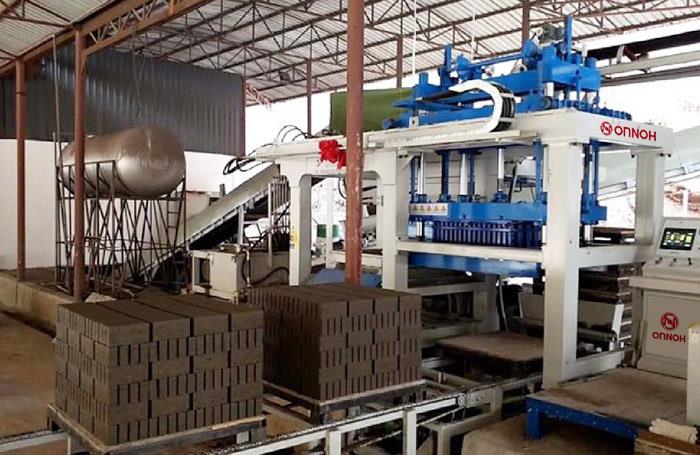
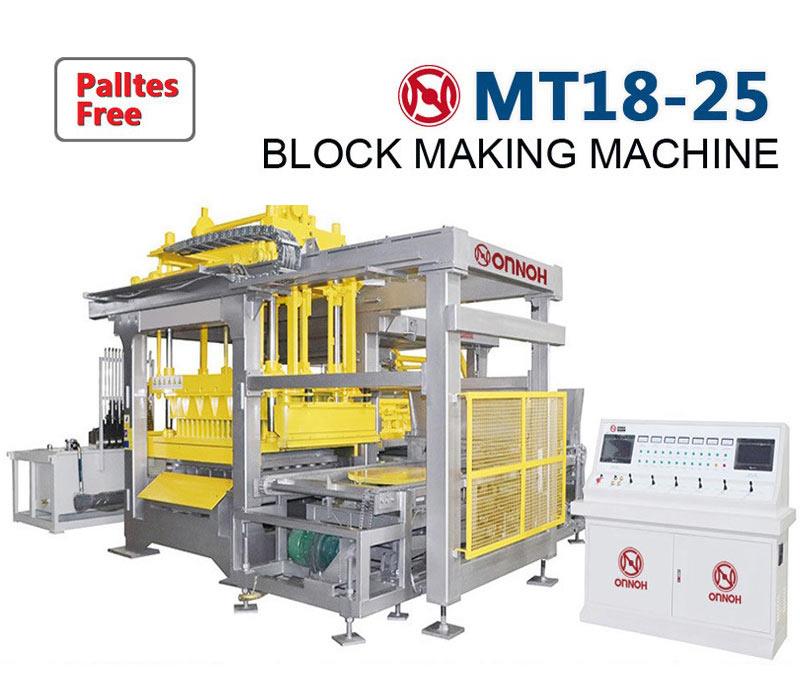
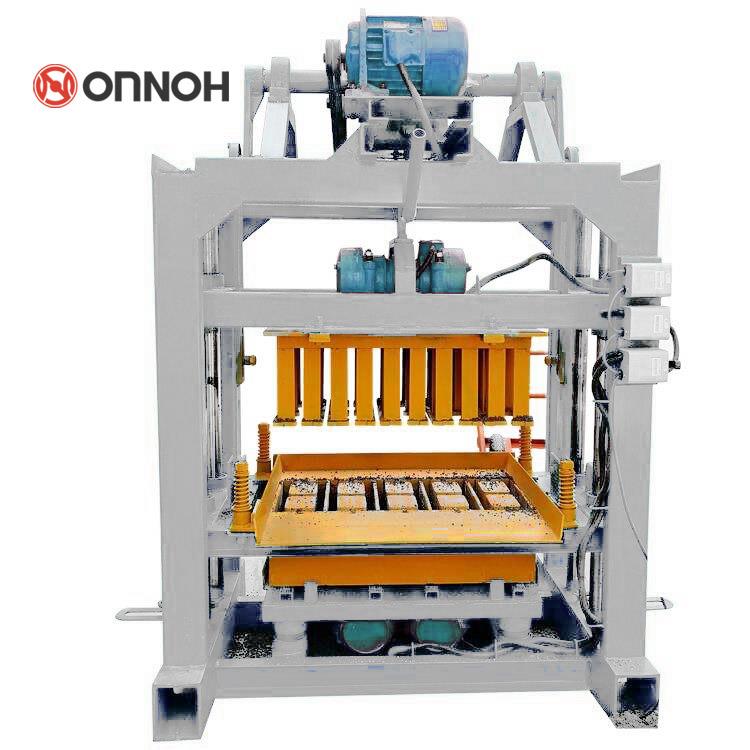
Source high-performance Brick & Tile & Wall Materials Machinery from vetted suppliers and manufacturers. Designed for importers, distributors, and procurement managers, our network offers reliable, industrial-grade production lines, ensuring high-yield output and robust operational stability for large-scale building material manufacturing.
Sourcing heavy machinery for building materials is an exercise in managing total cost of ownership. The initial capital expenditure is only part of the equation; operational uptime, maintenance overhead, and output consistency determine the true value of your investment. When procuring brick, tile, and wall panel production lines from overseas manufacturers, success relies on verifying core metallurgy, hydraulic reliability, and control system architecture long before the first deposit is paid.
Core Specifications and Performance Tolerances
The difference between a machine that runs flawlessly for a decade and one that suffers chronic downtime lies in the component specifications. Buyers must clearly define the operational parameters and insist on transparent bills of materials (BOM) from the manufacturer.
| Component / System | Standard Configuration | Industrial Heavy-Duty Configuration |
|---|---|---|
| Control Systems (PLC) | Generic domestic brands, basic HMI | Siemens, Allen-Bradley, or Omron with remote diagnostic capabilities |
| Hydraulic Valves | Standard directional valves | Proportional relief and directional valves (e.g., Yuken, Rexroth) |
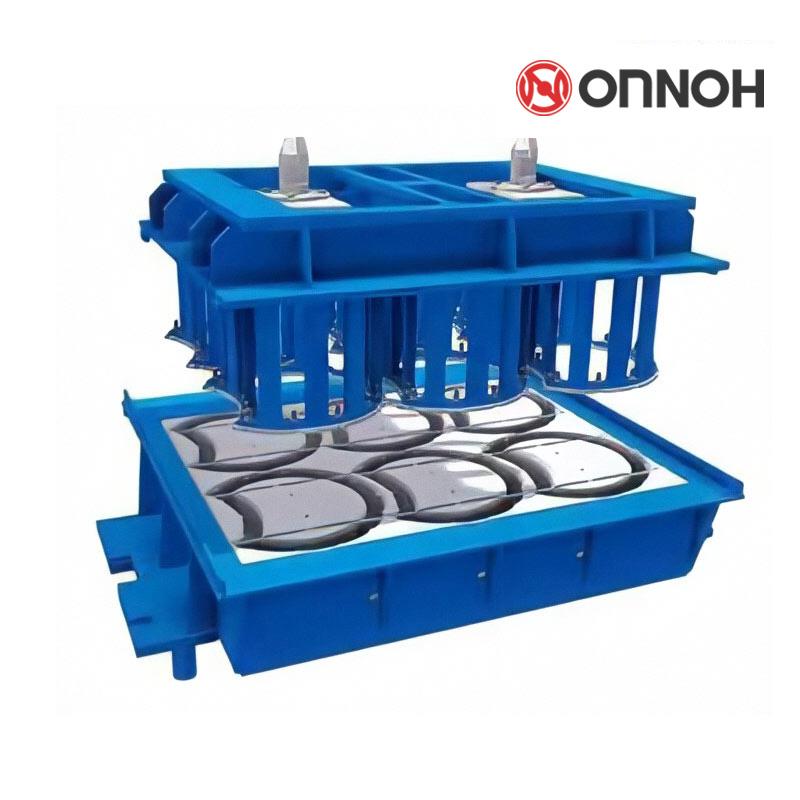
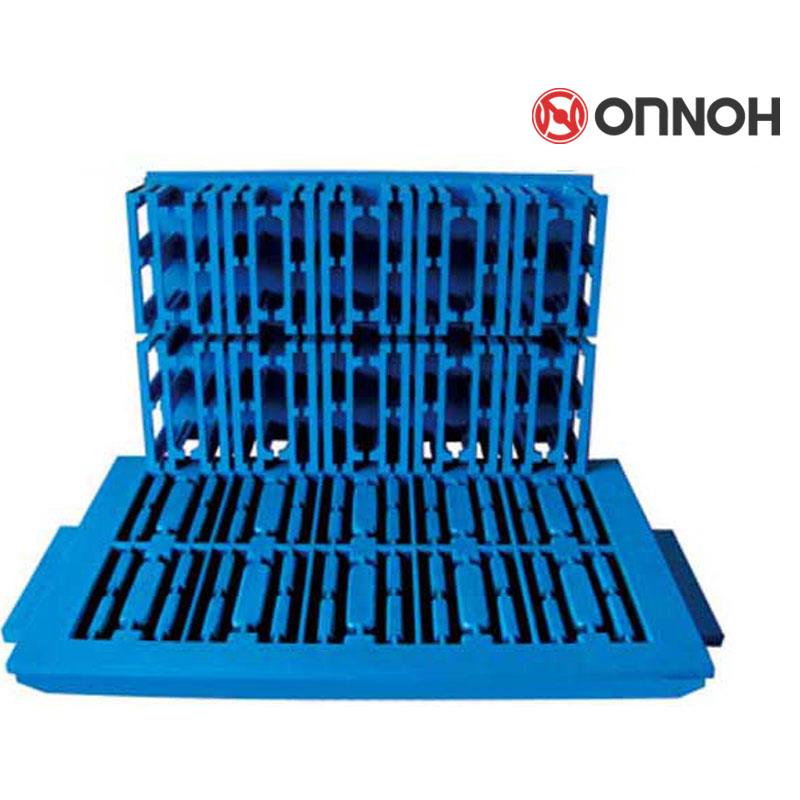
| Mold Metallurgy | Standard carbon steel, basic quenching | Manganese steel with deep carburizing heat treatment |
| Vibration Motors | Standard asynchronous motors | Servo-driven or frequency-controlled synchronous vibration |
When evaluating proposals, pay close attention to the vibration frequency and hydraulic molding pressure. Higher molding pressure directly correlates to the density and structural integrity of the final brick or tile, while precise vibration control ensures uniform material distribution within the mold.
Ensure your machinery specifications align with your production demands.
Talk to our teamVerifying Factory Capability and Component Quality
The Asian machinery market is highly fragmented. While many suppliers present themselves as primary manufacturers, they are often assemblers relying on a vast network of sub-suppliers for frames, hydraulics, and electronics. Conducting rigorous Factory Audits is non-negotiable to confirm actual machining capabilities, such as the presence of high-precision CNC boring and milling centers used to fabricate the main machine frames.
Critical Factory Verification Points
- In-house machining vs. outsourced frame fabrication.
- Quality and origin of imported components (bearings, contactors, PLCs).
- Heat treatment facilities for molds and wear parts.
- Availability of comprehensive English documentation and HMI interfaces.
- Historical export data to regions with similar electrical standards (voltage/frequency).
Factory Acceptance Testing (FAT)
Never authorize shipment without a comprehensive FAT. This involves running the machinery under load at the factory using raw materials similar to what you will use locally. Effective Quality Control & Inspection at this stage must verify cycle times, product density, and the exact dimensions of the output against your local building codes.
Logistics, Commissioning, and After-Sales
Moving heavy industrial machinery introduces complex logistical hurdles. Production lines often require multiple 40-foot High Cube (HC) containers, Open Top (OT) containers, or Flat Racks for oversized components like massive mixing silos or curing chambers. Coordinating this requires specialized Shipping & Freight expertise to manage Out of Gauge (OOG) cargo and ensure proper securing to prevent transit damage.
Beyond logistics, commissioning is the most vulnerable phase of the procurement cycle. Clarify the manufacturer's installation support model. Will they dispatch engineers to your site, or do they rely on detailed schematics and remote video support? Ensure the contract explicitly covers the cost of engineer flights, visas, and local accommodations.
Pricing, MOQs, and Lead Times
Heavy machinery is engineered to order. Off-the-shelf availability is virtually non-existent for complete production lines.
Pricing is driven primarily by the degree of automation (manual handling vs. fully automated stacking/curing systems) and the origin of the core electrical and hydraulic components. Upgrading from domestic Chinese PLCs and valves to European or Japanese equivalents can increase the base machinery cost by 15% to 30%, but significantly reduces long-term maintenance costs.
Need help managing the complexities of heavy machinery procurement and logistics?
Get a free consultationFrequently Asked Questions
Sourcing brick, tile, and wall materials machinery is a major capital investment that demands rigorous technical oversight from the initial blueprint to final site commissioning. By focusing on component verification, rigorous pre-shipment testing, and robust after-sales agreements, you can secure equipment that delivers consistent, profitable output for years to come.
Get Sourcing Help for Brick & Tile & Wall Materials Machinery
Tell us your requirements and our experts will connect you with verified manufacturers.